Search results
Search for "ultrasound" in Full Text gives 125 result(s) in Beilstein Journal of Nanotechnology.
Ultrasonic irradiation in the synthesis of nanohydroxyapatite: a chemically friendly technique for improving hemocompatibility and antibiofilm applications
Beilstein J. Nanotechnol. 2026, 17, 991–1015, doi:10.3762/bjnano.17.68
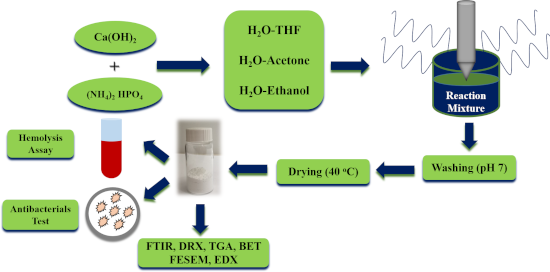
- method. To propose alternative methodologies to those mentioned in Figure 2, we implemented techniques with low energy consumption that allow for ease in handling reaction variables. One novel and versatile process for obtaining hydroxyapatite is sonochemistry, which uses ultrasound as energy source [16
- ]. Sonochemistry shows great potential and has therefore aroused significant interest. This is because the chemical effects of ultrasound do not originate from a direct interaction between sound waves and the molecular species present in the medium. Rather, they derive mainly from acoustic cavitation, a physical
- of carbonated hydroxyapatite, which has a structure very similar to that of biological apatite, using high-frequency ultrasound [19]. Due to the complexity of the physicochemical processes that occur in the medium during sonochemical synthesis, the resulting particles can exhibit great variability in




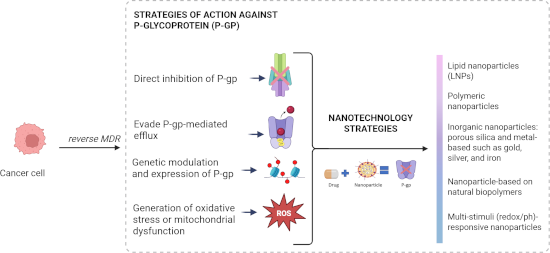
Nanocarrier strategies to overcome P-glycoprotein-mediated drug resistance in cancer therapy
Beilstein J. Nanotechnol. 2026, 17, 882–921, doi:10.3762/bjnano.17.64


Sustainable fabrication of 2D-based devices through reuse of substrates with microfabricated electrodes
Beilstein J. Nanotechnol. 2026, 17, 818–827, doi:10.3762/bjnano.17.58
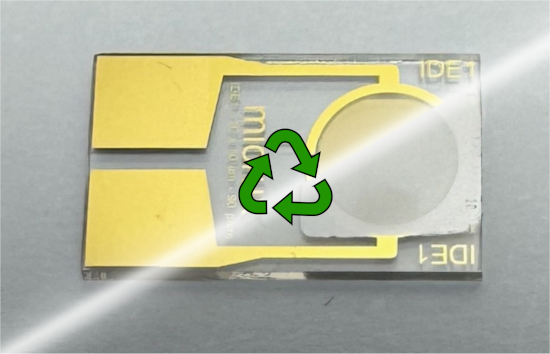
- its ability to penetrate microscopic gaps [24]. Heating to 50 °C can help weaken the van der Waals interactions between the 2D flakes and the substrate. Simultaneously, ultrasound agitation enhances molecular diffusion and promotes cavitation, generating localized pressure fluctuations that further


Glycerol photoelectrochemical oxidation reaction at carbon nitrides/BiVO4 materials
Beilstein J. Nanotechnol. 2026, 17, 806–817, doi:10.3762/bjnano.17.57
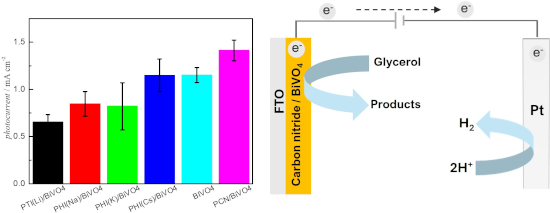
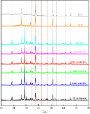
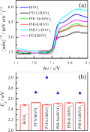
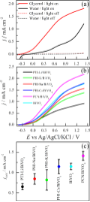
- (ethylene glycol) (PEG-300, Sigma-Aldrich, ACS reagent, 99.99%) for 30 min in an ultrasound bath (Soni-tech ultrasonic cleaner). Subsequently, 60 µL of a freshly sonicated suspension was drop-cast onto a 1 × 1 cm FTO (Sigma-Aldrich, surface resistivity ≈7 Ω/sq) substrate cleaned/pre-treated according to the




Electrochemical determination of ciprofloxacin using a MIL-101/reduced graphene oxide-modified electrode
Beilstein J. Nanotechnol. 2026, 17, 541–554, doi:10.3762/bjnano.17.35
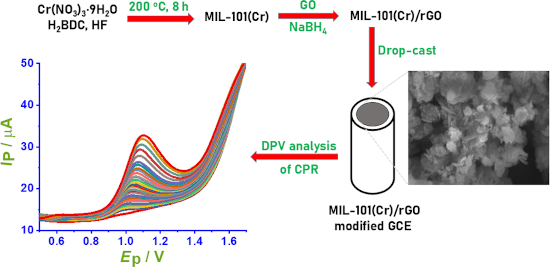
- affordable analytical methods for detecting ciprofloxacin is very important. Conventional analytical techniques for CPR determination, including a fluorescence sensor based on CsPbBr3 quantum dots embedded in a molecularly imprinted polymer [5], and ultrasound-assisted magnetic dispersive micro-solid phase


Biomimetic nanoparticles in cancer photodynamic therapy: a review of targeted delivery systems and therapeutic outcomes
Beilstein J. Nanotechnol. 2026, 17, 396–422, doi:10.3762/bjnano.17.27
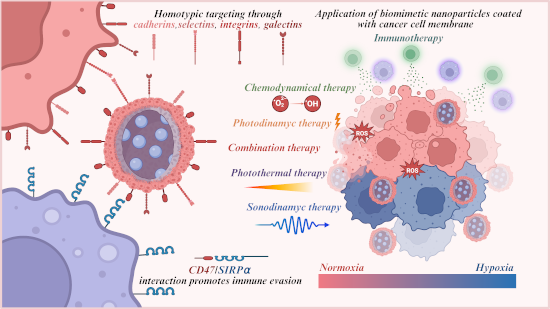
- lysis is essential for the extraction of biomimetic membranes; the membrane composition is directly influenced by the severity of the lysis method. Common techniques include (i) ultrasound, that is, membrane rupture via pressure waves (20–50 kHz), requiring precise control to prevent heat damage [54


From shield to spear: Charge-reversible nanocarriers in overcoming cancer therapy barriers
Beilstein J. Nanotechnol. 2026, 17, 159–175, doi:10.3762/bjnano.17.10
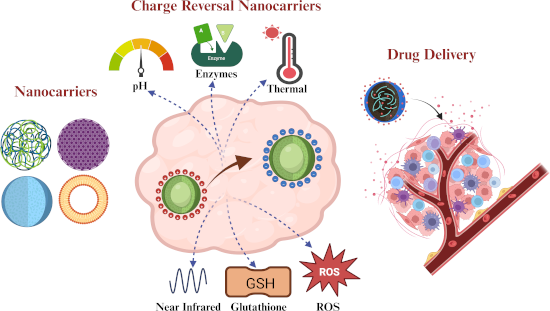
- , which enhances drug targeting while reducing off-target effects. These carriers leverage triggers such as changes in pH, enzymatic activity, redox conditions, temperature, light, ultrasound, X-rays, and magnetic fields to enable intelligent and controlled release of therapeutics. This review examines
- ]. Collectively, these studies validate that light-sensitive nanocarriers incorporating photosensitive materials are capable of controlled drug release and phototherapeutic tumour ablation with high specificity and minimised collateral damage. 2.5 Ultrasound-responsive nanocarriers Ultrasound-responsive CRN is a
- calcium-ion-crosslinked sodium-alginate-coated mesoporous silica nanoparticles (MSNs) for ultrasound-triggered drug delivery. High- or low-intensity focused ultrasound (HIFU/LIFU) induced reversible disruption of carboxyl–calcium bonds, enabling precise, on-demand release [58]. This confirms that


Development and in vitro evaluation of liposomes and immunoliposomes containing 5-fluorouracil and R-phycoerythrin as a potential phototheranostic system for colorectal cancer
Beilstein J. Nanotechnol. 2026, 17, 97–121, doi:10.3762/bjnano.17.7
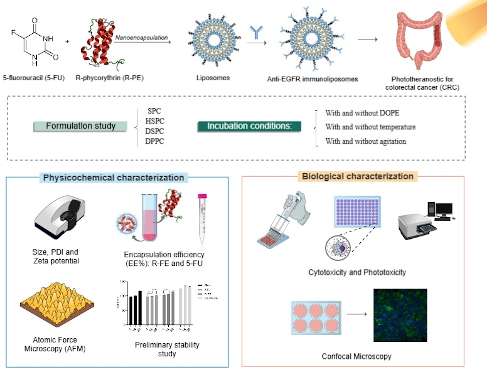
- 7.4 containing 5-FU and/or R -PE, respectively, at final concentrations of 260 μg/mL and 1 mg/mL. Subsequently, the formulations were subjected to an ultrasonic bath for 15 min. To reduce the size of the vesicles, the sonication method with a probe ultrasound was applied (Qsonica Sonicator – Model



Functional surface engineering for cultural heritage protection: the role of superhydrophobic and superoleophobic coatings – a comprehensive review
Beilstein J. Nanotechnol. 2026, 17, 63–96, doi:10.3762/bjnano.17.6


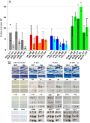
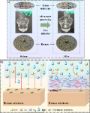
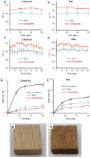
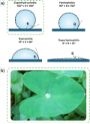


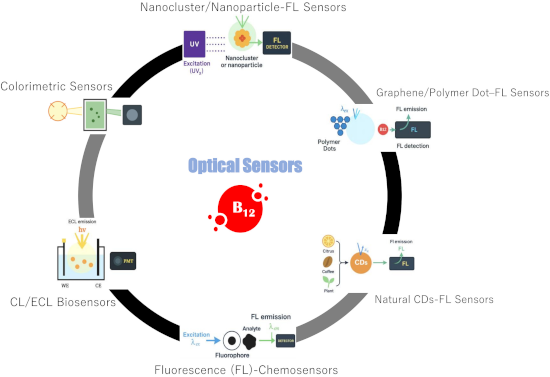
Optical bio/chemical sensors for vitamin B12 analysis in food and pharmaceuticals: state of the art, challenges, and future outlooks
Beilstein J. Nanotechnol. 2025, 16, 2207–2244, doi:10.3762/bjnano.16.153


Multifrequency AFM integrating PeakForce tapping and higher eigenmodes for heterogeneous surface characterization
Beilstein J. Nanotechnol. 2025, 16, 2077–2085, doi:10.3762/bjnano.16.142
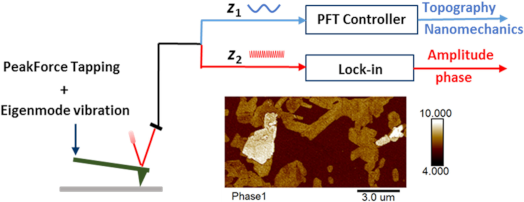
- [24]. For AFM characterization, an aqueous suspension was prepared from this pre-exfoliated powder at a concentration appropriate for AFM imaging, approximately 0.1 mg·mL−1. This suspension was treated with mild ultrasound (bath sonication, 15 min) to ensure thorough dispersion. Subsequently, a 20 μL


Laser ablation in liquids for shape-tailored synthesis of nanomaterials: status and challenges
Beilstein J. Nanotechnol. 2025, 16, 1963–1997, doi:10.3762/bjnano.16.137
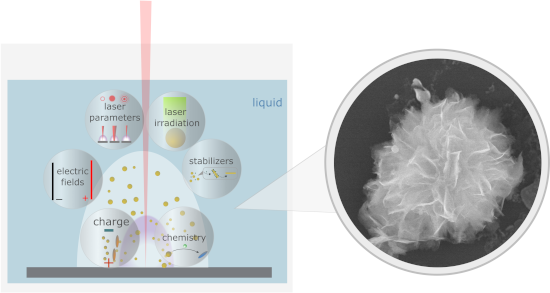
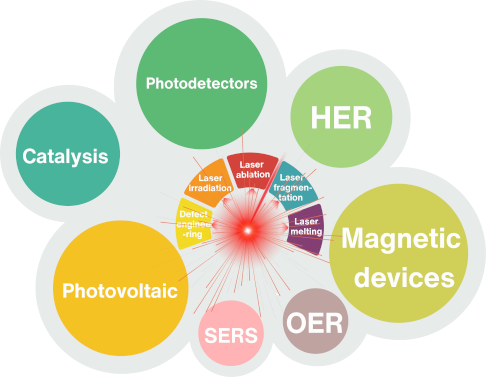
- layered materials, resulting in 2D nanostructures. This approach is utilized for the formation of carbon-based and metal dichalcogenide nanosheets. Apart from gases, ions and molecules present in the solution can participate in the exfoliation as well as applied ultrasound. The application of ultrasound
- can be useful to control the pressure in laser-generated cavitation bubbles. In [61] ultrasound application during PLAL allowed the formation of bismuth nanosheets, while bismuth NPs formed without ultrasound action in the same experimental conditions of ns PLAL of a bismuth target in water. The




PEGylated lipids in lipid nanoparticle delivery dynamics and therapeutic innovation
Beilstein J. Nanotechnol. 2025, 16, 1914–1930, doi:10.3762/bjnano.16.133
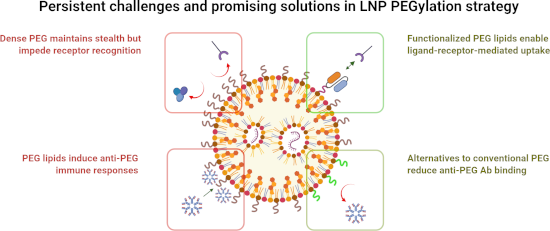
- ) can be considered for its much lower hydrophobicity compared to DBCO [57]. A study using TCO-tetrazine conjugation for ultrasound-guided membrane anchoring highlights the versatility of TCO-functionalized PEG lipids in mediating bioorthogonal conjugation. Successful incorporation of DOPE-PEG-TCO into


Targeting the vector of arboviruses Aedes aegypti with nanoemulsions based on essential oils: a review with focus on larvicidal and repellent properties
Beilstein J. Nanotechnol. 2025, 16, 1894–1913, doi:10.3762/bjnano.16.132
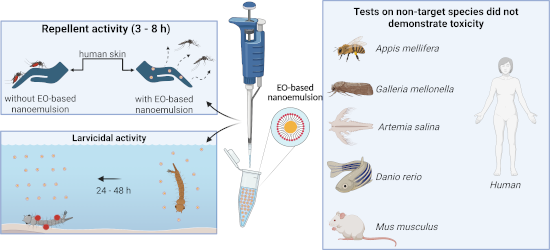
- trichomes, which are the secretory tissues present in different vegetative parts of plants, such as leaves, flowers, roots, fruits, or stems [67]. These can be obtained by distillation with water or steam, microwave or ultrasound assisted extraction, or from the epicarp of fruits by a mechanical process, or
- in thymol (54.22%), p-cymene (15.04%), and γ-terpinene (10.46%) [116][117]. The oil was extracted by hydrodistillation (1.8% yield), and the nanoemulsions were prepared with 5% of oil or thymol, 5% of Tween® 80, and 90% of water by ultrasound at 50 °C. The nanoemulsions presented average sizes of 65
- ultrasound, with a ratio of 1:0.5 (oil/surfactant, polysorbate 80) and Milli-Q water. It presented an average size of 52.18 nm (±4.53), a polydispersity index of 0.237 (±0.006), and thermal stability. In bioassays, third instar larvae exposed to concentrations between 5 and 150 ppm showed LC50 of 58.72 ppm


Piezoelectricity of layered double hydroxides: perspectives regarding piezocatalysis and nanogenerators
Beilstein J. Nanotechnol. 2025, 16, 1812–1817, doi:10.3762/bjnano.16.124

- biocompatibility might exhibit a piezoelectric effect under ultrasound irradiation and generate superoxide anion radicals [5]. The results confirmed the potential of the selected LDH for application in novel piezocatalytic tumor therapy as an effective sonosensitizer. The obtained data indicated that the
- ultrasound exposure broke the inversion symmetry of Ni/Fe-LDH, causing positive and negative polarization charges to arise. The migration of created charges in opposite directions under external mechanical force caused an intrinsic electric field. The authors also hypothesized that LDHs, as some 2D layered
- the same time, our review also reveals methodological and interpretative weaknesses that complicate direct comparison of results. These weaknesses are: (1) Lack of unified metrology: In many reports, piezoelectrical properties are derived from indirect effects (enhanced degradation under ultrasound or

Multifunctional anionic nanoemulsion with linseed oil and lecithin: a preliminary approach for dry eye disease
Beilstein J. Nanotechnol. 2025, 16, 1711–1733, doi:10.3762/bjnano.16.120
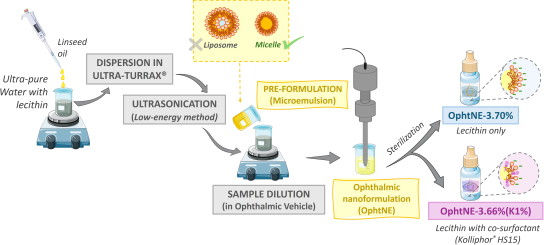
- was analyzed using transmission electron microscopy (TEM) with a MORGAGNI 268D (FEI Company, USA), operated at 80 kV. Before imaging, the samples were sonicated in an ultrasound bath for 15 min, and a drop of the suspension was placed onto a copper grid (200 mesh) coated with formvar/carbon. Excess
- the droplets and PdI values decreased, indicating improved uniformity. PdI values below 0.3 suggest greater size homogeneity [79]. Under the same ultrasound emulsification conditions, the droplet diameter reaches an optimal point, indicating surfactant saturation at the droplet interface. This reduces
- through ultrasound [96]. The dilution process of the O/W(L-3%) system facilitated a more uniform distribution of lecithin molecules around the surface of the LO droplets, effectively reducing the interfacial tension. This process, coupled with low-energy ultrasound, allowed for the reduction of the



Prospects of nanotechnology and natural products for cancer and immunotherapy
Beilstein J. Nanotechnol. 2025, 16, 1644–1667, doi:10.3762/bjnano.16.116
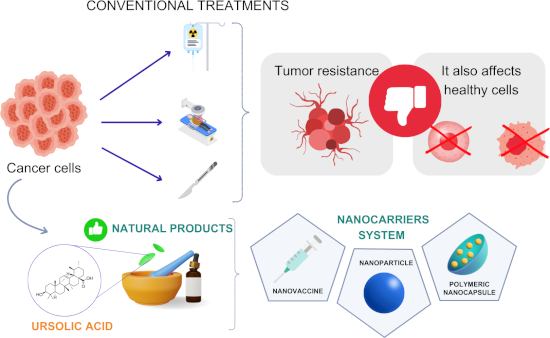
- traditional therapies. Advances in cancer nanotechnology include the development of smart nanocarriers capable of responding to internal stimuli (such as pH, redox potential, and enzymes) and external stimuli (such as magnetic fields, heat, or ultrasound), enabling precise and controlled drug release [16][17


Laser processing in liquids: insights into nanocolloid generation and thin film integration for energy, photonic, and sensing applications
Beilstein J. Nanotechnol. 2025, 16, 1428–1498, doi:10.3762/bjnano.16.104






Enhancing the therapeutical potential of metalloantibiotics using nano-based delivery systems
Beilstein J. Nanotechnol. 2025, 16, 1350–1366, doi:10.3762/bjnano.16.98
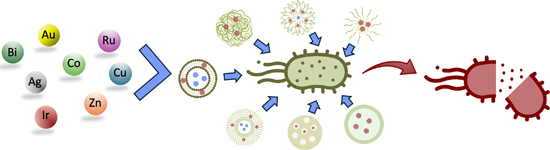
- ]. Dellera et al. developed wound dressings containing silver sulfadiazine 7 and platelet lysate encapsulated in SLNs to treat persistent skin lesions. The Ag-encapsulating SLNs were prepared using ultrasound and hot homogenization techniques and incorporated into chitosan glutamate or hydroxypropylmethyl


Ferroptosis induction by engineered liposomes for enhanced tumor therapy
Beilstein J. Nanotechnol. 2025, 16, 1325–1349, doi:10.3762/bjnano.16.97
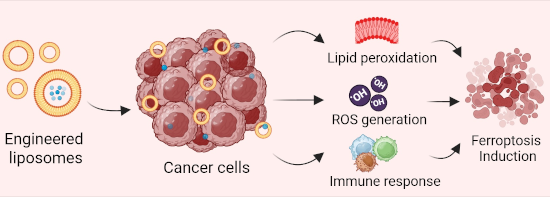
- immunoregulation using engineered liposomes targeting ferroptosis. While engineered liposomes facilitate ferroptosis induction, their therapeutic efficacy can be significantly enhanced through stimuli-responsive strategies and combination therapies. Stimuli such as pH, temperature, light, ultrasound, and ROS can
- , external stimuli (e.g., temperature, light, or ultrasound (US)) [172] can also be used. The release of drugs from liposomes stimulated by external stimuli offers greater precision in terms of timing and location of release as well as better regulation of drug delivery and dosage [172][173]. Figure 4 shows


Better together: biomimetic nanomedicines for high performance tumor therapy
Beilstein J. Nanotechnol. 2025, 16, 1246–1276, doi:10.3762/bjnano.16.92






Hydrogels and nanogels: effectiveness in dermal applications
Beilstein J. Nanotechnol. 2025, 16, 1216–1233, doi:10.3762/bjnano.16.90
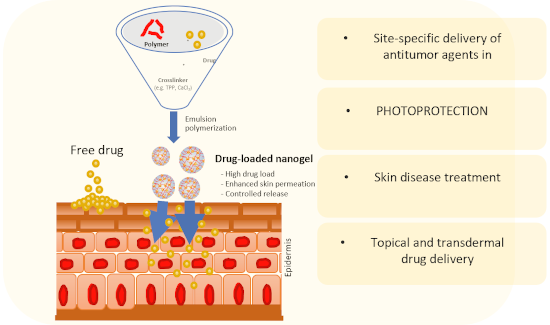
- method was performed, followed by ultrasound for 5 minutes at 25 °C [95]. Xu et al. (2019) dissolved PVA in water at 90 °C, with separate addition of sodium alginate and glucomannan polysaccharide [140]. The freeze/thaw process was repeated three times. The cross-linking was done with saturated solutions


Piezoelectricity of hexagonal boron nitrides improves bone tissue generation as tested on osteoblasts
Beilstein J. Nanotechnol. 2025, 16, 1068–1081, doi:10.3762/bjnano.16.78
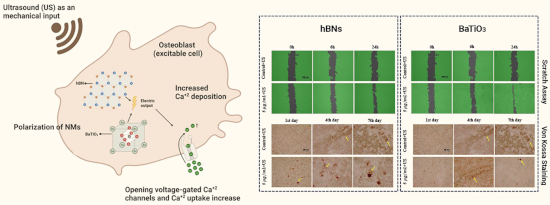
- with ultrasound (US) exposure. The results showed that the NMs are not cytotoxic at the concentrations tested and the migration ability and calcium deposit formation of the cells treated with the NMs and upon US exposure were significantly increased. These results demonstrate that the hBNs have the
- stimulate electrically excitable cells without requiring an external power source, making them highly attractive for biomedical applications such as treating cardiac arrhythmias and promoting bone regeneration [17][18]. Mechanical stimulation, notably ultrasound (US), can induce a piezoelectric response in
- these materials [19]. In clinical practice, low-intensity pulsed ultrasound is commonly applied at intensity ranges between 20–50 mW/cm2 [20]. Combining piezoelectric materials including polymers such as polyvinylidene fluoride (PVDF) and inorganic materials such as barium titanate (BaTiO3) and


Supramolecular hydration structure of graphene-based hydrogels: density functional theory, green chemistry and interface application
Beilstein J. Nanotechnol. 2025, 16, 806–822, doi:10.3762/bjnano.16.61
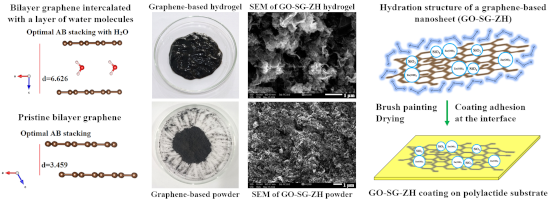
- exhibits the aqueous dispersions derived from the sonication of GO-SG-ZH hydrogel and powder in water (see Supporting Information File 1, Figure S3). Ultrasound waves vibrated water molecules and created cavitation in the hydrogel structure, leading to the exfoliation of graphene-based nanosheets in water


Polyurethane/silk fibroin-based electrospun membranes for wound healing and skin substitute applications
Beilstein J. Nanotechnol. 2025, 16, 591–612, doi:10.3762/bjnano.16.46
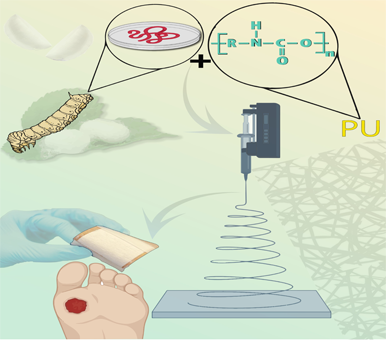
- ultrasound to incorporate BP nanosheets for improved stability and processability. As a result, silk fibroin-doped black phosphorus nanosheets (BP@SF) were produced, which possess good water dispersity and long-term stability. BP@SF nanosheets were consolidated into fibrous membranes based on SF and PLGA by