


Search results
Search for "viruses" in Full Text gives 85 result(s) in Beilstein Journal of Nanotechnology.
Environmental applications of silver nanoparticles: state-of-the-art review and emerging trends
Beilstein J. Nanotechnol. 2026, 17, 697–736, doi:10.3762/bjnano.17.49
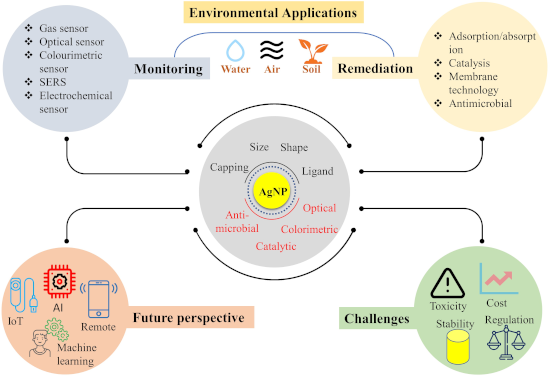
- Antimicrobial properties and disinfection. Nanosilver showed broad-spectrum antimicrobial activity (bacteria, viruses, and fungi) and can serve as an effective disinfectant for water applications [7][72]. Various mechanisms, including disruption of cellular membranes, interference with DNA replication, and the
- author found that E. coli, Klebsiella, and S. mutans showed inhibition zones of 20 and 15 mm upon exposure to 150 mg/mL AgNPs [75]. In addition, AgNPs demonstrated efficacy in inactivating viruses, including adenovirus, hepatitis B, herpes simplex, influenza A, Chikungunya virus, and Zika virus, by
- disrupting their protein coats and interfering with their replication mechanisms [76]. Waterborne viral infections include adenovirus, astrovirus, hepatitis A and E viruses, rotavirus, and norovirus [77]. Additionally, human urine excretion can contain polyomaviruses and cytomegalovirus, which can


Decontamination from water pollutants and pathogens by electrospun nanofibers doped with heavy-atom-free borafluorene-BODIPY photosensitizers
Beilstein J. Nanotechnol. 2026, 17, 668–682, doi:10.3762/bjnano.17.46
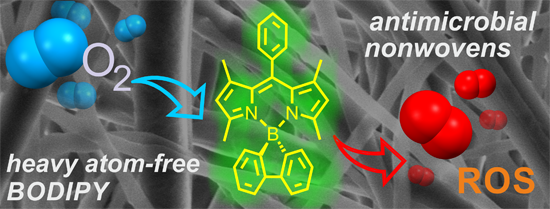
- addressed in the following decades [1]. A huge increase of organic compound production by chemical, textile, food, and pharmaceutical industries results in harming aquatic ecosystems and even further reduces the available freshwater resources. Relatedly, bacteria, fungi, and viruses continuously exposed to



Durable antimicrobial activity of fabrics functionalized with zeolite ion-exchanged nanomaterials against Staphylococcus aureus and Escherichia coli
Beilstein J. Nanotechnol. 2026, 17, 262–274, doi:10.3762/bjnano.17.18
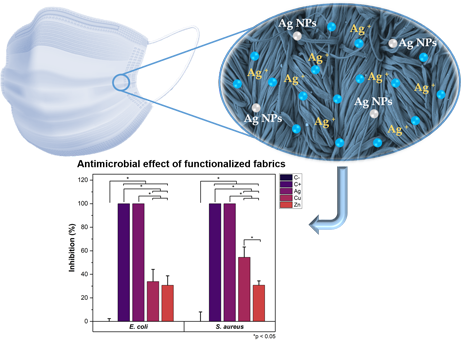
- of infections [3][4]. In this context, nanotechnology and nanomaterials offer a new alternative to combat pathogens such as viruses and bacteria. Metal NPs have intrinsic manipulatable properties that make them useful in a wide variety of research fields, including biomedicine. Different types of NPs
- nanoparticles act against viruses involves the interaction with the surface of the NPs, leading to adhesion and inactivation, thereby preventing the virion from entering the host cell. NPs release ions or transfer them to microorganisms, inducing oxidative stress. Given these possible mechanisms, viral
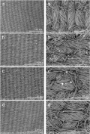
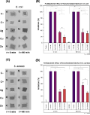
- impregnated textile samples were studied against S. aureus and E. coli, and their physicochemical and mechanical properties are discussed. The obtained results suggest that the synthesized materials can be applied as an effective alternative to inhibit and reduce the spread of different types of viruses and




Influence of surface characteristics on the in vitro stability and cell uptake of nanoliposomes for brain delivery
Beilstein J. Nanotechnol. 2026, 17, 139–158, doi:10.3762/bjnano.17.9
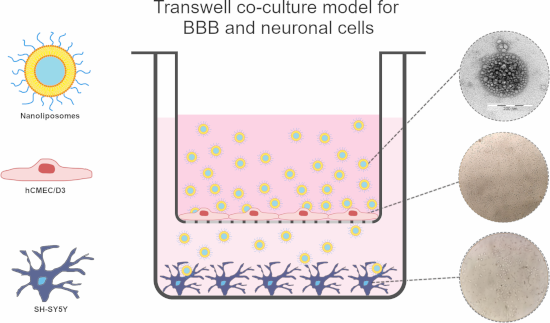
- proteins, viruses, and cells. These applications have facilitated the analysis of liposomes, enabling the separation of populations obtained from the same method synthesis and determination of their size. Optimizing separation variables in AF4–MALS involves several parameters such as cross-flow conditions





Ultrathin water layers on mannosylated gold nanoparticles
Beilstein J. Nanotechnol. 2025, 16, 2183–2198, doi:10.3762/bjnano.16.151
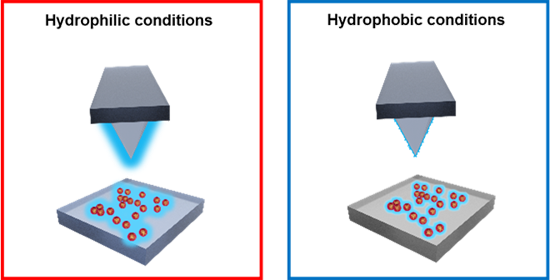
- transmission of airborne viruses, such as influenza. Keywords: AFM; humidity; hydrophilicity; hydrophobicity; nanoparticles; sum frequency generation spectroscopy; viruses; water; wetting; Introduction Gold nanoparticles (AuNPs) have been a staple in biomedical and biophysical research [1][2] for almost a
- viral spikes, which are crucial for virus “survival” during transmission [11][12]. For many, especially mammalian, viruses, transmission occurs in aqueous environments (e.g., Dengue [13] and Ebola [14]), and air humidity does not play any direct role. In contrast, humidity strongly affects the
- transmission of influenza [11][12][15] or SARS-CoV-2 [14] via aerosols. These viruses are enveloped (by glycosylated lipid bilayers) and display very large multimers of nanoscale glycoproteins (i.e., spikes), which control virus attachment and fusion to the host cells [16]. Glycosylation, often with mannosides



Rapid synthesis of highly monodisperse AgSbS2 nanocrystals: unveiling multifaceted activities in cancer therapy, antibacterial strategies, and antioxidant defense
Beilstein J. Nanotechnol. 2025, 16, 2105–2115, doi:10.3762/bjnano.16.145
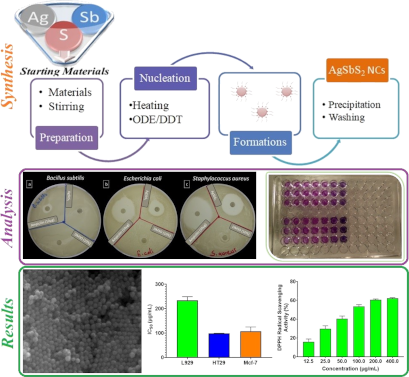
- to prokaryotic cells including microorganisms such as bacteria, viruses, and fungi [13]. Therefore, silver-based nanoparticles have been the subject of many biomedical studies [14][15][16][17][18]. In a study conducted in this context; the effects of α-AgS nanoparticles produced using the fungus


Toward clinical translation of carbon nanomaterials in anticancer drug delivery: the need for standardisation
Beilstein J. Nanotechnol. 2025, 16, 2092–2104, doi:10.3762/bjnano.16.144

- uncontrolled cell growth and their potential to metastasise, poses a significant global health challenge. Numerous preventable factors contribute to cancer, including tobacco use, exposure to viruses, alcohol consumption, ultraviolet radiation (photocarcinogenesis), ionising radiation, poor diet and nutrition



Targeting the vector of arboviruses Aedes aegypti with nanoemulsions based on essential oils: a review with focus on larvicidal and repellent properties
Beilstein J. Nanotechnol. 2025, 16, 1894–1913, doi:10.3762/bjnano.16.132
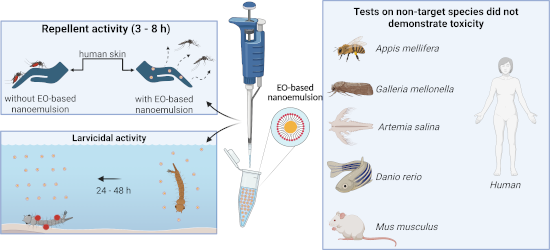
- ; natural products; Introduction Arboviruses (arthropod-borne viruses) are viruses transmitted by arthropods, including mosquitoes, sandflies, and ticks. Currently, more than 615 arboviruses have been recognized and reported in the literature. Their transmission cycle typically begins when a vector, such
- viruses, contributing to the spread of various diseases in humans. Among these pathogens, arboviruses form a diverse group of viruses primarily transmitted by arthropods such as mosquitoes, ticks, and flies [38]. More than 500 arboviruses have been identified globally, but only about 150 cause diseases in
- humans. Among them, the Flaviviridae family includes pathogens such as dengue (DENV) and zika (ZIKV) viruses, while Alphaviruses include the chikungunya virus (CHIKV) [39][40]. These viruses are primarily transmitted by the Ae. aegypti mosquito, which relies on humans as its main amplification hosts [2


Exploring the potential of polymers: advancements in oral nanocarrier technology
Beilstein J. Nanotechnol. 2025, 16, 1751–1793, doi:10.3762/bjnano.16.122
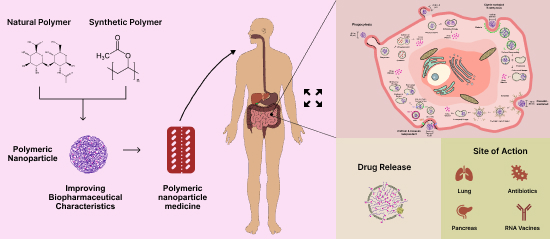
- protrusions induced by growth factors, bacteria, viruses, and necrotic cells. These protrusions either collapse into endocytic vesicles or retract into the membrane, fusing with it and forming macropinosomes [80]. CME involves interactions between clathrin-associated adaptors and sorting proteins, forming


Better together: biomimetic nanomedicines for high performance tumor therapy
Beilstein J. Nanotechnol. 2025, 16, 1246–1276, doi:10.3762/bjnano.16.92
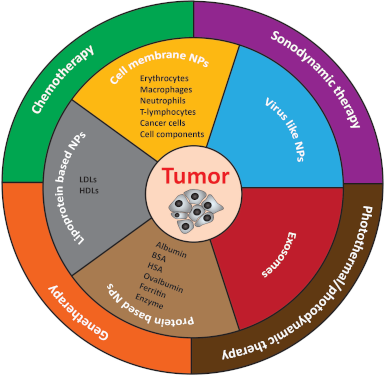
- vaccines and improving their immunogenicity [112]. The presence of viral nucleic acids has been a key concern in medical applications, which limits the use of viruses in living organisms. Virus-like particles are multimeric nanoparticles consisting of viral proteins but lack viral genetic material. Thus






Chitosan nanocomposite containing rotenoids: an alternative bioinsecticidal approach for the management of Aedes aegypti
Beilstein J. Nanotechnol. 2025, 16, 1197–1208, doi:10.3762/bjnano.16.88
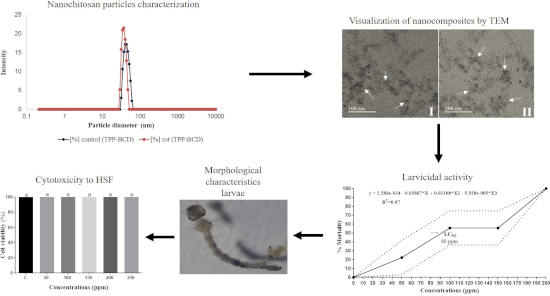
- Darcy Ribeiro, Campos dos Goytacazes/RJ, Brazil 10.3762/bjnano.16.88 Abstract Climate change has intensified the proliferation of disease vectors, such as Aedes aegypti, the primary transmitter of dengue, chikungunya, and zika viruses. Although the two recently licensed dengue vaccines represent a



Serum heat inactivation diminishes ApoE-mediated uptake of D-Lin-MC3-DMA lipid nanoparticles
Beilstein J. Nanotechnol. 2025, 16, 740–748, doi:10.3762/bjnano.16.57
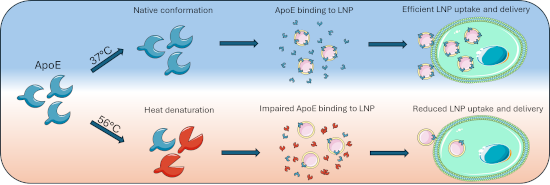
- supplemented with fetal calf serum (FCS). FCS is commonly heat treated to inactivate mycoplasma and viruses, as well as denature heat labile complement factors without affecting the nutrients needed for cell growth [27]. As some cell lines are sensitive to complement factors, the heat treatment can prevent the


Functionalized gold nanoflowers on carbon screen-printed electrodes: an electrochemical platform for biosensing hemagglutinin protein of influenza A H1N1 virus
Beilstein J. Nanotechnol. 2025, 16, 540–550, doi:10.3762/bjnano.16.42
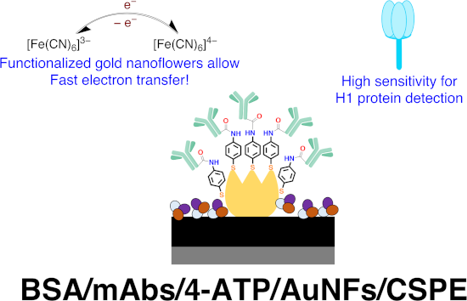
- . Influenza viruses are capable of evolving at a fast rate; they have a segmented single-stranded negative-sense RNA genome that is devoid of proofreading systems, resulting in a constant accumulation of mutations in their genome [2]. Influenza viruses belong to the Orthomyxoviridae family and are categorized
- into four groups, namely, influenza A, B, C, and D viruses. The antigenic features of the hemagglutinin (HA) and neuraminidase (NA) glycoproteins on the surface of influenza A viruses are used to further classify the virus into subtypes. Influenza A comprises 18 HA subtypes and 11 NA subtypes, of which
- circulating viruses [55]. Additionally, this characteristic could allow our biosensing platform to be used in mass testing in a short period of time, which is crucial for controlling the spread of a virus among the population. This biosensing platform has the potential to be adapted to target other


Biomimetics and bioinspired surfaces: from nature to theory and applications
Beilstein J. Nanotechnol. 2025, 16, 418–421, doi:10.3762/bjnano.16.32
- the structure–function relationships of these surfaces useful for translational approaches. Further general insights into biological principles and their subsequent transfer into biomimetic engineering are provided in a multiscale biological analysis by Amador et al. [6], ranging from viruses to

Recent advances in photothermal nanomaterials for ophthalmic applications
Beilstein J. Nanotechnol. 2025, 16, 195–215, doi:10.3762/bjnano.16.16
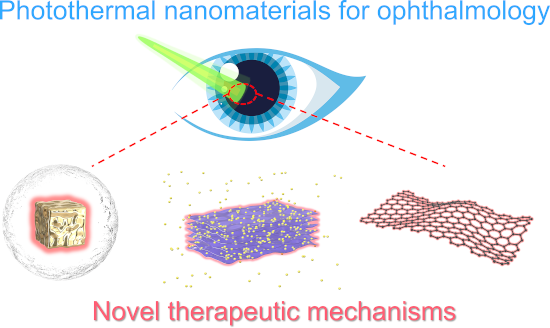
- cellular functions. Future developments may see the integration of photothermal nanomaterial therapies with viruses, receptors, antibodies, aptamers, peptides, multifunctional genes, self-assembled DNA structures, and proteins. Given the diversity and adaptability of nanomaterials, it is conceivable to


Natural nanofibers embedded in the seed mucilage envelope: composite hydrogels with specific adhesive and frictional properties
Beilstein J. Nanotechnol. 2024, 15, 1603–1618, doi:10.3762/bjnano.15.126
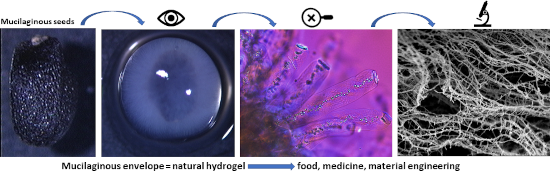
- diverse plant organs, such as seeds, fruits, flowers, and leaves, and are involved in the defence of the plant against herbivore animals, fungi, and viruses [112][113]. Phenolic compounds are very abundant substances in seeds, playing an important role in their development and maturation. They are


Dual-functionalized architecture enables stable and tumor cell-specific SiO2NPs in complex biological fluids
Beilstein J. Nanotechnol. 2024, 15, 1238–1252, doi:10.3762/bjnano.15.100
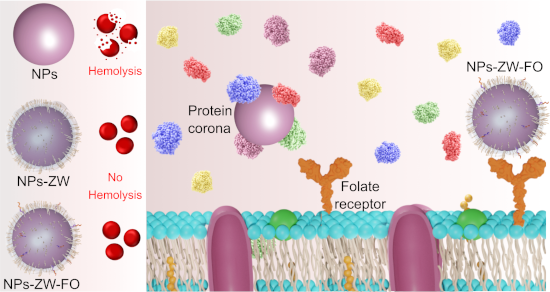
- active groups (amino, mercapto, or carboxylic functionalities) to interact with cells, viruses, and bacteria [17][18][20]. Pan et al. [24] developed mesoporous silica nanoparticles (SiO2NPs) covalently attached to (i) poly(oligo(ethylene glycol) monomethyl ether methacrylate) for improved stabilization


Recent progress on field-effect transistor-based biosensors: device perspective
Beilstein J. Nanotechnol. 2024, 15, 977–994, doi:10.3762/bjnano.15.80
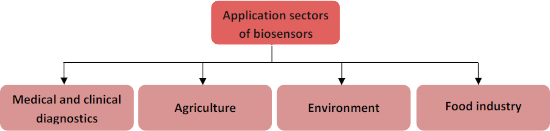
- biosensors for accurate detection of viruses [25], cancer [15], proteins [36], DNA, glucose [17], and nucleic acids has been strongly developed [37]. On the other hand, specific biomolecule classifications by microbiologists has led to the realization and development of different biosensors, significantly
- biosensor. 4 Summary and future research works FET-based biosensors have been designed and developed to achieve higher performance and improved sensitivity in detecting various types of species, such as viruses, cancer cells, proteins, DNA, glucose, and nucleic acids. The latest emerging 3D and 2D FET-based




When nanomedicines meet tropical diseases
Beilstein J. Nanotechnol. 2024, 15, 830–832, doi:10.3762/bjnano.15.69
- are inadequate in low- and middle-income countries of Africa, Asia, and Latin America. These pathologies affect over one billion people worldwide and are responsible for thousands of preventable deaths. Caused mostly by viruses, bacteria, parasites, fungi, and toxins, NTDs can blind, disable, and
Study of the reusability and stability of nylon nanofibres as an antibody immobilisation surface
Beilstein J. Nanotechnol. 2024, 15, 83–94, doi:10.3762/bjnano.15.8
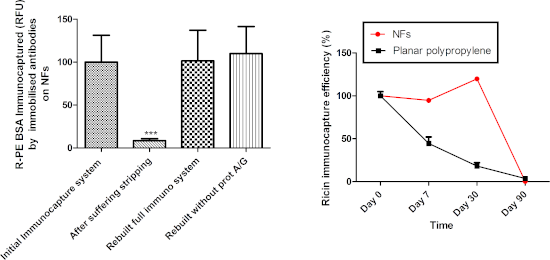
- clinical applications. Immunoassay devices have been used not only for the detection of bacteria and viruses [7], but also for the measurement of drugs [8] and hormones [9], or for the determination of glucose in urine [10]. The specificity of antigen–antibody binding and how the antibody is attached to
- determination of exogenously produced biotoxins and virulence factors, as well as for the detection of viruses and biomarkers in clinical samples (e.g., hormones and biomolecules). (4) The data could be generalised not only for the measurement of warfare agents, but also for the diagnosis of water and food


Curcumin-loaded nanostructured systems for treatment of leishmaniasis: a review
Beilstein J. Nanotechnol. 2024, 15, 37–50, doi:10.3762/bjnano.15.4
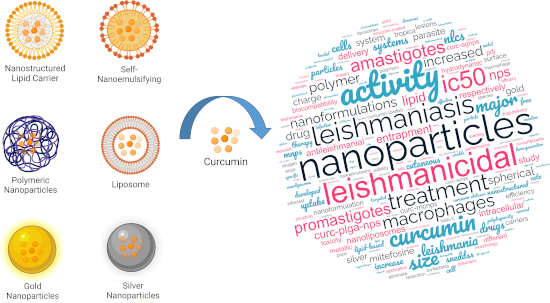
- nanocarriers intended for the treatment of leishmaniasis. Keywords: antiparasitic; Curcuma longa; curcuminoids; leishmaniasis; nanocarriers; neglected tropical diseases; Introduction Neglected tropical diseases (NTDs) comprise a group of 20 diseases that are caused, in most cases, by viruses, fungi, bacteria


Elasticity, an often-overseen parameter in the development of nanoscale drug delivery systems
Beilstein J. Nanotechnol. 2023, 14, 1149–1156, doi:10.3762/bjnano.14.95
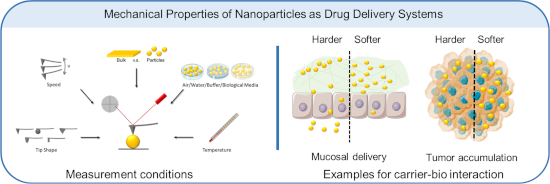
- system when they reach the end of their lifetime [11][12]. Similar data were reported for nanoparticulate systems [13]. Other examples are viruses [14] and cancer cells which can adapt their mechanical properties multiple times during the process of metastasis formation [15]. Looking at these examples


Metal-organic framework-based nanomaterials as opto-electrochemical sensors for the detection of antibiotics and hormones: A review
Beilstein J. Nanotechnol. 2023, 14, 631–673, doi:10.3762/bjnano.14.52
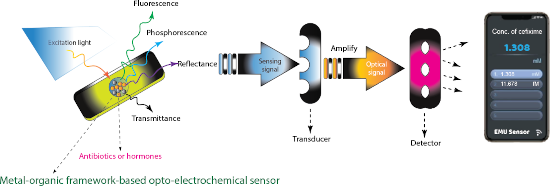
- . Therefore, it is anticipated that the concepts presented in this review will stimulate further investigation into MOF-based materials for opto-electrochemical detection of various other analytes (explosives, viruses, and various other emerging contaminants). Review Opto-electrochemical sensors: mechanisms


Nanoarchitectonics to entrap living cells in silica-based systems: encapsulations with yolk–shell and sepiolite nanomaterials
Beilstein J. Nanotechnol. 2023, 14, 522–534, doi:10.3762/bjnano.14.43
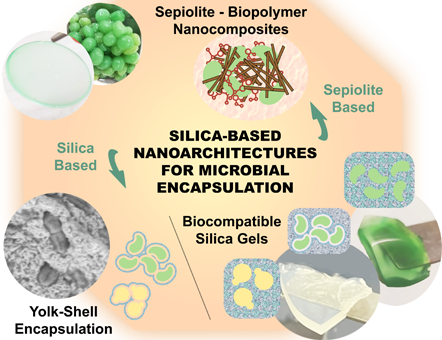
- bionanocomposites that display biomimetic and bioinspired characteristics, derived from their biological components (e.g., polysaccharides, proteins, nucleic acids, enzymes and viruses, etc.) and the inorganic network (e.g., silica and silicates, clay minerals and phosphates) [5][6][7][8]. More complex biohybrid


Quercetin- and caffeic acid-functionalized chitosan-capped colloidal silver nanoparticles: one-pot synthesis, characterization, and anticancer and antibacterial activities
Beilstein J. Nanotechnol. 2023, 14, 362–376, doi:10.3762/bjnano.14.31
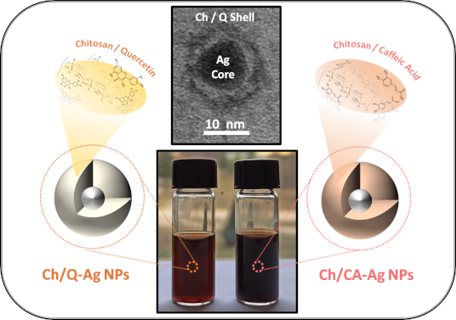
- proven to be effective against bacteria and viruses [6][35]. Toxicologists extensively studied silver nanoparticles. Despite studies suggesting a toxicity of silver nanoparticles, this issue is still unresolved [36]. However, silver nanoparticles have become more popular in recent years due to their





