


Search results
Search for "zeta potential" in Full Text gives 238 result(s) in Beilstein Journal of Nanotechnology. Showing first 200.
Development of Protium heptaphyllum essential oil-loaded nanocapsules: experimental design and biological activity
Beilstein J. Nanotechnol. 2026, 17, 974–990, doi:10.3762/bjnano.17.67
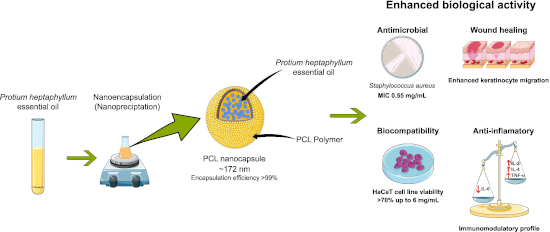
- ± 0.04, a zeta potential of −25.49 ± 1.08 mV and an encapsulation efficiency above 99%, in addition to long-term colloidal stability. Cell viability assays in HaCaT cells showed high biocompatibility, with cell viability above 70% up to 6 mg/mL and only moderate toxicity at 12 mg/mL. In antimicrobial
- et al. [15], successfully demonstrated oil-loaded nanocapsules using interfacial polymerization, supporting the importance of evaluating critical parameters like particle size, polydispersity index (PDI), and zeta potential. Building on this evidence, the present study aimed to develop and
- the Box–Behnken design matrix and the observed responses for Dh, PDI, and zeta potential. These results reflect the combined effects of the independent variables, that is, polymer concentration (20–100 mg), EO content (50–150 mg), and surfactant concentration (20–60 mg) on the physicochemical




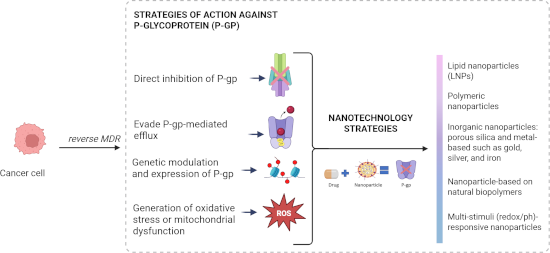
Nanocarrier strategies to overcome P-glycoprotein-mediated drug resistance in cancer therapy
Beilstein J. Nanotechnol. 2026, 17, 882–921, doi:10.3762/bjnano.17.64


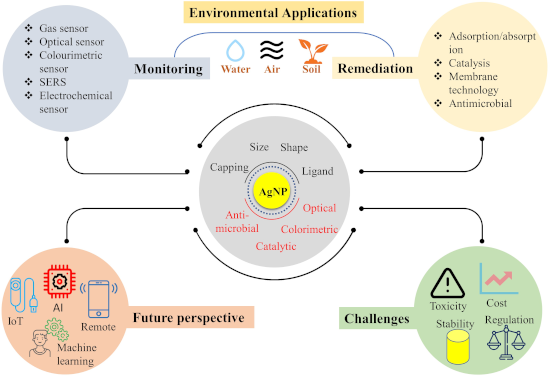
Environmental applications of silver nanoparticles: state-of-the-art review and emerging trends
Beilstein J. Nanotechnol. 2026, 17, 697–736, doi:10.3762/bjnano.17.49
- through their interactions with the surrounding medium. Zeta potential measurements are used to assess the surface charge and stability of silver nanoparticles; higher absolute values (>±30 mV) indicate better colloidal stability and resistance to aggregation [52]. This surface charge also validated the


Two-step laser synthesis of Ag@TiO2 nanomaterials for the photocatalytic degradation of rhodamine B
Beilstein J. Nanotechnol. 2026, 17, 622–634, doi:10.3762/bjnano.17.43
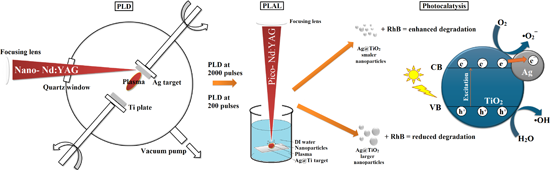
- times greater in the Ag@TiO2 2000p than in the Ag@TiO2 200p NP solution. The nanoparticle sizes and size distributions were measured using a zeta potential analyzer with dynamic light scattering (DLS). Table 2 summarizes the average dimensions of the synthesized nanoparticles. Ag@TiO2 200p and Ag@TiO2
- diameters of particle agglomerates in suspension. The zeta potentials were −13.82 and −14.09 mV, and the electrophoretic mobilities were −1.083 and −1.104 µm·cm·V−1·s−1, respectively. The zeta potential reveals that the nanoparticles possess a negative surface charge, and the magnitude suggests they are in
- photocatalyst (Ag@TiO2 200p or Ag@TiO2 2000p) was deposited onto a carbon-coated copper grid and left to dry under ambient conditions. ImageJ software, version 1.54 g, was used for image analysis and interplanar distance computations. Measurements of particle size distribution, zeta potential, and


Nanocarrier-integrated multilayer films produced by 3D printing for improved skin adhesion and curcumin photostability
Beilstein J. Nanotechnol. 2026, 17, 440–453, doi:10.3762/bjnano.17.30
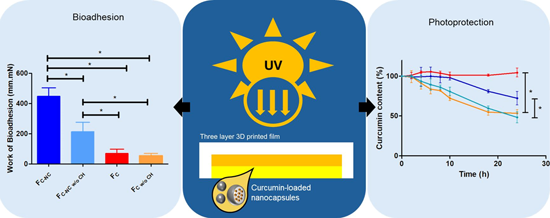
- produced by SSE could address these limitations. To overcome its poor solubility and enhance bioadhesion, curcumin was encapsulated in polymeric nanocapsules (C-NCs), yielding a mean particle size of 218 ± 5 nm, a polydispersity index of 0.10 ± 0.02, a zeta potential of −11 ± 4 mV, and 100% encapsulation
- hydrophilic membrane, Millipore®), corresponding to a 500-fold dilution, as shown in Equation 1. The zeta potential was determined by measuring electrophoretic mobility at 25 °C using the same instrument (Zetasizer® Nano ZS, ZEN 3600, Malvern Instruments, USA). Prior to analysis, the samples were diluted 500
- presented a negative zeta potential. In addition to the low magnitude of the negative zeta potential, physical stability was further ensured by steric stabilisation, resulting from the presence of a non-ionic polymer (polysorbate 80) at the nanocapsule–water interface. The curcumin concentration in the


Nanoinformatics: spanning scales, systems and solutions
Beilstein J. Nanotechnol. 2026, 17, 423–427, doi:10.3762/bjnano.17.28

- , preferred orientations, and relative abundance of the specified molecules on the specified material surfaces giving an insight into the mechanisms of bio–nano interaction [4]. Varsou et al. demonstrated a novel approach to evaluate the performance of different models for the same endpoint (zeta potential of
- Roy constructed a quantitative structure–property relationship (QSPR) model with 132 metal oxide (MeOx) nanomaterials to understand the possible mechanisms of cell membrane damage and the role of zeta potential (a proxy for surface charge) in particular. The results showed that zeta potential, along

Development and in vitro evaluation of liposomes and immunoliposomes containing 5-fluorouracil and R-phycoerythrin as a potential phototheranostic system for colorectal cancer
Beilstein J. Nanotechnol. 2026, 17, 97–121, doi:10.3762/bjnano.17.7
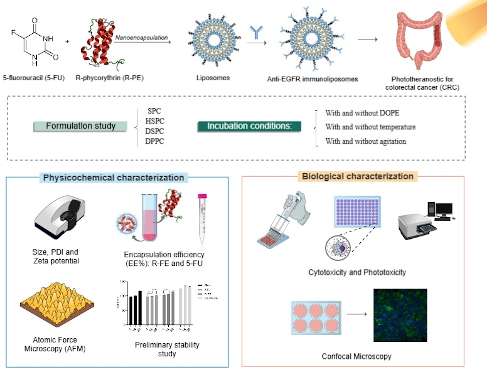
- polydispersity index (PDI) (0.100 ± 0.022), small size (103.43 ± 1.31 nm), and slightly negative zeta potential (−12.23 ± 0.35 mV). The encapsulation efficiency (EE%) was 94 ± 2.4% for R-PE and 42 ± 2.8% for 5-FU. Regarding the stability study, the liposomes maintained vesicle size, PDI and zeta potential values
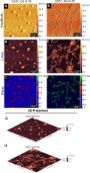
- ± 1.81 nm), negative zeta potential (−14.8 ± 0.81 mV) and antibody conjugation efficiency of 34.4%. Topographical AFM analysis showed that HSPC-IM-R-PE presented significantly higher surface roughness and viscoelastic contrast, indicating successful antibody anchoring. For cell viability in the HCT-116
- Sepharose CL-4B column eluted with PBS (pH 7.4) [19]. 2.3 Sample characterization 2.3.1 Particle size, polydispersity and zeta potential The hydrodynamic vesicle size and polydispersity index (PDI) were performed by dynamic light scattering (DLS), and the zeta potential by electrophoretic light scattering



Ultrathin water layers on mannosylated gold nanoparticles
Beilstein J. Nanotechnol. 2025, 16, 2183–2198, doi:10.3762/bjnano.16.151
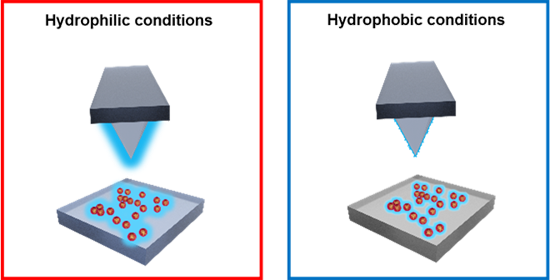
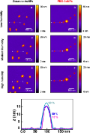
- short oligo(ethylene glycol) chains. The particles were first characterized by dynamic light scattering (DLS) and zeta potential (ZP) measurements in solution, and by scanning electron microscopy (SEM) and scanning transmission electron microscopy (STEM) in vacuum. Samples were adsorbed on flat
- scattering and zeta potential measurements DLS was used to determine the hydrodynamic diameter, and ZP was used to estimate the NP surface charge of both particles in solution. We employed Zetasizer Nano ZS (Malvern Panalytical, UK) equipment. For DLS measurements, 70 µL of the sample (1.0 × 10¹² particles



Rapid synthesis of highly monodisperse AgSbS2 nanocrystals: unveiling multifaceted activities in cancer therapy, antibacterial strategies, and antioxidant defense
Beilstein J. Nanotechnol. 2025, 16, 2105–2115, doi:10.3762/bjnano.16.145
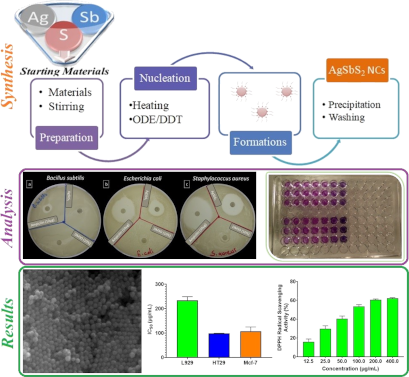
- at around 27.3°, 31.7°, 45.4°, 53.8°, and 56.4° were matched to the (111), (200), (220), (311), and (222) planes of AgSbS2 (JCPDS card No. 65-9810). Moreover, the obtained results were found to be consistent with previously reported literature. Although zeta potential was not experimentally measured
- direct ROS measurement and apoptosis marker assays (e.g., Annexin V/PI staining, caspase-3 activation) will be crucial for validating and further elucidating these mechanistic pathways. The surface charge and zeta potential of AgSbS2 NCs, which strongly influence their colloidal stability and cellular


Toward clinical translation of carbon nanomaterials in anticancer drug delivery: the need for standardisation
Beilstein J. Nanotechnol. 2025, 16, 2092–2104, doi:10.3762/bjnano.16.144
- enhanced cellular uptake, whereas positively charged CDs elicited stronger cytokine responses [41]. Zeta potential measurements are routinely used to quantify surface charge, which can be tuned through appropriate surface functionalisation strategies. Stability is another essential aspect of NM evaluation




Targeting the vector of arboviruses Aedes aegypti with nanoemulsions based on essential oils: a review with focus on larvicidal and repellent properties
Beilstein J. Nanotechnol. 2025, 16, 1894–1913, doi:10.3762/bjnano.16.132
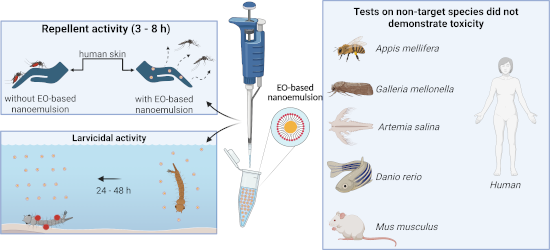
- through a low-energy method, using polysorbate 20 as a surfactant. The formulation presented an average droplet size ranging from 244.6 to 280.4 nm, a polydispersity index of less than 0.25, and a negative zeta potential (−15.7 to −18.6 mV), maintaining stability for 14 days. In the bioassays, fourth
- Australia, and the Hawaiian Islands [121]. This oil is rich in sesquiterpene alcohols, such as α-santalol (24.27%) and β-santalol (27.65%) [120][122]. The NE presented an average droplet size of 195.7 nm, a polydispersity index of 0.342, and a negative zeta potential (−20.1 mV). Third-instar larvae were
- diameter of 109.7 nm (±0.75), a polydispersity index of 0.29 (±0.007), and a zeta potential of −21.7 mV (±1.10), conferring stability to the system. The larvicidal tests were performed with third-stage larvae of Ae. aegypti, exposed to the samples for a period of 24 and 48 hours. The nanoemulsion


Phytol-loaded soybean oil nanoemulsion as a promising alternative against Leishmania amazonensis
Beilstein J. Nanotechnol. 2025, 16, 1826–1836, doi:10.3762/bjnano.16.126

- shown in the size distribution graph (Figure 1b). Moreover, the zeta potential (ZP) of both samples was around −20 mV, with no significant changes upon phytol loading. To evaluate the shape and morphological characteristics of the nanoemulsions, transmission electron microscopy (TEM) analysis was
- was evaluated over a period of 30 days by monitoring droplet size, PdI, zeta potential, and pH values. In parallel, the samples were subjected to centrifugation at two different speeds (960 and 8600g) to simulate stress conditions. After centrifugation, droplet size, PdI, and ZP were assessed over a
- evaluated, only the zeta potential showed a significant reduction at day 30 (p < 0.05), while no significant changes were observed in the other parameters, as shown in Figure 2a,b. Similarly, the formulations maintained their stability under all centrifugation conditions and time points analyzed, as


Exploring the potential of polymers: advancements in oral nanocarrier technology
Beilstein J. Nanotechnol. 2025, 16, 1751–1793, doi:10.3762/bjnano.16.122
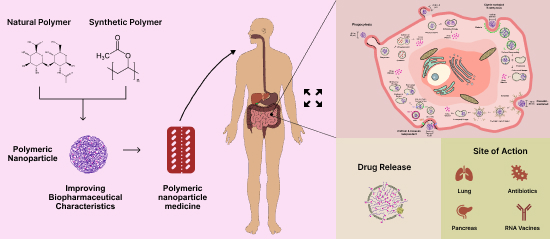
- absorption by interacting with food, digestive enzymes, bile salts, electrolytes, and mucus. Polymers enable diverse surface functionalities tailored to therapeutic demands, including adhesive, bioinert, or charge-conversion functionalities that modify zeta potential and hydrophilic properties, among others


Multifunctional anionic nanoemulsion with linseed oil and lecithin: a preliminary approach for dry eye disease
Beilstein J. Nanotechnol. 2025, 16, 1711–1733, doi:10.3762/bjnano.16.120
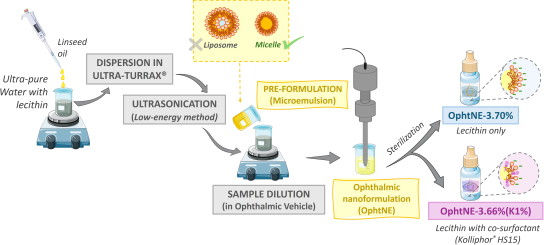
- , resulting in OphtNE-3.70% with a droplet diameter of 173 nm and a zeta potential of −44.7 mV. The addition of Kolliphor® HS15 in OphtNE-3.66%(K1%) initially reduced the droplet size to 70.8 nm and enhanced the antioxidant effect. Although the droplet size and polydispersity index increased after more than
- mL·min−1, using sealed aluminum pans (T181206 and T181128). Droplet size, polydispersity index, zeta potential, and conductivity Droplet size and polydispersity index (PdI) of the formulations were measured 24 h after preparation using dynamic light scattering with a Zetasizer Nano-ZS ZEN 3600 (Malvern
- Instruments, UK) at 25 °C. Before analysis, the samples were diluted 1:1000 with Milli-Q water, a standard dilution used to prevent multiple scattering without compromising micelle integrity. Measurements were performed at a 173° backscatter detection angle. Zeta potential and electrical conductivity were



Venom-loaded cationic-functionalized poly(lactic acid) nanoparticles for serum production against Tityus serrulatus scorpion
Beilstein J. Nanotechnol. 2025, 16, 1633–1643, doi:10.3762/bjnano.16.115
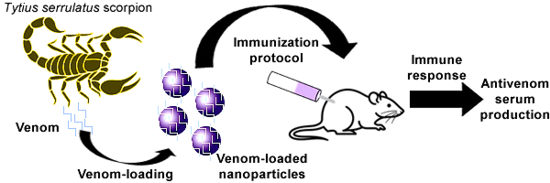
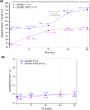
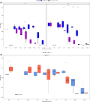
- polyethylenimine for loading peptides and proteins of T. serrulatus venom, and their use as a potential immunoadjuvant was evaluated. The protein loading efficiency of about 100% and the polyacrylamide gel electrophoresis assay confirmed the success of venom loading. Dynamic light scattering and zeta potential
- polymers such as poly(lactic acid) (PLA) has been investigated [13]. The nanoparticles produced using these synthetic polyesters show neutral or negative zeta potential, which limits the loading of negatively charged macromolecules such as proteins, polypeptides, or DNA [14][20]. The surface of
- 165 nm and a positive zeta potential of 7.0 mV. After the addition of venom, the PLA nanoparticles loaded with T. serrulatus venom proteins remained with a narrow particle size distribution. Moreover, an increase in size of the particles occurred after the addition of the venom for both concentrations


Nanotechnology-based approaches for the removal of microplastics from wastewater: a comprehensive review
Beilstein J. Nanotechnol. 2025, 16, 1607–1632, doi:10.3762/bjnano.16.114
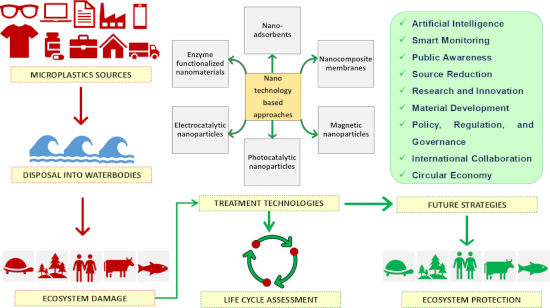
- six degrees of freedom due to their negative photogravitaxis. Their self-propelling capability, combined with tunable surface charge (zeta potential), enables rapid attraction and capture of nanoplastics onto their surfaces and between layered structures. The magnetic nature of the microrobots allows


Enhancing the therapeutical potential of metalloantibiotics using nano-based delivery systems
Beilstein J. Nanotechnol. 2025, 16, 1350–1366, doi:10.3762/bjnano.16.98
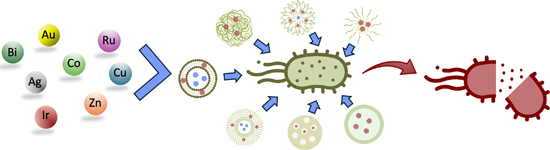
- (III) metalloantibiotic 12 (Figure 4) in liposomes [113]. The Au-loaded liposomes displayed high loading efficiency, high stability, and particle size and zeta potential values suitable for drug delivery. Even though the antibacterial activity against resistant strains of S. aureus was not improved, a
- -PLGA-NPs. High negative zeta potential values suggested that both encapsulation systems are sufficiently stable for drug delivery. In addition, both systems exhibited a biphasic release pattern, with an initial burst release followed by sustained and controlled release of the morin-Cu(II) complex


Ferroptosis induction by engineered liposomes for enhanced tumor therapy
Beilstein J. Nanotechnol. 2025, 16, 1325–1349, doi:10.3762/bjnano.16.97
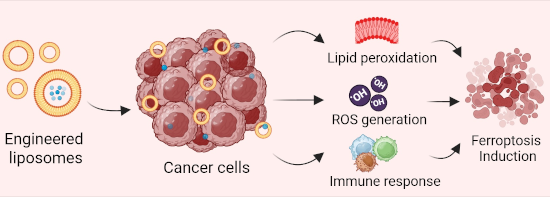
- light scattering (DLS) is commonly used to determine liposome size and size distribution. Transmission electron microscopy (TEM) and atomic force microscopy (AFM) can be used to image liposome morphology and determine lamellarity. Zeta potential measurements assess the surface charge of liposomes, which
- liposomes is preserved [110]. The surface charge of liposomes, often expressed as zeta potential, is an important parameter that influences their stability and interaction with biological systems. Electrophoretic light scattering is often used to measure the zeta potential of liposomes [110][125]. Cryo-TEM
- liposomes (AGCL) using alkyl-N-octyl-β-ᴅ-glucopyranoside with the idea that incorporating Cel into alkyl-Glu-modified liposomes could improve its ability to target tumors and reduce potential side effects. The particle size and zeta potential of AGCL were reported to be approximately 83.41 nm and −19.1 mV


Acrocomia aculeata oil-loaded nanoemulsion: development, anti-inflammatory properties, and cytotoxicity evaluation
Beilstein J. Nanotechnol. 2025, 16, 1277–1288, doi:10.3762/bjnano.16.93
- ]. Despite these variations, the compositional profiles remain comparable, underscoring the distinctive chemical characteristics of the oil studied. Preparation of nanoemulsions, required hydrophilic–lipophilic balance, droplet size, zeta potential, and shelf stability The development of a nanoemulsion
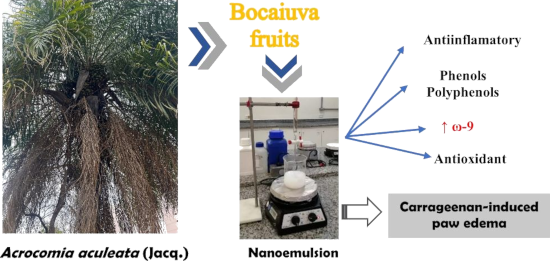
- , maintaining consistent zeta potential and droplet size parameters over a 180-day storage period at 25 ± 2 °C. Dynamic light scattering analysis revealed a mean nanodroplet size (by intensity) of 173.6 ± 0.70 nm (Figure 2A). The nanoemulsion, composed of 0.28 parts of Span 80® and 0.72 parts of Tween 80
- ®, exhibited a zeta potential of −14.10 ± 1.06 mV (Figure 2B), indicative of sufficient electrostatic repulsion for colloidal stability. It should be noted that the phenolic compounds and carotenoids contained in this oil are considered potent antioxidants, which may contribute to the stability of the


Chitosan nanocomposite containing rotenoids: an alternative bioinsecticidal approach for the management of Aedes aegypti
Beilstein J. Nanotechnol. 2025, 16, 1197–1208, doi:10.3762/bjnano.16.88
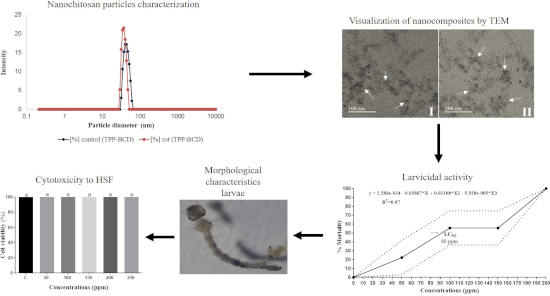
- with smaller size, improved polydispersity index, and enhanced stability, evidenced by a higher zeta potential. FTIR analysis confirmed rotenoid incorporation into the nanocomposite and suggested hydrogen bonding or potential covalent interaction with chitosan functional groups. Bioassays demonstrated
- rotenoids in the nanostructures also increased the zeta potential (ζ) in both ion gelation methods, which appears to influence the polydispersity index (PDI) of these nanocomposites, as the PDI values are significantly higher than those of their respective controls (Table 1). The zeta potential is an
- important parameter for assessing nanoparticle stability and biodistribution. Typically, particles acquire an electric charge at the shear plane when dispersed in a liquid, which is reflected by their zeta potential, that is key to understanding dispersion and aggregation processes in nanoformulations. Zeta



Piezoelectricity of hexagonal boron nitrides improves bone tissue generation as tested on osteoblasts
Beilstein J. Nanotechnol. 2025, 16, 1068–1081, doi:10.3762/bjnano.16.78
- -Vis-NIR) measured optical properties across the 200–800 nm range, while dynamic light scattering (DLS, Malvern Panalytical) provided data on hydrodynamic size and zeta potential after dispersing 1 mg of material in 1 mL of deionized water and sonicating for 30 min. Finally, piezoresponse force
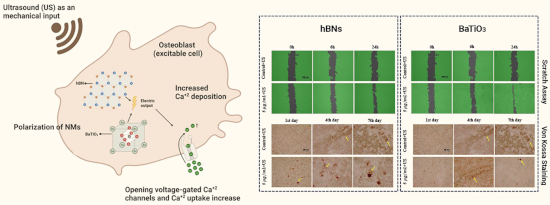
- bandgap energy [46]. Supporting Information File 1, Figure S3 (f) illustrates that the hydrodynamic size of hBNs in aqueous suspension is approximately 120 nm. The zeta potential value is −42.5 ± 1.18 mV, indicating greater negativity than −30 mV, demonstrating stability [47]. Figure 1 shows PRFM
- the hydrodynamic size and zeta potential values of BaTiO3 as 44 ± 6.68 nm and −22.74 ± 1.67 mV, respectively. This zeta potential value indicates the potential for particle aggregation. Additionally, the amplitude and phase images in Figure 1 indicated a polarization magnitude of 4 mV, which was


Serum heat inactivation diminishes ApoE-mediated uptake of D-Lin-MC3-DMA lipid nanoparticles
Beilstein J. Nanotechnol. 2025, 16, 740–748, doi:10.3762/bjnano.16.57
- Analytical, UK). The zeta potential of LNPs was measured using a Zetasizer Nano Z (Malvern Panalytical). Before analysis, LNP stocks were diluted 1:20 in ultrapure water. LNP uptake Cells were seeded in 48-well plates the day prior to the uptake experiment at 2 × 10⁴ cells/well. The plates were pre-coated


Colloidal few layered graphene–tannic acid preserves the biocompatibility of periodontal ligament cells
Beilstein J. Nanotechnol. 2025, 16, 664–677, doi:10.3762/bjnano.16.51
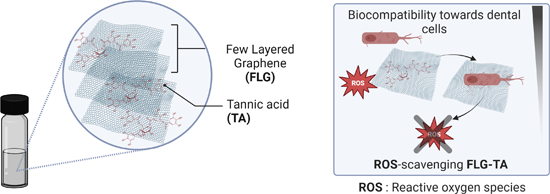
- hydrogen bonds and coat various surfaces [23]. Our results are compatible with a model where adsorbed TA molecules create a partially active antioxidant layer on the FLG surface, maintaining bioactivity while enhancing graphene colloid stability. Unfortunately, the zeta potential of the FLG–TA material in
- from the calibration curve. The total quantity of tannic acid adsorbed on the surface of the FLG was then calculated from the difference between the initial and the final TA concentrations and reported per unit mass of carbon-based material. Attempts to evaluate the FLG–TA particle size and zeta
- potential in their diluted suspensions were done using a Nano ZS device from Malvern, operating in the backscattering mode. The free radical scavenging assay was carried out to assess the antioxidant properties of both free and adsorbed TA on the surface. A 10−4 M DPPH solution was prepared in absolute




Aprepitant-loaded solid lipid nanoparticles: a novel approach to enhance oral bioavailability
Beilstein J. Nanotechnol. 2025, 16, 652–663, doi:10.3762/bjnano.16.50
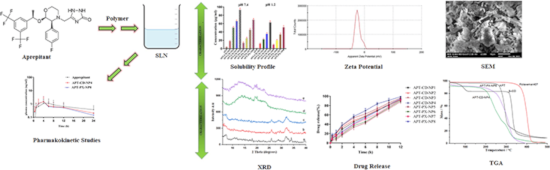
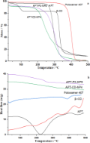
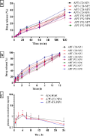
- analysis. APT-loaded SLNs were prepared by the precipitation method and characterized by physicochemical studies including particle size and zeta potential measurements, drug content, encapsulation efficiency and solubility studies, Fourier-transform infrared spectroscopy (FTIR), scanning electron
- concentration of β-CD showed the highest drug solubility (93.50% ± 3.73%) in PBS (pH 7.4) and drug content (96.75% ± 0.24%); particle size, zeta potential, and polydispersity index of APT-CD-NP4 were 121.1 ± 0.72 nm, −18.8 ± 0.94 mV, and 0.15 ± 0.35, respectively. SEM analysis showed that APT was converted from
- , and zeta potential measurements. Also Fourier-transform infrared (FTIR) spectroscopy, X-ray diffraction (XRD), solubility, in vitro dissolution, and in vivo and stability studies were carried out. Result and Discussion Physicochemical evaluation The solubility of APT in the SLNs was 24-fold higher



Synthetic-polymer-assisted antisense oligonucleotide delivery: targeted approaches for precision disease treatment
Beilstein J. Nanotechnol. 2025, 16, 435–463, doi:10.3762/bjnano.16.34

- played a crucial role in the successful coating of these nanoparticles, significantly increasing their zeta potential and improving cellular uptake. Moreover, εPLL-coated GNPs were found to provide robust protection for the ASOs against nuclease degradation, maintaining over 78% of the oligonucleotides





