Search results
Search for "Ag" in Full Text gives 668 result(s) in Beilstein Journal of Nanotechnology. Showing first 200.
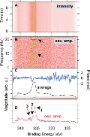
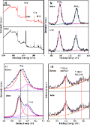
Ambient pressure XPS at MAX IV
Beilstein J. Nanotechnol. 2025, 16, 1677–1694, doi:10.3762/bjnano.16.118
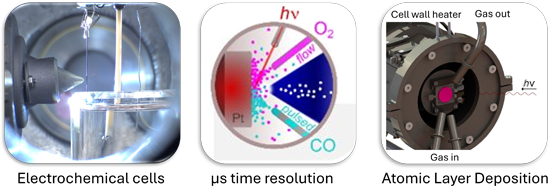
- understanding of corrosion mechanisms. Lundgren’s and Pan’s groups studied in situ, in 17 mbar of water vapor, the electrochemical oxide growth and breakdown on Ni-Cr-Mo industrial alloys in a NaCl solution at different pH values, by following the anodic growth of the oxide film at potentials up to 700 mV vs Ag





Bioinspired polypropylene-based functionally graded materials and metamaterials modeling the mistletoe–host interface
Beilstein J. Nanotechnol. 2025, 16, 1592–1606, doi:10.3762/bjnano.16.113
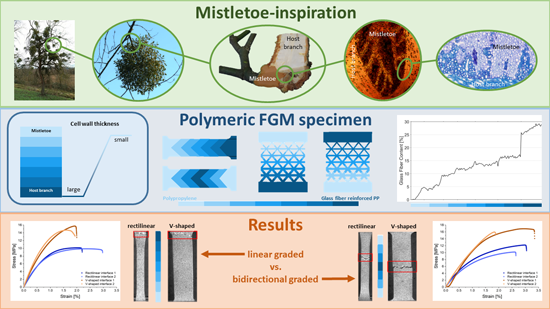
- (Carbon black, Liquitex Spray Paint, Cincinnati, OH, United States). During the tensile test, the surface was captured at 25 fps using a Basler ace camera (acA2040; Basler AG, Ahrensburg, Germany) equipped with a 35 mm lens (CCTV LM35HC; Kôwa, Nagoya, Japan). The captured image stacks were imported into


Laser processing in liquids: insights into nanocolloid generation and thin film integration for energy, photonic, and sensing applications
Beilstein J. Nanotechnol. 2025, 16, 1428–1498, doi:10.3762/bjnano.16.104
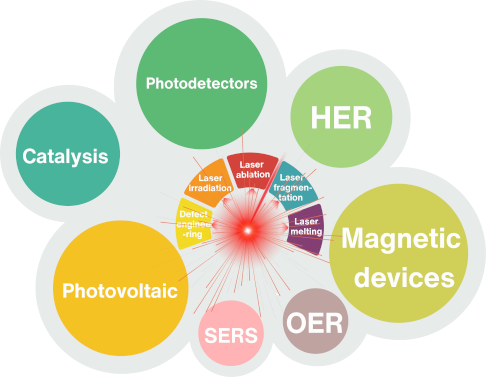
- colloidal solutions, enabling the generation of NPs with controlled sizes and shapes. One of the early significant studies in this field was conducted by Pyatenko et al. in 2007 [63], who demonstrated that spherical Ag NPs of various sizes could be synthesized through one-step or multistep processes
- spheres and is suitable for a variety of metal and semiconductor NPs, including Ag, Au, Cu, Fe, Ni, Fe2O3, Fe3O4, Co3O4, NiO, TiO2, WO3, and ZnO, which all exhibit optical absorption at 355 or 532 nm (using a Nd:YAG laser). Pulsed laser irradiation of colloidal NPs differs from LAL primarily in that PLIL
- films of copper phthalocyanine (CuPc) doped with laser generated Au and Ag NPs were prepared using spin coating on glass substrates. Transmission electron microscopy analysis indicated spherical NPs having sizes in the range of 7–43 nm for Au NPs, and 12–50 nm for Ag NPs. The deposited films had good


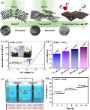




Photochemical synthesis of silver nanoprisms via green LED irradiation and evaluation of SERS activity
Beilstein J. Nanotechnol. 2025, 16, 1417–1427, doi:10.3762/bjnano.16.103
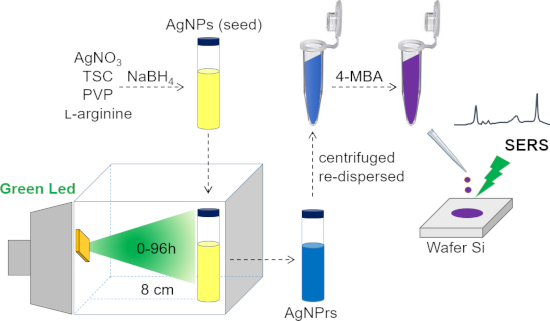
- play decisive roles, namely, the source of silver ions (Ag+) and the reducing agent that converts Ag+ to metallic silver (Ag0). Upon LED irradiation of the system containing initial AgNPs seeds, the atomic layers of silver at the nanoparticle surfaces are excited and oxidized by dissolved oxygen in the
- solution, generating Ag+ ions [15]. These ions serve as the source of Ag+ for the seed growth process. TSC preferentially binds to the (111) crystal facets of silver nanoparticles. Under LED illumination, TSC is excited and oxidized, acting as a reducing agent through the following reactions: Electrons
- released from TSC immediately reduce Ag+ to Ag0. Since the (111) facets are protected by TSC, the newly formed Ag0 preferentially deposits on the (100) and (110) surfaces, leading to planar two-dimensional growth and the formation of planar twinned seeds [6][7]. Subsequently, as LED irradiation continues


Parylene-coated platinum nanowire electrodes for biomolecular sensing applications
Beilstein J. Nanotechnol. 2025, 16, 1392–1400, doi:10.3762/bjnano.16.101
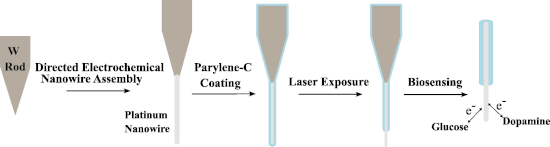
- for the counter electrode and the reference electrode is a CHI111 Ag/AgCl (3.5 M KCl) electrode. The solution was a mixture of 0.2 M CuSO4 and 0.1 M H2SO4. The scan window was −150 mV to 650 mV and the scan rate was 50 mV/s with three loops. In another test, concentrations were reduced to 0.02 M and
- hydrochloride power (98%, Sigma-Aldrich) to 10 mL 0.01 M phosphate-buffered saline (pH 7.4, Sigma-Aldrich). This stock dopamine solution was added into 30 mL 0.01 M phosphate-buffered saline solution to get desired concentrations. Same Ag/AgCl reference and platinum counter electrodes as above were used in


Synthesis and antibacterial properties of nanosilver-modified cellulose triacetate membranes for seawater desalination
Beilstein J. Nanotechnol. 2025, 16, 1380–1391, doi:10.3762/bjnano.16.100
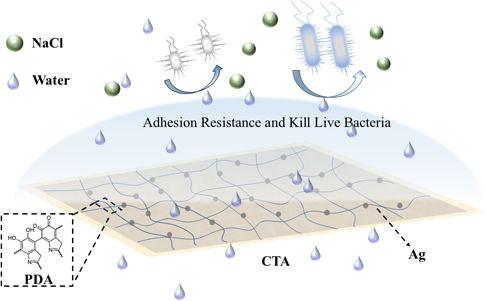
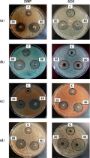
- pollution in cellulose triacetate (CTA) membranes during seawater desalination, silver (Ag) nanoparticles were incorporated onto the CTA surface using polydopamine (PDA). PDA, which contains phenolic and amino groups, exhibits excellent adhesiveness and provides active sites for the attachment and reduction
- for Ag nanoparticles. Various characterizations confirm the successful introduction of Ag nanoparticles onto the surface of the PDA-modified CTA (PCTA) membrane and the preservation of CTA microstructures. Antibacterial testing demonstrates that the Ag@PCTA membrane exhibited excellent antibacterial
- rates of the Ag@PCTA membrane were comparable to those of the parent CTA membrane. Keywords: antibacterial properties; cellulose triacetate; nanosilver; seawater desalination; Introduction As the global population continues to grow at a rapid pace, the demand for freshwater resources is escalating


Automated collection and categorisation of STM images and STS spectra with and without machine learning
Beilstein J. Nanotechnol. 2025, 16, 1367–1379, doi:10.3762/bjnano.16.99
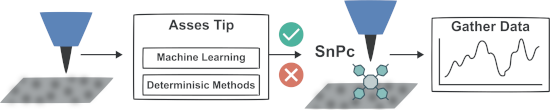
- each molecule located, using the same range of −1.5 V to 1.5 V as for the bare surface. Note on SnPc switching instability The adsorption of SnPc on coinage metal substrates is well studied, and the molecule is known to undergo an irreversible switch from the SnUp to the SnDown state on the Ag(111
- closer to the surface, where the atom binds to the Ag(111), at which point charge transfer from the substrate to the molecule will return it to its neutral state [21]. Whilst carrying out bias spectroscopy over these SnPc molecules, it was found that a switch could occasionally be induced, even if the
- peaks in conductance correspond to the lowest unoccupied molecular orbital (LUMO) and highest occupied molecular orbital (HOMO), respectively. The cited work, however, was carried out on the Ag(111) surface, as opposed to Au(111) used here, which could explain the slight shift in the position of the





Enhancing the therapeutical potential of metalloantibiotics using nano-based delivery systems
Beilstein J. Nanotechnol. 2025, 16, 1350–1366, doi:10.3762/bjnano.16.98
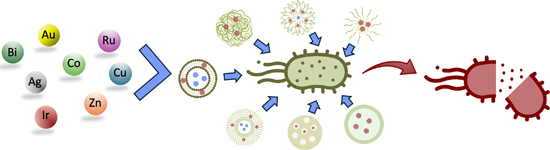
- factors limiting the systemic use of silver metalloantibiotics [101]. To overcome these limitations, several nano-based delivery systems were investigated. For example, the silver–N-heterocyclic carbene (Ag-NHC) complexes 1–4 (Figure 3) were successfully encapsulated in amphiphilic block copolymer
- micelles [102]. The nano-encapsulated complexes maintained their antibacterial properties, improving solubility and stability. In addition, reduced toxicity and side effects were observed for the nano-encapsulated Ag-NHC complexes compared to the free metallodrug. Additionally, the encapsulation system
- prevented the aggregation of silver ions, which is crucial for maintaining the antibacterial activity of the silver complexes. The Ag-NHC complex 5 (Figure 3) was also encapsulated in ʟ-tyrosine nanoparticles, which offer enhanced therapeutic potential through controlled and targeted release [103]. This


Enhancing the photoelectrochemical performance of BiOI-derived BiVO4 films by controlled-intensity current electrodeposition
Beilstein J. Nanotechnol. 2025, 16, 1289–1301, doi:10.3762/bjnano.16.94
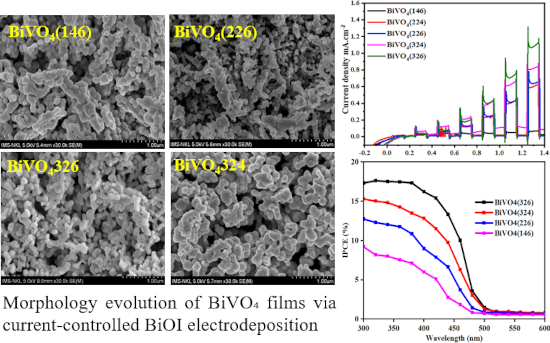
- ) using a reference electrode saturated with Ag/AgCl and platinum foil at various potentials vs Ag/AgCl. This process was adapted from the p-benzoquinone-based method reported by McDonald and Choi [19], in which benzoquinone serves as a redox mediator for BiOI formation. However, unlike the original study
- electrochemical workstation (CHI650E, CH Instruments, USA). The three electrodes included a working electrode (BiVO4 photoelectrode, 1.0 × 1.0 cm2), counter electrode (Pt plate), and reference electrode (Ag/AgCl). The electrolyte used in the photoelectrochemical measurements was 0.50 M Na2SO4 (pH 5.6), and the
- xenon lamp was 300 W (PLS-SXE 300C, 100 mW·cm−2) equipped with an AM1.5G filter to simulate solar light conditions. Linear sweep voltammetry (LSV) measurements were performed by scanning the potential from −0.6 to 1.2 V (vs Ag/AgCl), at a scan rate of 0.05 V·s−1. In the LSV test, the light source



Crystalline and amorphous structure selectivity of ignoble high-entropy alloy nanoparticles during laser ablation in organic liquids is set by pulse duration
Beilstein J. Nanotechnol. 2025, 16, 1141–1159, doi:10.3762/bjnano.16.84
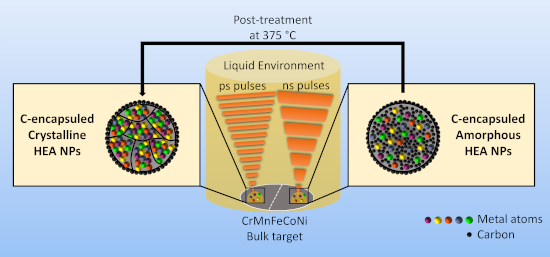
- for ps-LAL HEA NPs and PDI = 0.12 for ns-LAL HEA NPs) is evident. Due to fundamental differences in the particle formation mechanisms during ps- and ns-LAL as proposed by Shih et al., ps-LAL has been reported to yield bimodal size distributions (at least of Ag and Au at high fluences) [82], which may




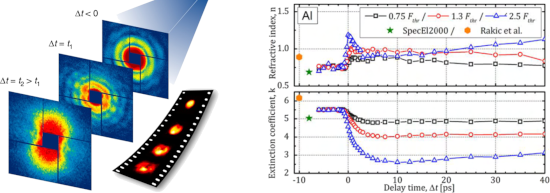
Time-resolved probing of laser-induced nanostructuring processes in liquids
Beilstein J. Nanotechnol. 2025, 16, 968–1002, doi:10.3762/bjnano.16.74


Shape, membrane morphology, and morphodynamic response of metabolically active human mitochondria revealed by scanning ion conductance microscopy
Beilstein J. Nanotechnol. 2025, 16, 951–967, doi:10.3762/bjnano.16.73
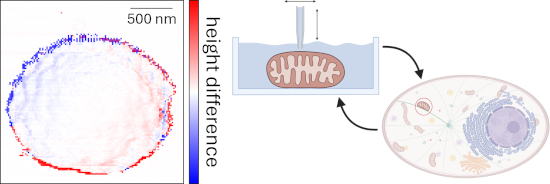
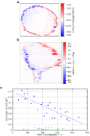
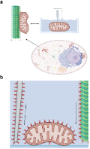
- nanopipette with a sub-micrometer aperture, which is brought near the sample surface via piezo actuators in an electrolyte bath. A voltage applied between two Ag/AgCl electrodes, one in the pipette and the other in the bath, generates an ion current. If the pipette approaches the sample, the ionic current
- as quantity to be measured by a feedback loop. This current is generated by applying a voltage between two Ag/AgCl electrodes, one located in an electrolyte bath containing the non-conductive sample and the other within the nanopipette (Supporting Information File 1, Section S7, Figure S20). When the



Synthesis of biowaste-derived carbon-dot-mediated silver nanoparticles and the evaluation of electrochemical properties for supercapacitor electrodes
Beilstein J. Nanotechnol. 2025, 16, 933–943, doi:10.3762/bjnano.16.71
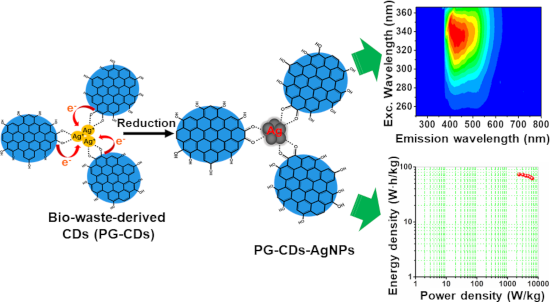
- reduction of Ag is extremely hazardous and can be dangerous to humans and the environment [17]. Hence, safer nontoxic methods for the production of AgNPs are in high demand. Green chemistry emphasizes the use of nontoxic chemicals and production pathways for environmental safety. Motivated by these
- -derived CDs was utilized for the reduction of Ag+ to AgNPs. The efficient reduction of Ag(I) to Ag(0) at optimal concentrations of CDs confirmed the successful production of AgNPs from silver nitrate (AgNO3). The adding of a small amount of PG-CDs to a 0.1 mM AgNO3 solution (i.e, 1:9) produced AgNPs, as
- energies of 285 and 368 eV, respectively. The high-resolution individual elemental XPS spectra of C 1s and Ag 3d are exhibited in Figure 2c–d. As shown in Figure 2d, the C 1s spectrum of the PG-CDs-AgNPs composite exhibited four primary peaks at binding energies of 282.9, 285.3, 287.1, and 288.5 eV. These


Insights into the electronic and atomic structures of cerium oxide-based ultrathin films and nanostructures using high-brilliance light sources
Beilstein J. Nanotechnol. 2025, 16, 860–871, doi:10.3762/bjnano.16.65

- + concentration formed during thermal treatments in high vacuum up to 770 K and by the full reversibility of the process upon thermal treatments in O2 (Figure 5) [49]. The interaction between cerium oxide and Ag NPs of varying sizes supported on a cerium oxide film were investigated using EXAFS at the Ag K-edge
- [53]. The NPs exhibited an Ag–Ag interatomic distance contracted by 3–4% compared to the bulk value [53]. The contraction was mainly ascribed to dimensionality effects, with epitaxial effects having a minor role. Additionally, the Ag–O interatomic distance at the interface between the NPs and the
- supporting oxide was found to decrease with decreasing NP size [53], possibly due to a stronger interaction between Ag and cerium oxide in smaller NPs, resulting from a greater charge transfer per atom [54]. A further possibility offered by synchrotrons is to measure spatially resolved Ce M-edge absorption


Morphology and properties of pyrite nanoparticles obtained by pulsed laser ablation in liquid and thin films for photodetection
Beilstein J. Nanotechnol. 2025, 16, 785–805, doi:10.3762/bjnano.16.60
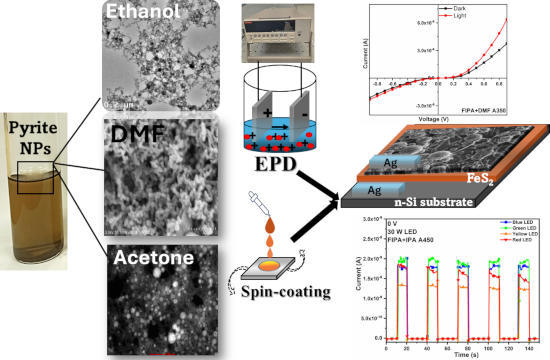
- transformations, are given in Figure 13. The results observed are contrary to those reported for generation of Ag NPs in different solvents [42]. They reported that acetone and water restricted the growth mechanisms and small narrow NPs of Ag were observed. In our study, though the average size of ≈17 nm for FeS2
- NPs obtained in acetone is comparable to the reported work on Ag, we observed precipitation within a few minutes. The precipitation of FeS2 NPs in acetone can be attributed either to the relatively low viscosity (0.306 mPa·s) of acetone, which means that NPs have higher mobility, increasing the
- or steric stabilization, leading to agglomeration and precipitation. This behavior contrasts with metallic Ag NPs, which remain stable in acetone due to stronger electrical double layers and surface charge. According to the literature, in the case of nanosecond (ns) laser pulses, the laser energy can






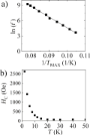
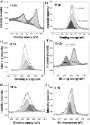
Changes of structural, magnetic and spectroscopic properties of microencapsulated iron sucrose nanoparticles in saline
Beilstein J. Nanotechnol. 2025, 16, 762–784, doi:10.3762/bjnano.16.59
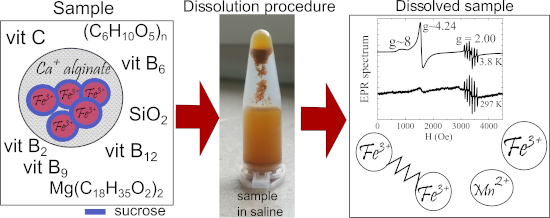
- than most other trivalent and divalent cations [67][68]. Similar effects have been reported for free ionic species of alginate in the presence of Ag nanostructures [64]. Furthermore, additional confirmation of the formation of the biopolymer ionic cross-linking complex can be inferred from the





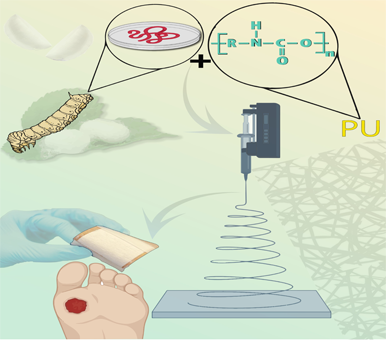
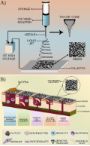
Polyurethane/silk fibroin-based electrospun membranes for wound healing and skin substitute applications
Beilstein J. Nanotechnol. 2025, 16, 591–612, doi:10.3762/bjnano.16.46



Retrieval of B1 phase from high-pressure B2 phase for CdO nanoparticles by electronic excitations in CdxZn1−xO composite thin films
Beilstein J. Nanotechnol. 2025, 16, 551–560, doi:10.3762/bjnano.16.43

- investigation, we primarily focus on Se, given the high energy of the irradiation ions (several MeV), while Sn becomes more significant in the keV range [7]. Here, we report on the radiation stability of the transformed B2 phase under 120 MeV Ag and 80 MeV O ion irradiation. Notably, such an investigation has
- thin films [1]. Das et al. reported that Seth for the formation of an amorphous latent track in rock salt CdO is 14.56 keV/nm [7]. Thus, we selected 120 MeV Ag ions, where electronic energy loss (Se) in CdO is 25.10 keV/nm, and 80 MeV O ions, with Se at 1.9 keV/nm, to examine the effects on both sides
- of Seth (i.e., higher and lower sides). Notably, the reappearance of the B1 phase was observed with O ion irradiation, while no such retrieval occurred with Ag ion irradiation. This intriguing finding is explored in detail in this investigation. Crystallographic characterization of both pristine and


Functionalized gold nanoflowers on carbon screen-printed electrodes: an electrochemical platform for biosensing hemagglutinin protein of influenza A H1N1 virus
Beilstein J. Nanotechnol. 2025, 16, 540–550, doi:10.3762/bjnano.16.42
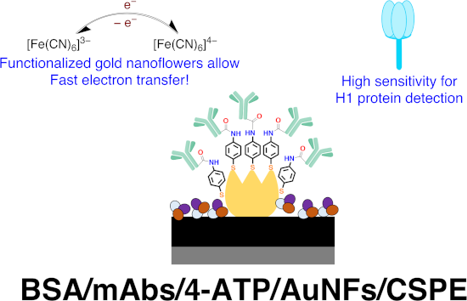
- , the existence of this effect in a material appears to depend on the size of the superficial nanostructures. A similar effect has been reported for 4-ATP-functionalized multilayered nanostructures of Ag, Au, and Pt with a size range between 48 and 130 nm [36][37] as well as for 4-ATP-functionalized
- HAuCl4 solution containing 6 mM HCl and 0.5 M sulfuric acid was added on top of the CSPE, and a potential of −0.25 V (vs Ag/AgCl) was applied for 60 s. The electrode was then rinsed with 25 mL deionized water, dried under a flow of N2, and stored at room temperature (RT) in dark. Functionalization with 4
- after exposing the biosensor to blank solutions of artificial saliva without H1 protein. Electrochemical measurements The commercial CSPE employed in this study consists of a three-electrode cell array with a carbon working electrode, a Ag/AgCl reference electrode, and a carbon counter electrode


Impact of adsorbate–substrate interaction on nanostructured thin films growth during low-pressure condensation
Beilstein J. Nanotechnol. 2025, 16, 473–483, doi:10.3762/bjnano.16.36

- can have nanometer-scale linear dimensions [10][11]. Experimental observations showed that nanometer-scale vacancy islands can arrange into a perfect triangular lattice when a single monolayer of Ag is deposited on a Ru(0001) surface at room temperature [12]. Similar elongated nanometer-sized islands
- were observed for Si/Si(100) [13], as well as during Ge deposition on Si [14]. Additionally, elongated metallic islands were detected during the deposition of Cu on Pd(110) [15] and Ag on Cu(110) [16]. Small separated adsorbate islands of Al and Cu condensates were obtained on glass substrates [17][18


Quantification of lead through rod-shaped silver-doped zinc oxide nanoparticles using an electrochemical approach
Beilstein J. Nanotechnol. 2025, 16, 422–434, doi:10.3762/bjnano.16.33
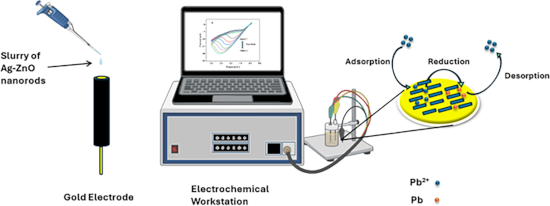
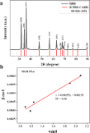
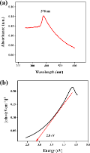
- activity, and semiconductor properties. By doping ZnO nanoparticles with transition metals, we can alter their electrical, optical, and magnetic properties by introducing new electronic states into the band structure. Herein, Ag is added to ZnO nanostructures to improve their optical properties to detect
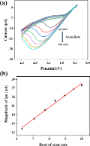
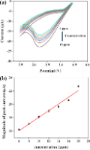
- heavy metal lead ions. The prepared lead sensor with ultrahigh sensitivity, based on silver-doped ZnO nanorods (Ag@ZnO NRs), was fabricated and characterized. The morphological, structural, compositional, and optical characteristics of the Ag@ZnO NRs were investigated using a variety of methods after
- they were fabricated using a low-temperature co-precipitation method. The resulting Ag@ZnO NRs had good optical properties, nanorod morphologies, and high crystallinity with no impurities. Technological advancements are leading people to use lightweight electronics and affordable sensors





Size control of nanoparticles synthesized by pulsed laser ablation in liquids using donut-shaped beams
Beilstein J. Nanotechnol. 2025, 16, 407–417, doi:10.3762/bjnano.16.31
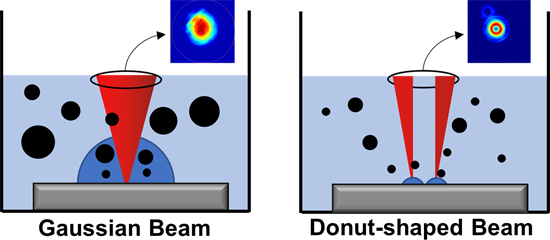
- investigated by using shadowgraphy method for both beam shapes. Materials and Methods Targets for PLAL Plate targets composed of high-purity gold (AGOSI AG, Germany) and Y2O3 (Porzellanfabrik Hermsdorf GmbH, Germany) with dimensions of ca. 10 × 10 × 1 mm3 were used to produce gold and yttrium oxide NPs


Pulsed laser in liquid grafting of gold nanoparticle–carbon support composites
Beilstein J. Nanotechnol. 2025, 16, 349–361, doi:10.3762/bjnano.16.26
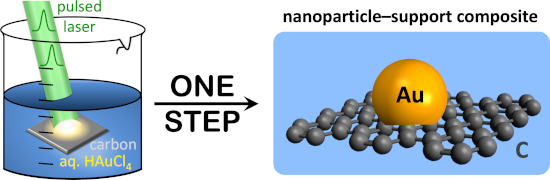
- carbon fiber paper (FuelCell Store, AvCarb MGL190) was sonicated in 1.0 M aqueous sodium dodecyl sulfate solution (AG Scientific, ≥99%) and subsequently electrooxidized at +1.63 V vs Ag/AgCl for 20 min in aqueous 0.1 M KHCO3 solution (pH 8.3, Alfa Aesar, 99.7–100.5%). Laser-grafted gold nanoparticle
- electrode was a Pt foil (Aldrich, 0.025 mm thick, 99.9%), and an Ag/AgCl (BaSi) reference electrode, calibrated against a reversible hydrogen electrode (Gaskatel HydroFlex®), was used. Produced gas was detected by an in-line gas chromatograph (GC, SRI, Multi-Gas #5 configuration) connected to the 2 mL


Emerging strategies in the sustainable removal of antibiotics using semiconductor-based photocatalysts
Beilstein J. Nanotechnol. 2025, 16, 264–285, doi:10.3762/bjnano.16.21
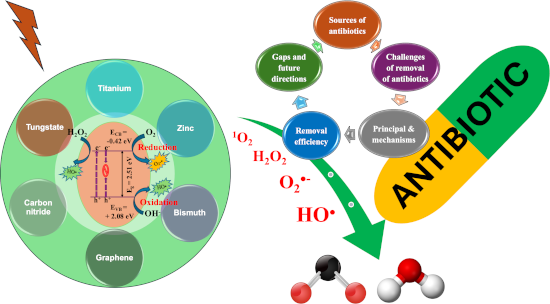
- improve the photocatalytic efficiency, several dopants, such as transition metals (Fe, Cu, Mn, Zn, Ni, Co, Cr, Ru, and Ag) or nonmetals (C, N, S, and F) have been introduced into the semiconductor material. Metal and nonmetal dopants have the ability to construct an impurity energy level located below the
- conversion efficiency as a result of the swift recombination of electrons and holes. However, several composite photocatalysts have been studied for the degradation of antibiotics, including BiVO4/MoS2, BiVO4/FeVO4, AgI/BiVO4, g-C3N4/BiVO4/rGO, Ag/AgBr/BiVO4, CuS/BiVO4, BiVO4/TiO2/rGO, MnFe2O4/BiVO4, BiVO4
- system leads to the occurrence of reverse reactions on the surface of photocatalysts, resulting in a decrease in the total number of photogenerated charges. Samsudin and colleagues [109] validated their findings by designing a Z-scheme Ag/AgVO3/g-C3N4 photocatalyst. This catalyst exhibited outstanding



Preferential enrichment and extraction of laser-synthesized nanoparticles in organic phases
Beilstein J. Nanotechnol. 2025, 16, 254–263, doi:10.3762/bjnano.16.20
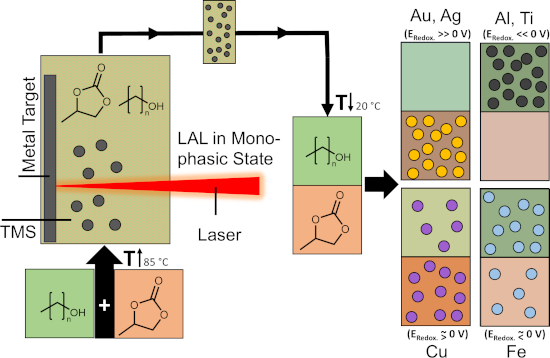
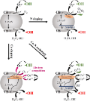
- unaddressed in literature. To tackle this knowledge gap, the present study investigates the phase preference of laser-generated noble metal (Au and Ag) and base metal (Cu, Fe, Al and Ti) nanoparticles within propylene carbonate/alcohol (PC/A) systems. Alcohols of increasing chain length (C6–C11) and hence
- , polarity of the solvent, or even physical attributes (e.g., boiling point), phase transfer methods are essential. To close this knowledge gap, we have performed ablation of six different metals (Au, Ag, Cu, Fe, Al, and Ti) ranging from high to low standard electrochemical reduction potentials in a
- with varying standard electrochemical reduction potential (Au, Ag, Cu, Fe, Al, and Ti) was performed in the TMS of 1-nonanol and propylene carbonate under monophasic state conditions (85 °C). The gained colloids were cooled to room temperature by disabling the heating plate as it was observed that