Search results
Search for "PLA" in Full Text gives 50 result(s) in Beilstein Journal of Nanotechnology.
Fabrication and testing of polymer microneedles for transdermal drug delivery
Beilstein J. Nanotechnol. 2022, 13, 629–640, doi:10.3762/bjnano.13.55
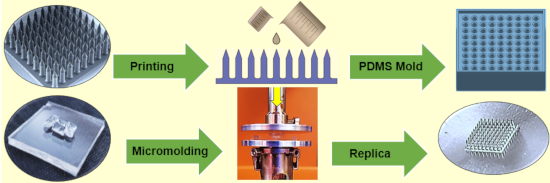
- their biocompatibility, biodegradability, and potential for mass production [12]. Polymers such as polylactic acid (PLA), poly(methyl methacrylate) (PMMA), poly(carbonate), cyclic olefin copolymer (COC) and cycloolefin polymers (COP), polystyrene, and SU-8 photoresists, have all been used for
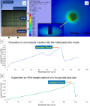
- the viscoelastic nature of Zeonor 1060R, the initial near-tip failure was indistinct on the force-displacement diagram. These mechanical responses have been previously observed during compression tests on polymeric MN materials, including carboxymethyl cellulose (CMC) and polylactic acid (PLA) [1][38



Micro- and nanotechnology in biomedical engineering for cartilage tissue regeneration in osteoarthritis
Beilstein J. Nanotechnol. 2022, 13, 363–389, doi:10.3762/bjnano.13.31
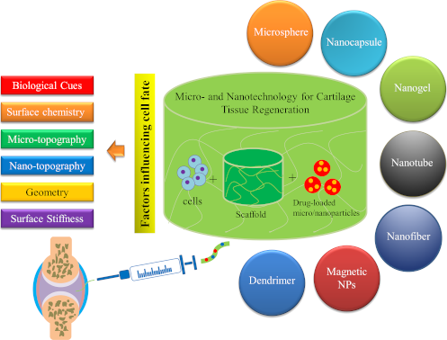
- and tailoring method for the construction of the scaffold. Researchers have assessed the effects of different morphologies of a polylactide (PLA) fiber-based scaffold [microfiber scaffold (MS) and nanofiber-coated microfiber scaffold (NMS)] on the behavior of human articular chondrocytes [108
- improve the expression of the chondrogenic phenotype [110]. Fragmented PLA fibers incorporated into HA-grafted alginate hydrogel have been shown to increase the compressive modulus by approximately 81% compared to the nanofiber-free hydrogel scaffolds. Moreover, they maintained the round phenotype of the
- the expressions of chondrogenic markers and appreciably repopulated the defective cartilage site compared to pellet culture and PVA fibers. In line with this, the application of a resveratrol–PLA–gelatin scaffold in a rat articular cartilage defect model promoted the repair of cartilage injury and had


Effects of drug concentration and PLGA addition on the properties of electrospun ampicillin trihydrate-loaded PLA nanofibers
Beilstein J. Nanotechnol. 2022, 13, 245–254, doi:10.3762/bjnano.13.19
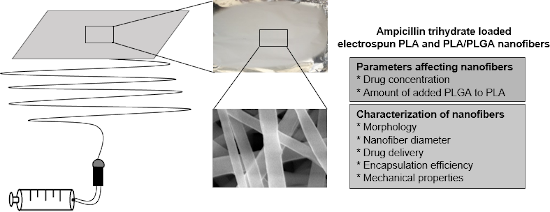
- produce ampicillin trihydrate-loaded poly(lactic acid) (PLA) and PLA/poly(lactic-co-glycolic acid) (PLA/PLGA) polymeric nanofibers via electrospinning using 1,1,1,3,3,3-hexafluoro-2-propanol (HFIP) as the solvent for local application in tissue engineering. The effects of ampicillin trihydrate
- concentration (4–12%) and addition of PLGA (20–80%) on the spinnability of the solutions, morphology, average nanofiber diameter, encapsulation efficiency, drug release, and mechanical properties of PLA and PLA/PLGA nanofibers were examined. All nanofibers were bead-free and uniform. They had favorable
- and controlled drug release for ten days was obtained with nanofibers containing 8% of drug. Thus, the ideal drug concentration was determined to be 8%. Nanofibers containing PLA/PLGA had a larger diameter than those including PLA. In addition, both the strength and elongation of nanofibers decreased


A comprehensive review on electrospun nanohybrid membranes for wastewater treatment
Beilstein J. Nanotechnol. 2022, 13, 137–159, doi:10.3762/bjnano.13.10
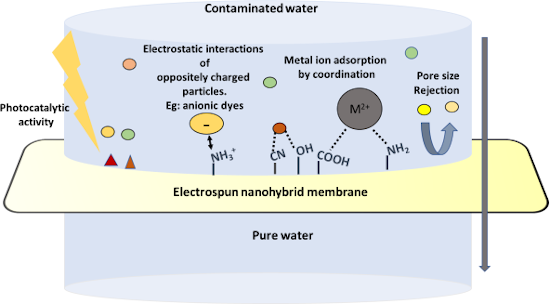
- porous nature of the fibers cannot be explained solely with the solvent volatility, but only in combination with the ambient parameters. Touny et al. observed that the addition of less volatile DMF to highly volatile CHCl3 when spinning PLA/HNT nanohybrids causes a decrease of fiber diameter from the
- layer had a significant effect on the hydrophilicity of the membrane by decreasing the water contact angle from 130° to 13°. A water flux of 5.5 m3/m2/day, has been achieved by the membrane with the lowest contact angle [67]. Zhang et al. demonstrated the electrospinning of a blend of PLA and poly(3




Theranostic potential of self-luminescent branched polyethyleneimine-coated superparamagnetic iron oxide nanoparticles
Beilstein J. Nanotechnol. 2022, 13, 82–95, doi:10.3762/bjnano.13.6
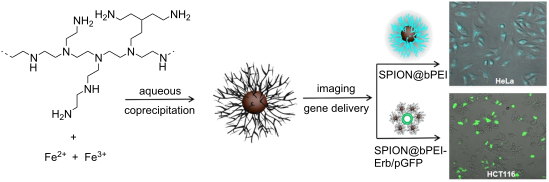
- -polylactide (PEI–PLA). An enhanced luminescence of PEI in the PDOT (quantum yield = 0.31) compared to free PEI (quantum yield = 0.01) was attributed to the more compact structure of PEI in the self-assembled PDOT. This was the first report that studied the luminescence of branched PEI at a relatively high




An overview of microneedle applications, materials, and fabrication methods
Beilstein J. Nanotechnol. 2021, 12, 1034–1046, doi:10.3762/bjnano.12.77
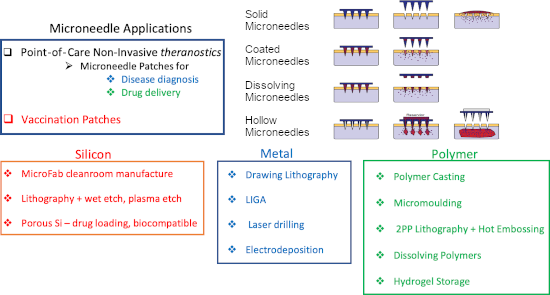
- and sizes for a wide range of applications. Metals such as titanium [61][62], stainless steel [58][63][64], silicon [65][66][67], ceramics [68][69], biodegradable polymers such as polylactic acid (PLA) [70], PLGA [71], and polyglycolic acid (PGA) [72], and non-degradable polymers such as


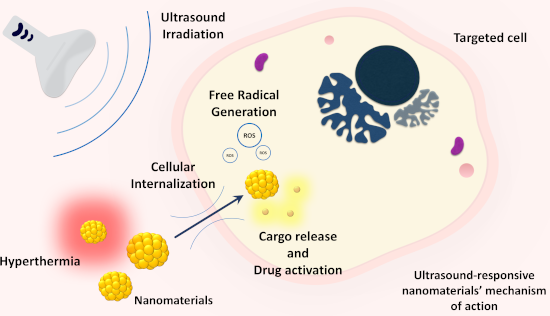
Comprehensive review on ultrasound-responsive theranostic nanomaterials: mechanisms, structures and medical applications
Beilstein J. Nanotechnol. 2021, 12, 808–862, doi:10.3762/bjnano.12.64


The impact of molecular tumor profiling on the design strategies for targeting myeloid leukemia and EGFR/CD44-positive solid tumors
Beilstein J. Nanotechnol. 2021, 12, 375–401, doi:10.3762/bjnano.12.31
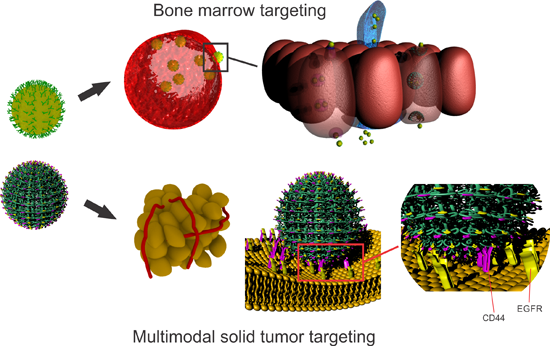
- the improvement of the overall therapeutic efficacy. A targeted NDDS for the co-delivery of ponatinib and SAR302503 (selective JAK2 inhibitor) for efficient CML treatment was developed by Mu and co-workers [47]. The authors employed alendronate-decorated PLA–PEG micelles for BM targeting. Both
- ponatinib and SAR302503 are hydrophobic drugs and were co-encapsulated inside the hydrophobic core of PEG–PLA micelles by solvent displacement nanoprecipitation. The results demonstrated that the targeted NDDS enabled a high availability of the drugs inside the BM, which is a prerequisite for overcoming the


Key for crossing the BBB with nanoparticles: the rational design
Beilstein J. Nanotechnol. 2020, 11, 866–883, doi:10.3762/bjnano.11.72
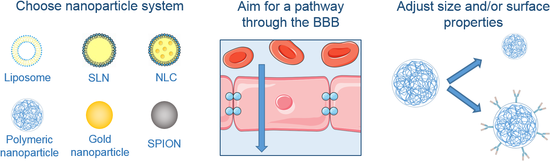
- polymeric nanoparticles prepared with PBCA and polymers from the poly(ethylene) family such as poly(lactic acid) (PLA) and poly(lactic-co-glycolic acid) (PLGA) [25][26]. Liposomes and other lipidic nanoparticles have also been reported as able to pass the BBB [27], as well as protein-based nanoparticles
- suggestion from Kreuter et al. that the core of the nanoparticles could influence the surface properties of the nanoparticles and therefore their ability to bind with apolipoproteins in the blood [54]. PS80 coating was also successful for PLA-b-PEG nanoparticles [58] but failed for PLA nanoparticles [59
- cationic bovine serum albumin (CBSA) allows them to cross the BBB by AMT, as described above [110][111][112][114]. PEG-PLA nanoparticles were labeled with coumarin-6 and conjugated with either CBSA or BSA in a study by Lu and co-workers [110]. Transcytosis assays were performed on a co-culture BBB in vitro


Rational design of block copolymer self-assemblies in photodynamic therapy
Beilstein J. Nanotechnol. 2020, 11, 180–212, doi:10.3762/bjnano.11.15
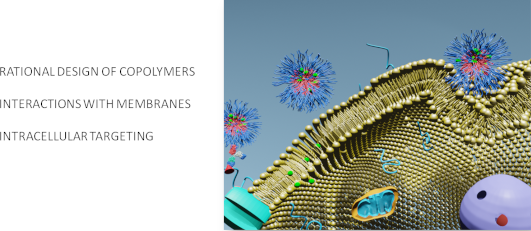
- ] due to the overexpression of folate receptors in a number of tumor types including ovarian [117] or breast cancers [118]. One of the most recent examples of FA use in PDT applications is by Li et al., where the authors have designed a FA-PEO-PLA construct to deliver hypocrellin B, a sensitizer
- carcinoma, ovarian, kidney, and pancreatic cancer). Chang et al. have explored the potential of PLA-PEG-AntiEGFR self-assemblies loaded with chlorin-e6 as a photosensitizer and found that this construct led to the increased internalization of the micelles through receptor-mediated endocytosis, which in turn
- [29]. This enables a classification of the ability of the vectors to resist FBS with time. The comparison of PEO-PCL, PEO-PLA and PEO-PStyrene exhibiting similar sizes showed that PEO-PStyrene was the most stable. The advantage of PS for PDT is that their fluorescence will depend on their environment




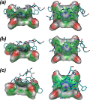


Incorporation of doxorubicin in different polymer nanoparticles and their anticancer activity
Beilstein J. Nanotechnol. 2019, 10, 2062–2072, doi:10.3762/bjnano.10.201
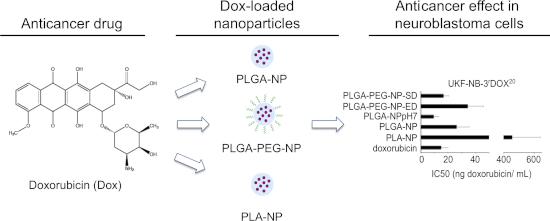
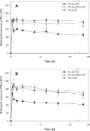
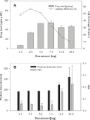
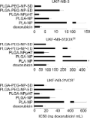
- . To investigate whether easy-to-prepare nanoparticles made of well-tolerated polymers may circumvent transporter-mediated drug efflux, we prepared poly(lactic-co-glycolic acid) (PLGA), polylactic acid (PLA), and PEGylated PLGA (PLGA-PEG) nanoparticles loaded with the ABCB1 substrate doxorubicin by
- carriers for anticancer drugs. Here, we prepared and directly compared the effects of doxorubicin-loaded polylactic acid (PLA) and poly(lactic-co-glycolic acid) (PLGA) nanoparticles in neuroblastoma cells. PLA and PLGA are well-known ingredients of FDA- and EMA-approved drugs for human use [10][11] and are
- , opsonisation, and phagocytosis [12]. In previous studies PLA-, PLGA-, PLA-PEG-, and PLGA-PEG-based nanometre-sized drug carriers loaded with or covalently linked to doxorubicin have been prepared by methods including emulsion diffusion, solvent displacement, micelle formation, and film rehydration followed by





Doxorubicin-loaded human serum albumin nanoparticles overcome transporter-mediated drug resistance in drug-adapted cancer cells
Beilstein J. Nanotechnol. 2019, 10, 1707–1715, doi:10.3762/bjnano.10.166
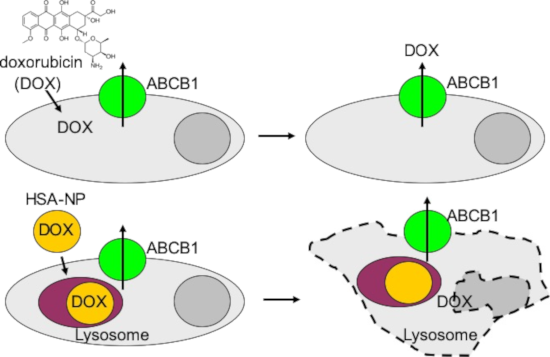
- bind to doxorubicin via its amino group. Notably, the results differ from a recent similar study in which nanoparticles prepared from poly(lactic-co-glycolic acid) (PLGA) or polylactic acid (PLA), two other biodegradable materials approved by the FDA and EMA for human use [27][28], did not bypass ABCB1


Integration of LaMnO3+δ films on platinized silicon substrates for resistive switching applications by PI-MOCVD
Beilstein J. Nanotechnol. 2019, 10, 389–398, doi:10.3762/bjnano.10.38
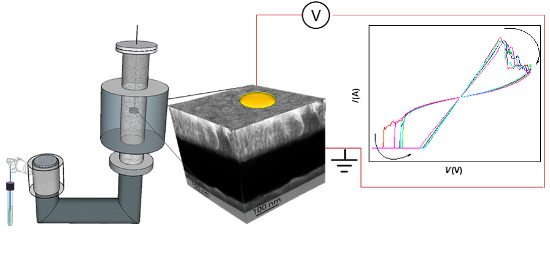
- Raquel Rodriguez-Lamas Dolors Pla Odette Chaix-Pluchery Benjamin Meunier Fabrice Wilhelm Andrei Rogalev Laetitia Rapenne Xavier Mescot Quentin Rafhay Herve Roussel Michel Boudard Carmen Jimenez Monica Burriel Univ. Grenoble Alpes, CNRS, Grenoble INP (Institute of Engineering Univ. Grenoble Alpes




Atomic-level characterization and cilostazol affinity of poly(lactic acid) nanoparticles conjugated with differentially charged hydrophilic molecules
Beilstein J. Nanotechnol. 2018, 9, 1328–1338, doi:10.3762/bjnano.9.126
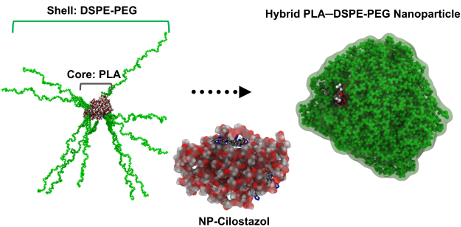
- promising field for numerous diseases and represents the forefront of modern medicine. In the present work, full atomistic computer simulations were applied to study poly(lactic acid) (PLA) nanoparticles conjugated with polyethylene glycol (PEG). The formation of this complex system was simulated using the
- suggest that the combination of molecular dynamics ReaxFF simulations and blind docking techniques can be used as an explorative tool prior to experiments, which is useful for rational design of new drug delivery systems. Keywords: drug delivery; PEGylated nanoparticle; PLA; polymeric nanoparticle
- against in vitro and in vivo degradation [7][8][9]. Poly(lactic acid) (PLA) is one of the most commonly used polymers for the synthesis of NPs. PLA is a synthetic biodegradable, compostable and non-toxic polymer derived from renewable resources [10][11][12]. Despite its benefits for different formulations


Liquid-crystalline nanoarchitectures for tissue engineering
Beilstein J. Nanotechnol. 2018, 9, 205–215, doi:10.3762/bjnano.9.22
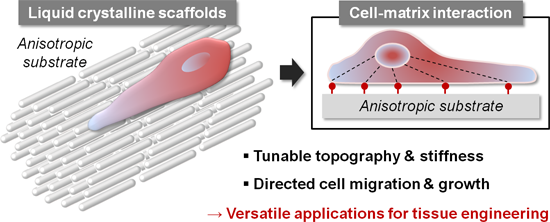
- been reported [106]. Lamellar phase PLA-b-PEG-b-PLA hydrogels can be made to exhibit better biodegradability and higher swelling behavior than isotropic gels for medical purposes [107]. Thermotropic copolyester materials in nematic order can be also synthesized to be used as a bioresorbable and tissue


Surface functionalization of 3D-printed plastics via initiated chemical vapor deposition
Beilstein J. Nanotechnol. 2017, 8, 1629–1636, doi:10.3762/bjnano.8.162
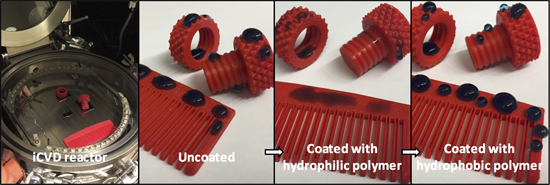
- thickness and therefore the thermal gradients were modest. In contrast to these previous studies, our 3D-printed objects are over 5 mm in thickness and therefore the significant thermal gradients may impact the deposition process. In this study, we printed the 3D objects using both poly(lactic acid) (PLA
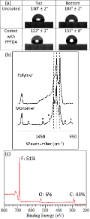
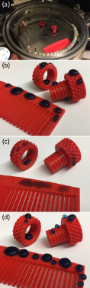
- schematic of the iCVD deposition process onto 3D-printed substrates is shown in Figure 1. To systematically study the uniformity of the iCVD coatings, PPFDA was deposited onto 3D-printed PLA lattices of 7.5 mm in height. PPFDA was chosen as a model polymer because it is easily discernable from the
- underlying substrate via XPS [23]. Additionally, the relatively high water contact angle on flat PPFDA (121°) [31] compared to that on flat PLA (72.5°) [32] allows for the use of contact angle goniometry to verify polymer deposition. Substrates were printed with PLA because of its ease of printing, low cost



Nano- and microstructured materials for in vitro studies of the physiology of vascular cells
Beilstein J. Nanotechnol. 2016, 7, 1620–1641, doi:10.3762/bjnano.7.155
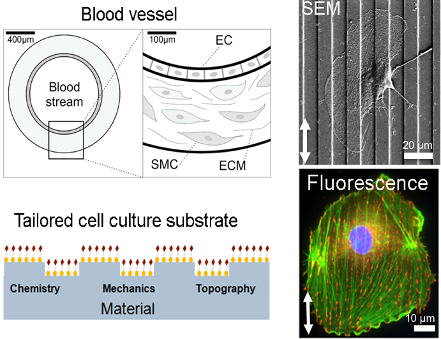
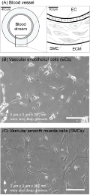
- for vascular cell studies are poly(dimethylsiloxane) (PDMS) [6][61][103][104][105][106], poly(ethylene glycol) (PEG)-derived polymers [5][87][98][107][108][109][110][111][112][113] poly(acrylamide) (PAA) [50][114][115][116] and poly(lactic acid) (PLA) [117][118]. Alternative materials used for micro
- molecules is disadvantegous too. Using more advanced chemistry for immobilizing the molecules of interest in a controlled fashion [145][146][147][148]. Typical molecules used for non-specific surface coatings are poly-L-Lysine (PLL) and poly(lactic acid) (PLA), both interact unspecifically with cells



Manufacturing and investigation of physical properties of polyacrylonitrile nanofibre composites with SiO2, TiO2 and Bi2O3 nanoparticles
Beilstein J. Nanotechnol. 2016, 7, 1141–1155, doi:10.3762/bjnano.7.106
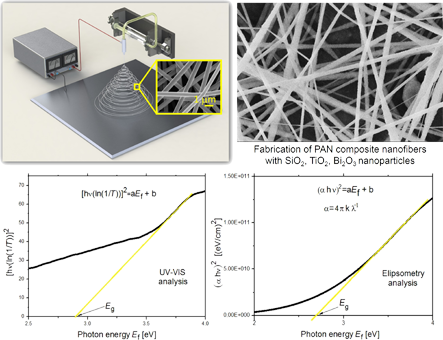
- acid) (PLA), poly(butylene succinate) (PBS), poly(3-hydroxybutyrate-co-3-hydroxyvalerate) (PHBV), poly(vinylidene difluoride) (PVBF), poly(vinylpyrrolidone) PVP, poly(acrylonitrile) (PAN)) reinforced with particles of SiO2, TiO2 and Bi2O3, particularly in thin layers, are very attractive because of



Fabrication and characterization of novel multilayered structures by stereocomplexion of poly(D-lactic acid)/poly(L-lactic acid) and self-assembly of polyelectrolytes
Beilstein J. Nanotechnol. 2016, 7, 81–90, doi:10.3762/bjnano.7.10
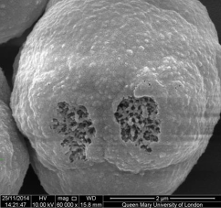
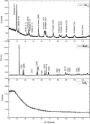
- aliphatic polyester poly(lactic acid) (PLA) has been widely used in the biomedical field due to its extraordinary biocompatibility, biodegradability and mechanical properties [19][30][31][32][33]. Lactic acid, which is the degraded product from PLA, is fully biocompatible in human bodies, and therefore
- medical materials made from PLA, such as surgical suture, implants, as well as drug carriers, are in high demand. Recently PLA-based polymers have been used for the fabrication of drug carriers by a LBL self-assembly technique [15][17][34]. As an example, the stepwise assembly of poly(L-lactic acid) (PLLA
- ) and poly(D-lactic acid) (PDLA) enantiomers, forming a racemic crystal called a stereocomplex, has been successfully realized [35]. However, PLA capsules made by the LBL technique with an entirely biocompatible procedure remain a challenge [36][37][38]. The possibility to assemble these polymers, as


Fabrication of hybrid nanocomposite scaffolds by incorporating ligand-free hydroxyapatite nanoparticles into biodegradable polymer scaffolds and release studies
Beilstein J. Nanotechnol. 2015, 6, 2217–2223, doi:10.3762/bjnano.6.227
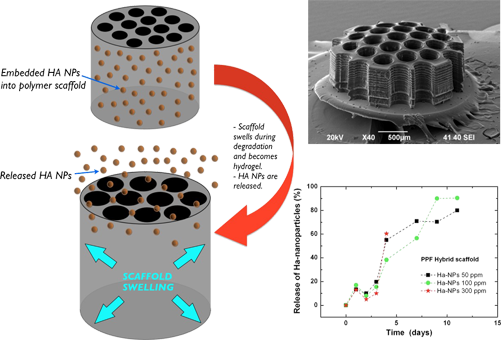
- modulus of our rapid prototyping-fabricated scaffolds can be adjusted over a range of four orders of magnitude without any implied modifications concerning the chemical composition of the resin itself. In this study, we present the combination of two laser methods (PLA and MPExSL) to incorporate HA NPs
- methods (PLA and MPExSL) to incorporate hydroxyapatite nanoparticles (HA NPs) into a biodegradable polymer resin. Ligand-free production of NPs can be considered a green route of NP synthesis that is beneficial for biological applications. HA NP release test was performed and showed that a controlled


Nanofibers for drug delivery – incorporation and release of model molecules, influence of molecular weight and polymer structure
Beilstein J. Nanotechnol. 2015, 6, 1939–1945, doi:10.3762/bjnano.6.198
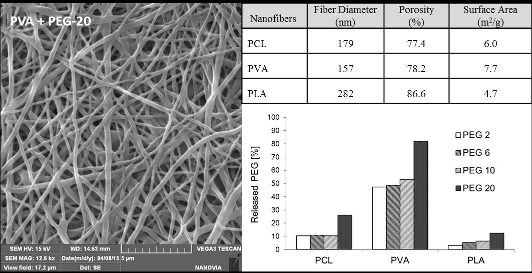
- implants [26]. In present work the PEGs were added to the solutions of polymers and were incorporated in nanofibers made from polycaprolactone (PCL), polylactide (PLA) and polyvinyl alcohol (PVA) during electrospinning. The release behavior of these molecules into the water environment was investigated and
- possible. However, the morphological characterization revealed several differences in the parameters of resultant samples (Table 1). The thinnest fibers with a mean fiber diameter 157 nm were prepared from PVA, and the thickness of PCL nanofibers (179 nm) was almost similar to this value. PLA fibers were
- the thickest, with a diameter of 282 nm. The surface areas corresponded to the fiber diameters; the surface area was largest for the thinnest PVA fibers (7.7 m2/g) and smallest for PLA (4.7 m2/g). These differences are due to the needle-free electrospinning method. Needle-free electrospinning does not



PLGA nanoparticles as a platform for vitamin D-based cancer therapy
Beilstein J. Nanotechnol. 2015, 6, 1306–1318, doi:10.3762/bjnano.6.135
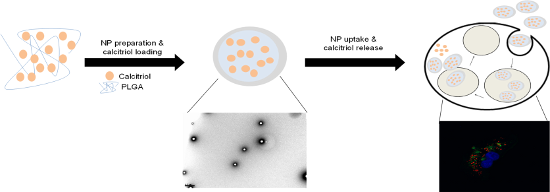
- biocompatibility, biodegradability, mechanical strength, FDA approval and low synthesis complexity. One of the most attractive candidates is poly(lactic-co-glycolic acid) (PLGA), which is a copolymer of poly(lactic acid) (PLA) and poly(glycolic acid) (PGA) [18][19]. We expect that vitamin D3 encapsulation in these
- therapy [22]. A few years later, Almouazen et al. developed a formulation using PLA nanoparticles of about 200 nm [14]. This study proved that PLA nanocapsules are a suitable choice for controlled delivery of antineoplastic agents, namely the nanoencapsulated calcidiol induced a significant growth
- inhibition when compared to free calcidiol, and the PLA NPs enhanced the intracellular delivery of vitamin in breast cancer cells [14]. In another work, Bonor et al. [23] developed calcitriol-conjugated quantum dots to analyze calcitriol distribution and dynamics in mouse myoblast cells. The authors


Caveolin-1 and CDC42 mediated endocytosis of silica-coated iron oxide nanoparticles in HeLa cells
Beilstein J. Nanotechnol. 2015, 6, 167–176, doi:10.3762/bjnano.6.16
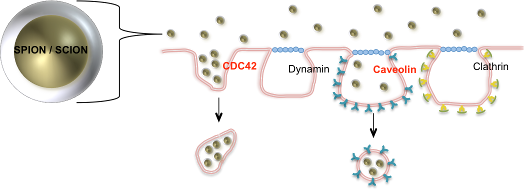
- human alveolar epithelial cells and polystyrene nanoparticles around 100 nm [38] as well as polymer coated gold nanoparticles with a core size around 13 nm [39]. On the other hand there are studies showing the uptake of different nanoparticles by HeLa cells such as quantum dots [35], PEG-PLA particles
- compared to the control cells (Figure 5, Figure 6). This points to a possible compensatory upregulation of other endocytotic mechanisms, as it was shown for HeLa cells [41] as well as for MDCK and HeLa cells incubated with PEG-PLA nanoparticles [37][42]. Involvement of Caveolin-1, Flotillin-1, Clathrin and


Interaction of dermatologically relevant nanoparticles with skin cells and skin
Beilstein J. Nanotechnol. 2014, 5, 2363–2373, doi:10.3762/bjnano.5.245
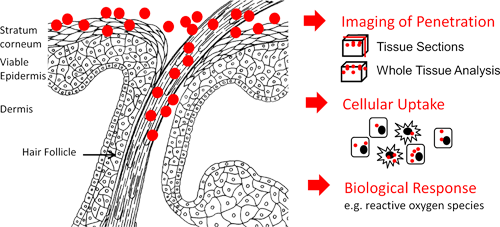
- cell culture conditions are not always predictive for ex vivo or in vivo tissue studies. For example, in previous studies on skin interactions with biodegradable poly(lactic acid) (PLA) particles loaded with different fluorescent dyes, we found that although mono-dispersed and stable in aqueous


Antimicrobial nanospheres thin coatings prepared by advanced pulsed laser technique
Beilstein J. Nanotechnol. 2014, 5, 872–880, doi:10.3762/bjnano.5.99
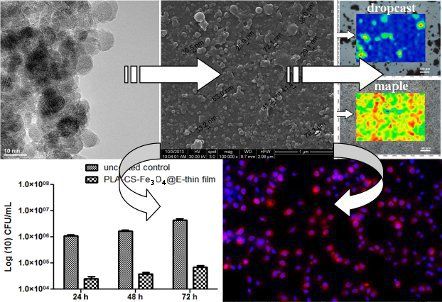
- -chitosan-magnetite-eugenol (PLA-CS-Fe3O4@EUG) nanospheres by matrix assisted pulsed laser evaporation (MAPLE). Transmission electron microscopy (TEM) and scanning electron microscopy (SEM) investigation proved that the homogenous Fe3O4@EUG nanoparticles have an average diameter of about 7 nm, while the PLA
- materials [37], metaloporphyrines [38] and for biomolecules, e.g., poly(lactic acid) (PLA) [39], poly(lactic-co-glycolic acid) PLGA [40], polyvinyl alcohol (PVA) [41] and fibrinogen [42]. Our recent reports have highlighted the capability of the laser processing technique to prepare thin coatings based on
- in the micrometric range. The average diameter of PLGA–PVA, PLGA–PVA–BSA (bovine serum albumin) and PLGA–PVA–CS particles ranged from 180 to 250 nm. Grumezescu et al., [34], reported the MAPLE fabrication of PLA–PVA–UA microsphere thin coatings. These thin coatings possessed a homogeneous shape and