Search results
Search for "adsorption" in Full Text gives 858 result(s) in Beilstein Journal of Nanotechnology. Showing first 200.
Development and in vitro evaluation of liposomes and immunoliposomes containing 5-fluorouracil and R-phycoerythrin as a potential phototheranostic system for colorectal cancer
Beilstein J. Nanotechnol. 2026, 17, 97–121, doi:10.3762/bjnano.17.7
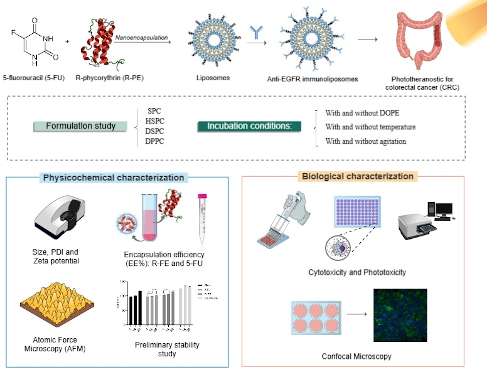
- 50. This increase in negative surface charge may be attributed to changes in the distribution of surrounding counterions, possibly caused by the adsorption or ionization of functional groups at the liposomal surface [47]. Additionally, the exposure of the phosphate moiety to the aqueous environment
- structural and functional integrity of the bioactive compounds. 3.5 Stability of nanoparticles in serum Assessing colloidal stability in bovine serum is a critical parameter for inferring the in vivo behavior of nanostructured systems, as the presence of plasma proteins can induce adsorption on the particle
- polymer is known to reduce protein corona formation and confer greater stability in biological media [69][70]. In immunoliposomes, a tendency for size and PDI to increase after 24–48 h of incubation was observed, suggesting possible adsorption of serum proteins and/or reorganization of antibody chains on



Functional surface engineering for cultural heritage protection: the role of superhydrophobic and superoleophobic coatings – a comprehensive review
Beilstein J. Nanotechnol. 2026, 17, 63–96, doi:10.3762/bjnano.17.6
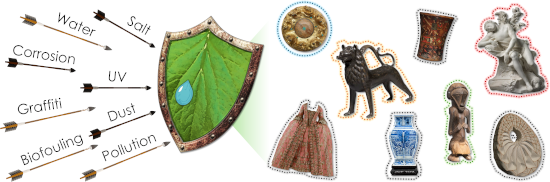
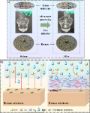
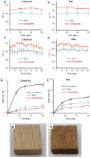
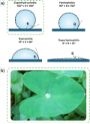
- protecting wood (Castanea sativa, chestnut, and Quercus pubescens, oak) by developing a highly hydrophobic coating using environmentally friendly components. Their work focused on protection against the principal threat of water adsorption (which may cause swelling, warping, and structural weakening) by




Reduced graphene oxide paper electrode for lithium-ion cells – towards optimized thermal reduction
Beilstein J. Nanotechnol. 2026, 17, 24–37, doi:10.3762/bjnano.17.3
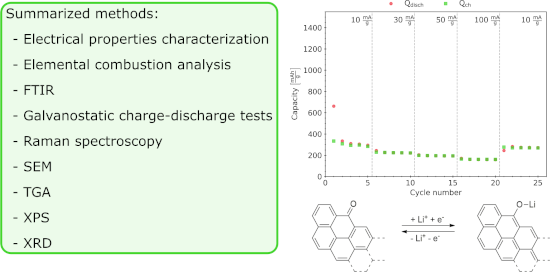
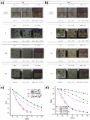
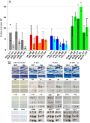
- vacancies enable adsorption sites for electrolyte ions [57]. This research contributes to the development of thermal reduction methods of free-standing rGO thin films, that is, rGO paper. It is worth emphasizing that the presented material was prepared without any additional surfactants or binding agents



Chiral plasmonic nanostructures fabricated with circularly polarized light
Beilstein J. Nanotechnol. 2025, 16, 2245–2264, doi:10.3762/bjnano.16.154
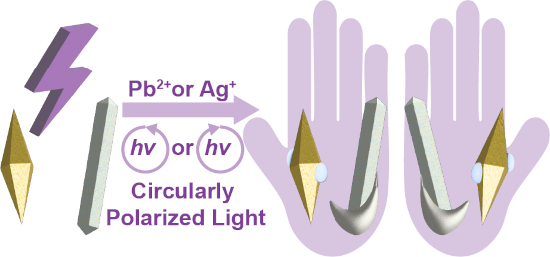
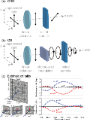
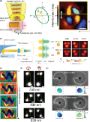
- . have demonstrated the enantioselective photocyclodimerization of 2-anthracenecarboxylic acid adsorbed on Ag nanohelixes [21]. The authors attributed the enantioselectivity to the different adsorption energies of stacked dimer precursors arising from the different geometrical adhering to the wave-like





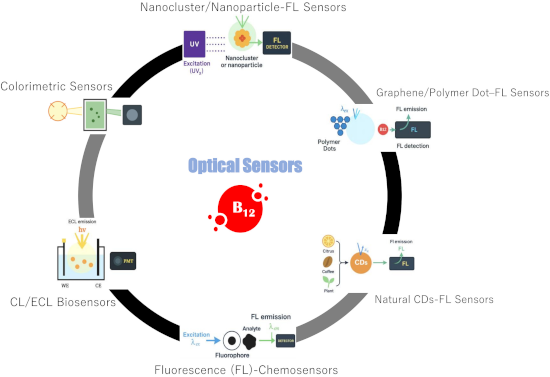
Optical bio/chemical sensors for vitamin B12 analysis in food and pharmaceuticals: state of the art, challenges, and future outlooks
Beilstein J. Nanotechnol. 2025, 16, 2207–2244, doi:10.3762/bjnano.16.153


Ultrathin water layers on mannosylated gold nanoparticles
Beilstein J. Nanotechnol. 2025, 16, 2183–2198, doi:10.3762/bjnano.16.151
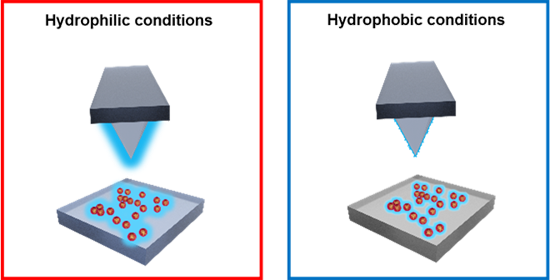
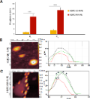
- hydrophobic tips. While VSFG indicated preferential hydration of the dimannoside and proved conformational changes in the organic ligands, AFM provided sub-nanometer changes in particle topography due to water adsorption. In general, the dimannoside nanoparticles condense ultrathin water layers upon humidity
- increase. In contrast, we found that the water adsorption on the oligo(ethylene glycol) particles depends little on humidity. Our insights into structural changes on glyconanoparticles and the hydration properties of glycosylated particles are of application value for biosensors and help model the
- high and the shape cannot be identical (hemagglutinin is roughly a triangular 7 nm prism of 15 nm length), the size is in the typical NP range, and a dense coating with oligomannoside should mimic surface physics. Accordingly, we note that the adsorption of AuNPs on surfaces would mimic the survival of



Microplastic pollution in Himalayan lakes: assessment, risks, and sustainable remediation strategies
Beilstein J. Nanotechnol. 2025, 16, 2144–2167, doi:10.3762/bjnano.16.148
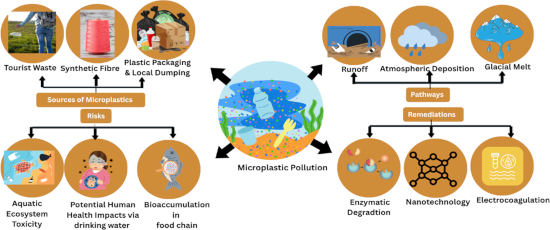
- of more than 80% [76]. This demonstrates their capacity to quickly clean up waterways tainted by plastic. Researchers have also demonstrated that the combination of adsorption and photocatalysis enhances the degradation of PE and PET in GO-based composites. According to Uoginte et al., GO serves as a
- mechanisms, efficiency, and experimental conditions. To improve clarity and compare functional mechanisms, the nanomaterials are grouped based on their primary MP removal strategy, that is, adsorption, photocatalysis, and magnetic/hybrid systems. Tables 4–6 highlight that adsorption and photocatalysis are
- another promising approach. GO may be combined with TiO2 or ZnO to create materials that have both adsorption and photocatalytic properties, which improves their ability to absorb and break down MPs. They are perfect for harsh and isolated environments because of their resilience and flexibility [79]. The


Toward clinical translation of carbon nanomaterials in anticancer drug delivery: the need for standardisation
Beilstein J. Nanotechnol. 2025, 16, 2092–2104, doi:10.3762/bjnano.16.144

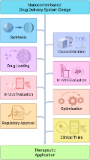
- therapeutics are loaded onto the CNMs via approaches like physical adsorption, covalent attachment, or encapsulation. The resulting formulations undergo in vitro evaluation, and the promising candidates then proceed to in vivo testing in animal models to evaluate therapeutic efficacy, biodistribution, and



Stereodiscrimination of guests in chiral organosilica aerogels studied by ESR spectroscopy
Beilstein J. Nanotechnol. 2025, 16, 2034–2054, doi:10.3762/bjnano.16.140
- measurements more difficult. There are other valuable methods for investigating transport in porous media such as gas-adsorption methods, X-ray tomography [24][25], neutron imaging techniques [26][27], optical imaging techniques [27][28], or impedance spectroscopy [29][30]. For all of them, it is difficult to
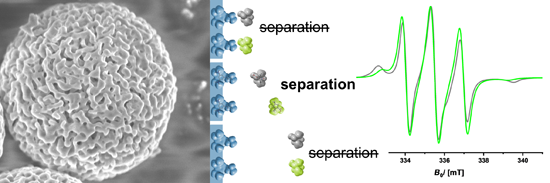
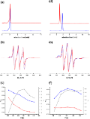
- significant adsorption of the spin probes at all temperatures, there is only a minor difference for the two enantiomers (Figure 11, ESR spectra are shown in Supporting Information File 1, Figure S12). For understanding the different and unexpected behavior of the SIL compared to the oSIL materials (Scheme 2
- which there is a seemingly perfect degree of adsorption, not too high, not too low. Still, the selectivity values remain close to 1, meaning that there is no separation. An advantage of the ESR spectroscopy is that the spectra contain information about the local environment of the spin probe. We found a




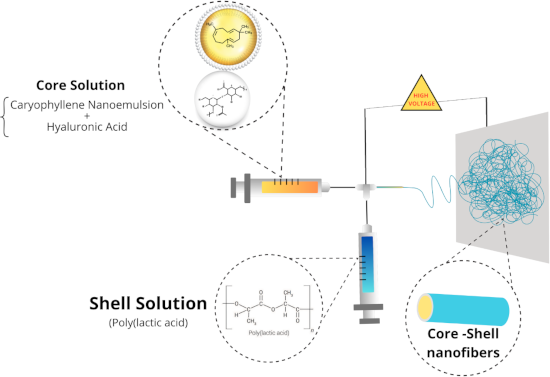
Beyond the shell: exploring polymer–lipid interfaces in core–shell nanofibers to carry hyaluronic acid and β-caryophyllene
Beilstein J. Nanotechnol. 2025, 16, 2015–2033, doi:10.3762/bjnano.16.139
- for water adsorption and retention, owing to their large number of pendant hydrophilic groups and atoms capable of forming hydrogen bonds, such as nitrogen and oxygen. The second and third stages corresponded to the degradation and cleavage of the HA chains, resulting in mass losses of approximately




Laser ablation in liquids for shape-tailored synthesis of nanomaterials: status and challenges
Beilstein J. Nanotechnol. 2025, 16, 1963–1997, doi:10.3762/bjnano.16.137
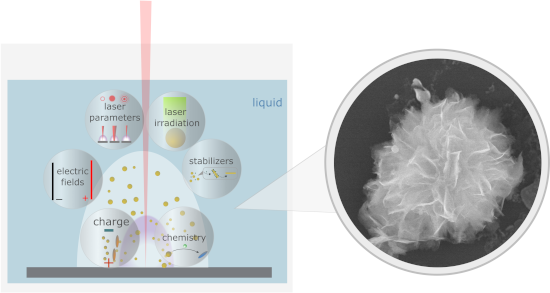
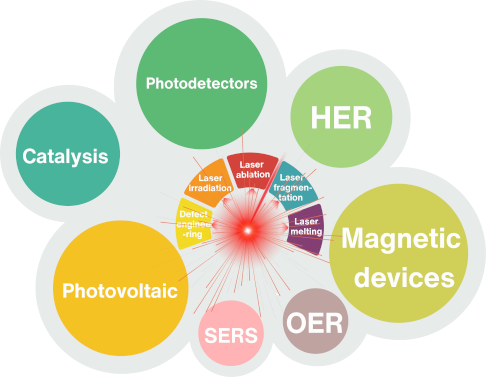
- liquid. Such seed NPs are typically having well defined crystalline structure, surface composition, and specific surface free energy. The assembly and growth of the NPs is explained by the decrease in surface energy. If a liquid contains surfactant molecules or ionic species, their selective adsorption
- at specific facets of seed NPs can be expected to be governed by the decrease of surface free energy [36][37]. The density and binding energy of the ligands can significantly differ for different crystal planes. As a result of specific adsorption, the crystal facets with adsorbed ions become blocked
- ions (Ag+, Fe3+, Co+) and complexes (W(CO)6) [41]. These additives are known to promote growth of nonspherical shapes in colloidal chemical synthesis by preferential adsorption on specific crystalline planes. Another example of the influence of ligand concentration on nanoparticle shape is given in [42




PEGylated lipids in lipid nanoparticle delivery dynamics and therapeutic innovation
Beilstein J. Nanotechnol. 2025, 16, 1914–1930, doi:10.3762/bjnano.16.133
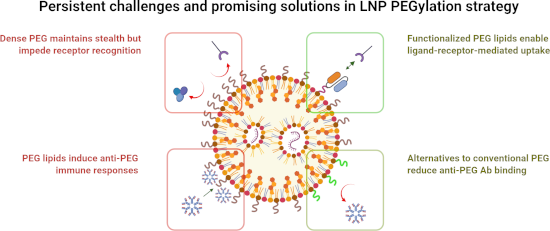
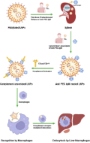
- LNPs, PEG lipids are widely used to provide the nanoparticles with a unique outer layer. The “stealth” properties of PEG chains can prevent nanoparticle aggregation, reduce nonspecific protein adsorption, and delay immune recognition, thereby extending LNP circulation half-life in the bloodstream [2][4
- shell of LNPs plays a pivotal role. As hydrophilic and protective shield during LNP circulation and in vivo activities, the conformation and binding kinetics of PEG layer are both important, particularly in modulating protein adsorption and subsequent interactions with cellular uptake pathways [23
- ]. PEG’s hydrophilic and steric properties are instrumental in reducing the adsorption of proteins onto LNP surfaces. By creating a hydrated barrier, PEG minimizes nonspecific binding, leading to a “stealth” effect that prolongs circulation time and reduces recognition by the mononuclear phagocytic system


Current status of using adsorbent nanomaterials for removing microplastics from water supply systems: a mini review
Beilstein J. Nanotechnol. 2025, 16, 1837–1850, doi:10.3762/bjnano.16.127
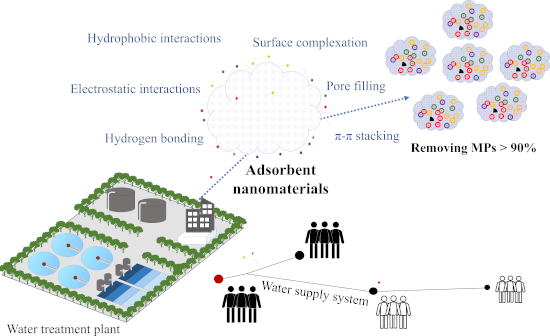
- [25][26]. To deal with current gaps, this review aims to provide aspects relating to (i) the occurrences of MPs in water supply systems and the effectiveness of MP removal throughout the treatment processes; (ii) the potential of adsorbent nanomaterials for MP removal, focusing on adsorption
- general and MPs in particular. By using corncob biochar, Abdoul Magid et al. showed an adsorption of polystyrene nanoplastics (PSNPs) of about 19 mg·g−1. The main mechanisms of PSNP adsorption include increased surface area from pyrolysis and oxidation, hydrophobic interactions (fresh biochar), hydrogen
- bonding through oxygen-containing groups (oxidized biochar), pore filling, and electrostatic interactions [53]. GO materials, such as a nickel/reduced graphene oxide (Ni/rGO) nanocomposite, also exhibited high adsorption efficiency, achieving 80.3% removal of PS from water containing 100 mg·L−1 PS. The


Piezoelectricity of layered double hydroxides: perspectives regarding piezocatalysis and nanogenerators
Beilstein J. Nanotechnol. 2025, 16, 1812–1817, doi:10.3762/bjnano.16.124

- interactions within the interfacial bonds induced internal structural reconstruction, which enhanced local polarization and N2 adsorption. As a result, the cleavage of N≡N bonds was accelerated, and the activation energy of the reaction was reduced. Unfortunately, this study also raises concerns regarding the

Electrical, photocatalytic, and sensory properties of graphene oxide and polyimide implanted with low- and medium-energy silver ions
Beilstein J. Nanotechnol. 2025, 16, 1794–1811, doi:10.3762/bjnano.16.123
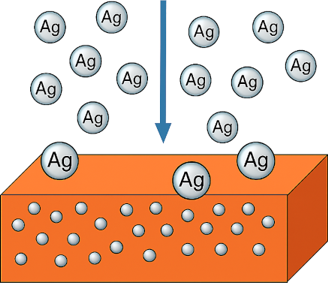
- ]. At the same time, however, polar groups, which are crucial for the adsorption of water molecules, are not eliminated; on the contrary, their spatial arrangement and chemical accessibility may be favored by implantation. This results in a higher adsorption capacity and a faster response to changes in
- catalytically active sites resulting from the carbonization of the polymer matrix, together with the silver clusters formed during ion implantation, provide suitable conditions for reactant adsorption and efficient charge transfer. Silver ions exhibit strong localized surface plasmon resonance in the visible
- occurs, which suppresses the effects of water adsorption on charge transport. Conclusion The aim of this work was to improve the sensing, electrical, and photocatalytic properties of GO and PI implanted with Ag ions in the ion fluence range from 3.75 × 1012 cm−2 to 1 × 1016 cm−2. We used low energies (20


Exploring the potential of polymers: advancements in oral nanocarrier technology
Beilstein J. Nanotechnol. 2025, 16, 1751–1793, doi:10.3762/bjnano.16.122
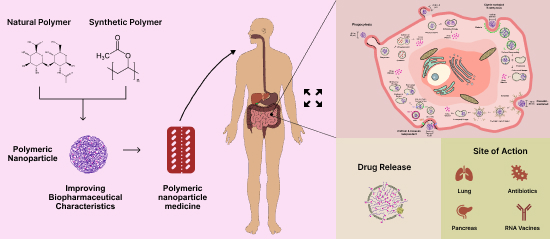
- biological distribution of NPs. Increased hydrophilicity determines the degradation rate and their recognition by the reticuloendothelial system, preventing adsorption and nonspecific protein interactions. Furthermore, it enhances steric repulsion, reducing opsonization and activation of the complement
- mucin chains and consequently modifying the aggregation degree of the mucin network through various interactions [68][69]. Surface coating techniques play a key role in the interaction of PNs with the biological environment. These strategies involve the physical adsorption or covalent attachment of
- , forming polymeric complexes. Consequently, the incorporation of genetic material can occur via encapsulation, adsorption, or electrostatic interactions, resulting in nanocapsules, micelles, and diverse morphologies and shapes, as well as varying release profiles [139]. Considering that, to reach their


Advances of aptamers in esophageal cancer diagnosis, treatment and drug delivery
Beilstein J. Nanotechnol. 2025, 16, 1734–1750, doi:10.3762/bjnano.16.121
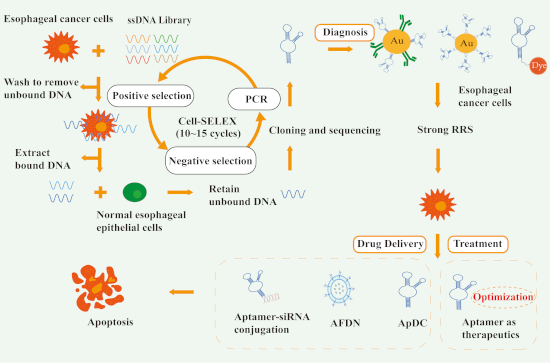
- et al. [107] designed a PEI–aptamer–EPI nanoplatform that relies on high ATP concentrations to release epirubicin (EPI). The polyethyleneimine (PEI) coating makes the whole delivery system positively charged, enables better adsorption to cell membranes, and promotes internalization. In vitro release
- penetration. Cell-penetrating peptides can improve aptamer transport by triggering adsorption-mediated endocytosis and may be an alternative strategy to solve this puzzle. For example, Le et al. [132] constructed nanocomplexes promising for the treatment of hepatocellular carcinoma by double modification of


Venom-loaded cationic-functionalized poly(lactic acid) nanoparticles for serum production against Tityus serrulatus scorpion
Beilstein J. Nanotechnol. 2025, 16, 1633–1643, doi:10.3762/bjnano.16.115
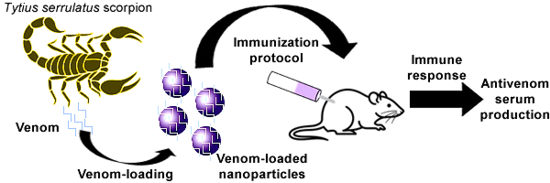
- -loaded PLA nanoparticles were fabricated by nanoprecipitation methods. In this technique, the PLA nanoparticles (NPs) were produced by low-energy solvent displacement and functionalized with polyethylenimine (cationic polymer) for the T. serrulatus protein adsorption. The NPs showed a mean diameter of
- were successfully obtained using parameters selected for the nanoprecipitation method. This low-energy technique allowed the spontaneous self-assembling of PLA nanoparticles, which were functionalized with polyethyleneimine (PEI) to enable the adsorption of venom proteins. Experimental results


Nanotechnology-based approaches for the removal of microplastics from wastewater: a comprehensive review
Beilstein J. Nanotechnol. 2025, 16, 1607–1632, doi:10.3762/bjnano.16.114
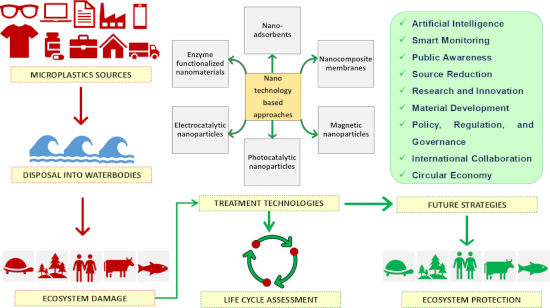
- various nanoenabled treatment strategies such as adsorption, photocatalysis, and membrane filtration using materials like metal-organic frameworks, carbon-based nanomaterials, MXenes, and metal oxides. It also highlights recent innovations such as microrobotic systems and AI-assisted detection frameworks
- stress, immune system activation, developmental and reproductive toxicity, and damage to the nervous system [8]. MPs possess high specific area and strong adsorption capacity, enabling them to attract pollutants from the environment. They can accumulate harmful substances such as polycyclic aromatic
- explores the potential of nanotechnology in removing MP contamination from water and wastewater. Unlike conventional treatment methods, which are less effective in capturing nanoscale plastic pollutants, nanotechnology-based approaches offer precision, enhanced adsorption, and catalytic degradation


Photocatalytic degradation of ofloxacin in water assisted by TiO2 nanowires on carbon cloth: contributions of H2O2 addition and substrate absorbability
Beilstein J. Nanotechnol. 2025, 16, 1567–1579, doi:10.3762/bjnano.16.111
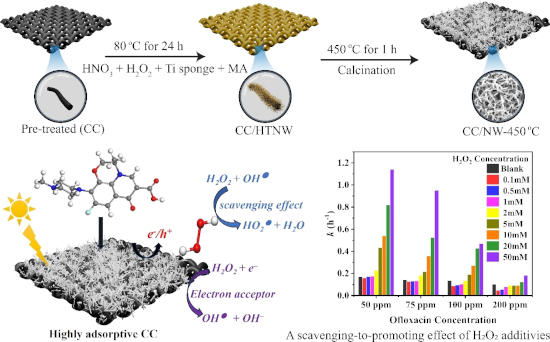
- and engineering. Conventional treatment approaches, including adsorption, membrane separation, and biological methods, are largely inadequate for antibiotics such as OFL [6][7]. This limitation highlights the need for advanced oxidation processes, with a particular emphasis on TiO2-based
- on porous materials, such as carbon-based adsorbents. These innovations help to slow down electron–hole recombination, broaden light absorption, and enhance surface adsorption sites [11]. Cao et al. synthesized TiO2 nanowires on reduced graphene oxide (rGO) through a solvothermal method, which
- improved active sites and facilitated interfacial charge separation [12]. Activated carbon effectively supports TiO2, enhancing adsorption capacity and loading, which directly impacts photocatalytic efficiency [13]. In contrast to rGO or activated carbon granules, employing carbon cloth as substrates


Dendrimer-modified carbon nanotubes for the removal and recovery of heavy metal ions from water
Beilstein J. Nanotechnol. 2025, 16, 1522–1532, doi:10.3762/bjnano.16.107

- Abstract Effective removal of trace heavy metal ions from aqueous bodies is a pressing problem and requires significant improvement in the area of absorbent material in terms of removal efficiency and sustainability. We propose an efficient strategy to enhance the adsorption efficiency of carbon nanotubes
- ions (Pb2+ and Cd2+) from aqueous solutions with enhanced recyclability than less dendrimerized CNTs. Kinetic studies have revealed that the adsorption process followed a pseudo-second order kinetic model, and the rate-limiting step was mainly chemisorption. This study has not only excluded the
- involvement of harmful chemicals to pre-functionalize the CNTs with high loading but also provided an effective way to enhance the adsorption of heavy metal ions. Keywords: carbon nanotubes; deep eutectic solvent; dendrimers; Diels–Alder reaction; heavy metal ion adsorption; Introduction The contamination


Laser processing in liquids: insights into nanocolloid generation and thin film integration for energy, photonic, and sensing applications
Beilstein J. Nanotechnol. 2025, 16, 1428–1498, doi:10.3762/bjnano.16.104






The role of biochar in combating microplastic pollution: a bibliometric analysis in environmental contexts
Beilstein J. Nanotechnol. 2025, 16, 1401–1416, doi:10.3762/bjnano.16.102
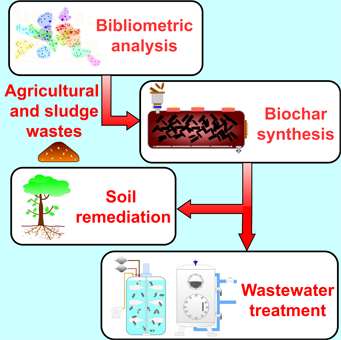
- aquatic systems, reinforcing the importance of targeted remediation approaches. To address MP contamination, various adsorbent materials have been investigated. Granular activated carbon at a concentration of 1.5 g/L has demonstrated adsorption efficiencies of up to 90% for MP fragments and fibers
- . Additionally, three-dimensional graphene oxide has shown adsorption capacities of up to 617.28 mg·g−1 for polystyrene MPs of 5 µm in size [13][14]. The integration of adsorbents with appropriate treatment models has further enhanced removal efficiency. For instance, coal gasification slag-based adsorbents
- combined with fluidized bed treatment achieved 99.2% MP removal, while granular activated carbon coupled with a fixed-column system attained 95.2% removal efficiency [15][16]. Biochar (BC) has emerged as a promising material for environmental remediation, offering benefits such as pollutant adsorption



Parylene-coated platinum nanowire electrodes for biomolecular sensing applications
Beilstein J. Nanotechnol. 2025, 16, 1392–1400, doi:10.3762/bjnano.16.101
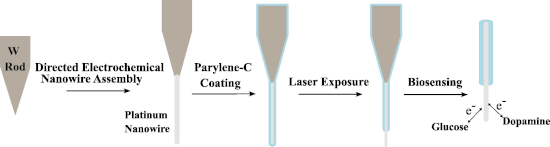
- , with diameters ranging from 0.4 to 100 nm and lengths extending from a few micrometers to several centimeters [7]. The functionalization of CNTs is achieved by surface modification through various methods including covalent bonding, adsorption, and detection group attachment [7][8]. Palve et al
- 0.25 to 30 μM (Figure 3b). Peak current dependence on the dopamine concentration is depicted by the logarithmic fit in Figure 3c, which may indicate the dopamine detection is an adsorption-controlled system, considering the surface area of our electrode, the concentration of dopamine, and the slow scan


Automated collection and categorisation of STM images and STS spectra with and without machine learning
Beilstein J. Nanotechnol. 2025, 16, 1367–1379, doi:10.3762/bjnano.16.99
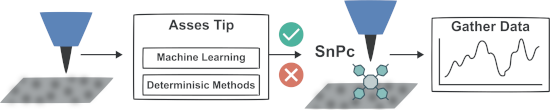
- each molecule located, using the same range of −1.5 V to 1.5 V as for the bare surface. Note on SnPc switching instability The adsorption of SnPc on coinage metal substrates is well studied, and the molecule is known to undergo an irreversible switch from the SnUp to the SnDown state on the Ag(111
- different surface positions is that, statistically, variations in the spectra due to the changes in the tip or small changes in the molecular adsorption, will be averaged out, and better approach those from ensemble techniques. As can be seen in both Figure 7 and Figure 8, there is a substantial variation