


Search results
Search for "anticancer" in Full Text gives 95 result(s) in Beilstein Journal of Nanotechnology.
Curcumin-loaded albumin submicron particles with potential as a cancer therapy: an in vitro study
Beilstein J. Nanotechnol. 2023, 14, 1127–1140, doi:10.3762/bjnano.14.93
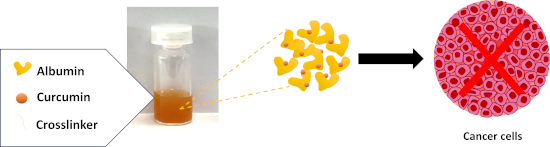
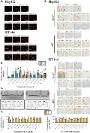
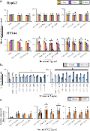
- cytotoxicity of CUR-HSA-MPs showed promising anticancer potential against human hepatocellular carcinoma (Huh-7) and human breast adenocarcinoma (MCF-7) cell lines, although this effect was less pronounced in human dermal fibroblasts (HDFB) and human cholangiocyte (MMN) cell lines. Confocal microscopy was used
- especially anticancer potential [1][2]. Several in vivo and in vitro studies in recent years have demonstrated that CUR can influence cancer cell proliferation, invasion, angiogenesis, and metastasis [3]. It has been reported that CUR exerts anticancer effects in human breast cancer cells (MCF-7) by
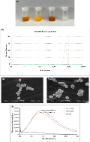
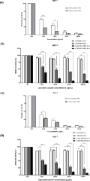
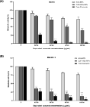
- % (Huh-7, Figure 6B) and 58% to 32% (MCF-7, Figure 6D). The CUR-HSA-MPs showed lower cytotoxicity than free CUR at the same drug concentrations. This could be explained by its drug delivery process, which is a common feature of polymer anticancer drugs. Enhanced and sustained release of CUR is attributed




Nanoarchitectonics of photothermal materials to enhance the sensitivity of lateral flow assays
Beilstein J. Nanotechnol. 2023, 14, 988–1003, doi:10.3762/bjnano.14.82
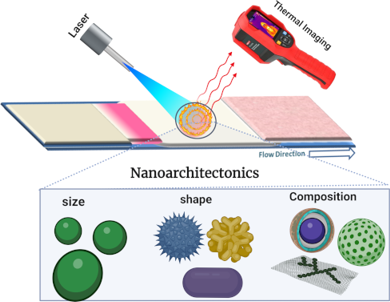
- reduced graphene oxide (rGO), SERS imaging can be done along with photothermal therapy [84]. Recently, our group developed a multifunctional rGO–Au nanoscale architecture loaded with Raman dye and anticancer drugs for fluorescence/SERS imaging-guided breast cancer therapy. Under activation of a laser at
- Photodynamic Therapy, vol. 29, by J. Depciuch; M. Stec; B. Klebowski; A. Maximenko; E. Drzymała; J. Baran; M. Parlinska-Wojtan, “Size effect of platinum nanoparticles in simulated anticancer photothermal therapy“, article no. 101594, Copyright (2019), with permission from Elsevier. This content is not subject


Quercetin- and caffeic acid-functionalized chitosan-capped colloidal silver nanoparticles: one-pot synthesis, characterization, and anticancer and antibacterial activities
Beilstein J. Nanotechnol. 2023, 14, 362–376, doi:10.3762/bjnano.14.31
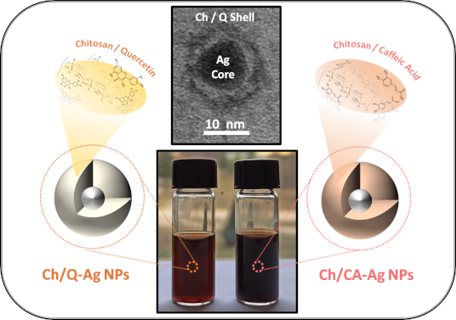
- characterization of quercetin- and caffeic acid-functionalized chitosan-capped colloidal silver nanoparticles (Ch/Q- and Ch/CA-Ag NPs), and their antibacterial and anticancer activities. The formation of Ch/Q- and Ch/CA-Ag NPs has been confirmed by ultraviolet–visible (UV–vis) spectroscopy, Fourier-transform
- colloidal core Ag NPs, was confirmed by UV–vis, and FTIR analyses, and monitored by TEM microscopy. The size of nanoparticles has been determined as 11.2 and 10.3 nm for Ch/Q- and Ch/CA-Ag, respectively. The anticancer activity of Ch/Q- and Ch/CA-Ag NPs has been evaluated against U-118 MG (human
- glioblastoma) and ARPE-19 (human retinal pigment epithelium) cells. Both NPs showed anticancer activity, but Ch/Q-Ag NPs seemed to be more effective on cancer cell lines (U-118 MG) in comparison to healthy ones (ARPE-19). Furthermore, the antibacterial activity of Ch/Q- and Ch/CA-Ag NPs against Gram-negative


Overview of mechanism and consequences of endothelial leakiness caused by metal and polymeric nanoparticles
Beilstein J. Nanotechnol. 2023, 14, 329–338, doi:10.3762/bjnano.14.28
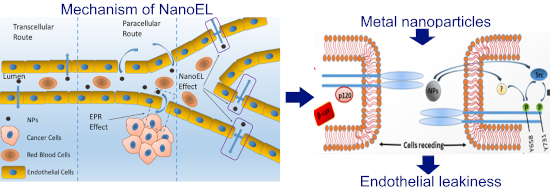
- considered one of the best materials with anticancer properties. Most of the administered NPs that end up in the bloodstream interact with the endothelial layer. The interaction of the NPs with the endothelium widens the existing gaps or induces new ones in the monolayer of vascular endothelial cells, thus
- conditions, such as cancer, the distance between endothelial cells significantly widens (up to 2000 nm). Most nanomedicine capitalizes on the size of these gaps and relies on appropriately sized NPs to cross the gaps and accumulate at specific sites [31]. In the case of anticancer nanomedicine, an important
- junctions of the endothelium and the fact that this effect does not depend on the physiology and microenvironment of the tumor. Therefore, NanoEL is a new approach that can be used in anticancer therapies, especially in the transport of medicinal substances to immature and hard-to-reach tumors. Nevertheless


Recent progress in cancer cell membrane-based nanoparticles for biomedical applications
Beilstein J. Nanotechnol. 2023, 14, 262–279, doi:10.3762/bjnano.14.24
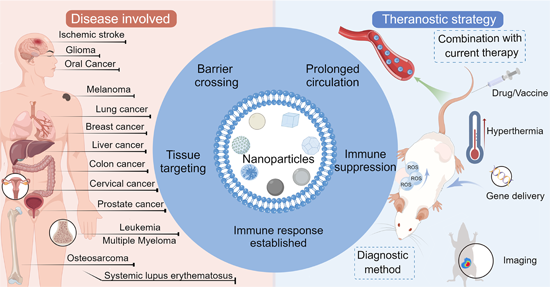
- ]. A biomimetic particle model using PLGA NPs as a carrier for the anticancer drug doxorubicin (Dox) encapsulated by the HepG2 liver cancer cell membrane was designed for the treatment of HCC [31]. The HepG2 cell membrane-encapsulated NPs exhibited superior antitumor effects compared to bare NPs and
- anticancer effects [76]. After QT was delivered to tumor tissue by the active targeting ability of the membrane, the sensitivity to radiotherapy was effectively improved, and a strong anticancer effect was exerted under X-ray irradiation [76]. Gong et al. designed a pH-responsive multifunctional biomimetic
- (NIR) radiation to ablate cells or trigger the release of related therapeutic drugs [94][96]. PTT is characterized by noninvasiveness, deep tissue penetration, and high anticancer efficiency, showing good prospects in clinical treatment [97]. Biomimetic NPs of mesoporous polydopamine nanocarriers have


Nanotechnology – a robust tool for fighting the challenges of drug resistance in non-small cell lung cancer
Beilstein J. Nanotechnol. 2023, 14, 240–261, doi:10.3762/bjnano.14.23
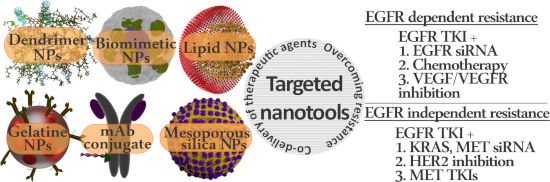
- complexity of resistance and continuous cancer mutations. Co-delivery of TK inhibitors with anticancer drugs, immunotherapy, or gene-specific therapeutics to disrupt key resistance pathways, reactivate p53-mediated apoptosis, or inhibit cellular drug efflux are only a few examples of strategies used to fight
- cancer resistance mechanisms successfully [23][24]. In addition, co-delivery of anticancer therapy using surface-engineered nanoparticles for tumor targeting may alleviate some of the unwanted effects on off-site targets and increase the therapeutic concentration at the site of action as well as efficacy
- nanomedicines as tools for the targeted delivery of high concentrations of anticancer drugs at their site of action. Although designated as molecularly targeted therapies, the targeting of receptors by EGFR TKIs and other receptor inhibitors is not absolute. Once the EGFR TKIs are absorbed from the


Cyclodextrins as eminent constituents in nanoarchitectonics for drug delivery systems
Beilstein J. Nanotechnol. 2023, 14, 218–232, doi:10.3762/bjnano.14.21
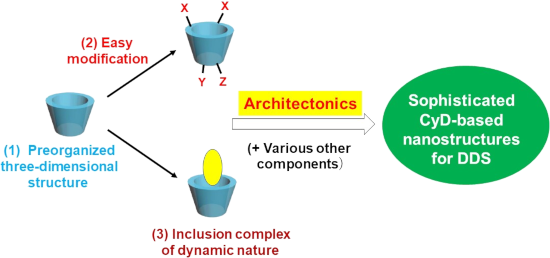
- very stiff. Upon photoirradiation, however, the crosslinkings for the gel formation are broken almost completely, releasing the encapsulated drugs (e.g., DOX as anticancer drug). 2.3 Upconversion nanoparticles to release drugs by near-infrared light As an external stimulus for DDSs, near-infrared (NIR
- recent topics on medical applications of CyD 6.1 Chemical modification of CyD for precise targeting to predetermined cells A multicharged nanoassembly was constructed from β-CyD bearing seven hexylimidazolium units, adamantane-grafted hyaluronic acid, and chlorambucil (an anticancer drug) [90]. In cancer
- efficacy of chlorambucil was greatly increased since it remained in the cell for a long time. Furthermore, an anticancer drug and a resistance-suppressing gene were simultaneously delivered for cooperation [91]. For delayed drug release, anionic β-CyD polymers bearing carboxylate residues are useful [92




Structural, optical, and bioimaging characterization of carbon quantum dots solvothermally synthesized from o-phenylenediamine
Beilstein J. Nanotechnol. 2023, 14, 165–174, doi:10.3762/bjnano.14.17
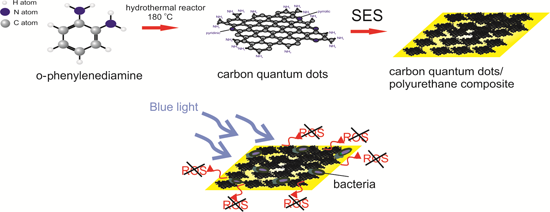
- , 11000 Belgrade, Serbia 10.3762/bjnano.14.17 Abstract Carbon quantum dots as a novel type of carbon nanomaterials have attracted the attention of many researchers because of their unique optical, antibacterial, and anticancer properties as well as their biocompatibility. In this study, for the first
- and thermally stable, quasi-spherical, photoluminescent material with very good antibacterial and anticancer properties under visible light irradiation [9][10][11][12][13][14][15][16]. This material has very good biocompatibility, including low dark cytotoxicity and good cell proliferation


In search of cytotoxic selectivity on cancer cells with biogenically synthesized Ag/AgCl nanoparticles
Beilstein J. Nanotechnol. 2022, 13, 1505–1519, doi:10.3762/bjnano.13.124
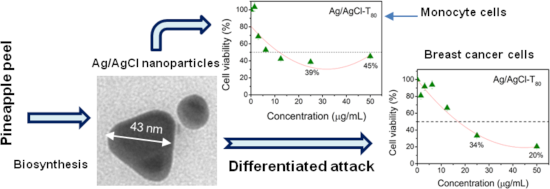
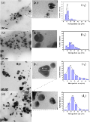
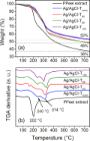
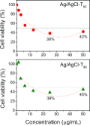
- and anticancer properties of AgNPs synthesized from pineapple peel. The authors reported a favorable antimicrobial activity at low concentrations of AgNPs. Das et al. [17] found that AgNPs synthesized in the same way have high antidiabetic potential and high cytotoxicity against HepG2 cancer cells in





Facile preparation of Au- and BODIPY-grafted lipid nanoparticles for synergized photothermal therapy
Beilstein J. Nanotechnol. 2022, 13, 1432–1444, doi:10.3762/bjnano.13.118
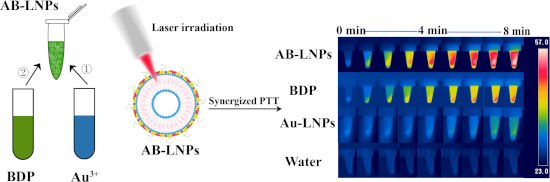
- ), indicating that BDP has good stability under these release conditions. Cellular uptake of AB-LNPs Efficient cellular internalization of drugs is critical to the anticancer therapeutic effects [26][27]. From the above studies, we found that DSPE-DTPA/Au3+/BDP at a molar ratio of 2:1:1 could form uniform




Orally administered docetaxel-loaded chitosan-decorated cationic PLGA nanoparticles for intestinal tumors: formulation, comprehensive in vitro characterization, and release kinetics
Beilstein J. Nanotechnol. 2022, 13, 1393–1407, doi:10.3762/bjnano.13.115
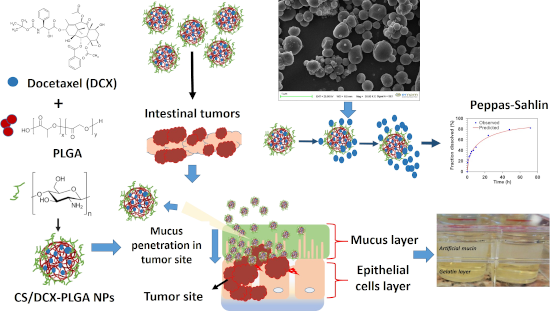
- drug delivery system loaded with docetaxel (DCX) as an anticancer drug, using poly(lactic-co-glycolic acid) (PLGA) as nanoparticle material, and modified with chitosan (CS) to gain mucoadhesive properties. In this context, an innovative nanoparticle formulation that can protect orally administered DCX
- studies on the Caco-2 cell line, the CS/DCX-PLGA formulation increased permeability by 383% compared to free DCX (p < 0.05). In the light of all results, CS/DCX-PLGA NPs can offer a promising and innovative approach as an oral anticancer drug-loaded nanoformulation for intestinal tumors. Keywords
- -synthetically from 10-deacetyl-baccatin isolated from the Taxus family (T. baccata and T. brevifolia). It is a potent and long-known anticancer agent that acts in the metaphase-anaphase process of cancer cells, exerts a cytotoxic effect on microtubules that are vital for mitotic cellular activity, and prevents


Supramolecular assembly of pentamidine and polymeric cyclodextrin bimetallic core–shell nanoarchitectures
Beilstein J. Nanotechnol. 2022, 13, 1361–1369, doi:10.3762/bjnano.13.112
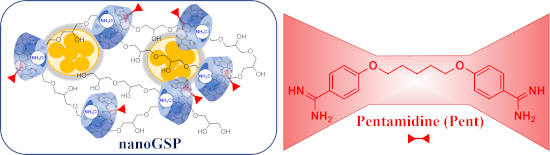
- -inflammatory, and anticancer). The physicochemical characterization of the supramolecular assembly (nanoGSP) in terms of size and colloidal stability was investigated by complementary spectroscopic techniques, such as UV–vis, ζ-potential, and dynamic light scattering (DLS). Furthermore, the role of PolyCD


Recent advances in green carbon dots (2015–2022): synthesis, metal ion sensing, and biological applications
Beilstein J. Nanotechnol. 2022, 13, 1068–1107, doi:10.3762/bjnano.13.93
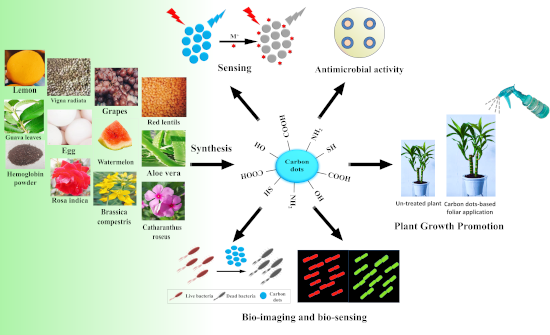




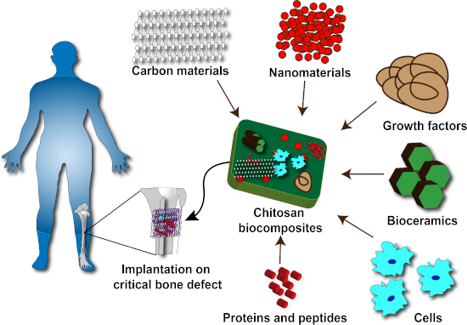
Biomimetic chitosan with biocomposite nanomaterials for bone tissue repair and regeneration
Beilstein J. Nanotechnol. 2022, 13, 1051–1067, doi:10.3762/bjnano.13.92
- using mesenchymal stem cells showed that the fabricated biocomposite has exceptional osteogenic potential [96]. In another research study, Chen et al. (2013) fabricated selenium-incorporated and chitosan-covered TiO2 nanotubes. Further investigation demonstrates the antibacterial, anticancer, and
- wettability of the chitosan/reduced graphene oxide composites with specific acetic acid and lactic acid shows water contact angles of (75.40° ± 4.32°) and (36.71° ± 4.53°) [60]. The anticancer agent cisplatin was loaded into graphene oxide/hydroxyapatite/chitosan composites to enable proliferation of
- osteoblasts and inhibition of the development of osteosarcoma cancer cells in the work by Sumathra et al. (2018). The in vitro experiment was carried out by using the osteosarcoma MG-63 cell line. The MTT assay for the composites showed cell expansion and growth. The anticancer activity of cisplatin-loaded
Design and characterization of polymeric microneedles containing extracts of Brazilian green propolis
Beilstein J. Nanotechnol. 2022, 13, 503–516, doi:10.3762/bjnano.13.42
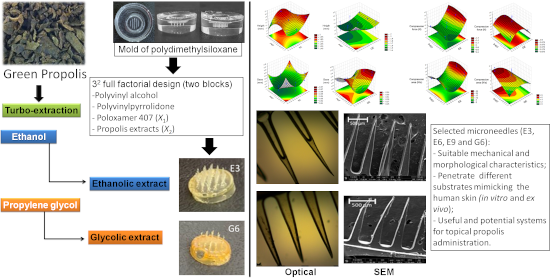
- extracts. PRP exhibits important pharmacological activity, already proven in several studies, in addition to being a biologically safe compound [17][18][19][20][21]. This natural drug is also widely used as antimicrobial agent, immune system strengthener, and anticancer drug in the form of its ethanolic or


Ethosomal (−)-epigallocatechin-3-gallate as a novel approach to enhance antioxidant, anti-collagenase and anti-elastase effects
Beilstein J. Nanotechnol. 2022, 13, 491–502, doi:10.3762/bjnano.13.41
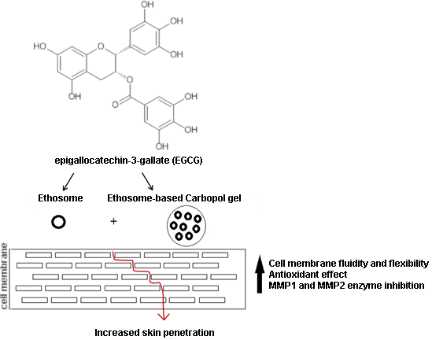
- cell line, one study investigated the anticancer activity of polymeric nanoparticles developed with many compounds (curcumin, EGCG, green tea extract, resveratrol, saponins, silymarin, and grape seed extract). Those nanoparticles target multiple signaling pathways and cause growth inhibitory effects on



Coordination-assembled myricetin nanoarchitectonics for sustainably scavenging free radicals
Beilstein J. Nanotechnol. 2022, 13, 284–291, doi:10.3762/bjnano.13.23
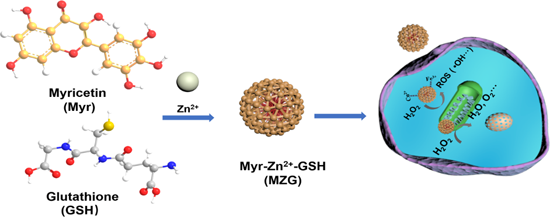
- attention because of its high antioxidant, anti-inflammatory, antimicrobial, and anticancer efficacy. Especially regarding antioxidation, Myr is capable of not only chelating intracellular transition metal ions for removing reactive oxygen species, but also of activating antioxidant enzymes and related
- ]. However, low loading efficiency, systemic toxicity, and tedious preparation processes hinder biomedical applications. Myricetin (Myr), a well-known natural flavonoid, has drawn wide attention because of its high antioxidant, anti-inflammatory, antimicrobial, and anticancer efficacy [16]. Myr is capable of


Engineered titania nanomaterials in advanced clinical applications
Beilstein J. Nanotechnol. 2022, 13, 201–218, doi:10.3762/bjnano.13.15
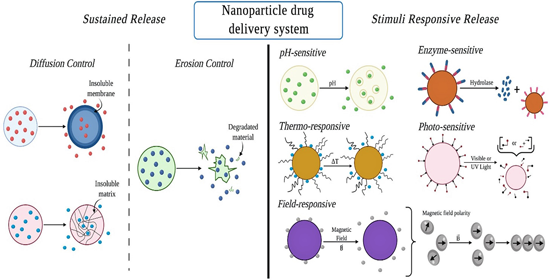
- cells containing TiO2 nps undergo oxidative degeneration upon light irradiation under the influence of generated ROS and, therefore, these nps are considered as a potent photosensitizer in anticancer photodynamic therapy and the photodynamic inactivation of antibiotic-resistant bacteria [15]. TiO2


Alteration of nanomechanical properties of pancreatic cancer cells through anticancer drug treatment revealed by atomic force microscopy
Beilstein J. Nanotechnol. 2021, 12, 1372–1379, doi:10.3762/bjnano.12.101
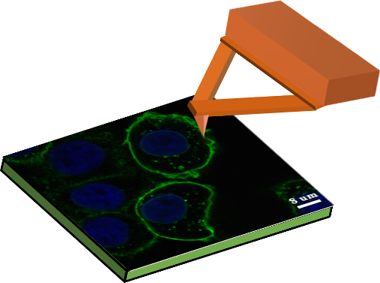
- aggressive cancer cell BxPC-3. In addition, the Young's modulus of MIA PaCa-2 rises with the increasing of DOX concentration. This study may provide a new strategy of detecting cancer, and evaluate the possible interaction of drugs on cells. Keywords: anticancer drug; atomic force microscopy; nanomechanical
- possibility for the early diagnosis of cancer [7]. In recent decades, anticancer drugs have been developed in great number, enabling the control and treatment of many cancers to improve life quality and life span of people. Many approved anticancer drugs have significant effects on cell membrane proteins and
- from measuring the alteration of cellular mechanics, which provides a guide for the innovation and development of anticancer drugs [11]. Atomic force microscopy (AFM) has matured into a forceful nanoscale platform for imaging biological samples and quantifying biomechanical properties of living cells


Biocompatibility and cytotoxicity in vitro of surface-functionalized drug-loaded spinel ferrite nanoparticles
Beilstein J. Nanotechnol. 2021, 12, 1339–1364, doi:10.3762/bjnano.12.99
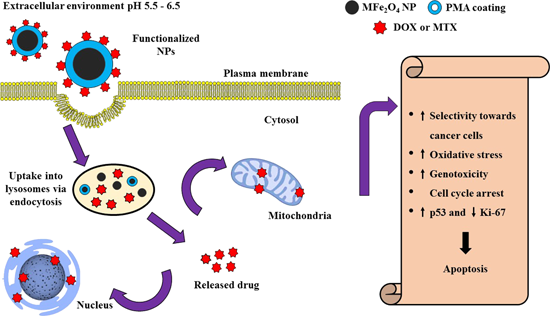
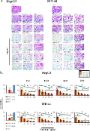
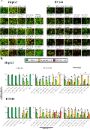
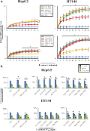
- (MFe2O4, where M = Fe, Co, Ni, or Zn) nanoparticles (NPs) were developed as carriers of the anticancer drugs doxorubicin (DOX) and methotrexate (MTX). Physical characterizations confirmed the formation of pure cubic structures (14–22 nm) with magnetic properties. Drug-loaded NPs exhibited tumor
- excellent magnetic, colloidal, cytotoxic, and biocompatible aspects. However, detailed mechanistic, in vivo cytotoxicity, and magnetic-field-assisted studies are required to fully exploit these nanocarriers in therapeutic applications. Keywords: anticancer drugs; doxorubicin; drug carriers; in vitro
- functionalized with anticancer drugs, such as doxorubicin (DOX) and methotrexate (MTX) via 1-ethyl-3-(3-dimethylaminopropyl)carbodiimide (EDC) chemistry. The samples were stored at room temperature for further experiments. Our aim was to compare the biocompatibility, colloidal stability, and in vitro





Use of nanosystems to improve the anticancer effects of curcumin
Beilstein J. Nanotechnol. 2021, 12, 1047–1062, doi:10.3762/bjnano.12.78
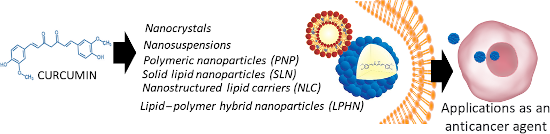
- metabolism, low bioavailability, and fast elimination of the molecule. Considering this, the present work reviews the use of CUR-based nanosystems as anticancer agents, including conventional nanosystems (i.e., liposomes, nanoemulsions, nanocrystals, nanosuspensions, polymeric nanoparticles) and nanosystems
- subcellular anticancer therapies which carry the drug and better focus it on the intended target. They are also able to contain molecules that respond to endogenous (tumor microenvironment, including redox potential, pH, enzymes, ions, or biomolecules) and/or exogenous stimuli (light, electromagnetic fields
- cancer-related papers. The beneficial effects of CUR as an anticancer agent is derived from its chemopreventive [16], antiproliferative [17], antiangiogenic [18] and antimetastatic capabilities [19]. Unfortunately, these benefits can be minimized due to the lipophilic nature, rapid metabolism, low


Comprehensive review on ultrasound-responsive theranostic nanomaterials: mechanisms, structures and medical applications
Beilstein J. Nanotechnol. 2021, 12, 808–862, doi:10.3762/bjnano.12.64
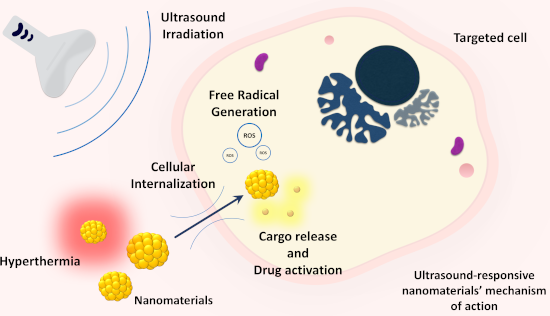
- therapy; sonoporation; theranostics; ultrasound; ultrasound responsive nanomaterials; Review Introduction Smart drug delivery vehicles It is well known that the administration of most anticancer drugs can produce considerable systemic toxicity, which in some cases can be dose-limiting. Whether oral
- anticancer drugs [139]. They can also be targeted to specific tissues through surface modification with different ligands [169][170]. Azmin et al. reviewed MB dynamics and the physical principles behind MBs, providing a theoretical basis for the development of MB-based theranostic systems [171]. Some


Recent progress in magnetic applications for micro- and nanorobots
Beilstein J. Nanotechnol. 2021, 12, 744–755, doi:10.3762/bjnano.12.58
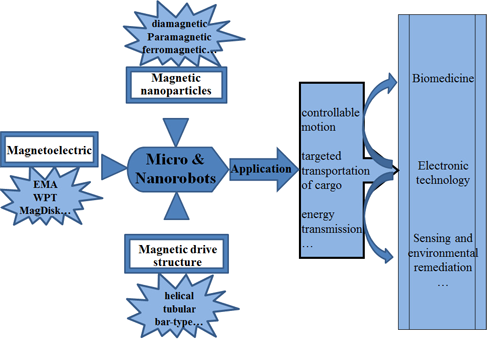
- structure had a higher motion speed and could effectively suppress lateral drifting motion. In addition, MNRs with a hollow tubular structure [29], which could facilitate drug delivery and realize effective treatment of cancer by loading and releasing anticancer drugs, were proposed and fabricated. At the


The impact of molecular tumor profiling on the design strategies for targeting myeloid leukemia and EGFR/CD44-positive solid tumors
Beilstein J. Nanotechnol. 2021, 12, 375–401, doi:10.3762/bjnano.12.31
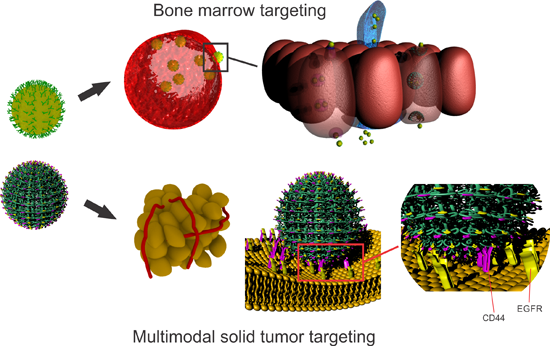
- discoveries regarding the surface-expressed receptors and their intracellular molecular pathways have been made during the last decade, which improved the design of targeted anticancer nanomedicines and the targeting of specific tumor types. No doubt that the advances will further progress to the application
- alternatives using NDDSs [1]. Literature data points to combinatorial therapy, coadministration, and codelivery of agents by nanomedicines as a successful approach to bypass signaling inhibition, combat anticancer drug resistance, and increase the efficacy of the clinical treatment. Further advances in
- sensitivity of the cancer cells against the antineoplastic agents, (ii) functionalized nanoscale systems carrying anticancer agents that target multiple receptors, or (iii) other multifunctional approaches involving gene therapy for receptor knockdown administered with anticancer agents in targeted


Doxorubicin-loaded gold nanorods: a multifunctional chemo-photothermal nanoplatform for cancer management
Beilstein J. Nanotechnol. 2021, 12, 295–303, doi:10.3762/bjnano.12.24
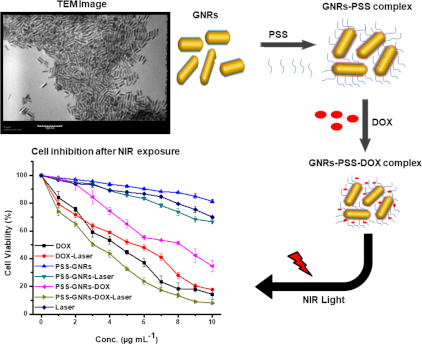
- Medical Toxicology Lab, Department of Zoology, Government College University Lahore, Lahore-54000, Pakistan 10.3762/bjnano.12.24 Abstract Two of the limitations associated with cancer treatment are the low efficacy and the high dose-related side effects of anticancer drugs. The purpose of the current
- limited due to several unwanted characteristics of poor solubility, broad bioavailability range, narrow therapeutic index, rapid elimination from systemic circulation, unselective site of action after oral/intravenous administration, and cytotoxic effects on normal tissues [6]. The anticancer drug
- -suspended in 2 mL deionized water and stored at 4 °C. Doxorubicin-loaded PSS-GNRs The anticancer drug DOX was loaded onto the surface of PSS-GNRs by a previously reported simple stirring method with slight modifications [30]. PSS-GNRs (40 µg/mL, 2 mL) were added to an aqueous solution of DOX at a final





