


Search results
Search for "antioxidant" in Full Text gives 90 result(s) in Beilstein Journal of Nanotechnology.
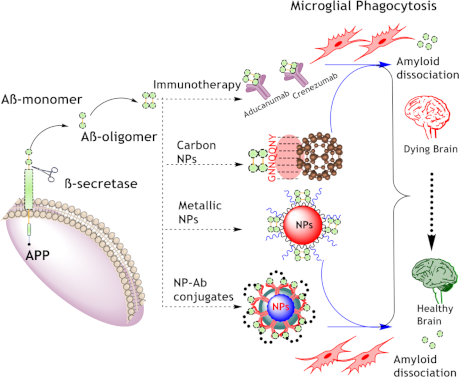
Nanomaterials in targeting amyloid-β oligomers: current advances and future directions for Alzheimer's disease diagnosis and therapy
Beilstein J. Nanotechnol. 2025, 16, 561–580, doi:10.3762/bjnano.16.44


Nanocarriers and macrophage interaction: from a potential hurdle to an alternative therapeutic strategy
Beilstein J. Nanotechnol. 2025, 16, 97–118, doi:10.3762/bjnano.16.10
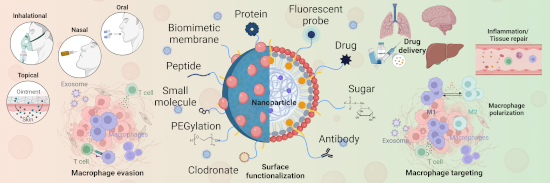


Biomimetic nanocarriers: integrating natural functions for advanced therapeutic applications
Beilstein J. Nanotechnol. 2024, 15, 1619–1626, doi:10.3762/bjnano.15.127

- amphiphilic nanoparticles and ROS-responsive poly(α-l-lysine) nanoparticles, which are developed and used to encapsulate antibiotics, achieving both antibacterial and antioxidant functionalities [79][80]. Conclusion Biomimetic nanocarriers represent a promising strategy for the treatment of several clinically


Liver-targeting iron oxide nanoparticles and their complexes with plant extracts for biocompatibility
Beilstein J. Nanotechnol. 2024, 15, 1593–1602, doi:10.3762/bjnano.15.125
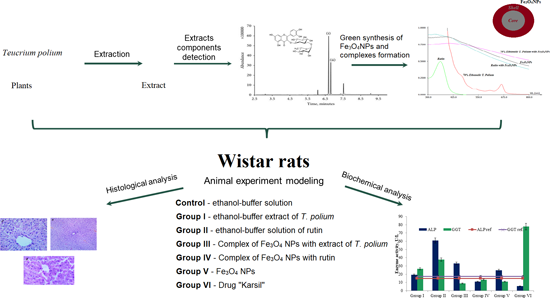
- hepatotoxicity and cause inflammatory reactions [31][40][41][42][43]. Askri et al. demonstrated the weakness of the antioxidant barrier against these iron nanoparticles [31]. When Fe3O4 NPs accumulate in lysosomes and release iron ions from their structure, this leads to the dysfunction of mitochondria
- with the loss of this activity in the complex or with interaction with endogenous GPx and suppression of its antioxidant properties (Figure 4). Fe3O4 NPs themselves are capable of increasing GPx activity, likely because of their peroxidase-like enzymatic properties (group V) [19]. This scenario


Facile synthesis of size-tunable L-carnosine-capped silver nanoparticles and their role in metal ion sensing and catalytic degradation of p-nitrophenol
Beilstein J. Nanotechnol. 2024, 15, 1576–1592, doi:10.3762/bjnano.15.124
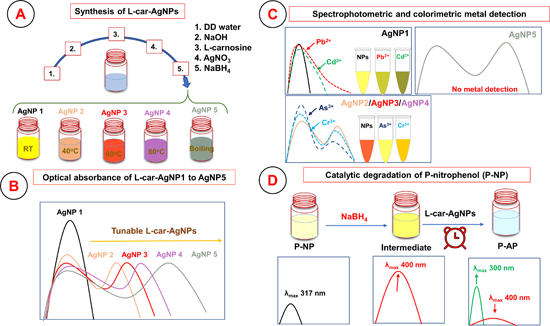
- /bjnano.15.124 Abstract ʟ-Carnosine is a dipeptide with notable antioxidant, antiglycation, metal chelating, and neuroprotective properties. Despite its many biological roles, applying ʟ-carnosine as a capping agent in nanoparticle synthesis has remained underexplored. This study explores the potential of




Polymer lipid hybrid nanoparticles for phytochemical delivery: challenges, progress, and future prospects
Beilstein J. Nanotechnol. 2024, 15, 1473–1497, doi:10.3762/bjnano.15.118
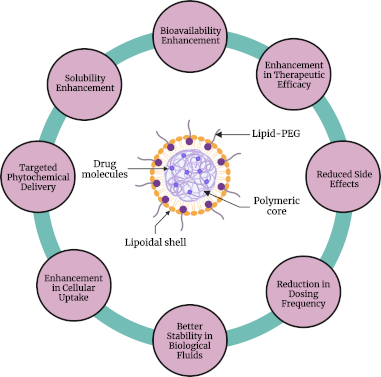
- wide range of therapeutic properties, including antioxidant, anti-inflammatory, anticancer, and antimicrobial activities. However, their clinical application is often hindered by poor water solubility, low bioavailability, rapid metabolism, and instability under physiological conditions. Polymer lipid
- in Ayurvedic and Chinese medicine because of its numerous health benefits. CUR is known for a wide range of therapeutic effects, which include anti-inflammatory, antioxidant, antimicrobial, anticancer, cardioprotective, neuroprotective, anti-diabetic, and anti-arthritic properties [77][78]. Despite
- exhibits significant anti-inflammatory, antioxidant, antiviral, anticancer, cardioprotective, neuroprotective, and anti-allergic properties [85][86]. QCT belongs to the BCS class-II drugs and shows very poor solubility. The low solubility of quercetin in aqueous environments leads to poor dissolution and


Green synthesis of carbon dot structures from Rheum Ribes and Schottky diode fabrication
Beilstein J. Nanotechnol. 2024, 15, 1369–1375, doi:10.3762/bjnano.15.110
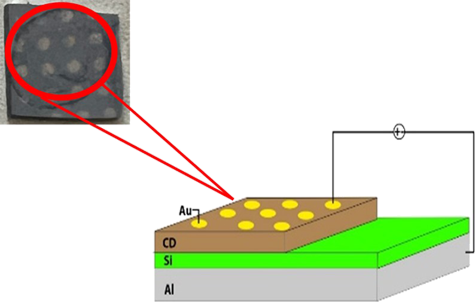
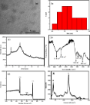
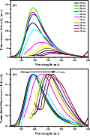
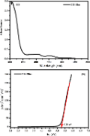
- herbaceous plant with yellowish-white flowers grows from May to June. Rheum ribes is the only Rheum species growing in Turkey. Flavonoids, stilbenes, and anthraquinones in its structure are the main phenolic components that provide a potential antioxidant effect to this plant. The young shoots and leaf stems




Interaction of graphene oxide with tannic acid: computational modeling and toxicity mitigation in C. elegans
Beilstein J. Nanotechnol. 2024, 15, 1297–1311, doi:10.3762/bjnano.15.105
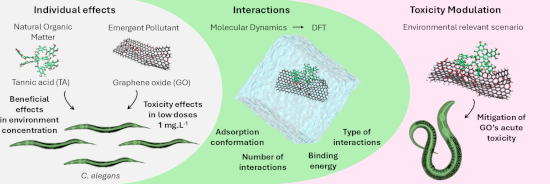
- biosynthesis protein COQ7 [51][53][54][55]. The co-exposure of GO with antioxidant molecules, such as ʟ-cysteine and ascorbate, can mitigate the oxidative effects of the material and minimize GO’s toxicity [35][53]. Moreover, GO also shows important neuronal effects; for example, it influences protein–protein
- presence of TA, GO still might cause long-term effects, which need to be subject of further investigations. Concomitantly, it is known that the polyphenols such as TA exhibit properties that are beneficial to health, such as antimicrobial, anti-inflammatory, and antioxidant capacities [61][62]. Saul et al
- mechanisms against pathogens, heating stress, and oxidative stress, which may increase the resistance against the hazardous effects of GO. TA upregulates natural protective pathways against oxidative stress, increasing the expression of antioxidant systems such as reduced glutathione, superoxide dismutase


AI-assisted models to predict chemotherapy drugs modified with C60 fullerene derivatives
Beilstein J. Nanotechnol. 2024, 15, 1170–1188, doi:10.3762/bjnano.15.95
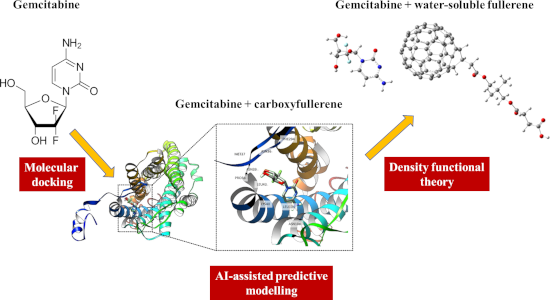
- is also possible to modify pristine fullerenes by adding polar functional groups (e.g., –COOH, –OH, or –NH2), to improve water solubility, antioxidant properties, and even biological activity [25]. For instance, polyhydroxy fullerenes (PHFs) exhibit properties suitable for biomedical applications


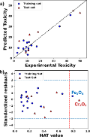
Introducing third-generation periodic table descriptors for nano-qRASTR modeling of zebrafish toxicity of metal oxide nanoparticles
Beilstein J. Nanotechnol. 2024, 15, 1142–1152, doi:10.3762/bjnano.15.93
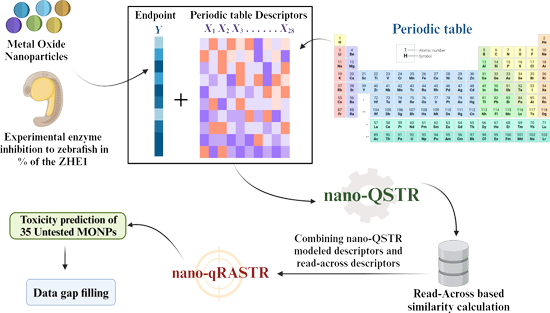
- strong antibacterial, antifungal, antidiabetic, antioxidant, anticancer, and photocatalytic activities [7][8][9]. Besides the medical field, they are also commonly used in commercial products such as fuel cells and plastics, and environmental applications such as analysis, sensing, remediation, and


Recent updates in applications of nanomedicine for the treatment of hepatic fibrosis
Beilstein J. Nanotechnol. 2024, 15, 1105–1116, doi:10.3762/bjnano.15.89
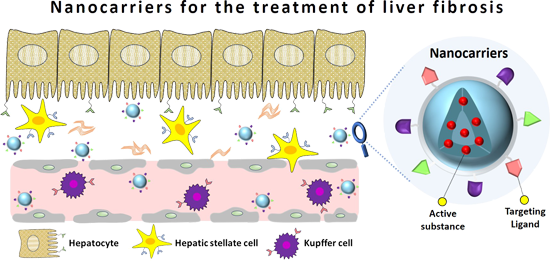
- enhancing the antioxidant defense mechanism. Besides providing the containment for the active substance, the nanostructured lipid nanocarriers could be utilized for targeted delivery without conjugating any specific ligand. Composed of natural phospholipids, liposomes are generally considered to be
- antioxidant, antibacterial, and anti-inflammation properties [63]. The combined administration of SeNPs and vitamin E resulted in an in vivo reduction of hepatic enzyme activity induced by acrylamide while also improving the lipid profile and histological hepatic tissues. In addition, zinc oxide NPs displayed
- on its surface. Figure 3 was reprinted from [57], Journal of Drug Delivery Science and Technology, vol. 66, by Y. Thant et al., “TPGS conjugated pro-liposomal nanodrug delivery system potentiate the antioxidant and hepatoprotective activity of Myricetin“, article no. 102808, Copyright (2021), with


Unveiling the potential of alginate-based nanomaterials in sensing technology and smart delivery applications
Beilstein J. Nanotechnol. 2024, 15, 1077–1104, doi:10.3762/bjnano.15.88
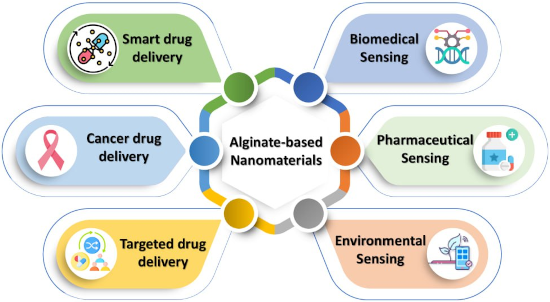
- several excellent properties that can be crucial in drug delivery, such as low cost, antioxidant and antibacterial activity, non-toxicity, biodegradability, and biocompatibility. Biopolymeric nanoparticles (NPs) can be used in DDSs, and they can protect the drugs from the adverse conditions of the


Cholesterol nanoarchaeosomes for alendronate targeted delivery as an anti-endothelial dysfunction agent
Beilstein J. Nanotechnol. 2024, 15, 517–534, doi:10.3762/bjnano.15.46
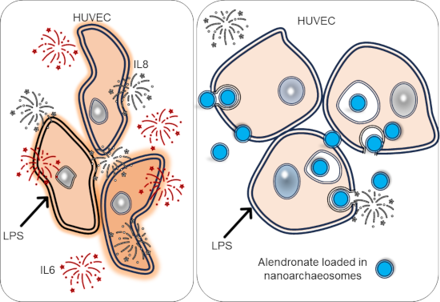
- of LPS on the upper and the basolateral compartments. Anti-inflammatory and antioxidant activity on co-cultures Anti-inflammatory and antioxidant activity of nanovesicles on mild and pronounced inflammation models were determined by measuring the production of IL-8, IL-6, and TNF-α in the apical and





Classification and application of metal-based nanoantioxidants in medicine and healthcare
Beilstein J. Nanotechnol. 2024, 15, 396–415, doi:10.3762/bjnano.15.36
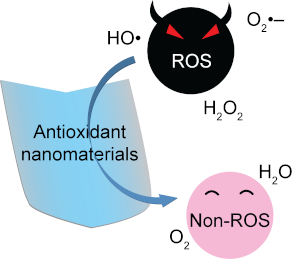
- nanotechnology, nanomaterials have emerged as a promising solution to improve the limitations of natural antioxidants because of their high stability, easy storage, time effectiveness, and low cost. Among various types of nanomaterials exhibiting antioxidant activity, metal-based nanoantioxidants show excellent
- reactivity because of the presence of an unpaired electron in their atomic structure. In this review, we summarize some novel metal-based nanoantioxidants and classify them into two main categories, namely chain-breaking and preventive antioxidant nanomaterials. In addition, the applications of antioxidant
- nanomaterials in medicine and healthcare are also discussed. This review provides a deeper understanding of the mechanisms of metal-based nanoantioxidants and a guideline for using these nanomaterials in medicine and healthcare. Keywords: antioxidant nanomaterial; healthcare; medicine; nanotechnology


Exploring the relationships between physiochemical properties of nanoparticles and cell damage to combat cancer growth using simple periodic table-based descriptors
Beilstein J. Nanotechnol. 2024, 15, 297–309, doi:10.3762/bjnano.15.27
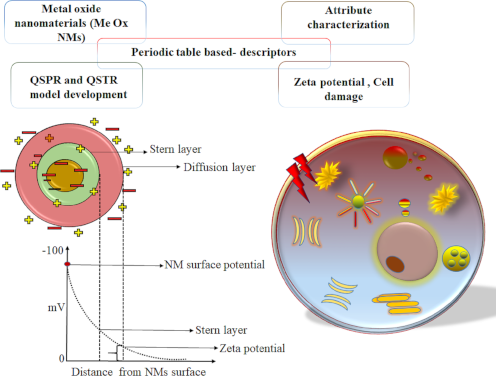
- intensity of oxidative stress. This happens because longer exposure times enhance the toxicity mechanism of NPs. In contrast, short-term exposure does not affect significantly the cells. NPs can induce oxidative stress by impairing antioxidant defenses in humans when they are chronically exposed to NPs


Assessing phytotoxicity and tolerance levels of ZnO nanoparticles on Raphanus sativus: implications for widespread adoptions
Beilstein J. Nanotechnol. 2024, 15, 115–125, doi:10.3762/bjnano.15.11
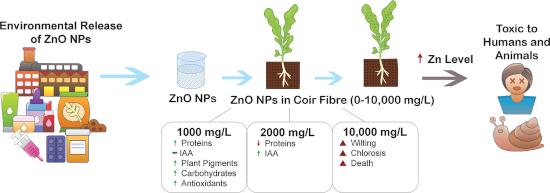
- , photosynthetic pigment content, as well as the antioxidant capacity of the leaves of R. sativus grown in coir pots. Most of the literature currently reports physiological changes resulting from the application of minute quantities of ZnO NPs. This study demonstrates that R. sativus can withstand high doses of Zn
- of ZnO NPs, although a still higher (1.7%) IAA content was produced at 1000 mg/L without exhibiting any toxicity. Phytotoxicity testing for carbohydrates, plant pigments, and antioxidant contents The previous experiment indicated that 1000 mg/L of ZnO NPs was nontoxic with respect to soluble protein
- and IAA contents. Thus, the same concentration (1000 mg/L) was selected to investigate its effects on carbohydrates, plant pigments, and antioxidant contents. The results revealed that 1000 mg/L of ZnO NPs with Hoagland solution significantly increased (p < 0.05) the total carbohydrate content (58.5


Development and characterization of potential larvicidal nanoemulsions against Aedes aegypti
Beilstein J. Nanotechnol. 2024, 15, 104–114, doi:10.3762/bjnano.15.10
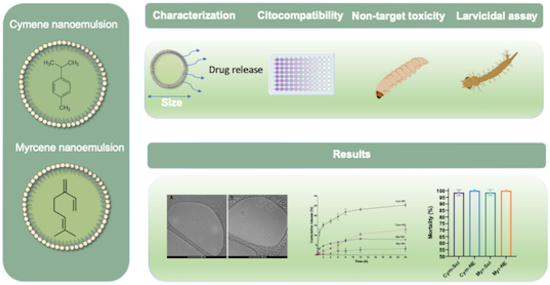
- control [7]. Terpenes are the largest group of secondary plant metabolites and have shown promising health benefits as antioxidant and anti-inflammatory agents in many animal studies [8][9]. The compound p-cymene, also known as p-cymol or p-isopropyltoluene, is a monocyclic hydrocarbonated monoterpene


Curcumin-loaded nanostructured systems for treatment of leishmaniasis: a review
Beilstein J. Nanotechnol. 2024, 15, 37–50, doi:10.3762/bjnano.15.4
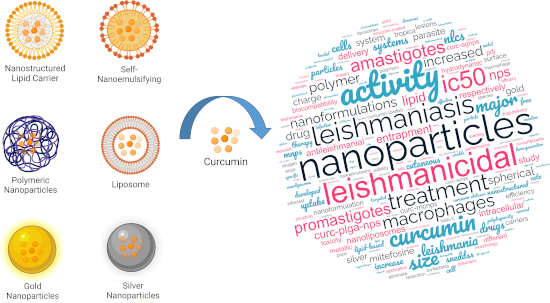
- Leishmania spp. Although its mechanism of action has not yet been fully elucidated, its leishmanicidal potential may be associated with its antioxidant and anti-inflammatory properties. However, it has limitations that compromise its clinical use. Conversely, nanotechnology has been used as a tool for
- infantum [46], Leishmania major [46][47], and Leishmania tropica [46][48]. Although proposed mechanisms of action are not fully elucidated, curc has been shown to have antileishmanial effects through its anti-inflammatory and antioxidant properties [42][47][49][50]. Figure 2 reveals the possible mechanisms


Nanotechnological approaches in the treatment of schistosomiasis: an overview
Beilstein J. Nanotechnol. 2024, 15, 13–25, doi:10.3762/bjnano.15.2
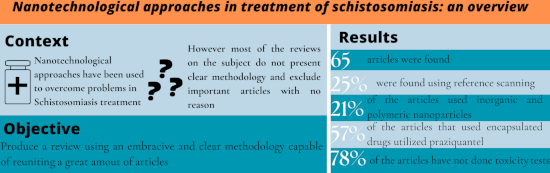
- ]. Therefore, metallic nanoparticles also have a curative role against schistosomiasis. A possible explanation for this action was suggested by Dkhil et al. in their work with gold nanoparticles [27]. They suggested that their curative effects are due to antioxidant properties which confer the ability to
- an encouraging prognosis for the development of future products [56]. Curcumin is a naturally yellow pigment obtained from the rhizomes of Curcuma longa. In the literature, many articles explore anti-inflammatory, antioxidant, antiviral, anti-infectious, and antitumoral properties of curcumin [58
- antioxidant, anticoagulant, anti-bacterial, immunostimulatory, and hepatotoxic protection properties [87][88][89]. Because of that, it has been used in traditional medicine to treat inflammation and pain [90]. Mohamed et al. [91] reported that bee venom administered in infected mice reduces worm burden, ova


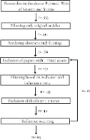
Curcumin-loaded albumin submicron particles with potential as a cancer therapy: an in vitro study
Beilstein J. Nanotechnol. 2023, 14, 1127–1140, doi:10.3762/bjnano.14.93
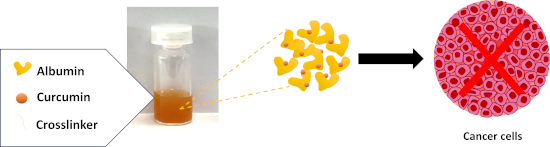
- promising biological properties, particularly antioxidant activity. However, its medical applications are limited due to its low water solubility, bioavailability, and pH-instability. CUR-loaded albumin microparticles (CUR-HSA-MPs) of submicron size in the range of 800 to 900 nm and a zeta potential of −15
- hydrophobic yellow-orange polyphenol compound isolated from the rhizomes of Curcuma longa. Numerous studies have consistently demonstrated that CUR displays a vast range of pharmacological and medicinal properties, including antioxidant, anti-inflammatory, anti-diabetic, anti-hepatotoxic activities, and

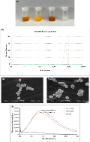


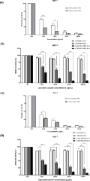
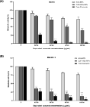

Quercetin- and caffeic acid-functionalized chitosan-capped colloidal silver nanoparticles: one-pot synthesis, characterization, and anticancer and antibacterial activities
Beilstein J. Nanotechnol. 2023, 14, 362–376, doi:10.3762/bjnano.14.31
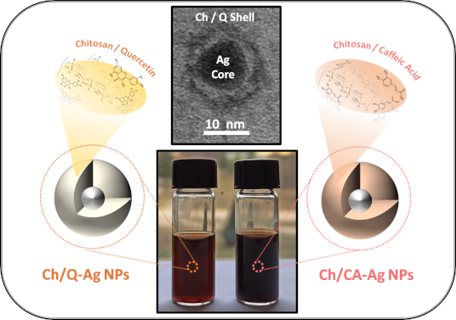
- , anti-inflammatory, antidiabetic, antitumor, antioxidant, lipid-lowering, and wound healing properties [19][20][21][22][23]. Although many studies have been conducted in recent years regarding the synthesis of new structures with quercetin and their biological properties [24][25][26][27][28], there is
- continued attention due to the unique properties of quercetin. Caffeic acid (3,4-dihydroxycinnamic acid) is a natural phenolic acid with high antioxidant capacity due to the catechol group. It is present in, for example, fruits, olive oil, green tea, coffee, vegetables, and white wine [29][30]. In addition
- –silver [46][47], chitosan–quercetin [48][49], and silver–quercetin nanoparticles [50][51], are well known. For instance, chitosan–silver nanocomposites, which have been synthesized through bio-inspired and photosynthesis, exhibited significant antioxidant, photocatalytic, and antibacterial activities, in


Polymer nanoparticles from low-energy nanoemulsions for biomedical applications
Beilstein J. Nanotechnol. 2023, 14, 339–350, doi:10.3762/bjnano.14.29
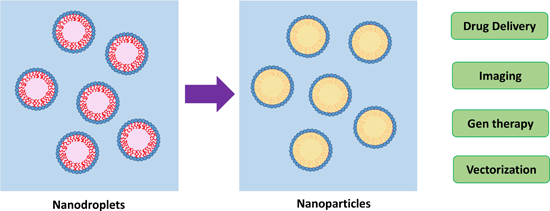
- nanoparticles functionalized with the antibody 8D3. Afamin facilitates the transport of vitamin E to the central nervous system. When the nanoparticles were loaded with a drug, apolipoproteins involved in the transport through the BBB were also identified. Phytochemicals with antioxidant activity have been
- encapsulated in PLGA nanoparticles derived from PIC nanoemulsions [63]. These antioxidant-loaded nanoparticles feature hydrodynamic sizes between 71 and 160 nm and encapsulation efficiencies higher than 64%. The colloidal stability of the nanoparticle dispersions was not significantly affected by protein
- corona formation (upon incubation in FBS). The nanoparticles showed low cytotoxicity for SH-SY5Y cells (viabilities of ca. 100% for nanoparticle concentrations equal or lower than 0.23 mg/mL), high cellular uptake (in SH-SY5Y cells), and dose-dependent antioxidant activity. The properties of the PIC




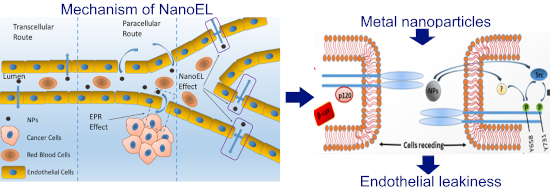
Overview of mechanism and consequences of endothelial leakiness caused by metal and polymeric nanoparticles
Beilstein J. Nanotechnol. 2023, 14, 329–338, doi:10.3762/bjnano.14.28
- vascular endothelial dysfunction include physiological processes (e.g., aging) or environmental factors such as a high-fat diet. These conditions are accompanied by an increased generation of reactive oxygen species (ROS), which, combined with impaired efficiency of antioxidant systems are one of the most


Recent progress in cancer cell membrane-based nanoparticles for biomedical applications
Beilstein J. Nanotechnol. 2023, 14, 262–279, doi:10.3762/bjnano.14.24
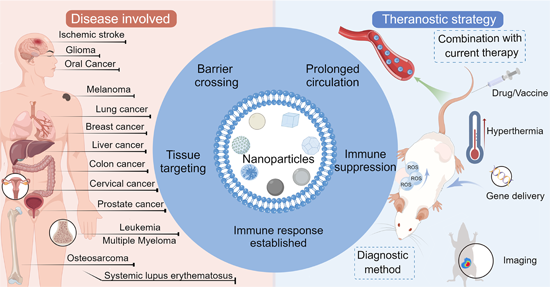
- ]. GSH is the main antioxidant component in cells and can scavenge excess ROS in cancer cells. ROS-related therapeutic effects are promoted by depleting GSH and catalyzing excess of H2O2 in the TME [103]. Programmed cell death (e.g., necroptosis, pyroptosis, ferroptosis, and cuprotosis) regulates the


Structural, optical, and bioimaging characterization of carbon quantum dots solvothermally synthesized from o-phenylenediamine
Beilstein J. Nanotechnol. 2023, 14, 165–174, doi:10.3762/bjnano.14.17
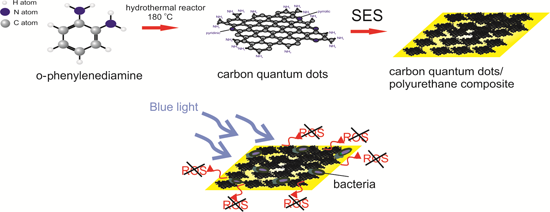
- resistance, and better antioxidant properties compared to pristine CQDs [5]. Functionalization of CQDs with amino groups (NH2 groups) induces a redshift of the photoluminescence because of the charge transfer from the amino groups to the carbon honeycomb core [6]. Also, grafting with NH2 groups, by means of
- . Photoluminescence of CQDs can be tuned, and quantum dots emit light in the range from blue to red. Some of them have very good prooxidant and antioxidant properties [14]. Under blue light irradiation, CQDs produce reactive oxygen species (ROS), which cause oxidative stress and further bacterial death [17][18][19





