Search results
Search for "biomarkers" in Full Text gives 48 result(s) in Beilstein Journal of Nanotechnology.
Integrated photonics multi-waveguide devices for optical trapping and Raman spectroscopy: design, fabrication and performance demonstration
Beilstein J. Nanotechnol. 2020, 11, 829–842, doi:10.3762/bjnano.11.68
- biomarkers for cancer. In [6] we found, due to the divergence of the emitted beams, that larger facet separations (≥10 μm) lead to a strong global hot region of the light field near the waveguide facets. These global hot regions are preferential trapping sites, which may lead to adherence of the particle to


Hexagonal boron nitride: a review of the emerging material platform for single-photon sources and the spin–photon interface
Beilstein J. Nanotechnol. 2020, 11, 740–769, doi:10.3762/bjnano.11.61




Using gold nanoparticles to detect single-nucleotide polymorphisms: toward liquid biopsy
Beilstein J. Nanotechnol. 2020, 11, 263–284, doi:10.3762/bjnano.11.20
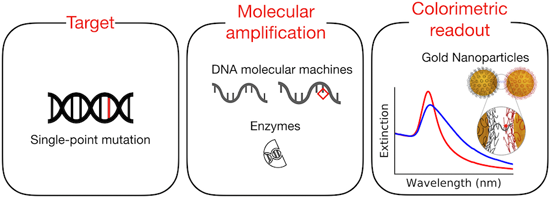
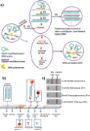
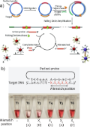
- cancer biomarker. We discuss the main mechanisms of the assays that either are assisted by DNA-based molecular machines or by enzymatic reactions, summarize their performance and provide an outlook towards future developments. Keywords: amplification reactions; biomarkers; colorimetric biosensing; gold
- nanoparticles; plasmonics; single-point mutation; Introduction Cancer is a leading cause of death accounting for about 8.8 million deaths in 2015 [1]. The list of tumor-linked substances, i.e., biomarkers for diagnosis and prognosis purposes is continuously increasing. Cancer biomarkers are present in tumor
- seconds even at sub-picomolar concentration. Here, we review recent advancements in the development of sensors based on metallic nanoparticles for the detection of mutations in circulating tumor DNA molecules. By introducing the importance of DNA molecules as biomarkers in the field of liquid biopsy and




Evaluation of click chemistry microarrays for immunosensing of alpha-fetoprotein (AFP)
Beilstein J. Nanotechnol. 2019, 10, 2505–2515, doi:10.3762/bjnano.10.241
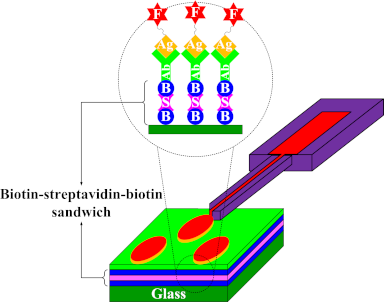
- (AOC), Karlsruhe Institute of Technology (KIT), Engesserstraße 15, 76131 Karlsruhe, Germany 10.3762/bjnano.10.241 Abstract The level of cancer biomarkers in cells, tissues or body fluids can be used for the prediction of the presence of cancer or can even indicate the stage of the disease. Alpha
- categories: imaging and biomarker tests. Cancer biomarkers are measurable molecules or substances observed in cells, tissues or body fluids, and their level predicts the presence of cancer or even indicates the stage of cancer. The measurement of biomarkers always leads to a specific numeric value, and the
- obtained result, although not necessarily accurate, is generally more objective than images produced by imaging techniques, since their interpretation is often subjected to the judgment and experience of physicians. Additionally, there is a strong economic argument for the acceptance of biomarkers in


Use of data processing for rapid detection of the prostate-specific antigen biomarker using immunomagnetic sandwich-type sensors
Beilstein J. Nanotechnol. 2019, 10, 2171–2181, doi:10.3762/bjnano.10.210
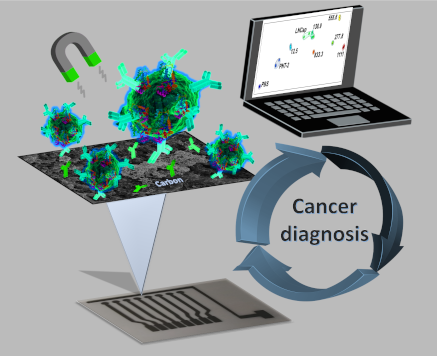
- treatment for determining biomarkers in real samples. In this paper, we report an immunomagnetic nanoparticle-based microfluidic sensor (INμ-SPCE) for the amperometric detection of the prostate-specific antigen (PSA) biomarker, the data of which were treated with information visualization methods. The INμ
- -linked immunosorbent assay. The approaches for immunoassays and data processing are generic, and therefore the strategies described here may provide a simple platform for clinical diagnosis of cancers and other types of diseases. Keywords: cancer biomarkers; magnetite nanoparticles; microfluidic devices
- specificity, PSA screening has contributed to a significant decline (45–70%) in prostate cancer mortality since the early 1990s [1]. To identify cancer biomarkers and to develop methodologies to quantify them at low cost is critical for early cancer diagnostics, while it also helps to understand cancer


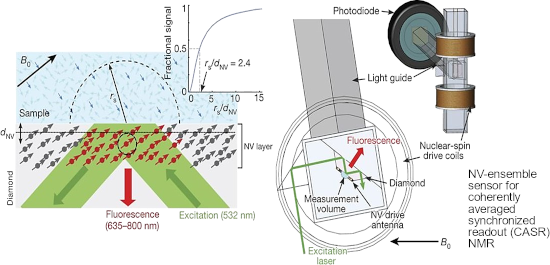
Nitrogen-vacancy centers in diamond for nanoscale magnetic resonance imaging applications
Beilstein J. Nanotechnol. 2019, 10, 2128–2151, doi:10.3762/bjnano.10.207


Microbubbles decorated with dendronized magnetic nanoparticles for biomedical imaging: effective stabilization via fluorous interactions
Beilstein J. Nanotechnol. 2019, 10, 2103–2115, doi:10.3762/bjnano.10.205
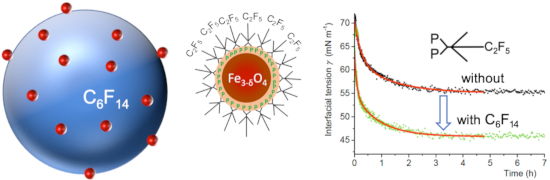
- range of molecules, including phospholipids [36], polymers [17], proteins [37], biomarkers [38] and CeO2 nanoparticles [39]. But the most important finding here is that the fluorocarbon gas affects the adsorption of the IONPs differently, depending on whether the dendron carries a fluorinated end group


Engineered superparamagnetic iron oxide nanoparticles (SPIONs) for dual-modality imaging of intracranial glioblastoma via EGFRvIII targeting
Beilstein J. Nanotechnol. 2019, 10, 1860–1872, doi:10.3762/bjnano.10.181
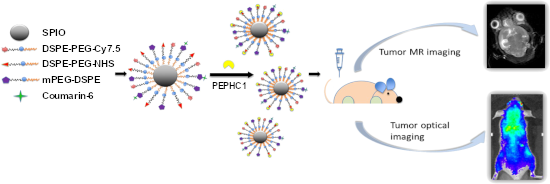
- a complete excision of tumors, the development of methods for accurate and efficient preoperative diagnosis and localization of glioblastoma is highly needed. Molecular imaging of tumor biomarkers is a powerful and important clinical diagnostic tool for noninvasive glioblastoma detection and
- ) diseases, such as glioblastoma [4]. On one hand, given the lack of sensitivity in conventional MR imaging, the development of molecular MR imaging of tumor biomarkers is highly urgent for noninvasive, visual presentation of cancer aggressiveness and guidance of glioblastoma excision [5]. In addition


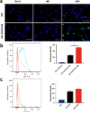


Doxorubicin-loaded human serum albumin nanoparticles overcome transporter-mediated drug resistance in drug-adapted cancer cells
Beilstein J. Nanotechnol. 2019, 10, 1707–1715, doi:10.3762/bjnano.10.166
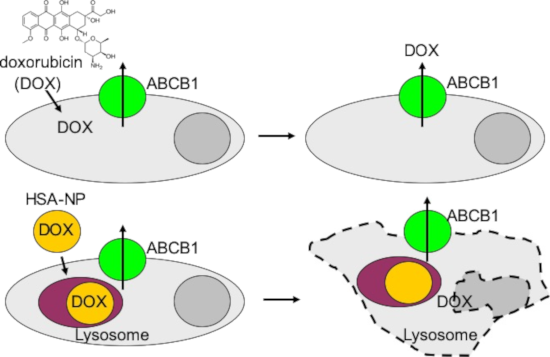
- more sophisticated, personalised therapies will need to be developed. Such therapies will depend on an improved understanding of the resistance status of cancer cells to a certain drug beyond its transporter status. If biomarkers become available that predict cancer cell response to a certain drug more


Raman study of flash-lamp annealed aqueous Cu2ZnSnS4 nanocrystals
Beilstein J. Nanotechnol. 2019, 10, 222–227, doi:10.3762/bjnano.10.20
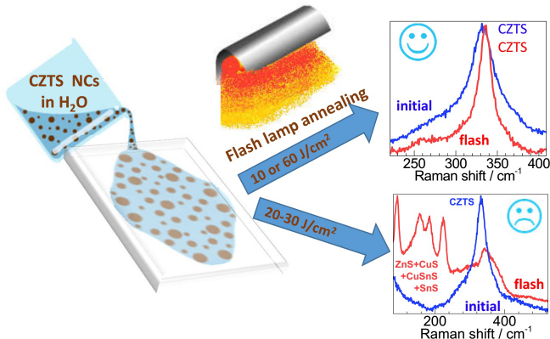
- “Investigation of nanostructures based on multicomponent metal chalcogenides for a new generation of photovoltaics and luminescent biomarkers”).


Targeting strategies for improving the efficacy of nanomedicine in oncology
Beilstein J. Nanotechnol. 2019, 10, 168–181, doi:10.3762/bjnano.10.16
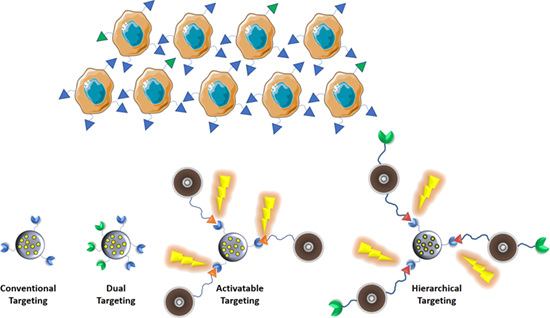
- the selective transport of drugs directly to diseased cells and tissues [2], the precise recognition of extremely low concentrations of important biomarkers indicative of pathological processes that are present in complex environments (e.g., urine, blood, saliva) [3] or the creation of smart


Optical techniques for cervical neoplasia detection
Beilstein J. Nanotechnol. 2017, 8, 1844–1862, doi:10.3762/bjnano.8.186

- , photoacoustic imaging), probe different tissue properties that may serve as optical biomarkers for diagnosis. Both the advantages and drawbacks of these techniques for the diagnosis of cervical precancerous lesions are discussed and compared. Keywords: cervical intraepithelial neoplasia; confocal
- microendoscope (HRME) was developed and used for the direct visualization of neoplastic biomarkers (increase in nucleus-to-cytoplasm ratio and nuclear density, pleomorphic nuclei) during colposcopy [77][78][79]. Grant et al. [79] performed HRME imaging by placing a fiber-optic probe tip in contact with
- nanoparticles can be used for molecular-selective recognition of cancer biomarkers. The overexpression of specific biomarkers with cancer development will lead to the increase in concentration of optically active nanoobjects in the tumor zone and, consequently, to the diagnostic contrast enhancement (Figure 9



Needs and challenges for assessing the environmental impacts of engineered nanomaterials (ENMs)
Beilstein J. Nanotechnol. 2017, 8, 989–1014, doi:10.3762/bjnano.8.101

- ., quantitative structure activity relationships (QSARs)). For exposure assessment, the RA process for chemicals has been traditionally performed via laboratory studies, field monitoring, use of biomarkers, or fate and transport modeling. The RA process for ENMs, on the other hand, involves the additional

Comparison of four functionalization methods of gold nanoparticles for enhancing the enzyme-linked immunosorbent assay (ELISA)
Beilstein J. Nanotechnol. 2017, 8, 244–253, doi:10.3762/bjnano.8.27
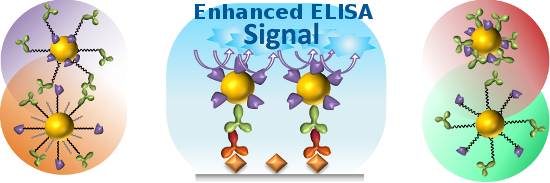
- literature, as published by Ambrosia and co-workers in studying the effect of AuNP complexes in enhanced ELISA for the detection of breast cancer biomarkers [12]. In this work, the authors assessed three different concentrations of AuNP probes (ranging approximately from 1.4 to 0.014 AU) discarding the


A novel electrochemical nanobiosensor for the ultrasensitive and specific detection of femtomolar-level gastric cancer biomarker miRNA-106a
Beilstein J. Nanotechnol. 2016, 7, 2023–2036, doi:10.3762/bjnano.7.193
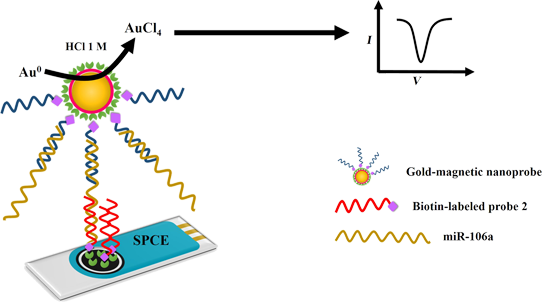
- ]. The most commonly used tumor markers such as carcinoembryonic antigen (CEA) and cancer antigen 19-9 (CA19-9) have insufficient sensitivity and specificity, thus limiting their application in early diagnosis of GC [3]. Therefore, the establishment of novel strong specific biomarkers with sufficient
- sensitivity is an ideal strategy for improving the early detection of GC and the cure rates for patients. Besides, these biomarkers should be easy to evaluate and reliably associated with clinical outcomes. Discovery of miRNAs and the approval of their role in tumorigenesis along with the development of
- various cancers have presented them as the suitable cancer biomarkers [4]. There is also growing evidence that miRNAs exist not only in cells but also in a variety of body fluids, including blood [5], saliva [6], and urine [7]. Those miRNAs that can be found in bloodstream are called circulatory miRNAs


Fabrication and properties of luminescence polymer composites with erbium/ytterbium oxides and gold nanoparticles
Beilstein J. Nanotechnol. 2016, 7, 630–636, doi:10.3762/bjnano.7.55
- ; polymer nanocomposites; rare-earth oxide nanoparticles; Introduction Rare-earth (RE) ions are widely investigated and applied, e.g., in photonics, as active materials for optical amplification or as biomarkers. Er-doped materials are important for light sources in optoelectronics, especially for the


Early breast cancer screening using iron/iron oxide-based nanoplatforms with sub-femtomolar limits of detection
Beilstein J. Nanotechnol. 2016, 7, 364–373, doi:10.3762/bjnano.7.33
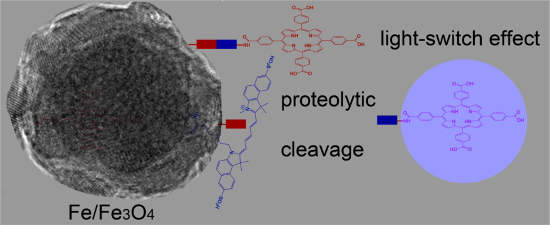
- always when testing biomarkers, the selection process of the required biospecimens is crucial. Therefore, our next steps will consist in testing our liquid biopsy approach with significantly larger group sizes of stage 0 and I breast cancer patients. Methods Nanoplatform synthesis The synthesis and


Mismatch detection in DNA monolayers by atomic force microscopy and electrochemical impedance spectroscopy
Beilstein J. Nanotechnol. 2016, 7, 220–227, doi:10.3762/bjnano.7.20
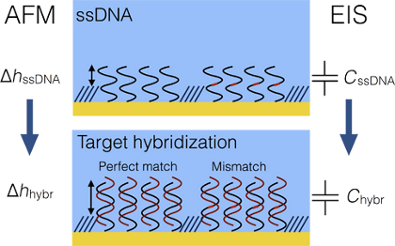
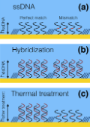
- different rigidity of ss- and dsDNA [23][24][25], enabling the ultrasensitive detection of biomarkers [26]. The second strategy exploits the change in capacitance during the hybridization process, measured at the interface between a ssDNA-functionalized gold electrode and the solution in an electrochemical


An ISA-TAB-Nano based data collection framework to support data-driven modelling of nanotoxicology
Beilstein J. Nanotechnol. 2015, 6, 1978–1999, doi:10.3762/bjnano.6.202
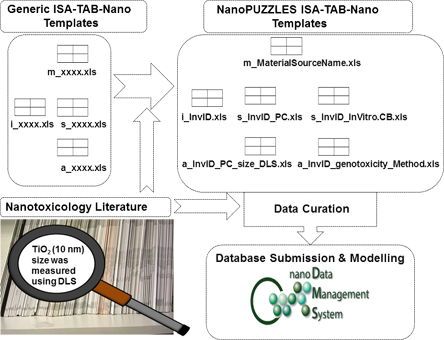
- Information File 4 for an in-depth explanation). The sub-lethal cytotoxicity Assay file template (“a_InvID_cytotoxicity.sub-lethal_Method.xls”) was designed to record data from cell based in vitro assays designed to detect sub-lethal phenomena which might be quantified in terms of changes in key biomarkers
- . For example, oxidative stress and inflammation might be detected via measuring the level of glutathione or various cytokine biomarkers respectively [97]. (These sub-lethal phenomena would not be considered “cytotoxicity” by all researchers [84].) The manner in which this template was designed to



Optimized design of a nanostructured SPCE-based multipurpose biosensing platform formed by ferrocene-tethered electrochemically-deposited cauliflower-shaped gold nanoparticles
Beilstein J. Nanotechnol. 2015, 6, 1840–1852, doi:10.3762/bjnano.6.187
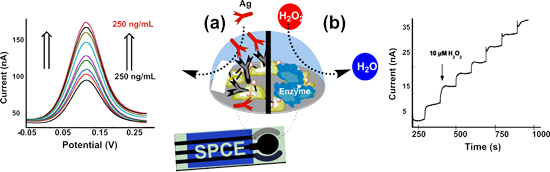
- concentrations of, e.g., biologically active analytes and disease-related biomarkers [9][10]. Many electrochemical biosensors use ferrocene to transduce the biological reactions into readily measurable electrical signals [11][12]. For instance, Chen and Diao developed a glucose biosensor using gold nanoparticles
- . prepared a nanocomposite consisting of reduced graphene oxide hybridized with electrochemically co-reduced gold nanoparticles and ferrocene as a sensitive immunosensor of breast cancer biomarkers [14]. Very recently, Mars et al. showed that the aggregation of gold nanoparticles through a ferrocene-based


Effect of silver nanoparticles on human mesenchymal stem cell differentiation
Beilstein J. Nanotechnol. 2014, 5, 2058–2069, doi:10.3762/bjnano.5.214
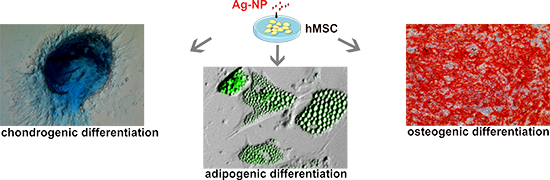
- -dependent manner, whereas chondrogenic differentiation was unaffected after 21 d of incubation. In contrast to aggrecan, the inhibitory effect of adipogenic and osteogenic differentiation was confirmed by a decrease in the secretion of specific biomarkers, including adiponectin (adipocytes) and osteocalcin
- microscopy, photometry and by analyzing the secretion of typical biomarkers. Results Uptake and intracellular distribution of nano-silver in hMSCs Human MSCs were cultured in the presence of 20 µg·mL−1 Ag-NP at 37 °C for 24 h under cell culture conditions, and the cell nucleus and endo-lysosomes were labeled
- genes and proteins is also expected to be attenuated in MSCs upon nanoparticle treatment [48]. This was confirmed in our study by the decreased secretion of specific biomarkers, including adiponectin (adipocytes) and osteocalcin (osteoblasts). Liu et al. also used PCR to analyze osteocalcin expression


Injection of ligand-free gold and silver nanoparticles into murine embryos does not impact pre-implantation development
Beilstein J. Nanotechnol. 2014, 5, 677–688, doi:10.3762/bjnano.5.80
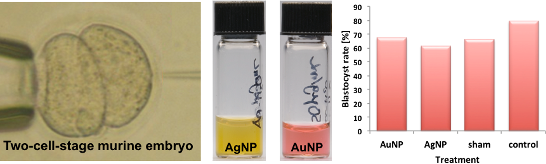
- only one study reported embryotoxic effects of gold clusters after application of a tremendously high dose (1014 NP/embryo) [15]. Thus, our findings confirm the presumption that gold nanoparticles are highly biocompatible and can safely be developed for biomedical applications, such as novel biomarkers




Magnetic nanoparticles for biomedical NMR-based diagnostics
Beilstein J. Nanotechnol. 2010, 1, 142–154, doi:10.3762/bjnano.1.17
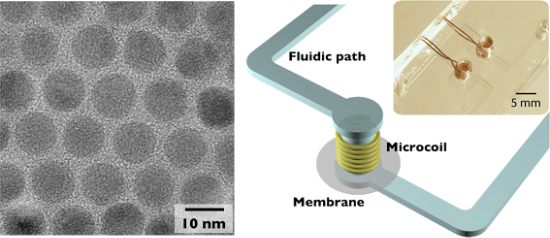
- School, 200 Longwood Av, Alpert 536, Boston, MA 02115, U.S.A. 10.3762/bjnano.1.17 Abstract Rapid and accurate measurements of protein biomarkers, pathogens and cells in biological samples could provide useful information for early disease diagnosis, treatment monitoring, and design of personalized
- ; nuclear magnetic resonance; Introduction Rapid and sensitive measurement of clinically relevant biomarkers, pathogens and cells in biological samples would be invaluable for disease diagnosis, monitoring of malignancy, and for evaluating therapy efficacy in personalized medicine. To translate such
- with reduced sample preparation. In contrast, traditional detection strategies based on optical techniques, for example, are often affected by scattering, absorption, autofluorescence, and require extensive sample purification before measurements can be made. To detect biomarkers using MNPs, several