Search results
Search for "cancer therapy" in Full Text gives 86 result(s) in Beilstein Journal of Nanotechnology.
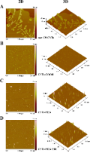
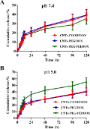
Vinorelbine-loaded multifunctional magnetic nanoparticles as anticancer drug delivery systems: synthesis, characterization, and in vitro release study
Beilstein J. Nanotechnol. 2024, 15, 256–269, doi:10.3762/bjnano.15.24
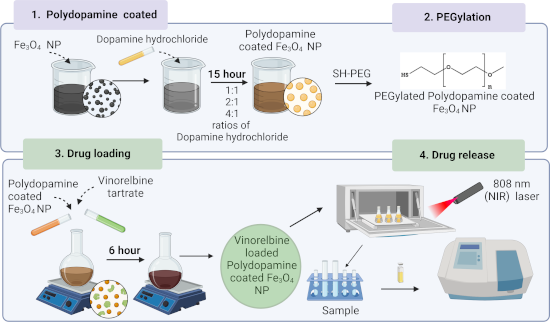
- cancer therapy agent, is included in the nanocomposite structure, and in vitro drug release studies under different pH conditions (pH 5.5 and 7.4) and photothermal activity at 808 nm NIR laser irradiation are investigated. The comprehensive integration of precise multifunctional nanoparticles design
- ’ magnetization cycle, as Bloch and Neel theorized [11][13]. Superparamagnetic iron oxide nanoparticles for drug delivery, diagnosis, and cancer therapy have gained wider acceptance in biomedical applications [14]. They have received notable attention in clinical applications such as early disease diagnosis (e.g
- of passive targeting in magnetic fields for photothermal cancer therapy, with PDA holds great promise for future applications. Therefore, surface modification with PDA is recognized as a favorable alternative for enhancing the biocompatibility of non-biodegradable substances. A study focused on


Nanocarrier systems loaded with IR780, iron oxide nanoparticles and chlorambucil for cancer theragnostics
Beilstein J. Nanotechnol. 2024, 15, 180–189, doi:10.3762/bjnano.15.17
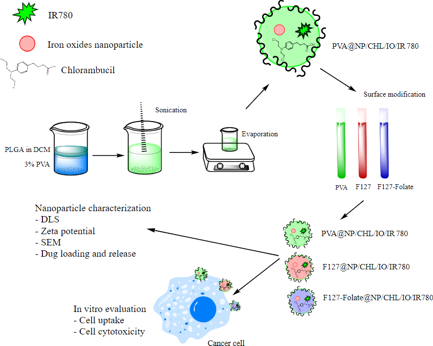
- shown the potential application not only for cancer therapy but also for diagnosis. First, the NPs are internalized into the cells and gradually degrade in the low pH of the endosomes releasing CHL to interrupt the cell cycle. Second, the NPs carry both imaging agents, IR780 and IO, which are suitable


Curcumin-loaded albumin submicron particles with potential as a cancer therapy: an in vitro study
Beilstein J. Nanotechnol. 2023, 14, 1127–1140, doi:10.3762/bjnano.14.93
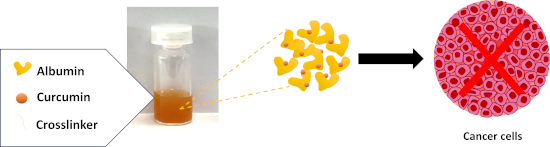
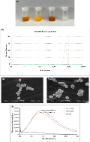
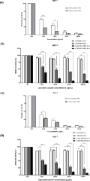
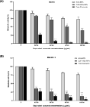
- to confirm the uptake of CUR-HSA-MPs by cancer cells. Our studies revealed that HSA-MPs are potentially promising vehicles for increasing the solubility and bioavailability of CUR. Keywords: albumin submicron particles; cancer therapy; curcumin; drug delivery; Introduction Curcumin (CUR) is a
- into cancer cells, making them a promising option for cancer therapy. In addition, the surface modification of microparticles using substances such as antibodies and polymers suggests the potential for enhanced uptake, as previously demonstrated [55][56]. Nevertheless, further research should explore




Nanoarchitectonics of photothermal materials to enhance the sensitivity of lateral flow assays
Beilstein J. Nanotechnol. 2023, 14, 988–1003, doi:10.3762/bjnano.14.82
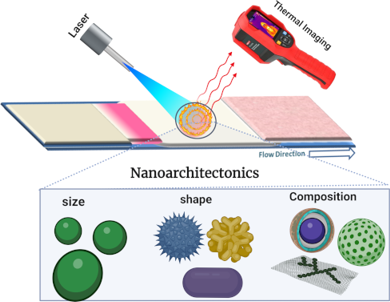
- change [20][21]. Generally, photothermal nanomaterials are being used in cancer therapy, removal of bacterial biofilms, and sensing applications [22][23][24]. Photothermal nanomaterials produce heat in response to the irradiation of photons at a particular wavelength [23]. Similarly, when plasmonic
- particle size from 50 to 4.98 nm. In another study, the size-dependent photothermal conversion efficiency of platinum nanomaterials was studied by Depciuch et al. for cancer therapy. Spherical platinum nanoparticles with diameters of 2 and 80 nm were studied regarding the photothermal activity in colon
- reduced graphene oxide (rGO), SERS imaging can be done along with photothermal therapy [84]. Recently, our group developed a multifunctional rGO–Au nanoscale architecture loaded with Raman dye and anticancer drugs for fluorescence/SERS imaging-guided breast cancer therapy. Under activation of a laser at


Antibody-conjugated nanoparticles for target-specific drug delivery of chemotherapeutics
Beilstein J. Nanotechnol. 2023, 14, 912–926, doi:10.3762/bjnano.14.75
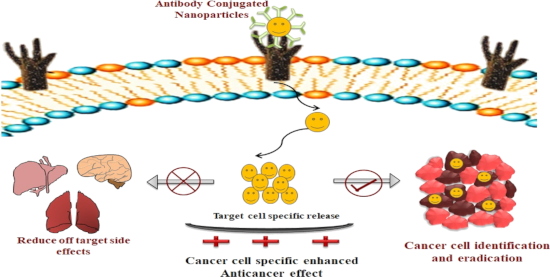
- improvement, further investigations are required. Moreover, extensive research is still required in the field of clinical safety of ACNPs to evolve a highly acceptable and beneficial delivery system for cancer theranosis. Future perspectives In cancer therapy, ACNPs have several advantages related to their
- , detection, and eradication of cancer cells and biomarkers, with great potential in theranostic applications. Despite these advantages, the design and fabrication of targeted NPs for cancer therapy is still very challenging regarding biocompatibility, pharmacokinetics, in vivo targeting efficacy, and cost



Nanotechnology – a robust tool for fighting the challenges of drug resistance in non-small cell lung cancer
Beilstein J. Nanotechnol. 2023, 14, 240–261, doi:10.3762/bjnano.14.23
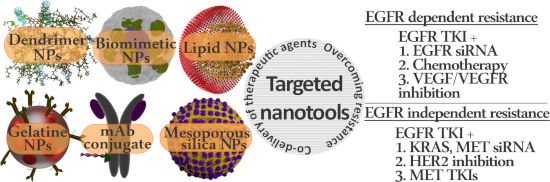
- siRNA in the downregulation of oncogenes offers numerous advantages in combinatorial lung cancer treatment for targeting mutations that contribute to the resistance to cancer therapy. Synthetic siRNA can be designed to inhibit any target gene expression and consequently prevent or decrease target
- contribute to cancer therapy resistance encouraged the therapeutic application of RNA interference as a powerful tool to fight resistant tumors. Knockdown of oncogenic genes involved in drug resistance combined with traditional therapy or molecularly targeted agents for subsequent tumor killing may alleviate


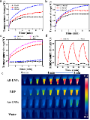
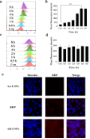
Facile preparation of Au- and BODIPY-grafted lipid nanoparticles for synergized photothermal therapy
Beilstein J. Nanotechnol. 2022, 13, 1432–1444, doi:10.3762/bjnano.13.118
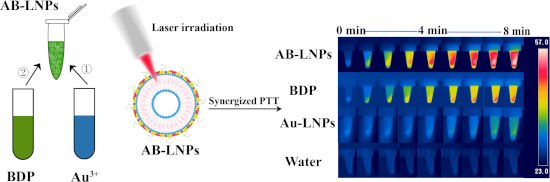
- specificity and minimal invasiveness, it has attracted a great deal of attention as complementary modality for conventional cancer therapy options [1]. Gold nanoparticles (AuNPs) can absorb light and generate heat from light absorption because of the surface plasmon resonance (SPR) phenomenon and the tunable
- delivery systems through van der Waals forces, hydrogen bonds, π–π stacking, or electrostatic or hydrophobic interactions [24]. Several BODIPYs have been reported to be loaded into liposomes for cancer therapy [25]. Therefore, we speculated that BODIPY can be associated with our previously reported




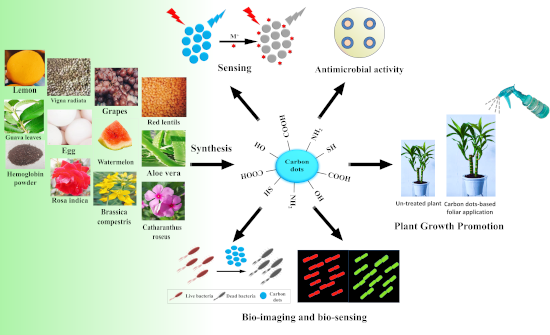
Recent advances in green carbon dots (2015–2022): synthesis, metal ion sensing, and biological applications
Beilstein J. Nanotechnol. 2022, 13, 1068–1107, doi:10.3762/bjnano.13.93




Engineered titania nanomaterials in advanced clinical applications
Beilstein J. Nanotechnol. 2022, 13, 201–218, doi:10.3762/bjnano.13.15
- (nanotubes, nanorods, nanowhiskers, nanoflower, nanotubes, nanobelts, or nanocrystals), and topographical features such as surface area, size (1–100 nm), and uncoordinated surface sites [26]. The photocatalytic nature of titania is greatly explored in antimicrobial studies as well as in photodynamic cancer
- therapy. The cytotoxic properties of TiO2 are related to differences in phase composition. The anatase phase has a higher toxicity due to its wider bandgap and effectiveness in the generation of ROS [27]. Lower amounts of ROS, which operate as redox signaling messengers, are essential for optimal


Biocompatibility and cytotoxicity in vitro of surface-functionalized drug-loaded spinel ferrite nanoparticles
Beilstein J. Nanotechnol. 2021, 12, 1339–1364, doi:10.3762/bjnano.12.99
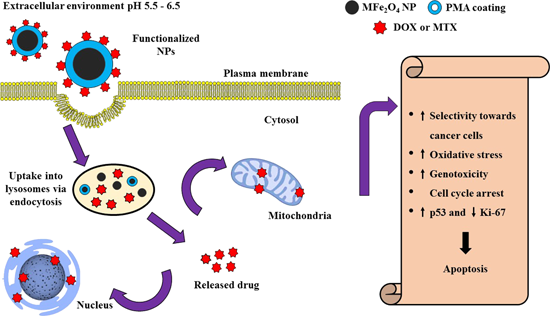
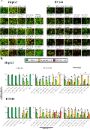
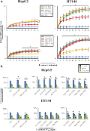
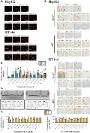
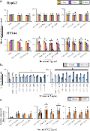
- spheroid diameter and up to 74 ± 8.9% of cell death after two weeks. In addition, they also inhibited multidrug resistance (MDR) pump activity in both cell lines suggesting effectivity in MDR cancers. Among the tested MFe2O4 NPs, CFO nanocarriers were the most favorable for targeted cancer therapy due to
- stability, magnetic properties (coercivity = 883 and saturation magnetization = 56 emu/g), and specificity towards cancer cells support CFO nanocarriers as promising candidates for targeted cancer therapy domains. However, further investigations regarding pathway analysis, in vivo cytotoxicity, and magnetic





pH-driven enhancement of anti-tubercular drug loading on iron oxide nanoparticles for drug delivery in macrophages
Beilstein J. Nanotechnol. 2021, 12, 1127–1139, doi:10.3762/bjnano.12.84
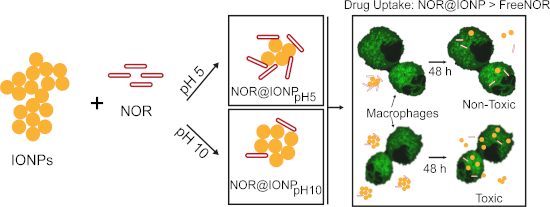
- biocompatibility and magnetic properties, have found applications in drug delivery, magnetic resonance imaging and treatment of iron deficiencies [3][4][5][6]. The property of hyperthermia has been found to be beneficial in localized drug release, particularly in cancer therapy [7]. In anti-cancer therapy, IONPs



Use of nanosystems to improve the anticancer effects of curcumin
Beilstein J. Nanotechnol. 2021, 12, 1047–1062, doi:10.3762/bjnano.12.78
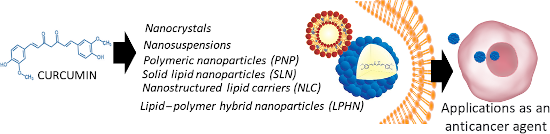
- that could impact the performance of CUR-based nanosystems as a cancer therapy option are also considered. Due to the large body of evidence supporting the bioactivity of CUR, it has been widely considered a suitable molecule to be encapsulated in order to increase and target its delivery. The evidence
- information, the aim of the present work is to summarize the improvements regarding anticancer effects obtained when CUR is encapsulated using various nanosized systems. Review Curcumin in cancer therapy Figure 1 summarizes the effects of CUR on cancerous processes, according to information generated from
- due to different rates of absorption and metabolism, thus, better responses may be achieved [18][39]. Curcumin nanosystems in cancer therapy Nanotechnology can improve the effects of conventional chemotherapeutic agents by reducing multidrug resistance, personalizing cancer treatment, decreasing


Comprehensive review on ultrasound-responsive theranostic nanomaterials: mechanisms, structures and medical applications
Beilstein J. Nanotechnol. 2021, 12, 808–862, doi:10.3762/bjnano.12.64
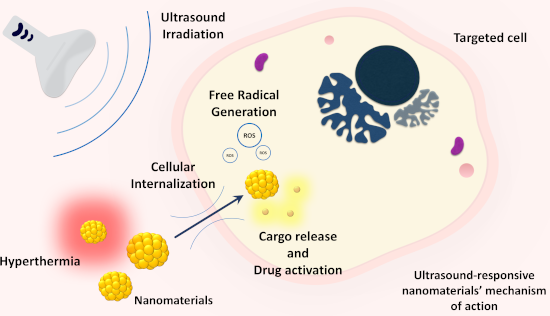
- cancer therapy [123]. Furthermore, ADV-generated MBs can provide contrast-enhanced imaging and increase the temperature during HIFU therapy due to the cavitation produced when using ultrasound contrast agents [115]. ADV-generated MBs with the proper density can facilitate uniform HIFU ablative treatment
- hyperthermia within the tumor while preserving healthy tissue from the undesirable side effects of heating [146]. The local production of heat can trigger drug release, intensify the cytotoxic effect of the loaded drugs, and eventually destroy the tumor cells. Therefore, the overall goal of cancer therapy can


Fate and transformation of silver nanoparticles in different biological conditions
Beilstein J. Nanotechnol. 2021, 12, 665–679, doi:10.3762/bjnano.12.53
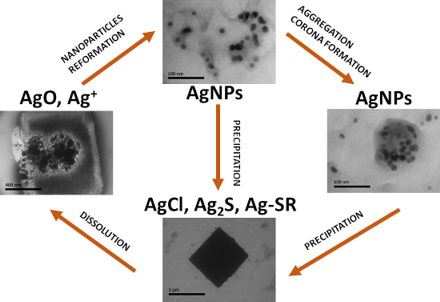
- , which listed more than 100 AgNP-containing food products [4]. The biomedical use of AgNPs represents the largest proportion of the market share [1] encompassing antimicrobial coatings on medical devices (catheters, stents, implants), wound dressings, targeted drug delivery, cancer therapy and




The impact of molecular tumor profiling on the design strategies for targeting myeloid leukemia and EGFR/CD44-positive solid tumors
Beilstein J. Nanotechnol. 2021, 12, 375–401, doi:10.3762/bjnano.12.31
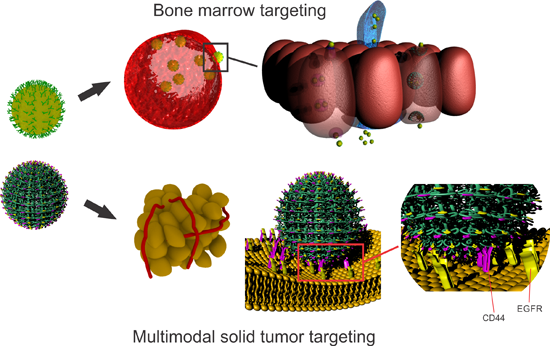
- simple techniques for the prediction and synthesis of native ligands for specific receptors. Advances in molecular targets for cancer therapy and their implications in nanoscale targeting strategies will be briefly presented in the following part of the article. EGFR is a member of the ErbB family of


Doxorubicin-loaded gold nanorods: a multifunctional chemo-photothermal nanoplatform for cancer management
Beilstein J. Nanotechnol. 2021, 12, 295–303, doi:10.3762/bjnano.12.24
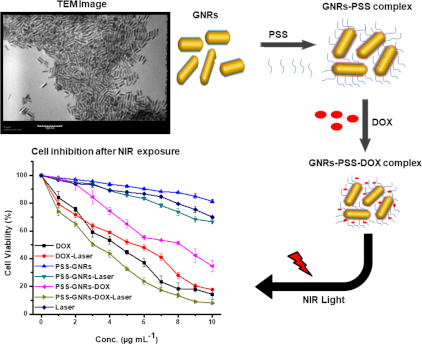
- , nanorods, nanoshells, and nanocages) have great potential in photothermal cancer therapy due to plasmonic properties and the ease of biofunctionalization. Gold nanorods (GNRs) are more preferable than other gold nanomaterials because of their photothermal conversion efficiency. Better nanotherapeutics can
- be obtained by utilizing external stimuli, such as pH value, light, or ultrasound, to deliver the anti-cancerous drug into tumor tissue with spatial and temporal control [14]. Photothermal therapy (PTT) is an emerging minimally invasive cancer therapy. It can efficiently induce cytotoxicity by
- of the drug to the cells after cell uptake. The decreased cytotoxicity of DOX-PSS-GNRs is because of a delayed drug release inside cells [23]. The PSS-GNRs nanocomplex shows potential as biocompatible nanocarrier for drug loading and delivery in cancer therapy. Arunkumar et al. have reported that DOX


PEG/PEI-functionalized single-walled carbon nanotubes as delivery carriers for doxorubicin: synthesis, characterization, and in vitro evaluation
Beilstein J. Nanotechnol. 2020, 11, 1728–1741, doi:10.3762/bjnano.11.155
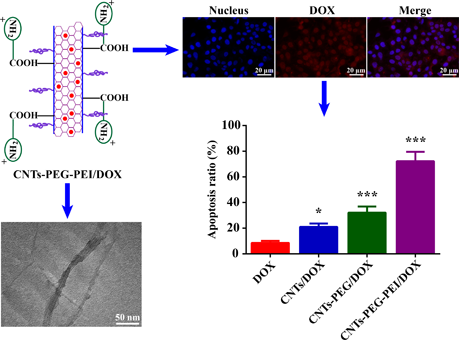
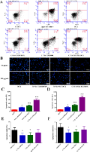
- the distribution in normal tissues, and to improve the biological half-lives [3][4][5][6]. Carbon nanotubes (CNTs) have attracted great interest for biomedical applications, including the delivery of bioactive molecules such as drugs, the targeted cancer therapy, and biological imaging, because of
- more efficient cell internalization and accumulation. The subsequent drug release and diffusion within the cytoplasm can induce apoptosis. The results suggest that CNTs-PEG-PEI may be developed to be a novel nanoscale delivery system of chemotherapeutic drugs for cancer therapy. Schematic




Transient coating of γ-Fe2O3 nanoparticles with glutamate for its delivery to and removal from brain nerve terminals
Beilstein J. Nanotechnol. 2020, 11, 1381–1393, doi:10.3762/bjnano.11.122
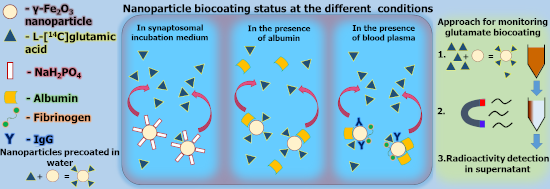
- neurological disorders. Excessive ambient glutamate concentration is a characteristic feature of, among others, stroke, brain trauma, epilepsy, and seizure development. Superparamagnetic γ-Fe2O3 nanoparticles are very promising in targeted drug delivery, cancer therapy, diagnostics, and hyperthermia treatment


Straightforward synthesis of gold nanoparticles by adding water to an engineered small dendrimer
Beilstein J. Nanotechnol. 2020, 11, 1110–1118, doi:10.3762/bjnano.11.95
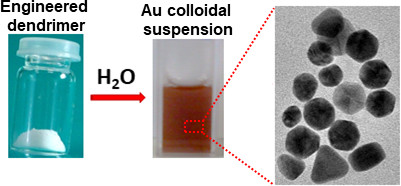
- for bio-imaging and cancer therapy [6][7]. In most cases, the synthesis of gold nanoparticles is carried out by the reaction between HAuCl4 and a reducing agent (in particular NaBH4) in the presence of a suitable compound to simultaneously prevent the aggregation of the nanoparticles and to stabilize


Applications of superparamagnetic iron oxide nanoparticles in drug and therapeutic delivery, and biotechnological advancements
Beilstein J. Nanotechnol. 2020, 11, 1092–1109, doi:10.3762/bjnano.11.94
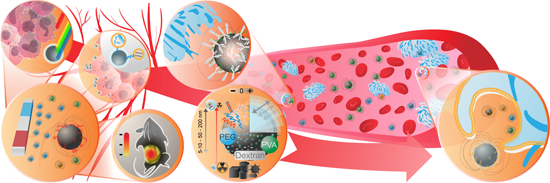
- , dendrimers, albumin, silicones, liposomes, poloxamer, poly-ʟ-lysine, sugars, or polyethylene glycol (PEG) [27][28][29][30][31][32][33]. Hyperthermia treatment for cancer therapy is still under scrutiny. It shows great potential due to the property of SPIONs to produce local heat when placed under an


Luminescent gold nanoclusters for bioimaging applications
Beilstein J. Nanotechnol. 2020, 11, 533–546, doi:10.3762/bjnano.11.42
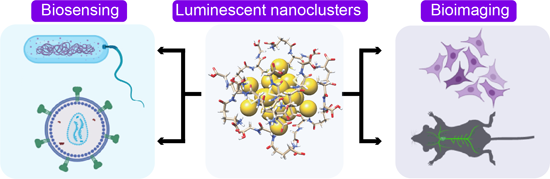
- functionalization of AuNCs also offers opportunities to develop NC-based radiosensitizers for cancer radiotherapy. Jia et al. reported atomically precise Au8 NCs capped with levonorgestrel [Au8(C21H27O2)8] NCs with yellow-green luminescence and a quantum yield of 58.7% as a radiosensitizer for enhanced cancer
- therapy [93]. The toxicity studies using human oesophageal squamous cancer cells (EC1) showed that when [Au8(C21H27O2)8] was used at a concentration near its IC10 value, the luminescence of the incubated samples increased from 0 to 8 h. The luminescence, however, disappeared after 24 h indicating


Multilayer capsules made of weak polyelectrolytes: a review on the preparation, functionalization and applications in drug delivery
Beilstein J. Nanotechnol. 2020, 11, 508–532, doi:10.3762/bjnano.11.41
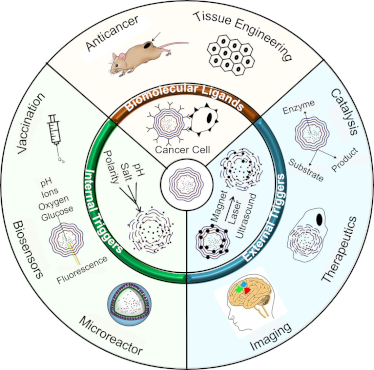
- cell line showed a rapid uptake, demonstrating the potential for cancer therapy. Silica and gold NPs were assembled in a one pot assembly of specifically tailored diblock polymers of PLL and poly-ʟ-cysteine [82]. The electrostatic binding between the positively charged lysine blocks and negatively


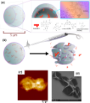

Brome mosaic virus-like particles as siRNA nanocarriers for biomedical purposes
Beilstein J. Nanotechnol. 2020, 11, 372–382, doi:10.3762/bjnano.11.28
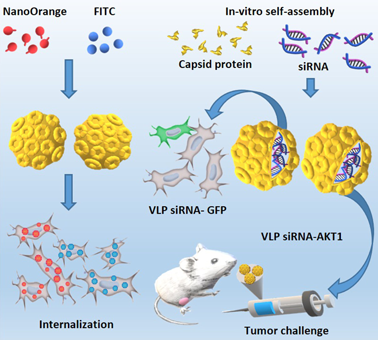
- Educación Superior de Ensenada, Baja California, (CICESE), Ensenada, Baja California, México 10.3762/bjnano.11.28 Abstract There is an increasing interest in the use of plant viruses as vehicles for anti-cancer therapy. In particular, the plant virus brome mosaic virus (BMV) and cowpea chlorotic mottle
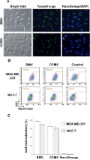
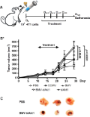
- and the gene silencing. In addition, BMV VLP carring siAkt1 inhibited the tumor growth in mice. These results show the attractive potential of plant virus VLPs to deliver molecular therapy to tumor cells with low immunogenic response. Keywords: anti-cancer therapy; brome mosaic virus (BMV); cowpea


Poly(1-vinylimidazole) polyplexes as novel therapeutic gene carriers for lung cancer therapy
Beilstein J. Nanotechnol. 2020, 11, 354–369, doi:10.3762/bjnano.11.26
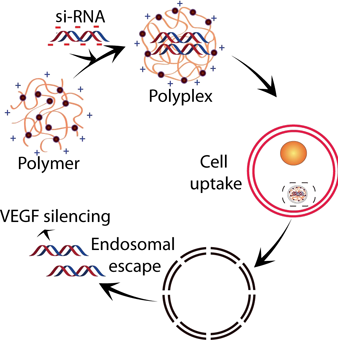
- morphology after treatment with siRNA complexes, a subtle reduction in the tendency of the cells to interact with each other is discernible in the cells treated with the PVI–siRNA complex where the cells appear to lose contact with each other. This may be suitable for cancer therapy as the treatment may
- was found that this gene is overexpressed in several epithelial cancers including breast and colorectal and serves as an oncogene [12]. The down-regulation may therefore be a positive indicator for lung cancer therapy. The silencing of PHF6 has been shown to inhibit the migration of hepatocellular


Using gold nanoparticles to detect single-nucleotide polymorphisms: toward liquid biopsy
Beilstein J. Nanotechnol. 2020, 11, 263–284, doi:10.3762/bjnano.11.20
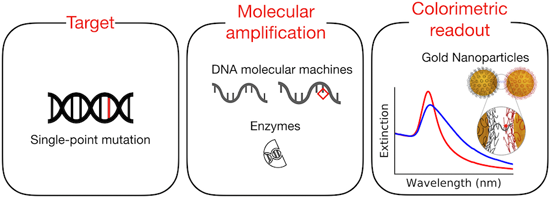
- -art of advanced techniques in the field of genomics such as digital PCR, next generation sequencing (NGS), fluorescence in situ hybridization (FISH) and BEAMing. These facilitate the fast design of mutational profiles of tumor DNA, helping the prioritization of anti-cancer therapy. Although these