Search results
Search for "carbon" in Full Text gives 1261 result(s) in Beilstein Journal of Nanotechnology. Showing first 200.
Time of flight secondary ion mass spectrometry imaging of contaminant species in chemical vapour deposited graphene on copper
Beilstein J. Nanotechnol. 2026, 17, 200–213, doi:10.3762/bjnano.17.13
- elements such as carbon or oxygen. Surface carbon contamination on Cu foils, particularly for higher-purity Cu foils, typically originates from the cold rolling process, where oils are important to balance friction properties and cool the strip and rolls. Surface roughness of the Cu foils was measured with
- × 10−2 mbar. The Cu foils were placed into the CVD chamber and the temperature was ramped to 1065 °C at 100 °C/min in either an Ar atmosphere (Ar) or a 4:1 (200 SCCM:50 SCCM) mixture of Ar and H2 (Ar:H2). The samples were then held at 1065 °C for an annealing time of 30 min. Subsequently, the carbon
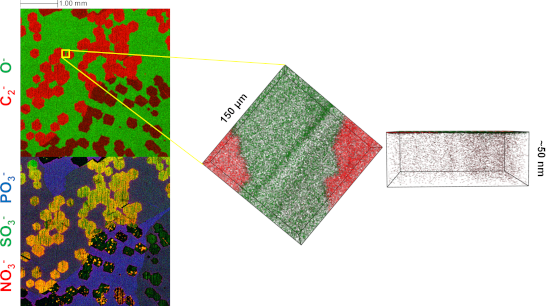
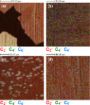
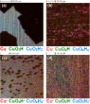
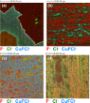
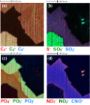
- Discussion ToF-SIMS imaging of graphene grown on Cu foils after various surface pre-treatments, as shown in Figure 1, reveals dramatic differences in the nucleation density of graphene. Using the negative secondary ion signal from polyatomic carbon ions (Cn−), which are indicative of graphene, coming from





From shield to spear: Charge-reversible nanocarriers in overcoming cancer therapy barriers
Beilstein J. Nanotechnol. 2026, 17, 159–175, doi:10.3762/bjnano.17.10
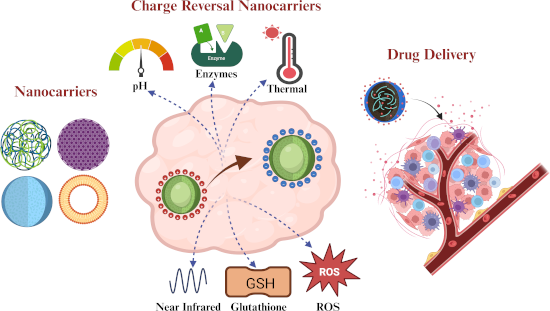
- , nanocarriers encompass diverse types including polymeric nanoparticles, liposomes, micelles, dendrimers, lipid-based carriers, carbon-based nanomaterials, and gold nanoparticles. They exhibit versatile structures (1–100 nm) with diverse morphologies (e.g., spherical, tubular, or conical shapes [14]). With
- platforms by emphasizing biodegradability, biocompatibility, and high positive surface potentials to optimize cellular uptake and endosomal escape. Addressing safety and regulatory challenges, especially for inorganic materials such as carbon nanotubes and mesoporous silica nanoparticles and optimizing


Functional surface engineering for cultural heritage protection: the role of superhydrophobic and superoleophobic coatings – a comprehensive review
Beilstein J. Nanotechnol. 2026, 17, 63–96, doi:10.3762/bjnano.17.6
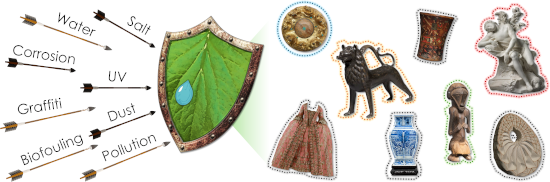
- protection. Gryparis et al. [65] investigated self-cleaning photocatalytic coatings to protect cementitious materials from environmental pollutants (i.e., methylene blue (MB) and methyl orange (MO)). Titanium dioxide, known for its photocatalytic properties, was combined with carbon dots (C-dots) to enhance





Reduced graphene oxide paper electrode for lithium-ion cells – towards optimized thermal reduction
Beilstein J. Nanotechnol. 2026, 17, 24–37, doi:10.3762/bjnano.17.3
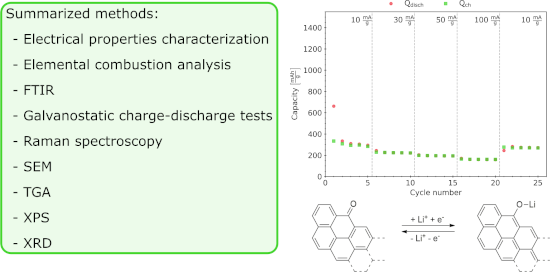
- lithium sulfur batteries [19]. Such an improvement is enabled by the graphene-like structure and the defects within the flakes, represented not only by non-regular rings in the carbon lattice but also by the presence of oxygen functionalities and their percentile content [20][21][22]. A schematic
- eV (0.1 eV step) pass energy in the analyzer and the photoelectron take-off angle at 45°. In order to maintain a constant sample surface potential, a dual beam charge compensation with 7 eV Ar+ ions and 1 eV electrons was used. The aliphatic carbon C 1s line at 285.0 eV was used as a charge reference
- D peak [45]. The peak denoted as B (also denoted as D') is said to be related to Stone–Wales defects (5-7-7-5 rings), 5-8-5 rings [21], and other irregularities in the carbon rings. The D+G peak is of graphene/graphitic origin [21]. Upon reduction, the A and D'' peaks increased, suggesting an



Quantitative estimation of nanoparticle/substrate adhesion by atomic force microscopy
Beilstein J. Nanotechnol. 2026, 17, 1–14, doi:10.3762/bjnano.17.1

- are immobilized on supports like carbon-based materials or TiO2 to prevent aggregation and to maintain catalytic activity, strong adhesion is required [11]. To improve adhesion, Au NPs have been stabilized on SiO2 substrates by embedding them into an organometallic layer, effectively immobilizing the




Improving magnetic properties of Mn- and Zn-doped core–shell iron oxide nanoparticles by tuning their size
Beilstein J. Nanotechnol. 2025, 16, 2285–2295, doi:10.3762/bjnano.16.157
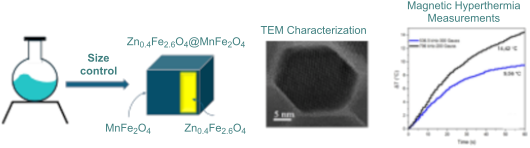
- and sizes were obtained using a CM200 TEM from Philips with an acceleration voltage of 200 kV, a point resolution of approximately 0.27 nm and a magnification from 50.000× to 750.000×. One drop of a diluted solution of NPs in toluene was deposited on a holey carbon grid. The latter was heated on a hot



Visualizing nanostructures in supramolecular hydrogels: a correlative study using confocal and cryogenic scanning electron microscopy
Beilstein J. Nanotechnol. 2025, 16, 2274–2284, doi:10.3762/bjnano.16.156
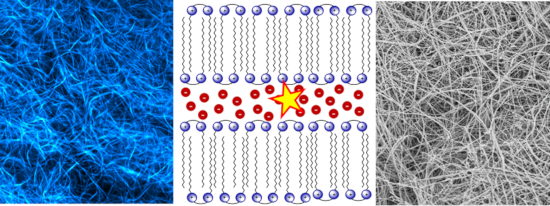
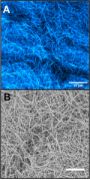
- Shaun M. Smith Ferdinando Malagreca Jacqueline Hicks Giuseppe Mantovani David B. Amabilino Christopher Parmenter Lluisa Perez-Garcia School of Chemistry, GSK Carbon Neutral Laboratories for Sustainable Chemistry, University of Nottingham, Triumph Road, NG7 2TU, United Kingdom Nanoscale and


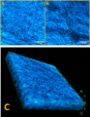
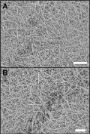
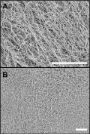

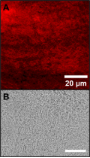
Optical bio/chemical sensors for vitamin B12 analysis in food and pharmaceuticals: state of the art, challenges, and future outlooks
Beilstein J. Nanotechnol. 2025, 16, 2207–2244, doi:10.3762/bjnano.16.153
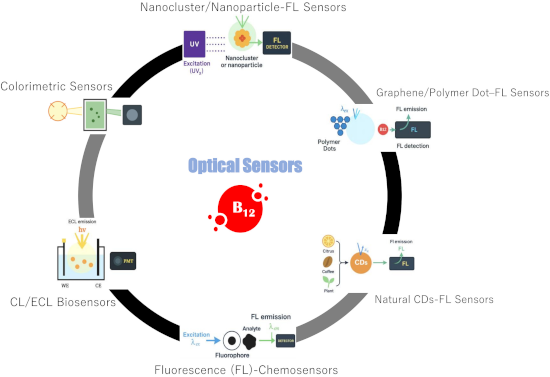
- biosensing platforms in detecting Co2+ ions and VB12 using RNA aptamer–gold nanoparticles colorimetric sensors, surface plasmon resonance sensors, chemiluminescence and electrochemiluminescence biosensors, and fluorescence biosensors (i.e., chemosensors, nanoclusters/nanoparticles-based sensors, and carbon
- biosensors into cellular bioimaging and the potential for non-invasive in vitro and in vivo analysis demonstrate their versatility and applicability across a broad spectrum of biomedical research, diagnostics, and nutrient analysis. Keywords: carbon dots; cobalamin; energy transfer; fluorescence sensor
- VB12 is that it has experienced a process called ring contraction. In this change, one of the carbon atoms that usually links the four pyrrole rings together is removed. This alteration results in a tighter and unevenly shaped large ring (corrin), making it different from the broader and more


Ultrathin water layers on mannosylated gold nanoparticles
Beilstein J. Nanotechnol. 2025, 16, 2183–2198, doi:10.3762/bjnano.16.151
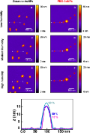
- electrons in SEM (only the gold cores were observed as bright features). We recorded STEM images of dimanno-AuNPs deposited on a carbon-coated TEM grid to visualize the layer. We employed uranyl as a stain, a soluble heavy-metal cation that attaches to the hydrophilic parts of the organic coating, providing
- good contrast [25]. The STEM images in dark-field mode (imaging scattered electrons) show the gold cores as bright structures, whereas the thin organic layers are darker. The carbon grid yields practically no scattering and appears essentially black, such that both the core and shell of the particles
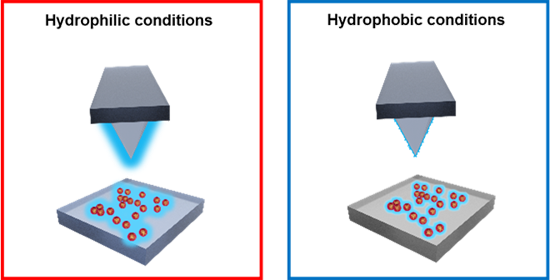
- repeated the experiments under hydrophobic conditions: We employed OTS silicon surfaces and hydrophobic carbon AFM tips. From this, we exclude that the observed phenomena is specific for the type of surface [36] or based on mechanical contact between tip and surface [22][23][37]. The ∆z value under ambient



Missing links in nanomaterials research impacting productivity and perceptions
Beilstein J. Nanotechnol. 2025, 16, 2168–2176, doi:10.3762/bjnano.16.149
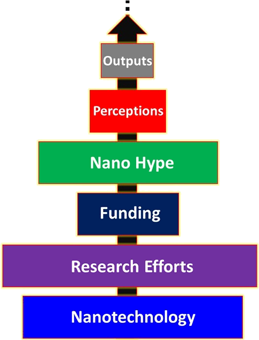
- broader nanotechnology over this period have ranged from half a trillion to nearly one trillion US dollars, roughly $400 billion from government sources and a comparable amount from industry [13][14][15]. Moreover, on the basis of data indexed in Web of Science and Scopus, it is evident that carbon
- , though nanomaterials research has made impressive scientific advances, its translation into mass-market products remains partial. Therefore, it raises a vital and valid question: Why are heavily researched nanomaterials such as carbon nanotubes, graphene, metal oxides, quantum dots, and MXenes still so
- conventional bulk materials toward advanced nanoscale innovations. Acknowledgements SKT gratefully acknowledges that the conception of this paper was inspired during the Indian Conference on Carbon Materials-2023 (ICCM-2023), held at BARC, Mumbai, where he had the privilege of serving as an invited speaker
Microplastic pollution in Himalayan lakes: assessment, risks, and sustainable remediation strategies
Beilstein J. Nanotechnol. 2025, 16, 2144–2167, doi:10.3762/bjnano.16.148
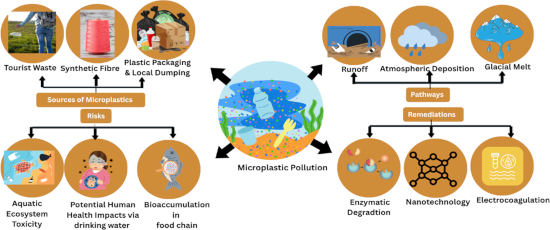
- methods are easy to implement and scalable but lack efficiency in open, natural environments such as Himalayan lakes and often require energy-consuming setups [43]. Research also indicates that sophisticated filtering systems, including granular activated carbon (GAC) filters, effectively capture small
- most promising among them are photocatalytic processes that utilize titanium dioxide nanoparticles under UV radiation. These are very efficient degradation processes for degrading plastics to carbon dioxide (CO2) and water [43]. Fenton reactions, involving a mixture of hydrogen peroxide and iron
- is TiO2, which is known for being stable, effective, and able to produce ROS when exposed to UV light [43]. The effectiveness of TiO2 has been improved recently by doping it with nonmetals like sulfur and nitrogen or combining it with carbon-based compounds like graphene. According to Xiao et al


Electron transport through nanoscale multilayer graphene and hexagonal boron nitride junctions
Beilstein J. Nanotechnol. 2025, 16, 2132–2143, doi:10.3762/bjnano.16.147
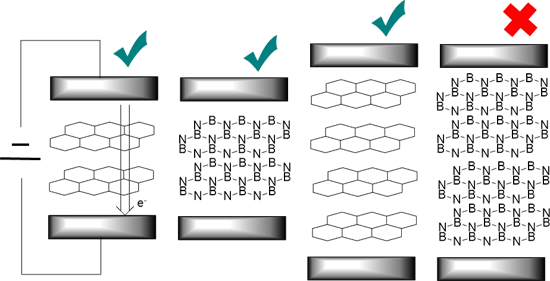
- Aleksandar Staykov Takaya Fujisaki International Institute for Carbon Neutral Energy Research (WPI-I2CNER), Kyushu University, Japan Faculty of Materials for Energy, Shimane University, Japan 10.3762/bjnano.16.147 Abstract In this study, we employ the non-equilibrium Green’s function (NEGF
- enabled us to extrapolate trends for electron transport in thicker multilayer carbon and h-BN materials. Keywords: NEGF; DFT; nano-junction; Introduction Multilayer graphene nanomaterials exhibit interesting electronic properties and find application in battery electrode materials [1], electrocatalysis
- -plane and the inter-plane electron transport in nanoscale graphene are strongly related to the overlap integral between the 2pz atomic orbitals (AOs) at adjacent carbon sites given in Equation 1. The overlap integral is a function of the distance and angle between the two 2pz AOs. In-plane overlap has π


Toward clinical translation of carbon nanomaterials in anticancer drug delivery: the need for standardisation
Beilstein J. Nanotechnol. 2025, 16, 2092–2104, doi:10.3762/bjnano.16.144

- Michal Bartkowski Francesco Calzaferri Silvia Giordani School of Chemical Sciences, Dublin City University, Glasnevin, Dublin, Ireland Life Science Institute, Dublin City University, Glasnevin, Dublin, Ireland 10.3762/bjnano.16.144 Abstract Carbon nanomaterials (CNMs), including graphene, carbon
- nanotubes, and carbon dots, have attracted considerable interest as nanocarriers for drug delivery due to their unique physicochemical properties. Their high surface area, biocompatibility, and modifiable surface chemistry make them highly attractive for a range of biomedical applications. However, concerns
- enhancing therapeutic delivery, particularly in areas such as cancer treatment. This perspective highlights critical considerations in the development of CNM-based nanocarriers, spanning from initial design to clinical implementation. Keywords: carbon nanomaterials (CNMs); carbon nanoparticles (CNPs); drug




Stereodiscrimination of guests in chiral organosilica aerogels studied by ESR spectroscopy
Beilstein J. Nanotechnol. 2025, 16, 2034–2054, doi:10.3762/bjnano.16.140
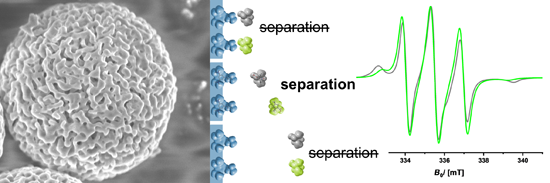
- were prepared accordingly [50]. For similar hydrolysis and condensation kinetics compared to the organosilane sol–gel precursors (see below), tetraisopropoxysilane (Si(OiPr)4) was used as a sol–gel precursor. After solvent exchange of the wet gel, supercritical drying with carbon dioxide delivered the




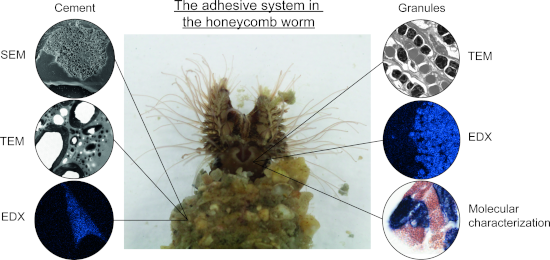
The cement of the tube-dwelling polychaete Sabellaria alveolata: a complex composite adhesive material
Beilstein J. Nanotechnol. 2025, 16, 1998–2014, doi:10.3762/bjnano.16.138
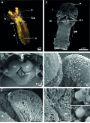
- electron imaging, the anterior parts of a few worms as well as some reconstructed tube fragments were fixed in Bouin’s fluid for 24 h, dehydrated in graded ethanol, dried by the critical-point method, and mounted on aluminium stubs using carbon adhesive tabs. The samples were then coated with gold
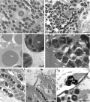
- analysis on six cement spots from natural tubes embedded in epoxy resin (Figure 5D). Our measurements revealed that, in addition to carbon and oxygen, the cement primarily consisted of calcium (15.5% ± 4.5%) and phosphorus (3.7% ± 1.1%). Additionally, we detected smaller amounts of sulfur (0.6% ± 0.1



Laser ablation in liquids for shape-tailored synthesis of nanomaterials: status and challenges
Beilstein J. Nanotechnol. 2025, 16, 1963–1997, doi:10.3762/bjnano.16.137
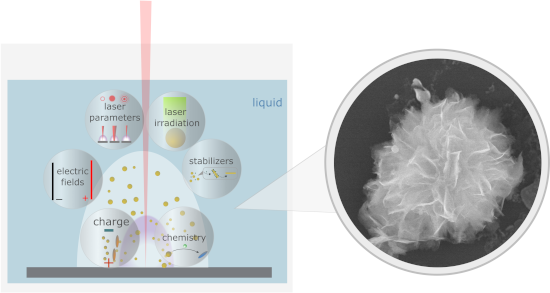
- layered materials, resulting in 2D nanostructures. This approach is utilized for the formation of carbon-based and metal dichalcogenide nanosheets. Apart from gases, ions and molecules present in the solution can participate in the exfoliation as well as applied ultrasound. The application of ultrasound





Self-assembly and adhesive properties of Pollicipes pollicipes barnacle cement protein cp19k: influence of pH and ionic strength
Beilstein J. Nanotechnol. 2025, 16, 1863–1872, doi:10.3762/bjnano.16.129
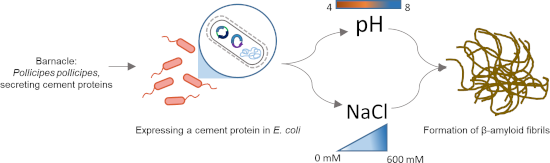
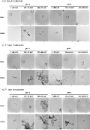
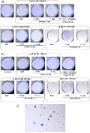
- rPpolcp19k-his protein (500 µg/mL), incubated for 0, 3, 11, or 21 days under varying pH and NaCl conditions, was applied to 200 mesh Cu formvar/carbon-coated grids (Agar Scientific) and allowed to settle for 5 min. Grids were washed three times in phosphate-buffered saline for 5 min each, followed by three


Current status of using adsorbent nanomaterials for removing microplastics from water supply systems: a mini review
Beilstein J. Nanotechnol. 2025, 16, 1837–1850, doi:10.3762/bjnano.16.127
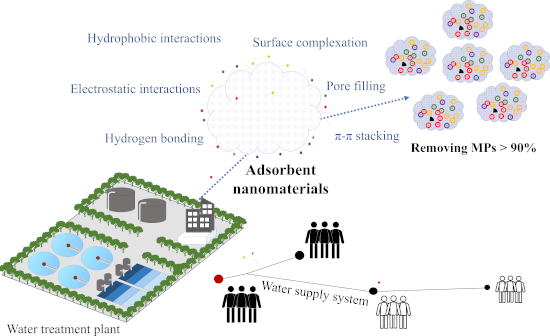
- materials provide a foundation for developing sustainable, effective solutions to mitigate MPs pollution in the water supply system. Keywords: adsorbent interactions; adsorbent nanomaterials; carbon-based adsorbents; metal-organic frameworks (MOFs); microplastics (MPs); Introduction Plastic materials have
- methods Adsorbent nanomaterials have recently shown great potential for removing MPs. They can be classified into four main groups, including carbon-based adsorbents, metal-organic frameworks (MOFs), magnetic nanomaterials, and aerogels and sponge-based adsorbents [49]. These materials are fabricated and
- reaction pathways of these materials. Classification and potential of adsorbent nanomaterials Carbon-based adsorbents. Carbon-based adsorbents, such as graphene oxide (GO), activated carbon, biochar, and carbon nanotubes (CNTs), have been extensively investigated regarding the treatment of pollutants in


Further insights into the thermodynamics of linear carbon chains for temperatures ranging from 13 to 300 K
Beilstein J. Nanotechnol. 2025, 16, 1818–1825, doi:10.3762/bjnano.16.125
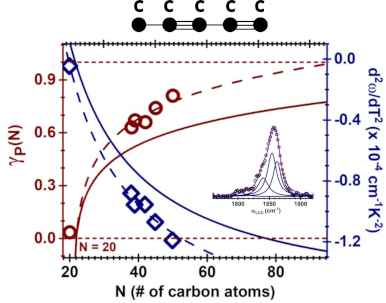
- University, 77 Yongbong-ro, Buk-gu, Gwangju 61186, Republic of Korea Faculty of Engineering, Shinshu University, 4-17-1 Wakasato, Nagano-shi 380-8553, Japan 10.3762/bjnano.16.125 Abstract It was recently shown that small bundles of linear carbon chains (LCC) encapsulated by double- and multi-wall carbon
- (T) and its first and second derivatives with relation to T, dωLCC/dT, and d2ωLCC/dT2. The C-band is a Raman spectroscopic signature for LCC, which is not only temperature-dependent but also dependent on the number of carbon atoms (N) constituting the LCC. In this present study, we extend these
- unchanged. Our measurements were performed in both isolated and small bundles of LCC@MWCNT, which allowed us to demonstrate that small bundles or isolated environments do not seem to influence the vibrational and thermodynamic properties measured. Keywords: carbon nanotubes; Debye model; Grüneisen


![[Graphic 23]](/bjnano/content/inline/2190-4286-16-125-i25.svg?max-width=637&scale=1.18182)
Piezoelectricity of layered double hydroxides: perspectives regarding piezocatalysis and nanogenerators
Beilstein J. Nanotechnol. 2025, 16, 1812–1817, doi:10.3762/bjnano.16.124

- authors’ claims have been excluded from the table and the figure but left in the text. A Ni/Fe-LDH piezoelectric nanogenerator was used to charge an asymmetric supercapacitor made from the as-prepared Ni/Fe-LDH and biomass-derived activated carbon as the positive and negative electrode [7]. The Ni/Fe-LDH

Electrical, photocatalytic, and sensory properties of graphene oxide and polyimide implanted with low- and medium-energy silver ions
Beilstein J. Nanotechnol. 2025, 16, 1794–1811, doi:10.3762/bjnano.16.123
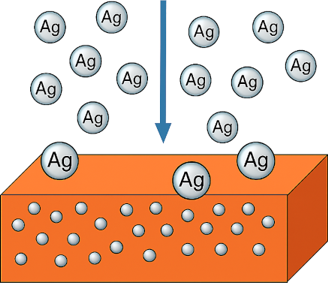
- activity in polymeric and carbon-based materials is essential for advancing technologies in environmental sensing, flexible electronics, and photocatalytic systems. Conventional chemical modification methods often lack spatial precision, introduce impurities, and risk structural degradation. Ion
- , and C–O) and the simultaneous transformation of the amorphous polymer phase into a graphitized structure with higher electrical parameters [9]. This results in carbon regions rich in conjugated π-electron systems, which allow for efficient charge delocalization and the formation of conducting pathways
- −2, it increases by 7 atom %. More pronounced changes in atomic concentration are evident for GO implanted with Ag ions with an energy of 1.5 MeV. There is an obvious gradient where the atomic concentration of carbon increases slightly with increasing ion fluence to 71 atom % for an ion fluence of 1


Exploring the potential of polymers: advancements in oral nanocarrier technology
Beilstein J. Nanotechnol. 2025, 16, 1751–1793, doi:10.3762/bjnano.16.122


Advances of aptamers in esophageal cancer diagnosis, treatment and drug delivery
Beilstein J. Nanotechnol. 2025, 16, 1734–1750, doi:10.3762/bjnano.16.121
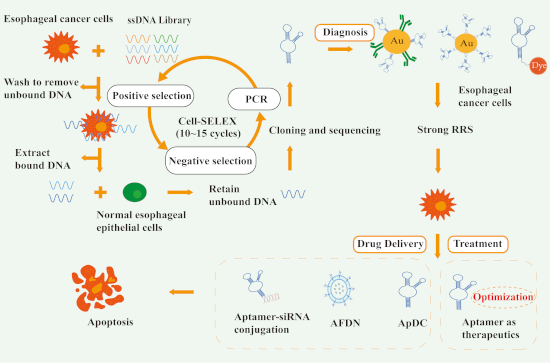
- structural modification. [26]. Aptamer-based biosensors [27] fully utilize these characteristics by combining various signal amplification techniques and nanomaterials (such as metal nanoparticles, quantum dots, silica nanoparticles, and carbon nanotubes), enabling highly sensitive detection of biomarkers


Multifunctional anionic nanoemulsion with linseed oil and lecithin: a preliminary approach for dry eye disease
Beilstein J. Nanotechnol. 2025, 16, 1711–1733, doi:10.3762/bjnano.16.120
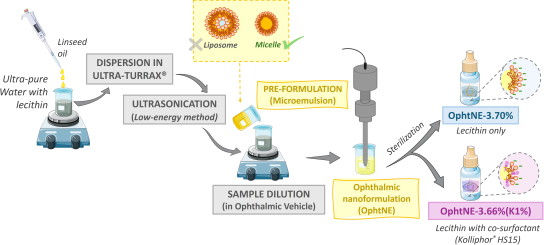
- was analyzed using transmission electron microscopy (TEM) with a MORGAGNI 268D (FEI Company, USA), operated at 80 kV. Before imaging, the samples were sonicated in an ultrasound bath for 15 min, and a drop of the suspension was placed onto a copper grid (200 mesh) coated with formvar/carbon. Excess
- viscosity (p < 0.05). Linseed oil consists predominantly of unsaturated fatty acids, characterized by long hydrocarbon chains containing double bonds between carbon atoms. At higher temperatures, these double bonds relax and undergo configurational changes from cis to trans, leading to distortions in the




Ambient pressure XPS at MAX IV
Beilstein J. Nanotechnol. 2025, 16, 1677–1694, doi:10.3762/bjnano.16.118
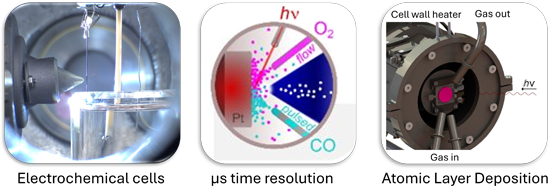
- sheet. This well-defined platform mimics the structure of metal–nitrogen–carbon catalysts used in oxygen reduction reactions (ORRs). Using a combination of results obtained from APXPS at HIPPIE and pump–probe infrared–visible sum-frequency generation (SFG) in a dedicated setup at the Department of
- used to study the growth of SEIs at the interface between a 1 M LiPF6 in propylene carbonate electrolyte solution and a glassy carbon working electrode in a two-electrode cell with a Li metal counter electrode [71]. Here, XPS of the electrode–solution interface was measured at series of voltage steps