


Search results
Search for "carbon nanotubes (CNTs)" in Full Text gives 139 result(s) in Beilstein Journal of Nanotechnology.
Studies of probe tip materials by atomic force microscopy: a review
Beilstein J. Nanotechnol. 2022, 13, 1256–1267, doi:10.3762/bjnano.13.104
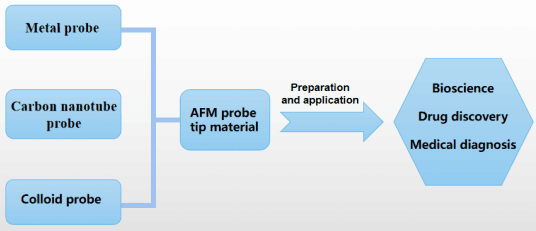
- can also be used as a nanolight source or nanoscalpel to manipulate and operate on cells directly. Carbon nanotube probe Carbon nanotubes (CNTs) are considered an ideal AFM tip material due to their small diameter, high aspect ratio, mechanical robustness, large Young's modulus, and well-defined
Nanoarchitectonics of the cathode to improve the reversibility of Li–O2 batteries
Beilstein J. Nanotechnol. 2022, 13, 689–698, doi:10.3762/bjnano.13.61
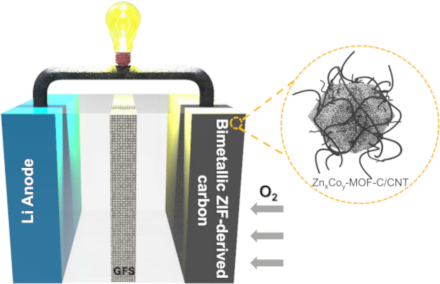
- metallic catalysts can also be obtained by adjusting metal ions for outstanding electrochemical reactions. In this study, various bimetallic zeolitic imidazolate framework (ZIF)-derived carbons were designed by varying the ratio of Zn to Co ions. Moreover, carbon nanotubes (CNTs) are added to improve the
- [38]. Herein, we demonstrate bimetallic ZIF-derived carbon materials to combine the advantages of both ZIF-8- and ZIF-67-derived carbon materials. For practical use, bimetallic ZIFs with different ratios of Zn/Co were directly grown on carbon nanotubes (CNTs) to secure electrical conductivity and



Electrostatic pull-in application in flexible devices: A review
Beilstein J. Nanotechnol. 2022, 13, 390–403, doi:10.3762/bjnano.13.32
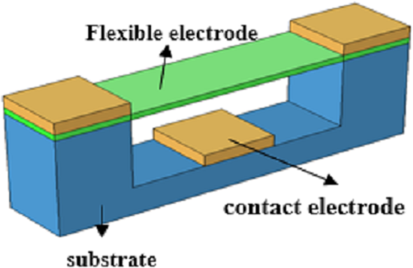
- structure of the flexible devices. Nanoelectromechanical (NEM) switches made of carbon nanotubes (CNTs) [2][3][4], graphene (GR) [5][6][7], nanowires (NWs) [8][9][10], and other flexible materials are the most basic devices for a variety of component and system level applications, such as low-loss switches


Micro- and nanotechnology in biomedical engineering for cartilage tissue regeneration in osteoarthritis
Beilstein J. Nanotechnol. 2022, 13, 363–389, doi:10.3762/bjnano.13.31
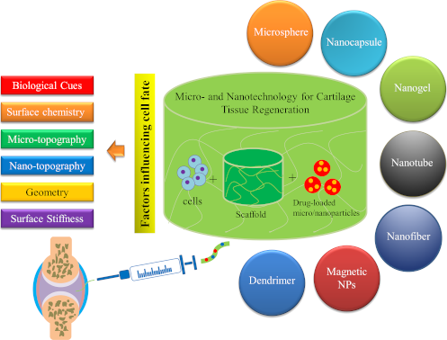
- carbon, silicon, boron, and halloysite clay sheets and possess unique physicochemical properties. Among nanotube structures, much attention has been paid to carbon nanotubes (CNTs) because of their excellent mechanical and tensile strength properties, thermal and electrical conductivity, and high surface


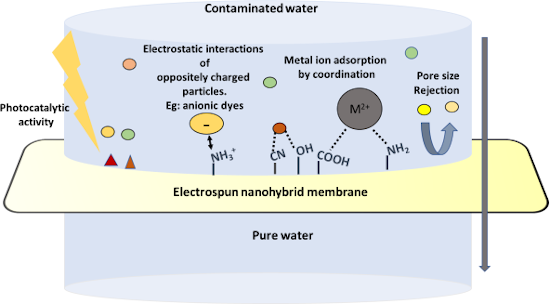
A comprehensive review on electrospun nanohybrid membranes for wastewater treatment
Beilstein J. Nanotechnol. 2022, 13, 137–159, doi:10.3762/bjnano.13.10





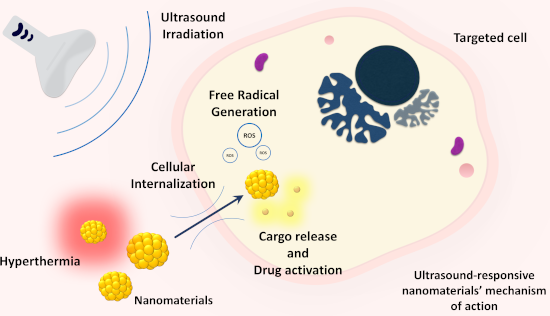
Comprehensive review on ultrasound-responsive theranostic nanomaterials: mechanisms, structures and medical applications
Beilstein J. Nanotechnol. 2021, 12, 808–862, doi:10.3762/bjnano.12.64


A review on the biological effects of nanomaterials on silkworm (Bombyx mori)
Beilstein J. Nanotechnol. 2021, 12, 190–202, doi:10.3762/bjnano.12.15
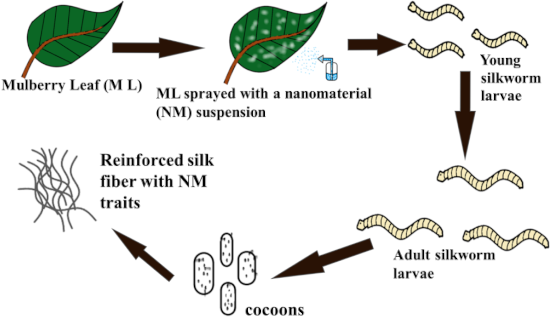
- ][158]. Improving the luster and the quality of silkworm silk is imperative and studies are being carried out in this direction. Feeding silkworms with nanomaterials, such as carbon nanotubes (CNTs), titanium dioxide, copper, and graphene has been reported to improve the mechanical properties and


A review on the green and sustainable synthesis of silver nanoparticles and one-dimensional silver nanostructures
Beilstein J. Nanotechnol. 2021, 12, 102–136, doi:10.3762/bjnano.12.9


ZnO and MXenes as electrode materials for supercapacitor devices
Beilstein J. Nanotechnol. 2021, 12, 49–57, doi:10.3762/bjnano.12.4
- used, for example, in water purification, as electrochemical actuators, as transparent conductive electrodes, and as biosensors [21][22][28]. To enhance the performance of MXene supercapacitors, a variety of materials, such as graphene and carbon nanotubes (CNTs), tin(IV) oxide (SnO2), and iron(III

Free and partially encapsulated manganese ferrite nanoparticles in multiwall carbon nanotubes
Beilstein J. Nanotechnol. 2020, 11, 1891–1904, doi:10.3762/bjnano.11.170
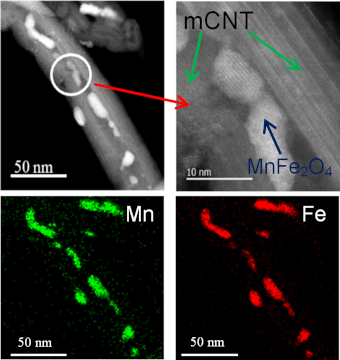
- carbon nanotubes (CNTs), researchers have been interested in functionalizing, inserting, and encapsulating materials inside their inner cavities. Processes related to functionalizing and inserting nanomaterials (i.e., directly implanting as-synthesized nanomaterials into CNTs) have been widely reported




Kondo effects in small-bandgap carbon nanotube quantum dots
Beilstein J. Nanotechnol. 2020, 11, 1873–1890, doi:10.3762/bjnano.11.169
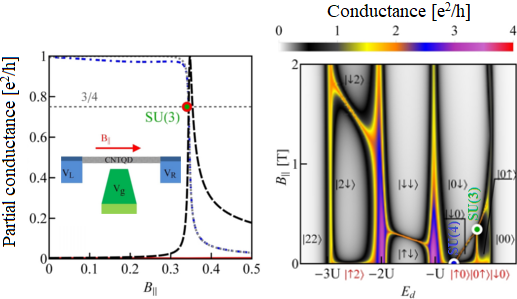
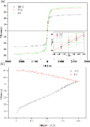
- , mechanical, and magnetic properties carbon nanotubes (CNTs) are of great interest in molecular electronics and spintronics with potential applications, for example, as field-effect transistors, nanoelectromechanical devices, logic gates, spin valves, spin diodes, and spin batteries [1][2][3][4][5][6][7][8][9

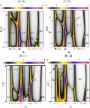



![[Graphic 37]](/bjnano/content/inline/2190-4286-11-169-i52.svg?max-width=637&scale=1.18182) as a functio...
as a functio...


Towards 3D self-assembled rolled multiwall carbon nanotube structures by spontaneous peel off
Beilstein J. Nanotechnol. 2020, 11, 1865–1872, doi:10.3762/bjnano.11.168
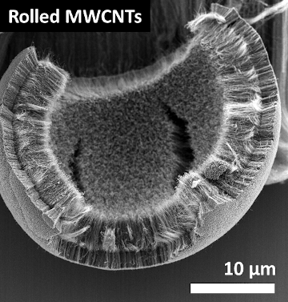
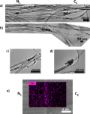
- ; multiwall carbon nanotubes; nitrogen doping; peel off; rolled carbon nanotubes; Introduction Carbon nanotubes (CNTs) are popular materials used in various applications [1]. These tubular hollow carbon nanomaterials have proven to be useful in multiple scientific fields [2][3][4][5][6]. Complex structures



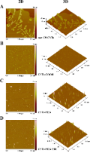
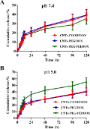
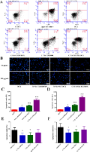
PEG/PEI-functionalized single-walled carbon nanotubes as delivery carriers for doxorubicin: synthesis, characterization, and in vitro evaluation
Beilstein J. Nanotechnol. 2020, 11, 1728–1741, doi:10.3762/bjnano.11.155
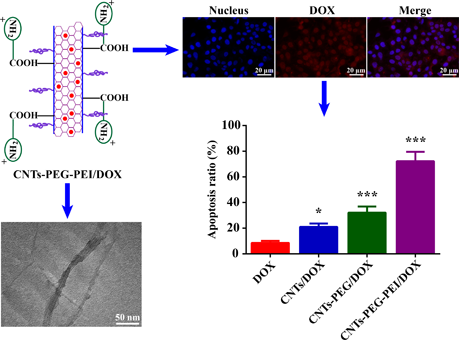
- the distribution in normal tissues, and to improve the biological half-lives [3][4][5][6]. Carbon nanotubes (CNTs) have attracted great interest for biomedical applications, including the delivery of bioactive molecules such as drugs, the targeted cancer therapy, and biological imaging, because of
- PEG and PEI. The main intrinsic drawbacks of SWCNTs are the strong hydrophobicity and easy aggregation in aqueous media [9]. The raw SWCNTs are purified with concentrated acid to obtain carboxylated carbon nanotubes (CNTs-COOH), which significantly improves their water solubility [35][36]. NHS-PEG




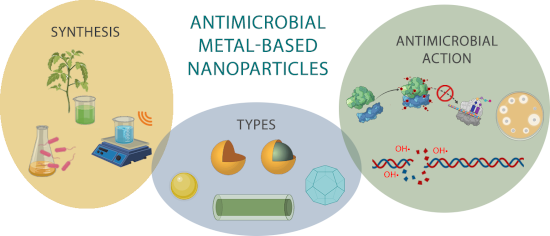
Antimicrobial metal-based nanoparticles: a review on their synthesis, types and antimicrobial action
Beilstein J. Nanotechnol. 2020, 11, 1450–1469, doi:10.3762/bjnano.11.129


Wet-spinning of magneto-responsive helical chitosan microfibers
Beilstein J. Nanotechnol. 2020, 11, 991–999, doi:10.3762/bjnano.11.83
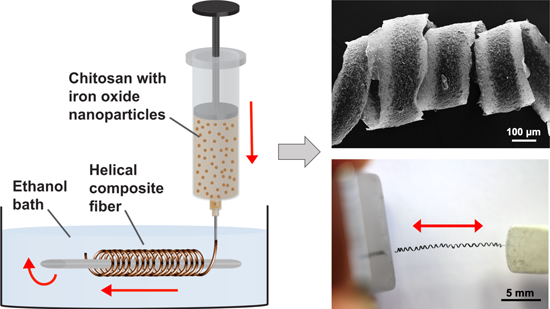
- organic templates are examples of alternative ways to synthesize helical nano- or microfibers from various materials like carbon nanotubes (CNTs), ZnO or different polymers [8][48][49]. Here, we present a simple method for synthesizing helical chitosan microfibers with embedded magnetic nanoparticles


A novel dry-blending method to reduce the coefficient of thermal expansion of polymer templates for OTFT electrodes
Beilstein J. Nanotechnol. 2020, 11, 671–677, doi:10.3762/bjnano.11.53
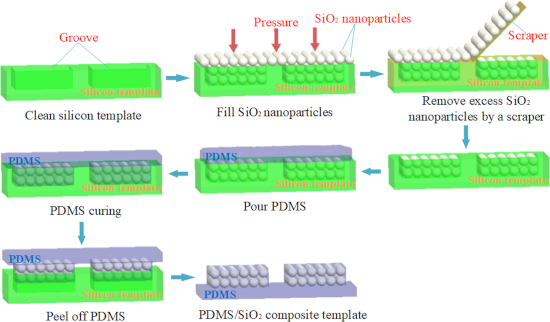
- in a polymer to obtain a composite. Shokrieh et al. [10] carried out a systematic theoretical study to investigate the influence of carbon nanotubes (CNTs) on the CTE of CNT/epoxy, and the results indicate that the addition of 1 wt % CNT causes a significant decrease of the CTE of the matrix


Multilayer capsules made of weak polyelectrolytes: a review on the preparation, functionalization and applications in drug delivery
Beilstein J. Nanotechnol. 2020, 11, 508–532, doi:10.3762/bjnano.11.41
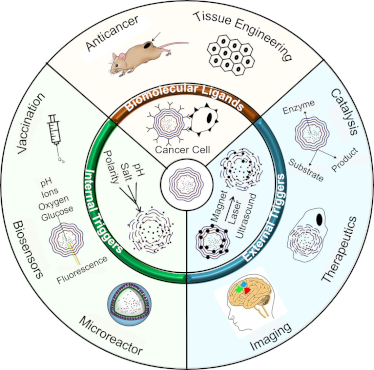
- mechanical properties, carbon-based materials were also reported for the functionalization of hollow capsules. When the microcapsules were embedded with carbon nanotubes (CNTs) in the shell, the rigidity of the shell was improved upon drying and resulted in freestanding structures. The capsules modified with



Electrochemically derived functionalized graphene for bulk production of hydrogen peroxide
Beilstein J. Nanotechnol. 2020, 11, 432–442, doi:10.3762/bjnano.11.34
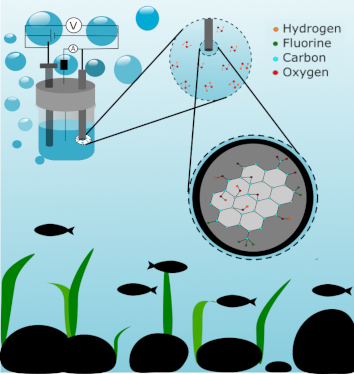
- metal-based technologies [28][29]. For example, carbon nanotubes (CNTs) have been well studied for their catalytic activity, although conflicting reports exist due to the presence of unavoidable metallic impurities present [30][31][32][33]. With the emergence of graphene, heteroatom doping in sp2


Ultrathin Ni1−xCoxS2 nanoflakes as high energy density electrode materials for asymmetric supercapacitors
Beilstein J. Nanotechnol. 2019, 10, 2207–2216, doi:10.3762/bjnano.10.213
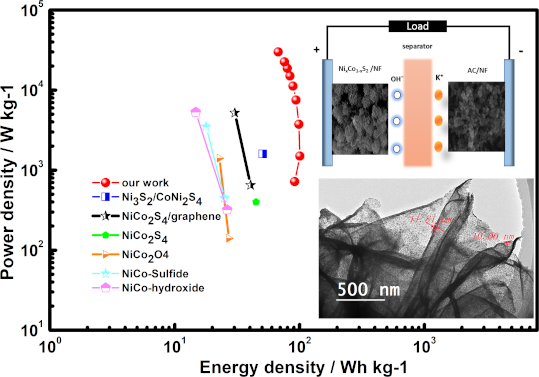
- graphene, graphene oxide (GO) or carbon nanotubes (CNTs) in order to improve the charge–discharge process stability [11][12][13]. There are limited reports regarding a comparison of the intrinsic performance between these Ni–Co chalcogenides materials. Even pure Ni–Co chalcogenide nanomaterials have been


Facile synthesis of carbon nanotube-supported NiO//Fe2O3 for all-solid-state supercapacitors
Beilstein J. Nanotechnol. 2019, 10, 1923–1932, doi:10.3762/bjnano.10.188
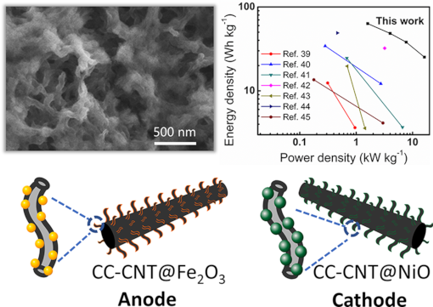
- further purification. The preparation of the positive and negative electrodes and the device structures are illustrated in Figure 1. The detailed process is as follows: Fabrication of carbon nanotubes on carbon cloth (CC-CNT) Carbon nanotubes (CNTs) were grown on carbon cloth (CC) (CeTech Co., Ltd.) by


Flexible freestanding MoS2-based composite paper for energy conversion and storage
Beilstein J. Nanotechnol. 2019, 10, 1488–1496, doi:10.3762/bjnano.10.147
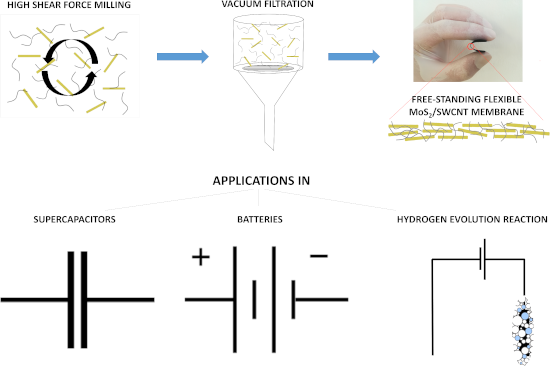
- . Moreover, an appropriate heat management scheme has to be taken into account in real applications as it has been already shown for other nanomaterials [30][31]. Introducing support materials, such as graphene or carbon nanotubes (CNTs) can alleviate these problems and improve the performance of the


Hierarchically structured 3D carbon nanotube electrodes for electrocatalytic applications
Beilstein J. Nanotechnol. 2019, 10, 1475–1487, doi:10.3762/bjnano.10.146
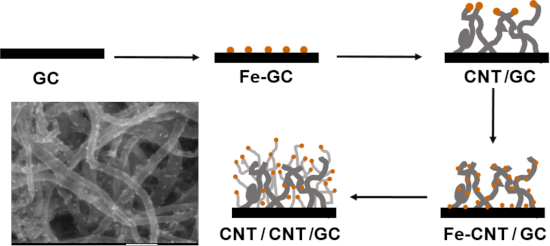
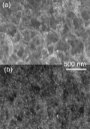
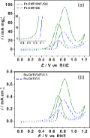
- Pei Wang Katarzyna Kulp Michael Bron Martin-Luther-University Halle-Wittenberg, Faculty of Natural Sciences II, Department of Chemistry, 06120 Halle, Germany 10.3762/bjnano.10.146 Abstract Hierarchically structured 3-dimensional electrodes based on branched carbon nanotubes (CNTs) are prepared on
- structures demonstrate an exceptionally high poisoning tolerance. Keywords: chemical vapor deposition; CNTs; CO stripping; hierarchically structured electrodes; methanol oxidation; platinum; poisoning tolerance; Introduction Carbon nanotubes (CNTs) have attracted considerable attention since their





Magnetic segregation effect in liquid crystals doped with carbon nanotubes
Beilstein J. Nanotechnol. 2019, 10, 1464–1474, doi:10.3762/bjnano.10.145
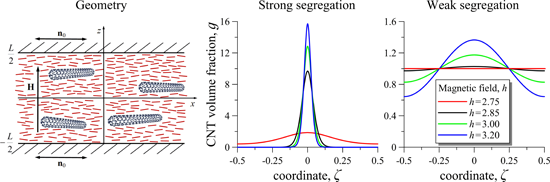
- [1][11][12]. Thus, the idea of controlling the features of composites by adding a small amount of nanoparticles to an LC matrix is of great interest from a physical point of view. Carbon nanotubes (CNTs) [13] are a popular material to be embedded in LCs [9][14][15][16][17]. Due to a large aspect


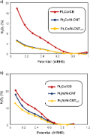
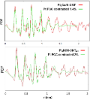
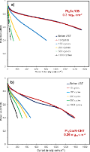
Alloyed Pt3M (M = Co, Ni) nanoparticles supported on S- and N-doped carbon nanotubes for the oxygen reduction reaction
Beilstein J. Nanotechnol. 2019, 10, 1251–1269, doi:10.3762/bjnano.10.125
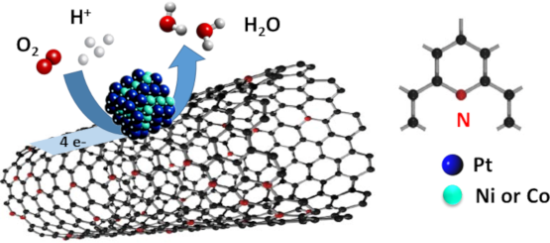
- support, in combination with ILs, is also important to achieve high Pt dispersion, and functionalized carbons should be preferred, presumably because of their stronger interaction with the IL [28]. Carbon nanotubes (CNTs) are well known for their remarkable chemical and physical properties and appear to








Glucose-derived carbon materials with tailored properties as electrocatalysts for the oxygen reduction reaction
Beilstein J. Nanotechnol. 2019, 10, 1089–1102, doi:10.3762/bjnano.10.109
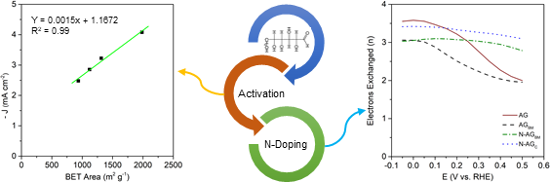
- ], and some studies assume that both functionalities contribute to enhancing the performance of the materials towards ORR [20]. In addition, a recent study with carbon nanotubes (CNTs) reported that an increase of the pyridinic-N/quaternary-N and pyridinic-N/pyrrolic-N ratios increases the





