Search results
Search for "chemotherapy" in Full Text gives 74 result(s) in Beilstein Journal of Nanotechnology.
Nanotechnological approaches in the treatment of schistosomiasis: an overview
Beilstein J. Nanotechnol. 2024, 15, 13–25, doi:10.3762/bjnano.15.2
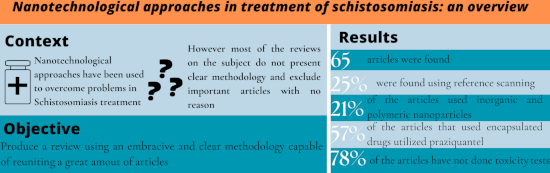
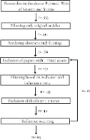
- , Scopus, and Web of Science databases. These searches were conducted from March 31st, 2022, to March 31st, 2023, using the following search keywords: (nano* OR encapsul*) AND (treatment OR therap* OR activity OR chemotherapy) AND schistosomiasis. After obtaining the list of papers, a filter by type of


Antibody-conjugated nanoparticles for target-specific drug delivery of chemotherapeutics
Beilstein J. Nanotechnol. 2023, 14, 912–926, doi:10.3762/bjnano.14.75
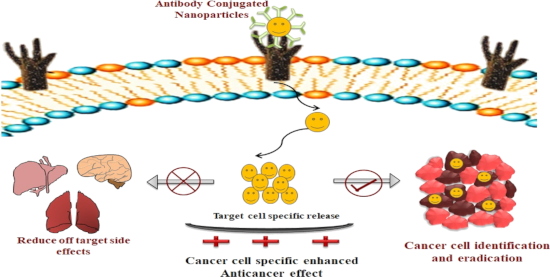
- antibodies, such as increased surface to volume-ratio, surface modification and functionalization, and improved cellular uptake and intracellular stability. In cancer chemotherapy, ACNPs have shown immense potential to achieve targeted drug delivery and combination therapy, to overcome drug resistance, to



Recent progress in cancer cell membrane-based nanoparticles for biomedical applications
Beilstein J. Nanotechnol. 2023, 14, 262–279, doi:10.3762/bjnano.14.24
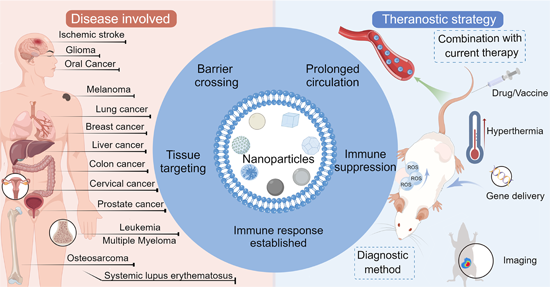
- , cardiovascular diseases, and immune system diseases). Third, the integration of cancer cell-based NPs in existing therapeutic and diagnostic strategies is presented and discussed, including radiotherapy, chemotherapy, thermotherapy, reactive oxygen species-related therapies, gene delivery, tumor vaccines, and
- subtype of breast cancer, accounts for approximately 10–20% of all breast cancers [62]. TNBC shows deficient expression of estrogen receptor (ER), progesterone receptor (PR), and human epidermal growth factor receptor 2 (HER2) [62]. The treatment of TNBC mainly relies on chemotherapy and surgical
- therapeutic approaches rely on chemotherapy, and other treatment methods usually cannot to achieve therapeutic effects. Acute myeloid leukemia (AML) is the most common type of leukemia and is characterized by rapid progression and high mortality [65]. Moreover, AML shows a heightened risk of recurrence


Nanotechnology – a robust tool for fighting the challenges of drug resistance in non-small cell lung cancer
Beilstein J. Nanotechnol. 2023, 14, 240–261, doi:10.3762/bjnano.14.23
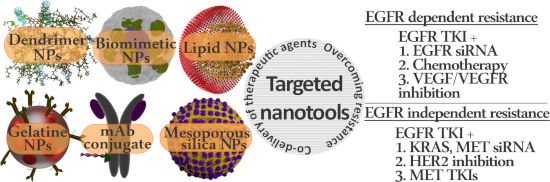
- underlined the importance of an improved classification of lung cancer into specific subtypes that qualify for specialized therapeutic strategies. Tyrosine kinase inhibitors (TKIs) have demonstrated enhanced efficacy and reduced toxicity in EGFR-sensitive patients compared to classical chemotherapy
- treatments because of their ability to target specific molecular abnormalities associated with NSCLC cells [8][9][10][11][12][13]. Unlike traditional chemotherapy, which interferes with cell division and kills rapidly dividing cells, molecularly targeted therapy is directed towards somatic genome mutations
- additive antitumor activity via downregulation of the c-MYC–HIF-1α–VEGF signaling pathway in mutated NSCLC with exon 19 deletions (Figure 1) [32][33][34]. Several randomized clinical studies have also reported on the increased effectiveness of combined chemotherapy/EGFR TKI treatments in patients with


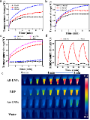
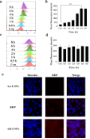
Facile preparation of Au- and BODIPY-grafted lipid nanoparticles for synergized photothermal therapy
Beilstein J. Nanotechnol. 2022, 13, 1432–1444, doi:10.3762/bjnano.13.118
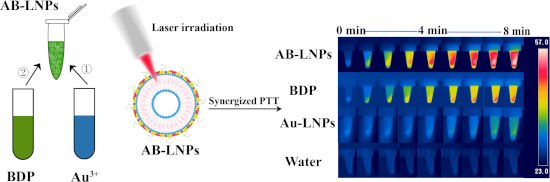
- Yuran Wang Xudong Li Haijun Chen Yu Gao Cancer Metastasis Alert and Prevention Centre, College of Chemistry and Fujian Provincial Key Laboratory of Cancer Metastasis Chemoprevention and Chemotherapy, Fuzhou University, Fuzhou 350108, Fujian, China College of Chemistry, Key Laboratory of Molecule




Orally administered docetaxel-loaded chitosan-decorated cationic PLGA nanoparticles for intestinal tumors: formulation, comprehensive in vitro characterization, and release kinetics
Beilstein J. Nanotechnol. 2022, 13, 1393–1407, doi:10.3762/bjnano.13.115
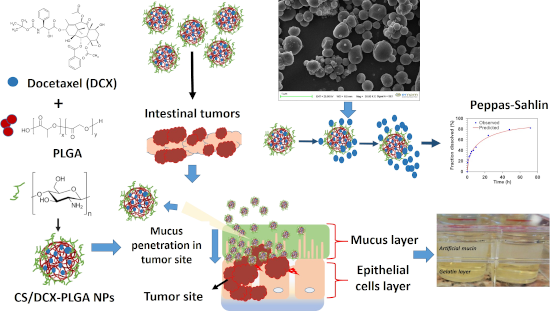
- . Pharmaceutically, clinical failure due to a drug’s wide biodistribution and non-selective toxicity is one of the major challenges of chemotherapy. In addition, parenteral drug administration in chronic diseases that require long-term drug use, such as intestinal tumors, is challenging in terms of patient
- compliance and poses a burden in terms of health economy. Especially in the field of chemotherapy research, oral chemotherapy is a subject that has been intensively researched in recent years, and developments in this field will provide serious breakthroughs both scientifically and socially. Development of
- find new diagnostic and therapeutic approaches. The absence of an efficient oral chemotherapy is one of the biggest obstacles in cancer treatment worldwide [6]. Various formulation approaches have been used for many years to provide higher drug concentration in colon and less systemic side effects [7


Photothermal ablation of murine melanomas by Fe3O4 nanoparticle clusters
Beilstein J. Nanotechnol. 2022, 13, 255–264, doi:10.3762/bjnano.13.20
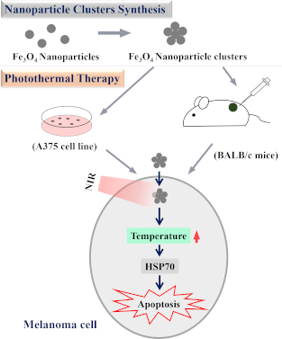
- past decades at an accelerating rate [1]. Depending on the features of melanomas, therapeutic options include surgical resection, chemotherapy, immunotherapy, photodynamic therapy and several others. Although these treatments could initially meet therapeutic needs, their efficacies commonly drop


Engineered titania nanomaterials in advanced clinical applications
Beilstein J. Nanotechnol. 2022, 13, 201–218, doi:10.3762/bjnano.13.15
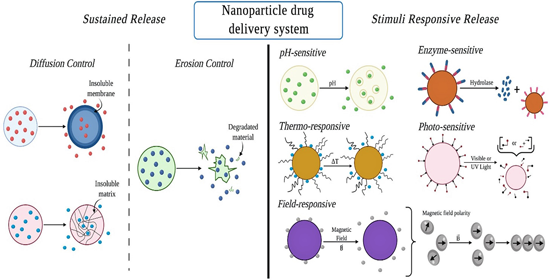
- and chemotherapy methods for cancer treatment [15]. Titania nanomaterials as antidotes to venom Snakebites cause significant morbidity and mortality worldwide (around 100,000 deaths annually). The only treatment of snakebites available are antivenoms from immunized animals, which contain specific IgG


Bacterial safety study of the production process of hemoglobin-based oxygen carriers
Beilstein J. Nanotechnol. 2022, 13, 114–126, doi:10.3762/bjnano.13.8
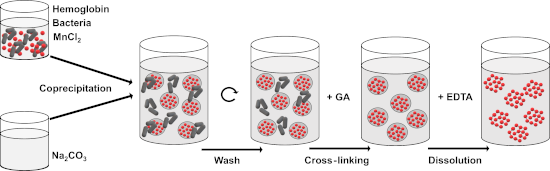
- with doxorubicin, a cytostatic drug used in chemotherapy for cancer treatment. These particles showed higher efficacy in inhibiting metabolic activity in cell culture in comparison to free doxorubicin [8]. To be used as an artificial oxygen carrier, hemoglobin is isolated from bovine blood. Compared to


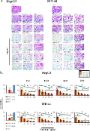
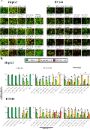
Biocompatibility and cytotoxicity in vitro of surface-functionalized drug-loaded spinel ferrite nanoparticles
Beilstein J. Nanotechnol. 2021, 12, 1339–1364, doi:10.3762/bjnano.12.99
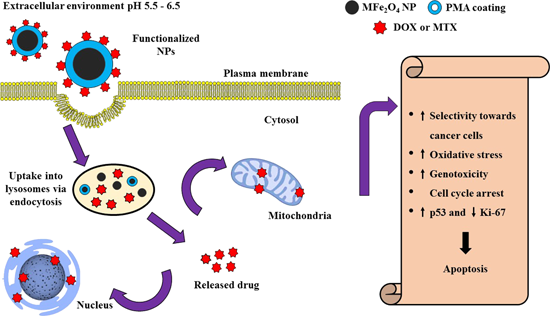
- ]. Conventional treatment strategies for cancer, including surgery, radiotherapy, and chemotherapy, lack the ability to selectively target neoplastic tissue, which results in systemic toxicity [3]. For these reasons, the focus of the field was transferred to nanomedicine which enables targeted therapy and reduces
- family, responsible for the efflux of xenobiotics and hydrophobic drugs, namely methotrexate, vinca alkaloids, anthracyclines, antiandrogens, and heavy metals. Both multidrug resistance protein 1 (MDR1) and MRP1 proteins are majorly responsible for lowering the therapeutic outcomes of chemotherapy [64


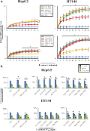
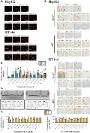

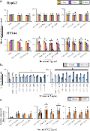


Use of nanosystems to improve the anticancer effects of curcumin
Beilstein J. Nanotechnol. 2021, 12, 1047–1062, doi:10.3762/bjnano.12.78
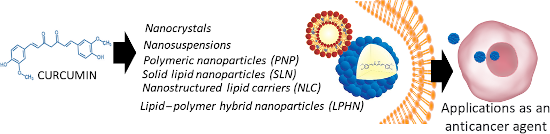
- %) [2]. The most commonly used treatments involve chemotherapy, surgery, or a combination of both. Chemotherapy is based on the use of molecules such as doxorubicin, paclitaxel, cisplatin, and some proteins and peptides that induce cell death [3]. Conventional or low molecular weight chemotherapeutics
- solubility, lack of specificity, high toxicity, poor therapy index, and multidrug resistance are other related drawbacks [6][7]. Orally administered chemotherapy is currently unsuitable due to the low bioavailability of chemotherapeutic agents [8], making intravenous the only viable route of administration
- the molecule of interest alongside another bioactive entity (i.e., coadministration). Curcumin–piperine nanoemulsion (CUR–PIP) is a great example of this combination approach as a chemotherapy agent against various types of cancer. Piperine has been shown to act as a bioenhancer molecule that improves


Comprehensive review on ultrasound-responsive theranostic nanomaterials: mechanisms, structures and medical applications
Beilstein J. Nanotechnol. 2021, 12, 808–862, doi:10.3762/bjnano.12.64
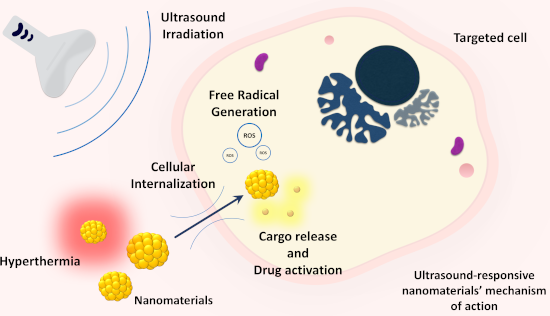
- of using US [140]. Local hyperthermia-induced drug delivery is used for the delivery of drugs to the tumor site triggered by the spatially confined thermal effects of US. This method is aimed at enhancing the therapeutic effect of chemotherapy drugs to avoid side effects due to their undesired


The impact of molecular tumor profiling on the design strategies for targeting myeloid leukemia and EGFR/CD44-positive solid tumors
Beilstein J. Nanotechnol. 2021, 12, 375–401, doi:10.3762/bjnano.12.31
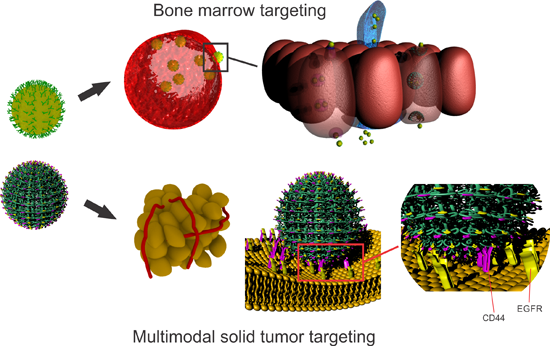
- chemotherapeutic protocols. Keywords: CD44; EGFR; liquid tumors; molecular tumor targeting; myeloid leukemia; solid tumors; surface-engineered nanoparticles; Introduction The conventional chemotherapy regimens of both liquid (hematological) and solid tumors are challenged by their lack of targeting ability
- condition, and genetic profile. The current treatment options include traditional chemotherapy, haematopoietic stem cell transplantation (HSCT), and targeted therapy (small molecule inhibitors and monoclonal antibodies). Traditional chemotherapeutic regimens are limited by two primary concerns: overall
- toxicity and lack of efficacy (resistance). Nevertheless, the application of cytotoxic chemotherapeutics (e.g., daunorubicin and cytarabine), with or without HSCT, still remains the backbone of treatment for AML [6][7]. All chemotherapy agents interfere somehow with the DNA replication process or with cell


Doxorubicin-loaded gold nanorods: a multifunctional chemo-photothermal nanoplatform for cancer management
Beilstein J. Nanotechnol. 2021, 12, 295–303, doi:10.3762/bjnano.12.24
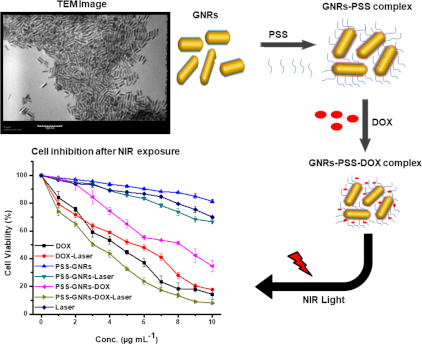
- based on chemotherapy and photothermal strategies appears to be a promising platform in cancer management. Keywords: chemotherapy; doxorubicin; gold nanorods; NIR laser; photothermal therapy; Introduction Despite the enormous advances in medical research, cancer is still the second most common cause
- of death worldwide from which 9.6 million people died in 2018 [1]. Hepatocellular carcinoma (HCC) is one of the major types of liver cancer with high incidence of mortality [2]. Currently, there are a number of treatment modalities, including chemotherapy, immunotherapy, targeted therapy, irradiation
- , and surgery [3]. Among these, chemotherapy is the most commonly used method as most of the HCC patients are diagnosed at advanced stages and are not good candidates for liver transplantation or surgical resection [4][5]. However, the use of conventional chemotherapeutic agents in cancer treatment is


PEG/PEI-functionalized single-walled carbon nanotubes as delivery carriers for doxorubicin: synthesis, characterization, and in vitro evaluation
Beilstein J. Nanotechnol. 2020, 11, 1728–1741, doi:10.3762/bjnano.11.155
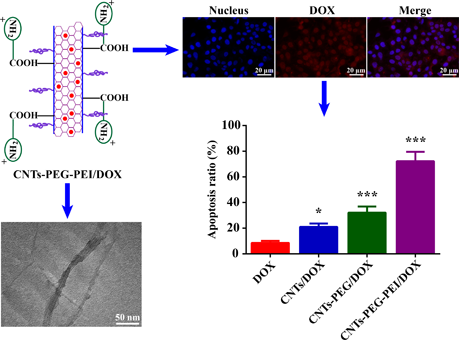
- drugs. Keywords: antitumor activity; cellular uptake; PEG functionalization; PEI functionalization; poly(ethylene glycol) (PEG); polyethylenimine (PEI); single-walled carbon nanotubes; Introduction To date, chemotherapy is the most common therapy for cancer treatment. However, the inability of
- chemotherapeutic agents to distinguish cancer cells from normal cells due to nonspecific distribution and lack of selectivity results in severe toxic side effects for health [1][2]. Therefore, a variety of nanoscale delivery systems have been designed for the controlled release of chemotherapy drugs to decrease
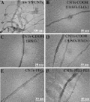
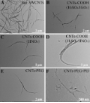
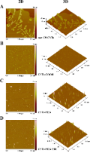
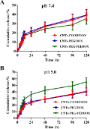
- chemotherapy, was used as a model drug to be loaded [31]. Drug loading capacity, in vitro release characteristics, the killing efficacy of modified CNTs on the MCF-7 cell line, and cellular uptake efficacy were further investigated to assess the advantage of the difunctionalized CNT carriers over unmodified




Applications of superparamagnetic iron oxide nanoparticles in drug and therapeutic delivery, and biotechnological advancements
Beilstein J. Nanotechnol. 2020, 11, 1092–1109, doi:10.3762/bjnano.11.94
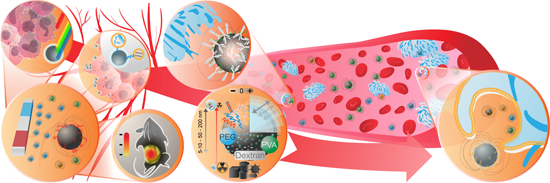
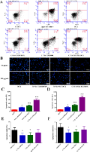
- standard cancer treatments. When used in combination with chemotherapy, radiotherapy or radiofrequency ablation, or photothermal therapy, the final outcome of the combined therapy would be more beneficial to the patient, although in clinical practice, physicians are reluctant to use these methods [136][153
- resistance to chemotherapy. When studying stem cells or progenitor cells labeled with SPIONs, some authors state that the labeling has no effect on the ability of the cells to differentiate, but other authors claim that this ability is impaired by the iron oxide nanoparticles labeling [44][47][132][156


Key for crossing the BBB with nanoparticles: the rational design
Beilstein J. Nanotechnol. 2020, 11, 866–883, doi:10.3762/bjnano.11.72
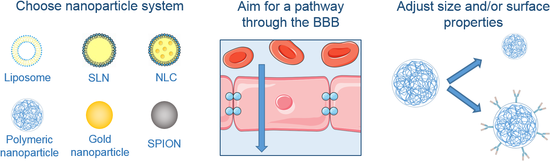
- glioblastoma multiforme through systemic chemotherapy [150]. Following the good tolerance of the treatment, NanoBB-1-Dox will be investigated in a phase-II study, which might prove the ability of PLGA nanoparticles to cross the BBB in humans. Some other polymers have also been used to develop nanoparticles for


Examination of the relationship between viscoelastic properties and the invasion of ovarian cancer cells by atomic force microscopy
Beilstein J. Nanotechnol. 2020, 11, 568–582, doi:10.3762/bjnano.11.45
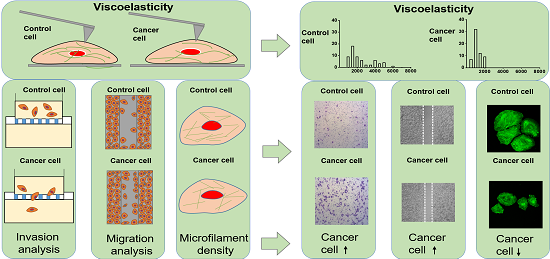
- ]. However, the association of viscoelastic properties with the invasion of ovarian cancer cells is not well understood. Chemotherapy is approved as the most effective treatment for advanced-stage ovarian cancer [19][20][21][22][23]. Only few studies focus on the variability in mechanical properties related
- mechanisms of cancer invasion and metastasis based on chemotherapy can be beneficial for both biomechanical research and clinical applications [30][31]. Therefore, the present study examined the elasticity and viscosity through AFM, and cell migration, invasion and microfilament density through cell
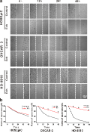
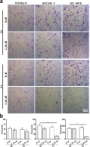
- after different periods of time. The present results showed that the migratory potential was inhibited after exposure to 0.25 μM Ech in OVCAR-3 and HO-8910 cells and not in HOSEpiC cells (Figure 5). These findings were consistent with previous reports that chemotherapy drugs could efficiently suppress


Multilayer capsules made of weak polyelectrolytes: a review on the preparation, functionalization and applications in drug delivery
Beilstein J. Nanotechnol. 2020, 11, 508–532, doi:10.3762/bjnano.11.41



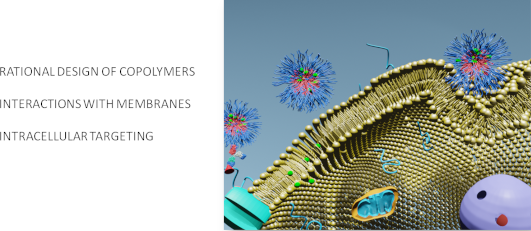
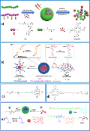
Rational design of block copolymer self-assemblies in photodynamic therapy
Beilstein J. Nanotechnol. 2020, 11, 180–212, doi:10.3762/bjnano.11.15
- (ethylene oxide) [89], or to the aspartate backbone of a poly(ethylene oxide)-block-poly(β-benzyl-ʟ-aspartate) [90]. The latter example is proposed for chemotherapy as doxorubicin is also chemically linked through an acid-labile hydrazone linker to the aspartate backbone. In another recent example the
- is an example of “all in one“ nanomedicine used for chemotherapy combining loading with doxorubicin, PDT and PTT. This is possible thanks to the activation of the photosensitizer and multimodal imaging using the fluorescence of the photosensitizer (near-infrared fluorescence imaging, NIRFI) and the
- design point to the development of versatile and “all in one” nanocarriers embedding different functions in order to both visualize the tumor and kill it. For this purpose, PDT has been associated with multimodal imaging and other treatments such as chemotherapy or photothermal therapy (PTT). Doxorubicin






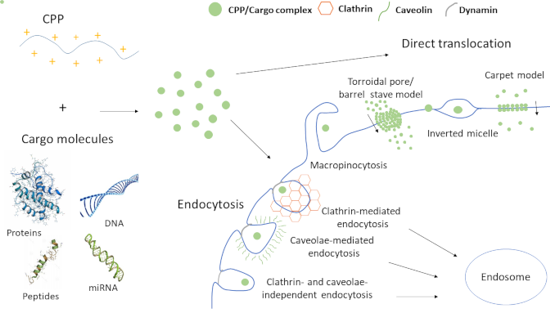
Internalization mechanisms of cell-penetrating peptides
Beilstein J. Nanotechnol. 2020, 11, 101–123, doi:10.3762/bjnano.11.10


Design of a nanostructured mucoadhesive system containing curcumin for buccal application: from physicochemical to biological aspects
Beilstein J. Nanotechnol. 2019, 10, 2304–2328, doi:10.3762/bjnano.10.222
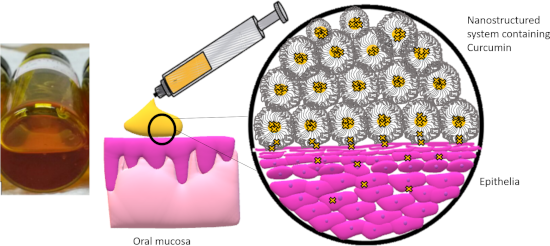
- most commonly found on the tongue and floor of the mouth [18][20][21][22][23][24]. Despite the advances in conventional methods (chemotherapy, radiotherapy and surgery), the prognosis of OSCC has not improved. In addition, many adverse effects and complications have been reported with current treatment
- can be useful as adjuvant in cancer treatment, after surgical procedure, or in combination with chemotherapy [35][36][37][38][39][40][41]. Despite its broad therapeutic potential, CUR has limited stability to light and pH, as well as poor solubility. CUR is also susceptible to degradation due to the
- nanostructured CUR [26][27]. According to Sannomiya and Furukawa [84], the surgical procedure is indicated for buccal squamous cells in initial stages, achieving tissue without tumor margin. For more advanced tumors, the use of chemotherapy and radiotherapy adjuvants is recommended [84]. Photoacoustic


Dynamics of superparamagnetic nanoparticles in viscous liquids in rotating magnetic fields
Beilstein J. Nanotechnol. 2019, 10, 2294–2303, doi:10.3762/bjnano.10.221
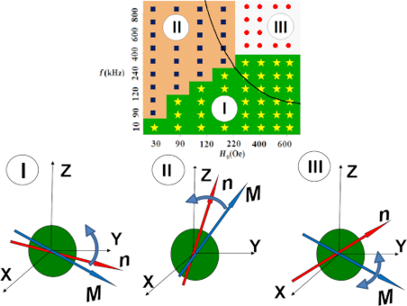
- ][3][19][20], certain thermal effects in combination with radiotherapy or chemotherapy can significantly improve the results of cancer treatment. One of the main technological problems of current magnetic hyperthermia development is the optimal choice of sizes and magnetic parameters of nanoparticles


Targeted therapeutic effect against the breast cancer cell line MCF-7 with a CuFe2O4/silica/cisplatin nanocomposite formulation
Beilstein J. Nanotechnol. 2019, 10, 2217–2228, doi:10.3762/bjnano.10.214
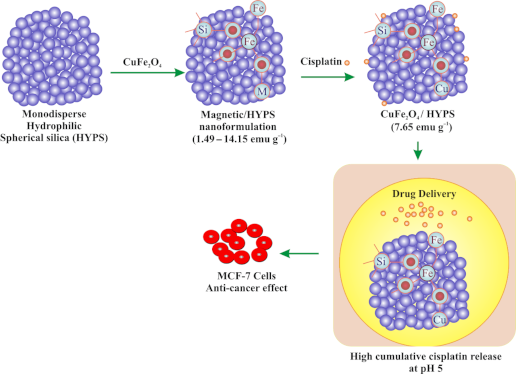
- theranostic applications. In this study, 30 wt % CuFe2O4 was impregnated into a matrix of monodispersed spherical hydrophilic silica (HYPS) nanoparticles through a simple dry impregnation technique. The chemotherapy drug cisplatin was loaded through electrostatic equilibrium adsorption over 24 h in normal


Synthesis and potent cytotoxic activity of a novel diosgenin derivative and its phytosomes against lung cancer cells
Beilstein J. Nanotechnol. 2019, 10, 1933–1942, doi:10.3762/bjnano.10.189
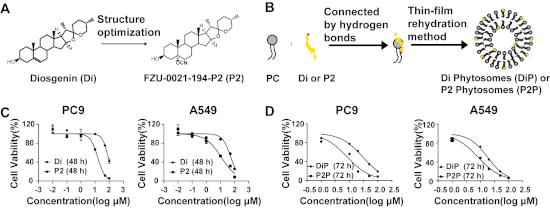
- Liang Xu Dekang Xu Ziying Li Yu Gao Haijun Chen Cancer Metastasis Alert and Prevention Center, College of Chemistry, Fuzhou University, Fuzhou, Fujian 350116, China Fujian Provincial Key Laboratory of Cancer Metastasis Chemoprevention and Chemotherapy, Fuzhou University, Fuzhou, Fujian 350116