Search results
Search for "collagen" in Full Text gives 74 result(s) in Beilstein Journal of Nanotechnology.
Nanotechnology – a robust tool for fighting the challenges of drug resistance in non-small cell lung cancer
Beilstein J. Nanotechnol. 2023, 14, 240–261, doi:10.3762/bjnano.14.23
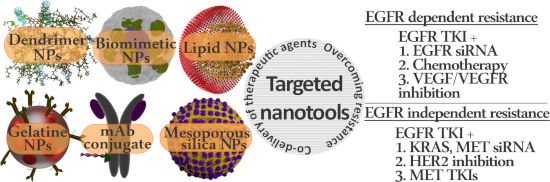
- targeting efficacy of nanomedicines. Various solutions have been proposed to improve mononuclear phagocytic system (MPS) evasion, extravasation at the tumor site, and diffusion through the dense collagen matrix of the solid tumors. Biomimetic, multifunctional, and multistage targeted nanoscale delivery


Hydroxyapatite–bioglass nanocomposites: Structural, mechanical, and biological aspects
Beilstein J. Nanotechnol. 2022, 13, 1490–1504, doi:10.3762/bjnano.13.123
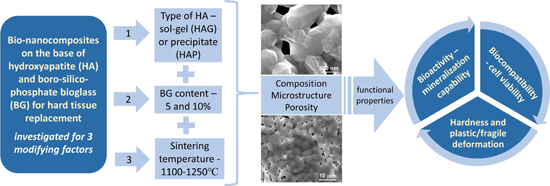
- , P, and Na, in the form of oxides, and SiO2, which was proven to be a very useful component for CHA formation, as well as for angiogenesis processes and collagen formation [8][9]. Since the discovery of 45S5 Bioglass, a wide range of bioglasses have been elaborated and investigated, which can be
Microneedle-based ocular drug delivery systems – recent advances and challenges
Beilstein J. Nanotechnol. 2022, 13, 1167–1184, doi:10.3762/bjnano.13.98
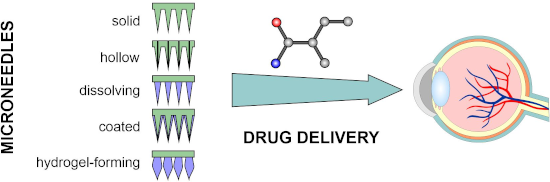
- sclera, a membrane composed of randomly scattered collagen fibers, ranges from 0.5 to 1 mm, depending on the region of occurrence [41]. While the sclera is another barrier preventing drug permeation, the choroid is responsible for drug elimination. The blood–retinal barrier is connected to the retinal


Biomimetic chitosan with biocomposite nanomaterials for bone tissue repair and regeneration
Beilstein J. Nanotechnol. 2022, 13, 1051–1067, doi:10.3762/bjnano.13.92
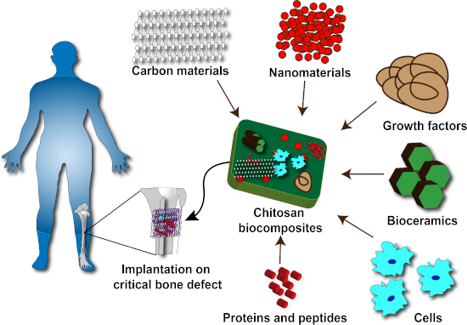
- ]. Review Bone structure Bone is a hard tissue that contains different kinds of cells including osteoblasts, osteocytes, and osteoclasts (Figure 1) [26]. The inorganic hydroxyapatite and organic type I collagen components are vital to bone tissue. The bone biomineralisation activities are formed by
- nanosized hydroxyapatite crystals with connective collagen fibrils [27]. The bone possesses a unique combination of strength and stiffness, and it has excellent compressive strength and tensile strength due to the attribution of deep nanostructures of inorganic and organic components. Human bones are
- matrix structure (cancellous interior) [30]. Also, the mechanical properties of cancellous bones are controlled by the structural organization of the matrix [31]. The bone microstructure mainly comprises collagen threads of lamellae coiled around layers to form a 200–250 µm diameter osteon which can vary
Bioselectivity of silk protein-based materials and their bio-inspired applications
Beilstein J. Nanotechnol. 2022, 13, 902–921, doi:10.3762/bjnano.13.81
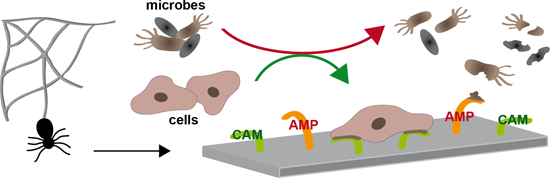
- interacting with members of the integrin family of cell surface proteins. However, fibronectin is a multifunctional adhesion molecule, also binding to other protein constituents of the ECM such as fibrin, collagen, and heparin [24]. Thus, fibronectin is involved in several physiological events such as
- from the development of sophisticated synthetic polymer systems [26][27], protein-based and bioinspired materials have nowadays an enormous impact [28][29]. Biomaterials based on native collagen, keratin, elastin, silk, and their recombinant, engineered counterparts become increasingly popular in
- bioadhesiveness of a material is the tripeptide RGD, naturally occurring in various ECM proteins including fibronectin, vitronectin, laminin, and collagen [34][35][37][38][39][40][41]. This frequently used peptide has been shown to increase the bioadhesiveness of biomaterials by interacting with cellular integrin


Gelatin nanoparticles with tunable mechanical properties: effect of crosslinking time and loading
Beilstein J. Nanotechnol. 2022, 13, 778–787, doi:10.3762/bjnano.13.68
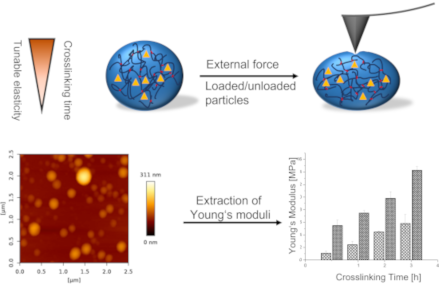
- (10.000 µg/mL), Gibco™, Fisher Scientific, Waltham, MA, USA). All plastic devices used for hAELVi culture were precoated with a 1% v/v fibronectin (Corning, NY, USA)–collagen (Sigma-Aldrich, Darmstadt, Germany) solution. Methods Preparation of gelatin nanoparticles The preparation was based on the


Effects of substrate stiffness on the viscoelasticity and migration of prostate cancer cells examined by atomic force microscopy
Beilstein J. Nanotechnol. 2022, 13, 560–569, doi:10.3762/bjnano.13.47
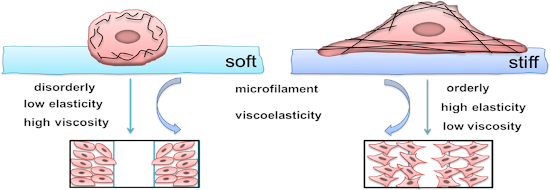
- sterile water, and stored at 4 °C. The stiffness of the hydrogels with different proportions were shown in Table 1. Next, the gels were coated with a sulfo-SANPAH solution and activated in UV light at 365 nm for 10 min. These gels were then coated with type I collagen (0.1 mg·mL−1) and incubated overnight
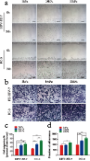
- at 4 °C. On the second day, the excess collagen solution was removed with sterile water, and then HPV-PZ-7 and PC-3 cells were inoculated onto PPA substrates with different stiffness for 12, 24, 48, and 72 h. The schematic diagram regarding this process is shown in Figure 1a. Cell death assay Cells



Ciprofloxacin-loaded dissolving polymeric microneedles as a potential therapeutic for the treatment of S. aureus skin infections
Beilstein J. Nanotechnol. 2022, 13, 517–527, doi:10.3762/bjnano.13.43
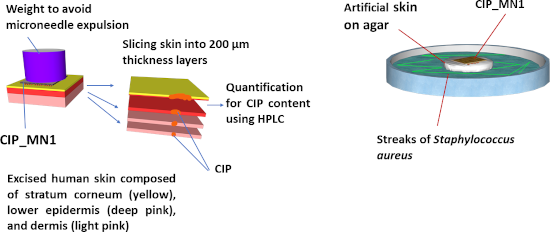
- generally less than 10–80 µm. Microneedles that can reach deeper than 80 µm can potentially deliver the incorporated drug for the treatment of local and systemic infections [55]. The dermis is a viable layer that is rich in water, blood capillaries, and connective tissues including collagen and elastin [56


Ethosomal (−)-epigallocatechin-3-gallate as a novel approach to enhance antioxidant, anti-collagenase and anti-elastase effects
Beilstein J. Nanotechnol. 2022, 13, 491–502, doi:10.3762/bjnano.13.41
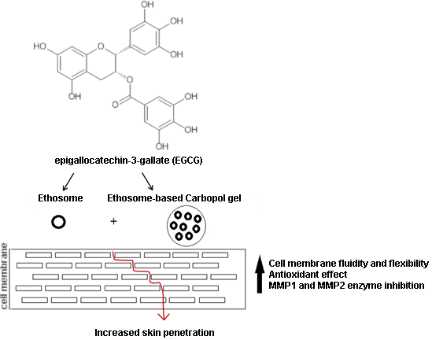
- responsible for the elasticity and resistance of the skin in the dermis, (i.e., the middle layer of the skin) are collagen and elastin, and the changes in these two components play an important role in the skin aging process [1][2]. The production of reactive oxygen species (ROS) or free radicals through
- ultraviolet (UV) radiation, smoking, pollution, and normal endogenous metabolic processes triggers the skin aging process. Elastase and collagenase enzymes induced by the formation of ROS accelerate the aging process and cause loss of collagen and elastin fibrils. With the formation of free radicals, lipid
- by UV radiation was investigated. The inhibitory effect on MMP-2 and MMP-9 enzymes, which are responsible for the degradation of type IV and type VII collagen, respectively, was measured in HaCaT cells, and a higher inhibition of MMP enzymes was achieved with higher penetration against unformulated



Micro- and nanotechnology in biomedical engineering for cartilage tissue regeneration in osteoarthritis
Beilstein J. Nanotechnol. 2022, 13, 363–389, doi:10.3762/bjnano.13.31
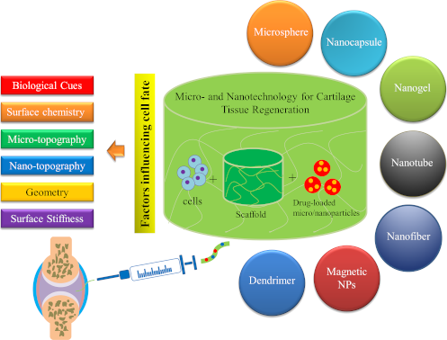
- responsible for the synthesis and maintenance of hyaline cartilage matrix [8]. Chondrocytes are embedded in a dense ECM composed mainly of water, glycosaminoglycans (GAGs), and collagen fibers. Collagen comprises 60–85% of adult articular cartilage and has a fibrous structure, which extensively contributes to
- the mechanical properties of cartilage [7][9]. Collagen type II is believed to account for 75% of fetal collagen. This amount increases to 90% in mature adults. Collagen type II is found in articular cartilage and the eyes and is considered an indicator of hyaline cartilage [7]. Collagen synthesis is
- gathering and aggregating proteoglycans due to the high affinity of aggrecan for it [10] (Figure 2). Hence, articular cartilage is a negatively charged complex of collagen fibers and HA conjugated proteoglycans highly organized into a stratified structure, which can withstand mechanical stresses [6]. The


Engineered titania nanomaterials in advanced clinical applications
Beilstein J. Nanotechnol. 2022, 13, 201–218, doi:10.3762/bjnano.13.15
- the main connective tissue cells that secrete the collagen-rich extracellular matrix (ECM) for generating soft tissues that bind with the implants. Wang and co-workers reported that the super hydrophilic nanotubular structure of hydrogenated TiO2 prepared by anodic oxidation and thermal hydrogenation


Comprehensive review on ultrasound-responsive theranostic nanomaterials: mechanisms, structures and medical applications
Beilstein J. Nanotechnol. 2021, 12, 808–862, doi:10.3762/bjnano.12.64
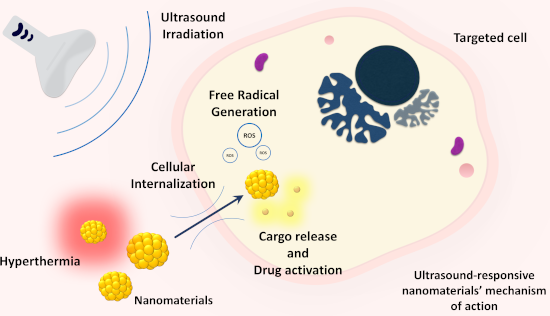
- . demonstrated enhanced proliferation and chondrogenic differentiation of human mesenchymal stem cells by applying lipid-coated MBs plus low-intensity pulsed US. After treatment, cell proliferation was increased by 40%, and the production of glycosaminoglycan and type II collagen was increased by 17% and 78


The nanomorphology of cell surfaces of adhered osteoblasts
Beilstein J. Nanotechnol. 2021, 12, 242–256, doi:10.3762/bjnano.12.20
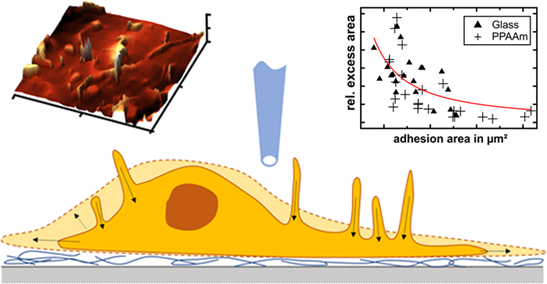
- the initial phase of adhesion well before the release of matrix vesicles in the collagen matrix. Our results include characteristic sheet-like protrusions, so-called ruffles. Their appearance on the osteoblast cell rims mostly vanishes when a large adhesion area is established, resulting in a smooth


Bio-imaging with the helium-ion microscope: A review
Beilstein J. Nanotechnol. 2021, 12, 1–23, doi:10.3762/bjnano.12.1
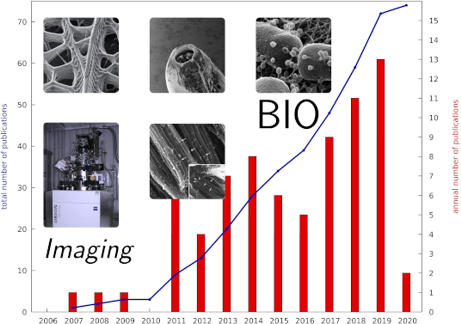
- particularly powerful for imaging the three-dimensional articular cartilage collagen networks at a resolution of down to 0.81 nm (Figure 5). Another application benefiting from the large depth of field and the possibility to work without coating the sample with metal is the use of HIM for the investigation of


Triboelectric nanogenerator based on Teflon/vitamin B1 powder for self-powered humidity sensing
Beilstein J. Nanotechnol. 2020, 11, 1394–1401, doi:10.3762/bjnano.11.123
- -free humidity sensors by using biocompatible collagen nanofibrils [43]. More recently, Zhang et al. developed a TENG-driven self-powered flexible humidity sensor based on a tin disulfide nanoflower/reduced graphene oxide (SnS2/rGO) hybrid nanomaterial [44]. However, the large-scale application of TENGs
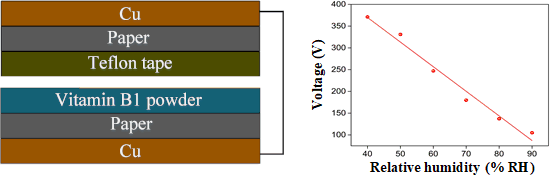
- the TVB-TENG is shown in Figure 5b. Table 1 presents the humidity-sensing characteristics of the proposed humidity sensor in comparison with previously published studies [42][43][44][48][49]. The response and measurement range of the manufactured sensor are comparable to the sensor made from collagen




Wet-spinning of magneto-responsive helical chitosan microfibers
Beilstein J. Nanotechnol. 2020, 11, 991–999, doi:10.3762/bjnano.11.83
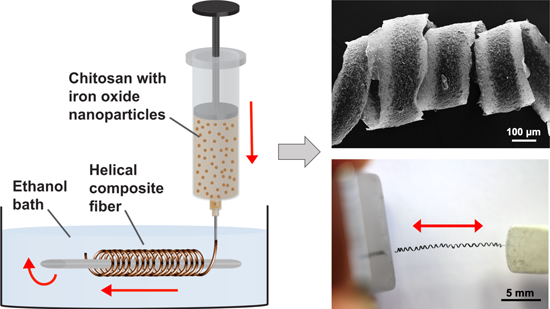
- of nanometers to a few micrometers [21]. Blends of chitosan with alginate, silk, fibroin, cellulose or collagen can also be processed into composite fibers by electrospinning [22]. Wet-spinning is another well-established method of fabricating chitosan fibers with a diameter in the micrometer range


Identification of physicochemical properties that modulate nanoparticle aggregation in blood
Beilstein J. Nanotechnol. 2020, 11, 550–567, doi:10.3762/bjnano.11.44
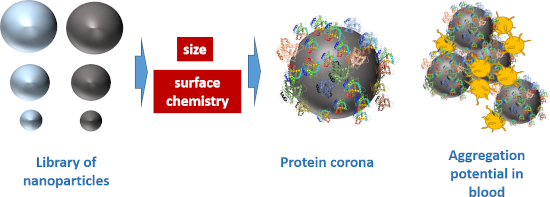
- aggregation was monitored by light transmission aggregometry (LTA) in a Chronolog-490D aggregometer (CHRONO-LOG® Corporation, Havertown, PA). Adenosine diphosphate (ADP) and collagen were used as activators of platelet aggregation. The NPs were first suspended in phosphate buffered saline (PBS) and then they
- of CNP-L the concentration was lower to avoid interference (7.25 × 10⁻⁵ m2/mL). 2.5 μL of 10 μM ADP or 12.5 μL of 10 μM collagen was then added and aggregation was monitored for 5 min with the suspension continuously stirred. The optical density was also measured for NPs suspended in PRP in the
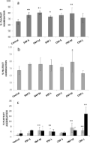
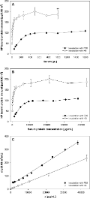
- observed for all concentrations of plasma tested. Platelet aggregation The effect of the NPs on platelet aggregation was measured using LTA. The NPs were added to platelet-rich plasma (PRP) in the absence or presence of two platelet activators, collagen and ADP. In Figure 9a,b, we show the percent of




Facile biogenic fabrication of hydroxyapatite nanorods using cuttlefish bone and their bactericidal and biocompatibility study
Beilstein J. Nanotechnol. 2020, 11, 285–295, doi:10.3762/bjnano.11.21
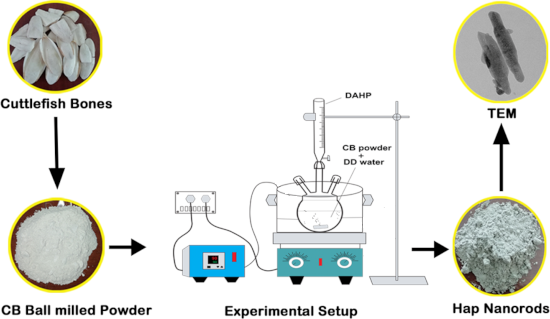
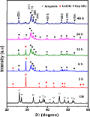
- after annealing which may be due to the removal of organic products such as collagen and protein. Chemicals and reagents Marine waste cuttlefish bones were collected as a source of calcium from Kasimedu fish market, which is located in Chennai, Tamil Nadu, India. All chemicals used for this study were


Lipid nanostructures for antioxidant delivery: a comparative preformulation study
Beilstein J. Nanotechnol. 2019, 10, 1789–1801, doi:10.3762/bjnano.10.174
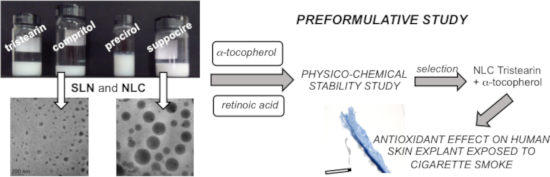
- oxidative stress [7]. The release of reactive oxygen species from tobacco smoke provokes a series of systemic immunomodulatory effects that leads to a compromised inflammatory response. These destructive mechanisms also affect collagen synthesis and the skin cellular reparative effects [8][9]. It has been
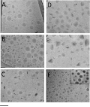
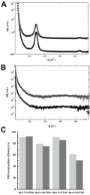

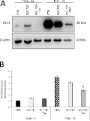
Serum type and concentration both affect the protein-corona composition of PLGA nanoparticles
Beilstein J. Nanotechnol. 2019, 10, 1002–1015, doi:10.3762/bjnano.10.101
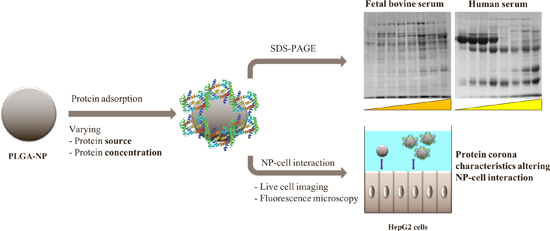
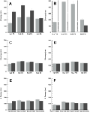
- Analysis Imaging System (Essen Bioscience, Inc., Michigan, USA) was used. Therefore, 1 × 10⁵ cells/well were seeded into a collagen coated 24-well plate and cultivated under serum-containing conditions as described above. After four days, the medium was replaced by 500 µL serum-free medium containing



Mechanical and thermodynamic properties of Aβ42, Aβ40, and α-synuclein fibrils: a coarse-grained method to complement experimental studies
Beilstein J. Nanotechnol. 2019, 10, 500–513, doi:10.3762/bjnano.10.51
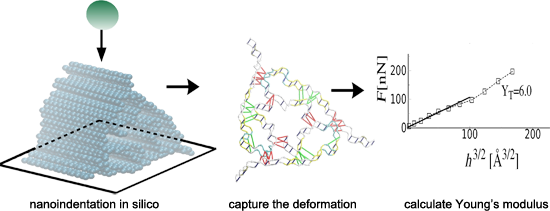
- . In the context of mechanical properties of various fibrils, for example, β-amyloids [4][5], cellulose [6] and collagen [7], all-atom models have been used to estimate the elastic moduli based on the response of the system, but mostly approximately. Still, molecular-level methods are necessary to
- the case of collagen fibrils [55], but it still relies on the correct estimation of the fibril diameter. As above, the CG model helps to devise a protocol where simple shear planes can be applied on a set of atoms and the typical response allows, in a straightforward manner, for the calculation of S
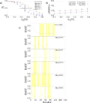
- , while for Aβ42 this value is 2.4 GPa. The value YL = 2.3 GPa in the case of α-syn seems to be half way between the values for Aβ40 and Aβ42 fibrils. Moreover, our YL values are close to the experimental values of collagen fibrils equal to 1.9–3.4 GPa [61]. The bottom panels in Figure 4 illustrate the


Targeting strategies for improving the efficacy of nanomedicine in oncology
Beilstein J. Nanotechnol. 2019, 10, 168–181, doi:10.3762/bjnano.10.16
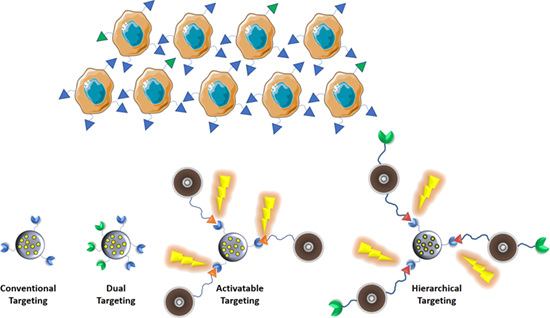
- into the tumour [12]. Another strong barrier that hampers the efficacy of nanomedicines is the dense extracellular matrix (ECM), which is usually present in many solid tumours. ECM is commonly denser in solid tumours than in healthy tissues due to a higher content in collagen and other structural


Nanoscale characterization of the temporary adhesive of the sea urchin Paracentrotus lividus
Beilstein J. Nanotechnol. 2018, 9, 2277–2286, doi:10.3762/bjnano.9.212
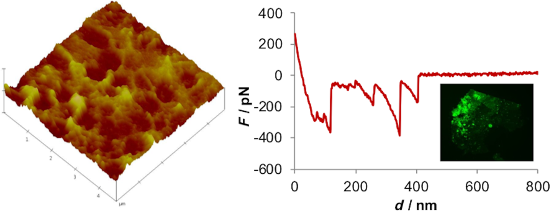
- demonstrate that the adhesive from the tubules of the sea cucumber Holothuria forskali were made up of long fibres deposited on a homogeneous film. These fibres contain collagen as evidenced by their 70 nm periodicity, while the homogeneous film appears to be made up of globular nanostructures measuring about


The structural and chemical basis of temporary adhesion in the sea star Asterina gibbosa
Beilstein J. Nanotechnol. 2018, 9, 2071–2086, doi:10.3762/bjnano.9.196
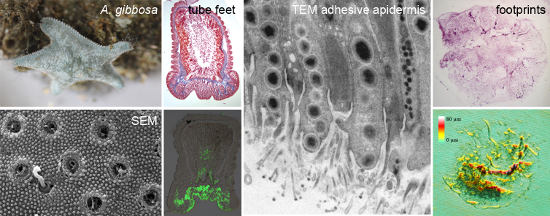
- of A. gibbosa was slightly broader than the flexible stem and full of collagenous fibres (Figure 2B). The collagen fibres were arranged in thick bundles and alternated with clusters of secretory gland cells (Figure 2B and Figure 3A). In asteroids, three tube foot morphotypes have been described – i.e
- depths (Figure 3A). In the basal area of the disc, the connective tissue (CT) formed branched septa, enclosing bundles of secretory gland cells (Figure 3B). The connective tissue consisted mainly of collagen fibres, which are bearing the force during attachment (Figure 3C). The collagen fibres were
- disc. Arrow in (C) highlights the collagen fibres of the connective tissue. AC - adhesive gland cell; CI - cilia; CL - cuticular layer; CT - connective tissue; DAC - de-adhesive gland cell; IF - intermediate filaments; MV - microvilli; SC - supportive cell; SEC - sensory cell; SMV - specialized


Defect formation in multiwalled carbon nanotubes under low-energy He and Ne ion irradiation
Beilstein J. Nanotechnol. 2018, 9, 1951–1963, doi:10.3762/bjnano.9.186
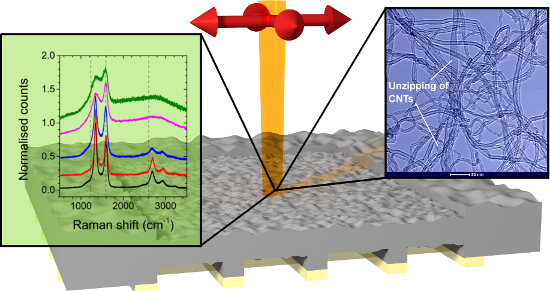
- improved mechanical properties which is similar to the one of collagen found in nature [7]. Vacancy formation and interconnections forming between CNTs have also been observed in molecular dynamics (MD) simulations during the irradiation of SWCNTs supported by silica [8]. MD simulations have been used to