


Search results
Search for "colloids" in Full Text gives 130 result(s) in Beilstein Journal of Nanotechnology.
Bioselectivity of silk protein-based materials and their bio-inspired applications
Beilstein J. Nanotechnol. 2022, 13, 902–921, doi:10.3762/bjnano.13.81
- , Germany Bavarian Polymer Institute (BPI), University of Bayreuth, Universitätsstr. 30, 95440 Bayreuth, Germany Bayreuth Center of Colloids and Interfaces (BZKG), University of Bayreuth, Universitätsstr. 30, 95440 Bayreuth, Germany Bayreuth Center for Molecular Biosciences (BZMB), University of Bayreuth
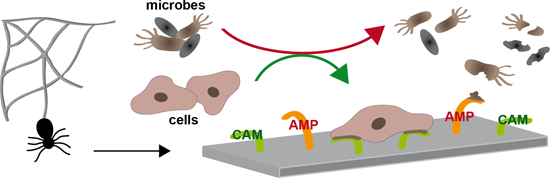
- obtained from fluorinated silica colloids, thin film deposition of silicone elastomers or nanoengineered superhydrophobic surfaces of Teflon®-coated aluminium [63][64][65]. Superhydrophobic surfaces have also been reported to be unfavorable for mammalian cell attachment and growth. This may be due to the


Recent advances in nanoarchitectures of monocrystalline coordination polymers through confined assembly
Beilstein J. Nanotechnol. 2022, 13, 763–777, doi:10.3762/bjnano.13.67
- cubic, and CsCl structures were all available [134]. In particular, the 2D assembly showed significant activity regarding the photooxidation of mustard gas [134]. The specific site of the coordination polymer crystals could be modified to generate patchy colloids. By selectively growing a thin layer of
- function is quite attractive because this function is versatile even for nanoparticles. Electrodes of sodium-ion batteries can be fabricated by using the Ni–CN–Ni colloids as glue. The contribution to the adhesion strength among 2D coordination polymers was generally considered to be van der Waals forces
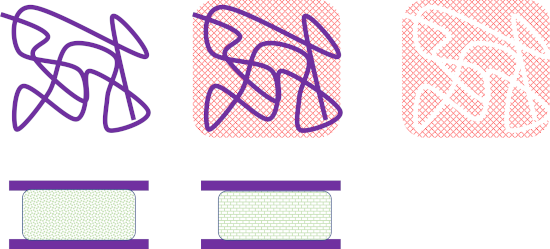
- bulk crystals. The interesting part of the unique adhesion property is not only to bring new adhesives, but also the opportunity to provide stable assemblies, which can be recognized as colloids in extreme states. These colloids contain water and 2D nanosheets, and the water molecules and the 2D






Bacterial safety study of the production process of hemoglobin-based oxygen carriers
Beilstein J. Nanotechnol. 2022, 13, 114–126, doi:10.3762/bjnano.13.8
- Berlin, Berlin, Germany) for their support in the work with microorganisms and Dr. Dimitriya Borisova (Max-Planck Institute of Colloids and Interfaces, Golm, Germany) for SEM imaging. Funding We acknowledge the financial support from the European Community (EFRE-ProFIT 10139827, 10169193).



Sputtering onto liquids: a critical review
Beilstein J. Nanotechnol. 2022, 13, 10–53, doi:10.3762/bjnano.13.2
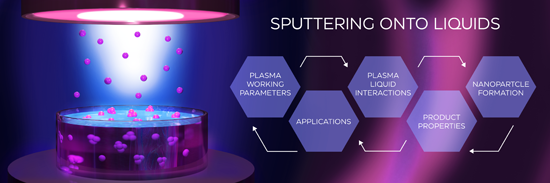
- surface plays a leading role [79]. Two main models have been actively used to describe the formation of primary metal NPs, namely the La Mer model and the autocatalytic model [80]. Even though both models were proposed decades ago, the colloids community is still arguing which one is better [81][82][83






Use of nanosystems to improve the anticancer effects of curcumin
Beilstein J. Nanotechnol. 2021, 12, 1047–1062, doi:10.3762/bjnano.12.78
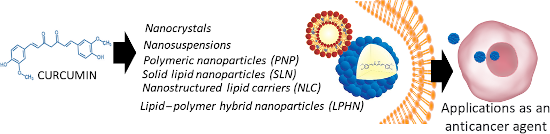
- results have been obtained in glutathione-sensitive PEGylated CUR prodrug nanomicelles [76]. Polymeric nanoparticles (PNP). Polymeric nanoparticles are solid colloids with a size of up to 1000 nm; the drug is loaded into the polymeric matrix, preferably using biodegradable polymers [77][78]. If the drug


A review on nanostructured silver as a basic ingredient in medicine: physicochemical parameters and characterization
Beilstein J. Nanotechnol. 2021, 12, 440–461, doi:10.3762/bjnano.12.36
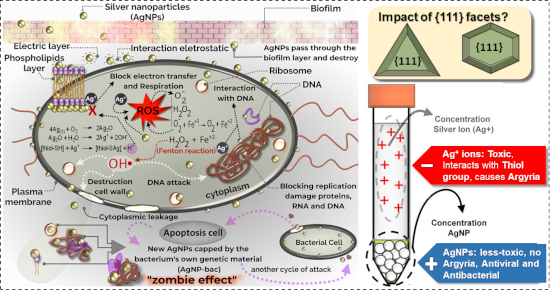
- absorption spectrum. However, by modifying the reaction medium with peroxide, citrate, and PVP they noticed the formation of AgNPs in the form of nanoplates, which had an absorption peak at ≈560 nm [151]. Gustav Mie was the first to rigorously explain the colors exhibited by metal colloids by using Maxwell's


Colloidal particle aggregation: mechanism of assembly studied via constructal theory modeling
Beilstein J. Nanotechnol. 2021, 12, 413–423, doi:10.3762/bjnano.12.33
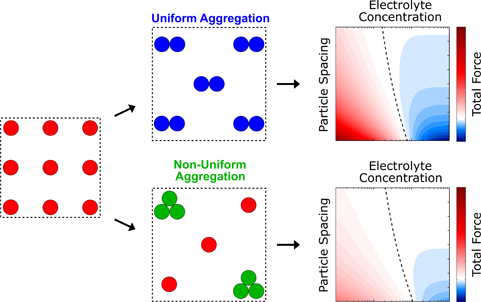
- and could be expanded upon to fit a range of colloidal systems. Keywords: colloids; constructal law; DLVO theory; interparticle interactions; nanomaterials; self-assembly; tunable systems; Introduction Constructal theory has been used to describe a number of naturally evolving processes/phenomena



A review on the biological effects of nanomaterials on silkworm (Bombyx mori)
Beilstein J. Nanotechnol. 2021, 12, 190–202, doi:10.3762/bjnano.12.15
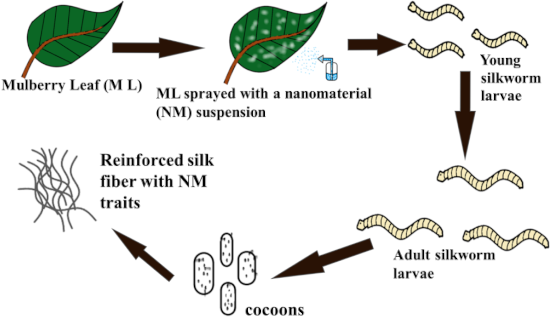
- µg) did not increase the production of ROS and it was suggested that the its effect on hematopoiesis was self-repaired and the damage to the hematopoietic tissues was limited. Zou et al. [155] studied the efficacy in using silver nanoparticle colloids (AgNPC) to reduce the infection caused by BmNPV


A review on the green and sustainable synthesis of silver nanoparticles and one-dimensional silver nanostructures
Beilstein J. Nanotechnol. 2021, 12, 102–136, doi:10.3762/bjnano.12.9
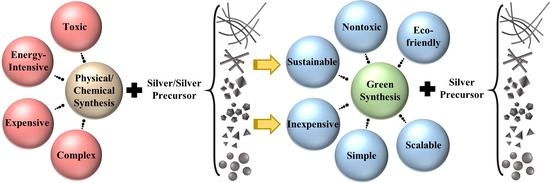
- method is typically used for the synthesis of stable silver colloids either in solutions or in open air without utilizing any additional reagents [108][112]. AgNPs synthesized with this method are maintained in high purity due to the absence of chemical stabilizers and ligands, which provide NPs with


Thermophoretic tweezers for single nanoparticle manipulation
Beilstein J. Nanotechnol. 2020, 11, 1126–1133, doi:10.3762/bjnano.11.97
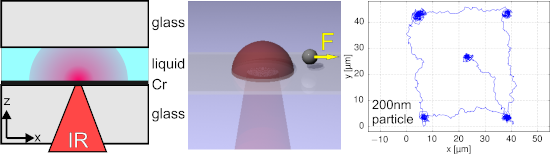
- that the thermophoretic tweezers could be widely used as a complementary tool to optical tweezers in biochemical, biological, and colloids research. Experimental By stacking an ordinary 0.15 mm thick glass cover slide on top of a 1 mm thick substrate (sapphire window or a standard glass microscope


Applications of superparamagnetic iron oxide nanoparticles in drug and therapeutic delivery, and biotechnological advancements
Beilstein J. Nanotechnol. 2020, 11, 1092–1109, doi:10.3762/bjnano.11.94
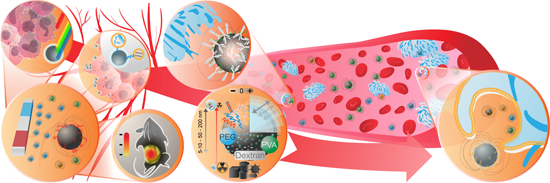
- zeta potential values ranging from −40 to +20 mV and formed stable colloids. The zeta potential and the ligands present at the SPION surface showed equal importance in determining the amount of iron oxide engulfed by the cells [95]. Hydrophobic particles are rapidly recognized and engulfed by the


Agglomerates of nanoparticles
Beilstein J. Nanotechnol. 2020, 11, 854–857, doi:10.3762/bjnano.11.70
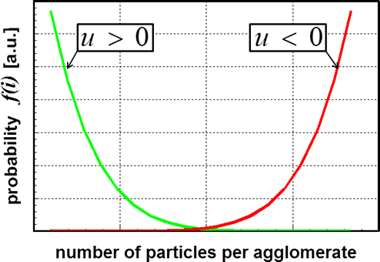
- microscopy of individual particles to analyze their shape or structure, it is necessary to apply a separation process. Earlier, the problem of agglomeration was already discussed in connection with colloids [2][3][4][5][6]. Recently, two studies of the formation of agglomerates of nanoparticles were


Preparation and in vivo evaluation of glyco-gold nanoparticles carrying synthetic mycobacterial hexaarabinofuranoside
Beilstein J. Nanotechnol. 2020, 11, 480–493, doi:10.3762/bjnano.11.39
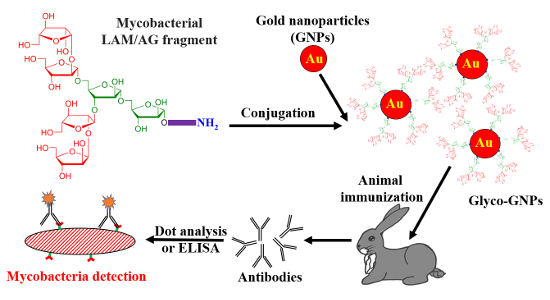
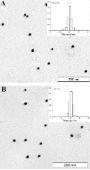
- . Another advantage of using these GNPs is their strong light absorption due to localized surface plasmon resonance (LSPR) around 520 nm while colloids of GNPs smaller than 3 nm do not exhibit an LSPR and are barely colored. It is known that the color of GNP colloids dramatically depends on size and shape
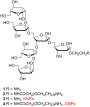
- of the spacers in glycosides 1 and 2 were also expected to affect the stability of the formed Ara6-GNPs 3 and 4. Stability of glyco-GNPs Gold hydrosols are typical lyophobic colloids that are stable only under conditions of low ionic strength. Under physiological conditions, GNPs are


Coating of upconversion nanoparticles with silica nanoshells of 5–250 nm thickness
Beilstein J. Nanotechnol. 2019, 10, 2410–2421, doi:10.3762/bjnano.10.231
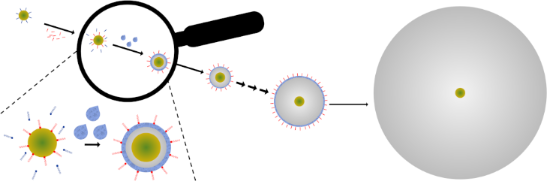
- particles of similar sizes [58][60][61]. Since the surface of the particles corresponds to that of particles from a standard Stöber synthesis, the colloids can be functionalized with the same diverse methods as Stöber silica particles [58]. Figure S5 in Supporting Information File 1 shows X-ray diffraction


The role of Ag+, Ca2+, Pb2+ and Al3+ adions in the SERS turn-on effect of anionic analytes
Beilstein J. Nanotechnol. 2019, 10, 2338–2345, doi:10.3762/bjnano.10.224
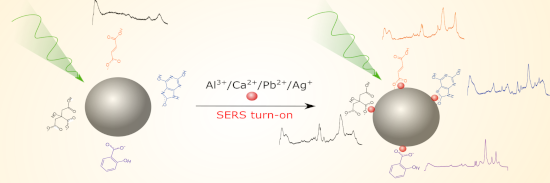
- technique with detection limits below nanomolar concentrations and is able to resolve single molecules of cationic dyes such as rhodamine 6G or crystal violet. The SERS detection of such cationic analytes has been achieved by using chloride-activated colloids, with chloride assuming the role of an
- species to the nanoparticle surface makes their SERS detection challenging since the most used SERS colloids contain anionic capping agents such as chloride or citrate. Table 1 summarizes several SERS studies of anionic species showing the detected anionic analyte, the concentration and the employed SERS
- they provide a good trade-off between colloidal stability and surfactant affinity to the AgNP. We avoided the use of chloride-containing silver colloids [13][25] because of the competitive chemisorption between the anionic analyte and the Cl− capping agent to the Ca2+, Pb2+ or Al3+ activated AgNPs, Cl


Mannosylated brush copolymers based on poly(ethylene glycol) and poly(ε-caprolactone) as multivalent lectin-binding nanomaterials
Beilstein J. Nanotechnol. 2019, 10, 2192–2206, doi:10.3762/bjnano.10.212
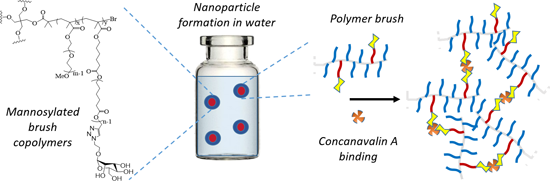
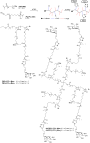
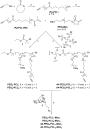
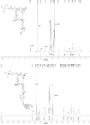
- (water and HBS buffer) were characterized by two populations. The volume distribution was still dominated by small-size nanomaterials (Dh ≈ 10 nm, Figure 5), although their intensity generally decreased with respect to larger colloids (Table 2 and Supporting Information File 1, Figures S23 and S24). This
- mannose residues were not hidden within the polymer colloids but were exposed for binding, since all the other glycopolymers did precipitate the lectin. The divalent compound PEG8-PCL2-Man2 was the most efficient agglutinating agent of the series, even more potent than the octa- and tetra-valent polymers



Microbubbles decorated with dendronized magnetic nanoparticles for biomedical imaging: effective stabilization via fluorous interactions
Beilstein J. Nanotechnol. 2019, 10, 2103–2115, doi:10.3762/bjnano.10.205
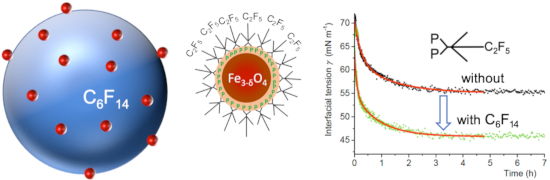
- MBs that incorporate IONPs are often made of polymers. For example, ultrasmall superparamagnetic iron oxide nanoparticles were embedded in the wall of poly(butyl cyanoacrylate)-based MBs, allowing the blood‒brain barrier penetration to be monitored [23]. Soft-shell colloids called lipospheres have


Pulsed laser synthesis of highly active Ag–Rh and Ag–Pt antenna–reactor-type plasmonic catalysts
Beilstein J. Nanotechnol. 2019, 10, 1958–1963, doi:10.3762/bjnano.10.192
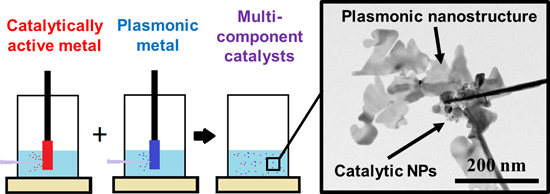
- Kenneth A. Kane Massimo F. Bertino Department of Physics, Virginia Commonwealth University, Richmond, Virginia, 23220, USA 10.3762/bjnano.10.192 Abstract Ag, Pt, and Rh monometallic colloids were produced via laser ablation. Separate Ag–Rh and Ag–Pt heterostructures were formed by mixing and
- for the monometallic precursor colloids, which are mixed together without any post laser treatment to form unalloyed heterostructures, is based on a previously reported method [20]. The reduction of 4-nitrophenol is a widely utilized benchmark method for gauging catalytic activity [21][22] as the rate
- benefits: (1) the absence of surfactants and ligands; (2) a simple, robust, and quick two-step method production; (3) bulk targets of the constituent metals as the only necessary ingredients. Experimental The synthesis of the monometallic colloids was carried out using a EKSPLA SL312G/SH/TH pulsed laser


A biomimetic nanofluidic diode based on surface-modified polymeric carbon nitride nanotubes
Beilstein J. Nanotechnol. 2019, 10, 1316–1323, doi:10.3762/bjnano.10.130
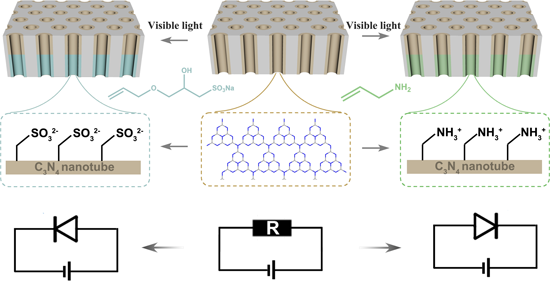
- Kai Xiao Baris Kumru Lu Chen Lei Jiang Bernhard V. K. J. Schmidt Markus Antonietti Max Planck Institute of Colloids and Interfaces, Department of Colloid Chemistry, 14476 Potsdam, Germany Key Laboratory of Bio-inspired Smart Interfacial Science and Technology of Ministry of Education, School of


Multicomponent bionanocomposites based on clay nanoarchitectures for electrochemical devices
Beilstein J. Nanotechnol. 2019, 10, 1303–1315, doi:10.3762/bjnano.10.129
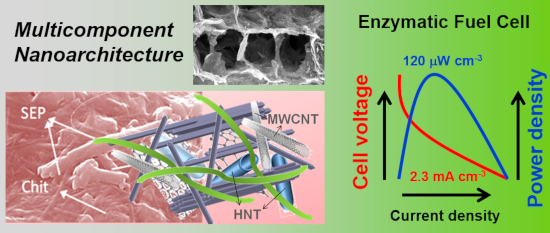
- fibrous clay, together with ultrasonication, is the key to disperse all these components in water. The resulting stable colloids can be processed as films and foams displaying acceptable mechanical properties, good electrical conductivity, and controlled porosity useful for diverse applications at the




Scavenging of reactive oxygen species by phenolic compound-modified maghemite nanoparticles
Beilstein J. Nanotechnol. 2019, 10, 1073–1088, doi:10.3762/bjnano.10.108
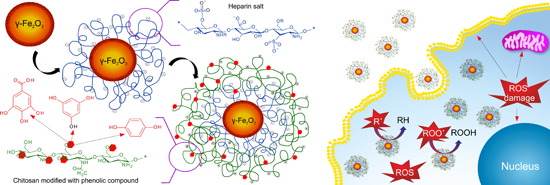
- chitosan-modified colloids at 260 K were similar and lower than those of the γ-Fe2O3 (by 6.3%) and γ-Fe2O3@Hep colloids (by 4.2%). Measurements of the magnetization as a function of the temperature were also performed for all colloids. The curves were very similar to that for the γ-Fe2O3@Hep-CS-G (Figure
- (10–260 K) and magnetic field (up to 5.5 T) was obtained for colloids frozen in quartz tubes using an MPMS superconducting quantum interference device (SQUID; Quantum Design; San Diego, CA, USA). The temperature dependence was analyzed using zero-field-cooled (ZF-C) and field-cooled (F-C) measurements
- aqueous γ-Fe2O3 colloid (4.4 mg/mL) at 260 K. The inset shows the magnetization curves of all colloids normalized by the nanoparticle weight. (d) Temperature dependence of the magnetization of the γ-Fe2O3@Hep-CS-G colloid. H is the applied magnetic field, and μ0 is the magnetic permeability of vacuum



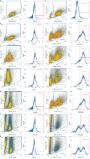


Features and advantages of flexible silicon nanowires for SERS applications
Beilstein J. Nanotechnol. 2019, 10, 725–734, doi:10.3762/bjnano.10.72

- nanostructures are used on either colloidal or solid substrates. A carefully prepared substrate for a specifically targeted molecule is of the crucial importance for the low SERS detection limit. The nanostructured surface significantly increases the effective SERS surface area of the substrates. Colloids are


Raman study of flash-lamp annealed aqueous Cu2ZnSnS4 nanocrystals
Beilstein J. Nanotechnol. 2019, 10, 222–227, doi:10.3762/bjnano.10.20
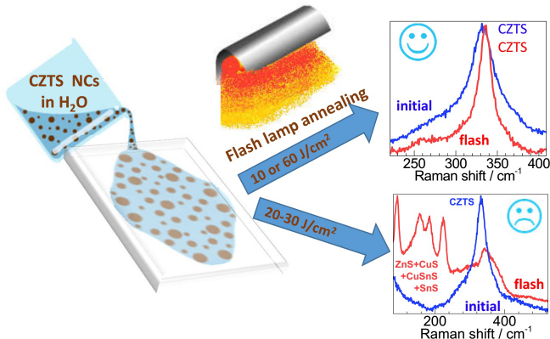
- valence states (Cu+, Zn2+, Sn4+, S2−), Cu(II) was reduced to Cu(I) and Sn(II) was oxidized to Sn(IV) in situ during the NC formation. The concentration of the as-prepared CZTS colloids was around 30 g/L and can be further increased by solvent evaporation or a precipitation/redispersion procedure [21


New micro/mesoporous nanocomposite material from low-cost sources for the efficient removal of aromatic and pathogenic pollutants from water
Beilstein J. Nanotechnol. 2019, 10, 119–131, doi:10.3762/bjnano.10.11
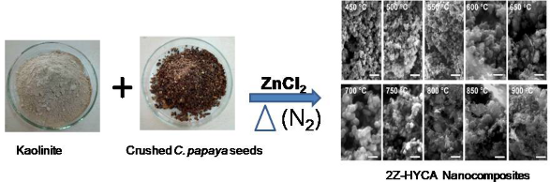
- Colloids and Interfaces, University of Potsdam, Alexander von Humboldt Foundation, and Chinese Academy of Sciences are also appreciated for financial support.




The nanoscaled metal-organic framework ICR-2 as a carrier of porphyrins for photodynamic therapy
Beilstein J. Nanotechnol. 2018, 9, 2960–2967, doi:10.3762/bjnano.9.275
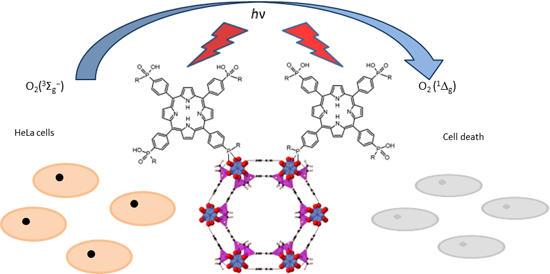
- ) (Figure S1, Supporting Information File 1). We prepared ICR-2 nanoparticles (nanoICR-2) the surface of which we modified with three different anionic porphyrins forming stable colloids in absolute EtOH or N,N-dimethylformamide (DMF) (Figure 1). Importantly, the porphyrins on the nanoparticle surfaces
- the DMF solution was 1.25 mmol (nanoICR-2/TPPPi(Ph)½) and 0.625 mmol (nanoICR-2/TPPPi(Ph)¼). This led to lower porphyrin concentrations in the resulting colloids of 6 × 10⁻⁵ mol·L−1 and 3 × 10⁻⁵ mol·L−1 for nanoICR-2/TPPPi(Ph)½ and nanoICR-2/ TPPPi(Ph)¼, respectively. Stability studies: NanoICR-2





