


Search results
Search for "crystallinity" in Full Text gives 347 result(s) in Beilstein Journal of Nanotechnology. Showing first 200.
Single-layer graphene oxide film grown on α-Al2O3(0001) for use as an adsorbent
Beilstein J. Nanotechnol. 2025, 16, 1082–1087, doi:10.3762/bjnano.16.79
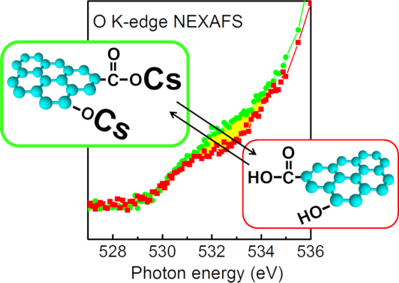
- is observed, accompanied by a substantial decrease in the intensity of the 2D band. These alterations are attributed to the presence of defects and a decline in crystallinity, which is associated with the attachment of oxygen functional groups. These spectral features were consistent with the


Piezoelectricity of hexagonal boron nitrides improves bone tissue generation as tested on osteoblasts
Beilstein J. Nanotechnol. 2025, 16, 1068–1081, doi:10.3762/bjnano.16.78
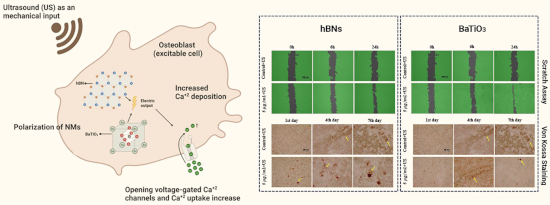
- drop-casting 1 μL of hBN suspension (prepared in deionized water) onto a TEM grid. Fourier-transform infrared spectroscopy (FTIR, Shimadzu IRAffinity-1S) and Raman spectroscopy (Renishaw, 532 nm laser) were used to analyze chemical bonds and assess crystallinity. UV–visible spectroscopy (Varian Cary UV


Multifunctional properties of bio-poly(butylene succinate) reinforced with multiwalled carbon nanotubes
Beilstein J. Nanotechnol. 2025, 16, 1014–1024, doi:10.3762/bjnano.16.76
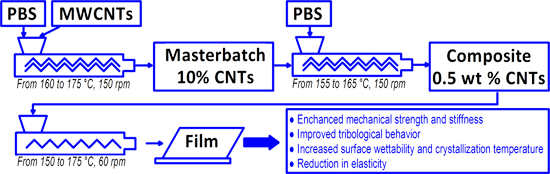
- in microbial environments is primarily attributed to its high degree of crystallinity [6][7][8]. A well-established approach to improving polymer properties involves the incorporation of nanofillers, particularly carbon nanotubes (CNTs). Even at low concentrations, CNTs can significantly affect the
- morphology and properties of the polymer matrix by altering its structure, crystallinity, thermal stability, and mechanical behavior [9][10][11]. CNTs can be classified into two basic types, namely, single-walled carbon nanotubes (SWCNTs) and multiwalled carbon nanotubes (MWCNTs). SWCNTs exhibit slightly
- in the PBS/CNT_0.5 nanocomposite was verified, with TGA data indicating a content of approximately 0.6 wt %. Differential scanning calorimetry (DSC) analysis was conducted to assess the effect of CNTs on the thermal properties and crystallinity of PBS. The DSC thermograms (Figure 5 and Figure 6



Time-resolved probing of laser-induced nanostructuring processes in liquids
Beilstein J. Nanotechnol. 2025, 16, 968–1002, doi:10.3762/bjnano.16.74
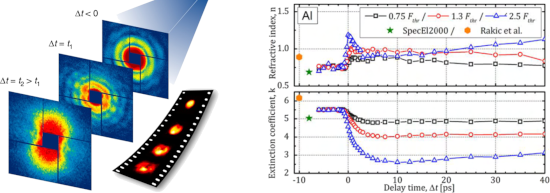
- Bragg peaks (in wide-angle X-ray scattering (WAXS) geometry) to specifically reconstruct the distribution of crystallinity and lattice strain [74]. In pump–probe configuration, photoinduced strain field oscillations in single Au nanocrystals [75] have been resolved. These studies revealed large-scale NP


Synthesis of biowaste-derived carbon-dot-mediated silver nanoparticles and the evaluation of electrochemical properties for supercapacitor electrodes
Beilstein J. Nanotechnol. 2025, 16, 933–943, doi:10.3762/bjnano.16.71
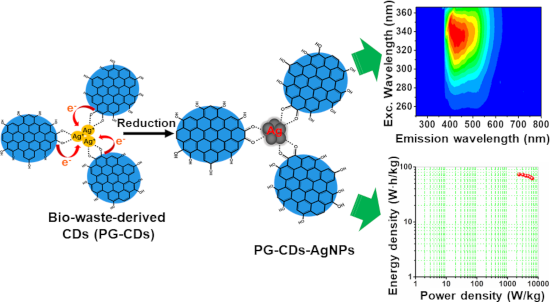
- storage. The size distribution, morphology, and crystallinity of PG-CDs-AgNPs were further characterized by SEM and TEM analysis. The SEM image of PG-CDs-AgNPs (Supporting Information File 1, Figure S2a) reveals that PG-CDs-AgNPs possess spherical and distorted spherical structure. Supporting Information
- crystalline nature. The ring-like diffraction suggests the (111) plane. The symmetry in the diffraction spots indicates that the spherical particles possess a high degree of crystallinity. Thus, both the SAED pattern and HRTEM image suggest that the synthesized spherical PG-CDs-AgNPs are nanocrystals


Heat-induced transformation of nickel-coated polycrystalline diamond film studied in situ by XPS and NEXAFS
Beilstein J. Nanotechnol. 2025, 16, 887–898, doi:10.3762/bjnano.16.67
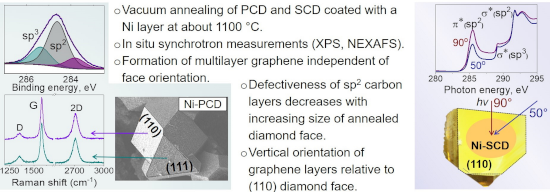
- a high degree of local crystallinity (i.e., high ordering of carbon atoms in the honeycomb network) and their C K-edge spectra contain a narrow and intense π*(sp2)-resonance [41][42]. However, the rather low intensity of the π*(sp2)-resonance in the spectrum of the annealed Ni-PCD film indicates
- indicate the high crystallinity of the sp3 lattice and the low concentration of nondiamond phases in the annealed PCD. The spectrum taken from the area between the microcrystallites, in addition to the diamond band, shows a weak Raman signal from the sp2-hybridized carbon, namely a broad G band at 1580 cm
- crystallinity of the sp2 carbon coating was observed in the case of the SCD substrate. Changing the angle between the synchrotron beam and the flat surface of Ni-SCD revealed a significant increase in the π*(sp2) peak intensity at normal incidence. This behavior indicates an anisotropic texture of sp2 carbon


Ar+ implantation-induced tailoring of RF-sputtered ZnO films: structural, morphological, and optical properties
Beilstein J. Nanotechnol. 2025, 16, 872–886, doi:10.3762/bjnano.16.66
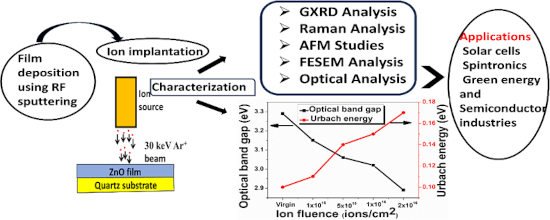
- merges completely with disorder-induced broad band at higher fluences. Moreover, the deconvolution of the A1 (LO) Raman peak affirms the presence of defect-related Raman modes in the implanted samples. A gradual reduction in crystallinity of the implanted ZnO films with increasing ion fluence is observed
- intense (002) peak is further analyzed. The intensity of the peak reduces with increasing ion fluence, revealing a reduction in crystallinity. This is due to argon ion implantation-induced lattice damage. Yet, even at the highest fluence, complete amorphization is not detected. ZnO films were implanted
- found to be 14.42 ± 0.35 nm. It decreases slowly with the rise in implantation fluence and achieves a value of 10.97 ± 0.47 nm at the highest ion fluence due to a reduced crystallinity of the implanted films. Moreover, argon atoms can reside on substitutional sites of the ZnO lattice, which causes






Changes of structural, magnetic and spectroscopic properties of microencapsulated iron sucrose nanoparticles in saline
Beilstein J. Nanotechnol. 2025, 16, 762–784, doi:10.3762/bjnano.16.59
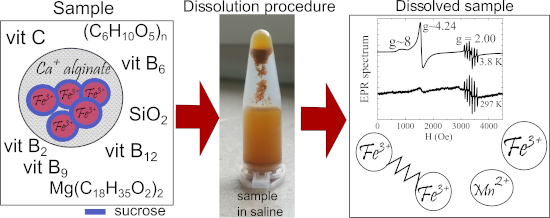
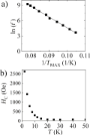
- of the core than of its surface layer. It should be added here that the presence of the uncompensated spins randomly distributed within the nanoparticle core volume, indicating poor crystallinity, is in line with the absence of high intensity, sharp peaks from the Fe phase in the XRD spectrum. Small





Efficiency of single-pulse laser fragmentation of organic nutraceutical dispersions in a circular jet flow-through reactor
Beilstein J. Nanotechnol. 2025, 16, 711–727, doi:10.3762/bjnano.16.55
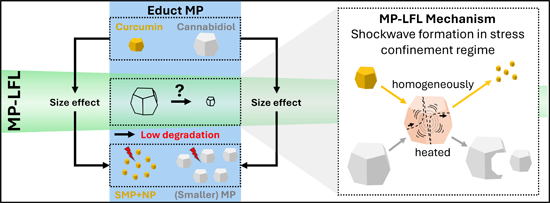
- the samples are the higher specific surface areas in the irradiated curcumin dispersions, as well as a potential decrease in particle crystallinity. Both effects are known to increase the water solubility of curcumin, yielding higher total concentrations of dissolved active and bioavailable curcumin


High-temperature epitaxial growth of tantalum nitride thin films on MgO: structural evolution and potential for SQUID applications
Beilstein J. Nanotechnol. 2025, 16, 690–699, doi:10.3762/bjnano.16.53
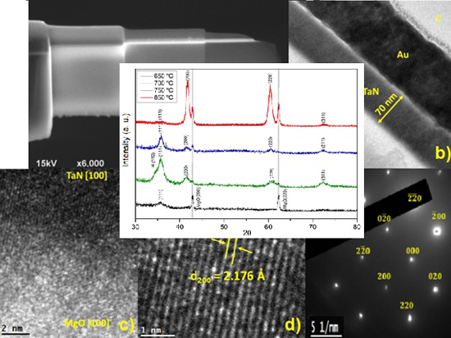
- , atomic force microscopy, and transmission electron microscopy analyses revealed that the TaN films exhibit excellent crystallinity and smooth surface morphology, when deposited at optimal temperatures of 750 and 850 °C. The films exhibit superconducting transition temperatures (Tc) ranging from 5.0 to
- could be pushed up to 10.8 K [13]. The Tc of TaN depends strongly on the crystallinity and stoichiometry of the thin films. Reports mentioned that pulsed laser deposition (PLD) in the reactive pulsed laser deposition (RPLD) mode is an efficient method for the growth of high-quality thin films [14]. In
- dynamics and superconducting characteristics of the films. X-ray diffraction (XRD) analysis revealed that the TaN thin films exhibited excellent crystallinity, with sharp diffraction peaks indicating well-defined structural phases. The deposition process was optimized by systematically adjusting substrate


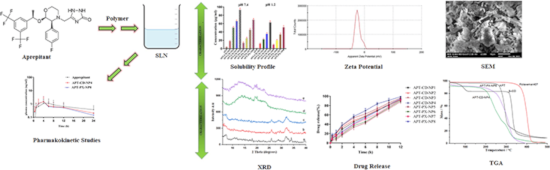
Aprepitant-loaded solid lipid nanoparticles: a novel approach to enhance oral bioavailability
Beilstein J. Nanotechnol. 2025, 16, 652–663, doi:10.3762/bjnano.16.50
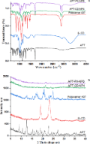
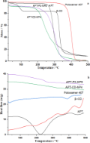
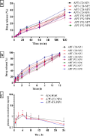
- exhibited less sharp peaks than APT because of a reduction of the polymer crystallinity. Also, the interaction of polymeric content with APT via hydrogen bonding converts the crystalline form of APT into an amorphous form [20]. TGA and DSC studies Thermogravimetric analysis showed that the thermal



Polyurethane/silk fibroin-based electrospun membranes for wound healing and skin substitute applications
Beilstein J. Nanotechnol. 2025, 16, 591–612, doi:10.3762/bjnano.16.46
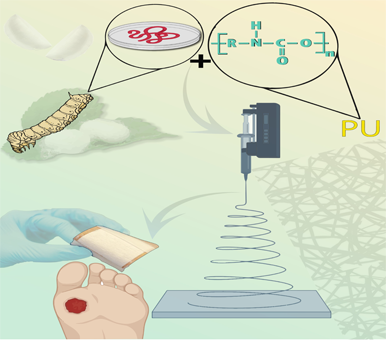
- macrophages and foreign bodies [127]. The degree of crystallinity is the key factor in developing biostable PU compounds. PU has two segmented structures, that is, a hard segment (made from isocyanate) and a soft segment (made from diols) [128]. A higher hard segment content will improve the hydrolytic
- hydrolytic stability, and this is one of the primary methods used to produce biostable PUs. PUs are made biostable by increasing their crystallinity. PU remains valuable in biomedical applications because of its elastomeric characteristics, lubricity, superior abrasion resistance, and high tensile strength
- biodegradable [124]. Degradation is limited in crystalline regions, while amorphous regions get degraded easily within PU. The molecular structure and composition of the polymer, its molecular weight, crystallinity, and the presence of cross-links and additives are a few elements that impact polymer degradation



Feasibility analysis of carbon nanofiber synthesis and morphology control using a LPG premixed flame
Beilstein J. Nanotechnol. 2025, 16, 581–590, doi:10.3762/bjnano.16.45
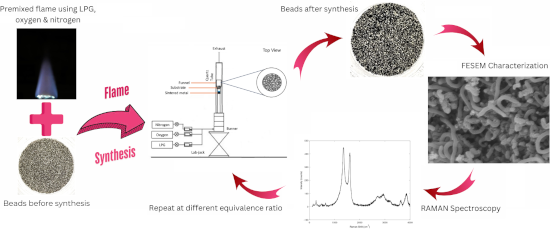
- varying equivalence ratios. The effects of flame equivalence ratio on the CNF morphology and crystallinity are then analyzed systematically. In the present study, a diffusion flame was used to check the stability of the flame at different flow rates, followed by establishing a premixed flat flame of LPG
- three stainless steel inlet tubes for LPG, oxygen, and nitrogen was used to synthesize CNTs. TEM images revealed a 0.35 nm interplanar spacing, showing high crystallinity and a thin amorphous layer [11]. In a separate study, CNFs were synthesized using acetylene and plasma-enhanced chemical vapor
- 1350 cm−1 for ID and 1592 cm−1 for IG. Generally, the formation of sp2-hybridized carbon atoms is often correlated to Raman spectra having G peaks at 1550–1600 cm−1, indicating the crystallinity. Similarly, a D peak at 1250–1450 cm−1 often correlates to defects and disorders of the sp2-hybridized



N2+-implantation-induced tailoring of structural, morphological, optical, and electrical characteristics of sputtered molybdenum thin films
Beilstein J. Nanotechnol. 2025, 16, 495–509, doi:10.3762/bjnano.16.38
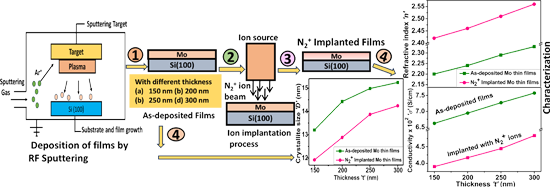
- implanted with 1 × 10¹⁷ N2+·cm−2 at 30 keV using a current density of 4 µA·cm−2. Surface morphology and structural, optical, and electrical properties of the as-deposited and implanted Mo thin films have been systematically investigated. The crystallinity of Mo thin films is enhanced with increasing
- thickness of the as-deposited films. This pattern persists with film thickness even after N2+ implantation. After implantation, crystallinity decreases relative to as-deposited films with the same nominal thickness. The AFM analysis reveals that RMS roughness increases with the thickness of Mo films
- Mo films increased with increasing thickness. This trend of intensity with thickness remains in the nitrogen-implanted films. At lower thicknesses (150 and 200 nm), crystallinity is significantly reduced because of the extensive penetration of nitrogen ions, resulting in considerable distortion of


Impact of adsorbate–substrate interaction on nanostructured thin films growth during low-pressure condensation
Beilstein J. Nanotechnol. 2025, 16, 473–483, doi:10.3762/bjnano.16.36

- , crystallinity, and surface chemistry of the films is crucial for optimizing performance in these applications. In adsorption–desorption processes, where materials are deposited from the gas phase, experimental techniques enable the study the formation of clusters or islands of adsorbed molecules/atoms, which


Quantification of lead through rod-shaped silver-doped zinc oxide nanoparticles using an electrochemical approach
Beilstein J. Nanotechnol. 2025, 16, 422–434, doi:10.3762/bjnano.16.33
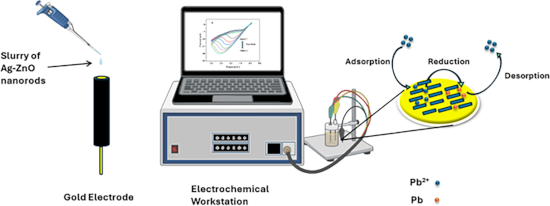
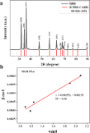
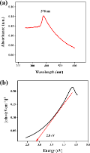
- they were fabricated using a low-temperature co-precipitation method. The resulting Ag@ZnO NRs had good optical properties, nanorod morphologies, and high crystallinity with no impurities. Technological advancements are leading people to use lightweight electronics and affordable sensors





Size control of nanoparticles synthesized by pulsed laser ablation in liquids using donut-shaped beams
Beilstein J. Nanotechnol. 2025, 16, 407–417, doi:10.3762/bjnano.16.31
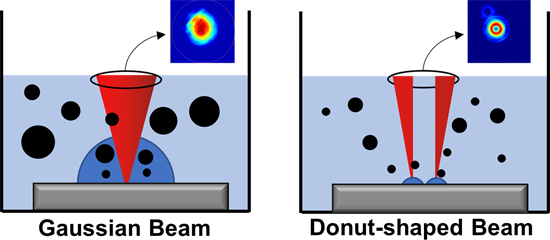
- and have a relatively low degree of crystallinity compared to the original target (Figure S4, Supporting Information File 1). The crystalline to amorphous transition is likely due to the development of stresses induced by ultrafast heating and cooling during PLAL [53]. However, both oxidation and


Tailoring of physical properties of RF-sputtered ZnTe films: role of substrate temperature
Beilstein J. Nanotechnol. 2025, 16, 333–348, doi:10.3762/bjnano.16.25
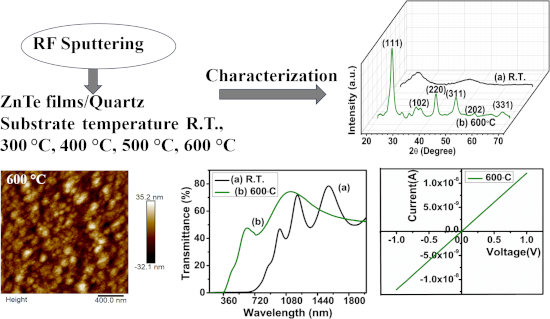
- crystallinity, high transmittance, and high conductivity of the ZnTe film produced at 600 °C make it a suitable candidate for use as a buffer layer in solar cell applications. Keywords: bandgap; physical properties; RF sputtering; substrate temperature; ZnTe; Introduction The industrialization and burning of
- Equation 4, and it decreases with increasing substrate temperature. The high value of crystallinity and low value of microstrain and dislocation density at 600 °C shows that good quality films can be fabricated at this temperature. Morphological investigation AFM was utilized to study the evolution of
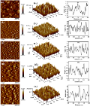
- at 400 °C). However, a significant increase in roughness from 3.12 nm at 500 °C to 9.28 nm at 600 °C was observed. These results are in correlation with our GXRD results, where a similar change in crystallinity was observed with substrate temperature [30]. The surface growth of films can be




Enhancing mechanical properties of chitosan/PVA electrospun nanofibers: a comprehensive review
Beilstein J. Nanotechnol. 2025, 16, 286–307, doi:10.3762/bjnano.16.22

- ]. Additionally, PVA contributes to reducing the crystallinity of the chitosan structure [19]. Because of their unique and exceptional properties, nanofibrous membranes have become prominent materials for a wide range of applications [20]. Throughout their time of use, electrospun fibers are exposed to
- control over fiber alignment and orientation [72]. Random fiber alignment and orientation, in addition to low crystallinity of electrospun structures, tend to result in poor mechanical strength [73]. To address the challenges of conventional electrospinning, researchers have explored alternative
- contradictory observation, including reduced crystallinity as evidenced by the X-ray diffraction results and the presence of bound solvent detected through differential scanning calorimetry, which acts as plasticizer in the chitosan/PVA membrane and reduces the storage modulus. Viana et al. [138] conducted DMA


Radiosensitizing properties of dual-functionalized carbon nanostructures loaded with temozolomide
Beilstein J. Nanotechnol. 2025, 16, 229–251, doi:10.3762/bjnano.16.18
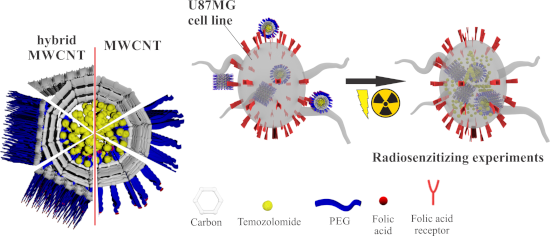
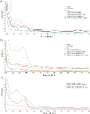
- its crystallinity, as previously reported by Nie and coauthors [67]. Furthermore, an increase of the intensity of the peak at 43° was also observed in addition to an occurrence of two new peaks at 2θ angles of 31° and 45°. The peak at 31° can be assigned to the (002) interlayer spacing in nanotubes
- , while the other at 45° is related to changes in the crystallinity or arrangements in the nanotubes after irradiation. In the X-ray pattern of MWCNTs-G-COOH, the two characteristic peaks at 2θ angles of 26° and 43° were also present; however, the intensity of the peak at 26° decreased in the irradiated




A review of metal-organic frameworks and polymers in mixed matrix membranes for CO2 capture
Beilstein J. Nanotechnol. 2025, 16, 155–186, doi:10.3762/bjnano.16.14
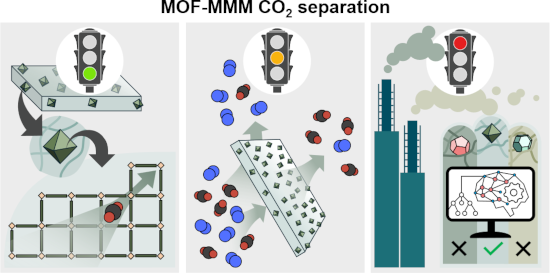
- MOF-based MMM system that perturb the crystallinity in the membrane will be discernable through XRD [121][129]. Energy-dispersive X-ray spectroscopy (EDX), and X-ray photoelectron spectroscopy (XPS) are commonly used to supplement the chemical analysis of MOF-based MMMs [113][137][143]. EDX can




TiO2 immobilized on 2D mordenite: effect of hydrolysis conditions on structural, textural, and optical characteristics of the nanocomposites
Beilstein J. Nanotechnol. 2025, 16, 128–140, doi:10.3762/bjnano.16.12
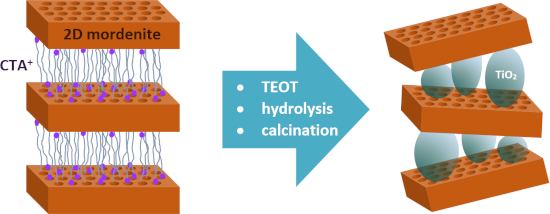
- similarly leads to the formation of TiO2. TiO2 is a well-known photocatalyst whose efficiency depends on a number of factors, including the crystalline phase, particle size, and degree of crystallinity. The most active phase of TiO2 is considered to be anatase. Its nanoparticles usually show higher



Fabrication of hafnium-based nanoparticles and nanostructures using picosecond laser ablation
Beilstein J. Nanotechnol. 2024, 15, 1639–1653, doi:10.3762/bjnano.15.129
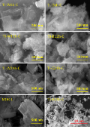
- ablated in DW. Figure 6 shows nanofibres (Figure 6a) and NPs (Figure 6c) formed in DW, together with the corresponding SAED patterns (Figure 6b and Figure 6d, respectively). A difference can be seen between the crystallinity of the nanofibres and that of the NPs. Figure 6b shows that the nanofibres are
- perfectly polycrystalline. In contrast, in Figure 6d, the presence of diffused rings for HfNPs-D indicates a mix of amorphous and polycrystalline phases in the NPs. The formation of HfO2 NPs in DW along with nanofibres and the observed crystallinity patterns can be explained by considering the decomposition
- defects may be due to impurities in the lattice structure, possibly in the form of oxygen contamination, or imperfect crystallinity of the graphitic layer or the NPs themselves. Further detailed PL studies are essential to understand the origin of the observed emission peaks. Nanostructures Figure 10




Effect of radiation-induced vacancy saturation on the first-order phase transformation in nanoparticles: insights from a model
Beilstein J. Nanotechnol. 2024, 15, 1453–1472, doi:10.3762/bjnano.15.117

- , changes in the structural properties of Ni nanostructures due to ion bombardment have been reported in [15]. Interestingly, certain types of radiation ions have shown a positive effect on the crystal structure, leading to an increase in the degree of crystallinity after the austenitic annealing of defects


Nanotechnological approaches for efficient N2B delivery: from small-molecule drugs to biopharmaceuticals
Beilstein J. Nanotechnol. 2024, 15, 1400–1414, doi:10.3762/bjnano.15.113

- both liquid and solid lipids. The non-ideal crystalline structure of the NLCs reduces the crystallinity degree, thus offering enhanced drug loading capacity while preventing drug expulsion [103]. Because of their advantages, such as improved encapsulation of lipophilic drugs and increased brain





