Search results
Search for "cyclodextrin" in Full Text gives 42 result(s) in Beilstein Journal of Nanotechnology.
Internalization mechanisms of cell-penetrating peptides
Beilstein J. Nanotechnol. 2020, 11, 101–123, doi:10.3762/bjnano.11.10
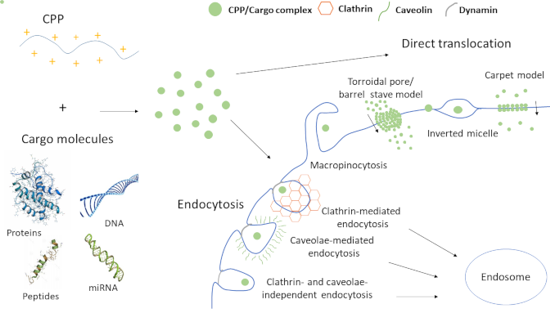
- -cyclodextrin (which depletes cell surface associated cholesterol) and macropinocytosis-specific inhibitors (such as cytochalasin D, an inhibitor of F-actin or EIPA, an inhibitor or the Na+/H+ exchange), a dose-dependent reduction of the internalized peptide was observed, which led to the conclusion that TAT


The systemic effect of PEG-nGO-induced oxidative stress in vivo in a rodent model
Beilstein J. Nanotechnol. 2019, 10, 901–911, doi:10.3762/bjnano.10.91
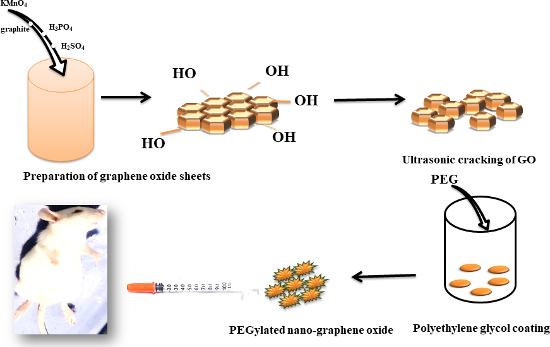
- ) [5], poly(ε-caprolactone) (PCL) [6], hydroxypropyl-β-cyclodextrin (HPCD) [7], and poly(L-lactic acid) (PLLA) [8]. Biocompatible GO has many prospective uses in tissue engineering [9], drug delivery [10], cancer therapy [11][12], and treatment of bacterial infections [13][14]. Dinescu et al. designed


Ceria/polymer nanocontainers for high-performance encapsulation of fluorophores
Beilstein J. Nanotechnol. 2019, 10, 522–530, doi:10.3762/bjnano.10.53
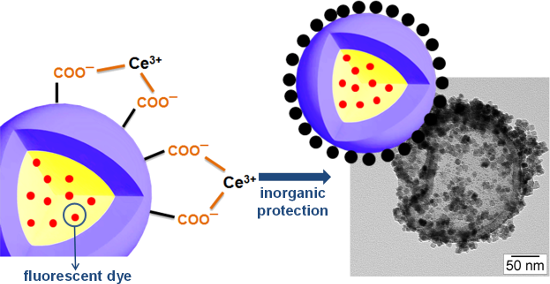
- polyoxyethanyl α-tocopheryl sebacate [37] significantly reduces oxygen quenching. Last but not least, another possibility is to attach an oxygen scavenger (e.g., diphenylanthracene moieties) to the emissive dye itself [38]. Decoration of the molecular structure of cyanine dyes including a cyclodextrin complex


A novel polyhedral oligomeric silsesquioxane-modified layered double hydroxide: preparation, characterization and properties
Beilstein J. Nanotechnol. 2018, 9, 3053–3068, doi:10.3762/bjnano.9.284
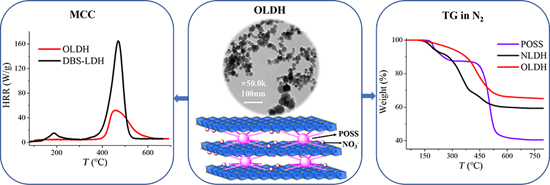
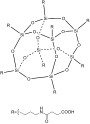
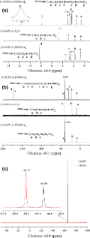
- ][19], amino acids [20], anionic dyes [11], and compounds of biological origin, such as β-cyclodextrin and eugenol derivatives [9][10][13][21]. However, most of these current modifiers do not have satisfactory thermal stability and are flammable, reducing the thermal and fire stability of the LDHs







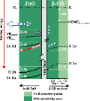
Cyclodextrin inhibits zinc corrosion by destabilizing point defect formation in the oxide layer
Beilstein J. Nanotechnol. 2018, 9, 936–944, doi:10.3762/bjnano.9.86
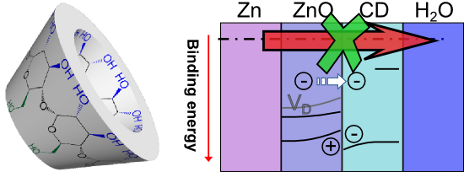
- . This work uses electrochemical impedance spectroscopy to show the cyclic oligosaccharide β-cyclodextrin (β-CD) to inhibit corrosion of zinc in 0.1M chloride with an inhibition efficiency of up to 85%. Only a monomolecular adsorption layer of β-CD is present on the surface of the oxide covered metal
- ) compounds, and environmentally friendly alternatives are needed [2][7]. Control experiments in a recent work on encapsulating poorly water soluble organic corrosion inhibitors in the cyclic oligosaccharide β-cyclodextrin (β-CD) for incorporation into model polymer coatings on zinc led to the surprising


Cyclodextrin-assisted synthesis of tailored mesoporous silica nanoparticles
Beilstein J. Nanotechnol. 2018, 9, 693–703, doi:10.3762/bjnano.9.64
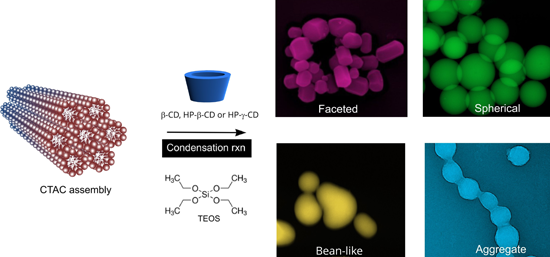
- influenced by the type of additives used, e.g., solvent and pore-templating agent. Here, we studied the influence of cyclodextrin (CD) molecules on the formation of MSNs. The nanoparticles over 100 nm in diameter were synthesized by surfactant-templated, hydrolysis–polycondensation reactions in the presence
- additives in a simple, one-pot reaction system for a wide range of applications. Keywords: cyclodextrin; faceted particles; mesoporous silica nanoparticles (MSN); microporous; Introduction With the availability of several types of surfactants and the increased understanding of sol–gel chemistry, numerous
- hand, increasing the CD concentration led to larger particles. Experimental Materials Ethanol (EtOH, >99%) and tetraethyl orthosilicate (TEOS, 98%) were purchased from Sigma-Aldrich. Hexadecyltrimethylammonium chloride (CTAC, >98%) was received from TCI Chemicals (Germany). β-Cyclodextrin (β-CD


Development of polycationic amphiphilic cyclodextrin nanoparticles for anticancer drug delivery
Beilstein J. Nanotechnol. 2017, 8, 1457–1468, doi:10.3762/bjnano.8.145
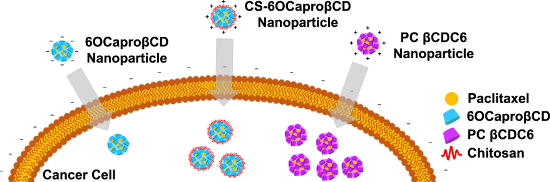
- agents for gene delivery in the form of nanoplexes. In this study, the potential of polycationic, amphiphilic cyclodextrin nanoparticles were evaluated in comparison to non-ionic amphiphilic cyclodextrins and core–shell type cyclodextrin nanoparticles for paclitaxel delivery to breast tumors. Pre
- -formulation studies were used as a basis for selecting the suitable organic solvent and surfactant concentration for the novel polycationic cyclodextrin nanoparticles. The nanoparticles were then extensively characterized with particle size distribution, polydispersity index, zeta potential, drug loading
- capacity, in vitro release profiles and cytotoxicity studies. Results: Paclitaxel-loaded cyclodextrin nanoparticles were obtained in the diameter range of 80−125 nm (depending on the nature of the cyclodextrin derivative) where the smallest diameter nanoparticles were obtained with polycationic (PC) βCDC6


Association of aescin with β- and γ-cyclodextrins studied by DFT calculations and spectroscopic methods
Beilstein J. Nanotechnol. 2017, 8, 348–357, doi:10.3762/bjnano.8.37
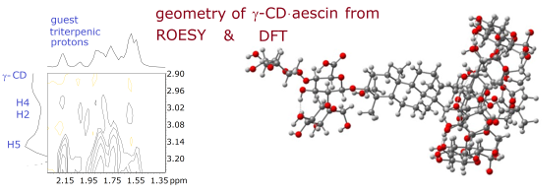
- also occurs with β-CD. The geometry of the γ-CD·aescin complex is characterised by the inclusion of the triterpene segment of aescin into the host cavity. Keywords: aescin; cyclodextrin inclusion; DFT; 1H NMR; ROESY; Introduction Aescin is the main component of the crystalline saponins obtained from
- variation method In the evaluation of the interaction of cyclodextrin with a guest molecule in aqueous solution, one first needs to investigate the stoichiometry [26]. For this, the continuous variation method (Job plot) [27] was employed. This assay consists in mixing aqueous solutions of host and guest in
- solution, most likely the 2:1 γ-CD/aescin species. Apparent association constant The samples used for the calculation of the apparent association constant (Kapp) comprised aqueous solutions with a fixed concentration of cyclodextrin and variable concentrations of aescin (in excess from five to ten folds


Preparation of alginate–chitosan–cyclodextrin micro- and nanoparticles loaded with anti-tuberculosis compounds
Beilstein J. Nanotechnol. 2016, 7, 1208–1218, doi:10.3762/bjnano.7.112
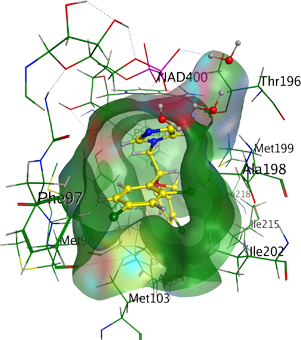
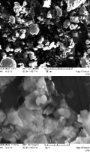
- , 41400, Turkey 10.3762/bjnano.7.112 Abstract This paper describes the synthesis and application of alginate–chitosan–cyclodextrin micro- and nanoparticulate systems loaded with isoniazid (INH) and isoconazole nitrate (ISN) as antimycobacterial compounds. Preparation and morphology of the obtained
- density distribution. It has been detected that alginate–chitosan–cyclodextrin microparticulate systems loaded with INH and ISN are as effective as pure INH applied in higher dosages. Keywords: chitosan; β-cyclodextrin; density functional theory (DFT); isoconazole; isoniazid; molecular docking
- quantity of the administered drugs, and to avoid first-pass effects and to reduce the side effects, various different micro- and nanoparticle-based alginate–chitosane–cyclodextrin systems loaded with antituberculosis drugs for nebulisation have been proposed. Similar systems have been shown effective for

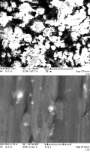


Gold nanoparticles covalently assembled onto vesicle structures as possible biosensing platform
Beilstein J. Nanotechnol. 2016, 7, 655–663, doi:10.3762/bjnano.7.58
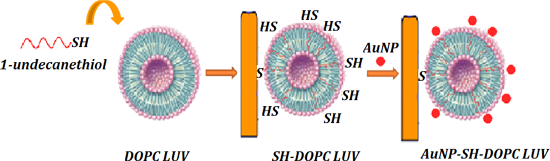
- per-6-thio-β-cyclodextrin accomplished via covalent gold–thiol bonds [10]. These AuNPs provide an excellent platform for drug delivery due to the functional versatility of their monolayers. The vesicles with AuNPs are suitable for applications such as transport inside cells [11], photodynamic


Rigid multipodal platforms for metal surfaces
Beilstein J. Nanotechnol. 2016, 7, 374–405, doi:10.3762/bjnano.7.34

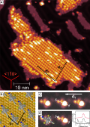
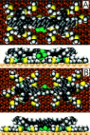
- ], ß-cyclodextrin-based [119][120][121][122][123] thiols 25 and sufides 26, as well as other thiol-terminated dendrimers 27–28 [104][124]. Although this multipodal approach with several anchoring points enhanced the stability of some of these platforms on gold, the self-assembled monolayers are
- typically poorly ordered due to the presence of long alkyl chains as revealed by IR spectroscopy analysis of ß-cyclodextrin and resorcin[4]arene scaffolds. Substitution of these platforms with long dialkylsulfides with a lower affinity to gold improved the lateral mobility of monolayers. The increased


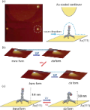








Optimized design of a nanostructured SPCE-based multipurpose biosensing platform formed by ferrocene-tethered electrochemically-deposited cauliflower-shaped gold nanoparticles
Beilstein J. Nanotechnol. 2015, 6, 1840–1852, doi:10.3762/bjnano.6.187
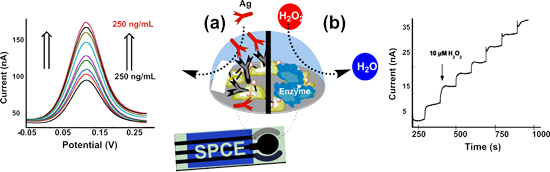
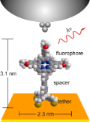
- that were tethered with a β-cyclodextrin/ferrocene inclusion complex as a transducing system. Connection between gold and the ferrocene host was achieved thanks to a thiol terminal group [13]. The ferrocene complex acted as an electron shuttle allowing for glucose oxidation at low potentials. Li et al


Different endocytotic uptake mechanisms for nanoparticles in epithelial cells and macrophages
Beilstein J. Nanotechnol. 2014, 5, 1625–1636, doi:10.3762/bjnano.5.174
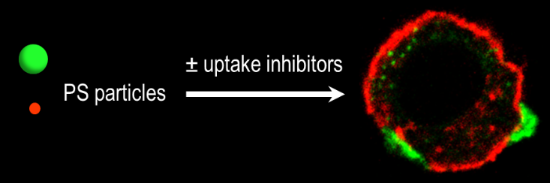
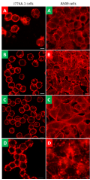
- , fluorescently labelled transferrin can be used to investigate clathrin-mediated endocytosis [32][41][42]. Caveolae and lipid raft internalizations are known to be inhibited by nystatin, filipin and methyl-β-cyclodextrin (mβcd) through depletion of the cholesterol from the cell membrane by forming inclusion
- (Dansylcadaverine, D4008, Sigma-Aldrich). Inhibition of caveolin-mediated endocytosis was performed in both cell lines using 10 mM methyl-β-cyclodextrin (mβcd) (C4555, Sigma-Aldrich). A 4 µM cytochalasin D (C8273, Sigma-Aldrich) solution was used to inhibit phagocytosis and macropinocytosis in both cell lines. Cell
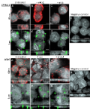
- monodansylcadaverine (mdc) in J774A.1 cells and methyl-β-cyclodextrin (mβcd) in A549 cells. (D) Negative control. (E–G) Uptake of 1 µm PS particles (particles: green, cytosol: grey). (E) Untreated cells with 1 µm particles. (F–G) 1 µm particles with the same adequate inhibitors. Scale bar: 5 µm. White arrows represent



PEGylated versus non-PEGylated magnetic nanoparticles as camptothecin delivery system
Beilstein J. Nanotechnol. 2014, 5, 1312–1319, doi:10.3762/bjnano.5.144
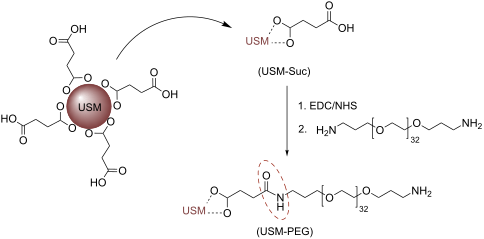
- by means of nano-formulations cover a wide range of organic nanomaterials [11][12][13][14][15][16][17][18][19]. Noticeably, a cyclodextrin-containing polymer–CPT nano-formulation is currently undergoing phase II clinical trials [20]. Superparamagnetic iron oxide nanoparticles (SPION) are particularly


Cyclodextrin-poly(ε-caprolactone) based nanoparticles able to complex phenolphthalein and adamantyl carboxylate
Beilstein J. Nanotechnol. 2014, 5, 651–657, doi:10.3762/bjnano.5.76
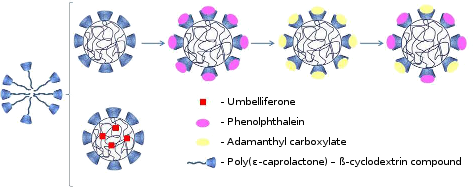
- Chemie, Geb. 26.33, Eb. 00, Universitätsstr. 1, 40225 Düsseldorf, Germany 10.3762/bjnano.5.76 Abstract A new compound composed of poly(ε-caprolactone) and β-cyclodextrin (β-CD) was synthesized by click chemistry. This compound was used to obtain stable nanoparticles, which have been proven to be able to
- phase, which may serve as an example for the uptake of a drug. The formed nanoparticles were characterized in terms of sizes and morphology by both DLS and TEM. Keywords: click reaction; complexation; cyclodextrin; encapsulation; nanoparticles; Introduction The development of new nanoscale systems for
- phenolphthalein is included in the hydrophobic cavity of β-cyclodextrin (Figure 6b) and the suspension changes its color from pink in white (Figure 5). The affinity of adamantyl carboxylate to β-cyclodextrin is higher than of phenolphthalein to β-cyclodextrin. Thus, the addition of adamantyl carboxylate results


One pot synthesis of silver nanoparticles using a cyclodextrin containing polymer as reductant and stabilizer
Beilstein J. Nanotechnol. 2014, 5, 380–385, doi:10.3762/bjnano.5.44
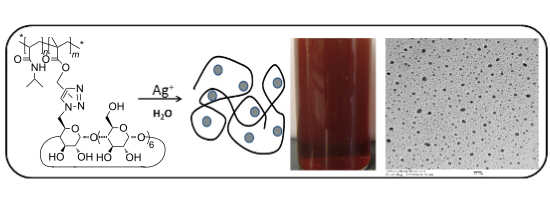
- using silver nitrate and a copolymer 1 from N-isopropylacrylamide (NIPAM) and mono-(1H-triazolylmethyl)-2-methylacryl-β-cyclodextrin acting as reductant and stabilizer without using any additional reducing agent is reported. The reduction was carried out in aqueous solution under pH neutral conditions
- period of several weeks. Furthermore the changes in the optical properties of the nanoparticles due to thermo induced volume phase transition behavior of the thermoresponsive cyclodextrin containing polymer 1 have been characterized by UV–vis spectroscopy. Keywords: cyclodextrin; polymer; silver
- environmental and biological risky reducing agents and solvents such as sodium borohydride, hydrazine or dimethylformamide. Consequently, the interest in a green nanoparticle synthesis using natural reducing agents like saccharides or cyclodextrin (CD) in environmentally benign solvents increased [9][10][11][12


Self-assembled monolayers and titanium dioxide: From surface patterning to potential applications
Beilstein J. Nanotechnol. 2011, 2, 845–861, doi:10.3762/bjnano.2.94