Search results
Search for "defects" in Full Text gives 746 result(s) in Beilstein Journal of Nanotechnology. Showing first 200.
Advancing nanolithography: a comprehensive review of materials for local anodic oxidation with AFM
Beilstein J. Nanotechnol. 2026, 17, 275–291, doi:10.3762/bjnano.17.19
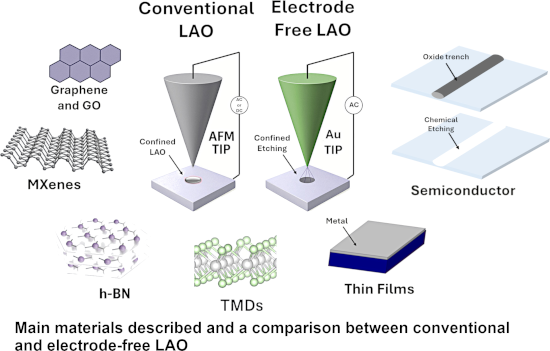
- graphene or boron nitride, authors of [23] have shown how reaction by-products are efficiently removed, escaping as gas (i.e., CO2 in the case of graphene). The resulting patterns exhibit excellent quality with minimal defects (Figure 3e,f). However, a potential drawback is the use of Au-coated tips under
- surfaces), and environmental factors, such as humidity, which can impact reproducibility. LAO-grown oxide is less dense than thermally grown oxide, and mechanical stress between the substrate and oxide layer may lead to defects. In addition, the insulating nature of SiO2 limits its versatility compared to
- substrate (such as SiO2) and contacted from the top, oxidation can disrupt lateral conductivity, effectively isolating the 2D material and leading to unwanted defects. Bernal-stacked graphene allows for uniform oxidation across layers, while non-Bernal stacked graphene limits oxidation to the topmost layer


Gold nanoparticle-decorated reduced graphene oxide as a highly effective catalyst for the selective α,β-dehydrogenation of N-alkyl-4-piperidones
Beilstein J. Nanotechnol. 2026, 17, 218–238, doi:10.3762/bjnano.17.15
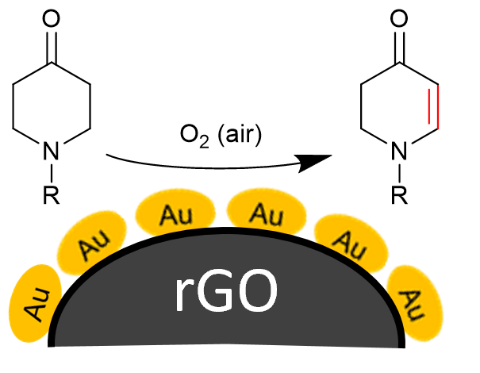
- (C–O, C=O, –OH) that can form hydrogen bonds or coordination interactions with citrate ligands and Au species [29][30]. These localized polar sites promote adsorption. Second, charge inhomogeneities on rGO arising from structural defects, residual oxygenated patches, and edge terminations create
- catalyst, and around 7 nm for both Au-SiW9/rGO and Au@SiW9/rGO. These values correlate with the particle size distributions observed in the TEM histogram analysis. The slight variation in measured sizes can be attributed to limitations of the instrumentation, the presence of structural defects, the


Time of flight secondary ion mass spectrometry imaging of contaminant species in chemical vapour deposited graphene on copper
Beilstein J. Nanotechnol. 2026, 17, 200–213, doi:10.3762/bjnano.17.13
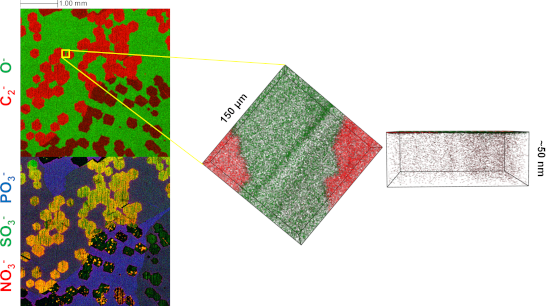
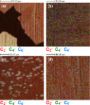
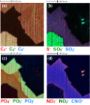
- Cu oxide across the imaged area, but without the same evidence of streaks of oxide as seen for the Ar:H2 sample. The suggests the extent of oxidation of the copper does vary, with regions with greater Cu− ion signal consistent with less oxidation. This could suggest variations in the level of defects





Functional surface engineering for cultural heritage protection: the role of superhydrophobic and superoleophobic coatings – a comprehensive review
Beilstein J. Nanotechnol. 2026, 17, 63–96, doi:10.3762/bjnano.17.6

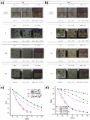
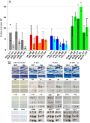
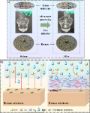
- labeled F-WPU@ZIF-8/ Ti3C2Tx. The two nanomaterials (the MOF ZIF-8 and the 2D MXene Ti3C2Tx), synthesized and dispersed uniformly before being incorporated into the WPU matrix and sprayed onto the bronze substrates, were aimed to fill microcracks and structural defects in the polymer matrix, improving




Reduced graphene oxide paper electrode for lithium-ion cells – towards optimized thermal reduction
Beilstein J. Nanotechnol. 2026, 17, 24–37, doi:10.3762/bjnano.17.3
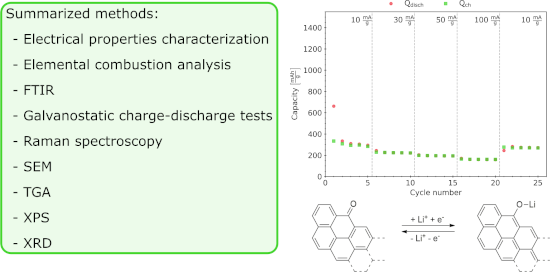
- lithium sulfur batteries [19]. Such an improvement is enabled by the graphene-like structure and the defects within the flakes, represented not only by non-regular rings in the carbon lattice but also by the presence of oxygen functionalities and their percentile content [20][21][22]. A schematic
- functions are presented in Figure 4. The A peak (also denoted as D*) possibly involves the C–H modes of the sp2 rings [21] or results from bonds between the sp2 and sp3 domains [36]. The C peak may also be of this origin [21]. The D peak refers to sp2 aromatic rings and their defects [21] and is also
- D peak [45]. The peak denoted as B (also denoted as D') is said to be related to Stone–Wales defects (5-7-7-5 rings), 5-8-5 rings [21], and other irregularities in the carbon rings. The D+G peak is of graphene/graphitic origin [21]. Upon reduction, the A and D'' peaks increased, suggesting an



Chiral plasmonic nanostructures fabricated with circularly polarized light
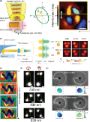
Beilstein J. Nanotechnol. 2025, 16, 2245–2264, doi:10.3762/bjnano.16.154
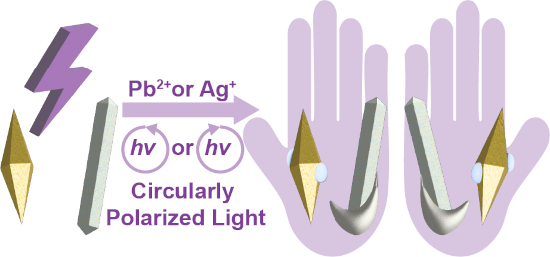
- to treat morning sickness in pregnant women. One of its enantiomers was found to have sedative effects, while the other was identified as teratogenic, leading to tragic consequences, including over 10,000 severe birth defects in children [4][5][6][7][8]. Promoting the separation and detection of





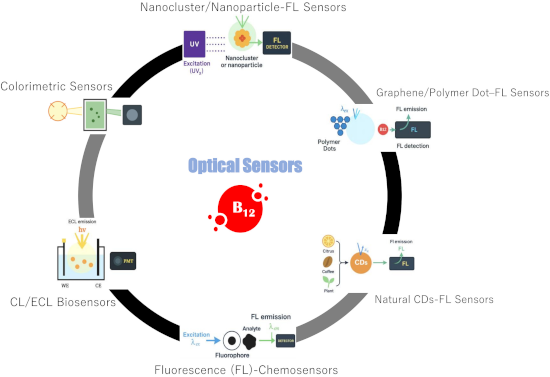
Optical bio/chemical sensors for vitamin B12 analysis in food and pharmaceuticals: state of the art, challenges, and future outlooks
Beilstein J. Nanotechnol. 2025, 16, 2207–2244, doi:10.3762/bjnano.16.153


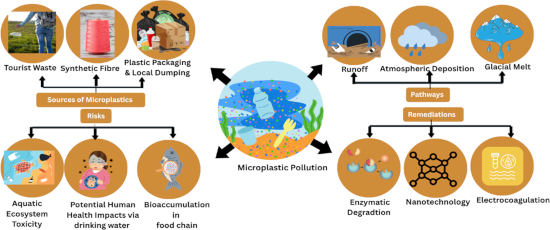
Microplastic pollution in Himalayan lakes: assessment, risks, and sustainable remediation strategies
Beilstein J. Nanotechnol. 2025, 16, 2144–2167, doi:10.3762/bjnano.16.148
- more surface area, allowing for better interaction with MPs [76]. The incorporation of GO in composite materials not only improves photocatalytic activity, but it also serves a second purpose by adsorbing MPs prior to degradation. The utilization of photocatalysts that have been engineered with defects
- is an emerging area. The defects in the crystal structure of nanomaterials trap light energy and enhance the production of ROS. According to Kim and Youn, these developments are essential to address the robustness and effectiveness of photocatalysts in a variety of environmental conditions [77]. 6.2
- simultaneously utilizing the abundant UV radiation [75]. It has been demonstrated that the light absorption of ZnO and TiO2 is improved by defect engineering, such as the introduction of oxygen vacancies. According to Kim and Youn, these defects trap light energy, which lowers charge carrier recombination rates


Electron transport through nanoscale multilayer graphene and hexagonal boron nitride junctions
Beilstein J. Nanotechnol. 2025, 16, 2132–2143, doi:10.3762/bjnano.16.147
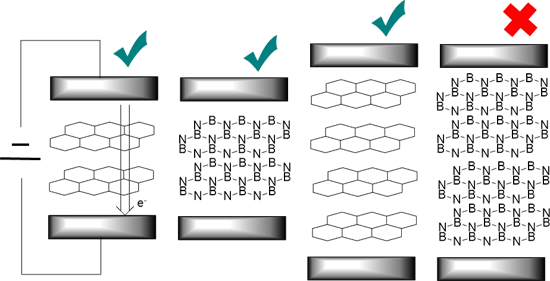
- perpendicular to the layers in the stacking direction. We compared the decay of the current with the number of layers and evaluated the ability of h-BN to filter currents as a material coating. To investigate the effect of disorder, we included two major defects in the graphene lattice, namely, nitrogen doping
- and Stone–Wales defects. Nitrogen doping transforms graphene from a zero-bandgap semiconductor to a metal, while Stone–Wales defects open the bandgap. For h-BN, we considered Stone–Wales defects. A detailed comparison of electron transport through five materials, that is, multilayer nanoscale graphene
- [2], nanoscale electronics and electronic components [3], thermoelectric devices [4], and transparent films [5]. Graphene is a two-dimensional zero-bandgap semiconductor with excellent bulk conductivity. Its in-plane electron transport strongly depends on lattice order, lattice defects, and three


Molecular and mechanical insights into gecko seta adhesion: multiscale simulations combining molecular dynamics and the finite element method
Beilstein J. Nanotechnol. 2025, 16, 2055–2076, doi:10.3762/bjnano.16.141
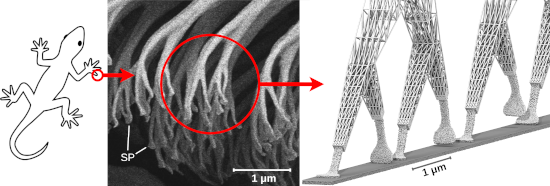


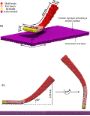



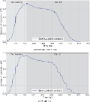


Beyond the shell: exploring polymer–lipid interfaces in core–shell nanofibers to carry hyaluronic acid and β-caryophyllene
Beilstein J. Nanotechnol. 2025, 16, 2015–2033, doi:10.3762/bjnano.16.139
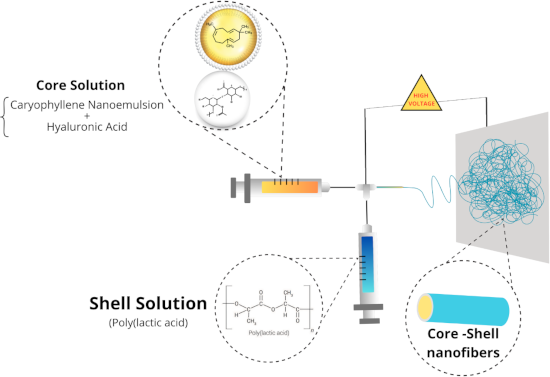
- ], its concentration in the core significantly affects the overall viscosity of the solution, potentially causing instability in the Taylor cone and leading to bead formation and other morphological defects in the fibers [49]. Micrographs revealed the morphological changes resulting from different HA
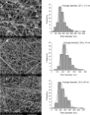
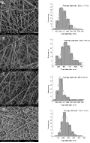
- identified in the fiber structure were attributed to instabilities in the electrospinning process, likely resulting from the low core flow rate (0.04 mL/h). Despite these minor defects, the majority of the fibers exhibited continuous and well-defined cores, confirming the consistency of the process and their
- more prone to defects due to crystallization within a confined space [75]. As a result, water diffusion in these amorphous regions increases, and the catalytic effect of the carboxyl groups may accelerate the hydrolytic degradation of semicrystalline samples [20][65][73]. Furthermore, the crystallinity




Evaluating metal-organic precursors for focused ion beam-induced deposition through solid-layer decomposition analysis
Beilstein J. Nanotechnol. 2025, 16, 1942–1951, doi:10.3762/bjnano.16.135
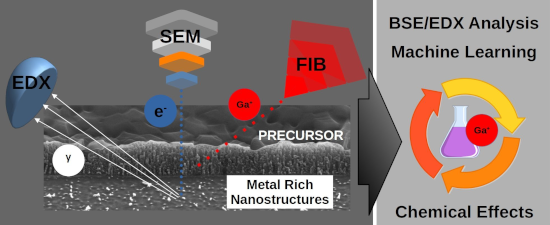
- significant beam-induced substrate defects (e.g., Ga atom implantation). Additionally, material growth is required to compete with the FIB milling process [4][9]. The use of ions instead of electrons, like in FEBID, offers several benefits, including enhanced film quality and adhesion, better control over the


Piezoelectricity of layered double hydroxides: perspectives regarding piezocatalysis and nanogenerators
Beilstein J. Nanotechnol. 2025, 16, 1812–1817, doi:10.3762/bjnano.16.124

- instead arise from triboelectric, electrochemical, or mechanochemical contributions. (2) Confusion of mechanisms: Different studies attribute performance improvements either to symmetry breaking (ultrathin LDH, loss of inversion centers, piezoelectrical properties), to defects (oxygen vacancies and

Electrical, photocatalytic, and sensory properties of graphene oxide and polyimide implanted with low- and medium-energy silver ions
Beilstein J. Nanotechnol. 2025, 16, 1794–1811, doi:10.3762/bjnano.16.123
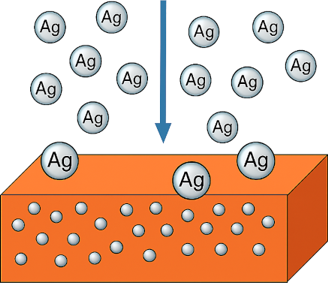
- often leads to the displacement of the target nuclei and to significant defect formation in the irradiated material, such as substitution defects [21]. We performed an initial estimation of the ions’ energy losses and range depth of the implanted Ag ions in GO and PI films using SRIM software [22]. This
- structural analysis of GO before and after ion irradiation was conducted using Raman spectroscopy [28]. This spectroscopic technique, known for its effectiveness in probing disorders and defects within crystal structures, proved particularly valuable in characterizing graphite and its derivatives [29]. The
- of GO characterizes the degree of defects and structural disturbances in the carbon lattice. Similar results were obtained when GO was irradiated with 1.5 MeV Ag ions, with a significant decrease in the D peak. In this case, the decrease is most pronounced for the 3.75 × 1014 cm−2 ion fluence, with


Bioinspired polypropylene-based functionally graded materials and metamaterials modeling the mistletoe–host interface
Beilstein J. Nanotechnol. 2025, 16, 1592–1606, doi:10.3762/bjnano.16.113
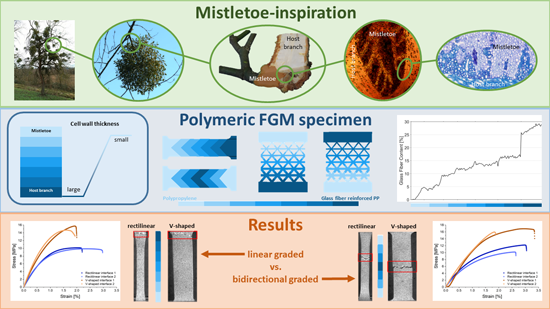
- W, ensuring that only areas without visible defects were cut out of the plates. For specimens with rectilinear interfaces, conventional dog bone specimens were prepared. For specimens with V-shaped interfaces, however, the geometry had to be slightly adapted (widened) so that a complete V-shape


Photocatalytic degradation of ofloxacin in water assisted by TiO2 nanowires on carbon cloth: contributions of H2O2 addition and substrate absorbability
Beilstein J. Nanotechnol. 2025, 16, 1567–1579, doi:10.3762/bjnano.16.111
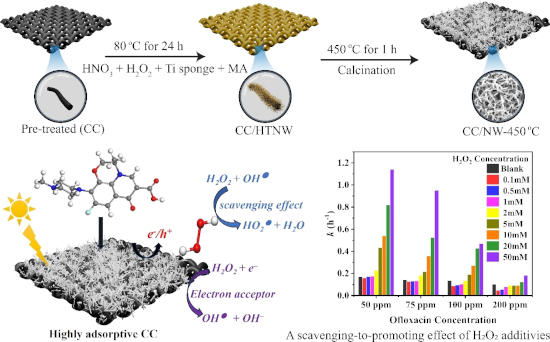
- CC/NW-450 °C is evaluated to be 2.97 eV (Figure 3a inset). This value is smaller than the bandgap of 3.2 eV for anatase TiO2, which can be attributed to the strong interaction between TiO2 and the carbon cloth, which may induce localized states within the bandgap and potentially introduce defects


Modeling magnetic properties of cobalt nanofilms used as a component of spin hybrid superconductor–ferromagnetic structures
Beilstein J. Nanotechnol. 2025, 16, 1557–1566, doi:10.3762/bjnano.16.110
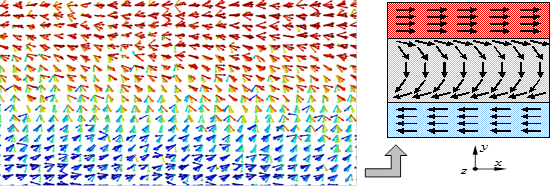
- -monolayers, the number of nearest neighbors for cobalt atoms sharply decreases. This weakens the exchange interaction that stabilizes the ferromagnetic order. Disruption of lattice periodicity and a high density of defects exacerbate this problem. For these reasons, such studies are not included in this


Transient electronics for sustainability: Emerging technologies and future directions
Beilstein J. Nanotechnol. 2025, 16, 1545–1556, doi:10.3762/bjnano.16.109

- of organic displays, are known for their superior water resistance due to their densely packed atomic structures. However, even these films are susceptible to defects formed during deposition, which compromise their barrier function. To overcome this, display technologies have utilized techniques
- methods in transient electronics to enhance inorganic encapsulation performance. Yet, it remains difficult to completely eliminate defects within limited film thicknesses. More recently, defect-free layers formed from single-crystalline silicon or its oxide have been explored as waterproof barriers for
- ) Encapsulation strategies use bilayers to block defects, while ALD forms uniform, defect-free films; Mg degradation begins at flaws and spreads in DI water. Figure 2e was adapted from [88], S.-K. Kang et al., “Dissolution behaviors and applications of silicon oxides and nitrides in transient electronics”, Adv


Influence of laser beam profile on morphology and optical properties of silicon nanoparticles formed by laser ablation in liquid
Beilstein J. Nanotechnol. 2025, 16, 1533–1544, doi:10.3762/bjnano.16.108
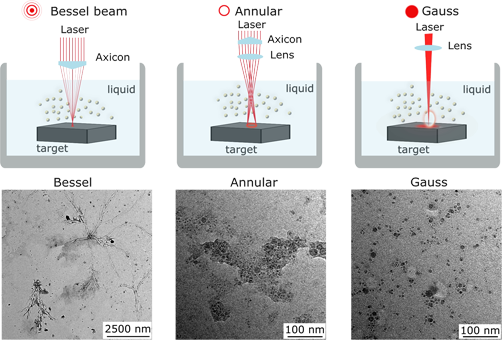
- photogenerated holes with electrons from the oxide-related defects on the surface of silicon nanoparticles [44][46]. The characteristic PL intensities are different for Si NPs prepared by laser ablation with different beam profiles, which can indicate variations among the generated defects during the formation
- of Si NPs. The presence of defects in the Si structure confirmed by Raman and PL studies is a prerequisite for enhanced performance of the developed nanostructures in electrochemical processes occurring in supercapacitors or batteries [14]. The intrinsic defects act as intercalation sites during
- elongated filament-like morphology. The analysis of the Raman and PL spectra of the synthesized NPs allowed for conclusions about the defects formed during synthesis. PL emission was observed in the range of 300–500 nm, which, for Si nanostructures, can be explained by recombination of photogenerated


Dendrimer-modified carbon nanotubes for the removal and recovery of heavy metal ions from water
Beilstein J. Nanotechnol. 2025, 16, 1522–1532, doi:10.3762/bjnano.16.107

- spectrometer with a 532 nm diode laser to detect structural changes and defects in the CNTs after Diels–Alder reaction. FTIR spectroscopy was employed using a Bruker Tensor 27 spectrometer in the 4000–500 cm−1 region, which confirmed the change in functional groups during dendrimer functionalization. XRD


Laser processing in liquids: insights into nanocolloid generation and thin film integration for energy, photonic, and sensing applications
Beilstein J. Nanotechnol. 2025, 16, 1428–1498, doi:10.3762/bjnano.16.104
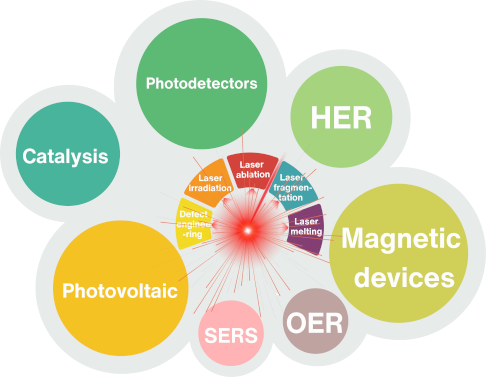
- also touches upon the phenomenon of laser-induced defects in liquid environments. While numerous comprehensive reviews on these topics already exist, this article aims to offer a succinct overview of the fundamental principles and applications of these techniques [1]. The focus is on providing a
- factors such as size, surface-to-volume ratio, crystalline structure, composition, oxidation state, shape, and defects [68]. To synthesize NPs, colloids suspended in transparent liquids are irradiated with short or ultra-short laser pulses, which result in selective absorption by the NPs. This occurs
- new possibilities for the intentional introduction and tailoring of defects within liquid media [83]. These laser-driven defect engineering approaches enable precise control over the structural, and chemical properties of liquids, making them invaluable for a wide range of applications, from energy






Synthesis and antibacterial properties of nanosilver-modified cellulose triacetate membranes for seawater desalination
Beilstein J. Nanotechnol. 2025, 16, 1380–1391, doi:10.3762/bjnano.16.100
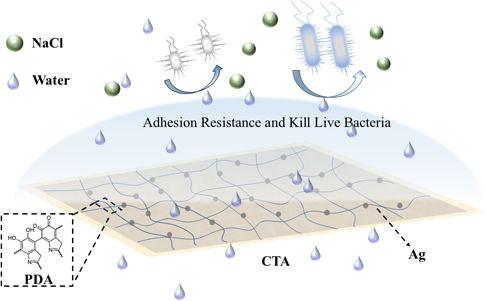
- , which can manifest as a metallic sheen when they are present on a substrate [47]. Surface alterations of the membranes are documented using scanning electron microscopy (SEM) (Figure 4). The CTA membrane’s surface appears smooth and uniform, devoid of visible defects (Figure 4a). Cross-sectional SEM


Enhancing the photoelectrochemical performance of BiOI-derived BiVO4 films by controlled-intensity current electrodeposition
Beilstein J. Nanotechnol. 2025, 16, 1289–1301, doi:10.3762/bjnano.16.94
- produce BiVO4 thin films at high deposition rates; however, this method resulted in irregular grain structures and significant material defects, limiting the PEC performance improvements. Electrodeposition has emerged as a promising low-cost and scalable technique for BiVO4 film fabrication, offering
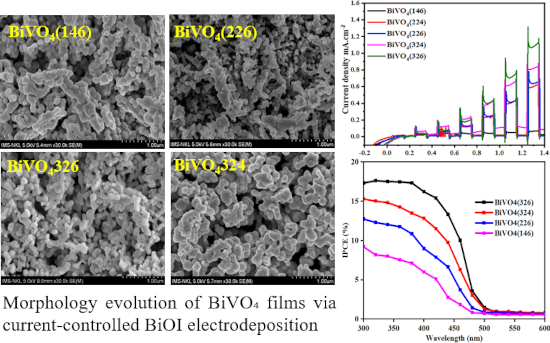
- improvements through stronger peaks, suggesting fewer defects. The decrease in the bandgap (≈0.16 eV) is consistent with research linking oxygen vacancies to band tailing in BiVO4 films [26]. Besides, Figure 3a shows that the BiVO4(326) and BiVO4(324) samples have absorption that goes beyond 520 nm, with some
- suggests an optimal concentration of oxygen vacancies that broadens light absorption while avoiding excessive recombination of the charge carriers. In contrast, BiVO4(146) has a clear absorption edge and very little tailing, indicating that it has fewer defects but does not absorb light well beyond 520 nm



Hydrogels and nanogels: effectiveness in dermal applications
Beilstein J. Nanotechnol. 2025, 16, 1216–1233, doi:10.3762/bjnano.16.90
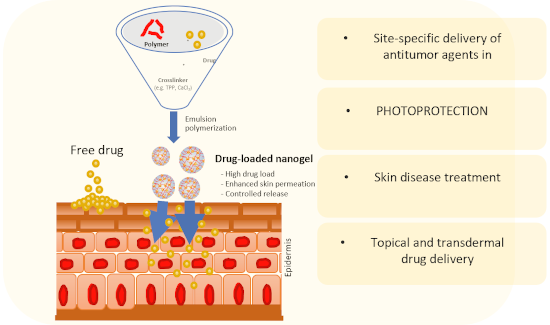
- recent years, such as tissue regeneration or tumor models in vivo. For example, 3D-printed scaffolds have been employed and shown to be effective in bone regeneration [226] and in promoting the restoration of craniofacial cartilage defects [227]. Also, in in vivo breast cancer models, doxorubicin-loaded


Transfer function of an asymmetric superconducting Gauss neuron
Beilstein J. Nanotechnol. 2025, 16, 1160–1170, doi:10.3762/bjnano.16.85
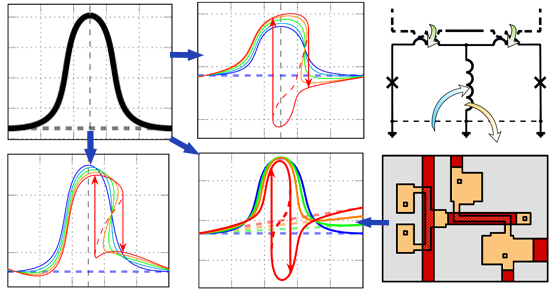
- due to, for example, defects in the thin-film structure. The third type of asymmetry may be associated with unequal signal supply into the input arms of the neuron. Below, we analyze the transformation of the TF in each of these cases and compare it with experimental results [18]. Symmetric Gauss