


Search results
Search for "degradation" in Full Text gives 563 result(s) in Beilstein Journal of Nanotechnology. Showing first 200.
Advancing nanolithography: a comprehensive review of materials for local anodic oxidation with AFM
Beilstein J. Nanotechnol. 2026, 17, 275–291, doi:10.3762/bjnano.17.19
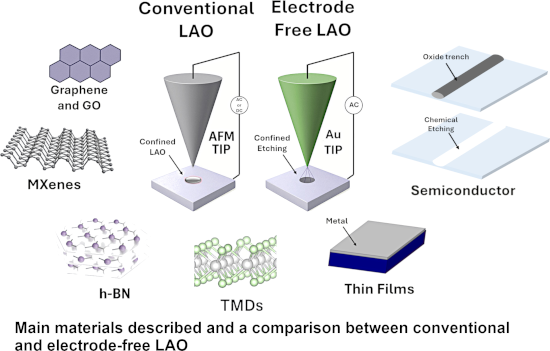
- degradation during the oxidation process. Transitioning to t-SPL would ultimately enable operation in a dry nitrogen environment, thereby preventing oxidation, a capability recently demonstrated by Liu and coworkers [106]. It is to mention that also Shilov and coworkers focused on electrode-free
- (MXenes) that may introduce new oxidation dynamics. Regrettably, key factors such as oxygen, humidity, and light, which contribute to the ambient degradation of few-layer BP [107], may present significant challenges for the application of LAO. The conductive properties of MXenes range from metallic to
- graphene flakes. However, their susceptibility to degradation in the presence of water and oxygen remains a significant challenge [110]. Yet, for both materials, an ultrathin casing layer of oxide or polymer resist might not represent an obstacle to LAO processing, as already demonstrated [41][63


Durable antimicrobial activity of fabrics functionalized with zeolite ion-exchanged nanomaterials against Staphylococcus aureus and Escherichia coli
Beilstein J. Nanotechnol. 2026, 17, 262–274, doi:10.3762/bjnano.17.18
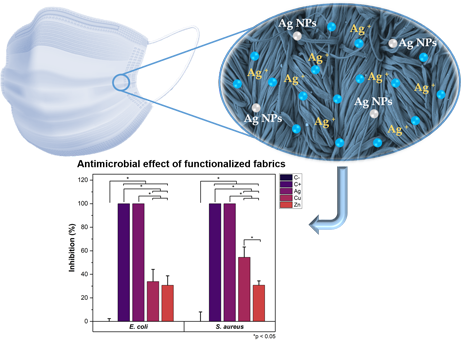
- degradation after washing prior to its functionalization. However, some foreign particles were observed, which may be attributed to contamination during handling (Figure 2a, right panel). These types of impurities are commonly present in fabrics, even after sterilization [28]. Once 0.5 g of nanomaterials (Ag
- effective fixation of nanomaterials onto the fabrics. It is known that the high concentration of the binder could affect the antimicrobial activity of the fabrics [30]. Neither aggregation of the acrylic resin (10% w/w) nor degradation of the fibers after functionalization was observed for the prepared
- exhibited no fiber degradation after washing, and the presence of nanoparticles was still observed. However, the micrographs revealed different degrees of nanomaterial aggregation after each washing cycle. SEM-EDS analysis detected Ag, Cu, and Zn only after the first washing cycle (Figure 7). However, the




Gold nanoparticle-decorated reduced graphene oxide as a highly effective catalyst for the selective α,β-dehydrogenation of N-alkyl-4-piperidones
Beilstein J. Nanotechnol. 2026, 17, 218–238, doi:10.3762/bjnano.17.15
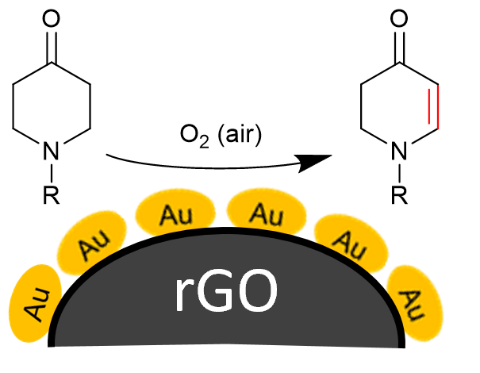
- coated with strong ligands that provide initial stability over time, ligand desorption, ligand exchange, or environmental factors such as pH and ionic strength can weaken the protective layer, leading to nanoparticle aggregation or structural degradation [14][15]. An important aspect of expensive noble


Safe and sustainable by design with ML/AI: A transformative approach to advancing nanotechnology
Beilstein J. Nanotechnol. 2026, 17, 176–185, doi:10.3762/bjnano.17.11
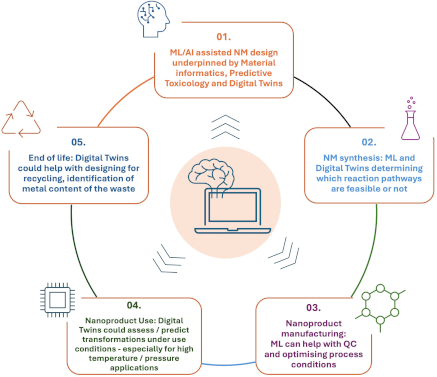
- , Bayesian models and probabilistic methods have become essential for handling incomplete or fluctuating datasets, allowing analysts to quantify the uncertainty around key factors such as release rates, exposure scenarios, and degradation kinetics [53]. These advanced statistical techniques yield more


From shield to spear: Charge-reversible nanocarriers in overcoming cancer therapy barriers
Beilstein J. Nanotechnol. 2026, 17, 159–175, doi:10.3762/bjnano.17.10
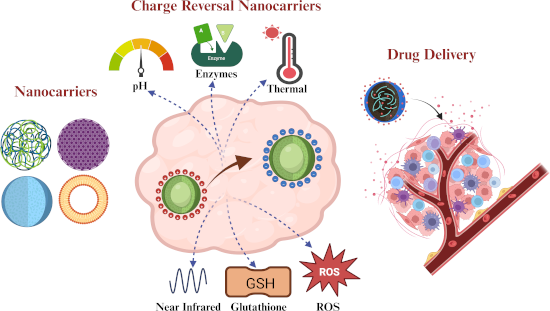
- tuneable, site-specific delivery via GelMA-PEDOT interactions and degradation over 21 days [73]. Esmaeili et al. developed a charge-reversible MCM@CS@PEG-APT (DOX-GFP) nanosystem that minimises off-target effects by pH-sensitive charge transition, enhancing tumour selectivity, reducing systemic toxicity
- and clinical evaluation processes. Ethical and environmental considerations further complicate their translation, as the degradation of by-products and long-term accumulation of synthetic nanomaterials in ecosystems necessitate thorough investigation [101]. To address these limitations, current


Development and in vitro evaluation of liposomes and immunoliposomes containing 5-fluorouracil and R-phycoerythrin as a potential phototheranostic system for colorectal cancer
Beilstein J. Nanotechnol. 2026, 17, 97–121, doi:10.3762/bjnano.17.7
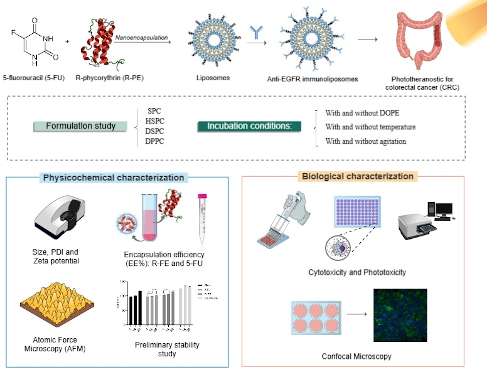
- lipophilic substances. Furthermore, liposomes can also act as a protein delivery system, reducing enzymatic degradation of proteins and enhancing their stability and their permeability through cell membranes [7]. Immunoliposomes provide many advantages by surface functionalization with targeting biomolecules



Functional surface engineering for cultural heritage protection: the role of superhydrophobic and superoleophobic coatings – a comprehensive review
Beilstein J. Nanotechnol. 2026, 17, 63–96, doi:10.3762/bjnano.17.6

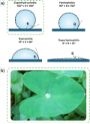
- Ohio State University, 201 W 19th Ave, Columbus, Ohio 43210, USA 10.3762/bjnano.17.6 Abstract The preservation of cultural heritage sites and objects faces critical challenges due to natural aging, environmental degradation, and human-induced damage such as vandalism and graffiti. This review article
- emerging trends, challenges, and future perspectives, offering a valuable resource for researchers, conservators, and materials scientists committed to the long-term safeguarding of historical artifacts and monuments. Keywords: cultural heritage preservation; environmental degradation; functional
- as a critical line of defense against environmental degradation and/or human threat (such as vandalism or graffiti). In the last few decades, many preservation materials with specific properties (the most extensively studied are self-cleaning, anti-corrosion, anti-icing, anti-graffiti, anti-fogging




Reduced graphene oxide paper electrode for lithium-ion cells – towards optimized thermal reduction
Beilstein J. Nanotechnol. 2026, 17, 24–37, doi:10.3762/bjnano.17.3
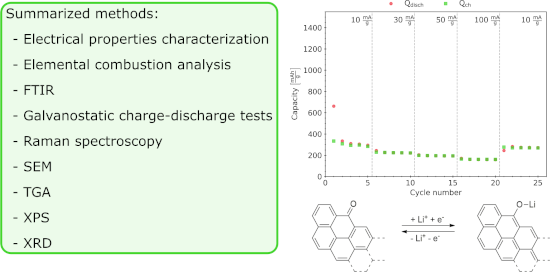
- that the interlayer spacing remains relatively stable, while higher temperatures, particularly 800 °C, may lead to partial degradation and increased structural disorder. The obtained rGO paper sheets underwent electrochemical properties characterization; galvanostatic charge–discharge tests were



Optical bio/chemical sensors for vitamin B12 analysis in food and pharmaceuticals: state of the art, challenges, and future outlooks
Beilstein J. Nanotechnol. 2025, 16, 2207–2244, doi:10.3762/bjnano.16.153
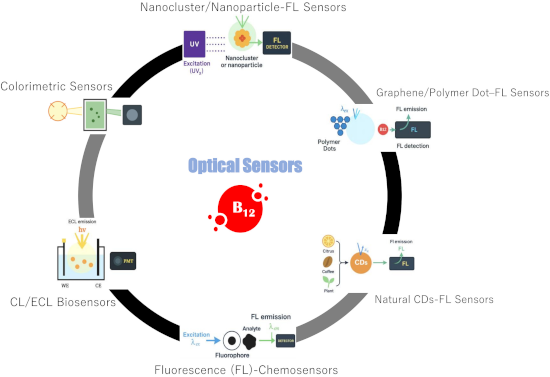
- bloodstream and delivery to target cells [47][53][54]. The VB12–TC-II complex is absorbed by cells through receptor-specific endocytosis. Once inside, it undergoes degradation in the lysosomes, resulting in the release of VB12. This vitamin inside the target cell is transformed into its two active coenzyme


Electromagnetic study of a split-ring resonator metamaterial with cold-electron bolometers
Beilstein J. Nanotechnol. 2025, 16, 2199–2206, doi:10.3762/bjnano.16.152
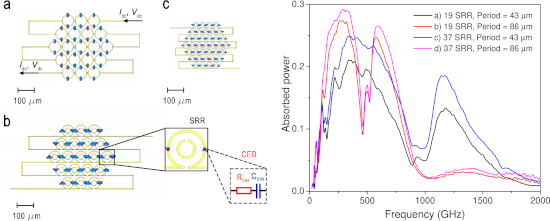
- integration into antenna slots without the need for microwave feed lines (e.g., microstrip or coplanar lines), thus simplifying the design and preventing signal degradation at higher frequencies [12]. Furthermore, the natural electron cooling mechanism in CEBs [13][14][15] is highly suitable for operation


Microplastic pollution in Himalayan lakes: assessment, risks, and sustainable remediation strategies
Beilstein J. Nanotechnol. 2025, 16, 2144–2167, doi:10.3762/bjnano.16.148
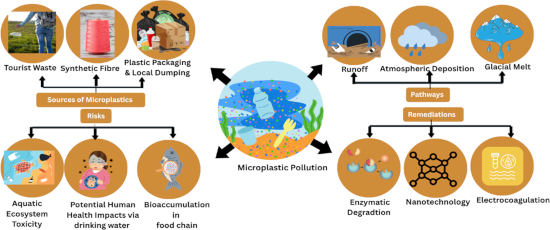
- other sensitive aquatic ecosystems. The review describes existing remediation technologies, categorizing these into physical, chemical, and biological interventions, and takes into account emerging sustainable approaches, including biofilm-mediated degradation and nanotechnology-based solutions. The
- deposition is outlined in Section 3. The harsh environmental conditions of the region, freeze–thaw weather, low microbial activity, and short hydrological retention times, make the degradation of MPs more difficult and these lakes to long-term sinks for plastic particles. Himalayan lakes are very susceptible
- most promising among them are photocatalytic processes that utilize titanium dioxide nanoparticles under UV radiation. These are very efficient degradation processes for degrading plastics to carbon dioxide (CO2) and water [43]. Fenton reactions, involving a mixture of hydrogen peroxide and iron


Quality by design optimization of microemulsions for topical delivery of Passiflora setacea seed oil
Beilstein J. Nanotechnol. 2025, 16, 2116–2131, doi:10.3762/bjnano.16.146
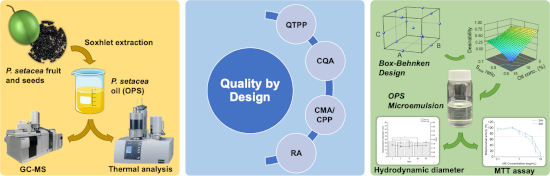
- undesirable physicochemical and organoleptic properties. These include (i) unfavorable sensorial characteristics (e.g., greasy texture, poor spreadability), (ii) strong odor, and (iii) susceptibility to oxidative degradation, which can negatively impact patient compliance and therapeutic efficacy [5]. To
- (0.45 µm), and stored under refrigerated conditions (4 ± 2 °C) in amber glass bottles to preserve its quality and minimize oxidative degradation and microbiological contamination. The extraction yield aligns with values reported in the literature for the same species, which range from ≈32% with ethyl
- the oil matrix. A second thermal event began (Tonset = 384 °C) corresponding to the thermal degradation of the oil (Figure 1). This thermal behavior is consistent with that reported for P. edulis seed oil, which exhibited a similar decomposition profile [20]. Quality by design approach Defining the


Toward clinical translation of carbon nanomaterials in anticancer drug delivery: the need for standardisation
Beilstein J. Nanotechnol. 2025, 16, 2092–2104, doi:10.3762/bjnano.16.144

- . CNMs must retain their structural and functional integrity under physiological conditions, including varying pH, ionic strength, and temperature. Instability can result in aggregation, degradation, or loss of therapeutic payload. Strategies such as lyophilisation, drug encapsulation, and the use of
- . Persistent materials raise concerns regarding long-term accumulation and potential toxicity, whereas those susceptible to enzymatic or oxidative degradation offer safer clearance pathways. Recent studies have shown that CNOs can undergo biodegradation upon exposure to human myeloperoxidase, horseradish
- their surface chemistry and structure, emphasizing the need for systematic evaluation of their degradation pathways and by-products to ensure the safe design of nanomedicines. Moreover, CNMs can contain impurities that may impact their biological activity and safety. Therefore, it is important to assess



Beyond the shell: exploring polymer–lipid interfaces in core–shell nanofibers to carry hyaluronic acid and β-caryophyllene
Beilstein J. Nanotechnol. 2025, 16, 2015–2033, doi:10.3762/bjnano.16.139
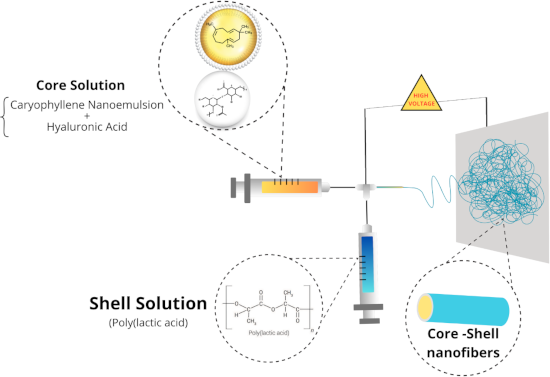
- degradation, and moderate hydrophilicity, but also biocompatibility, non-toxicity, and non-carcinogenicity [5]. Adhering to these critical quality requirements for biomedical products, polylactic acid (PLA) was selected for nanofiber production. This biotechnologically derived aliphatic polyester is a rigid
- recognition as safe and approved for human use by the U.S. Food and Drug Administration (FDA). While PLA exhibits relatively high modulus and strength, it possesses limitations such as low toughness, a slow degradation rate, and high hydrophobicity [18][22][23]. Nevertheless, PLA fibers effectively provide
- . Figure 8A and Figure 8B illustrate the mass variation curves as a function of temperature, along with the first derivative of mass variation concerning temperature (DTG), obtained from TGA. In the TGA curve of the HA bulk, a degradation profile with three main stages of mass loss was observed, as


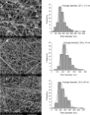
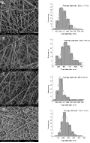


Evaluating metal-organic precursors for focused ion beam-induced deposition through solid-layer decomposition analysis
Beilstein J. Nanotechnol. 2025, 16, 1942–1951, doi:10.3762/bjnano.16.135
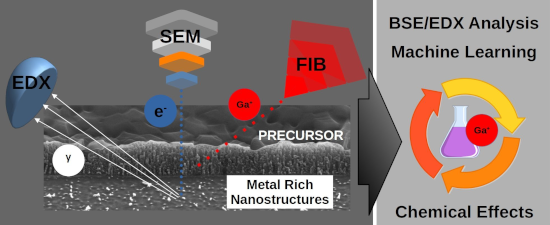
- and degradation of structural quality. Halogen atoms (e.g., Cl and Br) remain bound during initial irradiation and are typically released only at high electron doses, posing risks of side reactions or inhomogeneous film formation. Volatility is assessed via the sublimation temperature; precursors with


Targeting the vector of arboviruses Aedes aegypti with nanoemulsions based on essential oils: a review with focus on larvicidal and repellent properties
Beilstein J. Nanotechnol. 2025, 16, 1894–1913, doi:10.3762/bjnano.16.132
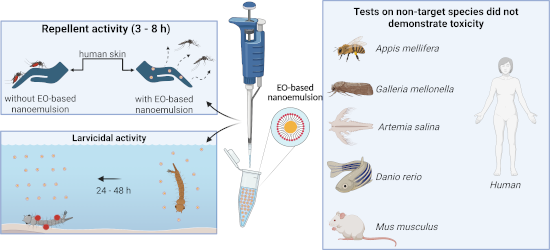
- release, and protection against degradation. Nanoemulsions are colloidal systems with droplets of 20 to 500 nm, which improve the dispersion of the compounds, protect their active properties, and enhance their efficacy. This review addresses the potential of nanoemulsions as efficient carriers of EOs, and


Current status of using adsorbent nanomaterials for removing microplastics from water supply systems: a mini review
Beilstein J. Nanotechnol. 2025, 16, 1837–1850, doi:10.3762/bjnano.16.127
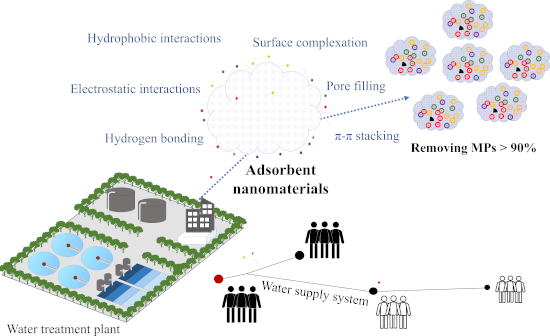
- protecting both human health and aquatic ecosystems. Review Sources and distribution pathways of MPs to water supply system Microplastics can be classified as primary or secondary. Primary MPs are intentionally manufactured for various applications, whereas secondary MPs result from the degradation or
- performance for six cycles with only a 5% efficiency loss, and enabled in situ degradation of MPs through thermal treatment to prevent desorption risks [75]. A high capture efficiency of microplastics was also achieved using novel magnetic composite nanoparticles composed of silica, gelatin, and chitosan. At
- degradation, indicating their potential as next-generation solutions. By using coprecipitation and thermal decomposition, Aragón et al. synthesized magnetic nanoparticles to capture PE MPs. The results demonstrated that the thermal decomposition method achieved a capture efficiency of 69.3 ± 2.1% [89


Phytol-loaded soybean oil nanoemulsion as a promising alternative against Leishmania amazonensis
Beilstein J. Nanotechnol. 2025, 16, 1826–1836, doi:10.3762/bjnano.16.126

- thermal degradation of sensitive compounds, as well as excessive loss of volatile substances such as PHYT [30]. The small droplet size results in a large surface area, which enables effective interaction with biological membranes and consequently enhances drug penetration and retention [31]. Key


Piezoelectricity of layered double hydroxides: perspectives regarding piezocatalysis and nanogenerators
Beilstein J. Nanotechnol. 2025, 16, 1812–1817, doi:10.3762/bjnano.16.124

- different thicknesses were investigated for the piezo-photocatalytic degradation of carbamazepine [6]. The ultrathin samples achieved an efficiency of 95.8% with a reaction rate constant of 0.148 min−1. This effect was attributed to the higher sensitivity of ultrathin LDH sheets to both light irradiation
- -photocatalytic process. Other work was dedicated to imidacloprid degradation by activated peroxydisulfate [10]. In this study, Zn/Al-LDH served as a piezo-photocatalyst for peroxydisulfate activation. The degradation ratio for imidacloprid reached 90.6% with a reaction rate constant of 0.021 min−1, which was 205
- for activating peroxymonosulfate (PMS) to degrade norfloxacin [9]. The obtained catalyst demonstrated effective degradation within 15 min, achieving a degradation efficiency of 91.50% and a rate constant of 0.1644 min−1. In this study, the main PMS activation mechanism was non-radical. The

Electrical, photocatalytic, and sensory properties of graphene oxide and polyimide implanted with low- and medium-energy silver ions
Beilstein J. Nanotechnol. 2025, 16, 1794–1811, doi:10.3762/bjnano.16.123
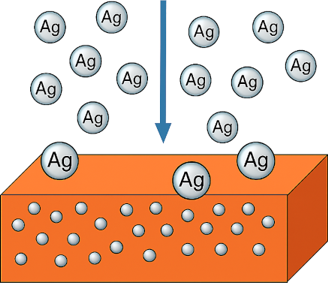
- activity in polymeric and carbon-based materials is essential for advancing technologies in environmental sensing, flexible electronics, and photocatalytic systems. Conventional chemical modification methods often lack spatial precision, introduce impurities, and risk structural degradation. Ion
- disintegration of rhodamine B using UV light. The experimental results clearly confirmed that silver ion implantation led to a significant reduction in the surface electrical resistance of both GO and PI. Simultaneously, an enhancement of photocatalytic activity was observed, demonstrated by a faster degradation
- changes in the molecular structure. These changes indicate the onset of radiation degradation of the material, in which oxygen functional groups are removed and the polymer structure rearranges towards a more carbonaceous network. After implantation with higher-energy ions of 1.5 MeV, the changes were


Exploring the potential of polymers: advancements in oral nanocarrier technology
Beilstein J. Nanotechnol. 2025, 16, 1751–1793, doi:10.3762/bjnano.16.122
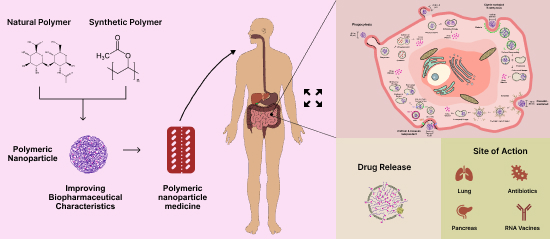
- biodistribution while preventing undesirable interactions and degradation before reaching target tissues and cells [10]. Moreover, by overcoming the biological and chemical barriers of the body, nanotechnology increases the efficiency and effectiveness of therapeutic and diagnostic regimens, offering less
- methacrylates. Strategies to enhance drug entrapment and improve interactions with biological systems often combine synthetic and natural polymers, with the latter serving as a coating to protect against degradation [21]. Considering the advantages of nanoparticulate systems in drug delivery, this review
- . Release from nanospheres is generally governed by a combination of polymer degradation and drug diffusion through the matrix. Additionally, when hydrophilic polymers are employed, swelling-induced release becomes relevant, wherein polymer chain relaxation significantly influences the diffusion rate and


Advances of aptamers in esophageal cancer diagnosis, treatment and drug delivery
Beilstein J. Nanotechnol. 2025, 16, 1734–1750, doi:10.3762/bjnano.16.121
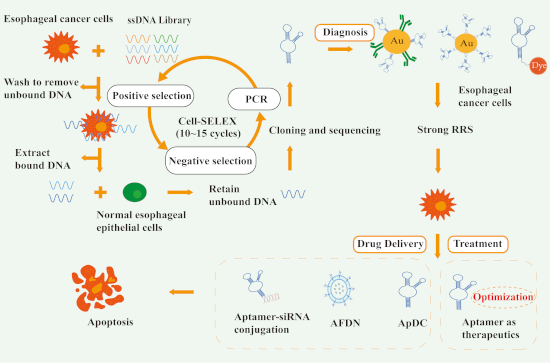
- through tools like Mfold is essential for optimizing aptamer truncation while preserving target affinity [33]. Also, unmodified aptamers are susceptible to nuclease degradation and renal filtration. It is often necessary to improve the retention and efficacy of aptamers in vivo by modifying nanocarriers
- several proteins associated with tumor progression, especially SQRDL and MAU2, while SOX2 levels were almost unaffected. Although there are other strategies that can achieve selective degradation of SOX2, SOX2 lacks pockets suitable for small-molecule drug binding, and proteolytically targeted chimeras
- , including siRNA, microRNA, and other nucleic acid-based pharmaceuticals. It should be noted that designing aptamer–siRNA conjugates requires special attention to overcome nuclease degradation and improve the pharmacokinetic parameters of the system [105]. At present, therapeutic antibodies are far ahead of


Multifunctional anionic nanoemulsion with linseed oil and lecithin: a preliminary approach for dry eye disease
Beilstein J. Nanotechnol. 2025, 16, 1711–1733, doi:10.3762/bjnano.16.120
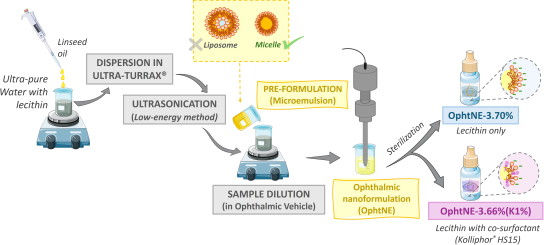
- bioavailability after topical ocular instillation, offering several benefits such as reducing the administration frequency, optimizing pharmacokinetic parameters, protecting against enzymatic degradation, and enhancing the stability of bioactive molecules [14][17][18][19]. Currently, three ophthalmic products
- bioactivity. No signs of oxidation or thermal degradation were observed at this temperature. TGA and DSC analyses confirm that degradation processes begin only above 340 °C, ensuring that the oil’s quality and functional properties are preserved during formulation. The optimal lecithin concentration was
- revealed two distinct thermal mass loss events. The first event occurs between 340 and 490 °C, where a significant mass reduction (~94.2%) is observed, with the degradation temperature marked at 368 °C (TOnset). This primary degradation phase involves lipolysis, the breakdown of triglycerides into fatty



Ambient pressure XPS at MAX IV
Beilstein J. Nanotechnol. 2025, 16, 1677–1694, doi:10.3762/bjnano.16.118
- important challenges for modern human civilization. Reactions such as water splitting, CO2 reduction, and pollutant degradation rely on photocatalysts that absorb light, generate electron–hole pairs, and drive redox reactions at interfaces. For the rational and methodical design of a more sophisticated
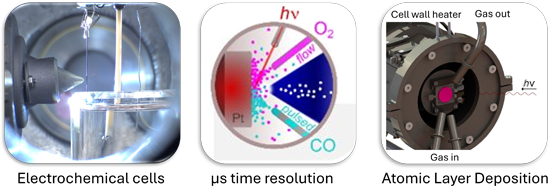
- provides unique insight into surface reactions, charge transfer, and interface stability, which are central to the performance and degradation mechanisms of electrochemical systems. Electrochemical interfaces can be studied by APXPS using two primary cell types, namely, membrane-based flow cells and “dip





Prospects of nanotechnology and natural products for cancer and immunotherapy
Beilstein J. Nanotechnol. 2025, 16, 1644–1667, doi:10.3762/bjnano.16.116
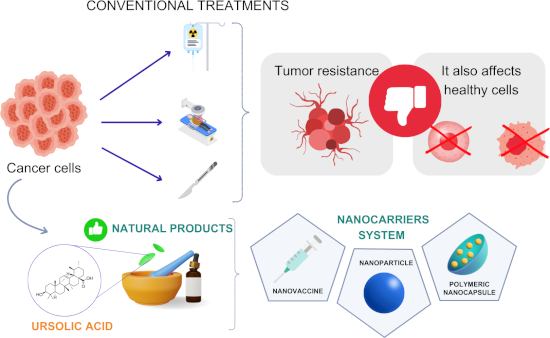
- pharmacokinetic properties, increasing bioavailability, protecting them from degradation, and allowing for site-specific delivery [24]. Consequently, this combination addresses both the limitations of natural products and the complex challenges of cancer therapy [25]. Unlike conventional literature reviews, this
- glycolysis, reducing angiogenesis, and promoting the degradation of oncogenic proteins [162][163]. The invention proposes the use of carbon dots (CDs) loaded with BER as an API, with a sustained drug release that increases upon contact with the acidic conditions surrounding tumors. Both non-loaded CDs and





