Search results
Search for "electronic" in Full Text gives 1102 result(s) in Beilstein Journal of Nanotechnology. Showing first 200.
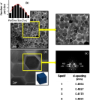
Gold nanoparticle-decorated reduced graphene oxide as a highly effective catalyst for the selective α,β-dehydrogenation of N-alkyl-4-piperidones
Beilstein J. Nanotechnol. 2026, 17, 218–238, doi:10.3762/bjnano.17.15
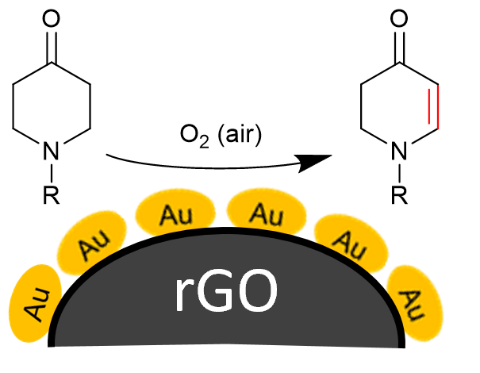
- catalytic properties of AuNPs stem from their nanoscale size, which increases the surface-to-volume ratio, exposes a higher density of active sites, and induces quantum size effects that modulate the electronic structure [5]. These characteristics collectively enhance their reactivity, selectivity, and
- emerged as stabilizing ligands for nanoparticles offering distinct structural and electronic advantages. They are widely utilized in various catalytic processes, including oxidation, acid–base, and photocatalysis [8][9] POMs have been extensively employed for stabilizing and decorating small metal
- graphene oxide (rGO) as an advanced carbon-based support, which provides unique electronic interactions with gold nanoparticles, and its comparison to AC and BC. The rGO support was not tested in the work by Xia et al. [13] where only activated carbon was used. Strong Au–rGO interfacial coupling should


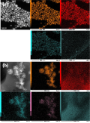
Time of flight secondary ion mass spectrometry imaging of contaminant species in chemical vapour deposited graphene on copper
Beilstein J. Nanotechnol. 2026, 17, 200–213, doi:10.3762/bjnano.17.13
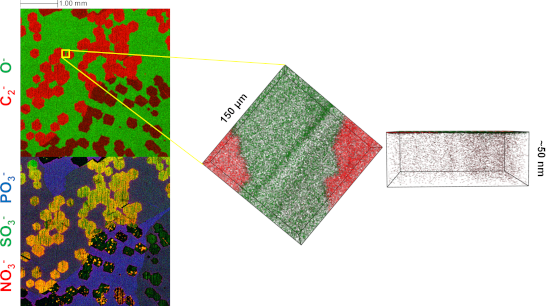
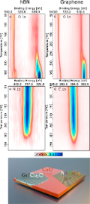
- of the material and lead to a step change in terms of high speed [11][12][13], transparent [14] and flexible electronic devices [15], membranes [16][17], and sensors [18][19]. A large amount of work has been dedicated to the optimisation of the growth process to aid in the formation of large area
- of these materials to migrate to the surface of the Cu foil at graphene growth temperatures is demonstrated. This has implications for applications using CVD graphene where the presence of different chemical species could impact on the intended application properties, such as electronic devices or






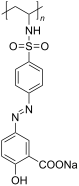
Structure-dependent thermochromism of PAZO thin films: theory and experiment
Beilstein J. Nanotechnol. 2026, 17, 186–199, doi:10.3762/bjnano.17.12
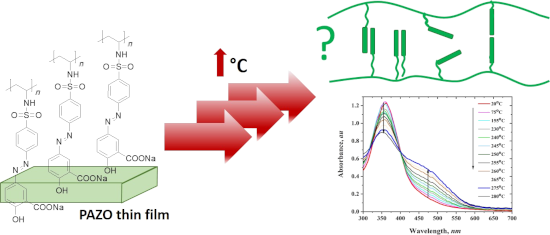
- thickness, and thermal treatment conditions. The observed changes in optical properties suggest that this response is governed by temperature-induced modulation of molecular ordering and aggregation state, which in turn alters the electronic transitions responsible for light absorption. Theoretical


Microscopic study of the intermediate mixed state in intertype superconductors
Beilstein J. Nanotechnol. 2026, 17, 57–62, doi:10.3762/bjnano.17.5
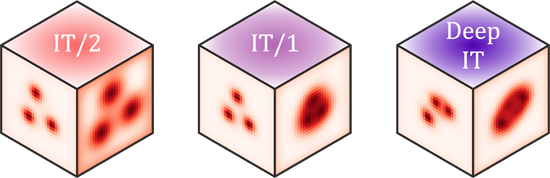
- eigenstates, and f(E) is the Fermi–Dirac distribution function. The electron density is kept constant at ne = 0.25 throughout all calculations by adjusting the chemical potential μ. Notice that the system is well away from the resonance at ne = 1 and, at the chosen value, the electronic dispersion is well


Reduced graphene oxide paper electrode for lithium-ion cells – towards optimized thermal reduction
Beilstein J. Nanotechnol. 2026, 17, 24–37, doi:10.3762/bjnano.17.3
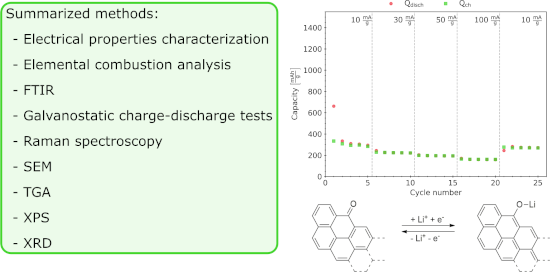
- stability of the cell’s performance was improved with increasing reduction temperature. Changes in structural properties revealed by Raman spectroscopy influenced the electrochemical properties of these materials, probably due to the decreased charge transfer resistance and balanced electronic and ionic


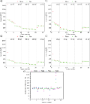

Quantitative estimation of nanoparticle/substrate adhesion by atomic force microscopy
Beilstein J. Nanotechnol. 2026, 17, 1–14, doi:10.3762/bjnano.17.1

- , Leoben, Austria 10.3762/bjnano.17.1 Abstract Understanding nanoparticle adhesion to substrates is the key for their stability and performance in many applications, including energy systems, nanofabrication, catalysis, and electronic devices. In this study, we present a methodology for examining adhesion
- various fields such as energy storage [1], electronics [2], and catalysis [3]. These tiny particles, with sizes typically ranging from 1 to 100 nm, have fundamentally different properties compared to their bulk counterparts because of their large surface-to-volume ratio [4], as well as unique electronic
- were plasma-cleaned in a Diener electronic Tetra 30 system at a N2 pressure of 50 Pa for 20 min. Immediately after plasma cleaning, the substrates were loaded in the NP deposition chamber. The NP deposition experiments were conducted using DC magnetron sputter inert gas condensation in a Moorfield



Internal 3D temperature mapping in biological systems using ratiometric light-sheet imaging and lipid-coated upconversion nanothermometers
Beilstein J. Nanotechnol. 2025, 16, 2306–2316, doi:10.3762/bjnano.16.159
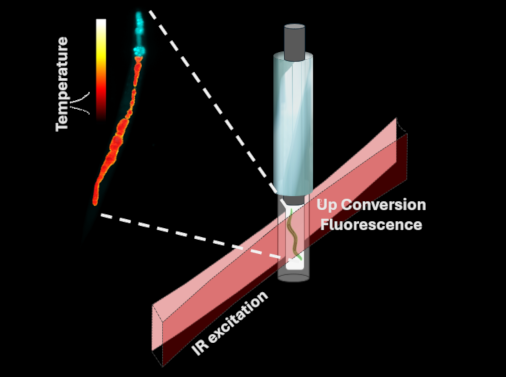
- electronic 4S3/2→2H11/2 transitions in Er3+ provide optimal sensitivity within the 30–50 °C range, making them highly suitable for biological applications [42]. C. elegans internal temperature measurement After evaluating the 3D temperature sensing capability of UCNPs@lipids, we applied this technique to


Improving magnetic properties of Mn- and Zn-doped core–shell iron oxide nanoparticles by tuning their size
Beilstein J. Nanotechnol. 2025, 16, 2285–2295, doi:10.3762/bjnano.16.157
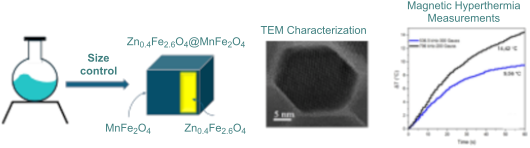
- Zn2+ into tetrahedral sites, which strengthens the Fe3+–O bond through enhanced covalency and changes in cation distribution, leading to shorter and stiffer bonds. The additional upward shift to 730 cm−1 in the core–shell structure reflects interfacial strain and electronic interactions between the
- Zn0.4Fe2.6O4 core and the MnFe2O shell. This strain distorts the tetrahedral FeO4 units, further stiffening the Fe–O bonds, while electronic coupling and potential cation redistribution at the interface increase the vibrational frequency. These structural and electronic effects collectively explain the



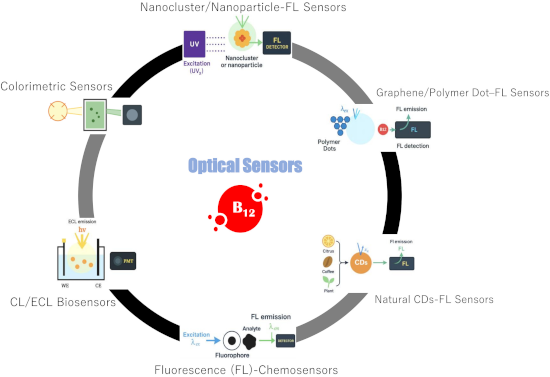
Optical bio/chemical sensors for vitamin B12 analysis in food and pharmaceuticals: state of the art, challenges, and future outlooks
Beilstein J. Nanotechnol. 2025, 16, 2207–2244, doi:10.3762/bjnano.16.153
- -based AuNP colorimetric biosensors In this sensing system, the recognition material is the RNA aptamer, the indicator material is the gold nanoparticle (AuNP), and the sensing signal is colorimetric. The excellent optical-electronic characteristics of AuNPs have been recently considered in point-of-care


Hartree–Fock interaction in superconducting condensate fractals
Beilstein J. Nanotechnol. 2025, 16, 2177–2182, doi:10.3762/bjnano.16.150
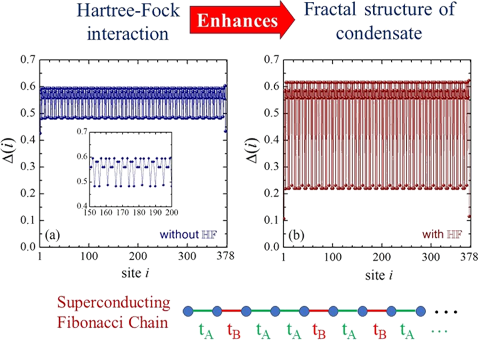
- units of tB). Our calculations are performed away from the half-filling as this regime was shown to produce a uniform electronic distribution in Fibonacci chains [22], where the HF potential does not alter superconducting properties. Here, we adopt an electron density of ne = 0.5. Our qualitative


Missing links in nanomaterials research impacting productivity and perceptions
Beilstein J. Nanotechnol. 2025, 16, 2168–2176, doi:10.3762/bjnano.16.149
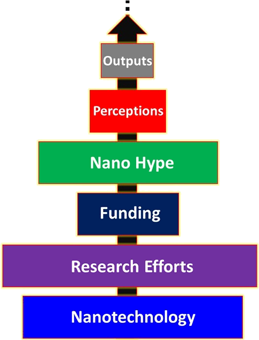
- properties, with electronic and quantum mechanical behaviors that continue to surprise the scientific community [11]. Researchers are continuously developing and reporting new nanomaterials with unique properties tailored for diverse applications. Thus, the properties of materials once considered impossible
- and premium branding (Table 1). This allows them to make larger profits while gradually preparing the market. For example, Apple Inc. and Samsung are well ahead in graphene research for electronic applications [18][19]. However, highly flexible smartphones and advanced graphene-based devices remain
Electron transport through nanoscale multilayer graphene and hexagonal boron nitride junctions
Beilstein J. Nanotechnol. 2025, 16, 2132–2143, doi:10.3762/bjnano.16.147
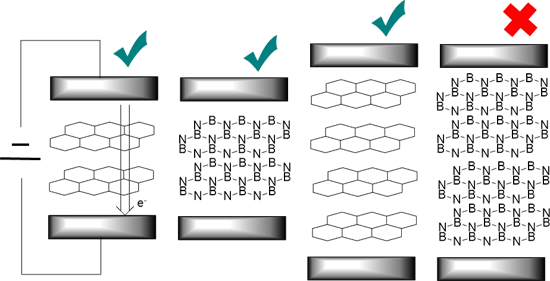
- enabled us to extrapolate trends for electron transport in thicker multilayer carbon and h-BN materials. Keywords: NEGF; DFT; nano-junction; Introduction Multilayer graphene nanomaterials exhibit interesting electronic properties and find application in battery electrode materials [1], electrocatalysis
- [2], nanoscale electronics and electronic components [3], thermoelectric devices [4], and transparent films [5]. Graphene is a two-dimensional zero-bandgap semiconductor with excellent bulk conductivity. Its in-plane electron transport strongly depends on lattice order, lattice defects, and three
- graphene has focused on in-plane conductivity, and only very few studies have reported data on the electron transport properties between the adjacent planes [9][10][11][12][13]. Defects in graphene can alter its electronic states and lead to deviations from its intrinsic properties. We look at two common


Toward clinical translation of carbon nanomaterials in anticancer drug delivery: the need for standardisation
Beilstein J. Nanotechnol. 2025, 16, 2092–2104, doi:10.3762/bjnano.16.144

- delivery systems (DDSs); nanocarriers; quality control (QC); Introduction Nanomaterials Nanomaterials (NMs) have an extensive array of various properties and applications across many industries, including the biomedical, health care, food/agriculture, industrial, environmental, electronic, and renewable




Multifrequency AFM integrating PeakForce tapping and higher eigenmodes for heterogeneous surface characterization
Beilstein J. Nanotechnol. 2025, 16, 2077–2085, doi:10.3762/bjnano.16.142
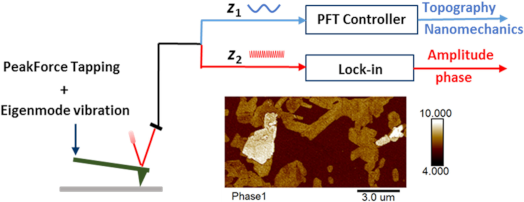
- and electronic signal separation enables simultaneous, effective acquisition of quasi-static force maps and eigenmode-derived material contrast. Dual-probe comparative analysis of MMT nanosheets The effectiveness of the method was evaluated using the soft (ScanAsyst-Air, 0.48 N·m−1) and stiff (NSC15


Mechanical property measurements enabled by short-term Fourier-transform of atomic force microscopy thermal deflection analysis
Beilstein J. Nanotechnol. 2025, 16, 1952–1962, doi:10.3762/bjnano.16.136
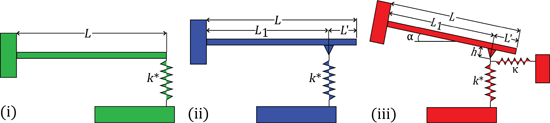
- the softer cantilevers. At this time, the base noise of our AFM system and electronic sampling of the deflection signal is too large to automate the fitting of the resonance peak with reasonable successful fits, limiting the application of our method to cantilevers having a lower spring constant. With




On the road to sustainability – application of metallic nanoparticles obtained by green synthesis in dentistry: a scoping review
Beilstein J. Nanotechnol. 2025, 16, 1851–1862, doi:10.3762/bjnano.16.128
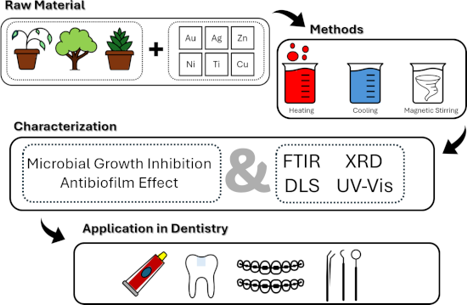
- recently become the focus of significant attention [18][19]. The eco-friendly applications of AgNPs in the biomedical, pharmaceutical, cosmetic, sanitation, and electronic sectors have driven extensive research into their biosynthesis [20][21][22]. Silver nanoparticles exhibit unique physical and chemical


Further insights into the thermodynamics of linear carbon chains for temperatures ranging from 13 to 300 K
Beilstein J. Nanotechnol. 2025, 16, 1818–1825, doi:10.3762/bjnano.16.125
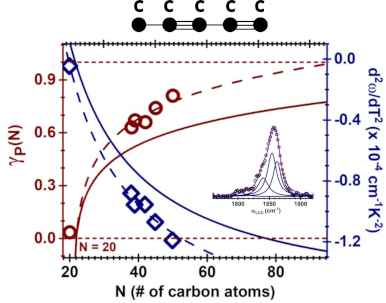
- gradients), and mechanical (e.g., pressure variations) stimuli [1][2][3][4][5][6][7][8][9][10][11][12][13][14][15][16][17][18][19][20][21][22][23]. These responses are directly connected with electronic and transport properties, which in turn depend on the equilibrium between emission and absorption of
- , presenting rather simple electronic and phonon structures that are dependent on N [31][32]. When they are host-free, their phonon structures present longitudinal and transversal modes but their encapsulation by CNT inhibits transversal modes [29][30][31][32][55][56][57][58][59]. This inhibition seems to be
- Raman spectra as well as the independent evolution as a function of temperature of the Raman bands from CNT and LCC (see Figure 1 and Figure S1 in Supporting Information File 1) suggest that the interaction between distinct LCC, and LCC and CNT are not strong enough to affect their electronic and phonon


![[Graphic 23]](/bjnano/content/inline/2190-4286-16-125-i25.svg?max-width=637&scale=1.18182)
Piezoelectricity of layered double hydroxides: perspectives regarding piezocatalysis and nanogenerators
Beilstein J. Nanotechnol. 2025, 16, 1812–1817, doi:10.3762/bjnano.16.124

- nanostructure itself demonstrated a piezoelectric charge coefficient of 274 pm·V−1. This work opens the door to future applications of LDHs in smart wearable electronic devices as both power generators and supercapacitors. In addition to the intrinsic piezoelectric properties of LDHs, it has been demonstrated
- evidence demonstrated that dual oxygen vacancies in Ni/Fe-LDHs create interfacial bonds that mitigate carrier localization effects and unfavorable influences during piezocatalysis and photocatalysis. These features promote exciton dissociation and charge transfer. Furthermore, the strong electronic
- carrier localization effects), or to interfacial electronic interactions that facilitate charge transfer. While these mechanisms may coexist, many publications lack the necessary control experiments (e.g., mechanical stimulation without light/oxidant, photocatalysis without stress, or defect-free samples

Electrical, photocatalytic, and sensory properties of graphene oxide and polyimide implanted with low- and medium-energy silver ions
Beilstein J. Nanotechnol. 2025, 16, 1794–1811, doi:10.3762/bjnano.16.123
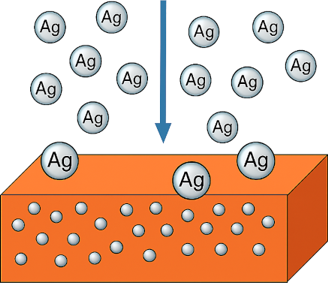
- for the precise introduction of implanted atoms into the surface layers without the need for subsequent chemical modification, thus opening new possibilities in the development of functional thin films. In this study, Ag ions were used to modify polymer matrices to improve chemical and electronic
- different electronic stopping behavior, which results in a distinct ionization of the surrounding matrix. Furthermore, the chemical reactivity of Ag towards functional groups in polymers differs from that of Cu or C, potentially leading to unique structural modifications and functional responses. Among
- controlled modification of the electrical properties of dielectric and semiconducting materials [7]. When Ag ions are implanted into polymer substrates, such as polyimide (PI) or graphene oxide (GO), fundamental changes occur at the molecular and electronic levels, leading to a significant decrease in the


Ambient pressure XPS at MAX IV
Beilstein J. Nanotechnol. 2025, 16, 1677–1694, doi:10.3762/bjnano.16.118
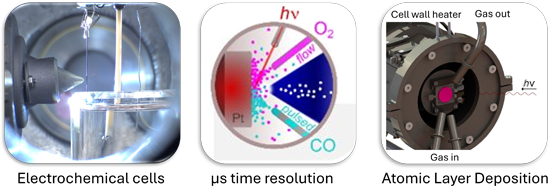
- spectroscopy (XPS) is a powerful surface science technique that enables the investigation of modifications in the chemical environment of a sample surface and its electronic states, owing to its exceptional surface sensitivity. However, the requirement for ultrahigh vacuum (UHV) conditions previously limited
- operando. With IRRAS, vibrational information is available, which greatly complements the electronic information obtained by photoelectron spectroscopy. This combination enables a more complete picture of surface reaction mechanisms. The examples discussed here focus on “model catalysts”, that is, systems
- reactions in batteries, fuel cells, corrosion, and electrocatalysis. With the advent of ambient pressure setups and specially designed sample environments, APXPS now allows for direct probing of the chemical and electronic structure at solid–liquid interfaces under realistic conditions. This capability





Energy spectrum and quantum phase transition of the coupled single spin and an infinitely coordinated Ising chain
Beilstein J. Nanotechnol. 2025, 16, 1668–1676, doi:10.3762/bjnano.16.117
- Seidali Seidov Natalia Pugach Anatolie Sidorenko HSE University, Moscow, Russia NUST MISIS, Moscow, Russia Technical University of Moldova, Institute of Electronic Engineering and Nanotechnologies, Republic of Moldova Moscow Institute of Physics and Technology, Dolgoprudny, Russia 10.3762/bjnano

![[Graphic 39]](/bjnano/content/inline/2190-4286-16-117-i63.svg?max-width=637&scale=1.18182)


![[Graphic 51]](/bjnano/content/inline/2190-4286-16-117-i75.svg?max-width=637&scale=1.18182)
Modeling magnetic properties of cobalt nanofilms used as a component of spin hybrid superconductor–ferromagnetic structures
Beilstein J. Nanotechnol. 2025, 16, 1557–1566, doi:10.3762/bjnano.16.110
- Engineering Department, Kalashnikov Izhevsk State Technical University, Studencheskaya 7, Izhevsk 426069, Russia Institute of Electronic Engineering and Nanotechnologies, Technical University of Moldova, 3/3 Academiei St., Chisinau, 2028, Moldova Moscow Institute of Physics and Technology, 9, Institutskiy per


Transient electronics for sustainability: Emerging technologies and future directions
Beilstein J. Nanotechnol. 2025, 16, 1545–1556, doi:10.3762/bjnano.16.109
- lifetime control through strategies such as protective encapsulation. This Perspective outlines critical opportunities and technical directions to guide the development of next-generation transient electronic systems. Keywords: biodegradable/bioresorbable electronics; biodegradable materials
- rehabilitation [10][11], and orthopedic healing [12], where device functionality is required only for a defined recovery period. In such cases, transient electronic devices offer distinct advantages over conventional implants by providing essential sensing or therapeutic functions during the acute phase and
- electronic devices has created fertile ground for the convergence of flexible electronics with lifetime-controllable material systems [13]. This confluence has given rise to the emerging field of transient electronics, that is, devices engineered to function over a defined time window before undergoing


Influence of laser beam profile on morphology and optical properties of silicon nanoparticles formed by laser ablation in liquid
Beilstein J. Nanotechnol. 2025, 16, 1533–1544, doi:10.3762/bjnano.16.108
- its prominent optical and electronic properties, is the most widely used semiconductor material in many fields of microelectronics, optics, photovoltaics, and molecular sensing. Nevertheless, even despite its widespread application, the interest in silicon-based structures, especially having sizes in
- nanowires facilitates the electronic transport along the wire axis, while the transport of the ions occurs in the transverse direction, providing shorter diffusion distances. All these aspects underline the benefits of Si nanowires and the need to develop novel approaches for their formation. Despite
- -infrared regions has been detected. However, as can be concluded from Figure 6a, the absorption cutoff wavelength differs for each studied sample, indicating different optical and electronic properties of the formed nanostructures. The variation of the optical properties can be caused by structural


Cross-reactivities in conjugation reactions involving iron oxide nanoparticles
Beilstein J. Nanotechnol. 2025, 16, 1504–1521, doi:10.3762/bjnano.16.106
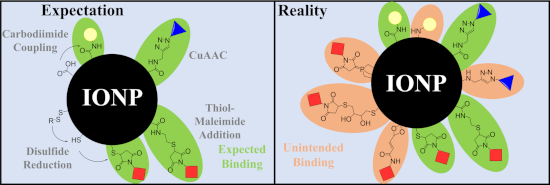
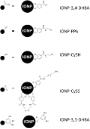
- conclude that the structure of the payload molecule plays a very important role in determining the efficacy of the EDC/NHS coupling reaction, in that steric hindrance and the electronic structure of the molecule are critical parameters to take into consideration when choosing a suitable amine; thus
- down to 1 mM, limited by the detection limit of Cy5. Our investigation into the EDC coupling of several primary amine-containing dyes shows that care must be taken in choosing an appropriate amine for coupling, as the structure can inhibit coupling through either steric or electronic effects. Our