


Search results
Search for "environmental" in Full Text gives 607 result(s) in Beilstein Journal of Nanotechnology. Showing first 200.
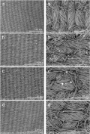
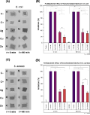
Durable antimicrobial activity of fabrics functionalized with zeolite ion-exchanged nanomaterials against Staphylococcus aureus and Escherichia coli
Beilstein J. Nanotechnol. 2026, 17, 262–274, doi:10.3762/bjnano.17.18
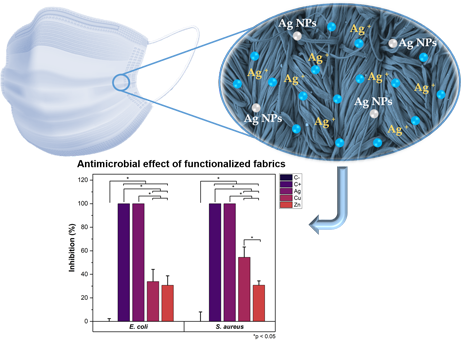
- antimicrobial properties. It was officially recognized in 2008 by the United States Environmental Protection Agency (EPA) as the first metallic antimicrobial agent, highlighting its potential for broad-spectrum antibacterial applications [12]. Since then, copper has been extensively studied for its ability to
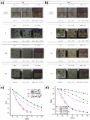
- culture (4 mL·cm−2 of fabric). Afterwards, the fabrics were deposited on top of a glass microscope slide (Fisher Brand) and covered with a second glass slide. This setup helped to prevent environmental contamination while the fabrics were exposed to sunlight. Two sample groups were evaluated to determine




Comparative study on 3D morphologies of delignified, single tracheids and fibers of five wood species
Beilstein J. Nanotechnol. 2026, 17, 239–250, doi:10.3762/bjnano.17.16
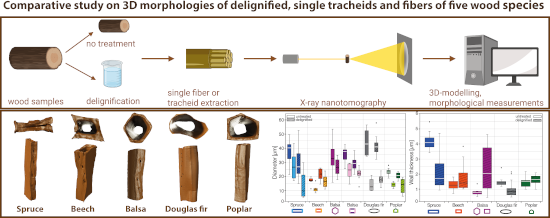
- environmental conditions and their different functional requirements. For instance, larger lumina typically form in earlywood during optimal environmental conditions, while latewood tracheids develop narrower lumina as a response to limited growth resources [35][36]. It seems that larger lumina in earlywood
- fibers, in general, show wider lumina than softwood tracheids. Environmental factors, such as higher environmental temperatures and less compact, well-aerated soils also promote the development of fibers and tracheids with larger lumina [37][38], which very likely result from high evaporation, as well as
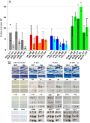
- suitable environmental conditions for growth. In brief, tracheid dimensions are not static; they vary within individual trees or between species and are influenced by multiple factors, including environmental conditions and seasonal growth patterns [37][39]. Using 3D models, we additionally showed pit


Gold nanoparticle-decorated reduced graphene oxide as a highly effective catalyst for the selective α,β-dehydrogenation of N-alkyl-4-piperidones
Beilstein J. Nanotechnol. 2026, 17, 218–238, doi:10.3762/bjnano.17.15
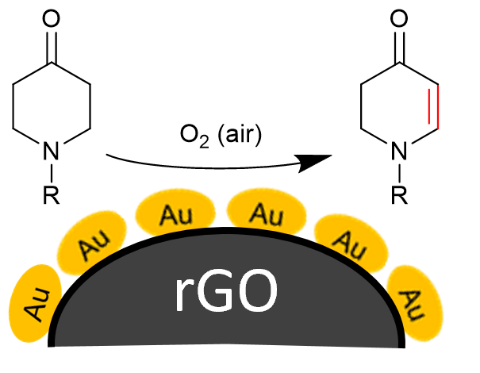
- coated with strong ligands that provide initial stability over time, ligand desorption, ligand exchange, or environmental factors such as pH and ionic strength can weaken the protective layer, leading to nanoparticle aggregation or structural degradation [14][15]. An important aspect of expensive noble


Micro- and nanoscale effects in biological and bioinspired materials and surfaces
Beilstein J. Nanotechnol. 2026, 17, 214–217, doi:10.3762/bjnano.17.14

- surfaces of any living organism constantly engage with the environment and face a wide range of challenges. To meet these challenges, the surfaces of any organism must often simultaneously fulfil multiple functions and adapt to various environmental pressures, which involve complex interactions between
- varying environmental parameters. For terrestrial animals, adhesive systems usually provide temporary adhesion and do not make use of cements. A study on the evolution of subdigital microstructures in Cyrtodactylus geckos by Ginal et al. [16] addressed how adhesive microstructures (setae) have
Safe and sustainable by design with ML/AI: A transformative approach to advancing nanotechnology
Beilstein J. Nanotechnol. 2026, 17, 176–185, doi:10.3762/bjnano.17.11
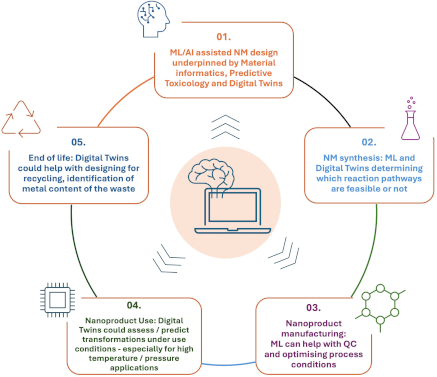
- Georgia Melagraki Hellenic Military Academy, Vari, Greece 10.3762/bjnano.17.11 Abstract Nanotechnology is revolutionizing different sectors such as medicine, energy, defence, and environmental science by enabling the development of materials and technologies with exceptional precision and
- , offering unprecedented opportunities to design and develop nanomaterials with unique, tailored properties. These advances have significantly impacted diverse industrial sectors, including healthcare, energy, environmental remediation, and defence. For instance, nanoparticle-based drug delivery systems have
- , engineered nanomaterials (ENMs) have been employed for environmental applications, such as water purification and pollutant removal, addressing some of the most pressing ecological challenges [4][5]. Nanotechnology has significant applications in defence [6], particularly in the development of lightweight


From shield to spear: Charge-reversible nanocarriers in overcoming cancer therapy barriers
Beilstein J. Nanotechnol. 2026, 17, 159–175, doi:10.3762/bjnano.17.10
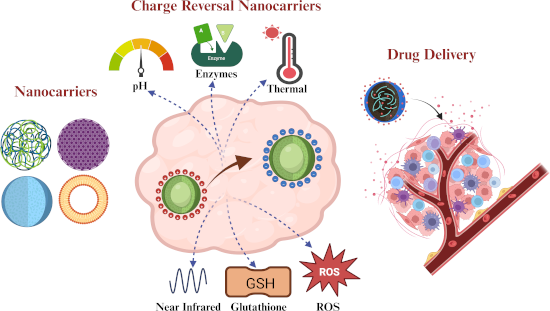
- performance in targeted and controlled drug delivery (Table 1). The detailed mechanism of CRNs in response to various environmental stimuli is described in Figure 3. 2.1 pH-responsive charge-reversible nanocarriers When exposed to the acidic cancer microenvironment (pH 6.5–6.8), CRNs undergo a pH-sensitive
- groups and the need for precise control over physicochemical characteristics further increase manufacturing costs and delay clinical development. Maintaining stability during storage is another critical concern, as environmental factors such as temperature fluctuations and light exposure may induce
- and clinical evaluation processes. Ethical and environmental considerations further complicate their translation, as the degradation of by-products and long-term accumulation of synthetic nanomaterials in ecosystems necessitate thorough investigation [101]. To address these limitations, current


Functional surface engineering for cultural heritage protection: the role of superhydrophobic and superoleophobic coatings – a comprehensive review
Beilstein J. Nanotechnol. 2026, 17, 63–96, doi:10.3762/bjnano.17.6
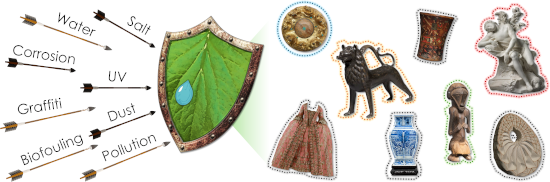
- Ohio State University, 201 W 19th Ave, Columbus, Ohio 43210, USA 10.3762/bjnano.17.6 Abstract The preservation of cultural heritage sites and objects faces critical challenges due to natural aging, environmental degradation, and human-induced damage such as vandalism and graffiti. This review article
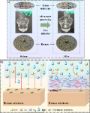
- article is to critically examine the most recent studies and materials innovations relevant to cultural heritage site preservation. First the assessment of substrate vulnerabilities and environmental threats is presented, followed by a detailed analysis of coating types and compositions. It concludes with
- emerging trends, challenges, and future perspectives, offering a valuable resource for researchers, conservators, and materials scientists committed to the long-term safeguarding of historical artifacts and monuments. Keywords: cultural heritage preservation; environmental degradation; functional


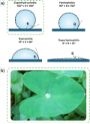


Quantitative estimation of nanoparticle/substrate adhesion by atomic force microscopy
Beilstein J. Nanotechnol. 2026, 17, 1–14, doi:10.3762/bjnano.17.1

- arising from the difference of the tip’s radius of curvature and NP diameter. Further, NP deformation and possible tip-on-NP gliding may result in additional/altered forces. The relative contribution of those additional effects is the stronger the weaker the particle adheres. Environmental factors, such
- strength provides a practical framework for characterizing NP/substrate interactions. Such understanding is essential for developing reliable NP coatings, where adhesion directly influences coating stability, uniformity, and functional performance under varying environmental and mechanical stress
- conditions during the use of functional devices or surfaces. Future studies should focus on the effects of environmental factors, such as humidity and temperature, and the exploration of alternative NP/substrate combinations to expand the understanding of the adhesion mechanisms at the nanoscale. Schematics


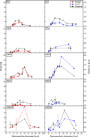

Visualizing nanostructures in supramolecular hydrogels: a correlative study using confocal and cryogenic scanning electron microscopy
Beilstein J. Nanotechnol. 2025, 16, 2274–2284, doi:10.3762/bjnano.16.156
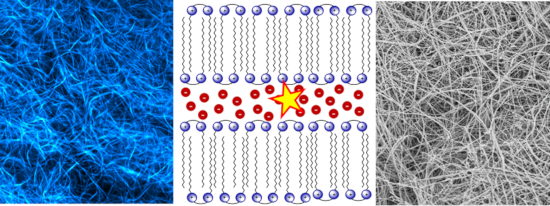
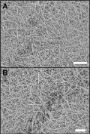
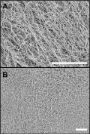
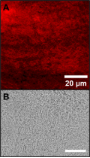
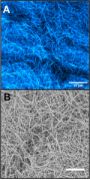
- modification being required for fluorescence imaging [17]. Similar studies of swollen hydrogels using cryo-SEM, environmental SEM (ESEM), confocal, and light microscopy have revealed that cryo-SEM may introduce morphological artefacts that are not observed in hydrated-state imaging. The presence of these


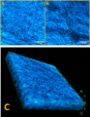

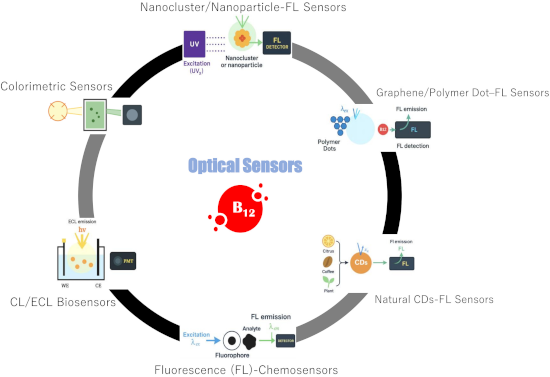
Optical bio/chemical sensors for vitamin B12 analysis in food and pharmaceuticals: state of the art, challenges, and future outlooks
Beilstein J. Nanotechnol. 2025, 16, 2207–2244, doi:10.3762/bjnano.16.153


Ultrathin water layers on mannosylated gold nanoparticles
Beilstein J. Nanotechnol. 2025, 16, 2183–2198, doi:10.3762/bjnano.16.151
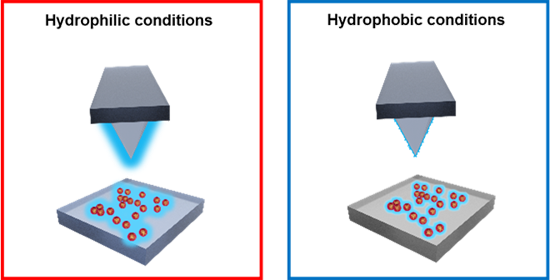
- different air humidity conditions. We characterized AuNPs coated by oligo(ethylene glycol) (PEG) and dimannoside with a multimethod approach (VSFG, FTIR, DLS, ZP, SEM, STEM, and AFM). We proved that various properties, mainly those of the adsorbed dimanno-AuNPs, depend on environmental conditions
- 15 ± 5%, 50 ± 5%, and 90 ± 5% RH. These humidity conditions are referred to as “low humidity”, “medium humidity”, and “high humidity”, respectively. For this, an environmental isolation chamber (Keysight) was mounted to the AFM, thus providing a completely sealed and isolated environment. The RH of



Missing links in nanomaterials research impacting productivity and perceptions
Beilstein J. Nanotechnol. 2025, 16, 2168–2176, doi:10.3762/bjnano.16.149
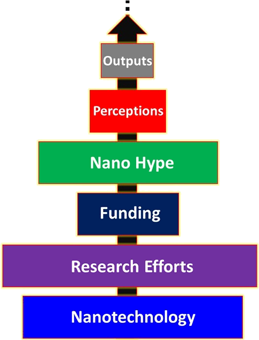
- contaminating water, air, and soil, even when strict preventive measures are in place. Moreover, the environmental pollution caused by nanomaterials after their lifecycle, along with the chemicals used in their synthesis, is much more hazardous; up to a thousand times more compared to their bulk counterparts
- standardized toxicity assessment, environmental fate modeling, and lifecycle analysis to enable safe and scalable commercialization. (2) Strengthen industry engagement through public–private partnerships that integrate advanced nanomaterials such as graphene, MXenes, nanoporous catalysts, and quantum dots into
- . The event brought together leading scientists and key stakeholders from the Indian government to deliberate on the impact and potential of carbon nanomaterials. The idea was further refined during the organization of the New Materials in Carbon Capture and Environmental Remediation (NMCCER 2024
Microplastic pollution in Himalayan lakes: assessment, risks, and sustainable remediation strategies
Beilstein J. Nanotechnol. 2025, 16, 2144–2167, doi:10.3762/bjnano.16.148
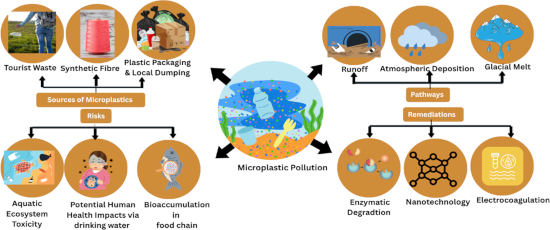
- Sameeksha Rawat S. M. Tauseef Madhuben Sharma Sustainability Cluster, School of Advanced Engineering, UPES, Dehradun, Uttarakhand, India Research & Development, UPES, Dehradun, Uttarakhand, India 10.3762/bjnano.16.148 Abstract Microplastic contamination is a newly emerging environmental problem
- made them a target for environmental research [2]. Similarly, the Ramsar wetland Loktak Lake is renowned for floating vegetation and being a sanctuary for the endangered Sangai deer [3]. These alpine lakes are exposed to increasing environmental stresses due to human population, population increase
- deposition is outlined in Section 3. The harsh environmental conditions of the region, freeze–thaw weather, low microbial activity, and short hydrological retention times, make the degradation of MPs more difficult and these lakes to long-term sinks for plastic particles. Himalayan lakes are very susceptible


Electron transport through nanoscale multilayer graphene and hexagonal boron nitride junctions
Beilstein J. Nanotechnol. 2025, 16, 2132–2143, doi:10.3762/bjnano.16.147
- Environmental Research Projects Grant Number 2340007. Finally, we also appreciate the grant from Shimane Prefecture for fostering young researchers.


Quality by design optimization of microemulsions for topical delivery of Passiflora setacea seed oil
Beilstein J. Nanotechnol. 2025, 16, 2116–2131, doi:10.3762/bjnano.16.146
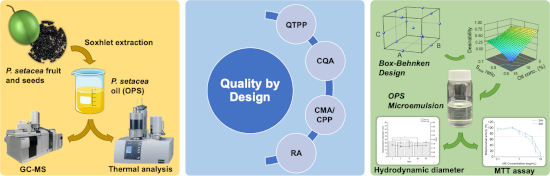
- cytotoxicity and skin irritation [8]. Furthermore, the optimization of microemulsion formulations may be time-consuming and costly, and their stability is often sensitive to environmental factors (e.g., pH, salinity, and temperature). These challenges highlight the importance of a comprehensive understanding


Rapid synthesis of highly monodisperse AgSbS2 nanocrystals: unveiling multifaceted activities in cancer therapy, antibacterial strategies, and antioxidant defense
Beilstein J. Nanotechnol. 2025, 16, 2105–2115, doi:10.3762/bjnano.16.145
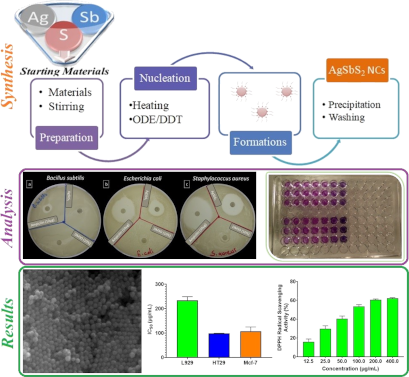
- effects by efficiently eliminating DPPH activity. This research highlights the potential of AgSbS2 NCs as versatile agents with applications in biomedical and environmental domains, including cancer therapy, antimicrobial strategies, and free radical neutralization. Keywords: AgSbS2 nanocrystals


Toward clinical translation of carbon nanomaterials in anticancer drug delivery: the need for standardisation
Beilstein J. Nanotechnol. 2025, 16, 2092–2104, doi:10.3762/bjnano.16.144
- delivery systems (DDSs); nanocarriers; quality control (QC); Introduction Nanomaterials Nanomaterials (NMs) have an extensive array of various properties and applications across many industries, including the biomedical, health care, food/agriculture, industrial, environmental, electronic, and renewable
- energy sectors (Figure 1). NMs have seen use as antimicrobial agents [1], catalysts [2], bioimaging agents [3][4][5][6], magnetic particle imaging agents [7], nanofluids [8], antiviral agents [9], photothermal convertors [10], and in environmental remediation [11]. Topically, the biomedical applications
- , sedentary behaviour, obesity, environmental contaminants, and certain occupations and pharmaceuticals [17]. Prevention, the most cost-effective and beneficial approach for the general population [18], is supported by strong evidence-based recommendations from organisations like the World Cancer Research



Stereodiscrimination of guests in chiral organosilica aerogels studied by ESR spectroscopy
Beilstein J. Nanotechnol. 2025, 16, 2034–2054, doi:10.3762/bjnano.16.140
- , environmental remediation, and construction. The key transport processes in porous materials include diffusion, advection, capillary action, and sometimes reactions that might occur within the pores, highly complex phenomena one tries to understand as detailed as possible [15][16][17]. Laemmerhofer gave an




Beyond the shell: exploring polymer–lipid interfaces in core–shell nanofibers to carry hyaluronic acid and β-caryophyllene
Beilstein J. Nanotechnol. 2025, 16, 2015–2033, doi:10.3762/bjnano.16.139
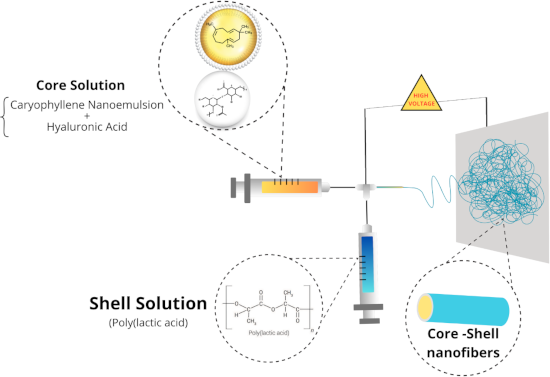
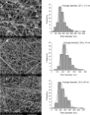
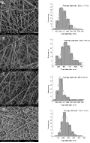
- materials) [15]. However, achieving high-quality structures for biomedical use with tailored properties requires careful management of various processes, materials, and environmental parameters [16], necessitating thorough optimization of the electrospinning conditions. This includes precise control over
- interest in biopolymers such as PLA is, in part, driven by environmental concerns, climate change, and the depletion of fossil fuel resources, as PLA is derived from renewable sources and is both readily and completely biodegradable. Hyaluronic acid (HA) is an extensively used component in wound healing




Targeting the vector of arboviruses Aedes aegypti with nanoemulsions based on essential oils: a review with focus on larvicidal and repellent properties
Beilstein J. Nanotechnol. 2025, 16, 1894–1913, doi:10.3762/bjnano.16.132
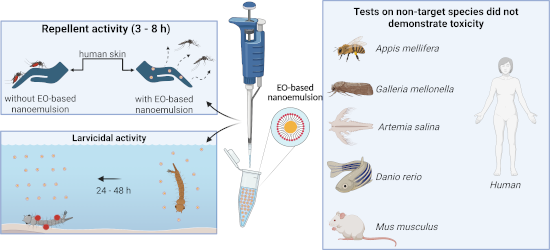
- , PE, Brazil 10.3762/bjnano.16.132 Abstract Mosquitoes of the Aedes genus are responsible for the transmission of arboviruses that seriously affect public health. Given the increasing resistance to traditional insecticides and their negative environmental impacts, the need for safer alternatives
- ]. Furthermore, these products also contribute to environmental pollution [14]. Given this scenario, the search for more sustainable alternatives, such as the use of natural products, becomes a promising strategy to tackle these challenges [22]. Among natural products are essential oils, secondary metabolites
- insecticides, ovicides, pupicides, oviposition deterrents, and repellents [25][26]. The main advantages include low toxicity, biodegradability, and action in multiple locations due to the variety of compounds [12][19]. On the other hand, essential oils in their natural form are not stable under environmental


Low-temperature AFM with a microwave cavity optomechanical transducer
Beilstein J. Nanotechnol. 2025, 16, 1873–1882, doi:10.3762/bjnano.16.130
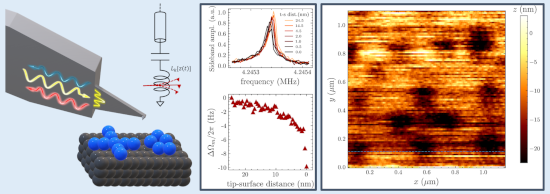
- –surface distance, oscillation amplitude of the driven cantilever, sharpness of the tip, and pickup of environmental vibrations and noise, such as noise from the actuator driving the cantilever oscillation as well as feedback noise and sample topography. We perform initial positioning of the microscope by


Self-assembly and adhesive properties of Pollicipes pollicipes barnacle cement protein cp19k: influence of pH and ionic strength
Beilstein J. Nanotechnol. 2025, 16, 1863–1872, doi:10.3762/bjnano.16.129
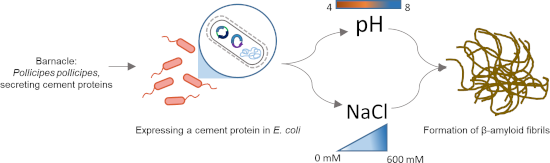
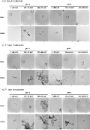
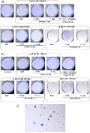
- study, we investigated the influence of environmental parameters on the self-assembly of recombinant cp19k, a key adhesive protein in Pollicipes pollicipes. Using TEM imaging, a low pH (4.0) and high salt concentration (600 mM NaCl) environment, mimicking P. pollicipes gland conditions, was identified
- fibril formation occurs in the acidic, iso-osmotic gland of the barnacle, with delayed cement curing enabling fibril secretion for sustained adhesion of the organism. The study provides insight into the environmental sensitivity of cp19k structure–function dynamics and may support the design of
- (basic pH with high salt concentration) or proposed gland-like (acidic pH with low salt concentration) conditions [28][29][30][31], however, with much still unknown about their structural properties or mechanical function under varied environmental conditions. Among P. pollicipes cement proteins, cp19k


On the road to sustainability – application of metallic nanoparticles obtained by green synthesis in dentistry: a scoping review
Beilstein J. Nanotechnol. 2025, 16, 1851–1862, doi:10.3762/bjnano.16.128
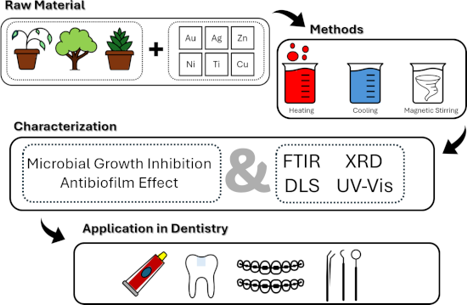
- activity and enhanced biocompatibility, achieved through phytochemically mediated synthesis. Conventional nanoparticle production often relies on toxic reagents and energy-intensive processes, posing environmental and clinical challenges. In contrast, green synthesis, using plant extracts, fungi, or
- energy consumption, and hazardous reducing agents; also, they result in environmental waste, in addition to producing nanoparticles that may be toxic and poorly biocompatible [3][7]. Given the limitations of conventional synthesis methods, the green synthesis of nanoparticles has emerged as a sustainable
- significantly reduces the generation of toxic waste, occupational risks, and environmental impacts [13][14][15]. Furthermore, green-synthesized nanoparticles demonstrate enhanced biocompatibility, improved bioavailability, and reduced cytotoxicity, which broadens their applicability in fields such as dental


Current status of using adsorbent nanomaterials for removing microplastics from water supply systems: a mini review
Beilstein J. Nanotechnol. 2025, 16, 1837–1850, doi:10.3762/bjnano.16.127
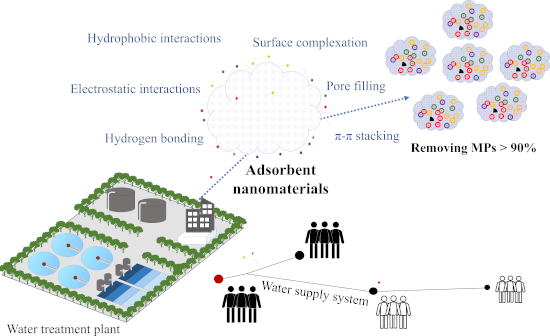
- can recovery. Their effectiveness depends on material properties and environmental factors, but challenges remain in scale-up and related risks. Adsorbent nanomaterials show promising potential to enhance MP removal through specific properties. Although some related risks are discussed, these
- projected to rise to 33,000 million tonnes by 2050 [1]. However, despite this significant increase in production, the global recycling rate remaines low at approximately 9% since 1950, resulting in the accumulation of plastic waste in ecological and environmental systems [2][3]. The issues of microplastics
- (MPs) related to public health and environmental risks have gained significant attention [1]. Because of their small size, high surface area, and hydrophobic properties, MPs can act as vectors for toxic chemicals, including heavy metals (lead, cadmium, or mercury) and persistent organic pollutants like


Piezoelectricity of layered double hydroxides: perspectives regarding piezocatalysis and nanogenerators
Beilstein J. Nanotechnol. 2025, 16, 1812–1817, doi:10.3762/bjnano.16.124

- environmental sources is a priority. Piezoelectric materials have the ability to convert mechanical energy into electrical energy due to the arrangement of dipoles in their structure, thus providing sustainable electrical energy for low-power-consuming and self-powered devices [1]. The most common piezoelectric
- ceramics are lead-based, which can cause serious environmental damage if such compounds are widely used [2]. Among the new alternatives found in recent years is a group of layered double hydroxides (LDHs), whose piezoelectric properties were not previously known and systematically studied. Natural and
- piezocatalytic environmental remediation, achieved ≈98% degradation of rhodamine B within 20 min under ultrasonic activation when used together with PMS, with a kinetic constant significantly higher than many simple photocatalysts [16]. Thus, we can conclude that LDHs are competitive with, and in several cases




