


Search results
Search for "film" in Full Text gives 1174 result(s) in Beilstein Journal of Nanotechnology. Showing first 200.
Calculation of the dynamic stiffness of a cantilever under torsional oscillation
Beilstein J. Nanotechnol. 2026, 17, 303–308, doi:10.3762/bjnano.17.21
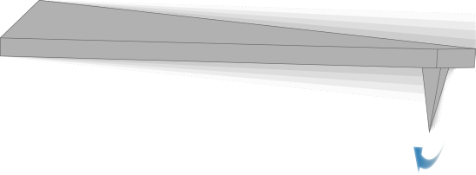
- with small stiffness and provides exceptional sensitivity to conservative and dissipative forces owing to the small stiffness [2][9][10][11]. Non-contact friction measurements with pendulum AFM on a Nb film across the superconducting transition indicate that friction is electronic in the metallic state

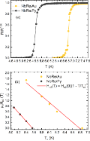
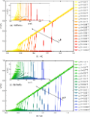
Fast vortex dynamics and relaxation times in NbRe-based heterostructures
Beilstein J. Nanotechnol. 2026, 17, 292–302, doi:10.3762/bjnano.17.20
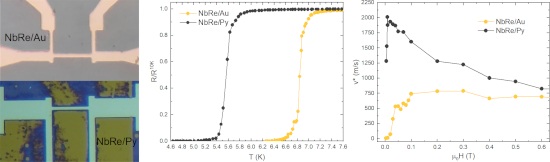
- on SiO2 substrates. The base pressure was P = 2.2 × 10⁻⁸ mbar, and the Ar pressure during the deposition was = 6.6 μbar, = 12 μbar and = 6.3 μbar. During the deposition, the film thickness was monitored in situ by a thickness monitor, which provides a real-time measurement of the growth rate. The
- are characterized by significantly different electrical resistivities, with Au being an excellent electrical conductor even at small thicknesses and Py films showing high resistivity in the ultrathin film regime [40][41]. To calculate the London penetration depth at T = 0 K, the formula λ(0) = 1.05
- for the NbRe/Au microstrip. The critical velocity increases with H up to approximately 0.1 T for the NbRe/Au sample and up to 0.01 T for NbRe/Py. This behavior can be linked to the fact that, in this regime, fluxons do not penetrate the film with a uniform front but advance with an irregular front


Advancing nanolithography: a comprehensive review of materials for local anodic oxidation with AFM
Beilstein J. Nanotechnol. 2026, 17, 275–291, doi:10.3762/bjnano.17.19
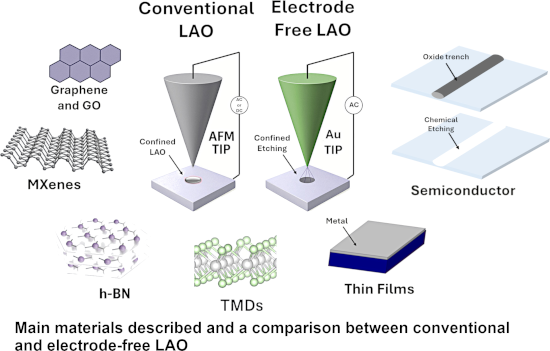
- authors agree with an oxidation kinetic consistent with the Cabrera–Mott model [44][45]. As an electrochemical process, LAO is inherently current-dependent. Early studies showed that oxide growth evolves from an initial electronic tunneling regime to ionic transport as the film develops [46]. Dagata and
- [29]. A more recent study demonstrates the use of LAO to nanostructure thin amorphous vanadium oxide (VOx) films [97], converting them locally to vanadium pentoxide (V2O5) for selective removal. Achieving sub-50 nm lateral precision and sub-0.3 nm depths, the process is influenced by humidity, film


Multilayered hyperbolic Au/TiO2 nanostructures for enhancing the nonlinear response around the epsilon-near-zero point
Beilstein J. Nanotechnol. 2026, 17, 251–261, doi:10.3762/bjnano.17.17
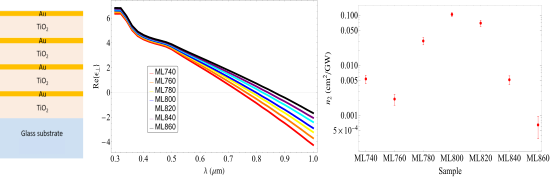
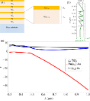
- only interested in the visible region because it is the region in which we are able to study the nonlinear response. Data analysis and multilayer modeling were performed using CompleteEASE software by J.A. Woollam. The optical constants were fitted using a B-splines layer with a Au thin film with KK
- constituting materials was studied by variable angular spectroscopic ellipsometry. Figure 3c shows the measured permittivity of the titanium dioxide compared to the values from literature. We observe that the values are very similar, indicating that the deposited film is almost the same as the one used for the


Structure-dependent thermochromism of PAZO thin films: theory and experiment
Beilstein J. Nanotechnol. 2026, 17, 186–199, doi:10.3762/bjnano.17.12
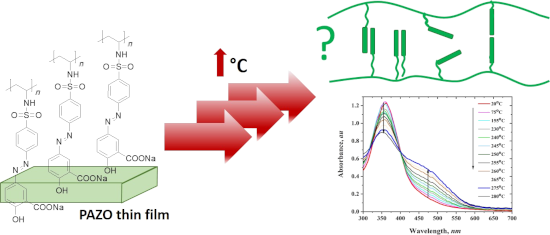
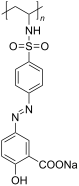
- relationship between the structural organization of the polymer side chains and temperature-induced optical changes. By combining experimental spectroscopic techniques with theoretical modeling, we demonstrate that the thermochromic response of PAZO films is strongly influenced by molecular aggregation, film
- polymers in thin films are known to markedly differ from those observed in the bulk, with significant differences in glass transition behavior, diffusion, and viscoelastic properties [4]. The assembly of polymer molecules from solution to solid state play a critical role in determining thin film morphology
- indication that the structural changes in PAZO thin film induced by heating are significant and stable over weeks and even months. These changes in the absorption spectra can be ascribed to the formation of aggregates between adjacent azochromophores – the so-called J-aggregates and H-aggregates, which will


Influence of surface characteristics on the in vitro stability and cell uptake of nanoliposomes for brain delivery
Beilstein J. Nanotechnol. 2026, 17, 139–158, doi:10.3762/bjnano.17.9
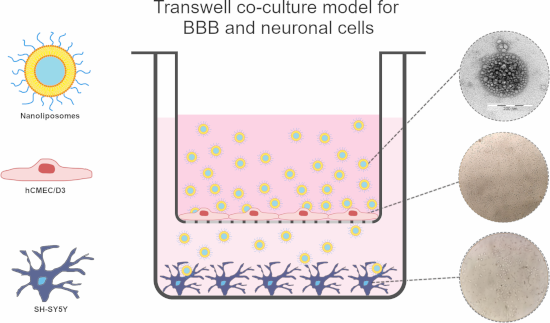
- ratios for NLb0, NLb1, and NLb2, respectively) were prepared by modified lipid film hydration technique as described in our previous work [18]. The chosen formulations used for these studies were previously optimized and underwent complete characterization, where it was shown that the used amounts of PEG
- evaporated under vacuum using a rotary evaporator (25 °C, 50 rpm, 50 mbar; Büchi 215, Switzerland). The resulting thin lipid film was hydrated with phosphate buffer (PB) at pH 7.4. The hydration process involved four consecutive cycles, each consisting of three 5 min steps: ultrasonication (50/60 Hz




Capabilities of the 3D-MLSI software tool in superconducting neuron design
Beilstein J. Nanotechnol. 2026, 17, 122–138, doi:10.3762/bjnano.17.8

- on averaging the 3D current over the thin thickness of a superconductor film [49][50]. In contrast to InductEx and SuperVoxHenry, it leads to a set of 2D integro-differential equations instead of three-dimensional ones. As a result, 3D-MLSI can work without the large matrix procession techniques
- . Calculations are performed on a highly graded mesh of triangular cells (see inset on Figure 8a) based on two mesh step parameters. The first parameter, ah, defines the size of triangular cells inside the superconducting film far enough from the nearest boundary. The other parameter, ahb, is related to the cell



Development and in vitro evaluation of liposomes and immunoliposomes containing 5-fluorouracil and R-phycoerythrin as a potential phototheranostic system for colorectal cancer
Beilstein J. Nanotechnol. 2026, 17, 97–121, doi:10.3762/bjnano.17.7
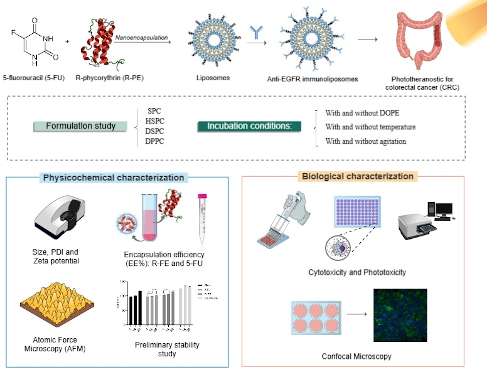
- by the National Cancer Institute (USA). 2.2 Formulation development 2.2.1 Liposomes Liposomes were prepared by the lipid film hydration method as previously described [18], based on phospholipid/Chol/DSPE–PEG 2000 (70:20:5) with eight different compositions varying the lipid type (HSPC, DSPC, DPPC
- , SPC) and amount (25 and 50 mg) followed by sonication. In summary, the lipids were solubilized in 5 mL of chloroform and evaporated for 30 min at 65 °C. In the next step, the lipid film was hydrated with 5 mL of phosphate buffer saline (PBS, pH 7.4) during 60 min at 100 rpm and 37 °C or with PBS, pH
- film evaporation method, as previously described. The fractions containing thiolated cetuximab (fractions 4–6) were then combined with the liposomes and the mixture was incubated overnight for 20 h, at room temperature, stirred at 200 rpm. Unconjugated antibodies were removed by chromatography on a



Functional surface engineering for cultural heritage protection: the role of superhydrophobic and superoleophobic coatings – a comprehensive review
Beilstein J. Nanotechnol. 2026, 17, 63–96, doi:10.3762/bjnano.17.6

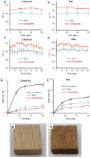
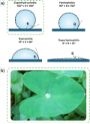
- alteration of color or gloss. In terms of reversibility, while the material formed a stable film, the study did not provide conclusive evidence regarding its removability without affecting the substrate, which remains a limitation. Stability was demonstrated, with the films retaining integrity under
- consolidant composed of tetraethoxysilane (TEOS) and PDMS, forming a protective and functional coating. The film structure fully integrated the C-dots, without altering TiO2 bonding, maintaining visual transparency and color neutrality on mortar surfaces. Under both UV and visible light, the coated mortars
- polycondensation of 3-(trimethoxysilyl)propyl methacrylate (TMSPMA) and (3,3,3-trifluoropropyl)trimethoxysilane (TFPTMS) in the presence of a dodecylamine surfactant, yielding a crack-free nanostructured film incorporating silsesquioxane, methacrylate, and fluorine units. The comparison focused on UV-induced




Reduced graphene oxide paper electrode for lithium-ion cells – towards optimized thermal reduction
Beilstein J. Nanotechnol. 2026, 17, 24–37, doi:10.3762/bjnano.17.3
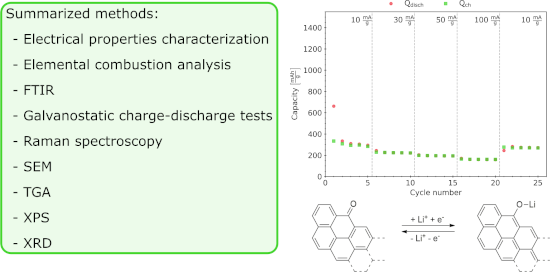
- ® graphene oxide paper was produced in the Flake Graphene Research Group in Łukasiewicz Research Network, Institute of Microelectronics and Photonics, Warsaw, Poland, according to a patented method [33], based solely on graphene oxide paste without any plasticizer. This method of thin film preparation is
- the presented rGO paper sheets were smaller than or close to 36 μm, it can be assumed that the release of gaseous products occurred through paths perpendicular to the surface of the rGO paper. Given the fact that no destruction of rGO sheets nor disruption of the film integrity was observed, we
- material reduced at 650 °C in a reducing atmosphere; also, a surfactant agent was applied for the preparation of the film. The capacity values presented herein are also close to those reported by Wen et al. for a non-nitrogen-doped graphene paper sample obtained via a hydrothermal process [58], with a



Quantitative estimation of nanoparticle/substrate adhesion by atomic force microscopy
Beilstein J. Nanotechnol. 2026, 17, 1–14, doi:10.3762/bjnano.17.1

- NPs and significantly enhancing their interfacial adhesion. Their mechanical stability was tested utilizing scanning probe microscopy nanomanipulation [12]. Another approach tested for SiO2 NPs was functionalizing their surfaces for improved adhesion on epoxy film-covered substrate surfaces [13]. In



Internal 3D temperature mapping in biological systems using ratiometric light-sheet imaging and lipid-coated upconversion nanothermometers
Beilstein J. Nanotechnol. 2025, 16, 2306–2316, doi:10.3762/bjnano.16.159
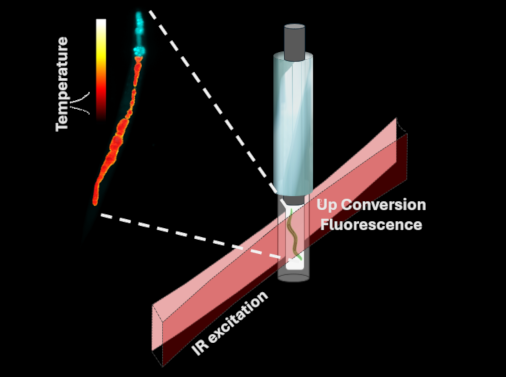
- thin-film hydration method based on Rojas-Gutierrez’s procedure [52]. Based on the size distribution and concentration of the nanoparticles (10 mg·mL−1), a lipid layer was formed with DOPS, cholesterol, and DMPC at a molar ratio of 64:29:7. The three lipids were dispersed in chloroform and mixed with


Terahertz-range on-chip local oscillator based on Josephson junction arrays for superconducting quantum-limited receivers
Beilstein J. Nanotechnol. 2025, 16, 2296–2305, doi:10.3762/bjnano.16.158
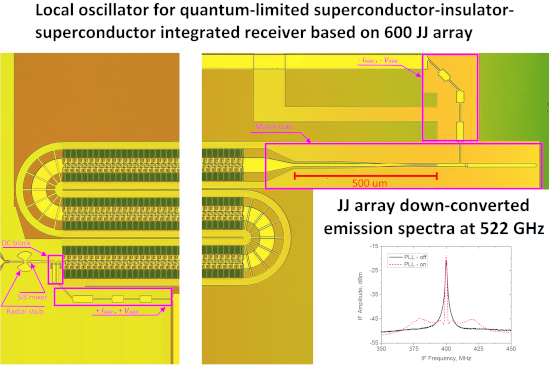
- matched load in the form of Klopfenstein tapering [44] is used. It is made up by a 5λ/4-long transition from CPW to the microstrip line with a normal top electrode that serves for attenuation of the reflected wave. Each JJ in the array is shunted by a thin-film resistor made of normal metal. In our
- technological cycle, the molybdenum film with a thickness of 100 nm (surface resistance of approx. 1 Ω/square) is used. A shunt is crucial for reducing the McCumber parameter to the value of ≈0.3 in order to provide a hysteresis-free current–voltage characteristic (IVC) [3]. The parameters of the single
- central electrode of the CPW Wc = 38 μm is limited in the present design by the geometrical size of the junctions shunted by a thin-film resistor. As discussed in [54], for the CPW lines with a high Wc and small Wgap, the difference between the frequencies of the odd and even modes becomes smaller. The


Ultrathin water layers on mannosylated gold nanoparticles
Beilstein J. Nanotechnol. 2025, 16, 2183–2198, doi:10.3762/bjnano.16.151
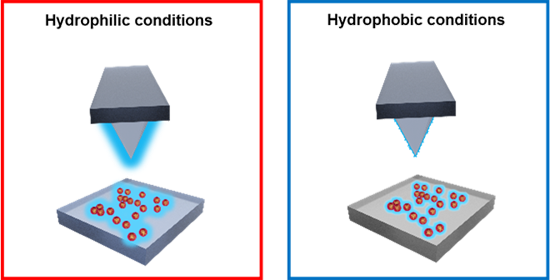
- there is a risk of over-interpreting height information. Indeed, experiments with soft matter in ambient humidity usually create a thin film of water covering the tip and the sample. A capillary water neck is formed in hydrophilic systems when the AFM tip comes close to the sample surface [22]. In



Beyond the shell: exploring polymer–lipid interfaces in core–shell nanofibers to carry hyaluronic acid and β-caryophyllene
Beilstein J. Nanotechnol. 2025, 16, 2015–2033, doi:10.3762/bjnano.16.139
- arrangement of these two phases directly influences its degradation behavior. Studies have shown that PLA with higher crystallinity, in both film [73][74] and fiber forms [65], exhibits a higher rate of hydrolytic degradation in phosphate-buffered saline (PBS) at pH 7.4. This is attributed to the higher




Evaluating metal-organic precursors for focused ion beam-induced deposition through solid-layer decomposition analysis
Beilstein J. Nanotechnol. 2025, 16, 1942–1951, doi:10.3762/bjnano.16.135
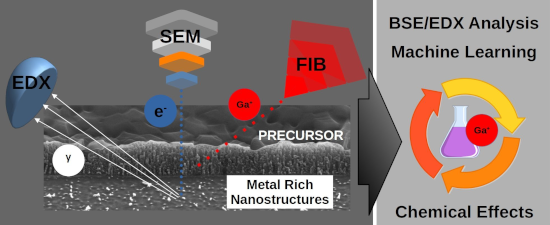
- significant beam-induced substrate defects (e.g., Ga atom implantation). Additionally, material growth is required to compete with the FIB milling process [4][9]. The use of ions instead of electrons, like in FEBID, offers several benefits, including enhanced film quality and adhesion, better control over the
- . EIMS reveals how ligands respond to electron irradiation; simple molecules such as CO and CO2 detach cleanly, making them “favorable” in FEBID. In contrast, anionic or polyhapto ligands, such as cyclopentadienyl (Cp) or allyl fragments, readily fragment form CxHy matrices, leading to film contamination
- and degradation of structural quality. Halogen atoms (e.g., Cl and Br) remain bound during initial irradiation and are typically released only at high electron doses, posing risks of side reactions or inhomogeneous film formation. Volatility is assessed via the sublimation temperature; precursors with


Quantum circuits with SINIS structures
Beilstein J. Nanotechnol. 2025, 16, 1931–1941, doi:10.3762/bjnano.16.134
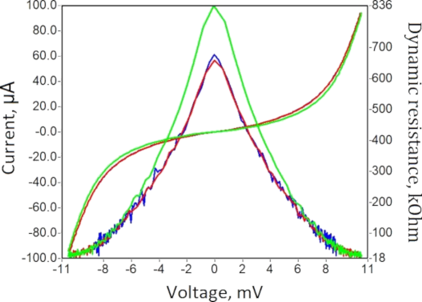
- thin film of normal metal (the absorber is an element sensitive to incoming radiation) and two NIS junctions that act as a thermometer. An SEM view of the SINIS detector was shown in Figure 1a–f. Often SINIS detectors are considered as classical devices with the optical response equivalent to the
- created. The process of electron energy relaxation continues until their characteristic times reach the tunneling time determined by the parameters of the SIN transition, that is, the transparency of the barrier, the thickness of the normal metal film, and the diffusion rate of electrons in it. For


Low-temperature AFM with a microwave cavity optomechanical transducer
Beilstein J. Nanotechnol. 2025, 16, 1873–1882, doi:10.3762/bjnano.16.130
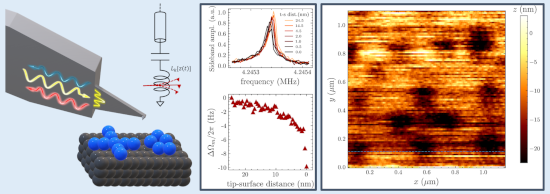
- . Figure 5d–f shows the effect of the measurement bandwidth on a single scan line. Finally, we tested the lateral resolution of our microscope by imaging a less trivial structure. We fabricated a second test sample by etching a pattern from the top Ti layer of a Ti(10 nm)/Au(5 nm)/Ti(5 nm) film deposited


Phytol-loaded soybean oil nanoemulsion as a promising alternative against Leishmania amazonensis
Beilstein J. Nanotechnol. 2025, 16, 1826–1836, doi:10.3762/bjnano.16.126

- kinetic stabilization achieved through the optimized composition of the surfactant pair, which likely contributed to a robust interfacial film that prevented coalescence and Ostwald ripening [38][39][40]. Although colloidal stability has been demonstrated, chemical stability studies are still needed to


Electrical, photocatalytic, and sensory properties of graphene oxide and polyimide implanted with low- and medium-energy silver ions
Beilstein J. Nanotechnol. 2025, 16, 1794–1811, doi:10.3762/bjnano.16.123
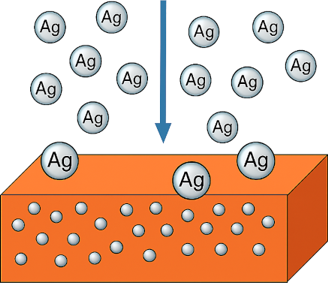
- carbonized matrix, conjugated bonds, and silver cluster structures exhibits dramatically higher conductivity than the unmodified material, which can be exploited, for example, for the fabrication of flexible optoelectronics, thin-film electrodes, or electroactive sensors [12]. In addition to the increase in
- humidity is altered, which is crucial for the design of thin-film humidity sensors [14]. In the case of both GO and PI, Ag ion implantation can cause partial deoxygenation and redistribution of functional groups (especially C–O, C=O, and N–H), thereby changing the hydrophilic character of the surface [15
- ]. GO film was prepared through filtration using a polycarbonate membrane (Nucleopore 45 μm, 90 mm in diameter). The density of the resulting film was measured as 1.36 g·cm−2. An additional material incorporated in the study was polyimide (PI) with a density 1.42 g·cm−3 and a surface resistance above


Multifunctional anionic nanoemulsion with linseed oil and lecithin: a preliminary approach for dry eye disease
Beilstein J. Nanotechnol. 2025, 16, 1711–1733, doi:10.3762/bjnano.16.120
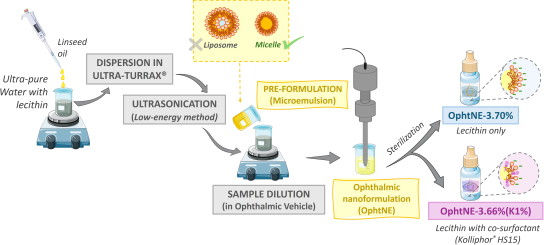
- disease cases [13]. Advances in nanomedicine have provided effective solutions, particularly for treating DED [1]. To address challenges in topical ocular drug delivery and to develop products that mimic tear film composition, ocular nanosystems (ONSs) with diameters ranging from 50 to 300 nm are being
- ingredient [1]. NEs are designed as droplets that can potentially replenish the lipid layer in DED patients, mimicking the trilayered structure of the tear film, consisting of lipid, aqueous, and mucin layers [13][15][18][20]. According to the literature, the tear film compromises the stability of NE
- components. When NE is instilled, the oil nanodroplets merge with the lipid layer, the water in the formulation interacts with the aqueous layer of the tear film, and the surfactant interacts with the mucin layer [21][22][23]. The literature cites various lipids as components of the oily phase in



Ambient pressure XPS at MAX IV
Beilstein J. Nanotechnol. 2025, 16, 1677–1694, doi:10.3762/bjnano.16.118
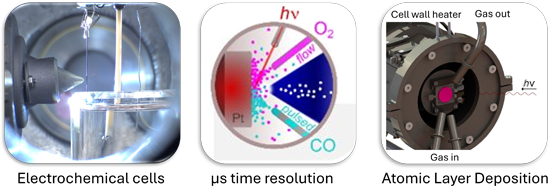
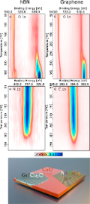
- studies across a broad pressure range, enabling research in catalysis, corrosion, energy storage, and thin film growth. The high brilliance and small beam size of MAX IV’s synchrotron light are essential for pushing the time-resolution boundaries of APXPS, especially in the soft X-ray regime. We discuss
- heterogeneous catalysis, corrosion, and thin film growth. Given that surfaces are heavily influenced by their surroundings, it is essential to study them in situ, while exposed to realistic reaction conditions, or operando, when producing reaction products under realistic conditions. X-ray photoelectron
- fields of, among others, catalysis research, material characterization, and thin film deposition, utilizing dedicated cells. HIPPIE, on the 3 GeV ring, covers a wider photon energy range than SPECIES (250 to 2500 eV), also with variable polarization [10]. It has two branches, each with its own





Nanotechnology-based approaches for the removal of microplastics from wastewater: a comprehensive review
Beilstein J. Nanotechnol. 2025, 16, 1607–1632, doi:10.3762/bjnano.16.114
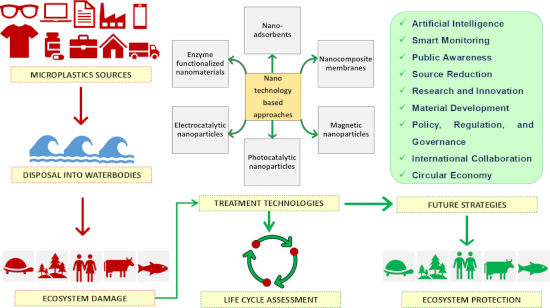
- from aquatic systems. MXenes have emerged as promising materials for antibacterial applications and have shown strong potential for the use in water purification membranes due to their excellent film-forming ability and enhanced mechanical strength. These properties also support their application in
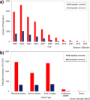


Few-photon microwave fields for superconducting transmon-based qudit control
Beilstein J. Nanotechnol. 2025, 16, 1580–1591, doi:10.3762/bjnano.16.112
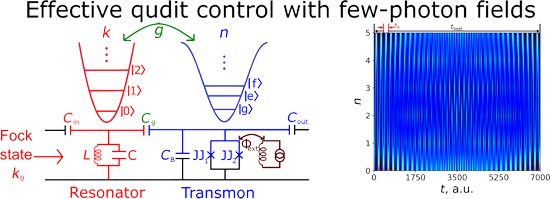
- also satisfied (the capacity of JJ can be estimated as CJ = εε0S/d, ε = 10, and d = 2 nm for an AlOx film). This implementation has a number of significant drawbacks; the system takes up a lot of space on the chip, and the impedance matching for the JJ system and the resonator is a problem


Photocatalytic degradation of ofloxacin in water assisted by TiO2 nanowires on carbon cloth: contributions of H2O2 addition and substrate absorbability
Beilstein J. Nanotechnol. 2025, 16, 1567–1579, doi:10.3762/bjnano.16.111
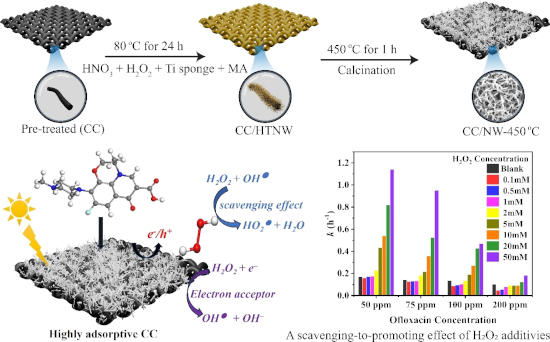
- controlled film thickness of 1.5–4.5 μm, on concurrently activated carbon cloth substrates. The composite film exhibited a high efficiency towards removal of rhodamine B and sulfosalicylic acid in water under UV light illumination, mainly thanks to the highly adsorptive substrate [16]. In the current
- with the benchmark commercial P25 TiO2 nanoparticles deposited on a Ti substrate. All thin films were controlled to be of almost identical film thickness for a reasonable comparison. Both nanowire samples exhibit a photoactivity superior to that of the benchmark P25 when utilized in the form of thin
- concentration of 200 ppm, suggesting the high adsorption capacity and probably a deep mineralization capacity of the thin film photocatalyst developed in the current investigation. This work represents a new promising strategy to tackle emerging contaminants and could lead to the advancement of cutting-edge





