Search results
Search for "films" in Full Text gives 1003 result(s) in Beilstein Journal of Nanotechnology. Showing first 200.
Functional surface engineering for cultural heritage protection: the role of superhydrophobic and superoleophobic coatings – a comprehensive review
Beilstein J. Nanotechnol. 2026, 17, 63–96, doi:10.3762/bjnano.17.6

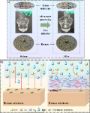
- transparency and reversibility, while smoother substrates favor thinner, more controllable films. Furthermore, artworks having stone or inorganic surfaces, may experience erosion due to the effect of acid rain if in outdoor environment (limestone might shift to gypsum due to sulfur dioxide, becoming porous and
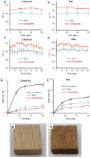
- alteration of color or gloss. In terms of reversibility, while the material formed a stable film, the study did not provide conclusive evidence regarding its removability without affecting the substrate, which remains a limitation. Stability was demonstrated, with the films retaining integrity under
- chemical resistance within a green-chemistry framework, but transparency and reversibility were not convincingly addressed. The TiO2 sol–gel films on Portuguese glazed tiles [68] failed to ensure transparency and stability as they induced aesthetic alterations and did not prevent biodeterioration




Reduced graphene oxide paper electrode for lithium-ion cells – towards optimized thermal reduction
Beilstein J. Nanotechnol. 2026, 17, 24–37, doi:10.3762/bjnano.17.3
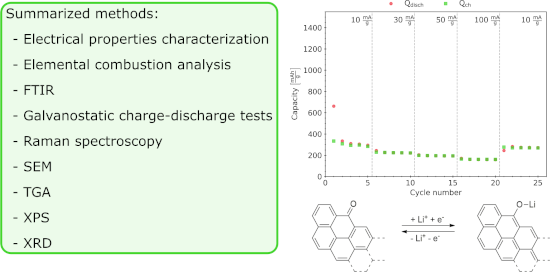
- -ion batteries with Li4T5O12 and LiFePO4 active materials for the electrodes [13]. Chen et al. described current collectors based on rGO films [14]. Reduced graphene oxide finds further use in sodium-ion composite cathode materials as a conduction-improving agent with Prussian white as the active
- are removed after thermal reduction at 850 °C. The research presented herein extends the scope of the cited article since it concerns the structural, chemical, and physical properties of free-standing rGO thin films (i.e., reduced graphene oxide paper) with the practical purpose of performance
- Discussion SEM images are presented in Figure 2a–c. With these, the rGO paper sheet thickness was determined (Table 1), reaching from 4.95 μm for the initial M300 material [34] up to 36.48 μm after the thermal treatment. The expansion of the fabricated films originates from thermal exfoliation [42]. The



Quantitative estimation of nanoparticle/substrate adhesion by atomic force microscopy
Beilstein J. Nanotechnol. 2026, 17, 1–14, doi:10.3762/bjnano.17.1

- ], similar to friction studies on thin films [19]. Therefore, proper calibration of the normal and lateral force constants of the cantilever is crucial in order to extract quantitative, accurate, reliable, and reproducible lateral force values from AFM manipulation experiments [20]. Overall, manipulating NPs
- capturing the full complexity of the interaction. While the case from 0 to 500 V is in fair agreement with interface energies of sputter-deposited Cu films grown on SiO2/Si substrates at temperatures of 100–120 °C [56], the 1000 V case deviates substantially. This is most likely to due to the high impact



Terahertz-range on-chip local oscillator based on Josephson junction arrays for superconducting quantum-limited receivers
Beilstein J. Nanotechnol. 2025, 16, 2296–2305, doi:10.3762/bjnano.16.158
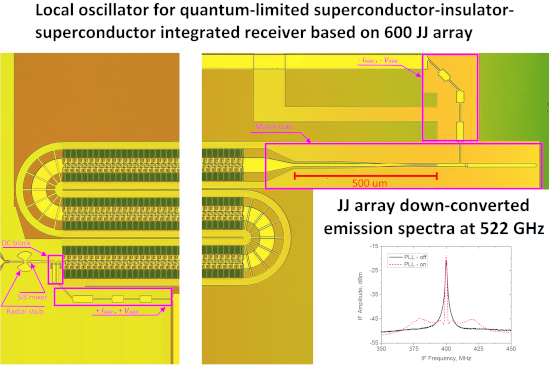
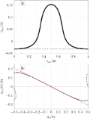
- those in the sample arrays. The S21 parameter for the coplanar line is shown by the cyan dotted line in Figure 6a and Figure 6b. The values are indicated on the right axis. The decrease is caused by the leak of the JJ array radiation into the substrate. Moreover, the parameters of the films that form
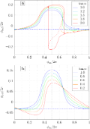
- Vgap of the tunnel junctions (see Figure 4, where Vgap ≈ 2.7 mV, which corresponds to the gap frequency of niobium films ≈650 GHz). A possible solution to address this problem is the CPW with a smaller gap width Wgap (see the inset in Figure 7). As can be seen from Figure 7, with a decreasing Wgap the


Chiral plasmonic nanostructures fabricated with circularly polarized light
Beilstein J. Nanotechnol. 2025, 16, 2245–2264, doi:10.3762/bjnano.16.154
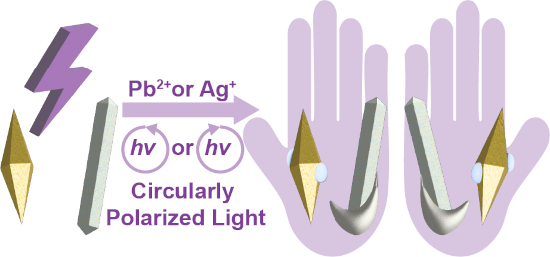
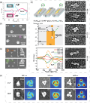
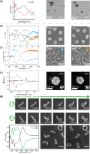
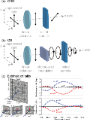
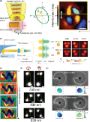
- ) (Figure 3a). In a typical experimental setup, AuNRs were immobilized on tens of nanometer thick TiO2 films deposited on glass. (A similar setup is shown in Figure 3d left panel for Au bipyramids (AuBPs)) Under CPL illumination, hot carriers were generated in Au. The hot electrons are diverted to the TiO2
- nanostructures in Sections 2.2 and 2.3 were collected on their thin films deposited on the substrate, with the exceptions of the AuNP in Figure 4a, chiral nanobars, and chiral AuNR@Ag NPs in Table 1. The authors of [28] provided an approach that can potentially redissolve CPL-induced chiral nanostructures in





Optical bio/chemical sensors for vitamin B12 analysis in food and pharmaceuticals: state of the art, challenges, and future outlooks
Beilstein J. Nanotechnol. 2025, 16, 2207–2244, doi:10.3762/bjnano.16.153
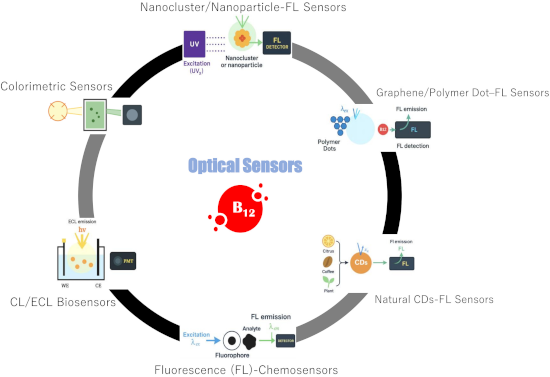
- 53.5 ng/mL using graphene nanoribbons modified with specific recognition elements [96]. Moreover, Bareza et al. demonstrated the scalability and industrial applicability of this bioassay through the use of large-area nanostructured graphene films, proving the promising future of graphene-based mid-IR


Ultrathin water layers on mannosylated gold nanoparticles
Beilstein J. Nanotechnol. 2025, 16, 2183–2198, doi:10.3762/bjnano.16.151
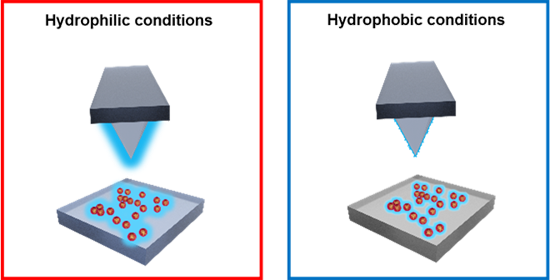
- microbalance observations of highly hydrated cellulose films [48], which found 3.6 mol water per cellulose subunit at 97% RH. Under hydrophobic conditions, PEG AuNPs show a moderate increase in AFM height, corresponding to one water layer, not observed under hydrophilic conditions. It is possible that this is
- of dimanno-AuNPs and PEG AuNPs was recorded in a broad-band VSFG system at Fritz-Haber-Institute (Max-Planck-Gesellschaft, Berlin, Germany). Gold thin films (200 nm on 10 nm Cr on glass) were used as surfaces. Prior to sample deposition, the surfaces were cleaned with ethanol and Milli-Q water under



Electron transport through nanoscale multilayer graphene and hexagonal boron nitride junctions
Beilstein J. Nanotechnol. 2025, 16, 2132–2143, doi:10.3762/bjnano.16.147
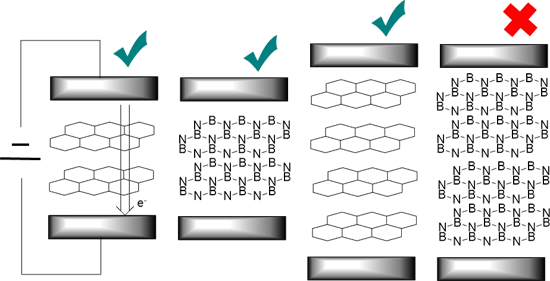
- [2], nanoscale electronics and electronic components [3], thermoelectric devices [4], and transparent films [5]. Graphene is a two-dimensional zero-bandgap semiconductor with excellent bulk conductivity. Its in-plane electron transport strongly depends on lattice order, lattice defects, and three


Evaluating metal-organic precursors for focused ion beam-induced deposition through solid-layer decomposition analysis
Beilstein J. Nanotechnol. 2025, 16, 1942–1951, doi:10.3762/bjnano.16.135
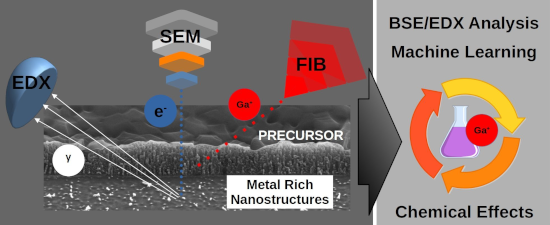
- masks, and resistance, with the flexibility of depositing materials on non-planar surfaces [4][5][14]. The FIBID method has several advantages compared to the FEBID technique in depositing thin films on substrates. First, ions generate more secondary electrons on the substrate surface than electrons
- previously in CVD, and β-diketonates are the most common CVD precursors, yielding films of high purity up to 99 atom % [5][15][22][23][24][25][26]. In FEBID, silver(I) carboxylates, in contrast to β-diketonates, result in high metal content in the deposits. Recent research [5] using [Ag2(μ-O2CR)2], where R
- a more in-depth understanding of the proposed pathway for successful testing of the new potential FIBID precursors. The Fabrication of the Precursor Thin Layer The metal-organic precursors films for the FIB/SEM experiments were deposited by sublimation using a glassware sublimation apparatus. The Si


Quantum circuits with SINIS structures
Beilstein J. Nanotechnol. 2025, 16, 1931–1941, doi:10.3762/bjnano.16.134
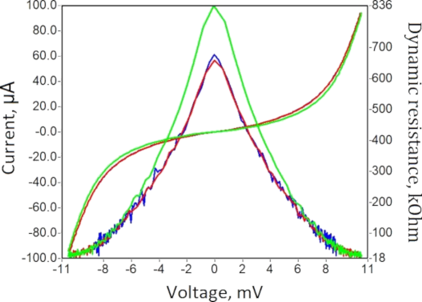
- tunnel junction In tunnel structures, the barrier is a dielectric layer between two metal films (often the oxide layer on the surface of the first metal layer is used as a dielectric). The first experimental study of a tunnel junction was carried out in 1960 [21] for an aluminum–aluminum oxide–lead
- are the thicknesses of the normal metal and superconductor films, respectively. Another feature of the tunnel–NIS junction is the phenomenon of electron cooling. This process is a transfer of heat from a normal metal to a superconductor and is caused by the fact that charge carriers with higher energy


Electrical, photocatalytic, and sensory properties of graphene oxide and polyimide implanted with low- and medium-energy silver ions
Beilstein J. Nanotechnol. 2025, 16, 1794–1811, doi:10.3762/bjnano.16.123
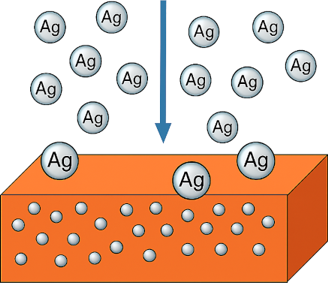
- for the precise introduction of implanted atoms into the surface layers without the need for subsequent chemical modification, thus opening new possibilities in the development of functional thin films. In this study, Ag ions were used to modify polymer matrices to improve chemical and electronic
- yield. Such properties are promising for applications including photocatalytic water purification, self-cleaning surfaces, and light-activated antimicrobial coatings [20]. The elemental composition of the modified films was characterized by Rutherford backscattering spectrometry (RBS) and elastic recoil
- often leads to the displacement of the target nuclei and to significant defect formation in the irradiated material, such as substitution defects [21]. We performed an initial estimation of the ions’ energy losses and range depth of the implanted Ag ions in GO and PI films using SRIM software [22]. This


Ambient pressure XPS at MAX IV
Beilstein J. Nanotechnol. 2025, 16, 1677–1694, doi:10.3762/bjnano.16.118
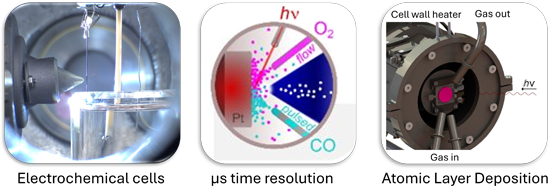
- performance in integrated circuits. Its precision, scalability, and ability to produce conformal films on intricate surfaces make ALD a cornerstone in the pursuit of miniaturization and enhanced performance in technology. ALD achieves such high levels of growth control by a well-separated alternating exposure
- –liquid interfaces and is particularly relevant for battery research. Corrosion Nanometer-thin and spontaneously formed oxide layers, also known as passive films, play a crucial role in the corrosion resistance of many advanced alloys. The current knowledge of the passive films’ structure and composition
- evolution of passive films under electrochemical stress [67][68]. Batteries The dip-and-pull method allows for surface-sensitive XPS measurements of interfaces that are typically hidden inside batteries. Whilst the cell geometry obviously differs dramatically from that of any conventional cell, the approach





Photocatalytic degradation of ofloxacin in water assisted by TiO2 nanowires on carbon cloth: contributions of H2O2 addition and substrate absorbability
Beilstein J. Nanotechnol. 2025, 16, 1567–1579, doi:10.3762/bjnano.16.111
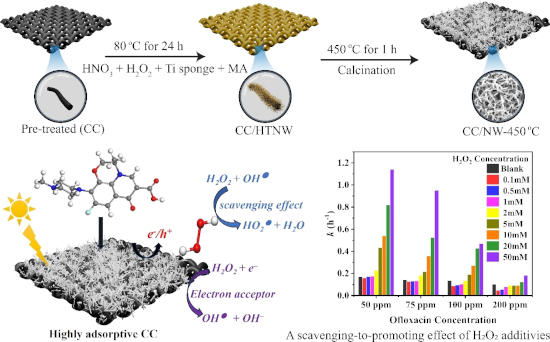
- with the benchmark commercial P25 TiO2 nanoparticles deposited on a Ti substrate. All thin films were controlled to be of almost identical film thickness for a reasonable comparison. Both nanowire samples exhibit a photoactivity superior to that of the benchmark P25 when utilized in the form of thin
- films. It also indicates that the highly adsorptive carbon cloth substrate, as suggested by the dark adsorption curves in Figure 9b, contributes to the photoactivity of TiO2 nanowires. This fact indicates a synergistic effect resulting from substrate adsorption and TiO2 photodegradation. The synergistic
- effect may involve (1) carbon cloth possessing a substantial specific surface area and surface mesopores, which offers numerous adsorption sites, thereby concentrating solute molecules near the surface of thin films [13], (2) the transfer of photogenerated electrons from TiO2 to the conductive carbon


Modeling magnetic properties of cobalt nanofilms used as a component of spin hybrid superconductor–ferromagnetic structures
Beilstein J. Nanotechnol. 2025, 16, 1557–1566, doi:10.3762/bjnano.16.110
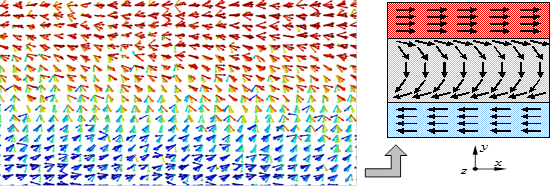
- thin films and the formation of Neel domain walls. Keywords: ferromagnetic properties; LAMMPS; mathematical modeling; MEAM; molecular dynamics; spin dynamics; Introduction Thin film structures [1][2] are increasingly employed each year in a wide range of applications, serving as functional [3][4
- . Due to active experimental and theoretical research on thin films, significant progress has been made in recent years. Since the information in the field of thin film technologies is updated quite rapidly, there is a need for a thorough study and optimization of the main technological processes that
- structure and composition of Co–Ni–Fe films were evaluated, and it was found out how the deposition rate affects the conversion of a weak magnetic field into magnetic induction. In addition, thin-film structures based on Fe and Co are among the most promising materials that can be applied in the creation of


Transient electronics for sustainability: Emerging technologies and future directions
Beilstein J. Nanotechnol. 2025, 16, 1545–1556, doi:10.3762/bjnano.16.109

- van der Waals films via photonic sintering allows for the development of novel forms of transient electronic devices, thereby further broadening the scope of their potential applications [31]. The foundational principles of transient electronics rest on the deliberate selection and integration of
- but also of electrical and mechanical performance. For instance, Mg-3Zn, which suffers from phase separation in bulk form, can be synthesized as a uniform alloy in thin films, offering improved corrosion resistance [61]. Moreover, bioresorbable amorphous metal (metallic glass) films have demonstrated
- thick Mg trace for up to three weeks in PBS (pH 7.4, 37 °C). However, organic films suffer from intrinsic porosity due to their polymer chain structure, which limits their water-blocking performance compared to inorganic counterparts. In contrast, inorganic coatings, traditionally employed in the field


Influence of laser beam profile on morphology and optical properties of silicon nanoparticles formed by laser ablation in liquid
Beilstein J. Nanotechnol. 2025, 16, 1533–1544, doi:10.3762/bjnano.16.108
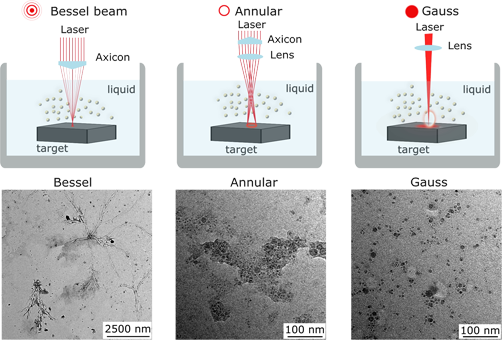
- the nanometer range and different morphologies is continuously growing. One aspect of current studies is further improvement of the properties and performance of the developed silicon-based devices. As a result, crystalline films based on silicon [1][2] as well as nano-sized silicon materials have
- become an emerging field of research [3][4][5][6][7]. The expanding application areas require silicon nanomaterials of different morphologies, including quantum dots, nanowires, and nanocrystalline films. Si nanowires, for example, are considered as a promising alternative to silicon electrodes in Li-ion


Cross-reactivities in conjugation reactions involving iron oxide nanoparticles
Beilstein J. Nanotechnol. 2025, 16, 1504–1521, doi:10.3762/bjnano.16.106
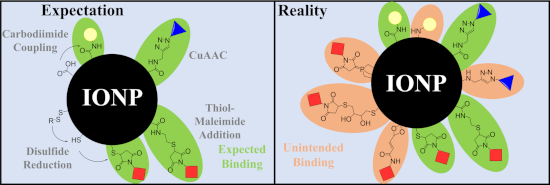
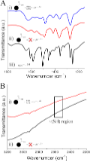
- , Figure S1.i), we see that both samples show significant broadening, and a change in the relative intensities of the two peaks. Similar broadening and lineshapes (relative intensities) were observed for Cy5-hexafluorophosphate thin films, and attributed to H-aggregate formation [59]. With the FTIR results







Laser processing in liquids: insights into nanocolloid generation and thin film integration for energy, photonic, and sensing applications
Beilstein J. Nanotechnol. 2025, 16, 1428–1498, doi:10.3762/bjnano.16.104
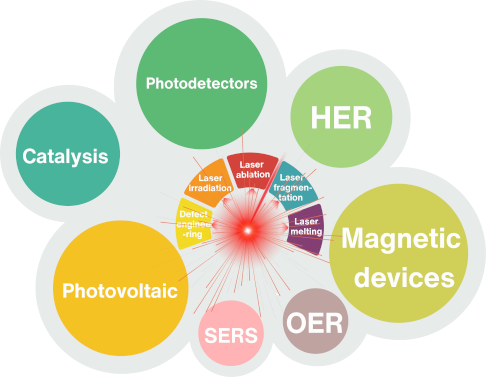
- ; nanocolloids to thin films; photocatalysis; photovoltaics and photodetection; surface-enhanced Raman spectroscopy (SERS); Review 1 Introduction This section provides a brief introduction to the fundamental laser processing techniques used in liquids, including ablation, fragmentation, melting, irradiation; it
- , and HER/OER devices. These films exhibit unique morphologies and properties due to the controlled nanoparticle size and dispersion. Additionally, these nanocolloids enable facile, low-temperature, single-step film fabrication under standard laboratory conditions, making it an efficient and versatile
- method for developing advanced functional materials. This section of the discussion focuses on the fabrication of thin films using laser-processed nanocolloids by various techniques such as electrophoretic deposition (EPD), spin-dip coating, spin coating, drop-casting, and spray deposition. The choice of




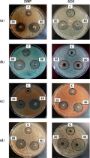


The role of biochar in combating microplastic pollution: a bibliometric analysis in environmental contexts
Beilstein J. Nanotechnol. 2025, 16, 1401–1416, doi:10.3762/bjnano.16.102

- contribute to increased MP removal efficiency, particularly for nanosized particles [43]. Field studies on agricultural runoff reveal diverse MP contamination, including PVC films (500–1000 µm), fragments (45–500 µm, comprising PS, PA, PC, HDPE, LDPE, PET), and beads (40–48 µm, consisting solely of PE


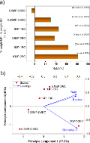

Synthesis and antibacterial properties of nanosilver-modified cellulose triacetate membranes for seawater desalination
Beilstein J. Nanotechnol. 2025, 16, 1380–1391, doi:10.3762/bjnano.16.100
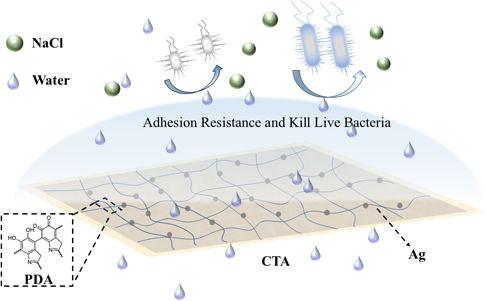
- evidence of the successful sequential functionalization of the CTA membrane. In addition, at a temperature of 800 °C, both the CTA and PCTA films exhibit a residual mass of 0%, indicating complete decomposition or volatilization, leaving no significant inorganic residues. In contrast, the Ag@PCTA film
- and Bruening have reported that Ag nanoparticle-containing films have the same antibacterial effect as films containing Ag ions [49]. The nanoparticle-containing films may be much better because they minimize the amount of Ag ions absorbed in the body. The present work confirms the good antibacterial


Wavelength-dependent correlation of LIPSS periodicity and laser penetration depth in stainless steel
Beilstein J. Nanotechnol. 2025, 16, 1302–1315, doi:10.3762/bjnano.16.95
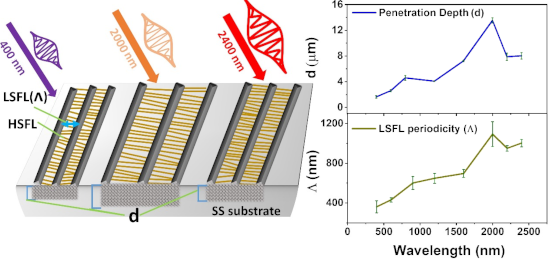
- structuring offers a straightforward means to manipulate the functional and surface characteristics of substrates [10][11][12][13]. The applications span a broad spectrum, encompassing colorization control, self-cleaning surfaces, regulation of cell and bacterial films, antireflective surfaces, surface




Enhancing the photoelectrochemical performance of BiOI-derived BiVO4 films by controlled-intensity current electrodeposition
Beilstein J. Nanotechnol. 2025, 16, 1289–1301, doi:10.3762/bjnano.16.94
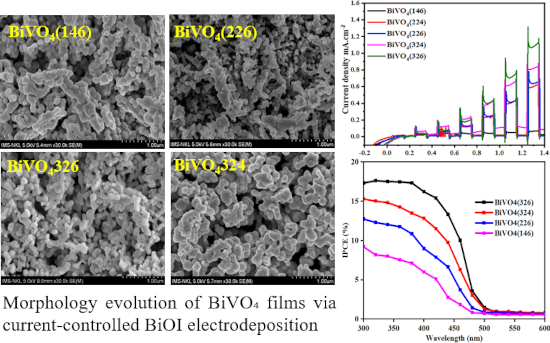
- optimize the crystallinity, surface morphology, and electronic properties of the films. Subsequently, an electrochemical deposition method was developed to facilitate the uniform distribution of V2O5 among Bi–O–I flakes to homogeneously enhance the conversion reaction. The XRD pattern confirms the
- monoclinic scheelite BiVO4 structure with dominant (121) and (004) peaks. FESEM imaging revealed that the different deposition conditions influenced the surface morphologies of the BiOI and BiVO4 films. Photocurrent density measurements showed that BiVO4(326) achieved 1.2 mA·cm−2 at 1.23 V vs RHE
- charge carriers, which severely restrict its PEC performance [10][11][12]. Various strategies have been explored to overcome these challenges and optimize the structural, electronic, and surface properties of BiVO4 [13][14]. Hydrothermal synthesis has been used to produce highly crystalline BiVO4 films



Functional bio-packaging enhanced with nanocellulose from rice straw and cinnamon essential oil Pickering emulsion for fruit preservation
Beilstein J. Nanotechnol. 2025, 16, 1234–1245, doi:10.3762/bjnano.16.91
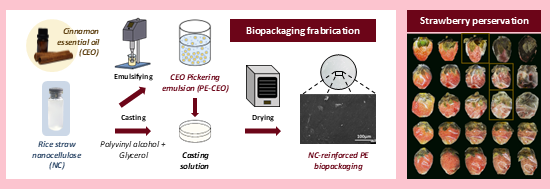
- and enhanced food safety [30]. Results and Discussion Physicochemical properties FTIR spectroscopy (Figure 1a) was used to study the PVA/glycerol biopackaging (BP), NC-reinforced BP (rBP), and PE-CEO-containing rBP (rCBP) composite films. BP exhibited characteristic peaks at 3330 cm−1 (O–H stretching
- composite, delaying its decomposition [24]. CEO did not significantly alter the thermal degradation pattern, confirming that its incorporation did not compromise the thermal stability of the samples. These findings indicate that PVA-NC films are thermally suitable for applications like food packaging, where
- moderate temperature resistance is required. Figure 1c illustrates the mechanical properties of biopackaging films, including tensile strength and elongation at break. The incorporation of NC significantly enhances the tensile strength of the films by more than 40%, reaching 31.06 MPa, due to the




Hydrogels and nanogels: effectiveness in dermal applications
Beilstein J. Nanotechnol. 2025, 16, 1216–1233, doi:10.3762/bjnano.16.90
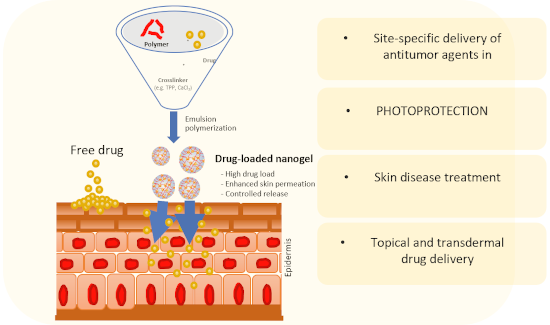
- hydrogel films, drying for four days at room temperature and storage in a desiccator is required [94]. In the method described by Gao et al. (2018), PVA 15% w/v is added into water and stirred at 95 °C until complete dissolution [55]. The freeze/thaw cycle was carried out at −20 °C and room temperature and
- through the oxidative coupling of catechol groups using a hydrogen peroxide/horseradish peroxidase (H2O2/HRP) catalytic system [41]. The addition of the antibiotic doxycycline provided the hydrogels with antimicrobial activity to treat infected full-thickness defect wounds. Flexible films composed of
- guanosine quartet hydrogels loaded with recombinant human-sourced collagen can be wrapped onto the skin surface. These films can supply collagen deposition for the wound by recruiting macrophages and fibroblasts and eventually inducing their proliferation and migration [42]. In the study by Zhao et al


Transfer function of an asymmetric superconducting Gauss neuron
Beilstein J. Nanotechnol. 2025, 16, 1160–1170, doi:10.3762/bjnano.16.85
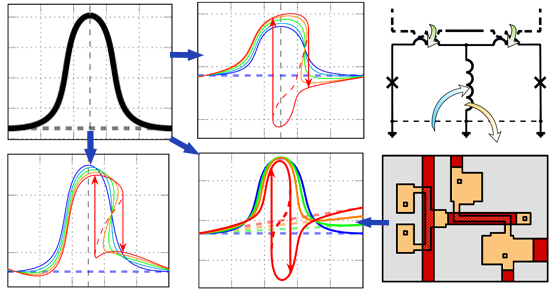
- slightly different shapes, which allows them to be distinguished during the initial analysis of experimental data. In recent years, a number of superconducting devices have been proposed based on very thin superconducting films whose kinetic inductance may be comparable to the magnetic one [11][25][26
- , where is the magnetic part of total inductance Lout. Therefore, the use of ultrathin superconducting films is not a promising approach for implementing a superconducting Gauss neuron. C. Input asymmetry One more possible type of asymmetry is related to the unequal input signal supply to the neuron’s