Search results
Search for "glucose" in Full Text gives 177 result(s) in Beilstein Journal of Nanotechnology.
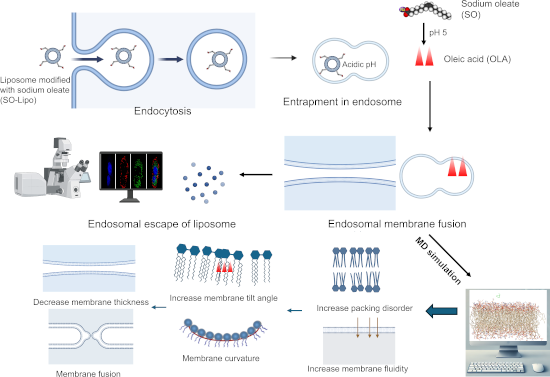
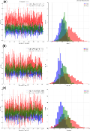
Mechanistic insights into endosomal escape by sodium oleate-modified liposomes
Beilstein J. Nanotechnol. 2024, 15, 1667–1685, doi:10.3762/bjnano.15.131
- Sigma-Aldrich (St. Louis, MO, USA). Phosphate-buffered saline (PBS, Catalog No. 10010-023), Dulbecco’s modified Eagle’s medium (DMEM, high glucose; Catalog No. 11965092), fetal bovine serum (FBS, Premium Grade; Catalog No. A5670701), penicillin-streptomycin (Catalog No. 15140122), trypan blue (Catalog




Natural nanofibers embedded in the seed mucilage envelope: composite hydrogels with specific adhesive and frictional properties
Beilstein J. Nanotechnol. 2024, 15, 1603–1618, doi:10.3762/bjnano.15.126
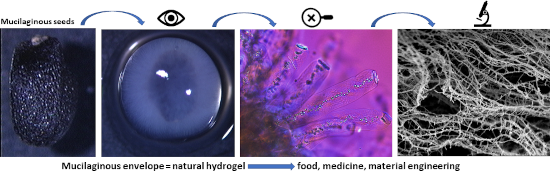
- typical part of plant cells, and its basic chemical composition includes cellulose, hemicelluloses, and pectic polysaccharides [44][45][46][47]. Cellulose is a linear polymer composed of β-1,4-linked ᴅ-glucose [47]. The cellulose chains are held together by intramolecular hydrogen bonds, forming cellulose


Electrochemical nanostructured CuBTC/FeBTC MOF composite sensor for enrofloxacin detection
Beilstein J. Nanotechnol. 2024, 15, 1522–1535, doi:10.3762/bjnano.15.120
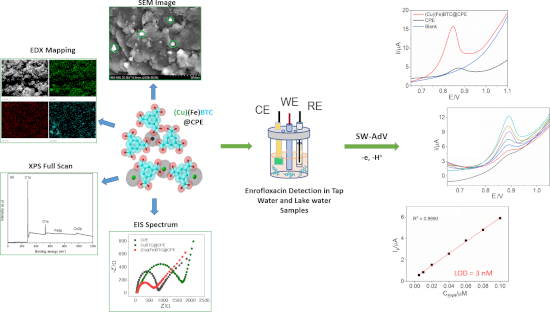
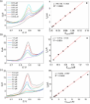
- (OXA), and glucose (GLU) significantly reduced the signal, bringing it down to approximately 30%. At a 50-fold concentration, CAP and PARA still had no noticeable effect on ENR analysis. However, the presence of AA and CAP substantially affected the ENR signal, decreasing it to around 60% (data not

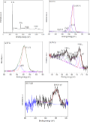




Interaction of graphene oxide with tannic acid: computational modeling and toxicity mitigation in C. elegans
Beilstein J. Nanotechnol. 2024, 15, 1297–1311, doi:10.3762/bjnano.15.105
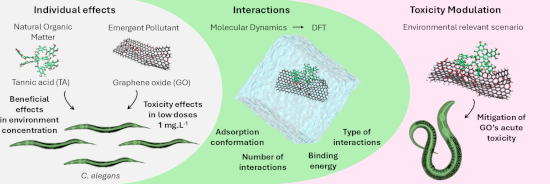
- processes is missing. Tannic acid (TA) is an environmentally abundant and commercially available polyphenol with relevant industrial and technological applications [17][18][19][20]. TA’s structure comprises five digallic acid units ester-linked to a glucose core. These pyrogallol hydroxy groups participate


Enhanced catalytic reduction through in situ synthesized gold nanoparticles embedded in glucosamine/alginate nanocomposites
Beilstein J. Nanotechnol. 2024, 15, 1227–1237, doi:10.3762/bjnano.15.99
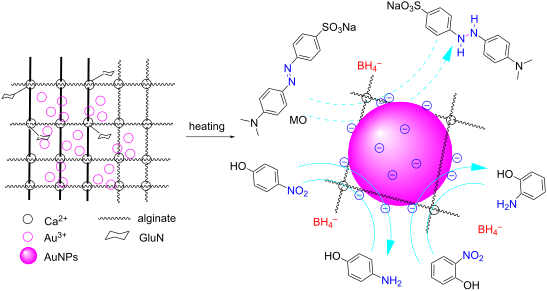
- (e.g., glucose, fructose, and glucosamine (GluN)) for the in situ synthesis of metallic nanoparticles onto alginate-based nanogels remains unexplored. Toxic organic dyes, including nitrophenols and methyl orange (MO), pose a significant environmental threat because of their persistence in water. This



Realizing active targeting in cancer nanomedicine with ultrasmall nanoparticles
Beilstein J. Nanotechnol. 2024, 15, 1208–1226, doi:10.3762/bjnano.15.98
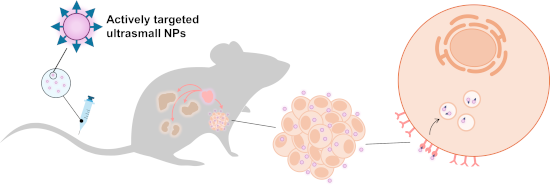
- through surface coating of the inorganic core with small molecules, such as glutathione (GSH), glucose, low molecular-weight polyethylene glycol (PEG), and various short peptides, among others [60][61][62][63]. This characteristic stands in sharp contrast to conventional large NPs, which often necessitate


Synthesis, characterization and anticancer effect of doxorubicin-loaded dual stimuli-responsive smart nanopolymers
Beilstein J. Nanotechnol. 2024, 15, 1189–1196, doi:10.3762/bjnano.15.96
- the HeLa cancer cell line (CCL-2 ATCC). Cells were grown in full DMEM with stable glutamine, 4.5 g/L glucose (Life Technologies, Paisley, U.K.), 10% FBS (Life Technologies, Paisley, U.K.), 100 U/mL penicillin, and 0.1 mg/mL streptomycin (Millipore-Sigma, Burlington, MA, United States) at 37 °C in a
- onto clear 96-well plates at a concentration of 1 × 10⁵ cells/mL in a volume of 100 µL of cell suspension in fresh complete culture medium (DMEM with stable glutamine, 4.5 g/L glucose, 10% FBS, 100 U/mL penicillin, and 0.1 mg/mL streptomycin). The cells were preincubated for 24 h for cell adhesion and


Unveiling the potential of alginate-based nanomaterials in sensing technology and smart delivery applications
Beilstein J. Nanotechnol. 2024, 15, 1077–1104, doi:10.3762/bjnano.15.88
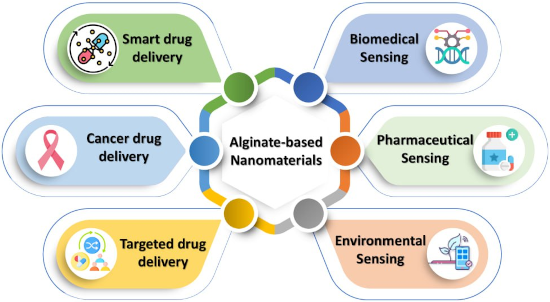
- discussed, including drug delivery and environmental sensing applications for humidity, heavy metals, and hydrogen peroxide. Moreover, biomedical sensing applications of alginate-based nanoparticles regarding various analytes such as glucose, cancer cells, pharmaceutical drugs, and human motion will also be
- several hours for results. The development of compact and portable miniaturized sensors has enabled the detection of different biomarkers for continuous, real-time human health monitoring [1][2]. Temperature, heart rate, electrical conductivity, dehydration, and glucose are some of the indicators that
- a linear dynamic range of 0 to 1250 μM, with a LOD of 14 μM. Based on the selective enzymatic release of H2O2, the developed solid kit could be used to detect many biomarkers, including glucose, lactate, uric acid, and cholesterol [118]. Humidity sensing: One area that has shown promise in the field


Recent progress on field-effect transistor-based biosensors: device perspective
Beilstein J. Nanotechnol. 2024, 15, 977–994, doi:10.3762/bjnano.15.80
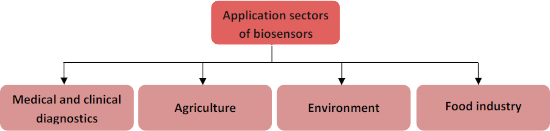
- widespread frequency of the disease, high mortality rate, and recurrence after treatment. In addition, biosensors are applied to monitor blood glucose levels in diabetics, identify infections, and track cancer growth [14]. The development of biosensor technologies for cancer screening is crucial and
- biosensors for accurate detection of viruses [25], cancer [15], proteins [36], DNA, glucose [17], and nucleic acids has been strongly developed [37]. On the other hand, specific biomolecule classifications by microbiologists has led to the realization and development of different biosensors, significantly
- biosensor. 4 Summary and future research works FET-based biosensors have been designed and developed to achieve higher performance and improved sensitivity in detecting various types of species, such as viruses, cancer cells, proteins, DNA, glucose, and nucleic acids. The latest emerging 3D and 2D FET-based




Simultaneous electrochemical determination of uric acid and hypoxanthine at a TiO2/graphene quantum dot-modified electrode
Beilstein J. Nanotechnol. 2024, 15, 719–732, doi:10.3762/bjnano.15.60
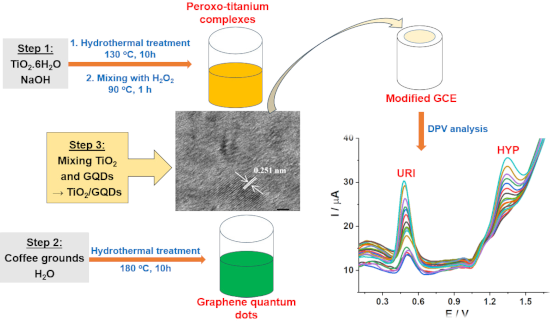
- stability of the (1:4)TiO2/QGDs-GCE (Figure 9d). In order to study the selectivity of the (1:4)TiO2/GQDs-modified electrode, common co-existing substances, namely, NH4Cl, KCl, Na2SO4, NH4NO3, CaCl2, ZnCl2, glucose (GLC), glutamic acid (GLA), urea (URE), ʟ-cysteine (LCY) and xanthine (XTE), have been added


Cholesterol nanoarchaeosomes for alendronate targeted delivery as an anti-endothelial dysfunction agent
Beilstein J. Nanotechnol. 2024, 15, 517–534, doi:10.3762/bjnano.15.46
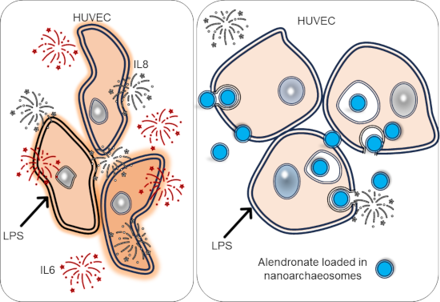
- tebenquichense was grown in basal medium supplemented with yeast extract and glucose in a 25 L custom-made stainless steel bioreactor at 40 °C and harvested after 72 h growth. Total polar archaeolipids (TPA) were extracted from biomass using the Bligh and Dyer method modified for extreme halophiles [74]. Around
- phosphatidylglycerophosphate (PGP-Me), archaeol analog phosphatidylglycerol (PG), (1-O-[α-ᴅ-mannose-(2′-SO3H)-(1′→2′)-α-ᴅ-glucose]-2,3-di-O-phytanyl-sn-glycerol) (S-DGD-5), the cardiolipin bisphosphatidylglycerol (BPG), and the glycocardiolipin (2′-SO3H)-Manp-α-1,2-Glcpa-1–1-[sn-2,3-di-O-phytanylglycerol]-6-[phospho-sn-2,3-di





Potential of a deep eutectic solvent in silver nanoparticle fabrication for antibiotic residue detection
Beilstein J. Nanotechnol. 2024, 15, 426–434, doi:10.3762/bjnano.15.38
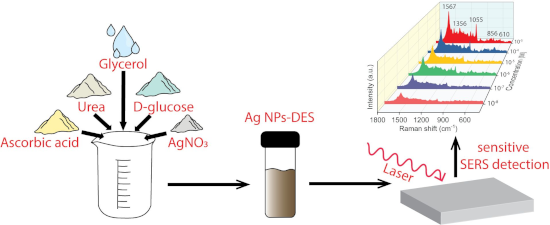
- (Ag NPs), but the potential of DESs in Ag NP synthesis was neither considered nor studied carefully. In this study, we present a novel strategy to fabricate Ag NPs in a DES (Ag NPs-DES). The DES composed of ᴅ-glucose, urea, and glycerol does not contain any anions to precipitate with Ag+ cations. Our
- the NPs as well as a high aggregation state (Figure 3A). This is because of the high viscosity of the DES, which directly affected the stirring and yielded nonspherical NP shapes. The aggregated Ag NPs are supported by pure DES in which oxygen and hydrogen atoms of ᴅ-glucose, urea, and glycerol tend
- In this study, we have proposed a novel strategy for Ag NP synthesis in a DES composed of ᴅ-glucose, glycerol, and urea. The Ag NPs-DES sample was prepared successfully through chemical reduction, in which DES acts as solvent and shape-controlling agent. Using NFT and SDZ as probe molecules, the SERS


Classification and application of metal-based nanoantioxidants in medicine and healthcare
Beilstein J. Nanotechnol. 2024, 15, 396–415, doi:10.3762/bjnano.15.36
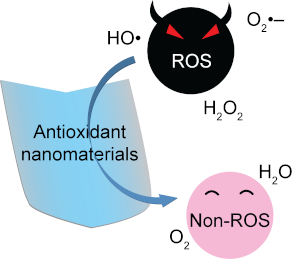
- -, peroxidase (POD)-, glucose oxidase (GOx)-, and nitric oxide synthase (NOS)-like activities. More interestingly, both in vitro and in vivo experiments demonstrated that the nanocomposite spray can be activated by the diabetic foot ulcer microenvironment to accelerate diabetic wound healing through decreasing
- inflammation, lowering blood glucose, relieving hypoxia, promoting angiogenesis, and eliminating pathogenic bacteria. Other in vivo experiments demonstrated that mice treated with silver-based nanocomposites showed significantly higher (p < 0.001) wound contraction compared to saline solution (negative control


Multiscale modelling of biomolecular corona formation on metallic surfaces
Beilstein J. Nanotechnol. 2024, 15, 215–229, doi:10.3762/bjnano.15.21
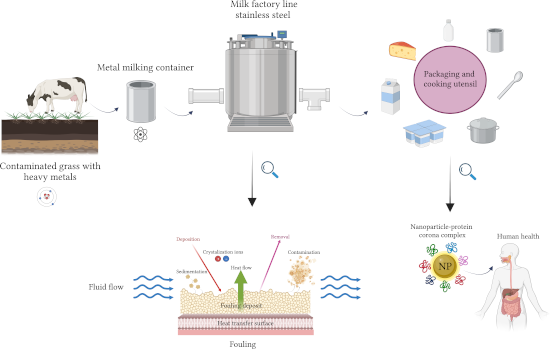
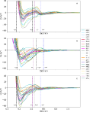
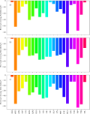
- (−21.70kBT to 2.86kBT) [2]. We also show the PMF for glucose with aluminum surfaces, used as the basis for a model of lactose, a sugar highly present in milk, as discussed later, computed using the PMFPredictor software in Figure 6 [38]. Protein–NP interactions To further understand the adsorption energy and
- the chosen compounds. It includes their UniProt IDs, molecular weights, charges, and the number of AAs in each protein. The charge data was determined through the PROPKA method [42][43] at a pH of 7.0. We model the lactose molecule as a pair of glucose beads; it does not possess a UniProt ID or a
- high concentration in milk. We model the lactose molecule as a pair of glucose beads separated by a distance determined by the equilibrium structure of lactose. Although this is not completely rigorous, it demonstrates how the UnitedAtom software can be adapted to model larger molecules other than




Study of the reusability and stability of nylon nanofibres as an antibody immobilisation surface
Beilstein J. Nanotechnol. 2024, 15, 83–94, doi:10.3762/bjnano.15.8
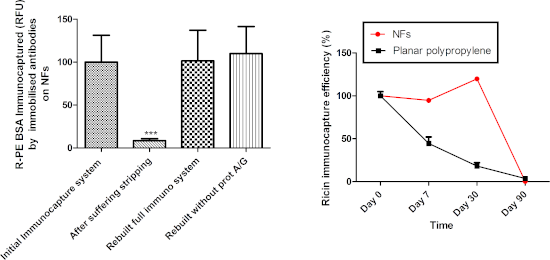
- clinical applications. Immunoassay devices have been used not only for the detection of bacteria and viruses [7], but also for the measurement of drugs [8] and hormones [9], or for the determination of glucose in urine [10]. The specificity of antigen–antibody binding and how the antibody is attached to


Elasticity, an often-overseen parameter in the development of nanoscale drug delivery systems
Beilstein J. Nanotechnol. 2023, 14, 1149–1156, doi:10.3762/bjnano.14.95
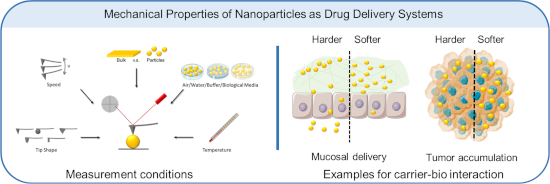
- (e.g., Caco-2 monolayers, or HT29-MTX-E12 cells, or an in vitro model of a rat everted intestinal sac) the Papp values are higher for NPs with higher Young’s moduli [40]. The blood glucose levels of diabetic rats treated by gavage with insulin or insulin-loaded NPs of different Young’s moduli were
- measured. The results show that the plasma insulin levels where higher for harder NPs, and this correlated with blood glucose reduction. Furthermore, 3 h after application, they found a larger amount of hard NPs in the intestinal villi [40]. All studies support our hypothesis that mechanical properties of


Ni, Co, Zn, and Cu metal-organic framework-based nanomaterials for electrochemical reduction of CO2: A review
Beilstein J. Nanotechnol. 2023, 14, 904–911, doi:10.3762/bjnano.14.74
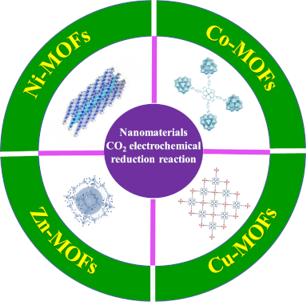
- from metal ions and organic linkers, and have been identified as prospective materials for CO2RR [21]. Therefore, a multitude of MOFs structures have been explored in experimental studies [22][23], exhibiting diverse applications such as gas storage [24], electrocatalysis [25][26][27], glucose sensing


Carboxylic acids and light interact to affect nanoceria stability and dissolution in acidic aqueous environments
Beilstein J. Nanotechnol. 2023, 14, 762–780, doi:10.3762/bjnano.14.63
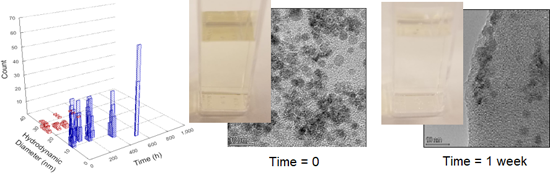
- glucose oxidase, suggesting the use of this phenomenon as a colorimetric sensor for bioanalysis [49]. This color transition is an important observation since nanoceria degradation will likely result in the change in oxidation state of surface cerium ions from Ce4+ to Ce3+. Results and Discussion Nanoceria
A graphene quantum dots–glassy carbon electrode-based electrochemical sensor for monitoring malathion
Beilstein J. Nanotechnol. 2023, 14, 701–710, doi:10.3762/bjnano.14.56
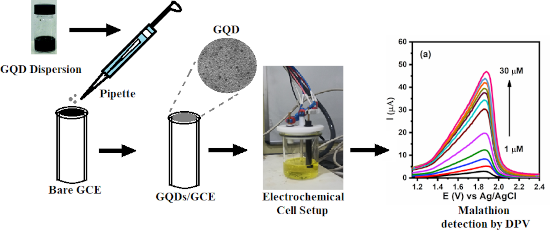
- hydrothermal process with glucose as a precursor undergoing carbonization. Different spectroscopic techniques were used to analyze the optical characteristics of GQDs, including UV–visible, photoluminescence, FTIR, and Raman spectroscopy. Atomic force microscopy, transmission electron microscopy, and X-ray
- organophosphate pesticide malathion. Graphene quantum dots were synthesized hydrothermally using glucose as precursor. The glassy carbon electrode that served as working electrode in the electrochemical cell was modified with graphene quantum dots by drop casting. To evaluate the modified electrode’s oxidation
- were found to be effective sensing platforms for the electrochemical detection of organophosphate pesticides, particularly malathion. Experimental Materials Glucose (C6H12O6), conc. sulfuric acid (98% H2SO4), potassium hexacyanoferrate(III) (C6FeK3N6), and potassium chloride (KCl) were obtained from


Metal-organic framework-based nanomaterials as opto-electrochemical sensors for the detection of antibiotics and hormones: A review
Beilstein J. Nanotechnol. 2023, 14, 631–673, doi:10.3762/bjnano.14.52


Microneedle patches – the future of drug delivery and vaccination?
Beilstein J. Nanotechnol. 2023, 14, 494–495, doi:10.3762/bjnano.14.40

- blood for diagnostic tests. Other tests, such as blood glucose monitoring in diabetics [1], release blood by a pinprick from the capillaries immediately beneath the skin. Microneedles (MNs), typically less than 1 mm long, are a late 20th century development with significant promise for the above
Quercetin- and caffeic acid-functionalized chitosan-capped colloidal silver nanoparticles: one-pot synthesis, characterization, and anticancer and antibacterial activities
Beilstein J. Nanotechnol. 2023, 14, 362–376, doi:10.3762/bjnano.14.31
- /v) penicillin/streptomycin (Gibco; Thermo Scientific, USA) containing high-glucose DMEM (Gibco; Thermo Scientific, USA) in an incubator at 37 °C with 5% CO2 pressure. Cell viability assay (XTT) The cells were planted at approximately 10,000/100 µL per well in 96-well plates. To reveal the dose–time


Cyclodextrins as eminent constituents in nanoarchitectonics for drug delivery systems
Beilstein J. Nanotechnol. 2023, 14, 218–232, doi:10.3762/bjnano.14.21
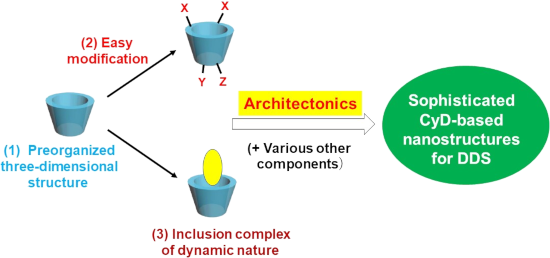
- construct a variety of nanostructures. The cylindrical structures are stabilized by rings of intramolecular hydrogen bonds between adjacent glucose units. The internal diameters of the cavities of α-, β-, and γ-CyDs (composed of six, seven, and eight ᴅ-glucose units) are about 4.5–6, 6–8, and 8–9.5 Å




Structural, optical, and bioimaging characterization of carbon quantum dots solvothermally synthesized from o-phenylenediamine
Beilstein J. Nanotechnol. 2023, 14, 165–174, doi:10.3762/bjnano.14.17
- -glucose Dulbecco's Modified Eagle's Medium (DMEM) supplemented with 10% fetal bovine serum, non-essential amino acids, and penicillin/streptomycin solution (10,000 units penicillin and 10 mg/mL streptomycin) (all from Thermo Fisher Scientific). Cells were maintained in a humidified incubator at 37 °C with


Antimicrobial and mechanical properties of functionalized textile by nanoarchitectured photoinduced Ag@polymer coating
Beilstein J. Nanotechnol. 2023, 14, 95–109, doi:10.3762/bjnano.14.11
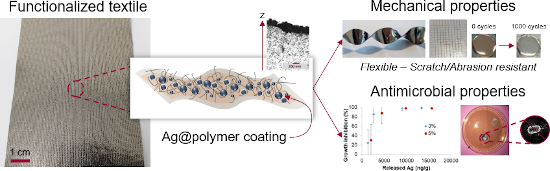
- composed of 0.1 M KH2PO4, 20 wt % (NH4)2SO4, 0.1 wt % FeSO4, 20 wt % MgSO4, 6 M KOH, 0.05 wt % vitamin B1 and 10 wt % glucose; pH adjusted at 6.8; all products purchased by Sigma-Aldrich) were prepared [41], before undergoing an overnight incubation at 30 °C and 37 °C, respectively. The as-prepared pre