Search results
Search for "immobilization" in Full Text gives 127 result(s) in Beilstein Journal of Nanotechnology.
Design of surface nanostructures for chirality sensing based on quartz crystal microbalance
Beilstein J. Nanotechnol. 2022, 13, 1201–1219, doi:10.3762/bjnano.13.100
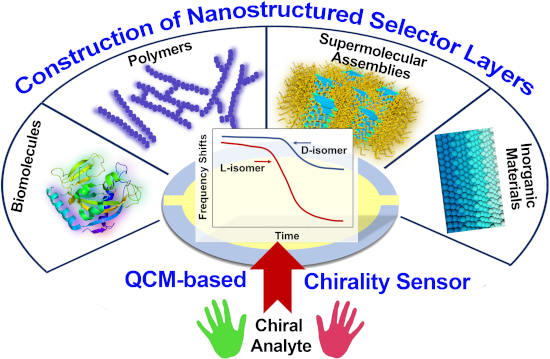
- MA (Figure 1) [26]. The immobilization of ʟ-Phe on QCM sensors was through a two-step assembling process. A 4-aminothiophenol (ATP) monolayer was firstly adsorbed on the QCM surface by chemical Au–S bonding. Then, 4-NH2-ʟ-Phe was bound by a diazo-coupling reaction to form a monolayer with ʟ-Phe. The


DNA aptamer selection and construction of an aptasensor based on graphene FETs for Zika virus NS1 protein detection
Beilstein J. Nanotechnol. 2022, 13, 873–881, doi:10.3762/bjnano.13.78
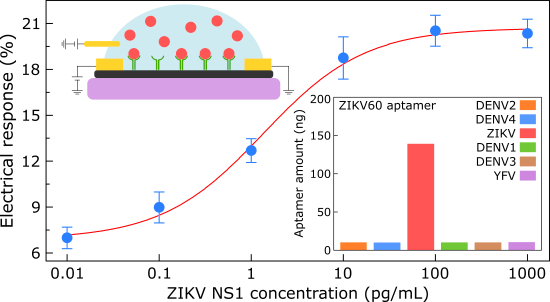
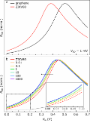
- immobilization on graphene via π–π stacking [34]. The qualitative confirmation of aptamer immobilization on graphene is illustrated in Figure 4a. For a representative device, Figure 4a exhibits curves of graphene resistance (RSD) as a function of the gate voltage (VG) before (black line) and after (red line
- pyrene moiety of ZIKV60 and the π orbitals of graphene [38][39]. Consequently, the electron transfer to graphene after functionalization reveals a factual immobilization of ZIKV60 aptamers on its surface. Similar results were obtained for four additional graphene devices. See Figure S4 (Supporting



A nonenzymatic reduced graphene oxide-based nanosensor for parathion
Beilstein J. Nanotechnol. 2022, 13, 730–744, doi:10.3762/bjnano.13.65
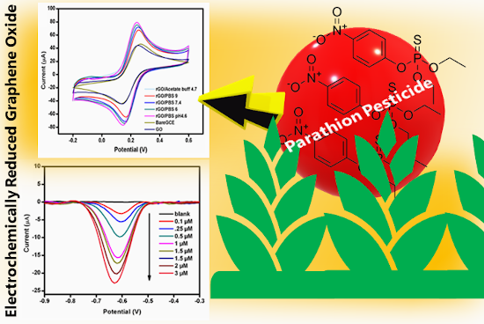
- agricultural samples using enzyme-based nanosensors is challenging. The stability of bionanosensors also extensively depends on the viability of the corresponding biomolecule during the matrix immobilization course [9]. The main drawbacks of using bionanosensors for the selective detection of OP in actual


A non-enzymatic electrochemical hydrogen peroxide sensor based on copper oxide nanostructures
Beilstein J. Nanotechnol. 2022, 13, 424–436, doi:10.3762/bjnano.13.35
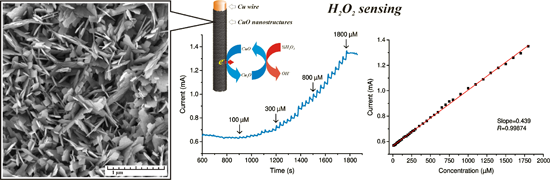
- electrodes without additional treatments such as surface modification or enzyme immobilization. This article describes the process of obtaining wire electrodes with nanostructured CuO coatings by a one-step chemical hydrothermal oxidation method and their application in electrochemical measurements for the





Micro- and nanotechnology in biomedical engineering for cartilage tissue regeneration in osteoarthritis
Beilstein J. Nanotechnol. 2022, 13, 363–389, doi:10.3762/bjnano.13.31


Engineered titania nanomaterials in advanced clinical applications
Beilstein J. Nanotechnol. 2022, 13, 201–218, doi:10.3762/bjnano.13.15
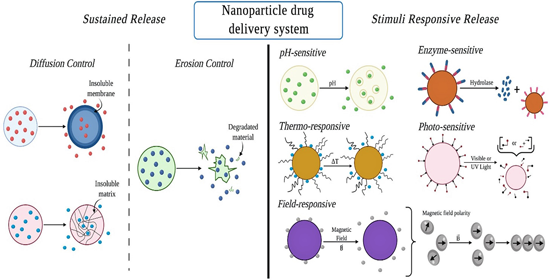
- prevention of agglomeration [102]. Titania nanostructures are capable of loading molecules of various sizes, charges, and solubilities. The immobilization of drugs and their release profile is affected by the size and surface charge distribution of the drug molecule. It has been stated that for the long-term


A comprehensive review on electrospun nanohybrid membranes for wastewater treatment
Beilstein J. Nanotechnol. 2022, 13, 137–159, doi:10.3762/bjnano.13.10
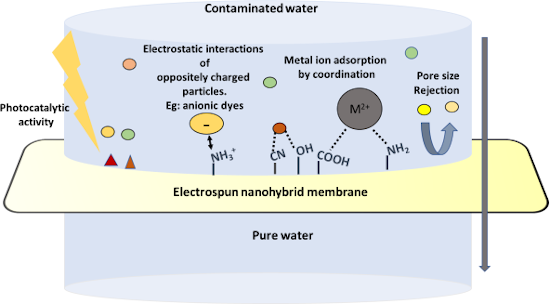
- regulation of parameters has made the electrospun nanofibers find its applications in various areas such as the health sector, food, energy and textile industries, and environmental remediation. Electrospun nanohybrids (ENHs) produced by immobilization of function-specific nanoparticles or mixtures of




A photonic crystal material for the online detection of nonpolar hydrocarbon vapors
Beilstein J. Nanotechnol. 2022, 13, 127–136, doi:10.3762/bjnano.13.9
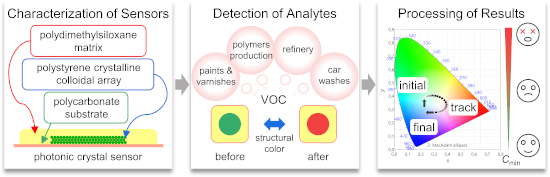
- ) formation of a sensitive polymer matrix, (b) impregnation of the reagent, (c) immobilization of the reagent and (d) preparation of the sensor elements from molecularly imprinted polymers. Organic solvents are usually detected by using polymer matrix sensors (Table 1) through matrix interaction [7][8][9][15
- ][16]. The impregnation and immobilization methods are rather close; they are used for the determination of inorganic ions (Cu2+, Pb2+, Hg2+, Ni2+ and Cd2+) [2][11][17][18][19] and organic molecules of simple and complex structure (glucose, organophosphates, urea, creatinine, ciprofloxacin and sarin


Theranostic potential of self-luminescent branched polyethyleneimine-coated superparamagnetic iron oxide nanoparticles
Beilstein J. Nanotechnol. 2022, 13, 82–95, doi:10.3762/bjnano.13.6
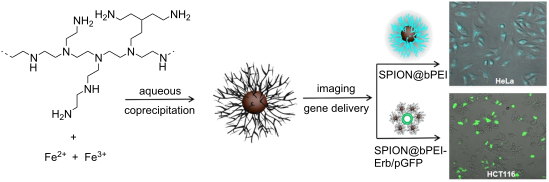
- amines during the synthesis of SPION@bPEI is responsible for the enhanced bPEI luminescence. It is further enhanced with the immobilization of bPEI on SPION crystals and post-synthetic acidification of the particles, which also increased the rigidity. These nanoparticles have a small hydrodynamic size




Sputtering onto liquids: a critical review
Beilstein J. Nanotechnol. 2022, 13, 10–53, doi:10.3762/bjnano.13.2






Progress and innovation of nanostructured sulfur cathodes and metal-free anodes for room-temperature Na–S batteries
Beilstein J. Nanotechnol. 2021, 12, 995–1020, doi:10.3762/bjnano.12.75
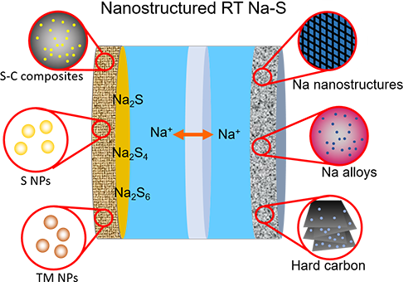
- oxygen doping have proven to enhance the immobilization of sodium polysulfides leading to an advancement in battery performance [31][32]. Adsorption and trapping of polysulfides are achieved through strong interactions between the sodium atoms in sodium polysulfides and the nitrogen and oxygen atoms. The
- carbon (HSMC). The resulting electrode exhibited a Coulombic efficiency of 100% and a capacity of 610 mAh·g−1 after 110 cycles at 0.03C. This improved cycling stability was attributed to the conductivity enhancement imparted by copper, the sulfur immobilization due to strong copper–polysulfide
- shuttle effect. Zhang et al. [47] studied iron, copper, and nickel nanoclusters (ca 1.2 nm) loaded onto hollow carbon nanospheres. On the one hand, the chemical coupling between nanocluster and sulfur assists in sulfur immobilization and enhances conductivity and reactivity. On the other hand, the




Modification of a SERS-active Ag surface to promote adsorption of charged analytes: effect of Cu2+ ions
Beilstein J. Nanotechnol. 2021, 12, 902–912, doi:10.3762/bjnano.12.67
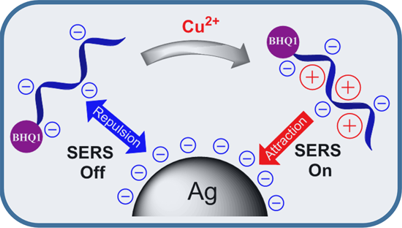
- the electrostatic interaction between analyte molecules and silver nanoparticles (Ag NPs) on the intensity of surface-enhanced Raman scattering (SERS). For this, we fabricated nanostructured plasmonic films by immobilization of Ag NPs on glass plates and functionalized them by a set of differently
- the analyte leads to a good SERS signal. Results and Discussion Characterization of silver nanostructures We synthesized Ag NPs with a size appropriate for SERS investigations (30–35 nm) with a relatively high NP concentration (32 µg/mL) sufficient for good immobilization. Size and shape of the NPs
- were analyzed from SEM and TEM images. To achieve a better resolution during SEM, we utilized a conductive silicon support and excluded the metal coating of the sample; Ag NPs were placed on the silicon surface by adsorptive immobilization to avoid aggregation during solvent evaporation. Figure 1 shows


A review on nanostructured silver as a basic ingredient in medicine: physicochemical parameters and characterization
Beilstein J. Nanotechnol. 2021, 12, 440–461, doi:10.3762/bjnano.12.36
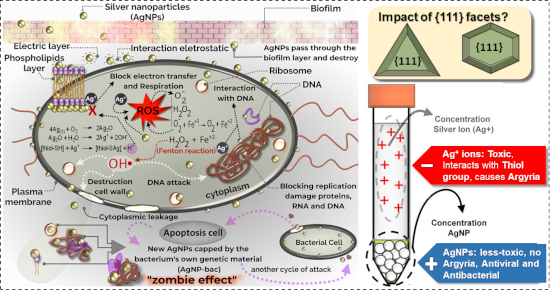
- epidermis. Immobilization is both physical, due to the low diffusivity of the particles, and chemical, since thiol-exchange reactions occur with Ag+ but not with AgNPs. This fact explains why AgNPs are not responsible for causing argyria or argyrosis [1][11]. It is well known that the strong interaction of


TiOx/Pt3Ti(111) surface-directed formation of electronically responsive supramolecular assemblies of tungsten oxide clusters
Beilstein J. Nanotechnol. 2021, 12, 203–212, doi:10.3762/bjnano.12.16
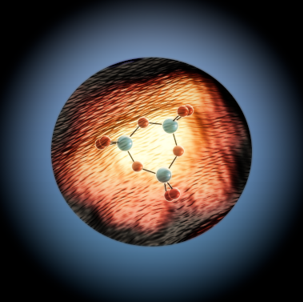
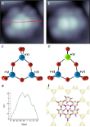
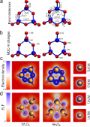
- Dresden-Rossendorf, Department of Reactive Transport, Institute of Resource Ecology, Permoserstraße 15, 04318 Leipzig, Germany 10.3762/bjnano.12.16 Abstract Highly ordered titanium oxide films grown on a Pt3Ti(111) alloy surface were utilized for the controlled immobilization and tip-induced electric



Fusion of purple membranes triggered by immobilization on carbon nanomembranes
Beilstein J. Nanotechnol. 2021, 12, 93–101, doi:10.3762/bjnano.12.8
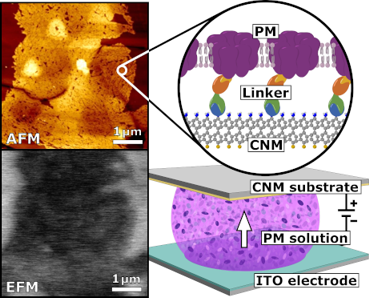
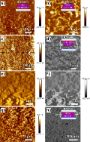
- surface coverage and to close gaps between the PM patches. This procedure for the immobilization of oriented dense PM facilitates the spontaneous fusion of individual PM patches, forming larger membrane areas. This is, to our knowledge, the very first procedure described to induce the oriented fusion of
- is essentially one monolayer of PM patches on the CNM, but the coverage is less than 100% and in some regions irregularly arranged PM patches overlap. Immobilization of PM was achieved by complex formation of nickel(II) nitrilotriacetic acid (Ni-NTA), coupled to the NBPT CNM, with the C-terminal
- capacitor plate distance of 2 mm. Immobilization of the resulting PM quasi-monolayer has been achieved by the complex formation through Ni-NTA between the functionalized CNM and the C-terminal His-tag of PM. Interconnected regions of c-His PM of more than 15 µm in diameter have thus been obtained. We are


Bio-imaging with the helium-ion microscope: A review
Beilstein J. Nanotechnol. 2021, 12, 1–23, doi:10.3762/bjnano.12.1

- routinely applied drying methods is given. (I) Freeze drying: Samples are frozen (e.g., using a plunge or high-pressure freezer) and then dried under vacuum. Uryu et al. suggested a pathway which includes plunge freezing for instantaneous immobilization followed by freeze drying in a cold nitrogen gas and


Electrokinetic characterization of synthetic protein nanoparticles
Beilstein J. Nanotechnol. 2020, 11, 1556–1567, doi:10.3762/bjnano.11.138
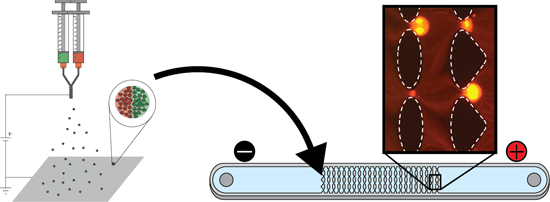
- immobilization to industrial processes [1][2]. The development of nanoparticles composed primarily of proteins has been an emerging sector in nanotechnology [3]. Proteins have multiple desirable characteristics that enable them to be used as the main component of nanoparticles. Proteins are biodegradable



One-step synthesis of carbon-supported electrocatalysts
Beilstein J. Nanotechnol. 2020, 11, 1419–1431, doi:10.3762/bjnano.11.126

- , and Pt-NPs with a mean particle diameter less than 3 nm and a narrow particle size distribution (PSD) with a geometric standard deviation of 1.24–1.3 can be achieved. Furthermore, the NP immobilization within the carbon support significantly improves the long-term stability of the catalyst, as shown




Evaluation of click chemistry microarrays for immunosensing of alpha-fetoprotein (AFP)
Beilstein J. Nanotechnol. 2019, 10, 2505–2515, doi:10.3762/bjnano.10.241
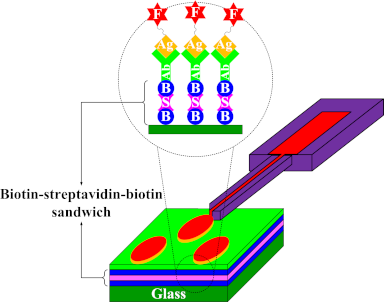
- successful implementation and a thorough comparison of their properties. Characterization of the surfaces by XPS and AFM All steps of the immobilization reactions were monitored by X-ray photoelectron spectroscopy (XPS) to validate the expected chemical reactions taking place (Figure 2). The
- confounding factors in the evaluation of surface binding. Comparison of the immobilization routes for the sandwich application The performance of the different types of biotinylated surfaces was probed by addition of a biotin–streptavidin–biotin sandwich structure for antibody immobilization (Figure 3). To
- subsequent click chemistry immobilization of biotin. In the present setup, the functionalization by thiol–silane with subsequent biotin immobilization by biotin–maleimide as well as the functionalization by epoxy–silane with subsequent biotin immobilization by biotin–amine yielded the best performance of the


Small protein sequences can induce cellular uptake of complex nanohybrids
Beilstein J. Nanotechnol. 2019, 10, 2477–2482, doi:10.3762/bjnano.10.238
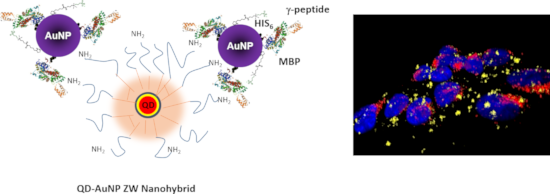
- -functionalized polyisoprene-block-polyethylene oxide (PI-b-PEO-NH2). The lateral amine groups allowed attachments to AuNPs, which then served for the immobilization of a few His6-MBP-γ, as schematically shown in Figure 1A. To demonstrate the potential utility of this nanohybrid system in biology, colloidal

Targeted therapeutic effect against the breast cancer cell line MCF-7 with a CuFe2O4/silica/cisplatin nanocomposite formulation
Beilstein J. Nanotechnol. 2019, 10, 2217–2228, doi:10.3762/bjnano.10.214
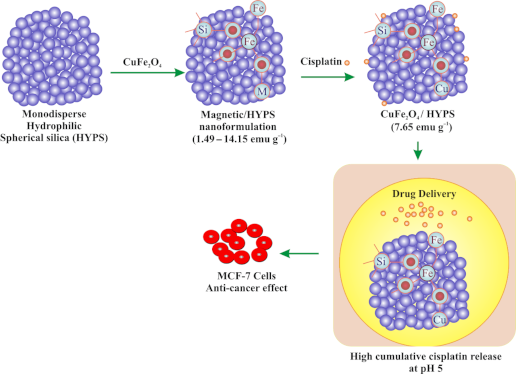
- -shell support thickness of about 50 nm was reported with a high ferrite loading capacity of about 30–50 wt % with particle diameters between 9 and 17 nm (at the external carbon layer). Such a magnetic nanoformulation was found to be useful for enzyme lysozyme immobilization. The magnetic properties of


Review of advanced sensor devices employing nanoarchitectonics concepts
Beilstein J. Nanotechnol. 2019, 10, 2014–2030, doi:10.3762/bjnano.10.198
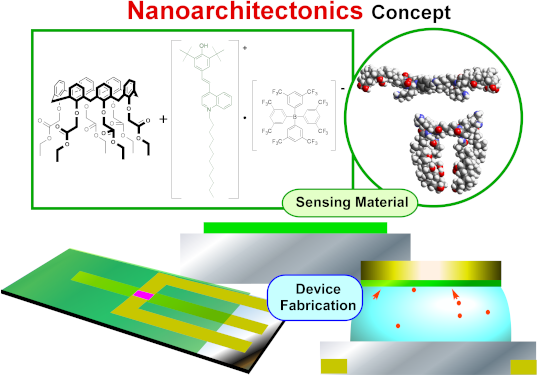
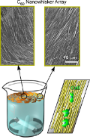
- formaldehyde over the other volatile organic compounds. This nanoarchitectonic strategy using molecular sieving effects of nanoporous frameworks can be applied to other targets of selected molecular size. Ultrathin films The immobilization of functional materials with ultrathin films such as self-assembled
- an organic field-effect transistor, which was used for the sensitive detection of small organic acid molecules, such as citric acid [142]. Hattori and co-workers fabricated an ATP/ADP sensitive image sensor by immobilization of apyrase as a self-assembled monolayer on a 128 × 128 pixel array





Layered double hydroxide/sepiolite hybrid nanoarchitectures for the controlled release of herbicides
Beilstein J. Nanotechnol. 2019, 10, 1679–1690, doi:10.3762/bjnano.10.163
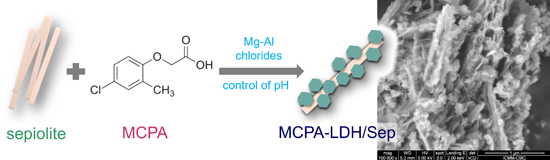
- the above mentioned applications, in particular, for uses as host substrate in the immobilization of active species (e.g., drugs, pesticides, and DNA) for controlled-delivery applications [27][28][29]. LDH have been also used in the construction of different types of nanoarchitectonic materials. The


Materials nanoarchitectonics at two-dimensional liquid interfaces
Beilstein J. Nanotechnol. 2019, 10, 1559–1587, doi:10.3762/bjnano.10.153
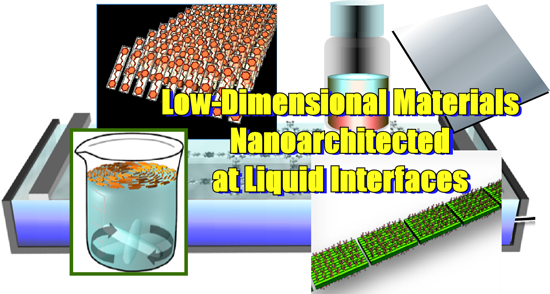
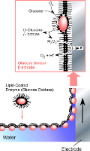
- systems fabricated with low-dimensional materials are actively investigated. For example, Lvov and co-workers reported the immobilization of small functional materials such as metal clusters and metal catalysts within one-dimensional halloysite clay nanotubes to make them work under appropriate protection













Multicomponent bionanocomposites based on clay nanoarchitectures for electrochemical devices
Beilstein J. Nanotechnol. 2019, 10, 1303–1315, doi:10.3762/bjnano.10.129
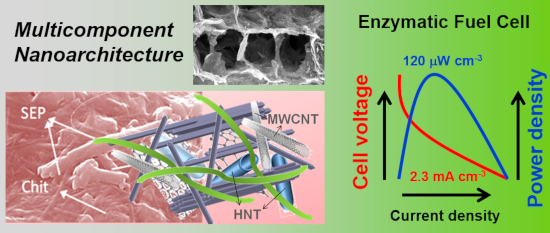
- glucose oxidase (GOx) into the lumen of HNTs has been chosen here as an example for the immobilization of bioactive species, which can be crucial to design (bio)electrochemical devices with high performance and long life-time. The SEP, GNP, and MWCNT components are also expected to behave as polymer
- material in aqueous media. Moreover, the successful incorporation of HNTs as nanoreactor prompted the use of these bionanocomposite materials in bioelectrocatalysis applications (see below). Immobilization of glucose oxidase in the lumen of HNTs The developed multicomponent bionanocomposites were used for
- the immobilization of the enzyme glucose oxidase in the search of multifunctional properties of interest in bioelectrochemical applications. GOx was chosen as a prototypic bioactive component because of its properties and compatibility with HNTs, i.e., an appropriate size (5.4 nm) as well as an