Search results
Search for "in vitro studies" in Full Text gives 69 result(s) in Beilstein Journal of Nanotechnology.
Use of nanosystems to improve the anticancer effects of curcumin
Beilstein J. Nanotechnol. 2021, 12, 1047–1062, doi:10.3762/bjnano.12.78
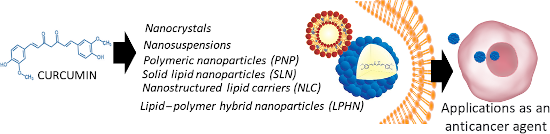
- clinical trials. In vitro studies have revealed that the anticancer effects of CUR are mainly due to proapoptotic and antiangiogenic actions, which are regulated by different cell signaling pathways, such as Wnt/β-catenin, PI3K/Akt, JAK/STAT, MAPK, p53, and NF-ĸB [24]. Tumor growth and metastasis are


The role of deep eutectic solvents and carrageenan in synthesizing biocompatible anisotropic metal nanoparticles
Beilstein J. Nanotechnol. 2021, 12, 924–938, doi:10.3762/bjnano.12.69
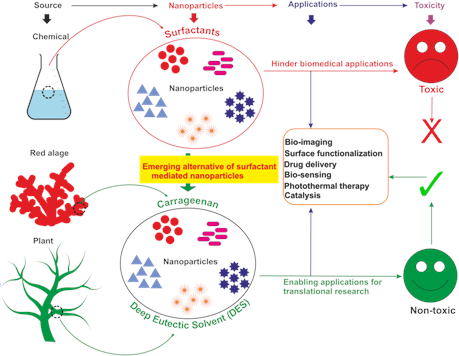
- biological organisms and are mainly governed by cytochrome P450, which acts as a strong catalyst for oxidation. Hence, the gold nanoparticles can alter the cell metabolism, leading to toxicity. In vitro studies also confirmed that isotropic gold nanoparticles with core sizes of greater than 5 nm were less
- toxic and considered biologically inert [44][57][58]. Numerous in vitro studies carried out using high-throughput techniques such as microscopic techniques, TEM, and ICP-MS revealed the fate of nanoparticles and their interaction at the interface between the metal surface and cell membrane. Electron
- nanoparticles In vivo toxicity validation of nanomaterials is an inevitable step before clinical trials. However, in vivo studies of nanoparticles are subtle and quite controversial when compared to in vitro studies. The most common citrate-capped gold nanoparticles proved to be non-cytotoxic in vitro and


Comprehensive review on ultrasound-responsive theranostic nanomaterials: mechanisms, structures and medical applications
Beilstein J. Nanotechnol. 2021, 12, 808–862, doi:10.3762/bjnano.12.64
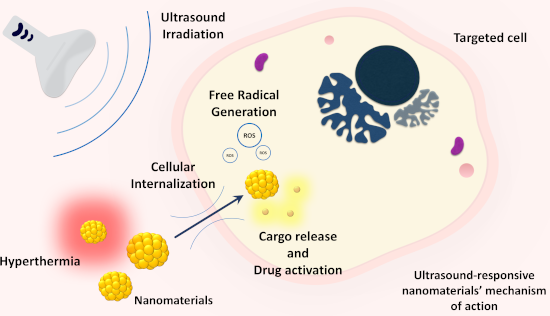
- reinforce the biophysical effects of using US for drug delivery purposes. Two types of MB cavitation depending on the US intensity have been described: noninertial cavitation and inertial cavitation. Noninertial or stable cavitation events occur at low acoustic pressures [72]. Several in vitro studies have


A review on nanostructured silver as a basic ingredient in medicine: physicochemical parameters and characterization
Beilstein J. Nanotechnol. 2021, 12, 440–461, doi:10.3762/bjnano.12.36
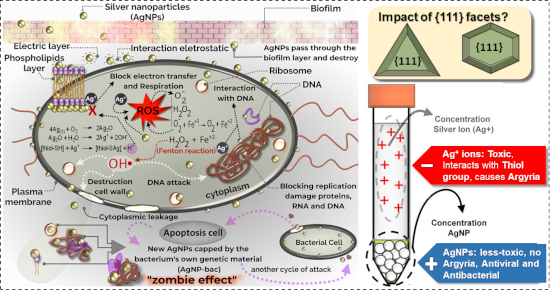
- toxicity and improved efficacy [86]. In vivo and in vitro studies have demonstrated the efficacy of AgNPs in treating neglected diseases, such as dengue [87][88], leishmaniasis [89][90][91][92], malaria [93][94][95], schistosomiasis [96][97], and trypanosomiasis (Chagas disease) [98][99]. Mechanism of
- prophylactic effect) and to inhibit viral replication and budding (i.e, the therapeutic effect) [75][76][110]. In vitro studies reveal that AgNPs can act as inhibitors of viral entry by blocking viral attachment and penetration into cells [109][111][112]. They also inhibit the synthesis of viral negative


Applications of superparamagnetic iron oxide nanoparticles in drug and therapeutic delivery, and biotechnological advancements
Beilstein J. Nanotechnol. 2020, 11, 1092–1109, doi:10.3762/bjnano.11.94
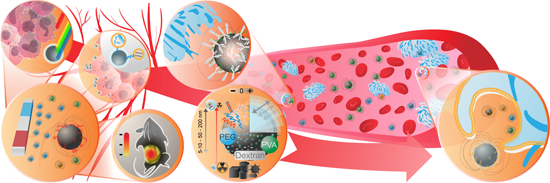
- oleic acid layer is rapidly removed from the iron core and that, although with a small blood circulation time of only 15 min, 56Fe SPIONs were not found to be toxic in liver and spleen, where they readily accumulated. This is in contrast with many in vitro studies, in which uncoated SPIONs were shown to


Luminescent gold nanoclusters for bioimaging applications
Beilstein J. Nanotechnol. 2020, 11, 533–546, doi:10.3762/bjnano.11.42
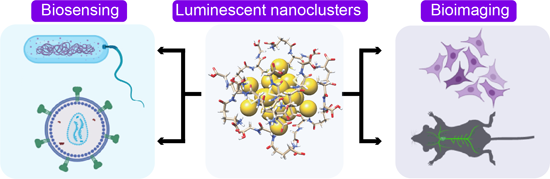
- bioavailability and luminescence and were non-toxic. The AuNCFs frameworks, because of their highly luminescent nature, also allowed for better imaging compared to [Au25(SG)18]-treated cells. In vivo bioimaging Conpared to cell-line and isolated in vitro studies, in vivo imaging using animal models faces


Poly(1-vinylimidazole) polyplexes as novel therapeutic gene carriers for lung cancer therapy
Beilstein J. Nanotechnol. 2020, 11, 354–369, doi:10.3762/bjnano.11.26
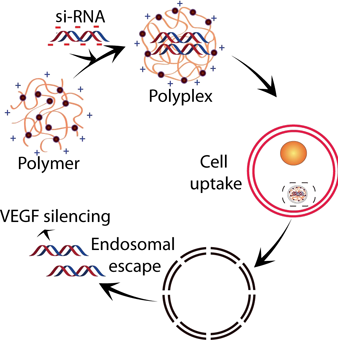
- heparin/siRNA (v/v) ratio. The samples were electrophoresed on a 1% agarose gel containing 0.5 μg/mL ethidium bromide at 80 V for 20 min. The bands were imaged using the gel documentation system. In vitro studies Cell viability: The effect of blank polymer and polyplex was determined using MTS (3-(4,5
- good serum stability of the polyplex. In vitro studies The internalization of the polyplex in A549 cells was determined and the results are presented in Figure 3. It is observed that the PVI polyplexes accumulate on the membrane surface after 15 min and are starting to be internalized into the cells
- (Figure 14). This could be attributed to the better internalization and endosomal escape evaluated by the polyplex. The in vitro studies indicate that VEGF silencing through the PVI polyplex has a positive influence in inhibiting the progression of lung cancer. Conclusion This work has demonstrated the


Interactions at the cell membrane and pathways of internalization of nano-sized materials for nanomedicine
Beilstein J. Nanotechnol. 2020, 11, 338–353, doi:10.3762/bjnano.11.25
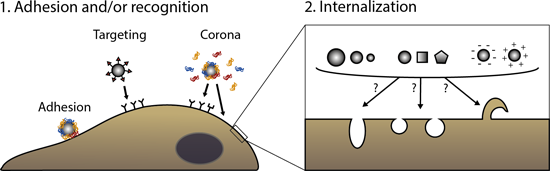
- Section 2.1. Recently, computer simulations and in vitro studies of nanoparticle–membrane interactions have shown that the surface of nanomaterials can in itself induce several changes at the plasma membrane, by determining sol–gel transitions in the lipid bilayer and impairing lipid lateral diffusion
- intracellular locations or to promote drug release in cells. 4 Challenges in studying endocytosis of nano-sized materials in vitro While studying the interactions between nanomaterials and cells is extremely challenging to perform in vivo, in vitro studies can help to unravel the mechanisms involved in their
- describe some technical challenges concerning in vitro studies of the endocytosis of nano-sized materials. 4.1 Nanoparticle dispersion in biological media: agglomeration and corona formation One of the most important aspects to consider when studying nanoparticle interactions with cells, as well as when


Rational design of block copolymer self-assemblies in photodynamic therapy
Beilstein J. Nanotechnol. 2020, 11, 180–212, doi:10.3762/bjnano.11.15
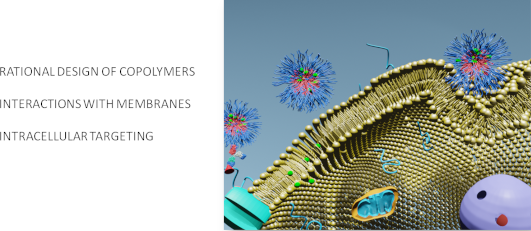
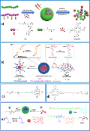
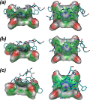
- , because of the photothermal effect, the shell shrinks thus bringing the photosensitizer closer to the core allowing for fluorescence resonance energy transfer and singlet oxygen production. In other proposed polymers, fluorescence quenching is not discussed, but in vitro studies prove the higher






Serum type and concentration both affect the protein-corona composition of PLGA nanoparticles
Beilstein J. Nanotechnol. 2019, 10, 1002–1015, doi:10.3762/bjnano.10.101
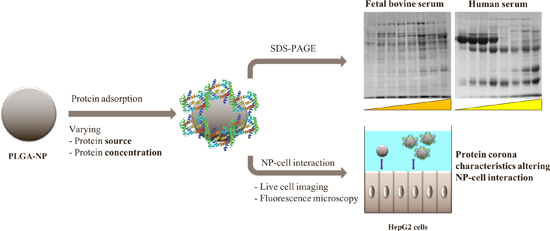
- the need to carefully evaluate the data acquired so far from in vitro studies in order to develop safe biomedical applications. Conclusion We investigated the importance of selecting a proper physiological medium used for in vitro protein corona analysis. Therefore, we employed several analytical

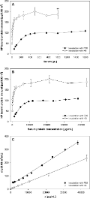


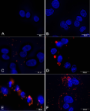
The systemic effect of PEG-nGO-induced oxidative stress in vivo in a rodent model
Beilstein J. Nanotechnol. 2019, 10, 901–911, doi:10.3762/bjnano.10.91
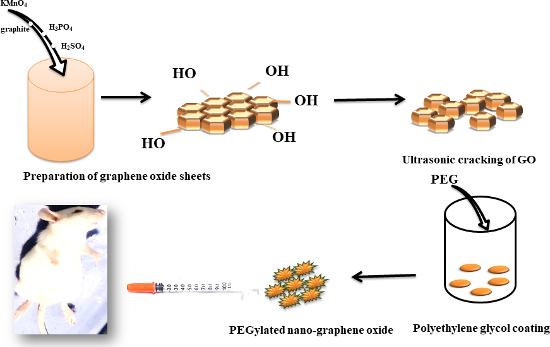
- administration and can be cleared gradually by renal and fecal excretion. Furthermore, a number of in vitro studies indicated that treatment of various cell lines, such as 3T3 and Hela, greatly reduced the cellular viability [34]. Due to the contradictory study results, the applicability of PEG-GO for drug


Graphene composites with dental and biomedical applicability
Beilstein J. Nanotechnol. 2018, 9, 801–808, doi:10.3762/bjnano.9.73
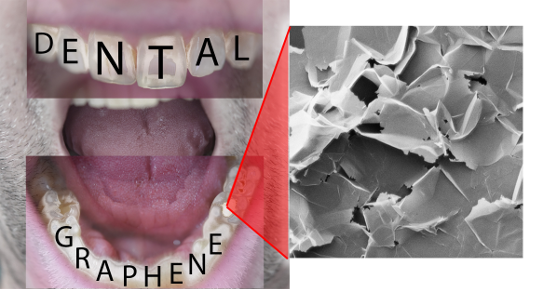
- reinforcement strategy and will breathe a new lease of life into this research area. These in vitro studies are continuing and cell-line studies are also planned. Experimental Materials The multi-layer graphene (MLG) material used in this research was commercially available MLG - EXGR98350 (batch 08.10.2012


Kinetics of solvent supported tubule formation of Lotus (Nelumbo nucifera) wax on highly oriented pyrolytic graphite (HOPG) investigated by atomic force microscopy
Beilstein J. Nanotechnol. 2018, 9, 468–481, doi:10.3762/bjnano.9.45
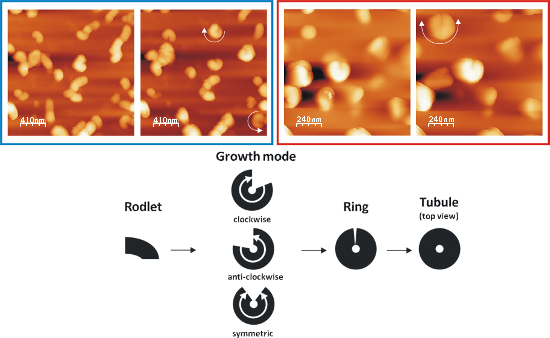
- evaporation. Evidence for a water co-transport has been given by in-vitro studies with isolated waxes and artificial polyurethan membranes. Neinhuis et al. [25] showed that in the presence of water, waxes were transported through the membranes and reassembled into three dimensional waxes onto the membranes
- , so that it is merely the added water alone that influences the growth, as already discussed above. Since many years the transport of wax molecules from inside the plant surface cells to the outer side, where the wax crystals assemble, has been discussed. In vitro studies with isolated waxes and


Surfactant-induced enhancement of droplet adhesion in superhydrophobic soybean (Glycine max L.) leaves
Beilstein J. Nanotechnol. 2017, 8, 2345–2356, doi:10.3762/bjnano.8.234
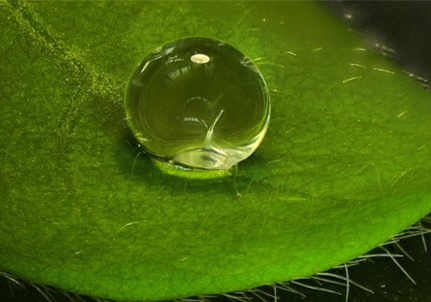
- large influence on the wettability, significantly more so than the chemical composition of the waxes [42]. In vitro studies with wax crystals of different sizes and densities showed that superhydrophobicity requires wax crystal sizes of 400 nm in the case of wax tubules [42] and about 200 nm in the case


Optical techniques for cervical neoplasia detection
Beilstein J. Nanotechnol. 2017, 8, 1844–1862, doi:10.3762/bjnano.8.186




Parylene C as a versatile dielectric material for organic field-effect transistors
Beilstein J. Nanotechnol. 2017, 8, 1532–1545, doi:10.3762/bjnano.8.155
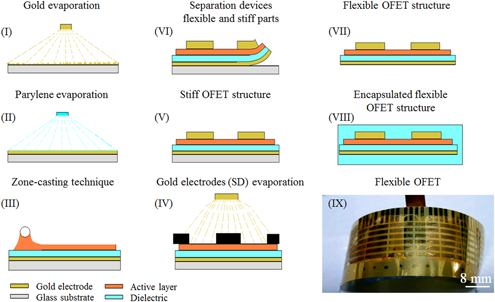
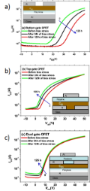
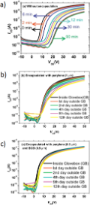
- of organic electronics. One of the early applications of Parylene C encapsulation layer in an electronic structure was that of a microelectrode insulator [65]. The Parylene C-covered iridium and tungsten microelectrodes were investigated by means of in vivo and in vitro impedance tests. In vitro
- studies were carried out in an especially prepared chamber containing saline, either sterile or plasma-incubated at 37 °C, in order to reproduce the natural environmental. In vivo testing was performed by an implementation of multiple electrode systems in monkey motor cortex [65]. In these studies, an




Low uptake of silica nanoparticles in Caco-2 intestinal epithelial barriers
Beilstein J. Nanotechnol. 2017, 8, 1396–1406, doi:10.3762/bjnano.8.141
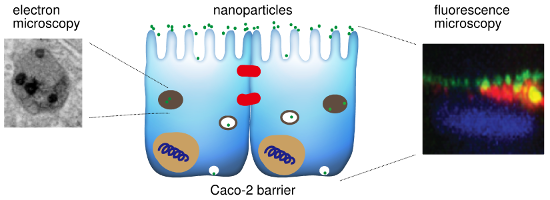
- combination of imaging, flow cytometry and transport studies. Compared to typical observations in standard cell lines commonly used for in vitro studies, silica nanoparticle uptake into well-developed Caco-2 cellular barriers was found to be very low. Instead, nanoparticle association to the apical outer
- transport through them. Keywords: Caco-2; differentiation and polarisation; epithelial cell barrier; microscopy imaging; particle interaction; uptake and localisation; Introduction An overall conclusion from a multitude of nanoparticle-cell in vitro studies is that nanoparticle uptake into cells is
- isolated cells commonly used for in vitro studies. Indeed, cellular layers can develop tight junctions and become polarised. Polarised cell barriers are known to activate cellular processes and pathways which are not fully developed, or even present, in isolated cells [17][18]. Thus they allow



Recombinant DNA technology and click chemistry: a powerful combination for generating a hybrid elastin-like-statherin hydrogel to control calcium phosphate mineralization
Beilstein J. Nanotechnol. 2017, 8, 772–783, doi:10.3762/bjnano.8.80
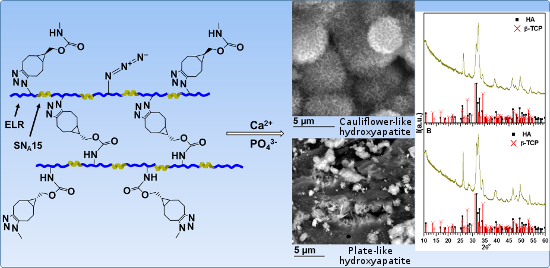
- subsequently be synthesized by covalently crosslinking the monomer chains via these azide and cyclooctyne groups by means of a Huisgen [2 + 3] cycloaddition (“click” reaction). Most of the work performed on ELRs combined with SNA15 is about studying their behavior in vitro studies [31][32][33][34]. For example



Nano- and microstructured materials for in vitro studies of the physiology of vascular cells
Beilstein J. Nanotechnol. 2016, 7, 1620–1641, doi:10.3762/bjnano.7.155
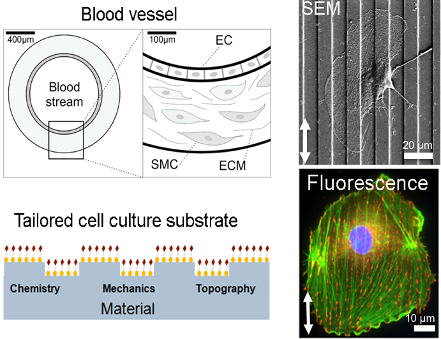
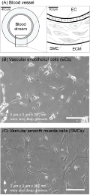
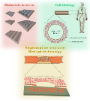
- discusses model studies with a special emphasis on the fabrication of substrates with well-defined nano- and microstructured surfaces for in vitro studies with vascular cells (Figure 1). Vascular endothelial cells (ECs) and smooth muscle cells (SMCs) are two vascular cell types forming blood vessels (Figure
- . Thus, in vitro studies using modified artificial surfaces to induce biological responses in these cells are an important experimental model in vascular cell biology and biomaterial research (Figure 3). In this review, we provide an overview of materials and important micro- and nanofabrication
- techniques that have been used for the fabrication of appropriate substrates for in vitro studies with vascular cells. We give a brief overview over possible surface structure geometries, mention compounds and methods for surface biofunctionalization and present the importance of the mechanical



On the pathway of cellular uptake: new insight into the interaction between the cell membrane and very small nanoparticles
Beilstein J. Nanotechnol. 2016, 7, 1296–1311, doi:10.3762/bjnano.7.121
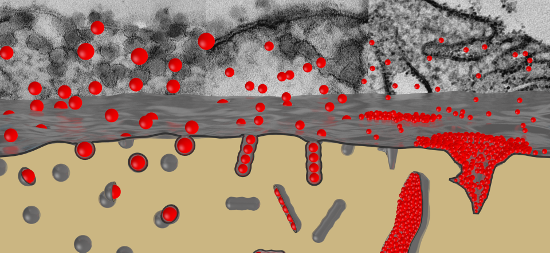
- paving the way for novel biotechnological and medical applications. Generally, in vitro studies report that SiNPs are taken up by cultured human cells. Nevertheless, the exact mechanism of this process still needs to be elucidated in detail for a better understanding of the cytotoxic effects or to


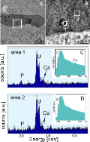


Unraveling the neurotoxicity of titanium dioxide nanoparticles: focusing on molecular mechanisms
Beilstein J. Nanotechnol. 2016, 7, 645–654, doi:10.3762/bjnano.7.57
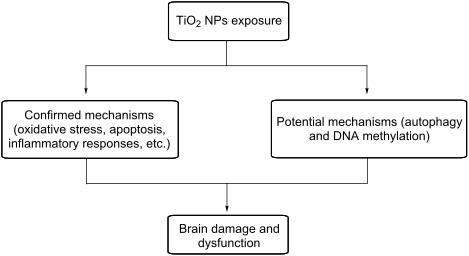
- nanotechnology and widespread applications of products containing TiO2 NPs have increased the risk of exposure. Therefore, numerous in vivo and in vitro studies have been performed to scrutinize the potential toxic properties of TiO2 NPs in recent years [4]. Research has demonstrated that TiO2 NPs can be
- ultimately be induced. Long et al. [19][20] first revealed in their in vitro studies that TiO2 NPs can induce dose- and time-dependent elevations in H2O2 levels in BV2 cells (an immortalized brain microglia cell line). BV2 internalized TiO2 NPs and subsequently swollen mitochondria were detected by
- associated with nanoneurotoxicity. Genotoxicity Genotoxicity is simply defined as the induction of DNA damage, in a direct or indirect manner, caused by substances such as benzopyrene in cigarettes or some chemotherapeutic drugs. In vivo and in vitro studies typically measure genotoxicity using the comet
Comparison of the interactions of daunorubicin in a free form and attached to single-walled carbon nanotubes with model lipid membranes
Beilstein J. Nanotechnol. 2016, 7, 524–532, doi:10.3762/bjnano.7.46
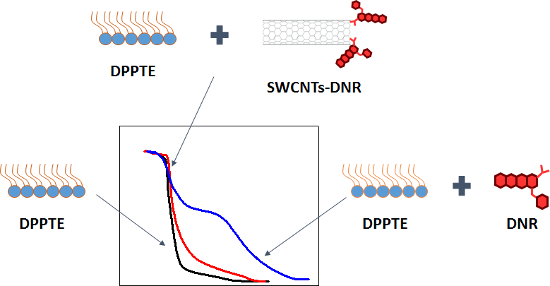
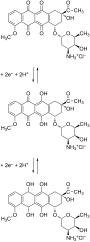
- to the concentrations used in the in vitro studies. The IC50 value, which is defined as the concentration of a drug that inhibits cell growth by 50%, given in the literature usually varies from 10−6 M to 10−5 M depending on the type of cell lines [32][33][34]. In the next step, voltammograms obtained




An ISA-TAB-Nano based data collection framework to support data-driven modelling of nanotoxicology
Beilstein J. Nanotechnol. 2015, 6, 1978–1999, doi:10.3762/bjnano.6.202
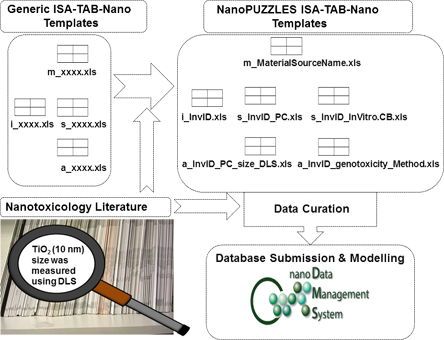
- example, the Study template for cell based in vitro studies (“s_InvID_InVitro.CB.xls”) includes the predefined columns “Characteristics [cell type {EFO:http://www.ebi.ac.uk/efo/EFO_0000324}]” and “Factor Value [exposure medium]”. 6. Predefined “Characteristics […]” columns were added to the Material file
- whether or not the sample was sonicated [49]). For cell-based in vitro studies, these “Factor Value […]” columns record the values of experimental variables associated with preparation of the composite sample being tested, i.e., the nanomaterial suspension and the biological component on which the effect




Influence of surface chemical properties on the toxicity of engineered zinc oxide nanoparticles to embryonic zebrafish
Beilstein J. Nanotechnol. 2015, 6, 1568–1579, doi:10.3762/bjnano.6.160
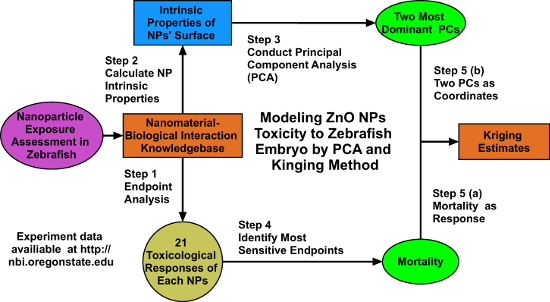
- studies to date have looked across a wide-range of engineered ZnO nanoparticle types to investigate how surface chemical modifications alter toxicity. The toxicity of ZnO NPs to a wide range of species can be found elsewhere in literature from in vivo [8][9] to in vitro studies [10][11]. Bare ZnO NPs




Synthesis, characterization and in vitro effects of 7 nm alloyed silver–gold nanoparticles
Beilstein J. Nanotechnol. 2015, 6, 1212–1220, doi:10.3762/bjnano.6.124
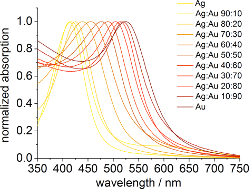
- a versatile and facile wet chemical synthesis that allows size control and ligand exchange without affecting the resulting nanoparticle purity or stability. The in vitro studies were performed using HeLa cells and hMSCs. The cytotoxicity increased with increasing silver content in the nanoalloys