Search results
Search for "laser irradiation" in Full Text gives 94 result(s) in Beilstein Journal of Nanotechnology.
Recent progress in cancer cell membrane-based nanoparticles for biomedical applications
Beilstein J. Nanotechnol. 2023, 14, 262–279, doi:10.3762/bjnano.14.24
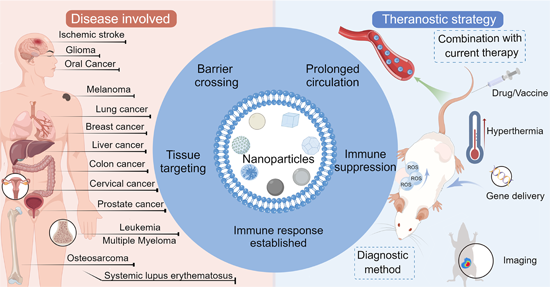
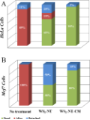
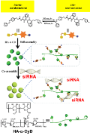
- laser irradiation and generate ROS, which synergizes with the subsequent release of CQ for anticancer effects. In the early stages of intervention with nanoagents and laser irradiation, both bare NPs and cancer cell membrane-encapsulated NPs exhibited good tumor suppressive effects. However, the tumors


Cyclodextrins as eminent constituents in nanoarchitectonics for drug delivery systems
Beilstein J. Nanotechnol. 2023, 14, 218–232, doi:10.3762/bjnano.14.21
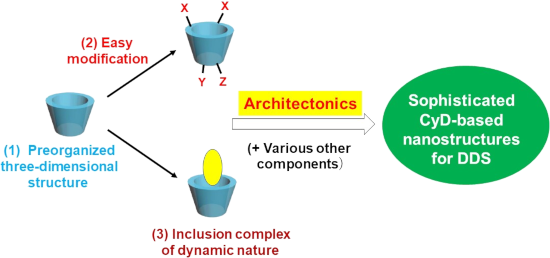
- poly(ethylene glycol) with α-CyDs, in which adjacent α-CyDs interact to provide physical crosslinkings. Cisplatin (purple circle) was loaded in the hydrogel. Under NIR-II laser irradiation, the localized photothermal effect directly ablates thermosensitive cancer cells. At the same time, the




Concentration-dependent photothermal conversion efficiency of gold nanoparticles under near-infrared laser and broadband irradiation
Beilstein J. Nanotechnol. 2023, 14, 205–217, doi:10.3762/bjnano.14.20
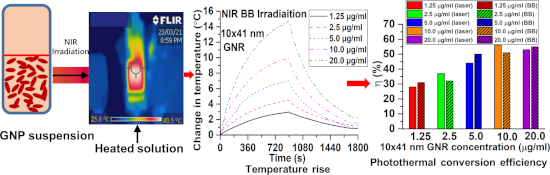
- Organisation, Sector-30C, Chandigarh-160030, India 10.3762/bjnano.14.20 Abstract The photothermal conversion efficiency of gold different nanoparticles (GNPs) in different concentrations (1.25–20 µg/mL) and at different irradiation intensities of near-infrared (NIR) broadband and NIR laser irradiation is
- evaluated. Results show that for a concentration of 20.0 µg/mL, 40 nm gold nanospheres, 25 × 47 nm gold nanorods (GNRs), and 10 × 41 nm GNRs show a 4–110% higher photothermal conversion efficiency under NIR broadband irradiation than under NIR laser irradiation. Broadband irradiation seems suitable to
- concentrations show almost equal efficiencies for NIR laser and broadband irradiation. On increasing the irradiation power from 0.3 to 0.5 W, for 10 × 41 nm GNRs in the concentration range of 2.5–20.0 µg/mL, NIR laser irradiation results in 5–32% higher efficiencies, while NIR broadband irradiation leads to a 6




Facile preparation of Au- and BODIPY-grafted lipid nanoparticles for synergized photothermal therapy
Beilstein J. Nanotechnol. 2022, 13, 1432–1444, doi:10.3762/bjnano.13.118
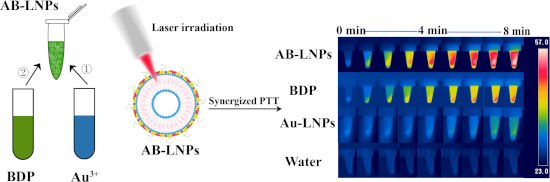
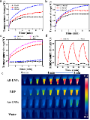
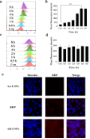
- could be associated stably to Au-LNPs, and the release of BODIPY from AB-LNPs could be accelerated by laser irradiation. AB-LNPs are scalable and showed excellent photothermal effects. AB-LNPs showed enhanced cellular uptake efficiency compared to free BODIPY in 4T1 breast cancer cells. Under laser
- concentrations of 25, 50, and 100 μM were irradiated with laser irradiation (680 nm, 0.5 W/cm2) for different time intervals. The temperature changes of AB-LNPs with BDP concentration of 100 μM were also measured under laser irradiation with different power densities (0.25, 0.4, and 0.5 W/cm2). The temperature
- changes of water, BDP, Au-LNPs, and AB-LNPs with a BDP concentration of 100 μM and a Au concentration of 100 μM with laser irradiation (680 nm, 0.5 W/cm2) were also recorded for 10 min. The temperature of the samples for photothermal conversion measurements was recorded by an infrared thermal camera




Application of nanoarchitectonics in moist-electric generation
Beilstein J. Nanotechnol. 2022, 13, 1185–1200, doi:10.3762/bjnano.13.99
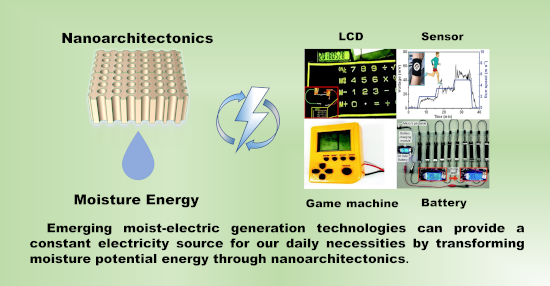
- graphene oxide on the outer side are higher and more hydrophilic than the part that did not receive laser irradiation (Figure 5b). After exposure to moisture, a significant difference in ion concentration occurs due to the difference in humidity and the ability to dissociate hydronium ions, thereby driving


Direct measurement of surface photovoltage by AC bias Kelvin probe force microscopy
Beilstein J. Nanotechnol. 2022, 13, 712–720, doi:10.3762/bjnano.13.63
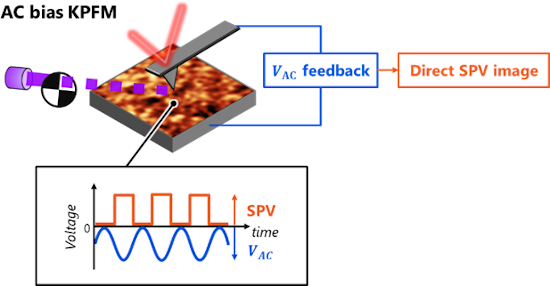
- amplitude VSPV: Therefore, the electrostatic force under modulated laser irradiation is described as This equation can be divided into three parts: (Equation 5) is measured to determine the SPV by controlling VAC and nullifying the modulated force where the SPV is derived as Thus, AC-KPFM controls the AC


Zinc oxide nanostructures for fluorescence and Raman signal enhancement: a review
Beilstein J. Nanotechnol. 2022, 13, 472–490, doi:10.3762/bjnano.13.40
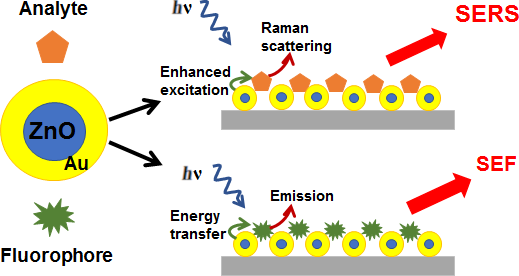
- photochemical reduction [32], pulsed laser-induced photolysis [38], or controlled decoration with Ag NPs using an electroless plating technique [44]. Photochemical synthesis permits the control of nucleation and growth rate without using organic additives. Xu et al. employed laser irradiation of ZnO nanorods in




Photothermal ablation of murine melanomas by Fe3O4 nanoparticle clusters
Beilstein J. Nanotechnol. 2022, 13, 255–264, doi:10.3762/bjnano.13.20
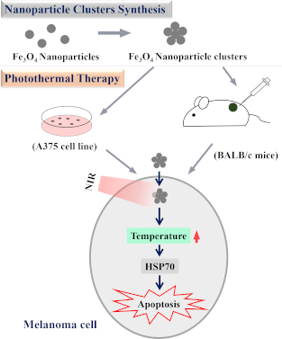
- Fe3O4 nanoparticle-containing up-conversion nanoprobes [15]. To check whether HSP70 was involved in Fe3O4 NPC-mediated PTT, we treated A375 cells for 24 h with NPCs at concentrations of 0.125 or 0.25 mg/mL, followed by 808 nm laser irradiation. Naïve cells were incubated with saline and served as normal
- conversion of Fe3O4 nanoparticle clusters. (a) Temperature elevation of aqueous solutions with increasing concentrations of NPCs in response to 808 nm laser irradiation at power density of 1 W·cm−2. (b) Temperature elevation of solutions with 0.25 mg/mL NPCs in response to 808 nm laser irradiation at


Engineered titania nanomaterials in advanced clinical applications
Beilstein J. Nanotechnol. 2022, 13, 201–218, doi:10.3762/bjnano.13.15
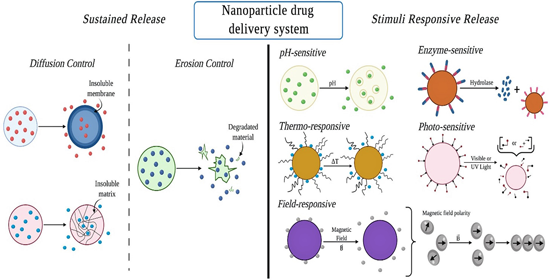
- -bearing mouse xenograft demonstrated that upon laser irradiation in the NIR-II window (1064 nm), the tumor temperature reached up to 53.4 °C, inducing complete photothermal eradication of tumor tissue. This study proves the high synergistic efficacy of combined SDT and PTT of B-TiO2−x nps for the complete
- NIR laser irradiation at a far lower power density and low intravenous dosage. Phototoxicity essays of G-TiO2−x on HeLa cells using 3-(4,5-dimethylthiazol-2-yl)-2,5-diphenyltetrazolium bromide (MTT) showed 85% cell viability, confirming that G-TiO2−x itself is non-toxic even at higher concentrations


Self-assembly of amino acids toward functional biomaterials
Beilstein J. Nanotechnol. 2021, 12, 1140–1150, doi:10.3762/bjnano.12.85
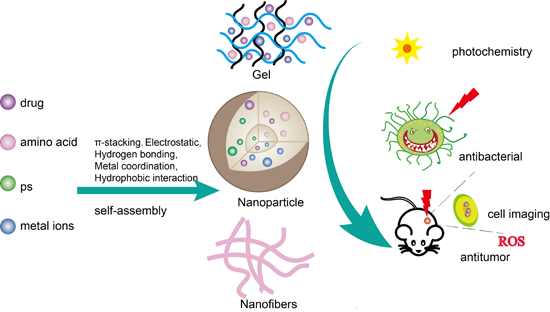
- exhibited high accumulation and ultra-long tumor retention effects. Importantly, animal experiments demonstrated complete eradication of tumor in mice after injection of PWG NPs and laser irradiation, demonstrating the efficacy of PWG nanoparticles in vivo. Indocyanine green (ICG) is widely used in
- maintain the photothermal conversion efficiency up to 32.0%. After entering the tumor cells, the nanoparticles convert light into heat under a laser irradiation of 808 nm and effectively kill the tumor cells. Inspired by natural photosynthesis, artificial light systems consisting of photosensitizers and

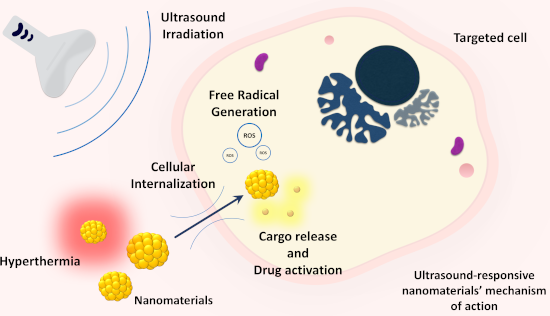
Comprehensive review on ultrasound-responsive theranostic nanomaterials: mechanisms, structures and medical applications
Beilstein J. Nanotechnol. 2021, 12, 808–862, doi:10.3762/bjnano.12.64


Recent progress in actuation technologies of micro/nanorobots
Beilstein J. Nanotechnol. 2021, 12, 756–765, doi:10.3762/bjnano.12.59
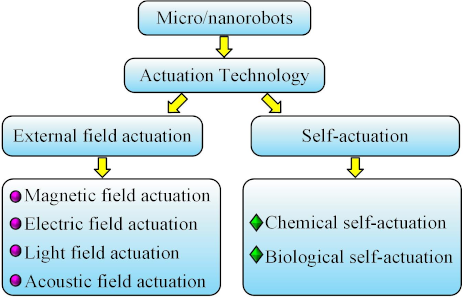
- actuation Wang et al. [31] designed a needle-shaped liquid metal gallium nanoswimmer with controllable movement under near-infrared laser irradiation. Its propulsion force is mainly derived from the thermophoresis force generated by the temperature gradient along the longitudinal axis. Experiments show that


On the stability of microwave-fabricated SERS substrates – chemical and morphological considerations
Beilstein J. Nanotechnol. 2021, 12, 541–551, doi:10.3762/bjnano.12.44
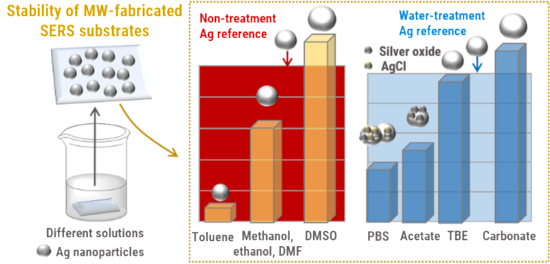
- . Van Duyne and others elaborated the fundamental concept of the enhancement process, which was found to be mainly based on the amplification of the electric field component when the illuminating laser irradiation interacts with metal nanoparticles [6]. Suitable nanoparticles consist preferentially of


Surface-enhanced Raman scattering of water in aqueous dispersions of silver nanoparticles
Beilstein J. Nanotechnol. 2021, 12, 497–506, doi:10.3762/bjnano.12.40
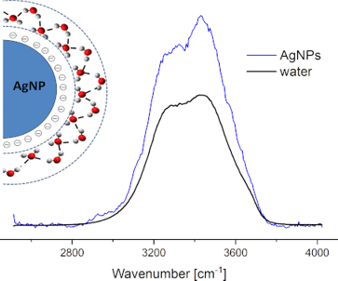
- phenomenon is present only in the AgNPs blue sample, not in the AgNPs yellow sample. Also, changes in the structure of AgNPs induced by laser irradiation may be excluded, as an identical UV–vis absorption spectra of the investigated AgNPs dispersions (see Figure S1 in Supporting Information File 1) collected


Rapid controlled synthesis of gold–platinum nanorods with excellent photothermal properties under 808 nm excitation
Beilstein J. Nanotechnol. 2021, 12, 462–472, doi:10.3762/bjnano.12.37
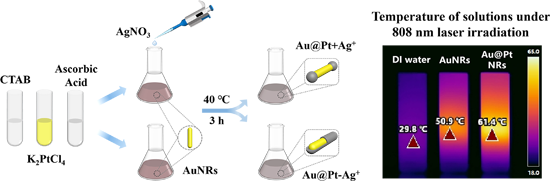
- on the tip of AuNRs, and their LSPR peak can be adjusted to a desired range. Importantly, we evaluated that the Au@Pt NRs have high PCE and fairly great photothermal stability under 808 nm laser irradiation, which proves that they have great potential as an excellent PTA. Results and Discussion
- absorption spectrum of the optimized Au@Pt NRs is shown in Figure 4a. The LSPR peak is located at a wavelength of 812 nm, which is very satisfactory for the photothermal effect under laser irradiation with 808 nm. The corresponding micrograph is shown in Figure 4b. Photothermal effect To test the efficiency
- of AuNRs and the optimized Au@Pt NRs as PTAs, their PTE under 808 nm laser irradiation was systematically studied. The temperature changes were recorded using an infrared thermal camera, as shown in Figure 5a,b. After 10 min of 808 nm laser irradiation (2 W/cm2), the temperature of the AuNRs solution


Doxorubicin-loaded gold nanorods: a multifunctional chemo-photothermal nanoplatform for cancer management
Beilstein J. Nanotechnol. 2021, 12, 295–303, doi:10.3762/bjnano.12.24
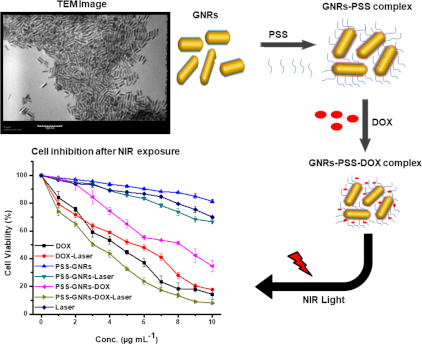
- nanocomplexes with NIR laser irradiation appear more efficient in cell inhibition (93%) than those without laser exposure (65%) and doxorubicin alone (84%). The IC50 values of PSS-GNRs-DOX and PSS-GNRs-DOX were measured as 7.99 and 3.12 µg/mL, respectively, with laser irradiation. Thus, a combinatorial approach
- control is triggered under local hyperthermic conditions induced by NIR laser irradiation. Heat from the GNR surface not only promotes drug delivery into the tumor, but also increases the drug toxicity to tumor cells by the hyperthermic effect. A significantly higher cell death rate was achieved in the
- shifted by approximately 4 nm (Figure 2). The stability of PSS-GNRs after NIR laser exposure was sufficient for photothermal therapy. In vitro DOX release after NIR irradiation Drug release from PSS-GNRs can be easily controlled with NIR laser irradiation. The cumulative DOX release almost doubled after


A review on the green and sustainable synthesis of silver nanoparticles and one-dimensional silver nanostructures
Beilstein J. Nanotechnol. 2021, 12, 102–136, doi:10.3762/bjnano.12.9
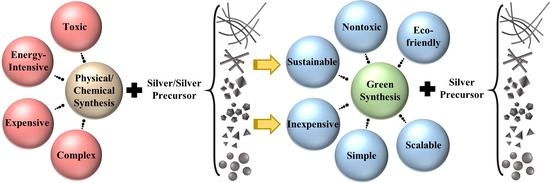
- synthesis, but similar to chemical synthesis, the biological synthesis of nanoparticles is classified under bottom-up approaches [104]. However, green synthesis is not limited to synthesis by bio-based compounds or biological species. For example, laser irradiation can also be used without using any


Fabrication of nano/microstructures for SERS substrates using an electrochemical method
Beilstein J. Nanotechnol. 2020, 11, 1568–1576, doi:10.3762/bjnano.11.139
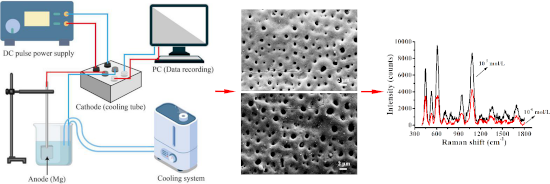
- . [47] employed femtosecond laser irradiation to fabricate nanorod arrayed structures decorated with Au nanoparticles. The study showed that the Raman intensity tended to decrease as the Au film thickness increased. Based on the above results, we selected Au films of 10 nm thickness for further


Photothermally active nanoparticles as a promising tool for eliminating bacteria and biofilms
Beilstein J. Nanotechnol. 2020, 11, 1134–1146, doi:10.3762/bjnano.11.98
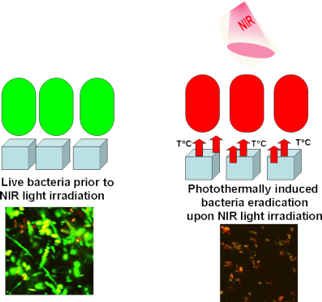
- eliminated the pathogenic P. aeruginosa upon NIR irradiation [49]. Gold nanorods were also applied to efficiently ablate (up to 97%) S. aureus upon NIR laser irradiation [50]. In these studies, the results suggested that the thermal damage of the bacterial membranes led to bacterial death. In 2013, the first
- heating of gold nanoparticles embedded in an injectable silk protein hydrogel was one of the first examples that used this approach [65]. The NIR laser irradiation at 528 nm for 15 min (450 mW) elevated the maximum gel temperature to 59 °C. The in vivo studies demonstrated a sufficient bacterial reduction
- did not discern a difference in bacteria eradication with respect to the laser irradiation modality (continuous or pulsed). A flexible patch capable of rapidly treating subcutaneous wound infections upon NIR light irradiation was fabricated [68]. This patch combined the photothermal properties of gold


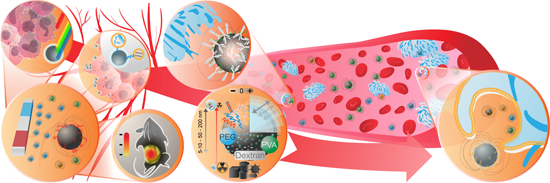
Applications of superparamagnetic iron oxide nanoparticles in drug and therapeutic delivery, and biotechnological advancements
Beilstein J. Nanotechnol. 2020, 11, 1092–1109, doi:10.3762/bjnano.11.94


Hexagonal boron nitride: a review of the emerging material platform for single-photon sources and the spin–photon interface
Beilstein J. Nanotechnol. 2020, 11, 740–769, doi:10.3762/bjnano.11.61
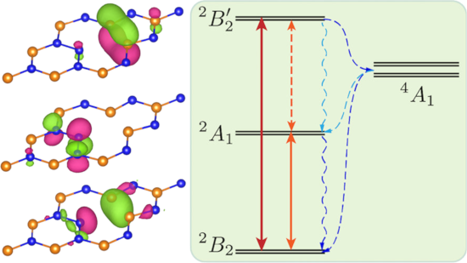
- . The luminescent mechanism in h-BN is not yet fully clear. There is a large variability in the shape and position of PL spectra, which is interpreted based on impurities and sample preparation conditions [91][92]. Museur et al. [92] report on the effect of surface oxidation under UV-laser irradiation
- plasma etching and subsequent annealing in Ar, yielding a considerable increase in the concentration of emitters in h-BN [122]; laser irradiation [123] even if the formation origin, in this case, is unclear; substrate strain-induced where a 20 nm-thick h-BN film grown via CVD is transferred into SiO2




Luminescent gold nanoclusters for bioimaging applications
Beilstein J. Nanotechnol. 2020, 11, 533–546, doi:10.3762/bjnano.11.42
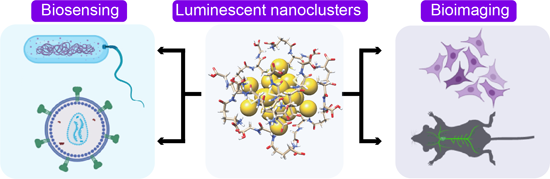
- compared to that of free doxorubicin, presumably due to slow release from the nanocarriers. Alternatively, a significant killing efficiency of HeLa cells was achieved using just 0.46 μg/mL of free doxorubicin in combination with 200 μg/mL of PML-MF and laser irradiation for 10 min, further showing the


Multilayer capsules made of weak polyelectrolytes: a review on the preparation, functionalization and applications in drug delivery
Beilstein J. Nanotechnol. 2020, 11, 508–532, doi:10.3762/bjnano.11.41
- within the PAH/DS capsule. The rupture and deformation of the capsules occurred via the formation of pores on the surface after laser irradiation at 530 nm (Figure 5c). The encapsulation of silver, gold and iron oxide NPs has been the most common in most of the studies [80][82][83][84]. The incorporation
- of NPs within the capsules, the laser power and exposure time decide the sensitivity of the capsule towards laser light induced release. For example, the presence of aggregated NPs led to the generation of more heat and thus required relatively less intense laser irradiation [84]. While the moderate



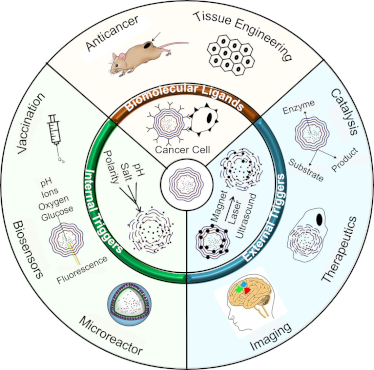
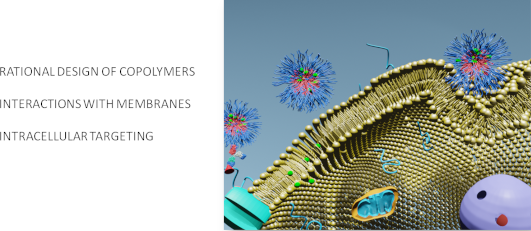
Rational design of block copolymer self-assemblies in photodynamic therapy
Beilstein J. Nanotechnol. 2020, 11, 180–212, doi:10.3762/bjnano.11.15






Tungsten disulfide-based nanocomposites for photothermal therapy
Beilstein J. Nanotechnol. 2019, 10, 811–822, doi:10.3762/bjnano.10.81
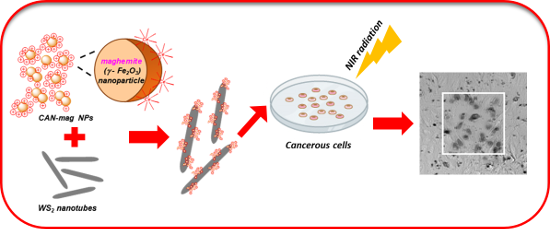
- mediated by nanomaterials is less invasive than laser irradiation alone, requires lower radiation intensity, and its selectivity towards the tumor can be adjusted by carefully engineering the light-responsive nanostructure. In general, nanomaterials in the size range of 100–200 nm should give the maximum
- (1:1 v/v) was added to all wells after the laser irradiation. After 5 min, the cells were washed with PBS buffer and the same frames were imaged. Results and Discussion This section will include all the chemical and biological results. The preparation procedures of the composites included sonication