Search results
Search for "magnetic resonance imaging" in Full Text gives 81 result(s) in Beilstein Journal of Nanotechnology.
Recent progress in actuation technologies of micro/nanorobots
Beilstein J. Nanotechnol. 2021, 12, 756–765, doi:10.3762/bjnano.12.59
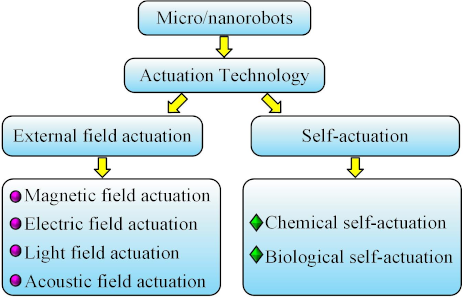
- dual-mode fluorescence and magnetic resonance imaging. Using magnetic targeting, the micro/nanorobot broke through complex physiological barriers and entered tumors while carrying a photosensitizer. After that, local high temperature was generated by a near-infrared laser, and observable and accurate


A review on nanostructured silver as a basic ingredient in medicine: physicochemical parameters and characterization
Beilstein J. Nanotechnol. 2021, 12, 440–461, doi:10.3762/bjnano.12.36
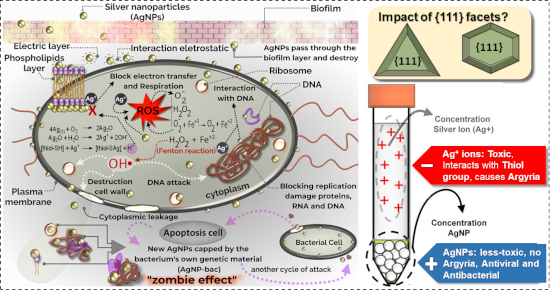
- blood tests, urinalysis, sputum induction, and magnetic resonance imaging of the chest and abdomen. After oral exposure, the silver content in the serum and urine was analyzed and no clinically abnormal changes were noted in the lungs, heart, or abdominal organs. Also, no morphological changes were


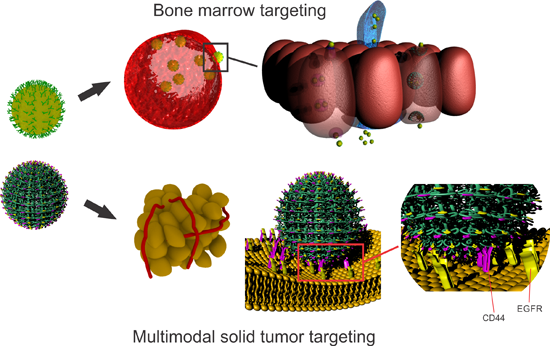
The impact of molecular tumor profiling on the design strategies for targeting myeloid leukemia and EGFR/CD44-positive solid tumors
Beilstein J. Nanotechnol. 2021, 12, 375–401, doi:10.3762/bjnano.12.31


Intracranial recording in patients with aphasia using nanomaterial-based flexible electronics: promises and challenges
Beilstein J. Nanotechnol. 2021, 12, 330–342, doi:10.3762/bjnano.12.27
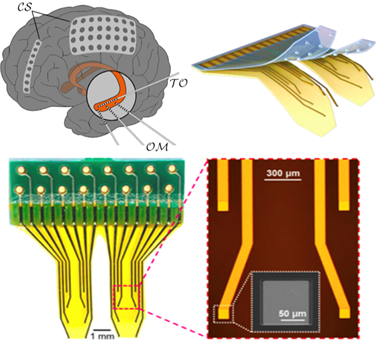
- processing. This review presents findings on aphasia, an impairment in language and communication, and discusses how different brain imaging techniques, including positron emission tomography, magnetic resonance imaging, and iEEG, have advanced our understanding of the neural networks underlying language and
- neuroimaging methods such as positron emission tomography (PET), magnetic resonance imaging (MRI), functional magnetic resonance imaging (fMRI), diffusion tensor imaging (DTI), electroencephalography (EEG), magnetoencephalography (MEG), and intracranial electroencephalography (iEEG). Each of these methods has


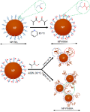
Differences in surface chemistry of iron oxide nanoparticles result in different routes of internalization
Beilstein J. Nanotechnol. 2021, 12, 270–281, doi:10.3762/bjnano.12.22
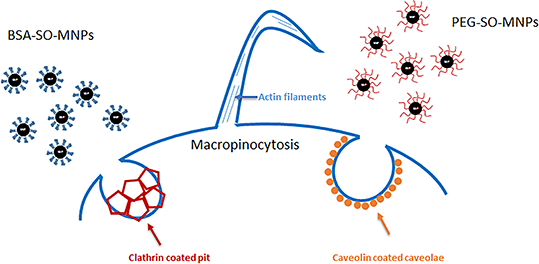
- ; Introduction Magnetic iron oxide nanoparticles (MNPs) as chemically inert material have been increasingly employed as contrast agents in magnetic resonance imaging (MRI), positron emission tomography (PET), and near-infrared fluorescence (NIRF) imaging [1]. The superparamagnetic properties of MNPs make them



Transient coating of γ-Fe2O3 nanoparticles with glutamate for its delivery to and removal from brain nerve terminals
Beilstein J. Nanotechnol. 2020, 11, 1381–1393, doi:10.3762/bjnano.11.122
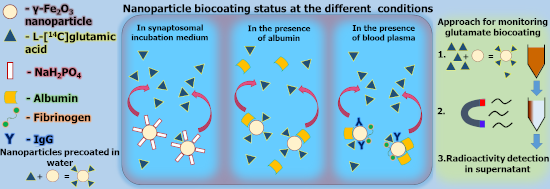
- due to their magnetism and chemical stability [9][10][11][12][13]. Among a variety of other nanoparticles, superparamagnetic iron oxide nanoparticles are used for magnetic resonance imaging in cancer theranostics and magnetic hyperthermia [9][10][11][14]. Controlled magnetic fields can lead to induced


Magnetic-field-assisted synthesis of anisotropic iron oxide particles: Effect of pH
Beilstein J. Nanotechnol. 2020, 11, 1230–1241, doi:10.3762/bjnano.11.107
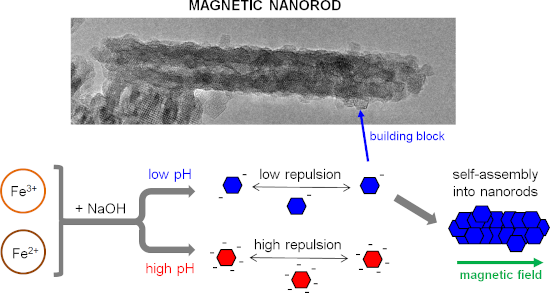
- environmental benigness [4][5][6][7][8]. These nanomaterials can be exploited in a variety of applications, including magnetic data storage [9], magnetic resonance imaging (MRI) [6][10][11][12], hyperthermia [6][13][14][15], magnetic separation [16], targeted drug delivery [6][16][17][18][19], lithium-ion





Applications of superparamagnetic iron oxide nanoparticles in drug and therapeutic delivery, and biotechnological advancements
Beilstein J. Nanotechnol. 2020, 11, 1092–1109, doi:10.3762/bjnano.11.94
- magnetic resonance imaging (MRI) (for more on this topic consult [11][12][13][14]). Among the abovementioned nanoscience products, iron oxide nanoparticles, especially superparamagnetic iron oxide nanoparticles (SPIONs) hold a lot of promise in many domains, not only regarding biology [15]. SPIONs consist
- of 2000–2019. Review Benefits of SPIONs or what makes SPIONs such a promising aspect for therapeutics and adjunct treatments Firstly, certain SPIONs are already clinically approved for magnetic resonance imaging (MRI) [24][25][26]. For this application, SPIONs have been functionalized with dextran


Uniform Fe3O4/Gd2O3-DHCA nanocubes for dual-mode magnetic resonance imaging
Beilstein J. Nanotechnol. 2020, 11, 1000–1009, doi:10.3762/bjnano.11.84
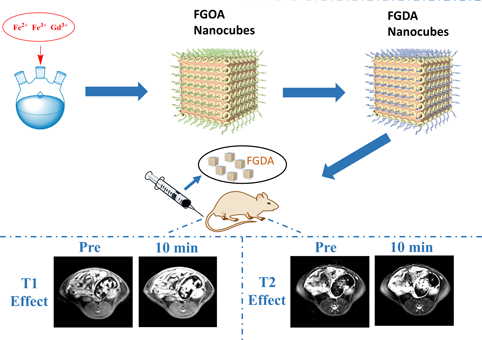
- multimodal magnetic resonance imaging (MRI) technique has been extensively studied over the past few years since it offers complementary information that can increase diagnostic accuracy. Simple methods to synthesize contrast agents are necessary for the development of multimodal MRI. Herein, uniformly
- -dihydroxyhydrocinnamic acid (DHCA); dual-mode imaging; Fe3O4/Gd2O3-DHCA nanocubes; gadolinium oxide (Gd2O3); iron(II,III) oxide (Fe3O4); magnetic resonance imaging (MRI); Introduction Magnetic resonance imaging (MRI) is a noninvasive technique that has been broadly used in the clinical field to assist in disease
- collected with an inverted phase-contrast microscope (Nikon, TiS, Japan). In vivo magnetic resonance imaging All the animal experiments were performed in compliance with the guidelines for animal experimentation from the Shanxi Medical University. MRI was performed in three Sprague Dawley (SD) rats that


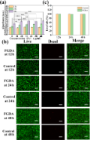

Multilayer capsules made of weak polyelectrolytes: a review on the preparation, functionalization and applications in drug delivery
Beilstein J. Nanotechnol. 2020, 11, 508–532, doi:10.3762/bjnano.11.41
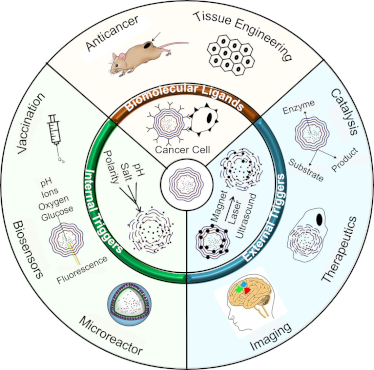


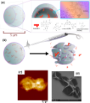

Rational design of block copolymer self-assemblies in photodynamic therapy
Beilstein J. Nanotechnol. 2020, 11, 180–212, doi:10.3762/bjnano.11.15
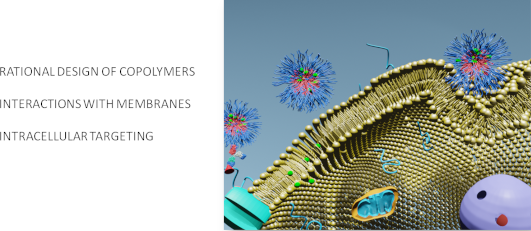
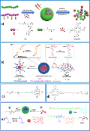
- addition of Gd3+ ions (magnetic resonance imaging, MRI) or 64Cu2+ (positron emission tomography, PET). A pH-sensitive acetal bond between poly(ε-caprolactone) and porphyrin was used to release porphyrin at pH 5 (Figure 5c) [79]. In a poly(ethylene glycol)-block-poly(ε-caprolactone) polymer conjugated with






Advanced hybrid nanomaterials
Beilstein J. Nanotechnol. 2019, 10, 2563–2567, doi:10.3762/bjnano.10.247

- is simultaneously employed as a contrast agent in magnetic resonance imaging (MRI) and for local heating therapy using magnetic particle hyperthermia [33]. In vitro hyperthermia tests showed efficiency in inoculating mouse breast cancer cells. Another study reports the use of alendronate-coated gold
Dynamics of superparamagnetic nanoparticles in viscous liquids in rotating magnetic fields
Beilstein J. Nanotechnol. 2019, 10, 2294–2303, doi:10.3762/bjnano.10.221
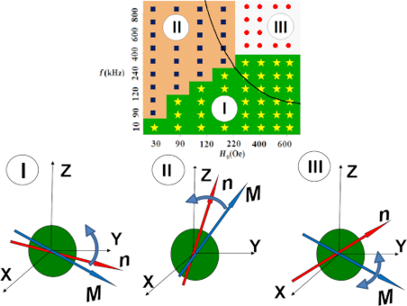
- ; viscous liquid; Introduction Magnetic nanoparticles are promising materials in various areas of biomedicine [1][2][3][4], such as magnetic resonance imaging [5][6][7], targeted drug delivery [8][9][10], and magnetic hyperthermia [11][12][13][14][15][16][17][18][19][20]. Iron oxide nanoparticles are most


Targeted therapeutic effect against the breast cancer cell line MCF-7 with a CuFe2O4/silica/cisplatin nanocomposite formulation
Beilstein J. Nanotechnol. 2019, 10, 2217–2228, doi:10.3762/bjnano.10.214
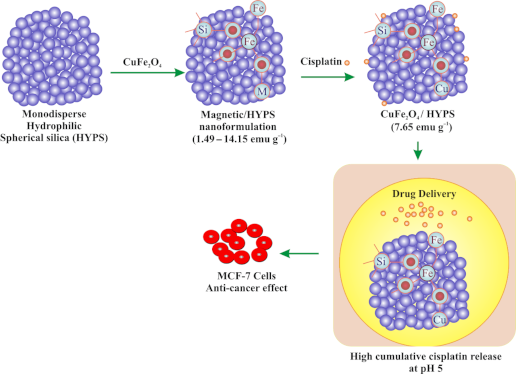
- (magnetic resonance imaging), tissue repair, and thermal ablation have been gaining considerable attention in recent years. In particular, the use of superparamagnetic iron oxide nanoparticles (SPIONs) is now advantageous as they are FDA-approved for clinical use [2]. Magnetic Fe3O4-based mesoporous silica


Nitrogen-vacancy centers in diamond for nanoscale magnetic resonance imaging applications
Beilstein J. Nanotechnol. 2019, 10, 2128–2151, doi:10.3762/bjnano.10.207
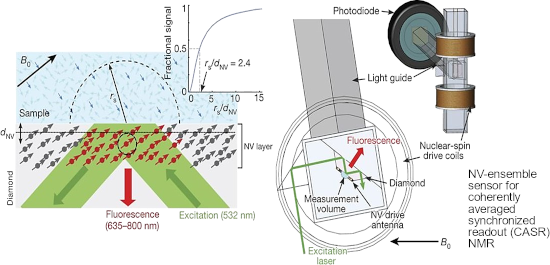
- diamond with unique properties for use in ultra-sensitive, high-resolution magnetometry. One of the most interesting and challenging applications is nanoscale magnetic resonance imaging (nano-MRI). While many review papers have covered other NV centers in diamond applications, there is no survey targeting
- methods, this review presents a survey of the latest advances in NV center nano-MRI. Keywords: nanodiamonds; nanoscale magnetic resonance imaging (nano-MRI); nitrogen-vacancy center; optically detected magnetic resonance; Review Introduction Spin echoes and free induction decays were first detected in
- image resolution on the molecular or even the atomic scale. This has given rise to the investigation of nanoscale magnetic resonance imaging (nano-MRI) [5]. Different nano-MRI technologies have been proposed that are based on different sensors. Some of these technologies use the nitrogen-vacancy (NV


Microbubbles decorated with dendronized magnetic nanoparticles for biomedical imaging: effective stabilization via fluorous interactions
Beilstein J. Nanotechnol. 2019, 10, 2103–2115, doi:10.3762/bjnano.10.205
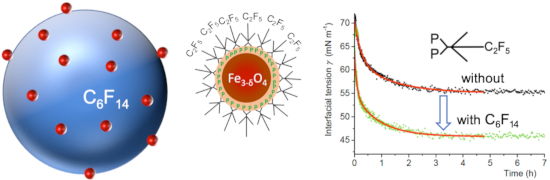
- conjunction with focused ultrasound, and under magnetic resonance imaging guidance, for achieving blood/brain and blood/tumor barrier crossing of drugs [11][12]. Medical MBs have a shell consisting of surfactants, phospholipids, or polymers and are usually stabilized by a fluorocarbon gas [13] that acts as an
- signal for energy deposition, as is required for sonothrombolysis or ablation surgery. MBs incorporating iron oxide nanoparticles (IONPs) are sought after as dual contrast agents for ultrasound and magnetic resonance imaging [18][19][20] and drug delivery [21][22]. The shells of the presently available
- have been investigated for hyperthermia and magnetic resonance imaging owing to their increased stability in aqueous media and biocompatibility [27][28]. An even stronger anchoring agent consisting of a dendron structure bearing a bisphosphonate polar head provided increased colloidal stability in


Gold-coated plant virus as computed tomography imaging contrast agent
Beilstein J. Nanotechnol. 2019, 10, 1983–1993, doi:10.3762/bjnano.10.195
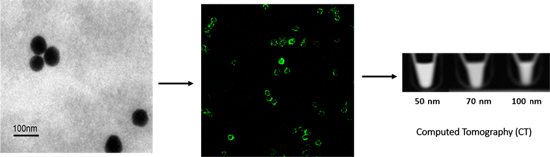
- toxicity, biocompatibility, immunogenicity, distribution and the payload being carried. Modified protein cages are robust systems that combine imaging capabilities and target selectivity on the same platform. One application is the development of magnetic resonance imaging (MRI) contrast agents. Current




Magnetic properties of biofunctionalized iron oxide nanoparticles as magnetic resonance imaging contrast agents
Beilstein J. Nanotechnol. 2019, 10, 1964–1972, doi:10.3762/bjnano.10.193
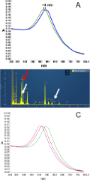
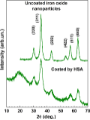
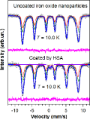
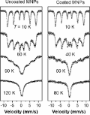
- Background: One of the future applications of magnetic nanoparticles is the development of new iron-oxide-based magnetic resonance imaging (MRI) negative contrast agents, which are intended to improve the results of diagnostics and complement existing Gd-based contrast media. Results: Iron oxide
- genomic and proteomic analysis [5], for drug delivery [6], as magnetic resonance imaging (MRI) contrast agents [7], and for magnetic hyperthermia [8]. This wide variety of applications is due to the unique combination of magnetic, optical and chemical properties that are characteristic of MNPs. However




Engineered superparamagnetic iron oxide nanoparticles (SPIONs) for dual-modality imaging of intracranial glioblastoma via EGFRvIII targeting
Beilstein J. Nanotechnol. 2019, 10, 1860–1872, doi:10.3762/bjnano.10.181
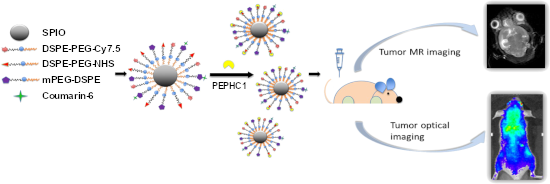
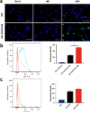
- digestion and suspended in 0.5 mL of PBS (0.01 M, pH 7.4) and analyzed with flow cytometry (BD, USA) at 488 nm. In vivo T2-weighted magnetic resonance imaging (MRI) of intracranial glioblastoma with PEG-SPIONs Intracranial glioblastoma models were established as previously described [40][41]. In brief, 5
- through the blood–tumor barrier. Second, bimodal imaging combining magnetic resonance imaging and optical imaging provides a more accurate means for accurate diagnosis of glioblastoma. Third, the nanoprobe has good targeting to overexpressed EGFRvIII in glioblastoma and thus establishes a foundation for
- bimodal imaging capability, this novel and versatile multimodal nanoprobe could bring a new perspective for elucidating intracranial glioblastoma preoperative diagnosis and the accuracy of tumor resection. Keywords: epidermal growth factor receptor variant III (EGFRvIII); glioblastoma; magnetic resonance




The effect of magneto-crystalline anisotropy on the properties of hard and soft magnetic ferrite nanoparticles
Beilstein J. Nanotechnol. 2019, 10, 1348–1359, doi:10.3762/bjnano.10.133
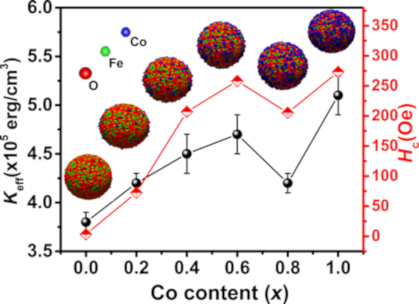
- magnetocrystalline anisotropy at room temperature [10]. The anisotropy constant of CoFe2O4 (K = 2 × 10⁵ J·m−3) is nearly one order of magnitude larger than that of Fe3O4 [11][12][13]. Fe3O4 NPs have been studied extensively for bio-medical applications, such as drug delivery [14], magnetic resonance imaging (MRI


On the relaxation time of interacting superparamagnetic nanoparticles and implications for magnetic fluid hyperthermia
Beilstein J. Nanotechnol. 2019, 10, 1280–1289, doi:10.3762/bjnano.10.127
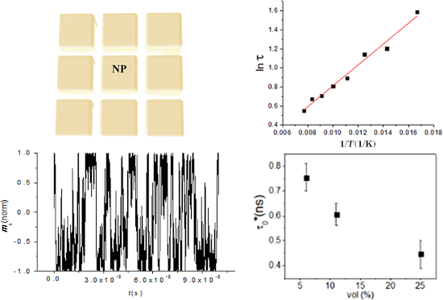
- implications in various fields of nanotechnology such as biomedicine, magnetic data storage and sensors [1][2][3][4][5][6]. Concerning the biomedical applications, the magnetic relaxation of nanoparticles is of key interest in magnetic resonance imaging (through the influence of the relaxation time of the



Size-selected Fe3O4–Au hybrid nanoparticles for improved magnetism-based theranostics
Beilstein J. Nanotechnol. 2018, 9, 2684–2699, doi:10.3762/bjnano.9.251
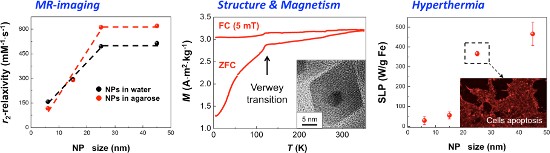
- and agarose phantom systems) showed the best characteristics for application as contrast agents in magnetic resonance imaging and for local heating using magnetic particle hyperthermia. Due to the octahedral shape and the large saturation magnetization of the magnetite particles, we obtained an
- hyperthermia; magnetic resonance imaging; nanomagnetism; theranostics; Introduction Biocompatible magnetite nanoparticles (NPs) are anticipated to provide new noninvasive therapies and early diagnostics for previously incurable diseases using a single, so-called “theranostics” platform [1][2][3]. The magnetic
- properties of Fe3O4 NPs give rise to novel therapeutic approaches such as magneto-mechanical cancer treatment [4] and magnetic particle hyperthermia (MPH) [5][6][7] as well as to improvements in diagnostic techniques like magnetic resonance imaging (MRI) [8][9][10] and magnetic particle imaging (MPI) [11][12


Cytotoxicity of doxorubicin-conjugated poly[N-(2-hydroxypropyl)methacrylamide]-modified γ-Fe2O3 nanoparticles towards human tumor cells
Beilstein J. Nanotechnol. 2018, 9, 2533–2545, doi:10.3762/bjnano.9.236
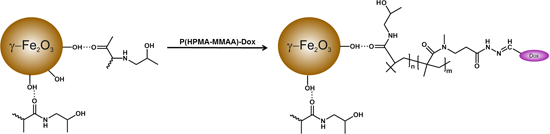
- therapeutic performance of the anticancer agents and reduced non-specific toxicity to normal cells. Moreover, the strong magnetic susceptibility of the nanoparticles enables magnetic targeting, and the accumulation of these particles can be monitored by magnetic resonance imaging (MRI). Magnetic targeting is


Droplet-based synthesis of homogeneous magnetic iron oxide nanoparticles
Beilstein J. Nanotechnol. 2018, 9, 2413–2420, doi:10.3762/bjnano.9.226
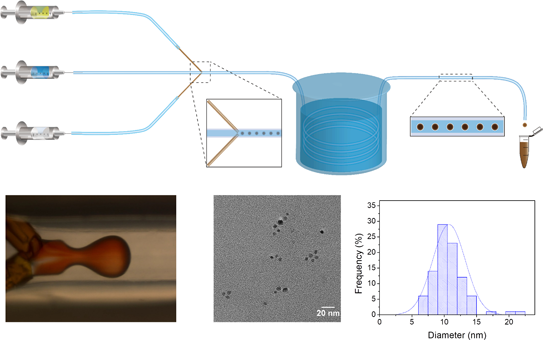
- healthcare significantly [5]. For example, a composite nanomaterial has been developed as a photosensitizer in photothermal therapy (PTT), while also acting as a contrast agent for magnetic resonance imaging (MRI) [6]. Magnetic materials are of particular interest here, as they can be used for targeting [7


Nanocomposites comprised of homogeneously dispersed magnetic iron-oxide nanoparticles and poly(methyl methacrylate)
Beilstein J. Nanotechnol. 2018, 9, 1613–1622, doi:10.3762/bjnano.9.153
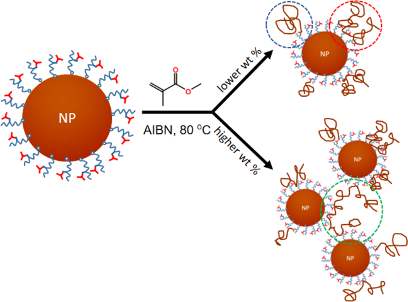
- coercivity in the absence of an external magnetic field [1][2]. Their colloidal suspensions are vital in a variety of technological [3] and biomedical applications [4], such as contrast agents in magnetic resonance imaging (MRI) [5][6], targeted drug delivery [6] and magnetic hyperthermia based on the