


Search results
Search for "material" in Full Text gives 1952 result(s) in Beilstein Journal of Nanotechnology. Showing first 200.
Laser–material interactions in liquids for the synthesis of nanomaterials: current status and perspectives
Beilstein J. Nanotechnol. 2026, 17, 571–575, doi:10.3762/bjnano.17.38

Synthesis of Cu–Mo/TiO2 and Co–Mo/TiO2 photocatalysts for the efficient degradation of organic pollutants in water
Beilstein J. Nanotechnol. 2026, 17, 559–570, doi:10.3762/bjnano.17.37
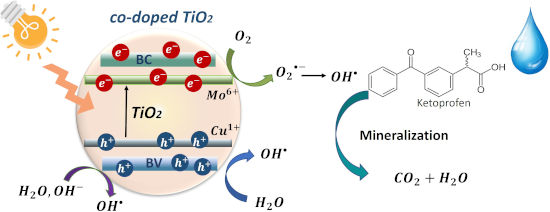
- lattice and the effects on photocatalytic performance have been reported in several studies [7][8][9][10]. Crucial factors for successfully co-doping a material are the selection of compatible co-dopants and the synthesis method to introduce the dopants [11]. The main objective of working with metal/metal
- can improve light absorption and photocatalytic activity of the material through the generation of oxygen vacancies, which act as electron traps [12]. The Mo6+ ion has a radius similar to that of Ti4+; thus, it is ideal for introduction into the TiO2 lattice without causing significant disturbances
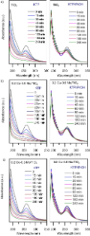
- , resulting in 53% and 47% for the anatase and rutile phases, respectively. Figure 1a also shows the diffraction pattern of the 0.5 Mo/TiO2 material, which revealed that the Mo in-situ incorporation into the TiO2 stabilizes the anatase phase. All co-doped TiO2 materials exhibit diffraction peaks corresponding



Advances in nanotechnology applied to natural products
Beilstein J. Nanotechnol. 2026, 17, 555–558, doi:10.3762/bjnano.17.36
- nanofibers, have been proposed for the simultaneous transport of hydrophilic and lipophilic bioactives, leveraging compartmentalization to combine material advantages and enable multifunctional controlled-release strategies [25]. Beyond organic nanocarriers, research has increasingly extended to inorganic
Electrochemical determination of ciprofloxacin using a MIL-101/reduced graphene oxide-modified electrode
Beilstein J. Nanotechnol. 2026, 17, 541–554, doi:10.3762/bjnano.17.35
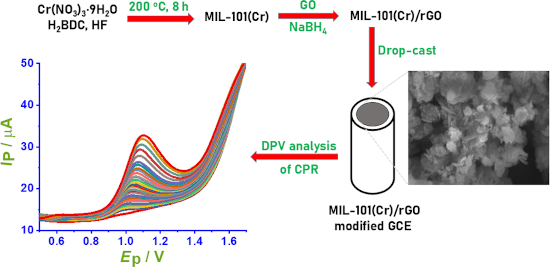
- electrochemical performance of the composite material. This combination can promote efficient analyte adsorption and fast charge transfer at the electrode interface. Consistent with this idea, Gu et al. reported that MIL-101/rGO composites exhibit enhanced electrocatalytic activity toward the reduction of
- morphology that offers a large surface area and a conductive substrate for material deposition. The pristine MIL-101 (Figure 4b) consists of irregular polyhedral particles that tend to aggregate, forming relatively compact clusters. In contrast, the MIL-101/rGO composite (Figure 4c) reveals that MIL-101
- composite material. Electrochemical determination of ciprofloxacin (CPR) at MIL-101/rGO/GCE Electrochemical behavior of CPR Figure 5a compares the cyclic voltammograms of CPR recorded at different electrodes in 0.1 M BR buffer (pH 4) (see Supporting Information File 1, Figure S2). A weak and poorly defined


Upcycling agroindustrial waste into graphene oxide supports for gold nanoparticles: toward sustainable nanomaterials
Beilstein J. Nanotechnol. 2026, 17, 489–504, doi:10.3762/bjnano.17.32
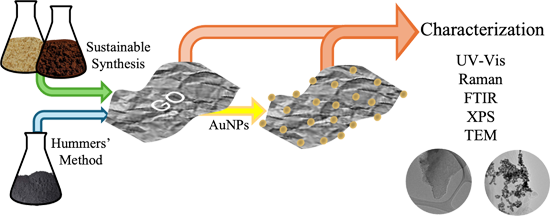
- heated in air to 300 °C at a heating rate of 10 °C·min−1, where it was held for 10 min. The resulting carbonaceous material was recovered and transferred into a 250 mL round-bottom flask containing 60 mL of 50% (v/v) nitric acid to remove residual ionic species introduced by ferrocene. The suspension was
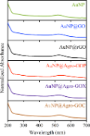
- ) using a photoreduction method adapted from Hernández-Sánchez and coworkers [30]. 1 mg of the corresponding GO material was dispersed in 80 mL of a 1 M methanol–water solution by ultrasonication. Once the dispersion was stabilized, 58.4 mg of citric acid were added as both reducing and stabilizing agent
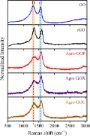
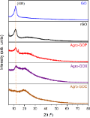
- material [39]. In the GO spectrum, the D and G bands are observed at 1320.4 and 1555.9 cm−1, respectively, with an ID/IG ratio of 1.07. This relatively high ratio indicates a high density of structural defects and a significant degree of oxidation. In contrast, the rGO sample shows a ratio of ID/IG = 1.10



Defects and defect-mediated engineering of two-dimensional materials: challenges and open questions
Beilstein J. Nanotechnol. 2026, 17, 454–488, doi:10.3762/bjnano.17.31
- between different growth methods, for example, chemical vapor transport vs molecular beam epitaxy in terms of pressures and growth temperatures. Generally, the thermodynamic conditions are ill-defined during growth, especially the chemical potentials of the material constituents are not well known, making
- formation of metastable defect complexes with sub-stoichiometric compositions, namely, the post-synthesis reaction of the 2D material with an element that is desired to be incorporated. This may be accomplished by modifying 2D sheets with vapor-deposited atoms, for example, the reaction of MoSe2 with excess
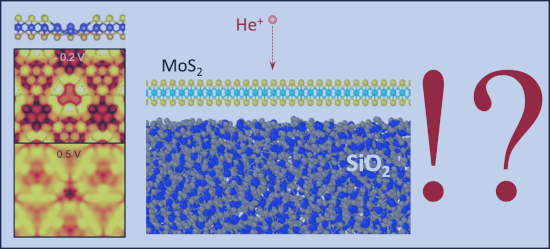
- evaporation of the material at the surface is ignored. The situation is different in 2D materials [74] as the concentration of intrinsic defects or impurities (e.g., oxygen in MoS2) can decrease at moderate-temperature annealing [75], but ablation of atoms at high temperatures cannot be ignored, and more





Nanocarrier-integrated multilayer films produced by 3D printing for improved skin adhesion and curcumin photostability
Beilstein J. Nanotechnol. 2026, 17, 440–453, doi:10.3762/bjnano.17.30
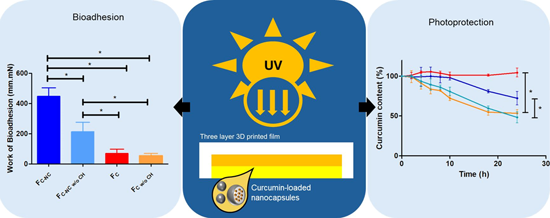
- formulations, drug combinations, and release profiles can be developed in the form of either immediate-release or extended-release options [1][2]. Several 3D printing techniques can be applied to pharmaceutical development, including material jetting, fused deposition modelling, stereolithography, selective
- laser sintering, binder jetting, semi-solid extrusion (SSE), and direct powder extrusion [3][4][5]. SSE is a method in which a semi-solid material is placed into a syringe and continuously extruded layer by layer onto a smooth surface until the entire object is created. The semi-solid material itself
- generated model and, using a syringe fitted with a nozzle with a diameter of 0.41 mm, deposited the material layer by layer at room temperature. The printing parameters were set to a rectilinear infill pattern with 100% infill density and an extrusion speed of 6 mm/s. After printing, the films were dried at


First-principles study on elastic properties of Cu, (Cu1−x,Nix)3Sn and interfacial mechanical properties of (Cu1−x,Nix)3Sn/Cu in the lead-free solder joint
Beilstein J. Nanotechnol. 2026, 17, 428–439, doi:10.3762/bjnano.17.29
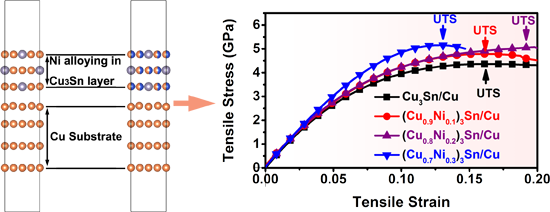
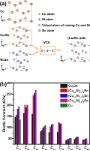
- Guomin Hua School of Material Science and Engineering, Jiangsu University, Zhenjiang 212013, Jiangsu, China 10.3762/bjnano.17.29 Abstract In this study, the elastic properties of Cu and (CuxNi1−x)3Sn were calculated to reveal the effects of Ni alloying on the interfacial mechanical properties of



Nanoinformatics: spanning scales, systems and solutions
Beilstein J. Nanotechnol. 2026, 17, 423–427, doi:10.3762/bjnano.17.28
- , preferred orientations, and relative abundance of the specified molecules on the specified material surfaces giving an insight into the mechanisms of bio–nano interaction [4]. Varsou et al. demonstrated a novel approach to evaluate the performance of different models for the same endpoint (zeta potential of

Biomimetic nanoparticles in cancer photodynamic therapy: a review of targeted delivery systems and therapeutic outcomes
Beilstein J. Nanotechnol. 2026, 17, 396–422, doi:10.3762/bjnano.17.27
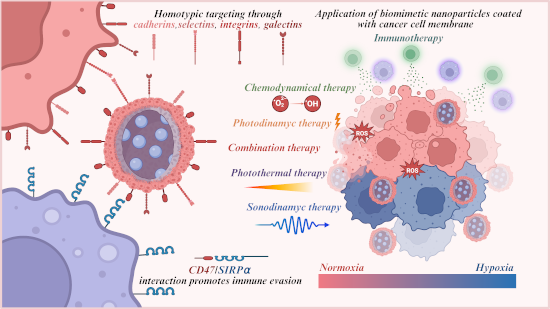
- coating thickness, core material, and release mechanisms. Addressing these challenges through standardized production protocols, improved characterization, and enhanced biocompatibility will be critical to advancing BNPs toward clinical application. Biomimetic nanocarriers, designed to replicate structure


Eco-efficient materials for agricultural crops based on a mineral rich in MOR- and HEU-type zeolites
Beilstein J. Nanotechnol. 2026, 17, 381–395, doi:10.3762/bjnano.17.26
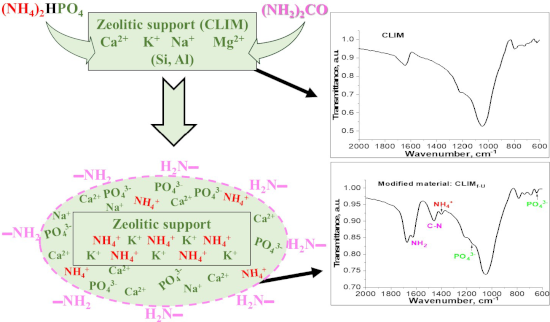
- carrying nutrients (N, P, and K) for agricultural crops. The mineral matrix provides important elements such as K and Si, while N and P were incorporated into the material by treatment with ammonium hydrogenphosphate and urea. The presence of superficially adsorbed PO43−, NH4+ exchanged in zeolites, and
- urea arranged on the surface so that it covers the material and interacts with the zeolitic frameworks, was evidenced by Fourier-transform IR spectroscopy, adsorption measurements, scanning electron microscopy, scanning transmission electron microscopy, and other methods, as well as through culture
- by XRD) and other qualities of these zeolites, highlighting their ion-exchange and adsorption properties for nutrient release and reversible water retention. This is essential for the use of this material as a slow-release fertilizer that efficiently provides nutrients for the agroecological




Polycatecholamine nanocoatings on stainless steel: the effect on attachment of human fibroblasts and platelets
Beilstein J. Nanotechnol. 2026, 17, 365–380, doi:10.3762/bjnano.17.25
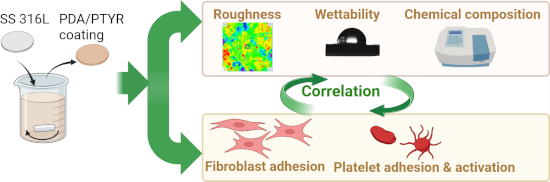
- : cell–material interactions; Fenton oxidation; hemocompatibility; nanocoatings; polycatechols; Introduction Stainless steel 316L (SS 316L) is an iron-based alloy containing chromium and molybdenum, which promote passivation and corrosion resistance [1]. Owing to its mechanical robustness
- stability. Consequently, a variety of surface modifications have been developed to improve cell–material interactions, including anodized nanopit arrays, hydroxyapatite–collagen layers on polydopamine-modified steel, nanoporous coatings influencing integrin/ERK signaling, and bilayers comprising graphene
- oxide and forsterite nanoparticles, all of which were shown to enhance fibroblast adhesion, migration, or proliferation [2][3][4][5]. Beyond orthopedic and dental uses, SS 316L is a standard material for cardiovascular implants, particularly stents, due to its strength, ductility and ability to form




Ferroelectric nanodot reservoir for neuromorphic computing
Beilstein J. Nanotechnol. 2026, 17, 352–364, doi:10.3762/bjnano.17.24
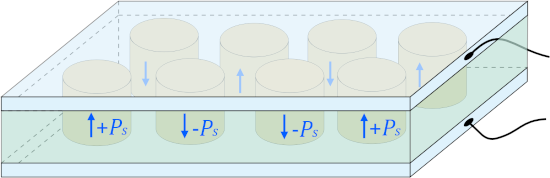
- , significant efforts have been devoted to realizing physical implementations of reservoirs using diverse material platforms, including photonics [12], spintronics [13], and different types of memristors [14][15]. Ferroelectric materials offer a unique combination of properties (i.e., nonlinearity
- been proposed and demonstrated as viable candidates for synaptic and reservoir elements [25][35]. In FeFET-based reservoirs, for example, the polarization-dependent hysteresis provides both the nonlinearity and memory required for temporal signal encoding [36]. Moreover, recent advances in material
- permittivity and εf is the dielectric constant of the ferroelectric material. An external charge ±Qe applied to the electrodes generates an additional electric field inside the nanodot, Ee = −Qe/ε0εfS. Therefore, the total electric field inside the nanodot is the sum of the depolarization field, Ed, and the


Interconnection morphology effects on the radio frequency response of carbon nanotube sponges
Beilstein J. Nanotechnol. 2026, 17, 343–351, doi:10.3762/bjnano.17.23
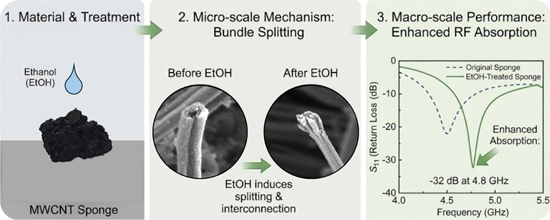
- , Italy 10.3762/bjnano.17.23 Abstract In this work, the high-frequency response of a multiwalled carbon nanotube (MWCNT) film grown on a silicon substrate is compared with that of MWCNT sponges (CNSs). Different from the CNT film, CNSs are a self-standing material that can operate in the absence of a
- supporting substrate, showing high flexibility, light weight, and mechanical robustness. We tested our synthesized CNSs as active material for the production of antennas working in the radio frequency (RF) range to determine whether CNT sponges present, in addition to practical advantages over CNT films
- increased from 0.5 to 5.0 μm, the gain changed from 14% up to 70% [19]. MWCNTs were also mixed with conductive polymers [20][21] or with metals [22], showing sizeable improvements in the response. More recently, a novel material based on a 3D self-standing CNT assembly, often denoted as carbon nanotube




Beam shaping techniques for pulsed laser ablation in liquids: Unlocking tunable control of nanoparticle synthesis in liquids
Beilstein J. Nanotechnol. 2026, 17, 309–342, doi:10.3762/bjnano.17.22
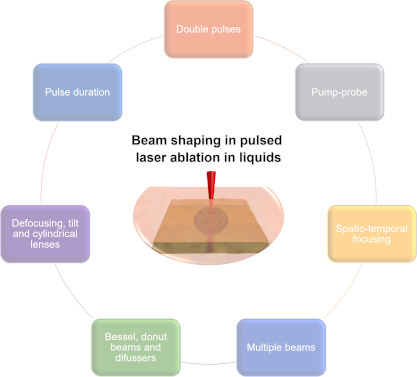
- unparalleled advantages in terms of nanoparticle purity and material versatility, enhancing the size control and productivity require modifications of the standard pulsed laser ablation in liquids technique, such as the incorporation of beam shaping techniques. Recent developments in spatial and temporal beam
- –material interaction and temporal modification to optimise pulse duration and energy delivery. The current advancements in beam shaping techniques, their impact on the nanoparticle characteristics, and their broader implications for scaling pulsed laser ablation in liquids to meet industrial demands are
- , heating, and evaporation of the material, leading to plasma formation. The plasma cools down in the surrounding liquid releasing nanoparticles (NPs) into the liquid; the cooling process also generates gas bubbles from the liquid environment. These gas bubbles nucleate, forming a cavitation bubble (CB







Fast vortex dynamics and relaxation times in NbRe-based heterostructures
Beilstein J. Nanotechnol. 2026, 17, 292–302, doi:10.3762/bjnano.17.20
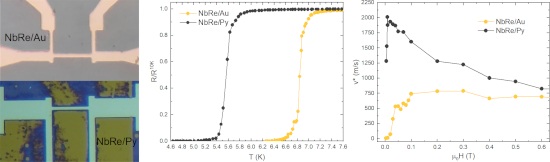
- strongly depend on the microscopic properties of the superconductor and on the degree of electronic disorder [1]. In this context, NbRe has emerged as a promising material that exhibits exceptionally fast vortex dynamics [19]. Extensive structural characterizations performed by X-ray diffraction have shown
- to their lower energy, they will relax faster. This implies smaller τE and higher critical velocity. Based on these considerations, it is expected that coupling the superconductor with a ferromagnetic material should lead to a further increase in critical velocity, as experimentally observed [31][32
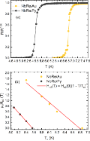
- , respectively. For sufficiently low values of the magnetic field, the experimental data follow the linear dependence (B) = Jc(B = 0)(1 − B/Bs) (see red lines). The magnetic field Bs determines the point at which vortices overcome the edge barrier and enter the material, and it is expressed by the equation Bs


Advancing nanolithography: a comprehensive review of materials for local anodic oxidation with AFM
Beilstein J. Nanotechnol. 2026, 17, 275–291, doi:10.3762/bjnano.17.19
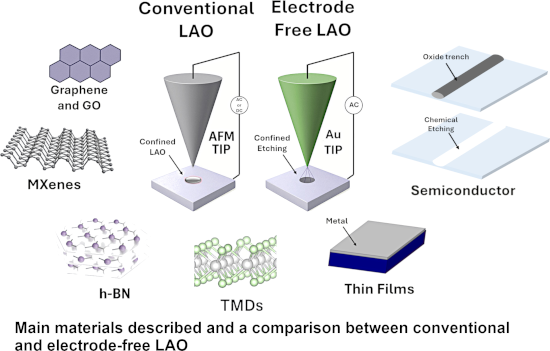
- provide a comprehensive understanding of material selection in LAO and its implications for advancing nanotechnology. Keywords: local anodic oxidation; nanofabrication; scanning probe lithography; Review 1 Introduction Advancements in nanotechnology have led to the development of numerous nanoscale
- maskless patterning under ambient conditions with sub-10 nm lateral resolution, enabling direct oxide formation or material removal with nanoscale precision, capabilities not readily achievable with conventional lithographic approaches. AFM-based LAO originated from earlier STM local oxidation studies [10
- the fabricated device and preserving the intrinsic material properties [35][36]. For semiconductors, the method allows for precise control over oxide thickness, critical for applications in microelectronics and sensor technology. Oxide thickness can be precisely controlled, enabling the formation of


Durable antimicrobial activity of fabrics functionalized with zeolite ion-exchanged nanomaterials against Staphylococcus aureus and Escherichia coli
Beilstein J. Nanotechnol. 2026, 17, 262–274, doi:10.3762/bjnano.17.18
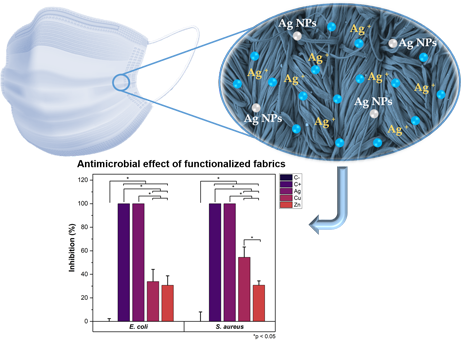
- different components, fiber material composites, nanoscale fibers, and immersion in NPs solutions with a binder. Nanoparticles such as Ag, Au, TiO2, ZnO, Se, SiO2, CuO, and Pt are widely used for textile functionalization [25]. Common methods for incorporating Ag and Cu NPs into cotton textiles involve
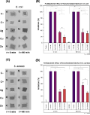
- increased inhibition of E. coli and S. aureus using washed Cu/CBV-600-bramante may be attributed to the removal of excess material, which could lead to an increase in surface area and active sites [45]. Most importantly, these results demonstrate that the fabrics retain their antimicrobial activity even




Multilayered hyperbolic Au/TiO2 nanostructures for enhancing the nonlinear response around the epsilon-near-zero point
Beilstein J. Nanotechnol. 2026, 17, 251–261, doi:10.3762/bjnano.17.17
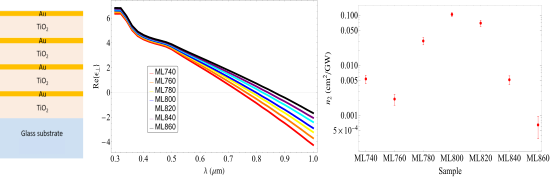
- of light. As a consequence, light does not differentiate between the constituting materials and only “sees” them as a single material. To study the interaction of light with these metamaterials, we use the effective media approximation to calculate the optical properties of these materials. These
- permittivity that is always positive, and a metal, which has a negative real part of the permittivity below the plasma frequency. The properties of the new material depend on the constituting materials and the geometry of the design. The property of this type of materials we are interested in for this work is
- refractive index because n2 ∝ 1/n02. Various structures exhibiting hyperbolic dispersion have been fabricated and analyzed. The first experimental realization of a layered hyperbolic material took the form of a hyperlens [6]. In 2012, a significant advancement was made by Subramania et al., who fabricated


Comparative study on 3D morphologies of delignified, single tracheids and fibers of five wood species
Beilstein J. Nanotechnol. 2026, 17, 239–250, doi:10.3762/bjnano.17.16
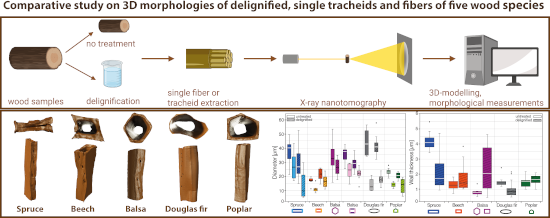
- wood to withstand high stress. This structural resilience makes wood a versatile material for applications ranging from construction to advanced composites. However, a detailed understanding of how delignification affects softwood tracheid and hardwood fiber morphology is crucial for predicting
- material behavior and developing modified wood products. This study investigated the overall structural changes due to delignification, in five wood species, namely, spruce, beech, balsa, Douglas fir, and poplar. It additionally provides detailed morphology of delignified single tracheids and fibers
- moves between adjacent fibers and tracheids. Pits are distinguished between simple pits and bordered pits, which are surrounded by a thickened rim of wall material [6][7]. Several plants, such as conifers, have a torus–margo structure with a thin, porous mesh-like region (margo) and a thickened central


Gold nanoparticle-decorated reduced graphene oxide as a highly effective catalyst for the selective α,β-dehydrogenation of N-alkyl-4-piperidones
Beilstein J. Nanotechnol. 2026, 17, 218–238, doi:10.3762/bjnano.17.15
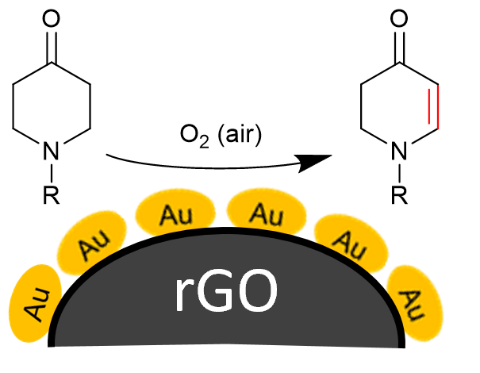
- its reaction product N-methyl-2,3-dihydropyridin-4(1H)-one is highly valuable (>1000 €·g−1) in contrast to the inexpensive starting material (0.15 €·g−1). Various synthesis methods were employed to prepare AuNPs supported on different carbon materials, including reduced graphene oxide (rGO), activated
- biological activities, including anti-cancer and anti-bacterial effects [22]. The pharmaceutical relevance of this compound is further underscored by its high market value (>1000 €·g−1), in stark contrast to the low cost of the starting material. The novelty of this work lies primarily in the use of reduced
- then deposited onto the carbon material. The synthesis of the Au@SiW9/carbon composites was done by the DP method as shown in Figure 1c. The POM salt (SiW9), the gold precursor (KAuCl4), and the carbon material were combined in a solution–dispersion, and the reduction was induced with NaBH4. Synthesis


Micro- and nanoscale effects in biological and bioinspired materials and surfaces
Beilstein J. Nanotechnol. 2026, 17, 214–217, doi:10.3762/bjnano.17.14
- Chimica, Biologia e Biotecnologie, University of Perugia, Via Elce di Sotto 8, 06121 Perugia, Italy 10.3762/bjnano.17.14 Keywords: adhesion; bioengineering; functional morphology; material properties; medical coatings; microstructures; nanostructures; optics; structure–function relationships; Micro- and
- hierarchical structures aids in understanding the principles of biological design and inspires advances in biomimetics, mechanical engineering, and materials science. Biomimetics seeks to obtain knowledge on how these structural and material property adaptations affect surface performance and to draw
- coloration [13]. Piersanti et al. [12] described the functional morphology and material composition of the cleaning devices of a damselfly species and experimentally investigated their performance. This species bears specialized grooming structures on the tibiae of its forelegs with dedicated micro- and
Time of flight secondary ion mass spectrometry imaging of contaminant species in chemical vapour deposited graphene on copper
Beilstein J. Nanotechnol. 2026, 17, 200–213, doi:10.3762/bjnano.17.13
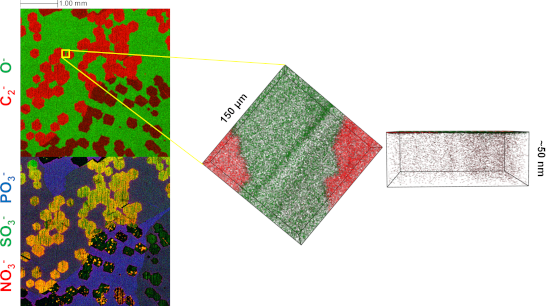
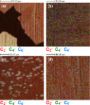
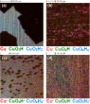
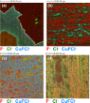
- substrate, depending on processing conditions employed and the chemical species present on the surface. This has implications for the gas permeation barrier properties of this material, graphene transfer mechanisms, as well as the effectiveness of using the oxidation of the copper foil as a rapid graphene
- of the material and lead to a step change in terms of high speed [11][12][13], transparent [14] and flexible electronic devices [15], membranes [16][17], and sensors [18][19]. A large amount of work has been dedicated to the optimisation of the growth process to aid in the formation of large area
- diffusion of material present in the copper foil before growth [36][37], which could lead to variations in the properties of graphene once transferred from the Cu foil to an alternative substrate. We also explore the gas permeation properties of the CVD graphene on Cu [38] by examining the oxygen detected





Structure-dependent thermochromism of PAZO thin films: theory and experiment
Beilstein J. Nanotechnol. 2026, 17, 186–199, doi:10.3762/bjnano.17.12
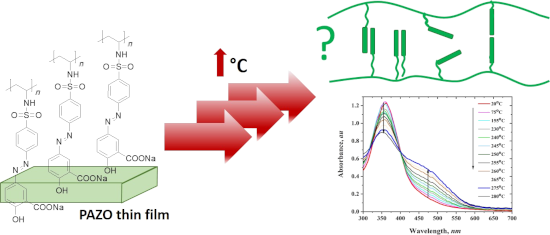
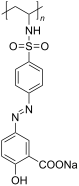
- thin layers subjected to thermal treatment at temperatures up to 300 °C. Particular attention is given to the changes in absorption features and spectral shifts that may arise from structural rearrangements within the material. To rationalize the experimental findings, density functional theory (DFT
- direction, resulting in birefringence. The ability of chromophores to isomerize and reorient is strongly influenced by the free volume (unoccupied space) available within a material. The free volume (critical volume) (i.e., the space available for molecular motion within a material) is influenced by both
- thermal treatment. This ensured that the recorded spectra reflect the state of the material right after the treatment. Spectral measurements A Varian Cary 5E UV–vis–NIR spectrometer was employed to analyze absorption spectra of samples (thickness 200–300 nm) in the 250–800 nm spectral range before and


Safe and sustainable by design with ML/AI: A transformative approach to advancing nanotechnology
Beilstein J. Nanotechnol. 2026, 17, 176–185, doi:10.3762/bjnano.17.11
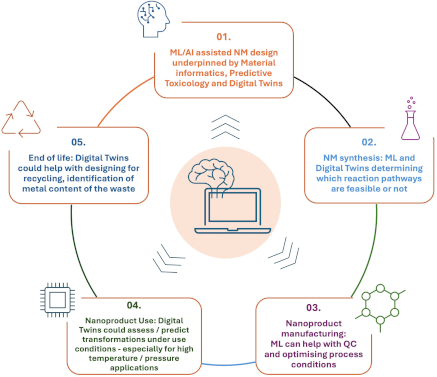
- considerations into the earliest stages of material development. Advances in machine learning (ML) and artificial intelligence (AI) have further enhanced the effectiveness of SSbD by providing predictive modelling, risk assessment, decision-making tools, and the ability to computationally screen candidate
- development – one that secures both innovation and safety. Perspective Safe and sustainable by design Safe and sustainable by design can be defined as “a pre-market approach to chemicals and materials design that focuses on providing a function (or service), while avoiding volumes and chemical and material
- climate change, resource use, and protecting ecosystems and biodiversity, adopting a lifecycle perspective” (adapted from [12]). Emphasis on early-stage risk assessment contrasts with more reactive approaches [29], which often identify and attempt to address safety issues only after a material or product





