


Search results
Search for "matrix" in Full Text gives 846 result(s) in Beilstein Journal of Nanotechnology. Showing first 200.
Internal 3D temperature mapping in biological systems using ratiometric light-sheet imaging and lipid-coated upconversion nanothermometers
Beilstein J. Nanotechnol. 2025, 16, 2306–2316, doi:10.3762/bjnano.16.159
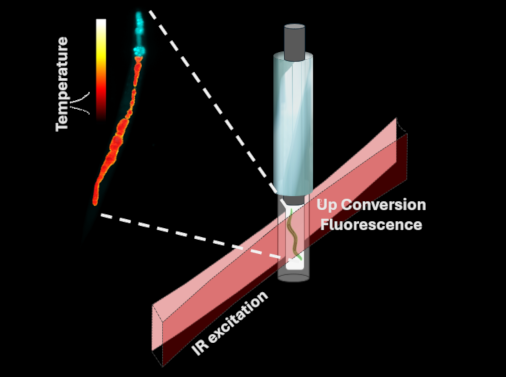
- photonic UC of multiple NIR photons into visible luminescence [38]. As an example, in the NaYF4:Er3+/Yb3+ composite (such as that used in this work), the NaYF4 crystal matrix is co-doped with Yb3+ acting as the sensitizer to enhance the NIR absorption cross section, whereas the Er3+ ion acts as the emitter
- outer tissues. Aldehyde fixatives act at the organism’s surface without significantly altering the internal optical environment where the UC nanoparticles are located. Because upconversion luminescence arises from lanthanide ions shielded within the nanoparticle matrix, its emission is largely


Visualizing nanostructures in supramolecular hydrogels: a correlative study using confocal and cryogenic scanning electron microscopy
Beilstein J. Nanotechnol. 2025, 16, 2274–2284, doi:10.3762/bjnano.16.156
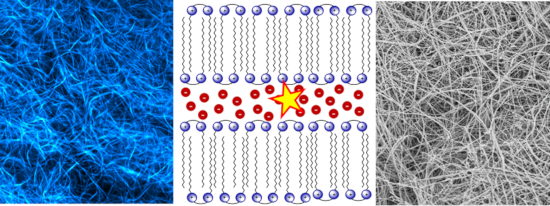
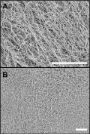
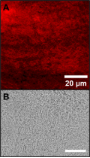
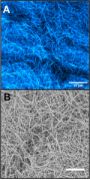
- may be structurally perturbed. In contrast, DPP-BC enables high-resolution imaging across both techniques with minimal structural disruption. This divergence underscores the importance of selecting fluorophores not merely for brightness, but also for compatibility with the gel matrix and the imaging



Geometry-controlled engineering of the low-temperature proximity effect in normal metal–superconductor junctions
Beilstein J. Nanotechnol. 2025, 16, 2265–2273, doi:10.3762/bjnano.16.155
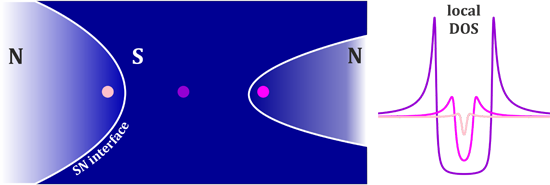
- solving the Bogoliubov–de Gennes matrix equations [5][47][48][49]: where u and v are eigenvectors, and E the corresponding eigenvalues, μ represents the chemical potential of the system, which is adjusted to have the electron density below half-filling, , where N is the number of lattice sites, to avoid


Optical bio/chemical sensors for vitamin B12 analysis in food and pharmaceuticals: state of the art, challenges, and future outlooks
Beilstein J. Nanotechnol. 2025, 16, 2207–2244, doi:10.3762/bjnano.16.153


Microplastic pollution in Himalayan lakes: assessment, risks, and sustainable remediation strategies
Beilstein J. Nanotechnol. 2025, 16, 2144–2167, doi:10.3762/bjnano.16.148
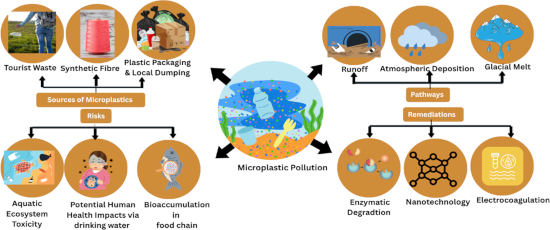
- support matrix for these composites, stabilizing the photocatalyst and enhancing its interaction with MPs [78]. Another novel strategy is the use of multifunctional nanomaterials, such as ZnO–CuO composites, which have both antibacterial and strong photocatalytic activity. These substances provide long


Electron transport through nanoscale multilayer graphene and hexagonal boron nitride junctions
Beilstein J. Nanotechnol. 2025, 16, 2132–2143, doi:10.3762/bjnano.16.147
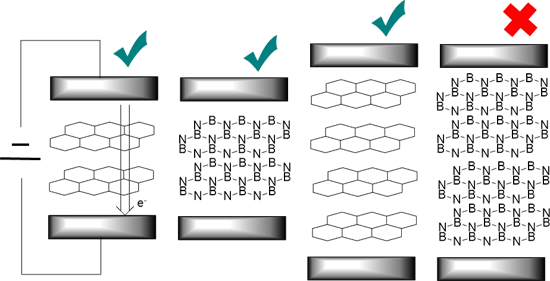
- advanced and the retarded Green’s function, respectively. ΓL and ΓR are the broadening functions of the electrodes. The Green’s function of the electrode–conductor–electrode system is given by Equation 4. HC is the Hamiltonian matrix of the conductor, with HL and HR representing the Hamiltonian matrices of


Quality by design optimization of microemulsions for topical delivery of Passiflora setacea seed oil
Beilstein J. Nanotechnol. 2025, 16, 2116–2131, doi:10.3762/bjnano.16.146
- , and linoleic acids) are physiologically relevant to skin health. Oleic, palmitic, and stearic acids are the major components of the epidermal and dermal lipid matrix [15]. The balance among these fatty acids is associated with skin homeostasis, influencing the activity of enzymes that regulate
- the oil matrix. A second thermal event began (Tonset = 384 °C) corresponding to the thermal degradation of the oil (Figure 1). This thermal behavior is consistent with that reported for P. edulis seed oil, which exhibited a similar decomposition profile [20]. Quality by design approach Defining the
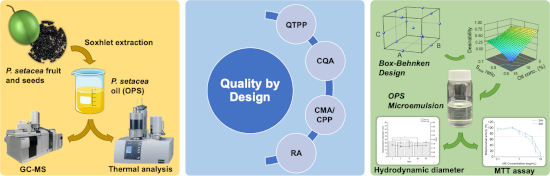
- ]. To further assess potential formulation and process risks, an Ishikawa (fishbone) diagram was constructed to visualize and categorize possible sources of variability affecting the identified CQAs (Figure 2) [22]. Following this qualitative analysis, a risk estimation matrix (REM) was employed to


Molecular and mechanical insights into gecko seta adhesion: multiscale simulations combining molecular dynamics and the finite element method
Beilstein J. Nanotechnol. 2025, 16, 2055–2076, doi:10.3762/bjnano.16.141
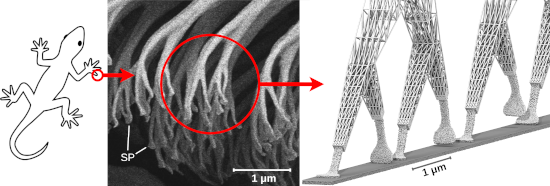
- structure similar to a fiber-reinforced elastomer, with a fibrillar nature that leads to anisotropic mechanical properties [40][41][42]. Rather than explicitly resolving individual fibers and the surrounding amorphous matrix, we represented the spatula with a coarse-grained bead network whose anisotropic
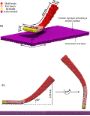
- these nodes becomes Here, KFE is a diagonal matrix representing spring contributions assembled over ΩBD. The remaining nodes of the finite element mesh adjusted their positions in response to the displacement of the top and the forces transmitted from the molecular dynamics domain at the bottom by







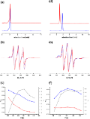
Stereodiscrimination of guests in chiral organosilica aerogels studied by ESR spectroscopy
Beilstein J. Nanotechnol. 2025, 16, 2034–2054, doi:10.3762/bjnano.16.140
- established technique, an obvious advantage is that countless compounds contain NMR-active nuclei, and the interested reader is referred to one of the excellent review articles by Kärger and coworkers [21][22][23]. However, the solvents and the matrix of the porous host can also be NMR-active, which makes
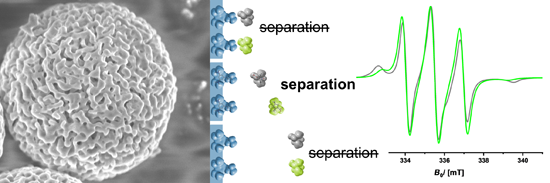
- SerNH10SIL where values higher than αs = 2 are reached. Investigations on an independent chiral matrix Chiralpak IG-3 is a commercially available type of chiral stationary phase used in HPLC for the separation of enantiomers [66]. Chiralpak IG-3 consists of a chiral selector that is based on cellulose




Beyond the shell: exploring polymer–lipid interfaces in core–shell nanofibers to carry hyaluronic acid and β-caryophyllene
Beilstein J. Nanotechnol. 2025, 16, 2015–2033, doi:10.3762/bjnano.16.139
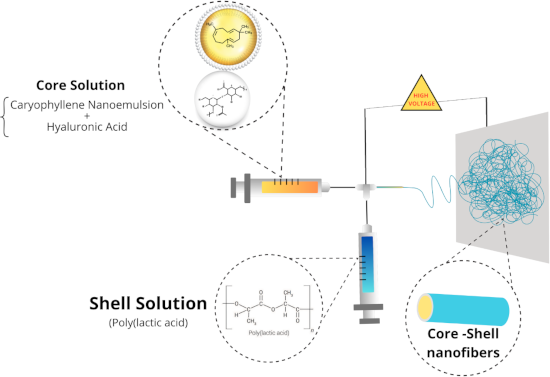
- applications and naturally occurring in vertebrates [26][27]. It is a key element of the extracellular matrix, providing a gelatinous structure where collagen and elastin fibers are embedded. As an endogenous molecule, it demonstrates ideal biocompatibility and full absorption by human tissues. Its natural
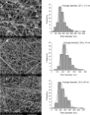
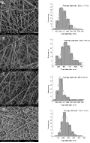
- of the encapsulated drug also impacts its release profile. Uncontrolled crystallization of the drug can affect its distribution, leading to the formation of crystals on the fiber surface. In contrast, an amorphous form tends to be more uniformly incorporated into the fiber matrix. Such nonuniform




The cement of the tube-dwelling polychaete Sabellaria alveolata: a complex composite adhesive material
Beilstein J. Nanotechnol. 2025, 16, 1998–2014, doi:10.3762/bjnano.16.138
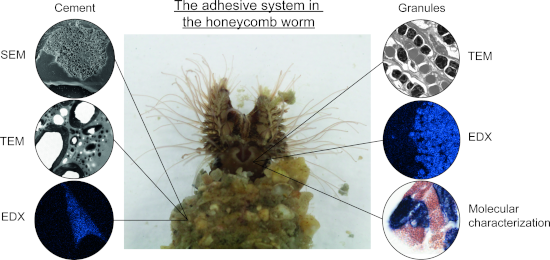
- and that of the cement suggests that the inclusions of the heterogeneous granules would inflate through a still unexplained process to form hollow spheroids dispersed in the cement matrix, leading to the formation of a complex composite material. Keywords: adhesive protein; Annelida; biological
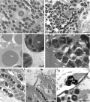
- TEM (Figure 2F,G). The cement matrix is homogeneous and of medium electron density. It encloses hollow spheroids of various sizes, as well as small electron-dense granules and small lacunae (Figure 2F). The exception is the periphery of the cement spot, which is made up entirely of the matrix, giving
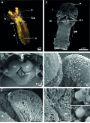
- . The sizes of the electron-dense granules and lacunae are 50–700 nm and 50–1400 nm in diameter, respectively. They are homogeneously distributed in the matrix between the hollow spheroids (Figure 2F,G). Morphology and ultrastructure of the adhesive glands The body of S. alveolata measures approximately



Evaluating metal-organic precursors for focused ion beam-induced deposition through solid-layer decomposition analysis
Beilstein J. Nanotechnol. 2025, 16, 1942–1951, doi:10.3762/bjnano.16.135
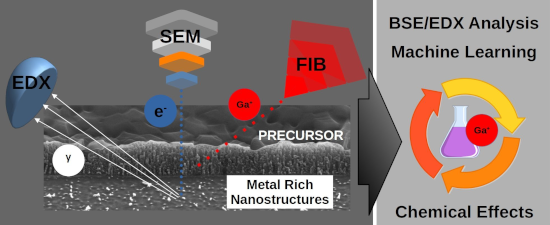
- (SEM EDX) together with machine learning-based hyperspectral data processing, which uses non-negative matrix factorization (NMF) to separate the EDX signals of structures from the ones of the substrate. As already shown, this type of analysis greatly enhances the applicability of SEM EDX for the


Quantum circuits with SINIS structures
Beilstein J. Nanotechnol. 2025, 16, 1931–1941, doi:10.3762/bjnano.16.134
- load (for example, for ground and balloon observations), such detectors are combined into matrices; the power of incoming radiation is distributed between the matrix elements and, accordingly, the dynamic range of the detecting device can be significantly increased. Deployment at “Big Telescope Alt
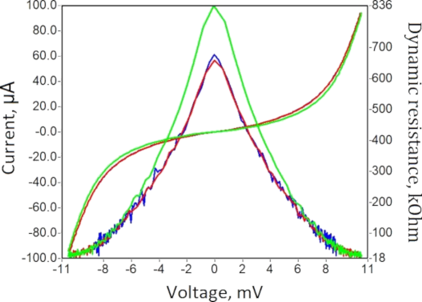
- (IMPATT diode) of the detecting matrix in the 75–110 GHz range were carried out. Photos from the expedition are presented in Figure 8. The ratio of resistances on the presented current–voltage characteristic is about 30, which, according to Equation 3, corresponds to an electron temperature of 0.5 K with
- characteristics of the SINIS detector matrix installed inside the cryostat with a closed optical window and under irradiation by the source; The lower part demonstrates a PT2 temperature of 2.6 K and a 3He pot temperature of 263 mK. Transmission spectrum of the cold mesh filter. (a) I–V curves and dynamic


Programmable soliton dynamics in all-Josephson-junction logic cells and networks
Beilstein J. Nanotechnol. 2025, 16, 1883–1893, doi:10.3762/bjnano.16.131

- achieve a diode effect, enabling non-reciprocal soliton propagation. Building upon these foundational concepts, we then propose two specific architectural solutions: a programmable switch and a versatile routing matrix, which we term the “WayMatrix”. We suggest that these architectures provide a framework
- , which can be represented in matrix form: The resulting system of N ordinary differential equations is expressed in the matrix form shown in Equation 7. In this equation, is the vector of nodal phases, N is the total number of non-ground nodes, and is the N × N mass matrix (also known as the
- capacitance matrix), which is defined by the capacitive coupling coefficients from Equation 6. A key property of is its sparsity, which arises directly from the local connectivity of the circuit topology; each node is connected to a small subset of other nodes. To increase computational efficiency, we


Self-assembly and adhesive properties of Pollicipes pollicipes barnacle cement protein cp19k: influence of pH and ionic strength
Beilstein J. Nanotechnol. 2025, 16, 1863–1872, doi:10.3762/bjnano.16.129
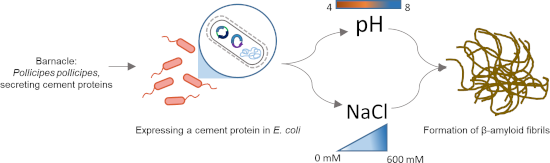
- , apparently requiring days to several weeks, this likely prevents premature cement curing within the gland – this is the post-secretion process of enzymatic and oxidative crosslinking of adhesive proteins to transform them into a hardened, insoluble matrix that enables permanent underwater adhesion of the


Electrical, photocatalytic, and sensory properties of graphene oxide and polyimide implanted with low- and medium-energy silver ions
Beilstein J. Nanotechnol. 2025, 16, 1794–1811, doi:10.3762/bjnano.16.123
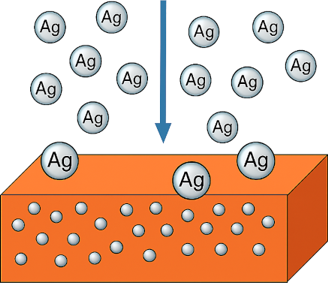
- different electronic stopping behavior, which results in a distinct ionization of the surrounding matrix. Furthermore, the chemical reactivity of Ag towards functional groups in polymers differs from that of Cu or C, potentially leading to unique structural modifications and functional responses. Among
- surface electrical resistivity [8]. During implantation, the kinetic energy of the implanted particles is transferred to the matrix, causing local crystallization and carbonization of the polymer structures. This process is associated with the destruction of the original covalent bonds (e.g., C–N, C=O
- carbonized matrix, conjugated bonds, and silver cluster structures exhibits dramatically higher conductivity than the unmodified material, which can be exploited, for example, for the fabrication of flexible optoelectronics, thin-film electrodes, or electroactive sensors [12]. In addition to the increase in


Exploring the potential of polymers: advancements in oral nanocarrier technology
Beilstein J. Nanotechnol. 2025, 16, 1751–1793, doi:10.3762/bjnano.16.122
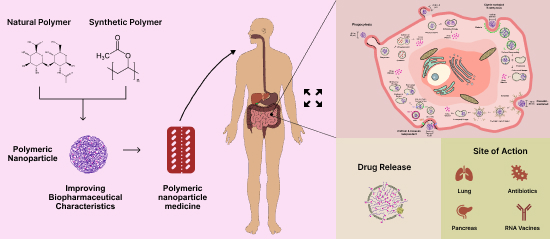
- (Figure 2C), surrounded by a polymeric shell that regulates its release profile; alternatively, the drug may be adsorbed onto the polymeric wall (Figure 2D). In contrast, nanospheres are formed when the drug is either adsorbed onto the surface of the polymeric matrix (Figure 2B) or retained inside it
- encapsulating either hydrophilic or hydrophobic drugs, depending on the physicochemical compatibility between the drug and the polymeric matrix. The distribution of the drug within the matrix is influenced by drug–polymer interactions, as well as by the type of polymer and the manufacturing method employed
- . Release from nanospheres is generally governed by a combination of polymer degradation and drug diffusion through the matrix. Additionally, when hydrophilic polymers are employed, swelling-induced release becomes relevant, wherein polymer chain relaxation significantly influences the diffusion rate and


Multifunctional anionic nanoemulsion with linseed oil and lecithin: a preliminary approach for dry eye disease
Beilstein J. Nanotechnol. 2025, 16, 1711–1733, doi:10.3762/bjnano.16.120
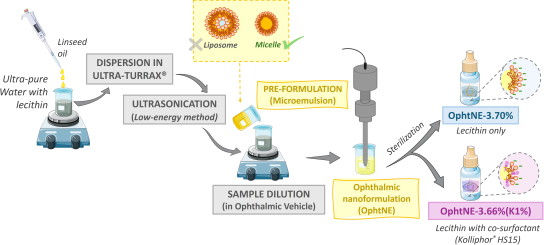
- ), making it a promising ingredient for NE formulations [31][32][33]. Clinical studies have demonstrated that fatty acids derived from linseed oil are effective in alleviating DED, primarily by modulating inflammatory responses and downregulating key molecular markers, such as interleukin-1 beta, matrix



Beyond the bilayer: multilayered hygroscopic actuation in pine cone scales
Beilstein J. Nanotechnol. 2025, 16, 1695–1710, doi:10.3762/bjnano.16.119
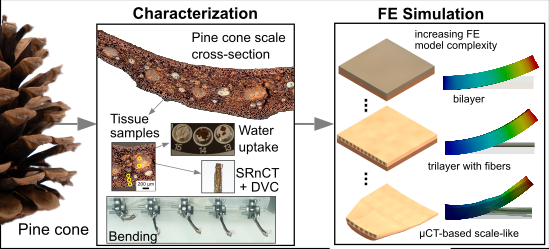
- the bending of bilayer geometries due to an overestimated contribution of sclerenchyma fiber stiffness. Geometries with discrete fibers embedded in a brown tissue matrix more accurately reproduced the bending angles observed in experiments. This highlights the importance of the chosen material
- embedded in a brown tissue matrix. Therefore, the use of more complex geometries, such as a remodeled scale, is recommended for a more accurate study of the biological system in silico. Tissue sample extraction from a Pinus jeffreyi cone scale. (A) The position of the cross section along the longitudinal


Energy spectrum and quantum phase transition of the coupled single spin and an infinitely coordinated Ising chain
Beilstein J. Nanotechnol. 2025, 16, 1668–1676, doi:10.3762/bjnano.16.117
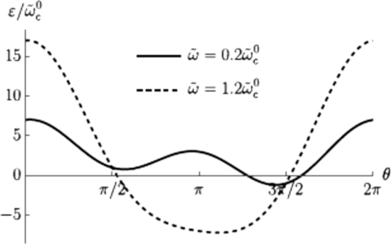
- the single-spin density matrix. One might choose to make or not to make the Markov approximation, obtaining different types of master equations. Given that the exact solution is known, different master equation solutions can be compared against it. This allows to study the limits of applicability of
- Hamiltonian now can be written as a 2 × 2 block matrix in the single-spin Hilbert space: Here are the Hamiltonians HLMG corresponding to eigenvalues ±1 of τz. These types of Hamiltonians are the Hamiltonians of the generalized Rabi models. These describe a two-level system connected not to a single bosonic
- mode, but to a more complicated environment [16][17][18]. Diagonalization in the Spin Space The Hamiltonian in the spin space can be diagonalized using the formula for the determinant of a 2 × 2 block matrix. This is also known as the Fulton–Gouterman transformation [19]. This leads to two effective

![[Graphic 39]](/bjnano/content/inline/2190-4286-16-117-i63.svg?max-width=637&scale=1.18182)


![[Graphic 51]](/bjnano/content/inline/2190-4286-16-117-i75.svg?max-width=637&scale=1.18182)
Prospects of nanotechnology and natural products for cancer and immunotherapy
Beilstein J. Nanotechnol. 2025, 16, 1644–1667, doi:10.3762/bjnano.16.116

- biological environments, potential immunogenicity, scalability of manufacturing processes, and the need for comprehensive long-term toxicity studies [20][21]. Overcoming biological barriers, such as penetration through the dense tumor extracellular matrix, also remains a major hurdle [19]. Nevertheless
- -EGCG, as well as manganin, FeCl3, and the PD-L1 antibody. Hyaluronic acid is a non-sulfated glycosaminoglycan component of the extracellular matrix and has diverse biomedical applications [115]. It can be obtained through the fermentation of bacteria and yeasts, as well as animal sources, using


Venom-loaded cationic-functionalized poly(lactic acid) nanoparticles for serum production against Tityus serrulatus scorpion
Beilstein J. Nanotechnol. 2025, 16, 1633–1643, doi:10.3762/bjnano.16.115
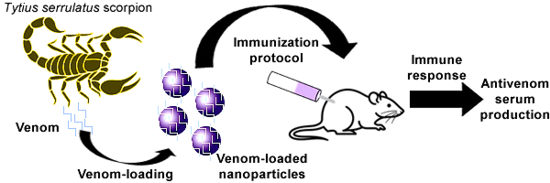
- % and 1.0% (w/w) with T. serrulatus venom was possible to evidence that all proteins of the venom were incorporated within the polymeric matrix, since the protein bands were not evidenced in the gel. The PLA nanoparticles and bovine serum albumin (BSA) were used as controls (Figure 1). This assay


Nanotechnology-based approaches for the removal of microplastics from wastewater: a comprehensive review
Beilstein J. Nanotechnol. 2025, 16, 1607–1632, doi:10.3762/bjnano.16.114
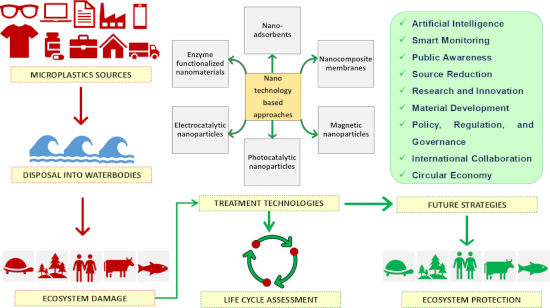
- membrane by integrating sustainably synthesized MIL-100 (Fe) MOF nanoparticles into a polysulfone (PSF) matrix. This PSF/MIL-100 (Fe) membrane exhibited substantial improvements over the unmodified PSF membrane (M0), particularly in terms of membrane structure, surface hydrophilicity (with the water


Bioinspired polypropylene-based functionally graded materials and metamaterials modeling the mistletoe–host interface
Beilstein J. Nanotechnol. 2025, 16, 1592–1606, doi:10.3762/bjnano.16.113
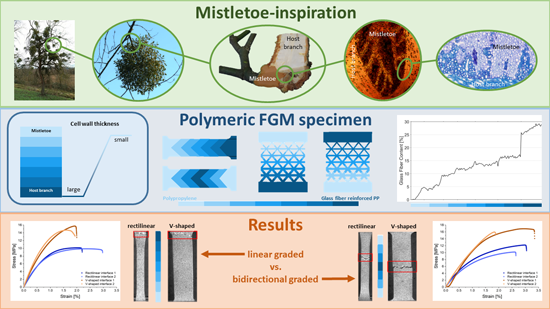
- -reinforced polypropylene and exhibits a continuously graded mistletoe-inspired V-shaped interface. Microtomographic analyses quantified the gradual transition of the glass fiber content along one specimen from 0 to 30%, further revealing the random fiber orientation in the polymer matrix. Tensile tests
- toolbox of the Matlab software (version R2023a, MathWorks Inc., Natick, MA, United States). First, all intensity values of the images were normalized. Only the area of the polypropylene matrix was considered, and the pixel area of the resulting binary image (At) was calculated. A second binary
- 4A shows representative cross-sectional μCT images for each scan. The relatively small difference in brightness between the PP matrix (dark grey) and the surrounding air (black) compared to the very bright appearing glass fibers can be explained by the large difference in density between the polymer


Transient electronics for sustainability: Emerging technologies and future directions
Beilstein J. Nanotechnol. 2025, 16, 1545–1556, doi:10.3762/bjnano.16.109

- the water diffusion pathway [92][93]. For instance, blending high-aspect-ratio inorganic flakes (e.g., SiO2) with a biodegradable poly(caprolactone) matrix has been shown to create tortuous diffusion paths that hinder direct water penetration, thereby improving moisture resistance and achieving a





