Search results
Search for "medicine" in Full Text gives 308 result(s) in Beilstein Journal of Nanotechnology. Showing first 200.
Nanomaterials for biomedical applications
Beilstein J. Nanotechnol. 2025, 16, 1499–1503, doi:10.3762/bjnano.16.105

- , Pakistan Department of Biosystems and Soft Matter, Institute of Fundamental Technological Research, Polish Academy of Sciences, Warsaw, Poland Chemical and Biological Engineering, Koç University, Sariyer 34450, Istanbul, Turkey Research Center for Translational Medicine, Koç University, Sariyer 34450
- , Istanbul, Turkey 10.3762/bjnano.16.105 Keywords: biomedical applications; drug delivery; nanocarriers; nanomaterials; nanomedicine; nanoparticles; polymeric nanoparticles; tissue regeneration; Medicine has rapidly advanced over the last few decades, and nanotechnology has played a significant role in
- . Nanomaterials have gained popularity in medicine because they can be altered according to the need [1]. Researchers can tailor the shape, surface chemistry, and other specific properties of materials to deliver desirable traits. In particular, some nanoparticles can be used to deliver drugs to a tumor, reducing
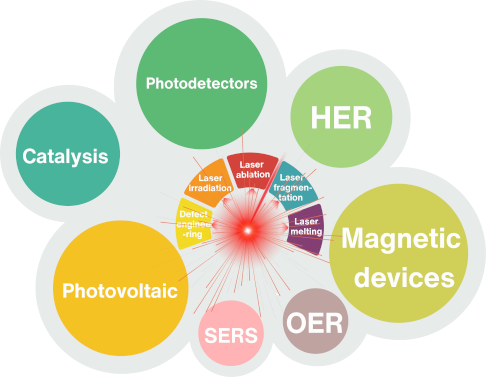
Laser processing in liquids: insights into nanocolloid generation and thin film integration for energy, photonic, and sensing applications
Beilstein J. Nanotechnol. 2025, 16, 1428–1498, doi:10.3762/bjnano.16.104


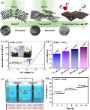




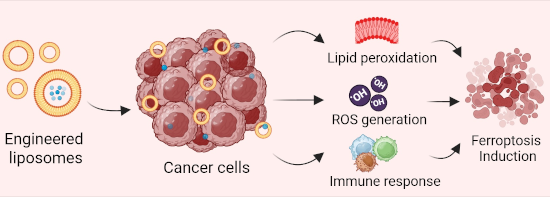
Ferroptosis induction by engineered liposomes for enhanced tumor therapy
Beilstein J. Nanotechnol. 2025, 16, 1325–1349, doi:10.3762/bjnano.16.97
- Sciences, Mashhad, Iran Department of Medical Biotechnology and Nanotechnology, Faculty of Medicine, Mashhad University of Medical Sciences, Mashhad, Iran Department of Pharmaceutics and Nanotechnology, School of Pharmacy, Birjand University of Medical Sciences, Birjand, Iran Department of Biomaterials and
- Biomedical Technology, The Personalized Medicine Research Institute (PRECISION), University Medical Center Groningen, University of Groningen, 9713 AV Groningen, The Netherlands Department of Immunology, Faculty of Medicine, Mashhad University of Medical Sciences, Mashhad, Iran 10.3762/bjnano.16.97 Abstract
- delivery, owing to their exceptional features such as shielding encapsulated substances from physiological degradation, extending drug half-life, enabling controlled release of drug molecules, and excellent biocompatibility and safety. Beyond medicine, they have also found widespread applications in the


Hydrogels and nanogels: effectiveness in dermal applications
Beilstein J. Nanotechnol. 2025, 16, 1216–1233, doi:10.3762/bjnano.16.90
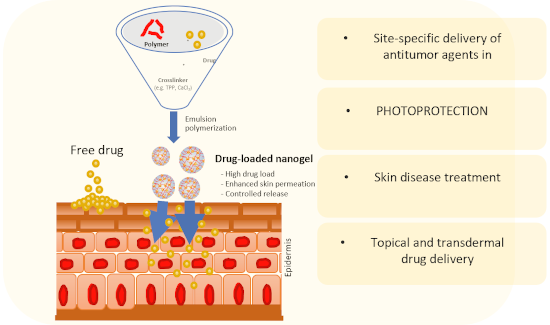
- encapsulation of poorly water-soluble drugs and allowing the controlled release of the encapsulated compound [142][144]. These innovations represent a significant advance in the development of multifunctional and biocompatible nanogels, suitable for applications in oncology, gene therapy, and precision medicine
- enable large production of the nanogel for an eventual release of a commercial product can prove to be a challenge. On another note, the production of gels or nanogels applied in medicine by 3D bioprinting technique has been an important tool for the treatment of some pathophysiological processes in


Influence of ion beam current on the structural, optical, and mechanical properties of TiO2 coatings: ion beam-assisted vs conventional electron beam evaporation
Beilstein J. Nanotechnol. 2025, 16, 1097–1112, doi:10.3762/bjnano.16.81
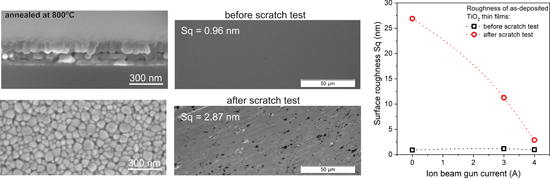
- ; Introduction One of the commonly used methods for the deposition of various materials for thin film optical coatings, is electron beam evaporation (EBE) [1][2][3][4][5]. Today, in many applications, including medicine, telecommunications, optoelectronics, photovoltaics, the requirements for optical coatings




Piezoelectricity of hexagonal boron nitrides improves bone tissue generation as tested on osteoblasts
Beilstein J. Nanotechnol. 2025, 16, 1068–1081, doi:10.3762/bjnano.16.78
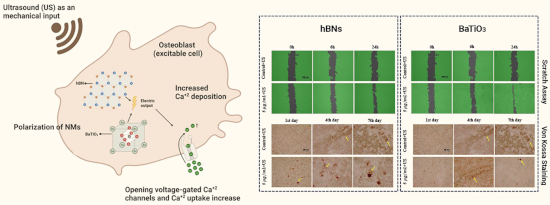
- enhance its potential as a nano–bio interface in tissue engineering and regenerative medicine [28][29]. The crystalline structure of hexagonal boron nitride (hBN) consists of in-plane B–N bonds that are sp2 hybridized, polarized, and strongly covalent. Its most stable form is a hexagonal lattice of


Soft materials nanoarchitectonics: liquid crystals, polymers, gels, biomaterials, and others
Beilstein J. Nanotechnol. 2025, 16, 1025–1067, doi:10.3762/bjnano.16.77
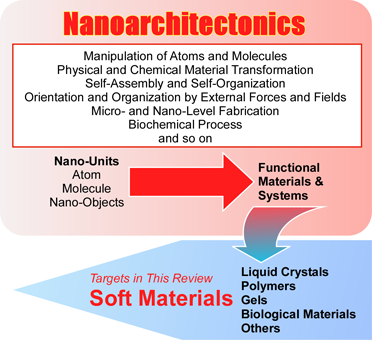
- nanoarchitectonics also makes a contribution to the field of medicine. For instance, patients with diabetic bone defects require novel and efficacious medical implant material strategies to enhance their prognosis. It is imperative to minimize the risk of implant failure due to excessive oxidative stress and the
- materials nanoarchitectonics, spanning the fields of electronics and medicine. Gel nanoarchitectonics Gels are representative soft materials that exhibit flexibility and softness. They are soft and flexible substances comprising polymers and molecular aggregates that are predominantly solvated and






A calix[4]arene-based supramolecular nanoassembly targeting cancer cells and triggering the release of nitric oxide with green light
Beilstein J. Nanotechnol. 2025, 16, 1003–1013, doi:10.3762/bjnano.16.75
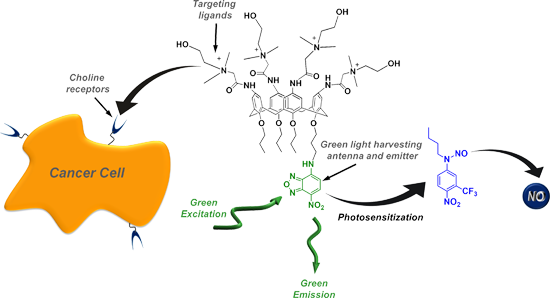
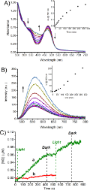
- for tumor cell-targeted drug delivery while sparing normal cells, an essential requirement for a more effective, safe, and precise medicine. Host–guest supramolecular complex and NO photorelease The NOPD 2 is totally insoluble in water. For sake of clarity, Figure 3A shows its absorption spectrum in


Synthesis of a multicomponent cellulose-based adsorbent for tetracycline removal from aquaculture water
Beilstein J. Nanotechnol. 2025, 16, 728–739, doi:10.3762/bjnano.16.56
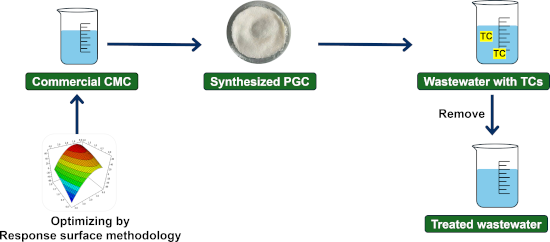
- , this adsorbent offers a sustainable alternative to synthetic materials that pose environmental risks. In addition to wastewater treatment, this material could be utilized in medicine, pharmaceuticals, air purification, and environmental monitoring. Results and Discussion Experimental optimization


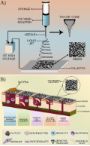
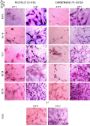
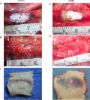
Polyurethane/silk fibroin-based electrospun membranes for wound healing and skin substitute applications
Beilstein J. Nanotechnol. 2025, 16, 591–612, doi:10.3762/bjnano.16.46
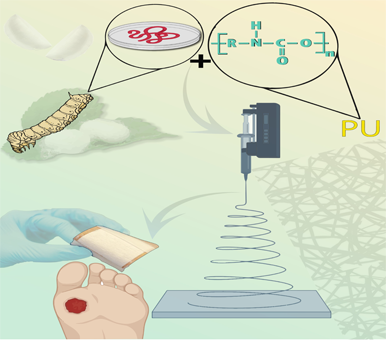
- , focused on improving human health through innovative technologies [1]. It is a broad interdisciplinary field that includes biology, medicine, engineering, and materials science, which all work together to address the intricate medical needs of societies [2]. The ultimate goal of biomedical research is to
- the development of implants, medical devices, and drug delivery systems that solve challenging issues from health to medicine [5]. Because of innovations in tissue engineering, genetic engineering, and nanotechnology, scientists can now see into the innermost functions of living organisms with a level
- that respond to light are novel technologies in medicine. They are administered to improve the healing of wounds by responding to particular light wavelengths. Such sophisticated materials are enabled by micro- and nanoscale structures that enhance their tissue interactions and provide more focused



Synthetic-polymer-assisted antisense oligonucleotide delivery: targeted approaches for precision disease treatment
Beilstein J. Nanotechnol. 2025, 16, 435–463, doi:10.3762/bjnano.16.34

- . Emerging strategies, including stimuli-responsive polymers and advanced nanoparticle systems, offer potential solutions to these challenges. The review underscores the transformative potential of polymer-enhanced ASO delivery in personalised medicine, emphasising the importance of continued innovation to
- potential use in precision medicine over the past decade. Review Synthetic polymers for enhanced ASOs delivery Polymer-assisted platforms for enhanced delivery have attracted considerable attention because of their versatile drug delivery capabilities and their diverse chemical composition, which enables


Quantification of lead through rod-shaped silver-doped zinc oxide nanoparticles using an electrochemical approach
Beilstein J. Nanotechnol. 2025, 16, 422–434, doi:10.3762/bjnano.16.33
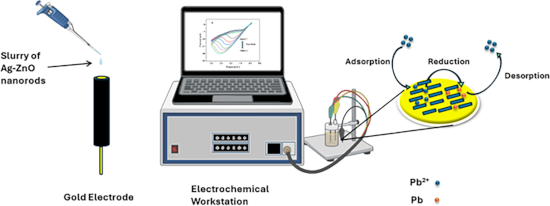
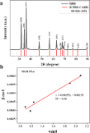
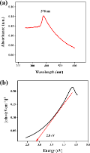
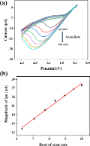
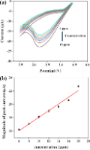
- medicine, electronics, environmental remediation, and energy [10][11]. The use of certain metal dopants to modify the chemical, optical, and electrical features of a material has gained considerable interest in the realm of semiconductor technology. A recent study has conducted thorough investigations into





Size control of nanoparticles synthesized by pulsed laser ablation in liquids using donut-shaped beams
Beilstein J. Nanotechnol. 2025, 16, 407–417, doi:10.3762/bjnano.16.31
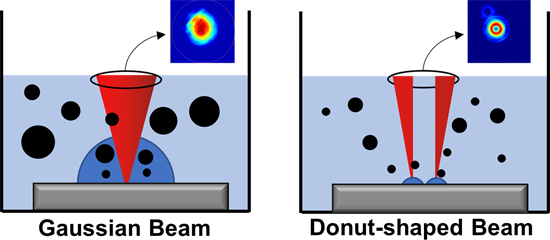
- nanoparticles (NPs) with defined particle sizes and narrow size distribution width is driven by the growing integration of nanomaterials into various industrial applications, such as medicine [1][2][3], catalysis [4][5], sensors [6][7], and additive manufacturing [8]. The performance of NPs typically depends on
- medicine for gold [9][29], strengthened ceramics and steels for high-temperature applications for Y2O3 [45][46][47], and catalysis and energy storage for HEAs [48][49]. The produced NPs are compared with those obtained with Gaussian beams. The evolution of the PLAL-generated cavitation bubble dynamics was


Fabrication and evaluation of BerNPs regarding the growth and development of Streptococcus mutans
Beilstein J. Nanotechnol. 2025, 16, 308–315, doi:10.3762/bjnano.16.23
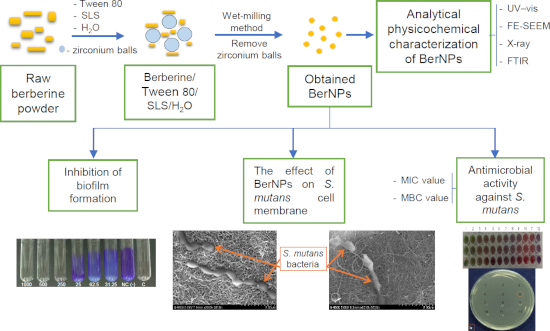
- -resistant bacteria and the associated adverse effects, such as allergies, have increased the prevalence of using natural compounds to treat bacterial diseases. Among these, berberine, a plant-based alkaloid traditionally used in medicine, has been recognized for its antibacterial, antiviral, and anti




Enhancing mechanical properties of chitosan/PVA electrospun nanofibers: a comprehensive review
Beilstein J. Nanotechnol. 2025, 16, 286–307, doi:10.3762/bjnano.16.22

- from researchers [26]. It is abundantly found in the shells of crustaceans and is the most abundant biopolymer after cellulose [27]. Figure 2 shows the chemical structure of chitosan. Chitosan has been studied extensively and is recognized as a prominent material in the fields of medicine, food, and


Radiosensitizing properties of dual-functionalized carbon nanostructures loaded with temozolomide
Beilstein J. Nanotechnol. 2025, 16, 229–251, doi:10.3762/bjnano.16.18
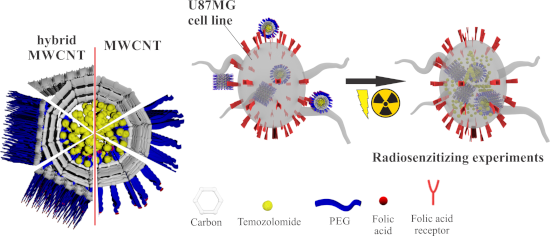
- . 45, 1000 Skopje, Republic of North Macedonia Institute of Chemistry, Faculty of Natural Sciences and Mathematics, Ss. Cyril and Methodius University in Skopje, Str. Arhimedova No. 5, 1000 Skopje, Republic of North Macedonia University Clinic of Radiotherapy and Oncology, Faculty of Medicine, Ss
- . Cyril and Methodius University in Skopje, Blv. Mother Theresa No. 17, 1000 Skopje, Republic of North Macedonia Faculty of Medicine, Ss. Cyril and Methodius University in Skopje, Str. 50th Division No. 6, 1000 Skopje, Republic of North Macedonia 10.3762/bjnano.16.18 Abstract In the present study




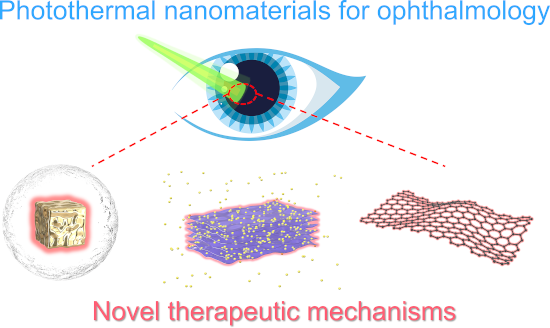
Recent advances in photothermal nanomaterials for ophthalmic applications
Beilstein J. Nanotechnol. 2025, 16, 195–215, doi:10.3762/bjnano.16.16
- Jiayuan Zhuang Linhui Jia Chenghao Li Rui Yang Jiapeng Wang Wen-an Wang Heng Zhou Xiangxia Luo Clinical College of Chinese Medicine, Gansu University of Chinese Medicine, Lanzhou 730000, P. R. China School of Public Health, Yangzhou University, Yangzhou 225009, P. R. China School of Marine Science
- and Engineering, Hainan University, Haikou 570228, P. R. China Medical College, Yangzhou University, Yangzhou 225009, P. R. China The first school of clinical medicine, Lanzhou University, Lanzhou 730000, P. R. China Gansu Provincial Hospital of TCM, Lanzhou 730000, P. R. China 10.3762/bjnano.16.16


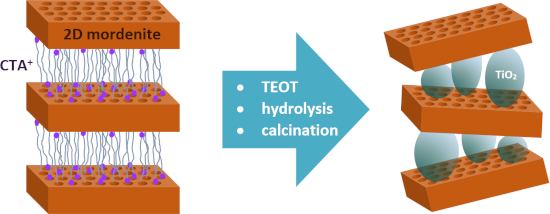
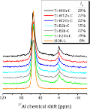
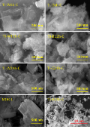
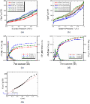
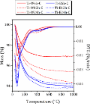
TiO2 immobilized on 2D mordenite: effect of hydrolysis conditions on structural, textural, and optical characteristics of the nanocomposites
Beilstein J. Nanotechnol. 2025, 16, 128–140, doi:10.3762/bjnano.16.12
- the Research Park of Saint Petersburg State University (Centre for X-ray Diffraction Studies; Interdisciplinary Resource Centre for Nanotechnology; Centre for Physical Methods of Surface Investigation; Centre for Diagnostics of Functional Materials for Medicine, Pharmacology and Nanoelectronics



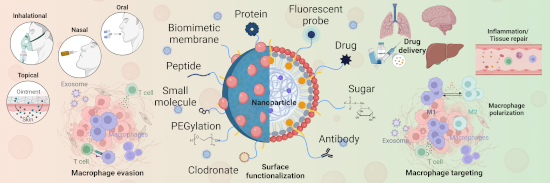
Nanocarriers and macrophage interaction: from a potential hurdle to an alternative therapeutic strategy
Beilstein J. Nanotechnol. 2025, 16, 97–118, doi:10.3762/bjnano.16.10
- Naths Grazia Sukubo Paolo Bigini Annalisa Morelli School of Medicine and Surgery, University of Milano-Bicocca, Via Cadore 48, Monza, Italy Department of Biochemistry and Molecular Pharmacology, Istituto di Ricerche Farmacologiche Mario Negri IRCCS, Via Mario Negri 2, Milano, Italy 10.3762/bjnano


Instance maps as an organising concept for complex experimental workflows as demonstrated for (nano)material safety research
Beilstein J. Nanotechnol. 2025, 16, 57–77, doi:10.3762/bjnano.16.7

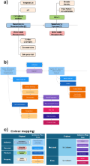
- ). In medicine [7][8] and agriculture [9][10], loading of nanomaterials with active ingredients and targeting the materials to key sites for action are enabled through surface functionalisation and the small size of nanomaterials, which allows them to access all areas. An important consequence of the


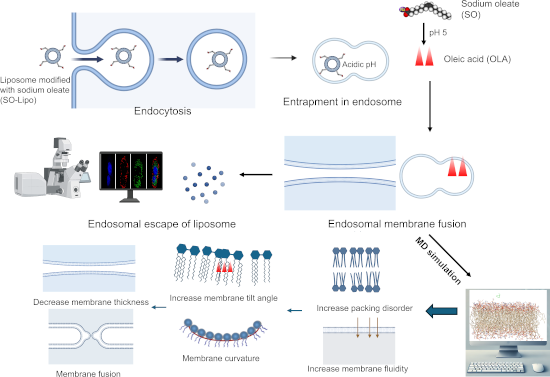
Mechanistic insights into endosomal escape by sodium oleate-modified liposomes
Beilstein J. Nanotechnol. 2024, 15, 1667–1685, doi:10.3762/bjnano.15.131
- aurein 1.2 peptide (≥95% purity) was synthesized by GL Biochem (Shanghai, China). 4T1 mouse mammary carcinoma cells (ATCC® CRL-2539) were generously provided by Dr. Muhammad Hasan Bashari, Faculty of Medicine, Padjadjaran University, Indonesia. Preparation of liposomal formulations In this study, we




Attempts to preserve and visualize protein corona on the surface of biological nanoparticles in blood serum using photomodification
Beilstein J. Nanotechnol. 2024, 15, 1654–1666, doi:10.3762/bjnano.15.130

- Julia E. Poletaeva Anastasiya V. Tupitsyna Alina E. Grigor'eva Ilya S. Dovydenko Elena I. Ryabchikova Institute of Chemical Biology and Fundamental Medicine, Siberian Branch of Russian Academy of Science, Lavrent’ev av., 8, Novosibirsk, 630090, Russian Federation 10.3762/bjnano.15.130 Abstract A

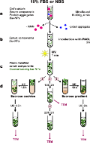


Biomimetic nanocarriers: integrating natural functions for advanced therapeutic applications
Beilstein J. Nanotechnol. 2024, 15, 1619–1626, doi:10.3762/bjnano.15.127

- strategy for personalized medicine. Keywords: cancer; drug delivery; human health; mimetics; nanotechnology; Introduction Human exposure to nanoparticles has naturally occurred for millennia, with a notable intensification following the industrial revolution [1]. The foundational concept of modern


Natural nanofibers embedded in the seed mucilage envelope: composite hydrogels with specific adhesive and frictional properties
Beilstein J. Nanotechnol. 2024, 15, 1603–1618, doi:10.3762/bjnano.15.126
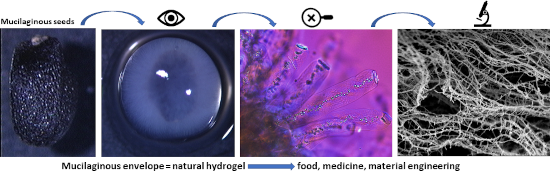
- The increasing interests in natural, biodegradable, non-toxic materials that can find application in diverse industry branches, for example, food, pharmacy, medicine, or materials engineering, has steered the attention of many scientists to plants, which are a known source of natural hydrogels
- mucilage produced by plant diaspores became of high interest in diverse sectors, such as medicine, cosmetics, food, biomedicine, pharmaceutics, nanomaterials, and bioinspired nanotechnology [11][17][18][19][20]. Mucilage is a natural, biodegradable, non-toxic plant product, odourless, colourless, and
- as food, agriculture, and medicine [20][114][115]. Diverse other substances and systems with antimicrobial activity (antibiotics, essential oils, phenolics, and metal nanoparticles) can be incorporated into the mucilage hydrogels, which after some additional modifications can be used for the


Liver-targeting iron oxide nanoparticles and their complexes with plant extracts for biocompatibility
Beilstein J. Nanotechnol. 2024, 15, 1593–1602, doi:10.3762/bjnano.15.125
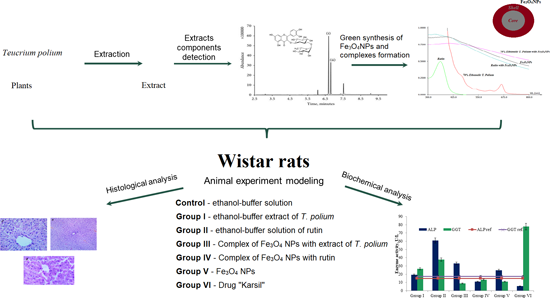
- samples on the liver of Wistar rats was identified. Keywords: biocompatibility; hepatotoxicity; iron oxide (Fe3O4) nanoparticle; rutin; Teucrium polium (T. polium); Introduction Leveraging nanotechnology, personalized medicine, and interdisciplinary collaboration is essential for overcoming the complex
- challenges associated with human health. Nanotechnology offers great opportunities in medicine because of the physicochemical properties at the nanoscale. There are efforts to apply unique quantum phenomena at the nanoscale in the fields of medicine, biomedical sciences, bioengineering, food technology
- , biochemistry, biophysics, and other disciplines within biology and medicine [1][2][3][4][5]. The development of nanotechnology has provided resources for various applications in the medical field, leading to significant advances in diagnosis, biological detection, therapy, and drug delivery [6][7][8][9]. An