Search results
Search for "membrane" in Full Text gives 563 result(s) in Beilstein Journal of Nanotechnology. Showing first 200.
Quality by design optimization of microemulsions for topical delivery of Passiflora setacea seed oil
Beilstein J. Nanotechnol. 2025, 16, 2116–2131, doi:10.3762/bjnano.16.146
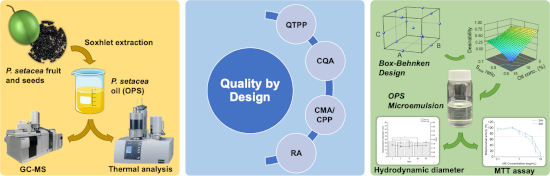
- Discussion Oil extraction and characterization OPS was extracted using the Soxhlet method with n-hexane as the solvent, yielding 30.5 ± 0.8% (w/w) relative to the initial seed mass. After extraction, the oil was dried using a rotary evaporator to remove residual solvent, filtered through a PTFE membrane
- 60 °C. Afterward, the solvent was removed using a rotary evaporator under reduced pressure at a water bath temperature of 40 °C. The obtained oil was then filtered through a 0.45 µm PTFE membrane and stored in amber glass bottles under refrigeration (4 °C) until use. The oil yield was calculated


Rapid synthesis of highly monodisperse AgSbS2 nanocrystals: unveiling multifaceted activities in cancer therapy, antibacterial strategies, and antioxidant defense
Beilstein J. Nanotechnol. 2025, 16, 2105–2115, doi:10.3762/bjnano.16.145
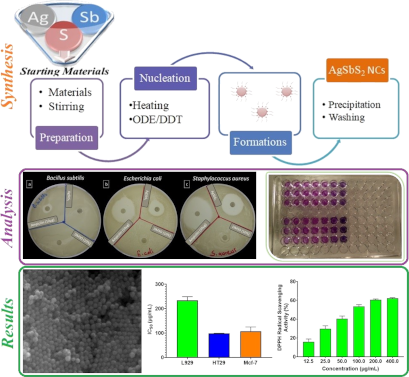
- nanoparticles with bacterial cells and the production of ROS, which causes DNA damage and denaturation of proteins close to the bacterial membrane, causes cell membrane damage [37][38]. In addition, the electrostatic force generated between the bacterial cells and the synthesized NCs causes distraction of the
- -dependent studies, larger nanoparticles tend to have higher MICs for E. coli, indicating that membrane permeability and nanoparticle size are key factors affecting antimicrobial strength [42]. Of particular interest is the high resistance exhibited by B. subtilis, which demonstrated an MIC of 5.0 mg/mL and


Beyond the shell: exploring polymer–lipid interfaces in core–shell nanofibers to carry hyaluronic acid and β-caryophyllene
Beilstein J. Nanotechnol. 2025, 16, 2015–2033, doi:10.3762/bjnano.16.139
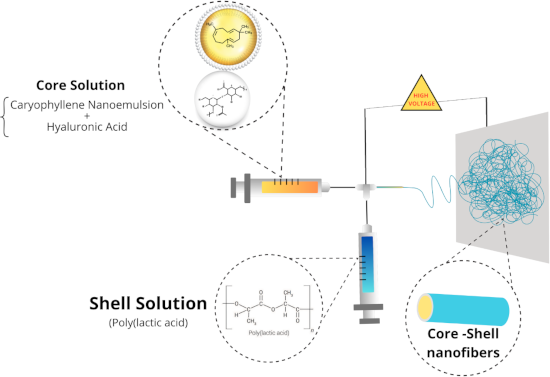
- membrane applications. Thermal and crystalline analyses demonstrated improved thermal stability upon NE-βCp incorporation. Collectively, these results provide robust evidence for the feasibility of producing multifunctional nanofiber membranes that successfully integrate a polymer–lipid hybrid core
- an interconnected nanoarchitecture, forming a membrane with porosity that enhances surface hydrophobicity and promotes strong adhesion forces with water [61]. In core–shell nanofibers, the use of PLA as the shell inherently implies that the nanofibers will exhibit a hydrophobic surface due to the
- high hydrophobicity of this polymer. In cases where not all the hydrophilic core content is fully coated by the shell, a reduction in membrane hydrophobicity is observed due to the presence of hydrophilic nanofibers [77]. Surface hydrophilicity assays revealed that the produced nanofibers exhibit high




The cement of the tube-dwelling polychaete Sabellaria alveolata: a complex composite adhesive material
Beilstein J. Nanotechnol. 2025, 16, 1998–2014, doi:10.3762/bjnano.16.138
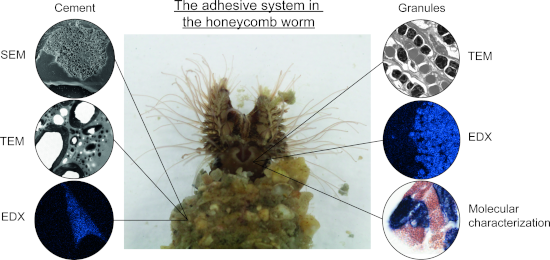
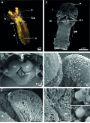
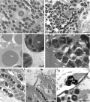
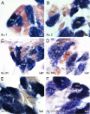
- . In P. californica, the concentration of magnesium is sufficient to balance the negative charges of the phosphates [9]. This high magnesium concentration is indicative of the presence of an ATP-dependent H+/Mg+ antiporter in the granule membrane [9]. In S. alveolata, the heterogeneous granules also



PEGylated lipids in lipid nanoparticle delivery dynamics and therapeutic innovation
Beilstein J. Nanotechnol. 2025, 16, 1914–1930, doi:10.3762/bjnano.16.133
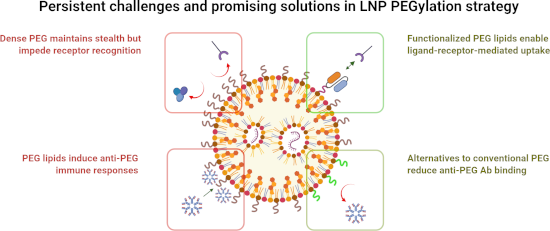
- ) can be considered for its much lower hydrophobicity compared to DBCO [57]. A study using TCO-tetrazine conjugation for ultrasound-guided membrane anchoring highlights the versatility of TCO-functionalized PEG lipids in mediating bioorthogonal conjugation. Successful incorporation of DOPE-PEG-TCO into
- deposition of complement fragments and formation of the membrane attack complex [64]. A study showed that exposure of LNPs containing 5 mol % DSPE-PEG2k to anti-PEG IgM and complement-active serum induced up to 50.5% release of encapsulated mRNA payload. In the widely used LNP composition containing 1.5 mol


Targeting the vector of arboviruses Aedes aegypti with nanoemulsions based on essential oils: a review with focus on larvicidal and repellent properties
Beilstein J. Nanotechnol. 2025, 16, 1894–1913, doi:10.3762/bjnano.16.132
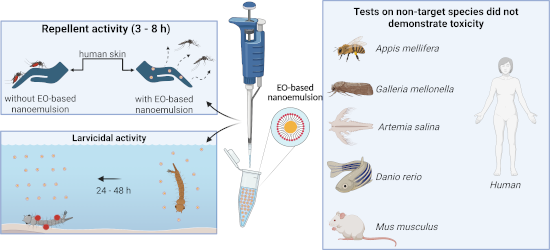
- conducted in a laboratory under controlled conditions, where samples of the nanoemulsion were applied to simulated human skin (using an artificial membrane) and exposed to previously fasted adult females of Ae. aegypti. The formulation, at a concentration of 200 µg/mL, provided a protection rate of 77.67


Current status of using adsorbent nanomaterials for removing microplastics from water supply systems: a mini review
Beilstein J. Nanotechnol. 2025, 16, 1837–1850, doi:10.3762/bjnano.16.127
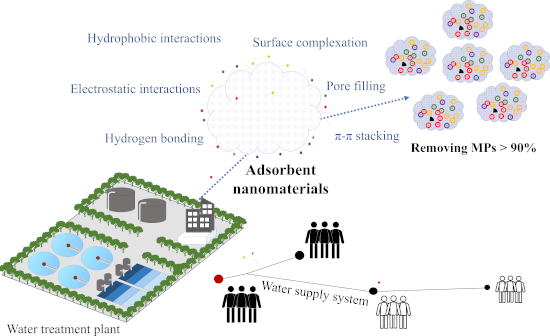
- ]. Recently, Yan et al. developed a reduced graphene oxide (S-rGO) membrane with small lateral size and a rejection rate of up to 99.9% while maintaining high water permeability (236.2 L·m−2·h−1·bar−1) [56]. As another type of material belonging to carbon-based adsorbents, CNTs have also gained attention
- ppm [64]. Based on the characteristics of MOFs, a MOF-covalent organic framework (COF) hybrid membrane (FS-50/COF(MATPA)-MOF(Zr)/PDA@PVDF) was constructed and achieved an MP removal rate of approximately 100%. This hybrid membrane was evaluated as a robust and environmentally friendly material [65
- certain level of MP removal depending on the specific treatment processes and operational conditions. To be specific, when applying the coagulation/sedimentation and membrane filtration processes, the concentration of MPs decreased by about 49.6% in raw water. In a WTP, the conventional treatment process


Phytol-loaded soybean oil nanoemulsion as a promising alternative against Leishmania amazonensis
Beilstein J. Nanotechnol. 2025, 16, 1826–1836, doi:10.3762/bjnano.16.126

- 1.65-fold decrease in the PHYT-NE IC50 values at 24 hours, and approximately a 5.6-fold decrease at 48 hours when compared to free-PHYT. A study conducted by da Silva et al. (2015) [17] demonstrated that the leishmanicidal activity of phytol is associated with induction of mitochondrial membrane
- parasite survival; therefore, to exert its effect, the compound must be taken up and accumulate in the cytosol [47]. In the free-living promastigote form, nanoemulsions may facilitate drug access to the intracellular target by more efficiently permeating the membrane of the parasite – either due to their
- nanoscale size, lipid fusion with membrane components, or disruption of the plasma membrane structure [48][49]. However, several studies have also highlighted the remarkable potential of nanoemulsions against intracellular amastigote forms. In addition to enhancing cutaneous penetration, nanoemulsions also


Electrical, photocatalytic, and sensory properties of graphene oxide and polyimide implanted with low- and medium-energy silver ions
Beilstein J. Nanotechnol. 2025, 16, 1794–1811, doi:10.3762/bjnano.16.123
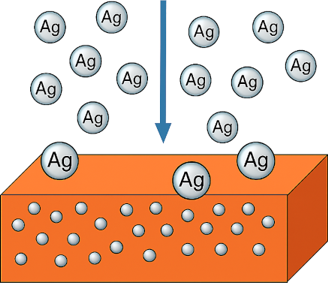
- ]. GO film was prepared through filtration using a polycarbonate membrane (Nucleopore 45 μm, 90 mm in diameter). The density of the resulting film was measured as 1.36 g·cm−2. An additional material incorporated in the study was polyimide (PI) with a density 1.42 g·cm−3 and a surface resistance above


Exploring the potential of polymers: advancements in oral nanocarrier technology
Beilstein J. Nanotechnol. 2025, 16, 1751–1793, doi:10.3762/bjnano.16.122
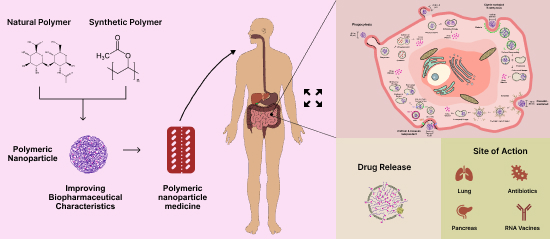
- solubility and permeability in the cell membrane both in vitro and in vivo, demonstrated the importance of these characteristics for the pharmacokinetic performance of drugs and developed the “Biopharmaceutical Classification System” (BCS), which remains widely used today by regulatory agencies, research
- opening of these intercellular tight junctions [75] as described in Table 2 and discussed in Section 4.1.1. M cells are characterized by invaginations in their membrane, which facilitate the selective entry of substances into the lymphatic tissue beneath the intestinal mucosa via active transport. This
- ]. Endocytosis is the primary pathway through which NPs enter cells. Hydrophobic polymeric NPs often exhibit stronger interactions with the lipid bilayer, which may facilitate their internalization through endocytic mechanisms. In contrast, hydrophilic NPs tend to adsorb onto the cell membrane surface before


Advances of aptamers in esophageal cancer diagnosis, treatment and drug delivery
Beilstein J. Nanotechnol. 2025, 16, 1734–1750, doi:10.3762/bjnano.16.121
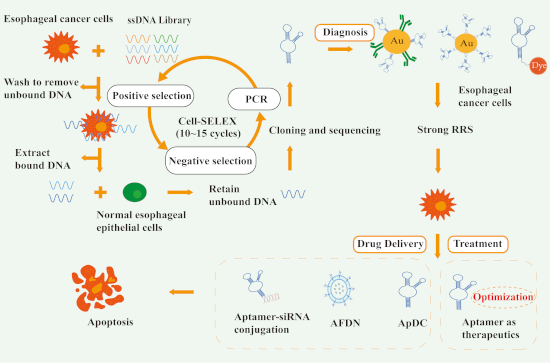
- development as a cost-effective, yet highly specific, molecular probe. Mass spectrometry analysis confirmed its target as a membrane-associated protein. Another study [57] showed that EpCAM was overexpressed in esophageal cancer samples, and the expression level of EpCAM was detected using antibodies or
- , which may be due to the fact that the aptamer was not modified and was easily degraded by nucleases. The cytotoxicity of Te4 to TE-1 and HEEC cells showed no potential as a therapeutic agent for EC alone. In addition, Te4 target has been identified as a membrane protein only by flow cytometry, and the
- aptamers, such as P42, P58, ZY3A and SPP1 aptamers, mostly exert pharmacological effects on the principle of target inhibition. ZY3A targets the membrane protein p37, and SPP1 belongs to secreted proteins. SOX2 and SOX2/CDP interfaces, the targets of P42 and P58, exist in cells, requiring aptamer


Multifunctional anionic nanoemulsion with linseed oil and lecithin: a preliminary approach for dry eye disease
Beilstein J. Nanotechnol. 2025, 16, 1711–1733, doi:10.3762/bjnano.16.120
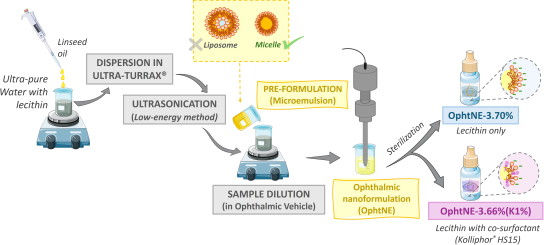
- conducted to determine (1) the appropriate amounts of surfactant in the pre-emulsions, (2) the nanoformulation prepared in an ophthalmic vehicle (OV), and (3) its stabilization with a co-surfactant. The formulations prepared in the OV were sterilized using a polyethersulfone (PES) membrane filter (0.22 μm
- due to deformability, causing minor phase loss or changes. Despite an initial droplet size larger than 220 nm, the surfactant-rich interface enables passage through the membrane. The filtration also helps exclude larger, unstable droplets, improving size uniformity. PES membranes are thus effective



Ambient pressure XPS at MAX IV
Beilstein J. Nanotechnol. 2025, 16, 1677–1694, doi:10.3762/bjnano.16.118
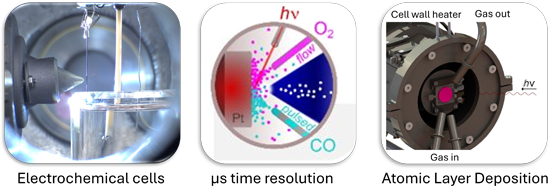
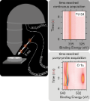
- inside the cell while still maintaining UHV conditions on the outside, which enables the connection to the synchrotron beamline. The synchrotron radiation enters the cell through a thin membrane, which can hold the necessary pressure in the millibar range inside the cell. The endstations are also
- provides unique insight into surface reactions, charge transfer, and interface stability, which are central to the performance and degradation mechanisms of electrochemical systems. Electrochemical interfaces can be studied by APXPS using two primary cell types, namely, membrane-based flow cells and “dip





Prospects of nanotechnology and natural products for cancer and immunotherapy
Beilstein J. Nanotechnol. 2025, 16, 1644–1667, doi:10.3762/bjnano.16.116
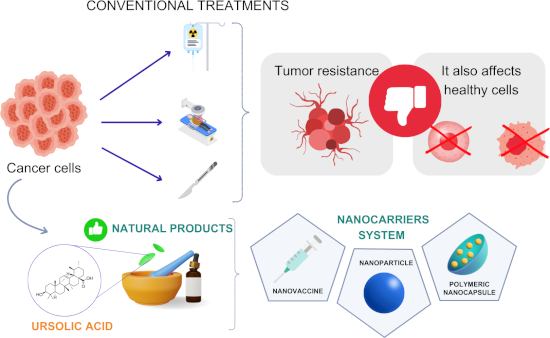
- ]. Additionally, the use of biomimetic nanoparticles, including exosome-based delivery systems and cell membrane-coated nanoparticles, has shown promise in improving targeting efficiency and immune evasion [18][19]. Despite these advances, significant challenges remain, including nanoparticle stability in
- ) complex that targets the PD-L1 gene, a cell-penetrating peptide, and a tumor cell membrane derived from HepG2 cells. Characterization of the nanoparticles showed that the nanocomplex was stabilized by hydrogen bonds, van der Waals forces, and hydrophobic forces. In addition, confocal microscopy, gene
- membrane potential investigation using 2 μg·mL−1 of NPs for 12 h determined that the formulation induced early apoptosis in the targeted cells [70]. Patent CN111202719 (2020) utilized a nanosystem containing ursolic acid and oleanolic acid, paclitaxel, curcumin, camptothecin, and polyvinyl alcohol as APIs


Nanotechnology-based approaches for the removal of microplastics from wastewater: a comprehensive review
Beilstein J. Nanotechnol. 2025, 16, 1607–1632, doi:10.3762/bjnano.16.114
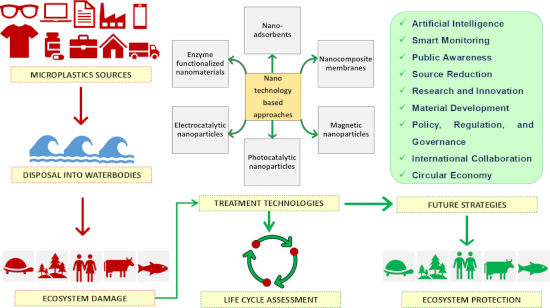
- , and advanced membrane materials, exhibit unique properties such as high surface area, enhanced reactivity, and tunable surface chemistry, which offer promising avenues for the selective and efficient removal of MPs from water. This paper also explores the mechanism, performance and limitations of
- various nanoenabled treatment strategies such as adsorption, photocatalysis, and membrane filtration using materials like metal-organic frameworks, carbon-based nanomaterials, MXenes, and metal oxides. It also highlights recent innovations such as microrobotic systems and AI-assisted detection frameworks
- synthesis, hybrid system integration, and machine learning optimization. Together, these approaches aim to establish a comprehensive, scalable, and environmentally safe solution for the remediation of MPs in wastewater systems. Keywords: artificial intelligence; membrane technology; microplastic


Photocatalytic degradation of ofloxacin in water assisted by TiO2 nanowires on carbon cloth: contributions of H2O2 addition and substrate absorbability
Beilstein J. Nanotechnol. 2025, 16, 1567–1579, doi:10.3762/bjnano.16.111
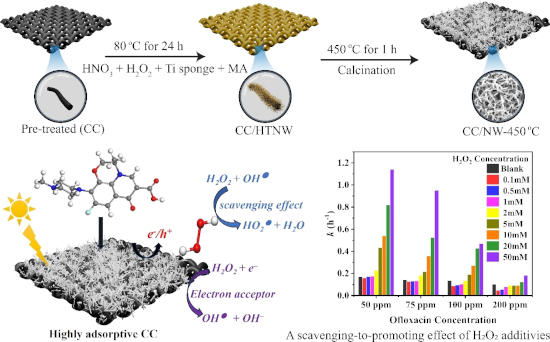
- and engineering. Conventional treatment approaches, including adsorption, membrane separation, and biological methods, are largely inadequate for antibiotics such as OFL [6][7]. This limitation highlights the need for advanced oxidation processes, with a particular emphasis on TiO2-based


Dendrimer-modified carbon nanotubes for the removal and recovery of heavy metal ions from water
Beilstein J. Nanotechnol. 2025, 16, 1522–1532, doi:10.3762/bjnano.16.107

- metal contamination. Consequently, the efficient removal of heavy metal ions remains a critical research challenge. Various methods have been employed including membrane filtration [1], flocculation [2], adsorption [3][4], precipitation [5], electrolytic removal [6], ion exchange [7], reduction [8], and
- 0.45 µm PTFE membrane, then thoroughly washed several times with deionized water followed by ethanol to remove any unreacted MA and residual DES. The washed material was subsequently dried in an oven at 45 °C overnight. The CNTs-MA (100 mg) was dispersed in 10 mL of methanol under a nitrogen atmosphere


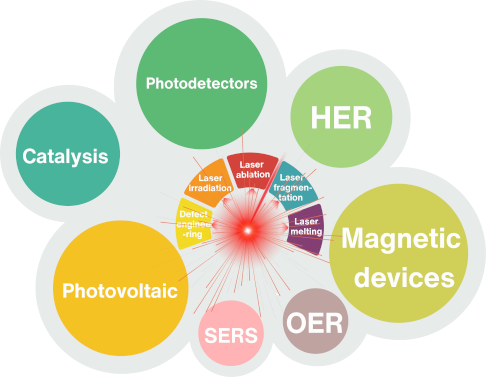
Laser processing in liquids: insights into nanocolloid generation and thin film integration for energy, photonic, and sensing applications
Beilstein J. Nanotechnol. 2025, 16, 1428–1498, doi:10.3762/bjnano.16.104






The role of biochar in combating microplastic pollution: a bibliometric analysis in environmental contexts
Beilstein J. Nanotechnol. 2025, 16, 1401–1416, doi:10.3762/bjnano.16.102
- treatment faster than PS (insulator 16 × 105 Ω·cm). Membrane filtration using PVDF in lab-scale experiments achieves 100% efficiency at a pressure of 2 bar; however, in industrial settings, efficiency drops to 54.6% due to high-pressure requirements [76]. Membrane fouling remains a major drawback, with
- ultrafiltration showing lower flux recovery compared to membrane filtration [79]. Biocoagulation using Chlorella vulgaris achieves a maximum removal efficiency of 73.01% for PS (65.49–328.4 µm), while Spirulina platensis reaches 81% for PS (328.4 µm) [80][81]. Abelmoschus esculentus-based biocoagulation achieves



Synthesis and antibacterial properties of nanosilver-modified cellulose triacetate membranes for seawater desalination
Beilstein J. Nanotechnol. 2025, 16, 1380–1391, doi:10.3762/bjnano.16.100
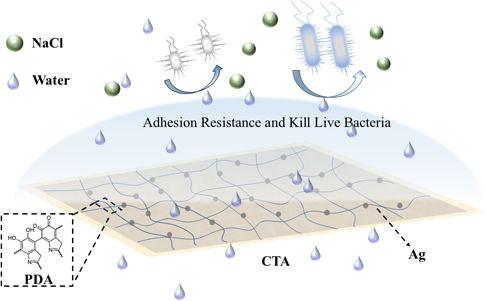
- for Ag nanoparticles. Various characterizations confirm the successful introduction of Ag nanoparticles onto the surface of the PDA-modified CTA (PCTA) membrane and the preservation of CTA microstructures. Antibacterial testing demonstrates that the Ag@PCTA membrane exhibited excellent antibacterial
- rates of the Ag@PCTA membrane were comparable to those of the parent CTA membrane. Keywords: antibacterial properties; cellulose triacetate; nanosilver; seawater desalination; Introduction As the global population continues to grow at a rapid pace, the demand for freshwater resources is escalating
- can be broadly categorized into two groups, that is, thermal-ased technologies (e.g., multistage flash distillation (MSF) and multieffect distillation (MED)) and membrane-based technologies (e.g., forward osmosis (FO), reverse osmosis (RO), electrodialysis (ED), and nanofiltration (NF)) [10]. Among


Enhancing the therapeutical potential of metalloantibiotics using nano-based delivery systems
Beilstein J. Nanotechnol. 2025, 16, 1350–1366, doi:10.3762/bjnano.16.98
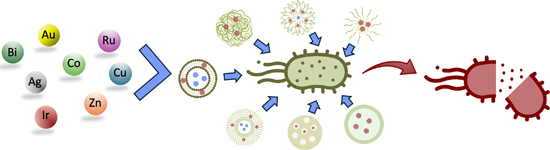
- oxygen species, ROS), exchange or release of ligands, abolition of key enzyme activities, disruption of membrane function, and damage of the bacterial DNA [20]. Despite the obvious advantages of metal-based over purely organic drugs, there are several potential limitations that must be overcome for gold
- systems [40][41]. Other bacteria, such as Staphylococcus aureus express alpha-toxin, which perforates the membrane of liposomes and can be utilized to trigger the release of antibiotics from the drug delivery system at the target site [42]. Also, enhanced permeability and retention (EPR) is observed at
- , antibiotics can bind to multiple sites in the cell wall peptidoglycans (PGNs), resulting in inhibition of PGN synthesis, perturbation of the cell membrane integrity and cell death [46][47]. In Gram-negative bacteria, lipopolysaccharides interact electrostatically with positively charged antibiotics [48] and


Ferroptosis induction by engineered liposomes for enhanced tumor therapy
Beilstein J. Nanotechnol. 2025, 16, 1325–1349, doi:10.3762/bjnano.16.97
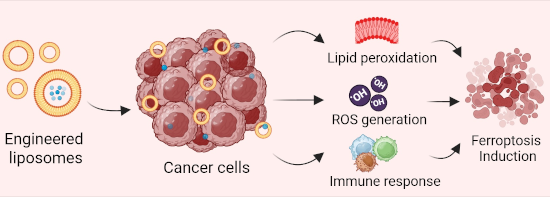
- , pyroptosis, and autophagy. Like apoptosis, ferroptosis is a mitochondrial-related process in which the mitochondrial membrane is wrinkled and condensed, and its protrusions disappear [25]. In addition to mitochondria, membrane-bound organelles are also involved in ferroptosis. Ferroptosis is triggered by
- multiple functions within the cell, fatty acids also serve as components of phospholipids, which are essential for cell membrane formation [34]. There are three types of fatty acids, namely, polyunsaturated fatty acids, monounsaturated fatty acids, and saturated fatty acids. These fatty acids are converted
- into phospholipids through the esterification process. When ROS interact with phospholipids containing polyunsaturated fatty acid chains (PUFA-PLs), lipid peroxides are formed, serving as the primary triggers of the ferroptosis process [35][36]. Lipid peroxides cause damage to the bilayer membrane, and


Acrocomia aculeata oil-loaded nanoemulsion: development, anti-inflammatory properties, and cytotoxicity evaluation
Beilstein J. Nanotechnol. 2025, 16, 1277–1288, doi:10.3762/bjnano.16.93
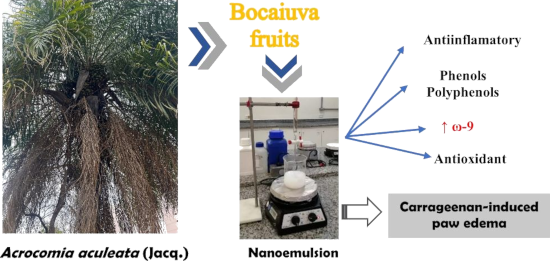
- potent hemolytic effect [50]. As shown in Figure 5A, AANE maintained erythrocyte membrane integrity across all tested concentrations, reinforcing its biocompatibility. Furthermore, cytotoxicity evaluation showed that AANE did not inhibit cell growth, as cellular viability remained at 100% across all


Better together: biomimetic nanomedicines for high performance tumor therapy
Beilstein J. Nanotechnol. 2025, 16, 1246–1276, doi:10.3762/bjnano.16.92
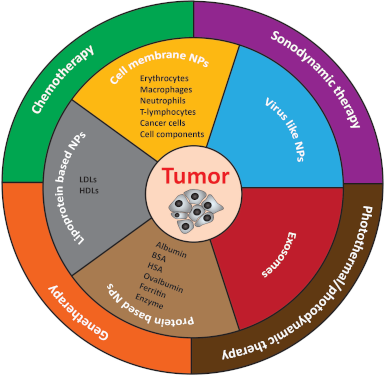
- surrounding environment, including immunosuppression in T cells via PD-1/PD-L1 axis, recruitment of stem cells via CXCR4/CXCL2 chemokine axis, maturation of immune cells via membrane interactions, and various other physical/chemical interactions, uncover the emergence of cell membrane-based drug delivery
- integrating nature-inspired architectures, these smart, multifunctional biomimetic nanoparticles offer a promising path to overcome current therapeutic challenges and revolutionize precision oncology. Review 1 Types of biomimetic nanoparticles 1.1 Cell membrane-camouflaged nanoparticles Cell membranes have
- emerged as an ideal strategy to protect synthetic nanoparticles during circulation. Cell membrane-coated biomimetic nanoparticles act like source cells with significant biomedical properties including biocompatibility, low toxicity, and potent targetability. They are recognized as “own” by the immune






Functional bio-packaging enhanced with nanocellulose from rice straw and cinnamon essential oil Pickering emulsion for fruit preservation
Beilstein J. Nanotechnol. 2025, 16, 1234–1245, doi:10.3762/bjnano.16.91
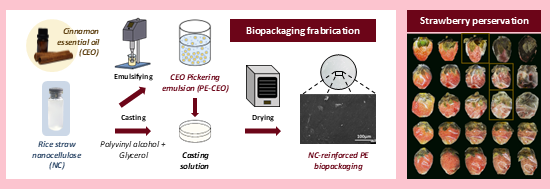
- dilution of the solution. The solution was washed by centrifugation three times and filtered through a 10 μm nylon mesh filter membrane. In the neutralization step, the solution was neutralized by dialysis with deionized water, which was replaced every 6 h, and sonicated using a Hielscher UP400St