Search results
Search for "mesoporous" in Full Text gives 209 result(s) in Beilstein Journal of Nanotechnology. Showing first 200.
Classification and application of metal-based nanoantioxidants in medicine and healthcare
Beilstein J. Nanotechnol. 2024, 15, 396–415, doi:10.3762/bjnano.15.36
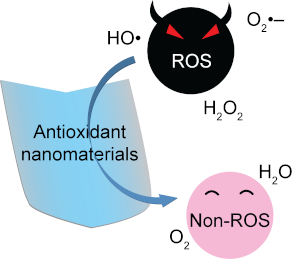
- collaborators synthesized mesoporous carbon nanospheres (PMCSs) derived from a MOF precursor, exhibiting dual photodynamic and photothermal characteristics. Utilizing this framework, concentration and temperature at thrombotic sites were elevated significantly upon local irradiation (808 nm laser), resulting in


Berberine-loaded polylactic acid nanofiber scaffold as a drug delivery system: The relationship between chemical characteristics, drug-release behavior, and antibacterial efficiency
Beilstein J. Nanotechnol. 2024, 15, 71–82, doi:10.3762/bjnano.15.7
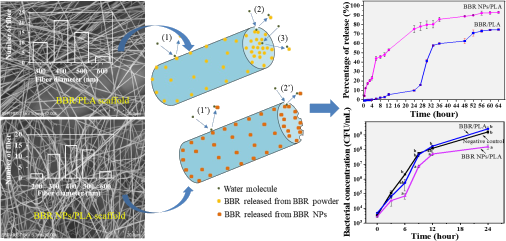
- , iron oxide, and mesoporous silica nanoparticles) [4]. Additionally, nanocarrier-free systems, such as drug nanocrystals, are also used to improve the delivery of poorly soluble drugs [5][6]. In our previous study, the saturation concentration of BBR in water was 2.0 mg/mL, while BBR nanoparticles


Elasticity, an often-overseen parameter in the development of nanoscale drug delivery systems
Beilstein J. Nanotechnol. 2023, 14, 1149–1156, doi:10.3762/bjnano.14.95
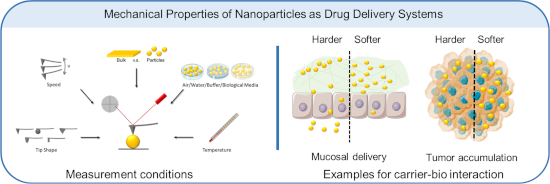
- variable elasticity were prepared by immersing mesoporous silica nanoparticles in carboxybetaine methacrylate (CBMA) and crosslinking those with different amounts of carboxybetaine dimethacrylate (CBMAX). Particles with Young’s moduli between 4.5 and 162 MPa (measured in air) were obtained. By measuring
- -mediated uptake mechanisms, whereas hard NLGs are predominantly internalized via the clathrin-mediated pathway [32]. Another example of the enhanced tumor accumulation of softer nanoparticles is presented by Tao et al. Even though the hyaluronic-acid-modified mesoporous organosilica nanoparticles (MMONs


Nanoarchitectonics of photothermal materials to enhance the sensitivity of lateral flow assays
Beilstein J. Nanotechnol. 2023, 14, 988–1003, doi:10.3762/bjnano.14.82
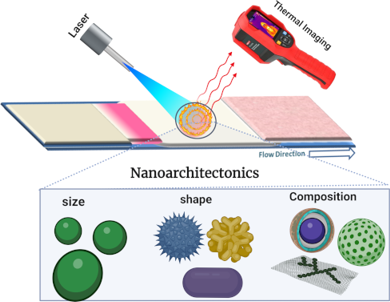
- ]. NIR light irradiation for 10 min can yield temperatures up to 61 °C in mesoporous PDA with a photoconversion efficiency of 26.7%. Despite the advantages, many of the polymer nanoparticles show strong photoluminescence and do not withstand long-term light irradiation. To overcome this challenge, hybrid


Carboxylic acids and light interact to affect nanoceria stability and dissolution in acidic aqueous environments
Beilstein J. Nanotechnol. 2023, 14, 762–780, doi:10.3762/bjnano.14.63
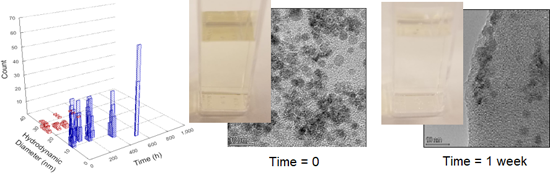
- resulted in loss or overcoating of the surface citrate, and, in some cases, agglomeration [10]. Exposure to vitamin C and glutathione led to dissolution-accompanied aggregation of mesoporous silica CeO2 nanoparticles [35]. The shortening of ceria nanorods from 25 to 8 nm after 14 days at 200 °C was
Metal-organic framework-based nanomaterials as opto-electrochemical sensors for the detection of antibiotics and hormones: A review
Beilstein J. Nanotechnol. 2023, 14, 631–673, doi:10.3762/bjnano.14.52
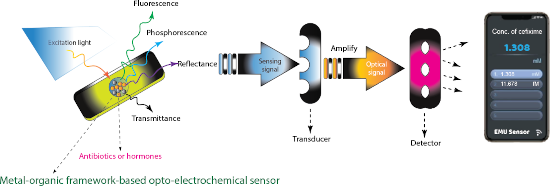
- oxides) [63][64][65][66][67][68][69]. This is motivated by their large surface area, which can facilitate the loading of nanoparticles. Additionally, MOFs have been converted into their electrochemically active derivatives, such as mesoporous carbon composites and porous metal oxides, to achieve an


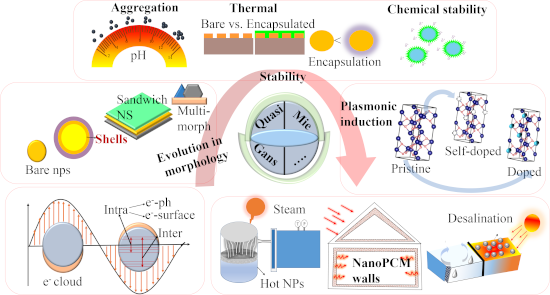
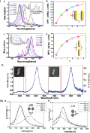
Plasmonic nanotechnology for photothermal applications – an evaluation
Beilstein J. Nanotechnol. 2023, 14, 380–419, doi:10.3762/bjnano.14.33




Recent progress in cancer cell membrane-based nanoparticles for biomedical applications
Beilstein J. Nanotechnol. 2023, 14, 262–279, doi:10.3762/bjnano.14.24
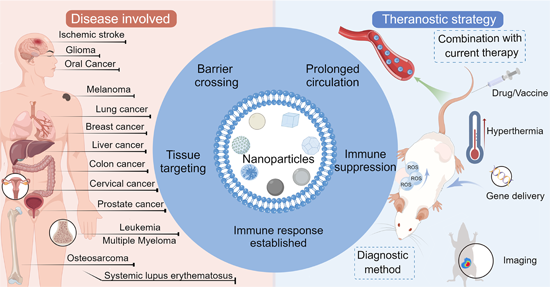
- (NIR) radiation to ablate cells or trigger the release of related therapeutic drugs [94][96]. PTT is characterized by noninvasiveness, deep tissue penetration, and high anticancer efficiency, showing good prospects in clinical treatment [97]. Biomimetic NPs of mesoporous polydopamine nanocarriers have
- the ability to target tumor tissue and enable multimodal imaging was fabricated for more efficient diagnosis and treatment by the Shu group. The biomimetic nanoformulation utilized hollow mesoporous Prussian blue nanoparticles as the core, endowing it with photothermal conversion and photoacoustic


Nanotechnology – a robust tool for fighting the challenges of drug resistance in non-small cell lung cancer
Beilstein J. Nanotechnol. 2023, 14, 240–261, doi:10.3762/bjnano.14.23
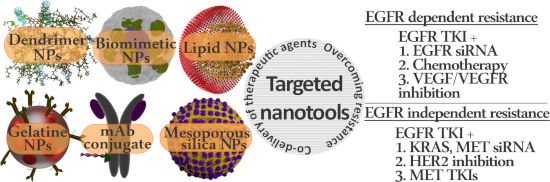
- barriers by the use of different groups of particles carrying various functional modalities. Tasciotti et al. proposed a multistage delivery system composed of stage-1 mesoporous silica particles with improved deposition in the vascular endothelium, optimized for crossing the endothelial barrier through
- surface, triggered by protease degradation after tumor homing by the EPR effect [112]. Mesoporous silica vesicles (MSVs; dav = 3 μm) with high affinity to tumor vasculature were also described by Blanco et al. as a platform for the triggered release of various therapeutic nanoscale vectors (liposomes


Cyclodextrins as eminent constituents in nanoarchitectonics for drug delivery systems
Beilstein J. Nanotechnol. 2023, 14, 218–232, doi:10.3762/bjnano.14.21
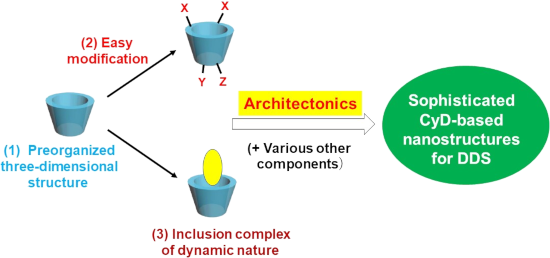
- are disassembled to release the encapsulated drugs. β-CyD units have been connected to mesoporous silica nanoparticles via a disulfide linkage, and azobenzene molecules have been bound to a galactose-grafted polymer [49]. Prior to photoirradiation, the trans isomer of azobenzene forms an inclusion
- , only the trans isomer of mAzo efficiently forms inclusion complexes with β-CyD (Figure 2). The surface of mesoporous silica nanoparticles was modified with β-CyD and covered with a polymer bearing mAzo units [51]. Drugs were loaded in the pores of the silica nanoparticles. Prior to photoirradiation
- arylazopyrazole to the cis form. Accordingly, the inclusion complexes were spontaneously broken down. NaYF4:Yb,Tm@NaLuF4 upconversion nanoparticles were used for DDSs [56]. The surface of these nanoparticles was covered with a mesoporous silica layer, and drugs were encapsulated in the mesopores. To the




Studies of probe tip materials by atomic force microscopy: a review
Beilstein J. Nanotechnol. 2022, 13, 1256–1267, doi:10.3762/bjnano.13.104
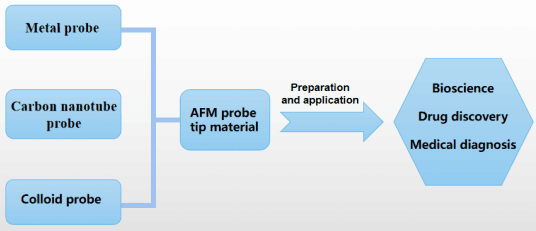
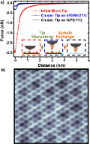
- bias-assisted electroreduced gold ions in mesoporous silica films on a conductive substrate. It works in the air with high relative humidity (RH) at room temperature and leads to the growth of fine wires attached to the tip with tens to hundreds of nanometers. Under room temperature conditions with
- high RH, the gold ions loaded in the specific substrate of the mesoporous silica layer are biased, and the gold ions therein migrate upward and accumulate at the tip site of the probe, forming gold nanowires. The length of the gold nanowires can be effectively tuned in the range of 10–100 nm with a
Design of surface nanostructures for chirality sensing based on quartz crystal microbalance
Beilstein J. Nanotechnol. 2022, 13, 1201–1219, doi:10.3762/bjnano.13.100
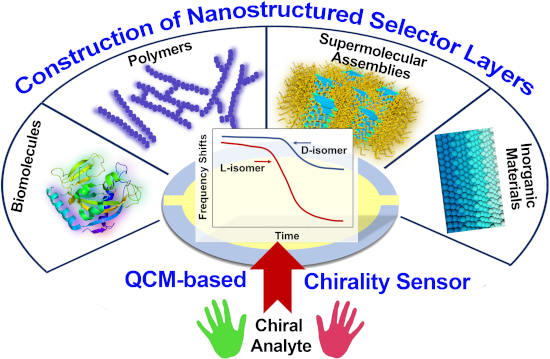
- chiral anion induction and combined with CD spectroscopy to achieve chiral recognition with a relatively larger size of poly(propiolic acid) sodium salt [116]; He et al. used chiral mesoporous SiO2 and combined with gas chromatography (GC) achieved chiral separation of amino acid derivatives and other


Recent advances in green carbon dots (2015–2022): synthesis, metal ion sensing, and biological applications
Beilstein J. Nanotechnol. 2022, 13, 1068–1107, doi:10.3762/bjnano.13.93
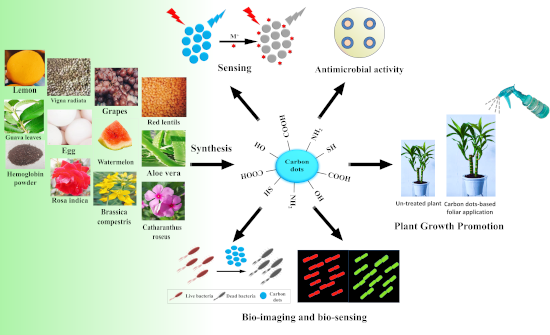
- no other chemical reagent. The lignin content of the leaves and shafts of date palm leaves is 25 g/100 g, which helped to obtain mesoporous CDs of high quality having high storage and photostability [68]. Leaves of Prosopis juliflora as a natural and inexpensive precursor yielded CDs that acted as a




Biomimetic chitosan with biocomposite nanomaterials for bone tissue repair and regeneration
Beilstein J. Nanotechnol. 2022, 13, 1051–1067, doi:10.3762/bjnano.13.92
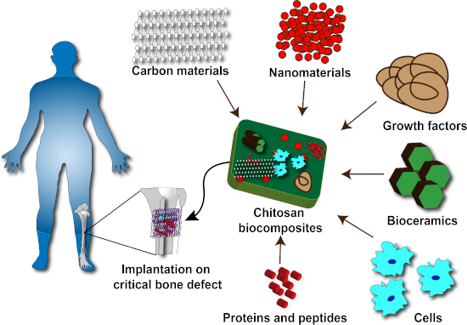
- weeks. The emergence of new bone in the defective region is confirmed by microscale computational micrographs and staining assay findings [98]. Ning et al. (2019) developed glycyl-ʟ-histidyl-ʟ-lysine-containing copper ions integrated with mesoporous silica nanoparticles (MSN) and chitosan. Further, the
- such as mesoporous bioactive glass possess exceptional osteogenic properties [121][122]. Diatomite and chitosan-containing scaffolding systems were developed by Tamburaci and co-workers. The developed composite shows excellent cell proliferation, mineralisation, and alkaline phosphatase activity on MG
Spindle-like MIL101(Fe) decorated with Bi2O3 nanoparticles for enhanced degradation of chlortetracycline under visible-light irradiation
Beilstein J. Nanotechnol. 2022, 13, 1038–1050, doi:10.3762/bjnano.13.91
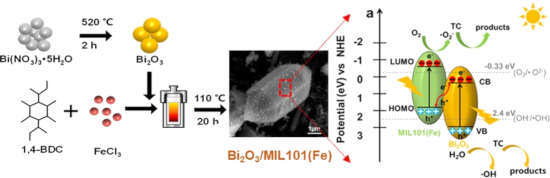
- efficient photocatalysts for CTC degradation. Metal–organic frameworks (MOFs) are a kind of micro- or mesoporous materials established by the self-assembly of organic linkers and metal-cluster or metal-ion nodes [19]. The MOF materials possess large surface areas, high pore volume, tunability, uniform


Electrocatalytic oxygen reduction activity of AgCoCu oxides on reduced graphene oxide in alkaline media
Beilstein J. Nanotechnol. 2022, 13, 1020–1029, doi:10.3762/bjnano.13.89
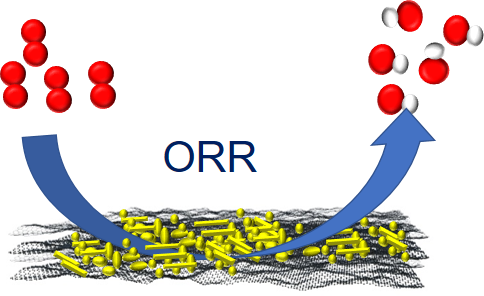
- et al. prepared supportless Ag nanowires and 1D mesoporous hollow AgPdPt nanotubes by micelle-assisted galvanic replacement followed by acid etching. They found that hollow AgPdPt structures exhibited a better ORR activity with onset and half-wave potential of 0.99 V and 0.90 V vs RHE, respectively


Bioselectivity of silk protein-based materials and their bio-inspired applications
Beilstein J. Nanotechnol. 2022, 13, 902–921, doi:10.3762/bjnano.13.81


Solar-light-driven LaFexNi1−xO3 perovskite oxides for photocatalytic Fenton-like reaction to degrade organic pollutants
Beilstein J. Nanotechnol. 2022, 13, 882–895, doi:10.3762/bjnano.13.79
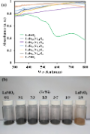
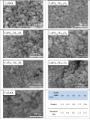
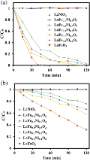
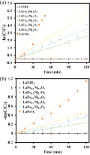
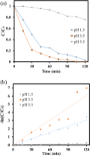
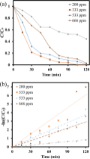
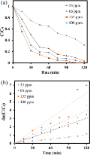
- the literature [48][49]. The pore size distribution of the samples was shown in Figure S2. The distribution between 2 and 50 nm indicated that the prepared perovskite oxides were mesoporous. The summary of the specific surface area, pore size, and pore volume for all the samples with different Fe/Ni



Hierarchical Bi2WO6/TiO2-nanotube composites derived from natural cellulose for visible-light photocatalytic treatment of pollutants
Beilstein J. Nanotechnol. 2022, 13, 745–762, doi:10.3762/bjnano.13.66
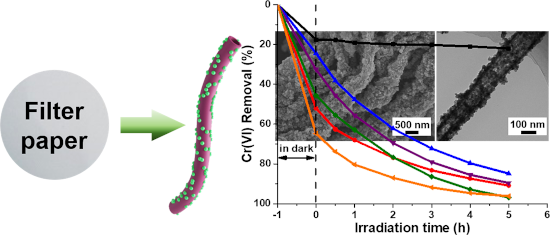
- ), demonstrating the mesoporous structure of the nanocomposite [50]. The specific surface area determined by the BET model (SBET) of the 70%−Bi2WO6/TiO2-NT nanocomposite is 26.3 m2·g−1, suggesting approximately the same value as that of pure TiO2-NT (26.4 m2·g−1) [51] but much higher than that of the pure Bi2WO6


Nanoarchitectonics of the cathode to improve the reversibility of Li–O2 batteries
Beilstein J. Nanotechnol. 2022, 13, 689–698, doi:10.3762/bjnano.13.61
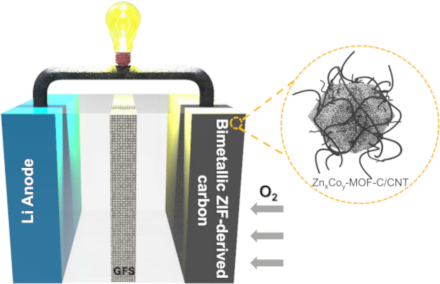
- of both ZIF-8- and ZIF-67-derived carbon materials. During the carbonization process, Zn forms a microporous domain with a large surface area while Co forms a mesoporous domain with a small surface area in the carbon matrix. Therefore, the surface area can be reduced with an increase in mesopore


The role of sulfonate groups and hydrogen bonding in the proton conductivity of two coordination networks
Beilstein J. Nanotechnol. 2022, 13, 437–443, doi:10.3762/bjnano.13.36
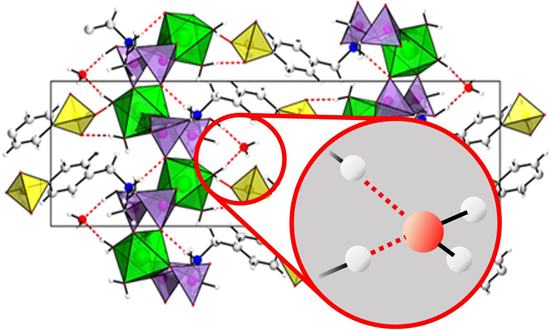
- materials are currently being discussed as potential alternatives. These include coordination polymers (CPs), covalent organic frameworks (COFs), polyoxometalates (POMs), hydrogen-bonded organic frameworks (HOFs), and mesoporous organosilica materials (MPOs) [3][9][10][11]. In particular, proton-conducting


A non-enzymatic electrochemical hydrogen peroxide sensor based on copper oxide nanostructures
Beilstein J. Nanotechnol. 2022, 13, 424–436, doi:10.3762/bjnano.13.35
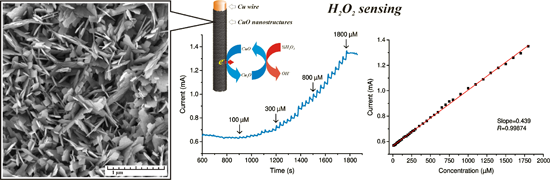
- ]. Nanostructured materials are widely used as the working surface of the electrode [47][48][49]. The most common are transition metal nanoparticles [33][37][50][51][52][53][54], carbon nanotubes [8], metal oxides [55][56][57][58][59][60][61][62][63][64], graphene [32][33], and ordered mesoporous carbon [38][65][66




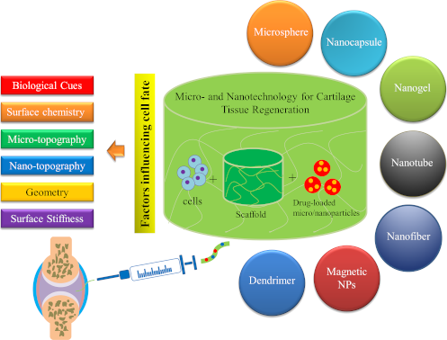
Micro- and nanotechnology in biomedical engineering for cartilage tissue regeneration in osteoarthritis
Beilstein J. Nanotechnol. 2022, 13, 363–389, doi:10.3762/bjnano.13.31
- as potential candidates for bone TE due to osteoblast attachment and corrosion resistance [141]. Wan et al. used bacterial cellulose as a template to synthesize calcined mesoporous TiO2 nanotubes and constructed a nanotube-based scaffold using a template-assisted sol–gel method [142]. In addition to


Engineered titania nanomaterials in advanced clinical applications
Beilstein J. Nanotechnol. 2022, 13, 201–218, doi:10.3762/bjnano.13.15
- their use as a matrix for immobilizing enzymes for maintaining their biocatalytic activity for a longer duration [16]. Chen et al. describe the use of TiO2 as a molecular sieve by designing flower-like microspheres consisting of a magnetic Fe3O4 core and a hierarchical mesoporous and macroporous TiO2


A comprehensive review on electrospun nanohybrid membranes for wastewater treatment
Beilstein J. Nanotechnol. 2022, 13, 137–159, doi:10.3762/bjnano.13.10
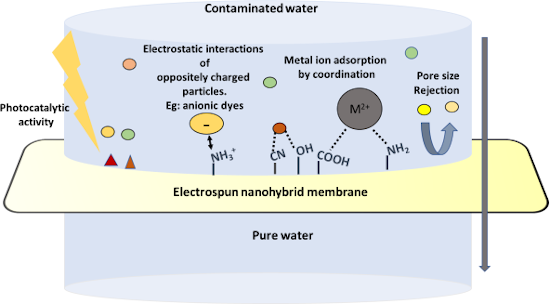
- reached equilibrium within 100 min. Moreover, the authors developed a simplistic method for real-time and non-invasive tracking of adsorption, based on the linear relationship between adsorption and fluorescence intensity of the membranes. Yari et al. fabricated a novel mesoporous nanohybrid sorbent