Search results
Search for "nano" in Full Text gives 857 result(s) in Beilstein Journal of Nanotechnology. Showing first 200.
Electron transport through nanoscale multilayer graphene and hexagonal boron nitride junctions
Beilstein J. Nanotechnol. 2025, 16, 2132–2143, doi:10.3762/bjnano.16.147
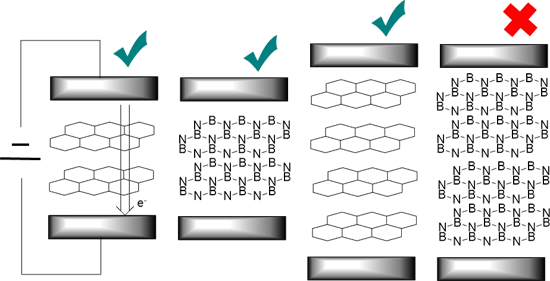
- enabled us to extrapolate trends for electron transport in thicker multilayer carbon and h-BN materials. Keywords: NEGF; DFT; nano-junction; Introduction Multilayer graphene nanomaterials exhibit interesting electronic properties and find application in battery electrode materials [1], electrocatalysis


Quality by design optimization of microemulsions for topical delivery of Passiflora setacea seed oil
Beilstein J. Nanotechnol. 2025, 16, 2116–2131, doi:10.3762/bjnano.16.146
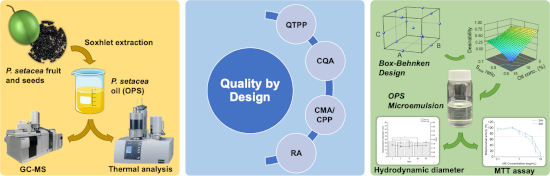
- microemulsions were determined by dynamic light scattering using a Zetasizer® Nano ZS (Malvern Panalytical Ltd. – Malvern, United Kingdom) at 25 °C with a fixed backscattering angle of 173°. Prior to analysis, samples were diluted in purified water (1:40 v/v) [13]. All measurements were performed in triplicate


Rapid synthesis of highly monodisperse AgSbS2 nanocrystals: unveiling multifaceted activities in cancer therapy, antibacterial strategies, and antioxidant defense
Beilstein J. Nanotechnol. 2025, 16, 2105–2115, doi:10.3762/bjnano.16.145
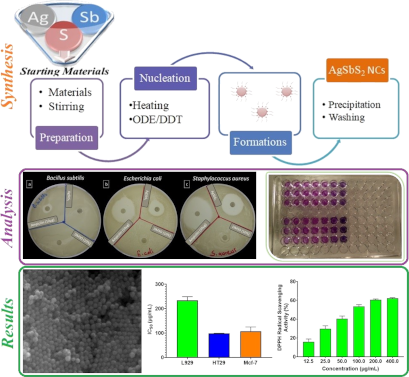
- effective exposure of surface facets to the reaction medium. Green-synthesized nanoparticles in various studies have consistently shown elevated FRAP responses compared to their bulk counterparts, due to improved electron transfer kinetics at the nano–bio interface [51][52]. When considered alongside DPPH


Beyond the shell: exploring polymer–lipid interfaces in core–shell nanofibers to carry hyaluronic acid and β-caryophyllene
Beilstein J. Nanotechnol. 2025, 16, 2015–2033, doi:10.3762/bjnano.16.139
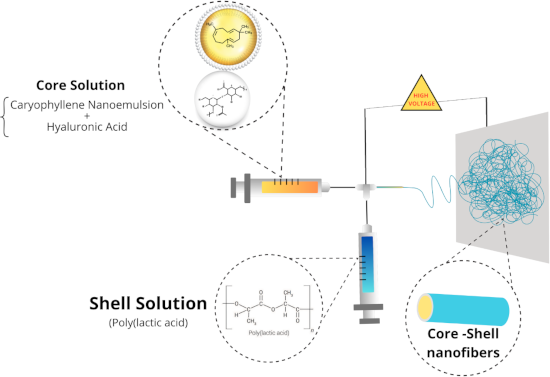
- using dynamic light scattering (DLS) with a Zetasizer Nano ZS (Malvern Instruments, UK) at 25 °C. The measurements were based on a refractive index of 1.34 for the material. Prior to analysis, the samples were diluted at a ratio of 1:10 (βCp/distilled water). The reported parameters represent the




Laser ablation in liquids for shape-tailored synthesis of nanomaterials: status and challenges
Beilstein J. Nanotechnol. 2025, 16, 1963–1997, doi:10.3762/bjnano.16.137
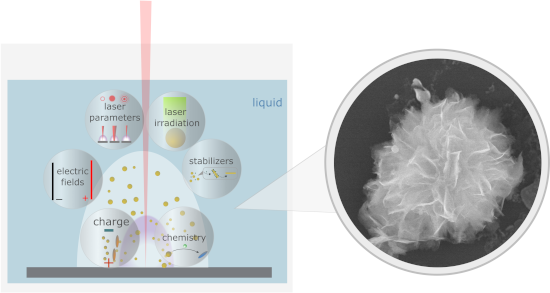
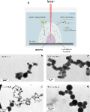
- mechanism occurs from nano- or microsized droplets or solid fragments directly ejected from the target. The dominating mechanism of NP formation depends on the laser parameters, mainly laser pulse duration and laser fluence. For the nanosecond laser pulse of high energy density (in the range 108–1010 W·cm−2




Phytol-loaded soybean oil nanoemulsion as a promising alternative against Leishmania amazonensis
Beilstein J. Nanotechnol. 2025, 16, 1826–1836, doi:10.3762/bjnano.16.126

- using a Zetasizer Nano ZS instrument (Malvern Instruments, UK) at 25 ± 2 °C, with a detection wavelength of 633 nm and a backscattering angle of 173°. The zeta potential was assessed via electrophoretic mobility measurements using the same equipment under identical temperature conditions. For both


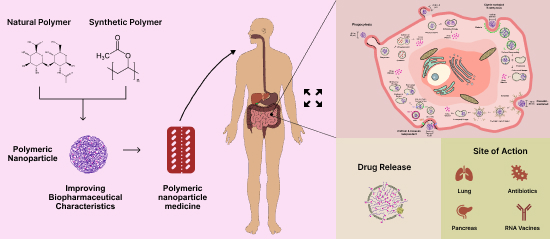
Exploring the potential of polymers: advancements in oral nanocarrier technology
Beilstein J. Nanotechnol. 2025, 16, 1751–1793, doi:10.3762/bjnano.16.122


Multifunctional anionic nanoemulsion with linseed oil and lecithin: a preliminary approach for dry eye disease
Beilstein J. Nanotechnol. 2025, 16, 1711–1733, doi:10.3762/bjnano.16.120
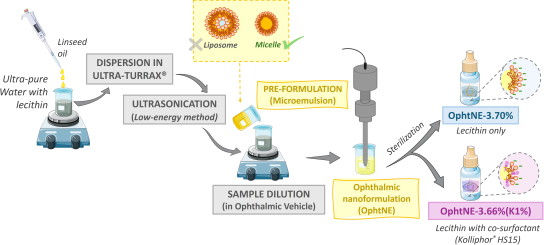
- mL·min−1, using sealed aluminum pans (T181206 and T181128). Droplet size, polydispersity index, zeta potential, and conductivity Droplet size and polydispersity index (PdI) of the formulations were measured 24 h after preparation using dynamic light scattering with a Zetasizer Nano-ZS ZEN 3600 (Malvern



Beyond the bilayer: multilayered hygroscopic actuation in pine cone scales
Beilstein J. Nanotechnol. 2025, 16, 1695–1710, doi:10.3762/bjnano.16.119
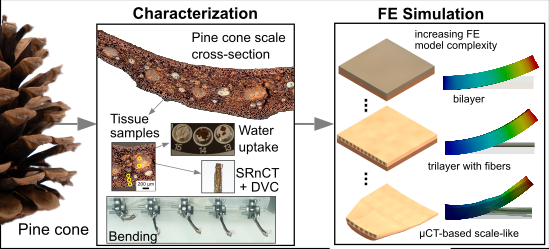
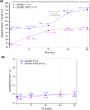
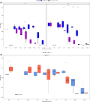
- investigated. Using gravimetric water uptake measurements, synchrotron radiation-based nano-holotomography, and digital volume correlation analysis, inter- and intra-tissue variations of hygroscopic swelling/shrinkage were observed. In addition, the moisture content of pine cone scale tissues was measured as a
- in the application of digital volume correlation (DVC) [28] in combination with synchrotron radiation-based nano-holotomography enable the study of axially dependent hygroscopic expansion and shrinkage of tissues [29]. This approach overcomes previous limitations related to the use of only affine
- registration or the previously neglected longitudinal (along the cell length axis) expansion of the measured cells [26][27]. By scanning tissue samples in a moist and a dry state using nano-holotomography, a DVC-based analysis of the two states becomes possible, which results in a displacement field


Prospects of nanotechnology and natural products for cancer and immunotherapy
Beilstein J. Nanotechnol. 2025, 16, 1644–1667, doi:10.3762/bjnano.16.116
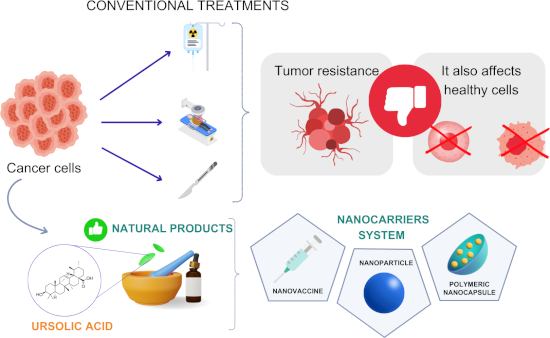
- Organization (WIPO) were used to carry out the search using the descriptors “nano* AND cancer AND natural product” for research associated with cancer treatment, while the descriptors “nano* AND immun* AND natural product” was implemented to analyze patents related to immunotherapy. Furthermore, a time filter
- tumor inhibition rate of 75.9% in 15 days, significantly higher than ursolic acid and sorafenib alone [66]. Patent CN117064865 (2023) claims a nano bionic CRISPR/Cas9 drug co-assembly system to treat liver cancer. The technology is composed of ursolic acid as an API, a Cas9 ribonucleoprotein (RNP
- after 24 h [68]. Similarly, patent CN426774477 (2023) developed an immune checkpoint inhibitor nano-delivery system using natural polyphenols. The formulation contained sulfhydrylated hyaluronic acid (HA-SH), which acts as an adjuvant carrier, and epigallocatechin gallate (EGCG) as an API to form HA


Nanotechnology-based approaches for the removal of microplastics from wastewater: a comprehensive review
Beilstein J. Nanotechnol. 2025, 16, 1607–1632, doi:10.3762/bjnano.16.114
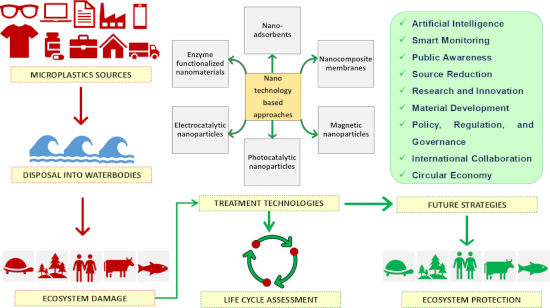
- ; nanotechnology; nanoadsorbents; nano robots; photocatalysis; Introduction Plastic pollution has become a crucial environmental concern recently. It was reported that from 1950 to 2015, global plastic production increased from 5 to over 300 megatons, with approximately 60 to 99 megatons turning into waste. It is


Transient electronics for sustainability: Emerging technologies and future directions
Beilstein J. Nanotechnol. 2025, 16, 1545–1556, doi:10.3762/bjnano.16.109

- Jae-Young Bae Myung-Kyun Choi Seung-Kyun Kang Department of Materials Science and Engineering, Seoul National University, Seoul, 08826 Republic of Korea Research Institute of Advanced Materials (RIAM), Seoul National University, Seoul, 08826 Republic of Korea Nano Systems Institute SOFT Foundry


Influence of laser beam profile on morphology and optical properties of silicon nanoparticles formed by laser ablation in liquid
Beilstein J. Nanotechnol. 2025, 16, 1533–1544, doi:10.3762/bjnano.16.108
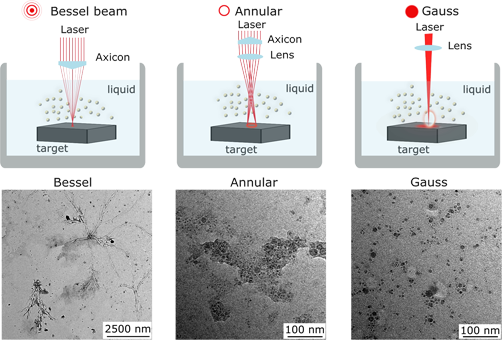
- the nanometer range and different morphologies is continuously growing. One aspect of current studies is further improvement of the properties and performance of the developed silicon-based devices. As a result, crystalline films based on silicon [1][2] as well as nano-sized silicon materials have
- , fabrication of micro/nano channels in transparent materials, nanopatterning, and photopolymerization [25][26]. The achieved advances in these fields allow one to expect benefits of varying beam shapes for laser ablation synthesis in liquids as well. However, studies that use different beam shapes in laser


Nanomaterials for biomedical applications
Beilstein J. Nanotechnol. 2025, 16, 1499–1503, doi:10.3762/bjnano.16.105
- to spread, stay attached, and turn into different cell types. Electrospun polymers could produce these nanofibers, which are widely applied for nerve treatment, bone growth, and wound healing [26]. A second approach is the utilization of nano-patterned surfaces. These surfaces have carefully designed
Laser processing in liquids: insights into nanocolloid generation and thin film integration for energy, photonic, and sensing applications
Beilstein J. Nanotechnol. 2025, 16, 1428–1498, doi:10.3762/bjnano.16.104
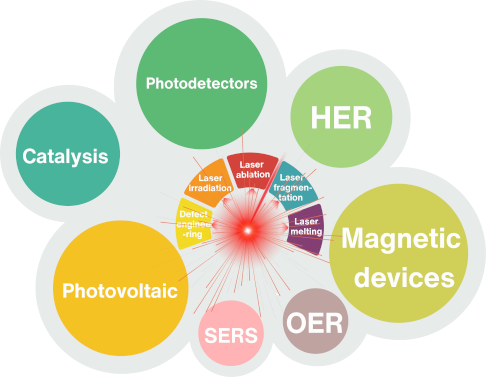
- , chemical, and functional attributes of materials at the nano/microscale. Table 1 compares various laser-based techniques for synthesizing nanocolloids, highlighting their mechanisms, suitable material types, particle characteristics, and relevance to applications such as photovoltaics, sensors, and






The role of biochar in combating microplastic pollution: a bibliometric analysis in environmental contexts
Beilstein J. Nanotechnol. 2025, 16, 1401–1416, doi:10.3762/bjnano.16.102
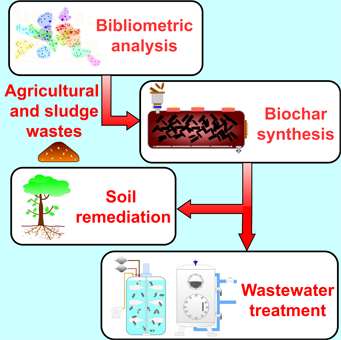
- improved filtration efficiency, with MBC reaching 40.86% removal. Moreover, MBC synthesized from red mud and lignin composites exhibits significantly enhanced adsorption performance, achieving 97.87% removal efficiency and a maximum adsorption capacity (qmax) of 353.15 mg·g−1 for nano-PS (100 nm) [39][43
- structure, facilitates enhanced physical and chemical adsorption, as well as electrostatic interactions, thereby improving the removal of small MP particles [34]. Additionally, PS adsorption mechanisms suggest that MP self-polymerization and the strengthened metal–O bonding in nano-iron-modified biochar



Parylene-coated platinum nanowire electrodes for biomolecular sensing applications
Beilstein J. Nanotechnol. 2025, 16, 1392–1400, doi:10.3762/bjnano.16.101
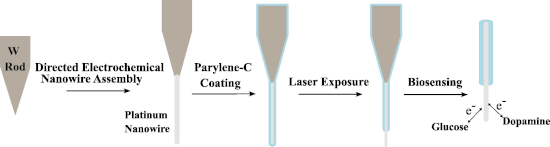
- recent years due to their unique characteristics and size. Manufacturing steps, cost, and other shortcomings limit the widespread use and commercialization of nanoscale electrodes. In this work, a nano-size electrode fabricated by directed electrochemical nanowire assembly and parylene-C insulation is
- . Additionally, surface modification can improve the stability and durability of the electrode, further enhancing its applicability. Conclusion This study presents a method for fabricating nano-scale electrodes with platinum nanowire tip lengths as small as 1.2 µm, and diameters down to 120 nm. This size


Synthesis and antibacterial properties of nanosilver-modified cellulose triacetate membranes for seawater desalination
Beilstein J. Nanotechnol. 2025, 16, 1380–1391, doi:10.3762/bjnano.16.100
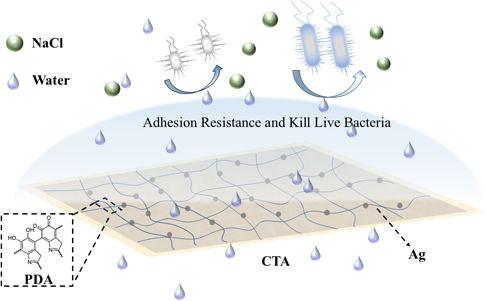
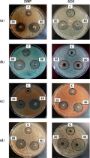
- activity of Ag nanoparticles on the surface of the Ag@PCTA film. It is evident despite a decrease in nano Ag dosage from 0.05 mol·L−1 to 0.02 mol·L−1 (from III to IV in Figure 6), the size of the inhibitory ring remains almost unchanged, highlighting the robust antibacterial performance of the Ag@PCTA
- clear, indicating the formation of [Ag(NH3)2]OH. Grafting of nano Ag onto PCTA membrane The PCTA membrane was immersed in an [Ag(NH3)2]OH solution and underwent static reaction for 8 h. During this process, the phenolic hydroxy groups in PDA facilitated the reduction of Ag(NH3)2+ particles, resulting in


Enhancing the therapeutical potential of metalloantibiotics using nano-based delivery systems
Beilstein J. Nanotechnol. 2025, 16, 1350–1366, doi:10.3762/bjnano.16.98
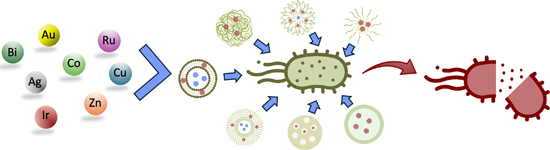
- improving their prospects for clinical translation [97]. While QDs holds great potential for antibiotic drug delivery, challenges such as achieving precise targeting and ensuring long-term photostability remain critical limitations [98]. Encapsulation of metalloantibiotics in nano-based delivery systems
- selectivity, poor biodistribution and pharmacokinetics, poor water solubility, dose-limiting toxicity, and fast degradation in vivo. We will discuss next the major discoveries in the field of the application of nano-based systems for the targeted delivery of metal complex-based antibiotic compounds, focusing
- factors limiting the systemic use of silver metalloantibiotics [101]. To overcome these limitations, several nano-based delivery systems were investigated. For example, the silver–N-heterocyclic carbene (Ag-NHC) complexes 1–4 (Figure 3) were successfully encapsulated in amphiphilic block copolymer


Deep-learning recognition and tracking of individual nanotubes in low-contrast microscopy videos
Beilstein J. Nanotechnol. 2025, 16, 1316–1324, doi:10.3762/bjnano.16.96
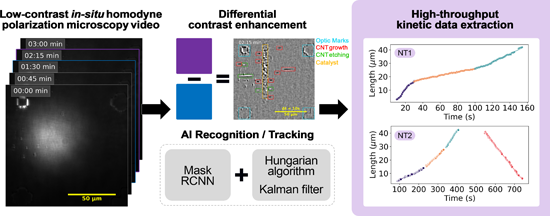
- can be adapted for other types of in situ microscopy studies, emphasizing the importance of automation in high-throughput data acquisition for research on individual nano-objects. Keywords: carbon nanotubes growth kinetics; deep learning; in situ microscopy; object recognition and tracking
- resolution of 1 s with the deep learning model, meaning that the throughput was increased by about a factor of 15 (Figure 3a,b). Conclusion We have identified several critical steps in developing a DL model for extracting kinetic data from in situ microscopy videos of individual nano-objects. A specific
- challenge is the low signal from nano-objects and fast kinetics on the video time scale. Applying differential treatment not only drastically improves contrast but also enhances a human operator’s understanding of ongoing processes. This is crucial for manual recognition and tracking and for properly


Wavelength-dependent correlation of LIPSS periodicity and laser penetration depth in stainless steel
Beilstein J. Nanotechnol. 2025, 16, 1302–1315, doi:10.3762/bjnano.16.95
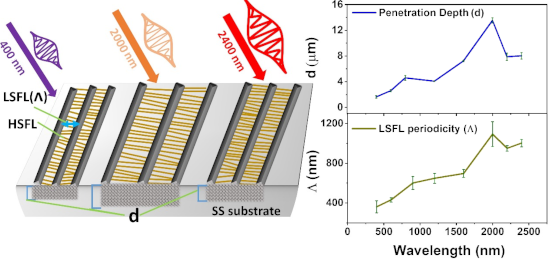
- conducted to examine the surface morphology of the samples and precisely measure the depth to which the laser heat affected or penetrated the zone. Imaging was performed using an FEI NOVA NANO SEM 450 scanning electron microscope. External etching was executed using a DC power supply machine, applying a




Acrocomia aculeata oil-loaded nanoemulsion: development, anti-inflammatory properties, and cytotoxicity evaluation
Beilstein J. Nanotechnol. 2025, 16, 1277–1288, doi:10.3762/bjnano.16.93
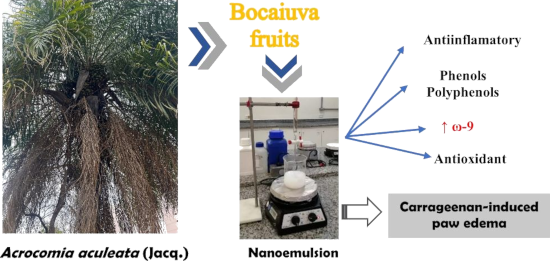
- the smallest droplet size was selected as the (HLBr) to emulsify bocaiúva oil [63]. Droplet size and zeta potential Droplet size and polydispersity index (PDI) were measured by dynamic light scattering (DLS) with a Zetasizer Nano-ZS instrument (Malvern, UK). Zeta potential was determined by
- electrophoretic light scattering with a Zetasizer Nano-ZS instrument (Malvern, UK). AANE was diluted with Milli-Q water (1:25, v/v). All measurements were performed in triplicate, and results were presented as the mean ± standard deviation [42]. Shelf stability The selected AANE was transferred to an amber vial


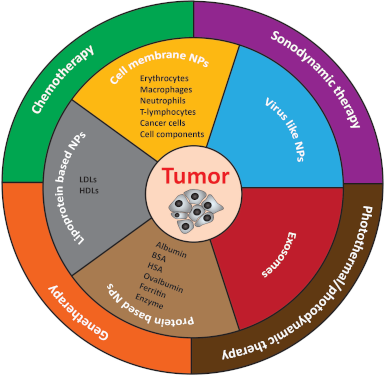
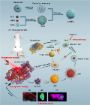
Better together: biomimetic nanomedicines for high performance tumor therapy
Beilstein J. Nanotechnol. 2025, 16, 1246–1276, doi:10.3762/bjnano.16.92


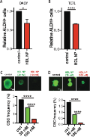
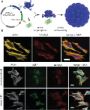
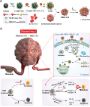


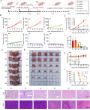


Hydrogels and nanogels: effectiveness in dermal applications
Beilstein J. Nanotechnol. 2025, 16, 1216–1233, doi:10.3762/bjnano.16.90
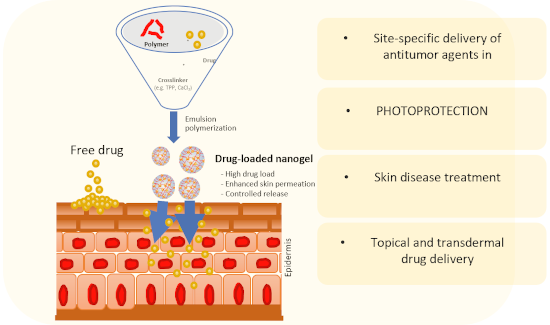
- process, which is carried out in a confined nano-/microscale space, is another efficient strategy for the formation of nanogels. In this case, the size of the gels is limited by confining the cross-linking to intraparticle rather than interparticle cross-linking [43][44]. Topical and transdermal drug


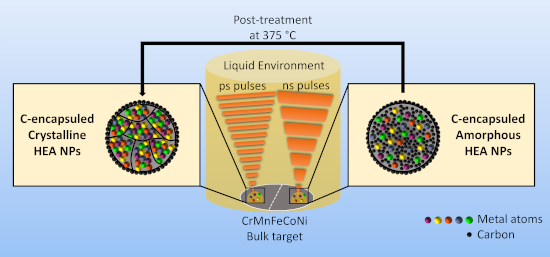
Crystalline and amorphous structure selectivity of ignoble high-entropy alloy nanoparticles during laser ablation in organic liquids is set by pulse duration
Beilstein J. Nanotechnol. 2025, 16, 1141–1159, doi:10.3762/bjnano.16.84
- , Synthesis and Real Structure, Faculty of Engineering, Christian-Albrechts University of Kiel, Kaiserstraße 2, 24143 Kiel, Germany Inorganic Chemistry and Center for Nanointegration Duisburg-Essen (CENIDE), University of Duisburg-Essen, Universitaetsstr. 7, 45141 Essen, Germany Kiel Nano, Surface and