Search results
Search for "nanocarriers" in Full Text gives 89 result(s) in Beilstein Journal of Nanotechnology.
Nanocarriers and macrophage interaction: from a potential hurdle to an alternative therapeutic strategy
Beilstein J. Nanotechnol. 2025, 16, 97–118, doi:10.3762/bjnano.16.10
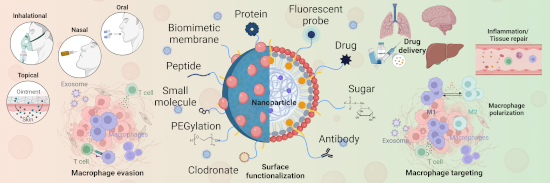
- .16.10 Abstract In the coming decades, the development of nanocarriers (NCs) for targeted drug delivery will mark a significant advance in the field of pharmacology. NCs can improve drug solubility, ensure precise distribution, and enable passage across biological barriers. Despite these potential
- nanomedicine landscape, the design and development of nanocarriers (NCs) for precise drug delivery are a pivotal innovation. NCs address significant pharmacological challenges, such as enhancing drug solubility, ensuring specific distribution, and facilitating the crossing of biological barriers [1]. Tailoring


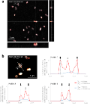
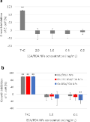
A nanocarrier containing carboxylic and histamine groups with dual action: acetylcholine hydrolysis and antidote atropine delivery
Beilstein J. Nanotechnol. 2025, 16, 11–24, doi:10.3762/bjnano.16.2

- inhibit cholinesterases, potentially causing increased ACh levels. Developing nanocarriers for Atr delivery could provide a solution. These carriers might improve the efficacy of Atr, prolong its action duration, and reduce its toxicity [11][12]. In recent years, resorcinarenes, which are analogues of


Mechanistic insights into endosomal escape by sodium oleate-modified liposomes
Beilstein J. Nanotechnol. 2024, 15, 1667–1685, doi:10.3762/bjnano.15.131
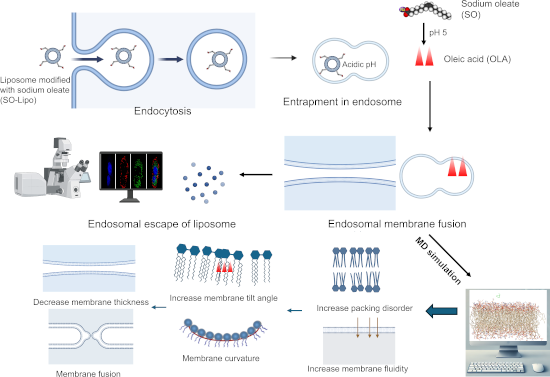
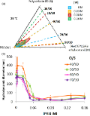
- in particle size to 151.9 ± 5.88 nm, approaching the higher end of the optimal range for nanocarriers, while maintaining a PDI similar to Unmodified-Lipo at approximately 0.248 ± 0.040. Notably, the PDI values below 0.5 across all formulations suggested a high degree of homogeneity in our




Biomimetic nanocarriers: integrating natural functions for advanced therapeutic applications
Beilstein J. Nanotechnol. 2024, 15, 1619–1626, doi:10.3762/bjnano.15.127

- Biomimetic nanocarriers, engineered to mimic the characteristics of native cells, offer a revolutionary approach in the treatment of various complex human diseases. This strategy enhances drug delivery by leveraging the innate properties of cellular components, thereby improving biocompatibility and
- targeting specificity. Biomimetic nanocarriers demonstrate significant advancements in drug delivery systems against cancer therapy, Alzheimer's disease, autoimmune diseases, and viral infections such as COVID-19. Here, we address the therapeutic applications of biomimetic nanocarriers and their promising
- such as: loss of stability, low efficiency in crossing biological barriers, inadequate efficacy in reaching target active molecules, and poor biodistribution [13][14]. Nanocarriers are employed to transport raw materials, which can be vesicles or solid nanoparticles [15]. Despite the significant


Polymer lipid hybrid nanoparticles for phytochemical delivery: challenges, progress, and future prospects
Beilstein J. Nanotechnol. 2024, 15, 1473–1497, doi:10.3762/bjnano.15.118
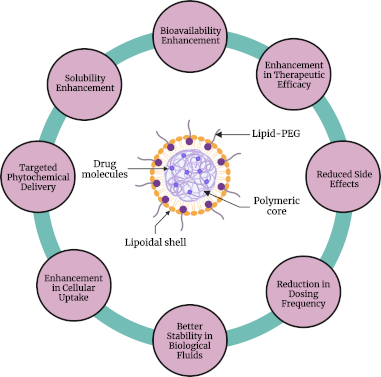
- simplest among PLHNPs; they are simply mixed nanosystems of polymer/copolymer and lipids with the help of surfactants. In this system, the lipids are scattered in a polymeric/copolymeric matrix [48]. Monolithic PLHNP systems are very similar to colloidal polymeric nanocarriers. In these nanocarriers
- water/or buffer. Because of the positive charge, the lipids in the inner core encapsulate the drug more efficiently compared to PLHNPs with a polymeric core. In addition, because of the outer lipoidal PEG layer, these nanocarriers escape the uptake by macrophages and enhance the stability of the
- biological fluids [51]. During the development of these nanocarriers, the concentration of cationic lipids for the inner core, density of the PEG chain on the outer layer, and molecular weight of the polymers are adjusted to modulate their physicochemical characteristics [52][53]. Polymer-caged liposomes As


Nanotechnological approaches for efficient N2B delivery: from small-molecule drugs to biopharmaceuticals
Beilstein J. Nanotechnol. 2024, 15, 1400–1414, doi:10.3762/bjnano.15.113
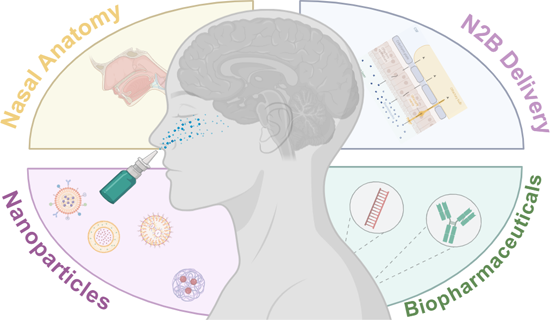
- drugs can be within the olfactory epithelium or the trigeminal nerve. Figure 3 was redrawn from [59] as well as [60] and created in BioRender. Akpinar, S. (2023) https://BioRender.com/h18x614. This content is not subject to CC BY 4.0. Different potential nanocarriers for N2B delivery: SLNs, polymeric


AI-assisted models to predict chemotherapy drugs modified with C60 fullerene derivatives
Beilstein J. Nanotechnol. 2024, 15, 1170–1188, doi:10.3762/bjnano.15.95
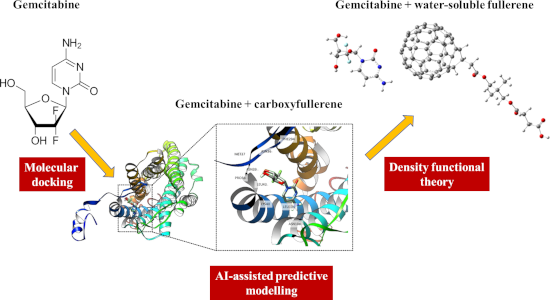
- relationship (QSAR)/ quantitative structure–property relationship (QSPR) models, this study explores the application of fullerene derivatives as nanocarriers for breast cancer chemotherapy drugs. Isolated drugs and two drug–fullerene complexes (i.e., drug–pristine C60 fullerene and drug–carboxyfullerene C60
- to compare results obtained by DFTB3 with a conventional density functional theory approach. These findings promise to enhance breast cancer chemotherapy by leveraging fullerene-based drug nanocarriers. Keywords: breast cancer; CXCR7; drug nanocarriers; QSAR; Introduction Breast cancer is the most
- models to drugs modified with potential nanocarriers. First, a dataset with 28 drugs, extracted from public datasets or modified from the data annotated in the previous case, was built with the corresponding quantitative descriptors to study complexes of the drugs with fullerene C60 or a simple C60–COOH


Recent updates in applications of nanomedicine for the treatment of hepatic fibrosis
Beilstein J. Nanotechnol. 2024, 15, 1105–1116, doi:10.3762/bjnano.15.89
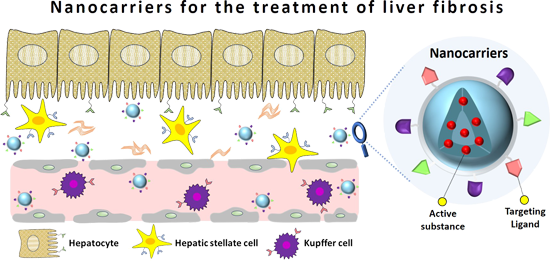
- fibrosis. We first emphasize the challenges of conventional drugs for penetrating the biological barriers of the liver. After that, we highlight design principles of nanocarriers for achieving improved drug delivery of antifibrosis drugs through passive and active targeting strategies. Keywords: active
- targeting; hepatic fibrosis; nanocarriers; nanomedicine; passive targeting; Introduction Over the last three decades, we have witnessed tremendous progress in the field of nanomedicine through the preparation of a vast number of nanoscale (bio)materials. Nanomedicine itself is defined as the biomedical
- treatment. The enhanced permeability and retention (EPR) effect, first described by Maeda and co-workers in 1986, allows for high accumulation of the drug nanocarriers via the leaky vasculature and the deficient lymphatic system around solid tumors, as illustrated in the right panel of Figure 1 [3][4][5


Unveiling the potential of alginate-based nanomaterials in sensing technology and smart delivery applications
Beilstein J. Nanotechnol. 2024, 15, 1077–1104, doi:10.3762/bjnano.15.88


When nanomedicines meet tropical diseases
Beilstein J. Nanotechnol. 2024, 15, 830–832, doi:10.3762/bjnano.15.69

- approach against leishmaniasis [4]. Dourado and collaborators, who showed the therapeutic potential of curcumin-loaded nanocarriers, have also focused their review on these vector-borne NTDs [5]. With an emphasis on the treatment of schistosomiasis using nanoparticles, Carvalho and colleagues provided a
Fabrication of nanocrystal forms of ᴅ-cycloserine and their application for transdermal and enteric drug delivery systems
Beilstein J. Nanotechnol. 2024, 15, 465–474, doi:10.3762/bjnano.15.42
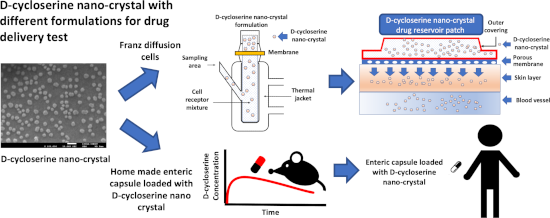
- other hand, only a few research articles reported DCS formulations for parenteral administration [18][19]. Nanocarriers offer great advantages to many technological fields. For example, polytetrafluoroethylene (PTFE) with silicon carbide nanocrystals can be applied as a photostabilizer or as a UV light


Classification and application of metal-based nanoantioxidants in medicine and healthcare
Beilstein J. Nanotechnol. 2024, 15, 396–415, doi:10.3762/bjnano.15.36
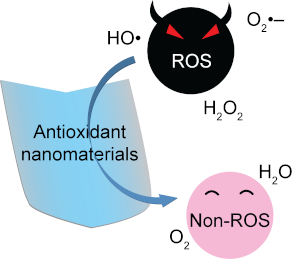
- nanocarriers have various therapeutic advantages such as no or minimized side effects, long storage life, enhanced residence time, extended circulation time, increased half-life, and decreased dose [128][129][130][131]. Nanodelivery systems for natural antioxidants can be divided into two main classes, namely
- natural and synthetic nanocarriers. Because of the advantages of synthetic nanocarriers regarding easier customization of size, surface properties, charge, and morphology, we will focus on synthetic nanocarriers. Various types of synthetic nanocarriers have been developed to deliver natural antioxidants
- better anti-aging properties than natural curcumin. By encapsulating curcumin in nanocarriers or by conjugating it to metal oxide nanoparticles, the solubility and bioavailability of curcumin have been substantially improved, leading to a rise in its pharmacological efficiency [136][137][138][139


Development and characterization of potential larvicidal nanoemulsions against Aedes aegypti
Beilstein J. Nanotechnol. 2024, 15, 104–114, doi:10.3762/bjnano.15.10
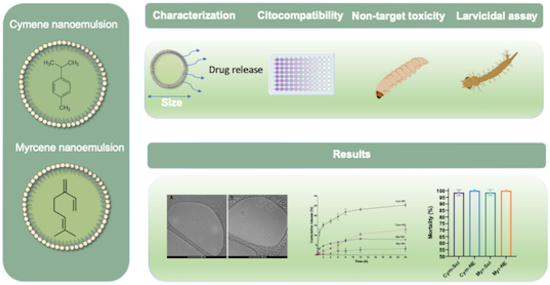
- ). Our results show that Cym-NE has a k value of 10.4, while Myr-NE has a k value of 3.3. A higher k value indicates faster drug release, while a lower k value indicates slower transport kinetics and, consequently, poor drug release from nanocarriers [43]. Furthermore, both Cym-NE and Myr-NE demonstrated


Curcumin-loaded nanostructured systems for treatment of leishmaniasis: a review
Beilstein J. Nanotechnol. 2024, 15, 37–50, doi:10.3762/bjnano.15.4
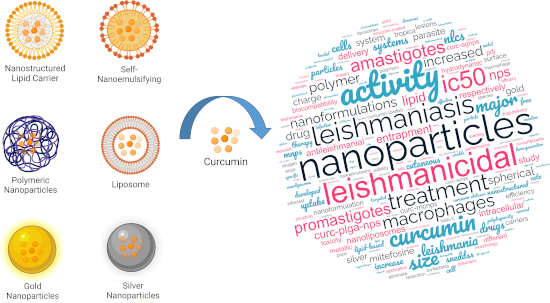
- solving biopharmaceutical challenges associated with drugs, such as curcumin. From a drug delivery standpoint, nanocarriers (1–1000 nm) can improve stability, increase solubility, promote intracellular delivery, and increase biological activity. Thus, this review offers a deep look into curcumin-loaded
- nanocarriers intended for the treatment of leishmaniasis. Keywords: antiparasitic; Curcuma longa; curcuminoids; leishmaniasis; nanocarriers; neglected tropical diseases; Introduction Neglected tropical diseases (NTDs) comprise a group of 20 diseases that are caused, in most cases, by viruses, fungi, bacteria
- , the intracellular uptake of bioactive molecules is especially hindered for hydrophobic molecules [64], making it difficult for the drug to reach the parasite. On the other hand, nanocarriers can target the interior of macrophages residing in the spleen, liver, and bone marrow, effectively delivering


Nanotechnological approaches in the treatment of schistosomiasis: an overview
Beilstein J. Nanotechnol. 2024, 15, 13–25, doi:10.3762/bjnano.15.2
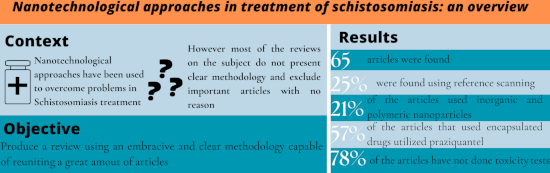
- nanocarriers to enhance drug delivery by ensuring that drugs are delivered in appropriate amounts to specific target areas and remains in the body for the necessary duration [12]. As a result, nanoparticles have been utilized mainly as drug delivery systems in various parasitic diseases, including
- advantages of using this type of nanoparticles as nanocarriers are their potential use for drug controlled release, the ability to protect drugs and other molecules with biological activity against the environment, improvement of their bioavailability and therapeutic index [17]. These nanocarriers are
- lipid nanoparticles (SLN) are solid lipid matrices at room and body temperature [35]. Their advantages are similar to classic nanocarriers, such as protection of labile drugs from biodegradation process, excellent excipient tolerability, and prolonged release. In addition, some disadvantages of the


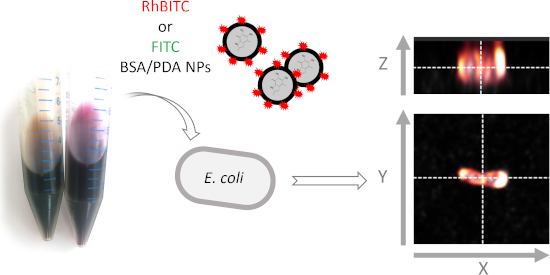
Fluorescent bioinspired albumin/polydopamine nanoparticles and their interactions with Escherichia coli cells
Beilstein J. Nanotechnol. 2023, 14, 1208–1224, doi:10.3762/bjnano.14.100
- nanoplastics can penetrate and accumulate in bacterial cells [22], thus suggesting that other ONPs may have a similar fate in bacteria. In general, the mechanisms of action of ONPs used as drug nanocarriers in antibacterial applications are expected to vary with the nanoparticle type (e.g., liposomes or PLGA
- , but the penetration of liposomes into the cell was not proved [25]. In general, organic nanocarriers are often reported to penetrate mammalian cells infected by bacteria, improving the drug accumulation in these eukaryotic cells and increasing the antibacterial efficiency of the drug [3][4][9][26
- ]. However, the nanocarriers were not found in the bacterial cells, and the question was rarely mentioned at all. Thus, whether the increase in effectiveness of antibiotics carried by NPs is the result of the penetration of the complete nanocarrier–drug system into bacteria or rather an effect of the



Nanostructured lipid carriers containing benznidazole: physicochemical, biopharmaceutical and cellular in vitro studies
Beilstein J. Nanotechnol. 2023, 14, 804–818, doi:10.3762/bjnano.14.66
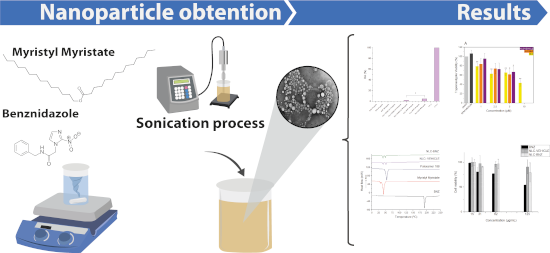
- bioavailability by modifying the absorption, distribution, and elimination of the drug. In this study, BNZ was successfully loaded into nanocarriers composed of myristyl myristate/Crodamol oil/poloxamer 188 prepared by ultrasonication. A stable NLC formulation was obtained, with ≈80% encapsulation efficiency (%EE
- nanoparticles could accumulate in the site of inflammation delivering the drug in the surroundings of their molecular target. In addition, nanocarriers may pass through the cell membrane via endocytosis to avoid BNZ efflux via the P-glycoprotein efflux pump [14][15][16], thus delivering the drug more
- nanoparticle formulations, it is of interest to study the potential toxicity of pharmaceutical nanocarriers in blood cells. Most of the published papers evaluated the hemolytic activity (HA) of nanoparticles after 2, 3, or 5 h of incubation [43][44][45]. The standard methods to test hemolytic activity of


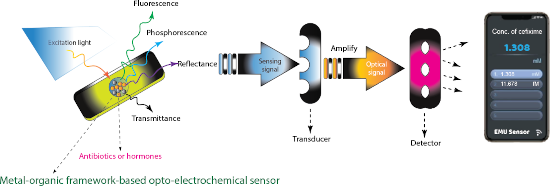
Metal-organic framework-based nanomaterials as opto-electrochemical sensors for the detection of antibiotics and hormones: A review
Beilstein J. Nanotechnol. 2023, 14, 631–673, doi:10.3762/bjnano.14.52


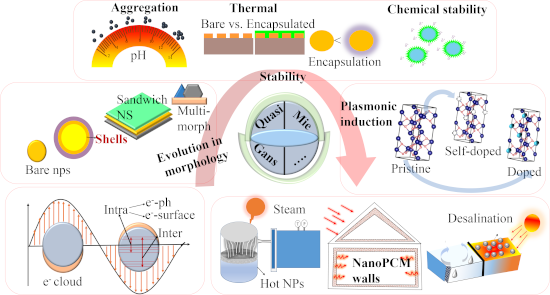
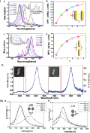
Plasmonic nanotechnology for photothermal applications – an evaluation
Beilstein J. Nanotechnol. 2023, 14, 380–419, doi:10.3762/bjnano.14.33




Polymer nanoparticles from low-energy nanoemulsions for biomedical applications
Beilstein J. Nanotechnol. 2023, 14, 339–350, doi:10.3762/bjnano.14.29
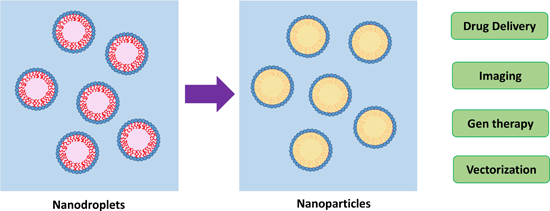
- , nanocarriers need to be engineered to add functionalities, both in their cores and at their surfaces. This includes therapeutic drugs and genes, targeting moieties, performance enhancers (e.g., for barrier penetration and to avoid opsonization), and imaging agents [2][3]. Core and matrix of the nanoparticles




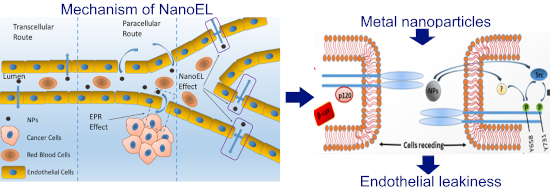
Overview of mechanism and consequences of endothelial leakiness caused by metal and polymeric nanoparticles
Beilstein J. Nanotechnol. 2023, 14, 329–338, doi:10.3762/bjnano.14.28
- [44]. Furthermore, the metabolism and removal from the body of NPs are not fully understood and could also pose a threat [15][45]. Despite many limitations, the medical applications of NPs create new perspectives in relation to conventionally used methods. Therefore, nanocarriers with the highest


Recent progress in cancer cell membrane-based nanoparticles for biomedical applications
Beilstein J. Nanotechnol. 2023, 14, 262–279, doi:10.3762/bjnano.14.24
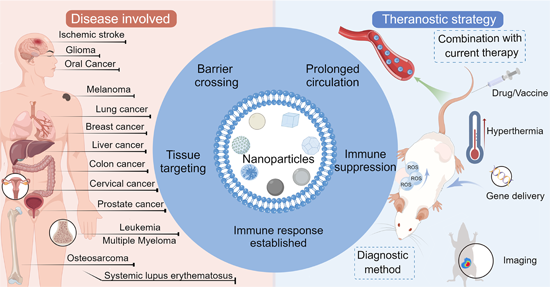
- (NIR) radiation to ablate cells or trigger the release of related therapeutic drugs [94][96]. PTT is characterized by noninvasiveness, deep tissue penetration, and high anticancer efficiency, showing good prospects in clinical treatment [97]. Biomimetic NPs of mesoporous polydopamine nanocarriers have
- targeting and hyperthermia [56]. In a therapeutic strategy for HCC, hepatoma cell membranes and macrophage membranes were hybridized to obtain the advantages of different cell membranes [78]. When nanocarriers with photothermal conversion ability were used to carry the anticancer drug sorafenib, efficient
- nanocarrier was encapsulated with a cancer cell membrane, which endowed the NPs with the ability to target tumor tissues and mediate tumor killing through chemical kinetics [83]. In addition, further anticancer effects can be exerted by the ginsenoside Rh2, which was delivered by nanocarriers and inhibited


Nanotechnology – a robust tool for fighting the challenges of drug resistance in non-small cell lung cancer
Beilstein J. Nanotechnol. 2023, 14, 240–261, doi:10.3762/bjnano.14.23
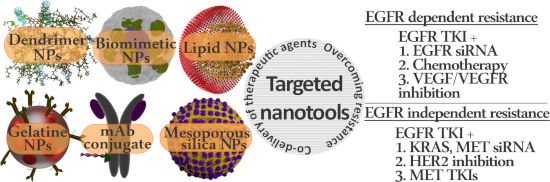
- agents. Precision oncology research to identify targetable biomarkers and optimize tumor homing agents, hand in hand with designing multifunctional and multistage nanocarriers that respond to the inherent heterogeneity of the tumors, may resolve the challenges of inadequate tumor localization, improve
- intracellular internalization, and bring advantages over conventional nanocarriers. Keywords: co-delivery nanoparticles; combinatorial therapy; EGFR TKI resistance; non-small cell lung cancer (NSCLC); overcoming and preventing resistance; Introduction Among the malignant diseases, lung cancer takes the lead
- targeting motifs, multifunctional and multistage nanomicelles and polymer nanoparticles, and nanostructured lipid nanocarriers, combined with precision oncology research to identify additional targetable biomarkers, have emerged. Some have been applied in the co-delivery of clinically relevant combinations


Antibacterial activity of a berberine nanoformulation
Beilstein J. Nanotechnol. 2022, 13, 641–652, doi:10.3762/bjnano.13.56
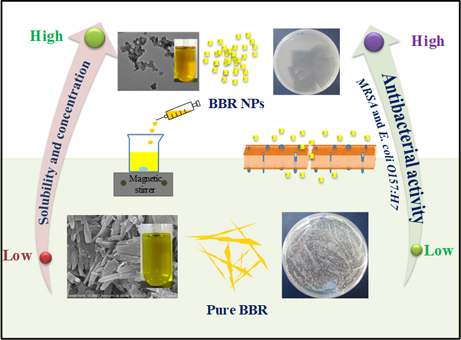
- batch-to-batch variations [33]. Also, non-biodegradability and long-term toxicity are limitations of inorganic nanocarriers [34]. The purpose of this study was to fabricate BBR nanoparticles (BBR NPs) without using any nanocarriers, thus reducing production cost, increasing the drug concentration, and



Design and characterization of polymeric microneedles containing extracts of Brazilian green propolis
Beilstein J. Nanotechnol. 2022, 13, 503–516, doi:10.3762/bjnano.13.42
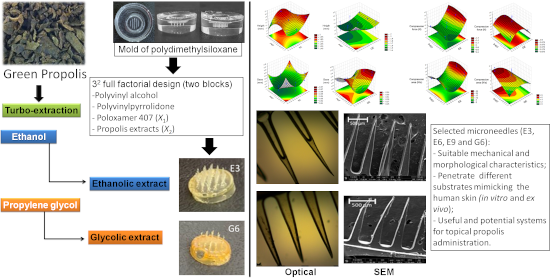
- permeation mechanism [6][9][10]. Nanocarriers can be used together with polymeric MNs in a synergistic therapy. The nanocarriers can immediately come into contact with the stratum corneum with the help of polymeric MNs, enhancing the transdermal drug delivery of the drugs. Furthermore, these polymeric MNs
- can encapsulate several types of nanocarriers, making it a unique system with different activities [11]. Solid MNs are used for pre-treatment of the skin. They serve only to create micropores, increasing permeability and facilitating the administration of the drug. The drug will be inserted over the