


Search results
Search for "nanomaterials" in Full Text gives 614 result(s) in Beilstein Journal of Nanotechnology. Showing first 200.
Functional surface engineering for cultural heritage protection: the role of superhydrophobic and superoleophobic coatings – a comprehensive review
Beilstein J. Nanotechnol. 2026, 17, 63–96, doi:10.3762/bjnano.17.6

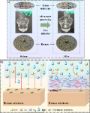
- −) can reach the metal surface. In Figure 6a, the production process and final application of a novel organic–inorganic composite coating, designed to provide advanced anticorrosion protection for bronze artifacts is described. The coating combines waterborne polyurethane (WPU) with the nanomaterials ZIF
- labeled F-WPU@ZIF-8/ Ti3C2Tx. The two nanomaterials (the MOF ZIF-8 and the 2D MXene Ti3C2Tx), synthesized and dispersed uniformly before being incorporated into the WPU matrix and sprayed onto the bronze substrates, were aimed to fill microcracks and structural defects in the polymer matrix, improving





Internal 3D temperature mapping in biological systems using ratiometric light-sheet imaging and lipid-coated upconversion nanothermometers
Beilstein J. Nanotechnol. 2025, 16, 2306–2316, doi:10.3762/bjnano.16.159
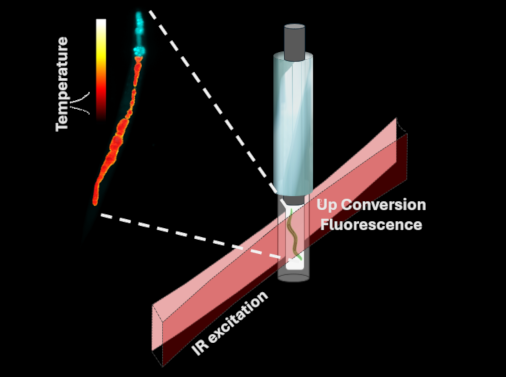
- phototoxicity [38]. The ladder-like energy level structure of Ln3+ ions enable efficient photon UC of near-infrared (NIR) light, even with moderate excitation intensities (1–103 W·cm−2) attainable with gas-based lamps or continuous wave lasers [39]. Temperature measurements using Ln3+-doped nanomaterials have


Improving magnetic properties of Mn- and Zn-doped core–shell iron oxide nanoparticles by tuning their size
Beilstein J. Nanotechnol. 2025, 16, 2285–2295, doi:10.3762/bjnano.16.157
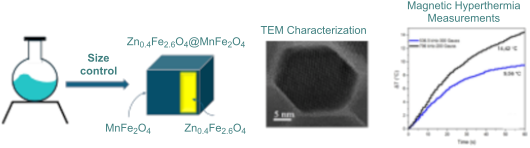
- results highlight the importance of precise control over size and composition in designing optimized magnetic nanomaterials. While further improvements (e.g., surface modification and TGA normalization) remain to be explored, this study provides solid experimental evidence supporting the relevance of core



Visualizing nanostructures in supramolecular hydrogels: a correlative study using confocal and cryogenic scanning electron microscopy
Beilstein J. Nanotechnol. 2025, 16, 2274–2284, doi:10.3762/bjnano.16.156
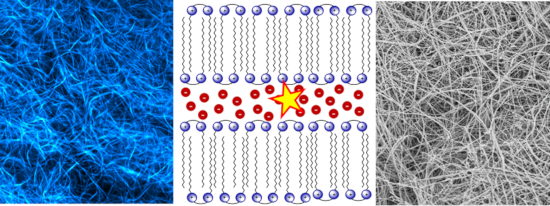
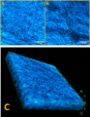
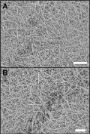
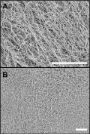
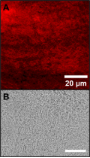
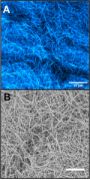
- visualization of the native fibrous network. These results demonstrate the complementary nature of CLSM and cryo-SEM and highlight the value of cryo-SEM as a very useful tool for imaging soft nanomaterials with low fluorescence or limited optical contrast. Keywords: anion binding; colloid; fluorophore



Optical bio/chemical sensors for vitamin B12 analysis in food and pharmaceuticals: state of the art, challenges, and future outlooks
Beilstein J. Nanotechnol. 2025, 16, 2207–2244, doi:10.3762/bjnano.16.153
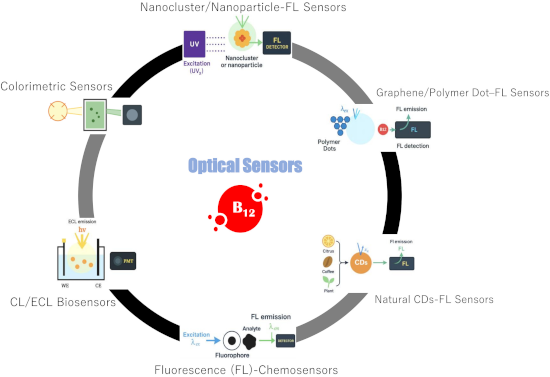
- dot (CD)- and quantum dot (QD)-based sensors). The advent of optical biosensing technologies has resulted in a new era for VB12 analysis, characterized by the development of innovative CD- and QD-based sensors. These nanomaterials offer several advantages over conventional methods, including enhanced


Missing links in nanomaterials research impacting productivity and perceptions
Beilstein J. Nanotechnol. 2025, 16, 2168–2176, doi:10.3762/bjnano.16.149
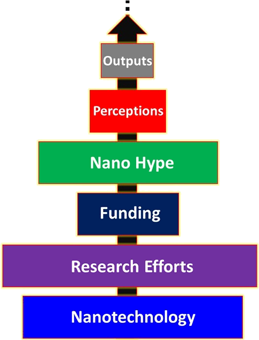
- Structures, School of Resources, Environment and Materials, Guangxi University, Nanning, Guangxi 530004, China 10.3762/bjnano.16.149 Abstract Herein we point out critical yet often overlooked barriers restraining the real-world impact and commercial viability of nanomaterials research. In spite of decades
- remain unrealized, despite over decades of excellent discoveries. This perspective calls for carefully considerations linked to productivity perception, true funding utility, and foundational reform to unlock nanotechnology’s full promise across sectors. Keywords: commercialization; nanomaterials
- ; public-facing technologies; standardization; translational barriers; Perspective Atom-by-atom innovation The historical creation of nanomaterials and their applications is much older than often assumed and has long been a subject of debate. It would be wrong to believe that nanomaterials have been
Microplastic pollution in Himalayan lakes: assessment, risks, and sustainable remediation strategies
Beilstein J. Nanotechnol. 2025, 16, 2144–2167, doi:10.3762/bjnano.16.148
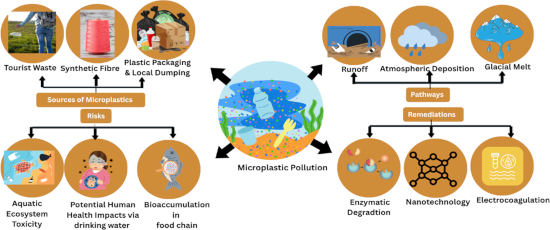
- application of nanomaterials for microplastic removal is elaborated in detail, and case studies validated their effectiveness, especially in cold environments with strong UV irradiation. In the face of increasing worldwide research into microplastic contamination, there remains a huge knowledge gap concerning
- permanently removed without causing secondary pollution [72]. 5.3.2 Nanotechnology for degradation. Nanotechnology offers a novel method for the accurate and effective breakdown of MPs. Under UV light, nanomaterials such as ZnO and TiO2 work as photocatalysts to break down MPs into CO2 and water, which are
- nanoparticles have been shown to break down PS in both UV and natural light, which suggests they could be used in a range of environmental conditions [44]. Another prospective application is the integration of nanomaterials into filtration membranes, which results in the development of hybrid systems that are


Electron transport through nanoscale multilayer graphene and hexagonal boron nitride junctions
Beilstein J. Nanotechnol. 2025, 16, 2132–2143, doi:10.3762/bjnano.16.147
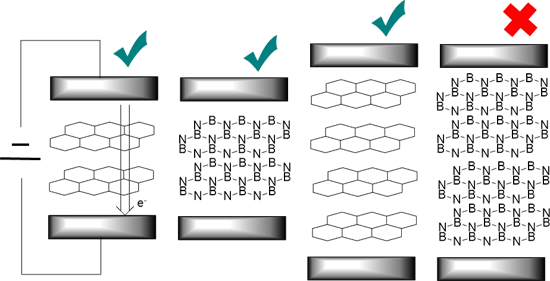
- enabled us to extrapolate trends for electron transport in thicker multilayer carbon and h-BN materials. Keywords: NEGF; DFT; nano-junction; Introduction Multilayer graphene nanomaterials exhibit interesting electronic properties and find application in battery electrode materials [1], electrocatalysis


Rapid synthesis of highly monodisperse AgSbS2 nanocrystals: unveiling multifaceted activities in cancer therapy, antibacterial strategies, and antioxidant defense
Beilstein J. Nanotechnol. 2025, 16, 2105–2115, doi:10.3762/bjnano.16.145
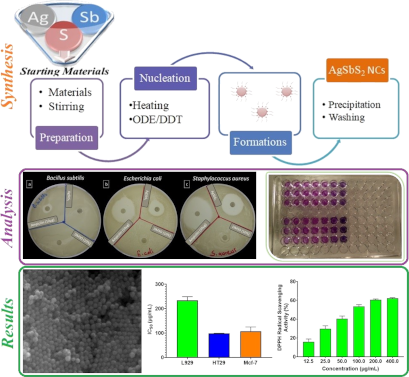
- , chemical, or biological attributes offer novel foundational elements for the design and development of devices and systems aimed at diagnosing and treating various diseases. Hence, nanoparticles or nanomaterials can be engineered to have various useful medical functions [4]. The assessment of the
- biological activity (e.g., antioxidant, antimicrobial, and anticancer) of nanomaterials has emerged as a crucial area of investigation in the field of nanoscience and nanotechnology. In many studies, chemically or biologically synthesized nanoparticles have a wide range of pharmacological activity ranging
- avenue for the development of targeted cancer therapies by leveraging this inherent selectivity. Although direct mechanistic assays such as ROS quantification or apoptosis marker analysis were not performed in this study, previous research on silver-based nanomaterials offers valuable insights into


Toward clinical translation of carbon nanomaterials in anticancer drug delivery: the need for standardisation
Beilstein J. Nanotechnol. 2025, 16, 2092–2104, doi:10.3762/bjnano.16.144

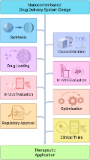
- Michal Bartkowski Francesco Calzaferri Silvia Giordani School of Chemical Sciences, Dublin City University, Glasnevin, Dublin, Ireland Life Science Institute, Dublin City University, Glasnevin, Dublin, Ireland 10.3762/bjnano.16.144 Abstract Carbon nanomaterials (CNMs), including graphene, carbon
- enhancing therapeutic delivery, particularly in areas such as cancer treatment. This perspective highlights critical considerations in the development of CNM-based nanocarriers, spanning from initial design to clinical implementation. Keywords: carbon nanomaterials (CNMs); carbon nanoparticles (CNPs); drug
- delivery systems (DDSs); nanocarriers; quality control (QC); Introduction Nanomaterials Nanomaterials (NMs) have an extensive array of various properties and applications across many industries, including the biomedical, health care, food/agriculture, industrial, environmental, electronic, and renewable



Multifrequency AFM integrating PeakForce tapping and higher eigenmodes for heterogeneous surface characterization
Beilstein J. Nanotechnol. 2025, 16, 2077–2085, doi:10.3762/bjnano.16.142
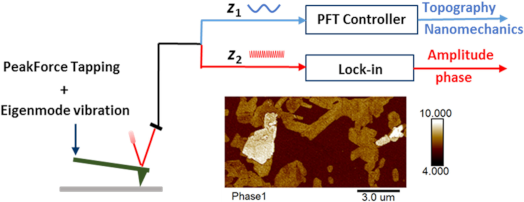
- heterogeneous nanomaterials while significantly simplifying the requirements for probe selection, which are typically necessary for material differentiation via the standard PeakForce tapping method. This innovation enhances the technique’s practicality and extends compatibility to a wider array of probe types
- low-pass filtering effectively suppress parasitic vibrations and baseline drift, ensuring sub-nanometer topographic resolution. This method offers a practical new tool for characterizing heterogeneous nanomaterials, particularly in scenarios where probe selection is limited or multiparameter


Laser ablation in liquids for shape-tailored synthesis of nanomaterials: status and challenges
Beilstein J. Nanotechnol. 2025, 16, 1963–1997, doi:10.3762/bjnano.16.137
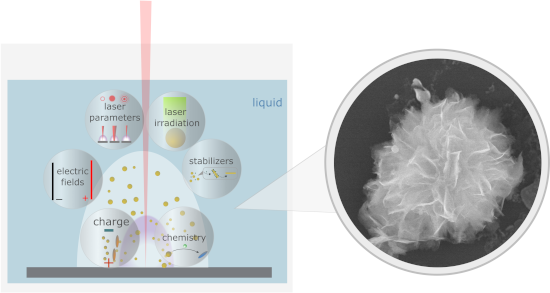
- Natalie Tarasenka Department of Design, Manufacturing and Engineering Management, University of Strathclyde, 75 Montrose st., G1 1XQ, Glasgow, UK 10.3762/bjnano.16.137 Abstract Shape-and size-controlled synthesis of nanomaterials has been a long-term aim and challenge of modern nanotechnology
- . Despite many synthesis methods are still mainly focused on the production of near-spherical NPs, a number of emerging applications require nanomaterials of nonspherical shape and developed surface, which determine the functional performance of nanostructured devices. Laser ablation in liquids has been
- stage of the development of laser ablation in liquids from the perspective of shape control of the forming nanomaterials. The key parameters influencing the NP shape are highlighted, including the composition of a liquid, laser focusing conditions and introduction of external fields, and the mechanism




Evaluating metal-organic precursors for focused ion beam-induced deposition through solid-layer decomposition analysis
Beilstein J. Nanotechnol. 2025, 16, 1942–1951, doi:10.3762/bjnano.16.135
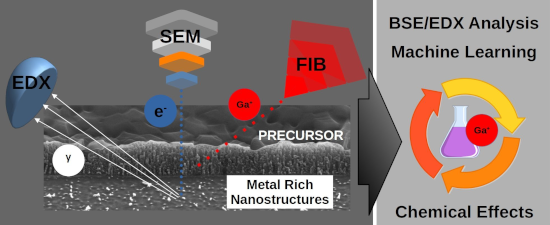
- . Acknowledgements We would like to acknowledge members of the FIT4NANO Action (COST: CA19140 - Focused Ion Technology for Nanomaterials) for sharing their knowledge. The flask icon in the graphical abstract is from https://openclipart.org/detail/16987/erlenmeyr under the CC0 License, by jean_victor_balin. Funding
- We would like to acknowledge the support of the FIT4NANO Action (COST: CA19140 - Focused Ion Technology for Nanomaterials) for funding the scientific activities. This research was supported in part by the Excellence Initiative - Research University Program at the Jagiellonian University in Krakow and


On the road to sustainability – application of metallic nanoparticles obtained by green synthesis in dentistry: a scoping review
Beilstein J. Nanotechnol. 2025, 16, 1851–1862, doi:10.3762/bjnano.16.128
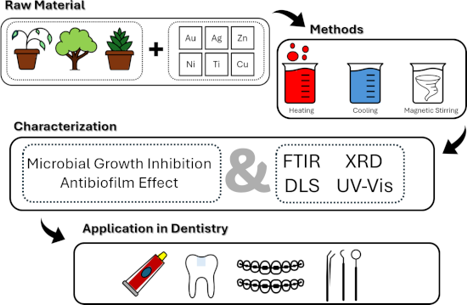
- ; sustainable development; Introduction Nanotechnology is an interdisciplinary field of science that involves the manipulation of materials at the nanoscale, typically ranging from 1 to 100 nm in inorganic nanomaterials, to generate structures with unique physicochemical properties [1][2][3]. Among the most
- widely studied nanomaterials are metallic nanoparticles, particularly silver (AgNPs), gold (AuNPs), and copper (CuNPs), and various metal oxide nanoparticles such as zinc oxide (ZnO-NPs), due to their high surface-to-volume ratio, chemical stability, and distinctive optical and antimicrobial properties
- [4][5][6]. These nanomaterials have been successfully applied in diverse fields, such as medicine, agriculture, cosmetics, electronics, the food industry, and, more recently, dentistry [5][6]. However, conventional chemical and physical synthesis routes often involve toxic organic solvents, high


Current status of using adsorbent nanomaterials for removing microplastics from water supply systems: a mini review
Beilstein J. Nanotechnol. 2025, 16, 1837–1850, doi:10.3762/bjnano.16.127
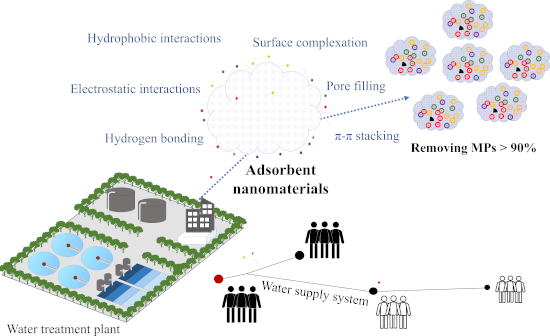
- sustainable strategies to deal with this matter. Many studies have shown that adsorbent nanomaterials have potential for the removal of MPs from water. This review evaluates the current status of using adsorbent nanomaterials in removing MPs from water supply systems. It discusses the occurrences and removal
- efficiency of MPs in water supply systems, as well as the mechanisms and performance when applying these materials for treatment. In addition, the related risk of adsorbent nanomaterials is also considered. Microplastics from land-based sources and wastewater plants persist in water supplies, with
- conventional treatments removing only 40–70%, especially struggling with smaller particles. Based mainly on mechanisms like electrostatic interactions, hydrophobic interactions, pore filling, hydrogen bonding, π–π stacking, and surface complexation, adsorbent nanomaterials achieve over 90% removal of MPs and


Piezoelectricity of layered double hydroxides: perspectives regarding piezocatalysis and nanogenerators
Beilstein J. Nanotechnol. 2025, 16, 1812–1817, doi:10.3762/bjnano.16.124

- (e.g., 95.8% degradation of carbamazepine, k ≈ 0.148 min−1 for ultrathin Zn/Al-LDH; 91.50% norfloxacin degradation, k ≈ 0.1644 min−1 for ZnCo/Al-LDH); also, it is useful to compare them with benchmark non-LDH piezocatalysts. For example, BaTiO3 nanomaterials, long considered a standard for

Exploring the potential of polymers: advancements in oral nanocarrier technology
Beilstein J. Nanotechnol. 2025, 16, 1751–1793, doi:10.3762/bjnano.16.122


Advances of aptamers in esophageal cancer diagnosis, treatment and drug delivery
Beilstein J. Nanotechnol. 2025, 16, 1734–1750, doi:10.3762/bjnano.16.121
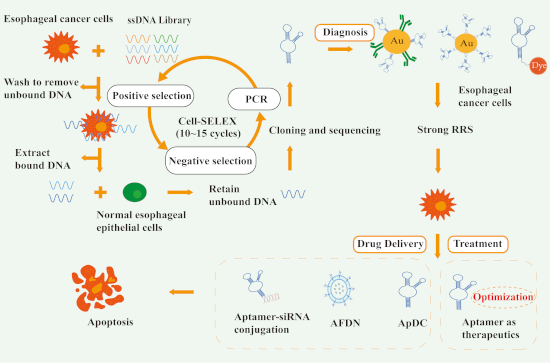
- structural modification. [26]. Aptamer-based biosensors [27] fully utilize these characteristics by combining various signal amplification techniques and nanomaterials (such as metal nanoparticles, quantum dots, silica nanoparticles, and carbon nanotubes), enabling highly sensitive detection of biomarkers
- drug loading and release efficiency with nanomaterials as carriers, significantly optimizing the treatment mode of EC. 2 Searching core literature In order to better summarize the application of aptamers in the diagnosis, treatment, and drug delivery of EC, we searched for keywords in the PubMed and


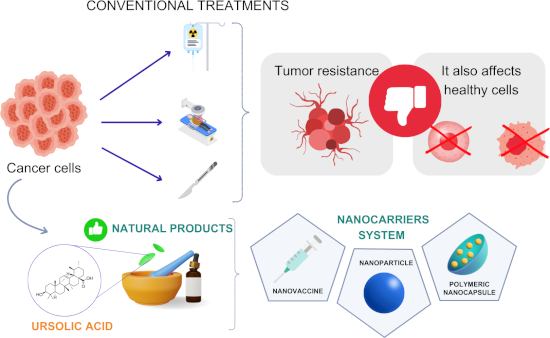
Prospects of nanotechnology and natural products for cancer and immunotherapy
Beilstein J. Nanotechnol. 2025, 16, 1644–1667, doi:10.3762/bjnano.16.116


Nanotechnology-based approaches for the removal of microplastics from wastewater: a comprehensive review
Beilstein J. Nanotechnol. 2025, 16, 1607–1632, doi:10.3762/bjnano.16.114
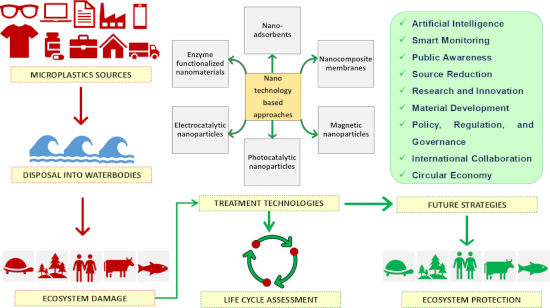
- effectively removing MPs, especially those in the nanosize range. This review presents a detail analysis of the sources, pathways, detection methods, and health impact of MPs, while emphasizing the emerging role of nanotechnology in their remediation. Nanomaterials, including nanoadsorbents, photocatalysts
- various nanoenabled treatment strategies such as adsorption, photocatalysis, and membrane filtration using materials like metal-organic frameworks, carbon-based nanomaterials, MXenes, and metal oxides. It also highlights recent innovations such as microrobotic systems and AI-assisted detection frameworks
- nanoparticles, minimizing the used of hazardous chemicals [17]. Together, these techniques offer versatile strategies for developing nanomaterials that can be fine-tuned to optimize microplastic removal efficiency while adhering to sustainable practices. In the field of water treatment, nanotechnology has been


Modeling magnetic properties of cobalt nanofilms used as a component of spin hybrid superconductor–ferromagnetic structures
Beilstein J. Nanotechnol. 2025, 16, 1557–1566, doi:10.3762/bjnano.16.110
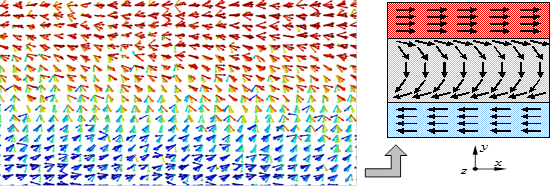
- are currently used, as well as fundamental features of the thin film formation processes with new composition and coatings of various types. These types of nanomaterials are very promising (in terms of computational performance and energy dissipation efficiency) for use in superconducting digital
- Josephson contacts [13]. These nanomaterials are widely used [17][18][19] in the creation of individual qubits and quantum computers in general, superconducting microcircuits and interferometers, single photon detectors [20] and other devices of quantum electronics and spintronics. Mathematical Model for
- ] indicates a satisfactory qualitative and quantitative agreement of the values. This analysis confirms that the modeling of magnetic properties and behavior of nanomaterials at the atomistic level should be carried out at integration time steps of no more than 1.0 fs. Typical spin dynamics models use a time


Influence of laser beam profile on morphology and optical properties of silicon nanoparticles formed by laser ablation in liquid
Beilstein J. Nanotechnol. 2025, 16, 1533–1544, doi:10.3762/bjnano.16.108
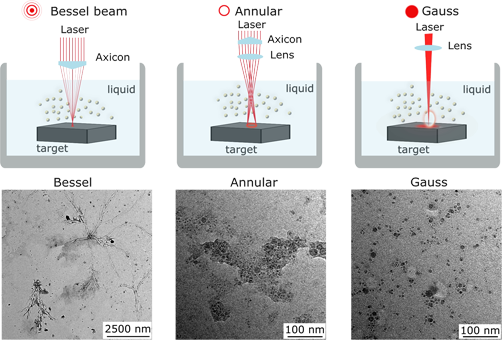
- become an emerging field of research [3][4][5][6][7]. The expanding application areas require silicon nanomaterials of different morphologies, including quantum dots, nanowires, and nanocrystalline films. Si nanowires, for example, are considered as a promising alternative to silicon electrodes in Li-ion
- to alter the properties and morphology of NPs by changing the laser parameters and liquid media [10][11]. The control over the major characteristics of the produced nanomaterials can be achieved by adjustment of several experimental parameters, for example, laser wavelength, fluence, pulse width
- laser beam energy distribution (Gauss, Bessel, or annular) for the synthesis of silicon nanomaterials of different shapes by laser ablation in a liquid. The advantages of laser beams with Bessel and annular profiles were demonstrated earlier in the fields of material processing, such as microdrilling


Dendrimer-modified carbon nanotubes for the removal and recovery of heavy metal ions from water
Beilstein J. Nanotechnol. 2025, 16, 1522–1532, doi:10.3762/bjnano.16.107

- reverse osmosis [9]. The adsorption process stands out as a promising approach due to its high efficiency, cost-effectiveness, ease of processing, and capability to recover trace metal ions [10][11][12][13]. This process utilizes nanomaterials bearing appropriate functional groups to bind metal ions
- , which can be later released by altering the pH of the solution. Numerous nanomaterials have been explored and modified by introducing a high number of binding sites (functional groups) and/or generating a porous structure to enhance the adsorption of heavy metal ions [14][15]. Although such modified
- dendrimers on a solid support can also improve the dispersibility, accessibility of binding sites, chemical recyclability, and mechanical stability [16][17]. In fact, dendrimers have been supported by various nanomaterials such as silica, graphene oxide, and carbon nanotubes (CNTs), broadening their


Cross-reactivities in conjugation reactions involving iron oxide nanoparticles
Beilstein J. Nanotechnol. 2025, 16, 1504–1521, doi:10.3762/bjnano.16.106
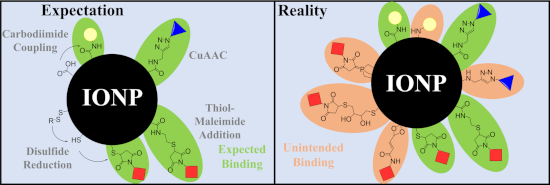
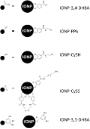
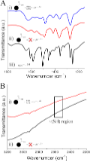
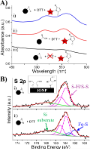
- functional biomedical nanomaterials. However, few studies report the controls performed to determine if the loading of molecules onto IONPs is due to the proposed coupling reaction(s) employed, or some other unknown interaction with the IONP surface. Herein, we use 3,4-dihydroxybenzoic acid-functionalized







Nanomaterials for biomedical applications
Beilstein J. Nanotechnol. 2025, 16, 1499–1503, doi:10.3762/bjnano.16.105
- , Istanbul, Turkey 10.3762/bjnano.16.105 Keywords: biomedical applications; drug delivery; nanocarriers; nanomaterials; nanomedicine; nanoparticles; polymeric nanoparticles; tissue regeneration; Medicine has rapidly advanced over the last few decades, and nanotechnology has played a significant role in
- this progress. The use of nanomaterials has notably contributed to advancements in the fields of disease diagnosis, treatment, and prevention. They can closely interact with cells and molecules of the body due to their small size, which helps to diagnose, enhance imaging, and repair damaged tissues
- . Nanomaterials have gained popularity in medicine because they can be altered according to the need [1]. Researchers can tailor the shape, surface chemistry, and other specific properties of materials to deliver desirable traits. In particular, some nanoparticles can be used to deliver drugs to a tumor, reducing



