


Search results
Search for "nanoparticles" in Full Text gives 1300 result(s) in Beilstein Journal of Nanotechnology. Showing first 200.
Beam shaping techniques for pulsed laser ablation in liquids: Unlocking tunable control of nanoparticle synthesis in liquids
Beilstein J. Nanotechnol. 2026, 17, 309–342, doi:10.3762/bjnano.17.22
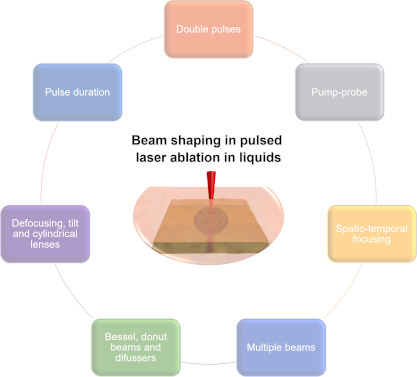
- highlighted, offering a comprehensive perspective on the future of this dynamic field. Keywords: green nanoparticles synthesis; PLAL; production upscale; pulsed laser ablation in liquids; size control; spatial beam shaping; temporal beam shaping; Review Introduction Pulsed laser ablation in liquids (PLAL
- , heating, and evaporation of the material, leading to plasma formation. The plasma cools down in the surrounding liquid releasing nanoparticles (NPs) into the liquid; the cooling process also generates gas bubbles from the liquid environment. These gas bubbles nucleate, forming a cavitation bubble (CB







Durable antimicrobial activity of fabrics functionalized with zeolite ion-exchanged nanomaterials against Staphylococcus aureus and Escherichia coli
Beilstein J. Nanotechnol. 2026, 17, 262–274, doi:10.3762/bjnano.17.18
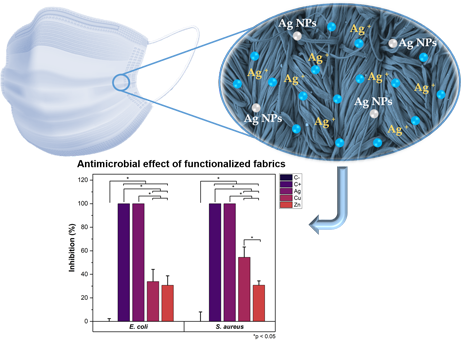
- nanotechnology has expanded into different areas of science, including physics, chemistry, biology, and medicine, over the past few decades [1][2]. Recently, nanoparticles (NPs), nanomaterials, and nanocomposites have been applied in various fields, including medicine and biotechnology, to reduce the recurrence
- nanoparticles act against viruses involves the interaction with the surface of the NPs, leading to adhesion and inactivation, thereby preventing the virion from entering the host cell. NPs release ions or transfer them to microorganisms, inducing oxidative stress. Given these possible mechanisms, viral
- ]. The antimicrobial activity of copper alloys (61–95% Cu) against E. coli O157 was tested at different temperatures (4 and 22 °C) [14]. The highest antibacterial effect was observed at 22 °C, but only alloys containing 95% of Cu completely killed E. coli. Chitosan–copper nanoparticles exhibited high




Gold nanoparticle-decorated reduced graphene oxide as a highly effective catalyst for the selective α,β-dehydrogenation of N-alkyl-4-piperidones
Beilstein J. Nanotechnol. 2026, 17, 218–238, doi:10.3762/bjnano.17.15
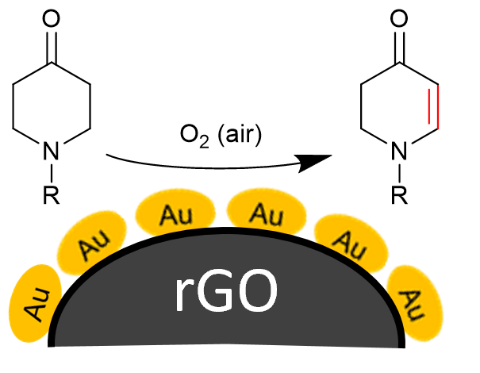
- Brenda Flore Kenyim Mihir Tzalis Marilyn Kaul Robert Oestreich Aysenur Limon Chancellin Pecheu Nkepdep Christoph Janiak Institut für Anorganische Chemie und Strukturchemie, Heinrich-Heine-Universität, 40204 Düsseldorf, Germany 10.3762/bjnano.17.15 Abstract Gold nanoparticles (AuNPs) supported on
- the dehydrogenation of β-N-substituted saturated ketones and other fine chemical applications. Keywords: oxidative dehydrogenation; reduced graphene oxide; supported gold nanoparticles; β-N-substituted ketones; Introduction The properties related to the high surface area of matter at the nanometric
- development of highly efficient catalysts is of constant interest for advancements in organic chemistry, particularly in oxidation, hydrogenation, and coupling reactions. Gold nanoparticles (AuNPs) have emerged as exceptionally effective catalysts for facilitating these types of reactions [3][4]. The unique


Structure-dependent thermochromism of PAZO thin films: theory and experiment
Beilstein J. Nanotechnol. 2026, 17, 186–199, doi:10.3762/bjnano.17.12
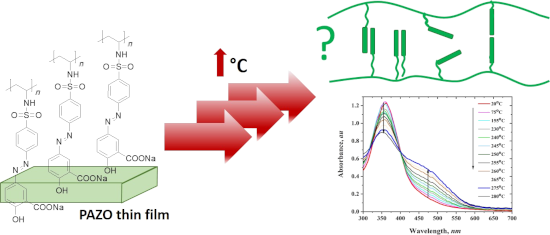
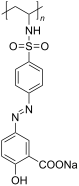
- nondoped thin films [17][18], as well as on thin nanocomposite layers doped with nanoparticles of diverse chemical compositions, shapes, and sizes [19]. Additional efforts have focused on thermally treated layers of pure PAZO up to 200 °C [20], and on PAZO/PAH (with PAH denoting poly(allylamine


From shield to spear: Charge-reversible nanocarriers in overcoming cancer therapy barriers
Beilstein J. Nanotechnol. 2026, 17, 159–175, doi:10.3762/bjnano.17.10
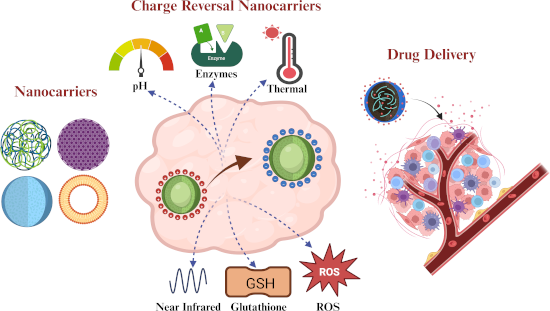
- , nanocarriers encompass diverse types including polymeric nanoparticles, liposomes, micelles, dendrimers, lipid-based carriers, carbon-based nanomaterials, and gold nanoparticles. They exhibit versatile structures (1–100 nm) with diverse morphologies (e.g., spherical, tubular, or conical shapes [14]). With
- biofilms within the TME, where the nanoparticles are activated by pH changes and demonstrate their potential for site-specific drug delivery [19]. This strategy also enables controlled drug release, as the pH-sensitive charge reversal triggers site-specific drug unloading in acidic tumour microenvironments
- that zwitterionic and neutral nanoparticles possess highly hydrated, charge-balanced surfaces that minimize serum protein adsorption, complement activation, and cytokine release (IL-6, TNF-α). In murine models, these particles exhibited reduced systemic inflammation and enhanced circulation stability


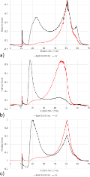
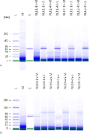
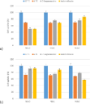
Influence of surface characteristics on the in vitro stability and cell uptake of nanoliposomes for brain delivery
Beilstein J. Nanotechnol. 2026, 17, 139–158, doi:10.3762/bjnano.17.9
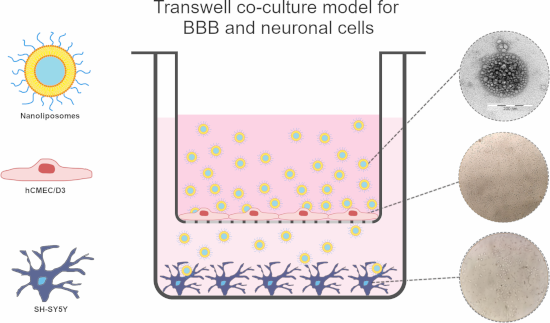
- sizes determined directly from their elution times. AF4–MALS has been extensively utilized for sizing various categories of nanoparticles such as metal oxides, polymeric and silica nanoparticles. Additionally, it has been employed for the separation of diverse macromolecules and structures including
- ) after their incubation in cell culture medium with and without serum for a period of 1 and 4 h. It is well known that PEGylation plays a critical role in modulating the formation and composition of the protein corona on nanoparticles by introducing a steric barrier that reduces and selectively alters




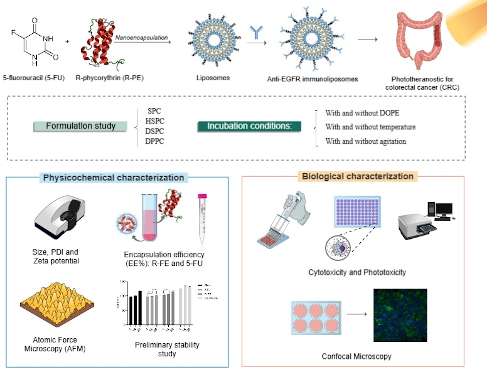
Development and in vitro evaluation of liposomes and immunoliposomes containing 5-fluorouracil and R-phycoerythrin as a potential phototheranostic system for colorectal cancer
Beilstein J. Nanotechnol. 2026, 17, 97–121, doi:10.3762/bjnano.17.7
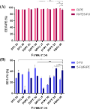
- characterization, the selected formulations were 30 days. The samples were kept at 4 °C in plastic containers wrapped in aluminum protected from light, and characterized for vesicle size, PDI, and zeta potential. 2.5.1 Stability of nanoparticles in serum The stability of the nanoparticles in bovine serum was
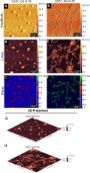
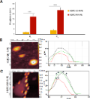
- proteoliposome membranes [25][59]. This difference is also evident in the profile analysis of selected nanoparticles (Figure 3J and Figure 3K). Irregularities are clearly visible only in HSPC-IM-R-PE (Figure 4C, arrowheads in the right panel), which can be due to cetuximab decoration. In addition to the Ra
- protein corona formation under physiological conditions [63]. These findings highlight the importance of surface characterization by AFM in the development and optimization of nanoparticles. 3.4 Fourier-transform infrared spectroscopy assays The FTIR spectra obtained for the formulations showed the



Functional surface engineering for cultural heritage protection: the role of superhydrophobic and superoleophobic coatings – a comprehensive review
Beilstein J. Nanotechnol. 2026, 17, 63–96, doi:10.3762/bjnano.17.6

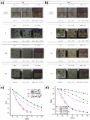
- copolymer (poly(vinylidene fluoride-co-hexafluoropropylene, PVDF-HFP), an aqueous emulsion of alkylpolysiloxane (PSW), a dispersion of functionalized silica nanoparticles (n-SiOR), and a nanostructured silica gel in hydroalcoholic solution (wnf-SiO2). Terracotta specimens chemically and physically matching
- using Paraloid® B72 solutions with 1–4% silica dioxide nanoparticles to enhance durability and reduce moisture sensitivity (mostly to face the biotic and abiotic factors that usually lead to wood damage). The treatment improved dimensional stability, hydrophobicity, and resistance to artificial




Quantitative estimation of nanoparticle/substrate adhesion by atomic force microscopy
Beilstein J. Nanotechnol. 2026, 17, 1–14, doi:10.3762/bjnano.17.1

- of copper nanoparticles to silicon substrates deposited under varying conditions using DC magnetron sputter inert gas condensation. Atomic force microscopy was utilized as a tool for the manipulation of the nanoparticles and to measure lateral forces for their displacement, with cantilever
- strategies for tailoring nanoparticle/substrate interactions. Keywords: adhesion; atomic force microscopy; magnetron sputtering; nanomanipulation; nanoparticles; Introduction Nanoparticles (NPs) are at the forefront of basic research and technological innovation, captivating researchers and engineers from
- adhesion forces. Experimental Synthesis of Cu nanoparticles Before deposition, single-crystalline Si(100) wafer substrates, with a thickness of around 500 µm and covered by a native oxide, were cleaned in an ultrasonic bath for 10 min with ethanol, followed by rinsing with isopropanol. Then, the substrates



Internal 3D temperature mapping in biological systems using ratiometric light-sheet imaging and lipid-coated upconversion nanothermometers
Beilstein J. Nanotechnol. 2025, 16, 2306–2316, doi:10.3762/bjnano.16.159
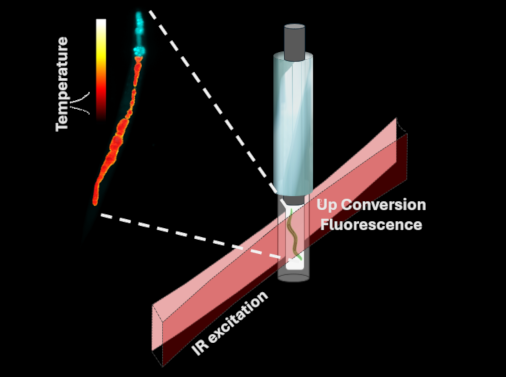
- 62209, México Instituto de Investigaciones en Materiales, Universidad Nacional Autónoma de México, A.P. 70-360, México City 04510, México 10.3762/bjnano.16.159 Abstract Upconversion nanoparticles (UCNPs) are well-known for their high efficiency, photostability, near-infrared excitation, and ability to
- -sheet microscopy; temperature mapping; upconversion fluorescent nanoparticles; Introduction Biological processes involving energy exchange often manifest as temperature fluctuations. Materials sought to measure such changes should exhibit high sensitivity, accuracy, high spatiotemporal resolution, good
- mainly focused on using UC nanoparticles (UCNPs), which are inorganic crystalline structures, typically composed of sodium yttrium fluoride (NaYF4) co-doped with rare-earth (RE) ions like ytterbium (Yb3+), erbium (Er3+), and gadolinium (Gd3+). These RE ions act as sensitizers and emitters, allowing for


Improving magnetic properties of Mn- and Zn-doped core–shell iron oxide nanoparticles by tuning their size
Beilstein J. Nanotechnol. 2025, 16, 2285–2295, doi:10.3762/bjnano.16.157
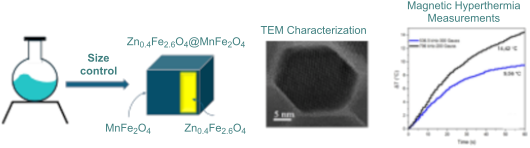
- /bjnano.16.157 Abstract Superparamagnetic iron oxide nanoparticles (SPIONs) offer promising applications in nanomedicine due to their appealing properties. Their magnetic and magnetic hyperthermia properties are considered as relevant tools for low invasive cancer therapeutic applications. In this work
- , we report on the synthesis of polyhedral core–shell SPIONs. Their size was tuned to improve their magnetic properties. Furthermore, by hybridizing into a core–shell inorganic/inorganic structure, the nanoparticles can achieve significantly improved magnetic-to-thermal energy conversion efficiency (at
- Mössbauer analysis, and the magnetic properties were studied to select the ideal size for magnetic hyperthermia application. Keywords: core–shell nanoparticles; magnetic hyperthermia; magnetic properties; Introduction Magnetic nanoparticles have emerged as a versatile class of materials due to their
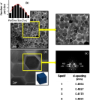

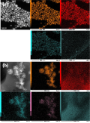


Chiral plasmonic nanostructures fabricated with circularly polarized light
Beilstein J. Nanotechnol. 2025, 16, 2245–2264, doi:10.3762/bjnano.16.154
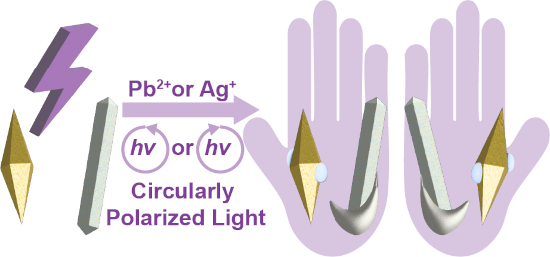
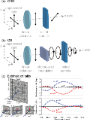
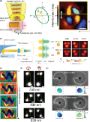
- nanoparticles that lack clear structural chirality limit the understanding of structure–property relationships. To increase the structural chirality in metallic chiral nanostructures, we recently developed an approach to control NC surface passivation to achieve higher dissymmetry in the spatial profile for Ag
- geometrical chirality of cPNSs leads to enantioselective interaction with molecules. For example, Xu et al. have shown that Au nanoparticles of opposite handedness differ in their ability to activate immune systems [110]. The authors suggested the left-handed nanoparticles had stronger binding affinities to
- two proteins due to the supramolecular interactions between the chiral extracellular domains and the curved chiral nanoparticles, which led to the enantiomer-dependent immunological response. Nam et al. have shown that the stronger binding affinities of molecules to regions of both positive and


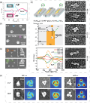
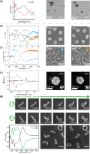



Optical bio/chemical sensors for vitamin B12 analysis in food and pharmaceuticals: state of the art, challenges, and future outlooks
Beilstein J. Nanotechnol. 2025, 16, 2207–2244, doi:10.3762/bjnano.16.153
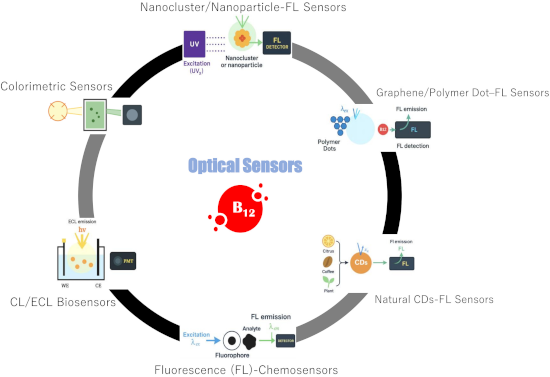
- biosensing platforms in detecting Co2+ ions and VB12 using RNA aptamer–gold nanoparticles colorimetric sensors, surface plasmon resonance sensors, chemiluminescence and electrochemiluminescence biosensors, and fluorescence biosensors (i.e., chemosensors, nanoclusters/nanoparticles-based sensors, and carbon
- (NaYF4) upconversion nanoparticles (UCNPs) on gold nanotriangle arrays acted as the indicator system, and the enhanced near-infrared (NIR)-excited UV luminescence was the sensing signal. This approach relied on the synergistic effects of Tm3+-doped NaYF4 UCNPs on gold nanotriangle arrays created via


Ultrathin water layers on mannosylated gold nanoparticles
Beilstein J. Nanotechnol. 2025, 16, 2183–2198, doi:10.3762/bjnano.16.151
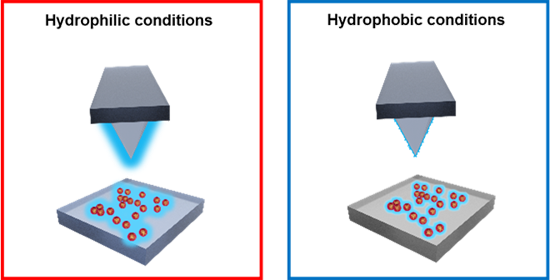
- hydrophobic tips. While VSFG indicated preferential hydration of the dimannoside and proved conformational changes in the organic ligands, AFM provided sub-nanometer changes in particle topography due to water adsorption. In general, the dimannoside nanoparticles condense ultrathin water layers upon humidity
- transmission of airborne viruses, such as influenza. Keywords: AFM; humidity; hydrophilicity; hydrophobicity; nanoparticles; sum frequency generation spectroscopy; viruses; water; wetting; Introduction Gold nanoparticles (AuNPs) have been a staple in biomedical and biophysical research [1][2] for almost a
- adsorbed viruses, which can either be transmitted mechanically or again become airborne. In any case, the role of air humidity for adsorbed viruses is poorly documented, and its influence on transmission physics is not known. We chose as models dimannoside gold nanoparticles (dimanno-AuNPs) [6] linked to a



Missing links in nanomaterials research impacting productivity and perceptions
Beilstein J. Nanotechnol. 2025, 16, 2168–2176, doi:10.3762/bjnano.16.149
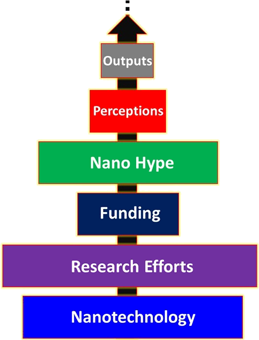
- nanomaterials becomes a tedious and expensive task, often more so than for advanced bulk materials. It is indispensable to acknowledge that even after detailed characterization, warranting that even 90% of the nanoparticles have uniform size and identical surface characteristics is difficult. This is largely
Microplastic pollution in Himalayan lakes: assessment, risks, and sustainable remediation strategies
Beilstein J. Nanotechnol. 2025, 16, 2144–2167, doi:10.3762/bjnano.16.148
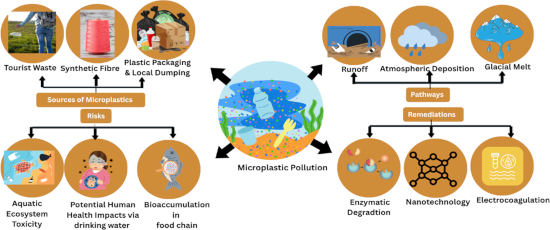
- most promising among them are photocatalytic processes that utilize titanium dioxide nanoparticles under UV radiation. These are very efficient degradation processes for degrading plastics to carbon dioxide (CO2) and water [43]. Fenton reactions, involving a mixture of hydrogen peroxide and iron
- systems that combine nanotechnology with biological components (e.g., enzymes), are emerging as environmentally benign solutions in addition to independent nanoparticles. Enzyme–nanoparticle conjugates can target certain plastic polymers, enabling more rapid and targeted breakdown. Iron oxide
- nanoparticles have been shown to break down PS in both UV and natural light, which suggests they could be used in a range of environmental conditions [44]. Another prospective application is the integration of nanomaterials into filtration membranes, which results in the development of hybrid systems that are


Rapid synthesis of highly monodisperse AgSbS2 nanocrystals: unveiling multifaceted activities in cancer therapy, antibacterial strategies, and antioxidant defense
Beilstein J. Nanotechnol. 2025, 16, 2105–2115, doi:10.3762/bjnano.16.145
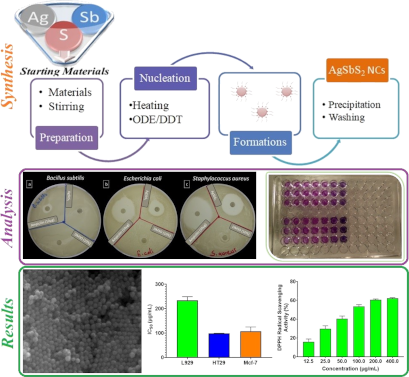
- dimensions in the nanoscale range of approximately 1–100 nm; it has been considered important for the study of biological issues, and techniques and methods suitable for this approach have been developed and are still being developed by researchers [3][4]. Nanoparticles possessing distinctive physical
- , chemical, or biological attributes offer novel foundational elements for the design and development of devices and systems aimed at diagnosing and treating various diseases. Hence, nanoparticles or nanomaterials can be engineered to have various useful medical functions [4]. The assessment of the
- biological activity (e.g., antioxidant, antimicrobial, and anticancer) of nanomaterials has emerged as a crucial area of investigation in the field of nanoscience and nanotechnology. In many studies, chemically or biologically synthesized nanoparticles have a wide range of pharmacological activity ranging


Toward clinical translation of carbon nanomaterials in anticancer drug delivery: the need for standardisation
Beilstein J. Nanotechnol. 2025, 16, 2092–2104, doi:10.3762/bjnano.16.144

- enhancing therapeutic delivery, particularly in areas such as cancer treatment. This perspective highlights critical considerations in the development of CNM-based nanocarriers, spanning from initial design to clinical implementation. Keywords: carbon nanomaterials (CNMs); carbon nanoparticles (CNPs); drug
- of NMs have been extensive; including niche applications such as enabling nightvision; particular Yb(III) and Er(III) doped nanoparticles have been found to upconvert NIR light into visible light, thus enabling mice to visually perceive infrared light [12]. Carbon nanomaterials as nanocarriers Carbon
- instance, small carbon nanoparticles (CNPs) are readily cleared through renal pathways, whereas larger or irregularly shaped CNPs tend to accumulate in organs such as the liver and spleen. Characterisation of these properties is typically performed using dynamic light scattering, electron microscopy, or




Laser ablation in liquids for shape-tailored synthesis of nanomaterials: status and challenges
Beilstein J. Nanotechnol. 2025, 16, 1963–1997, doi:10.3762/bjnano.16.137
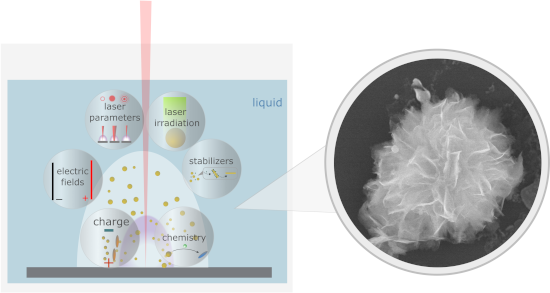
- liquids; laser irradiation; nanofabrication; nanoparticles; shape control; Perspective 1 Introduction: Mechanisms and key parameters influencing the morphology of laser-produced NPs The precise control and tailoring of NP parameters has long been an aim of the laser ablation synthesis in liquids
- nanoparticles, typically those with diameters of only a few nanometres, because their high proportion of surface atoms with low coordination and broken bonds leads to increased surface energy [13]. Furthermore, in assembled nanocrystals, the surface energy can be different in different directions, which induces
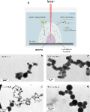
- [8]. Therefore, it can be assumed that manipulating the shape of the laser-induced plasma to enlarge the plasma–liquid interface area may increase the fraction of nonspherical nanoparticles. These conditions can be achieved by application of external electric fields as shown below. As an example




PEGylated lipids in lipid nanoparticle delivery dynamics and therapeutic innovation
Beilstein J. Nanotechnol. 2025, 16, 1914–1930, doi:10.3762/bjnano.16.133
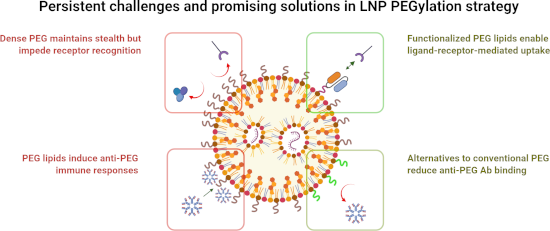
- Peiyang Gao Independent researcher, 140 First St, Cambridge, MA, 02140, USA 10.3762/bjnano.16.133 Abstract Lipid nanoparticles (LNPs) have become significant vehicles in the delivery of therapeutic substances, particularly for nucleic acid vaccines and gene therapies. A key component in the
- PEG; immunogenicity; lipid nanoparticles; PEG alternatives; PEG lipids; therapeutic delivery; Review Introduction Lipid nanoparticles (LNPs) have become a promising platform in modern nanomedicine, especially for delivering genetic payloads such as mRNA and siRNA. These nanoscale particles can
- components plays a specific role in maintaining the nanoparticles’ structure and enhancing their performance [2]. The remarkable success of mRNA-based COVID-19 vaccines has highlighted LNPs as a transformative nanomedicine, driving significant interest and innovation in this field [3]. As a key ingredient in


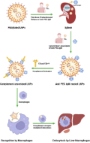
Targeting the vector of arboviruses Aedes aegypti with nanoemulsions based on essential oils: a review with focus on larvicidal and repellent properties
Beilstein J. Nanotechnol. 2025, 16, 1894–1913, doi:10.3762/bjnano.16.132
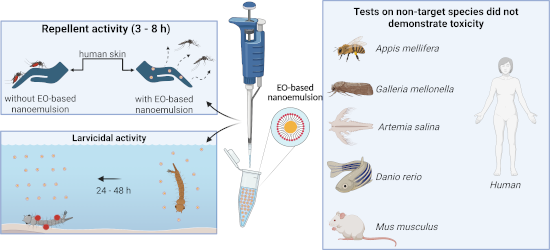
- , nanotechnological strategies have been used, such as polymeric nanocarriers [30], solid lipid nanoparticles [31], liposomes [32], and nanoemulsions [13][14][33]. Among these strategies, nanoemulsions, kinetically stable nanometric dispersions (20–500 nm) of two immiscible liquids, stabilized by surfactants, have


On the road to sustainability – application of metallic nanoparticles obtained by green synthesis in dentistry: a scoping review
Beilstein J. Nanotechnol. 2025, 16, 1851–1862, doi:10.3762/bjnano.16.128
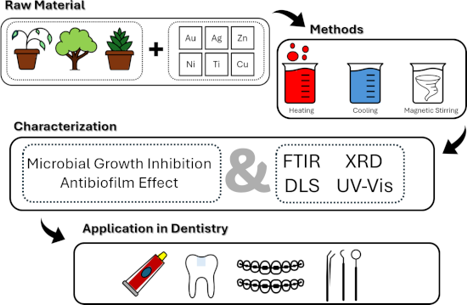
- Grosso do Sul, Avenida Costa e Silva, s/n – Zip Code: 79070-900 – Bairro Universitário, Campo Grande/MS, Brazil 10.3762/bjnano.16.128 Abstract The growing interest in green-synthesized metallic nanoparticles reflects a global shift toward sustainable, eco-friendly technologies in biomedical innovation
- , particularly in dentistry. This scoping review examines the rising focus on these nanoparticles regarding their antimicrobial, regenerative, and therapeutic potential in dental applications. Among the metals studied, silver and zinc oxide nanoparticles dominate because of their broad-spectrum antimicrobial
- content. Despite promising results, gaps remain, such as the predominance of in vitro studies (68.7%) and insufficient cytotoxicity assessments (47.8%), underscoring the need for translational research. This review highlights the transformative potential of green-synthesized nanoparticles in dentistry


Current status of using adsorbent nanomaterials for removing microplastics from water supply systems: a mini review
Beilstein J. Nanotechnol. 2025, 16, 1837–1850, doi:10.3762/bjnano.16.127
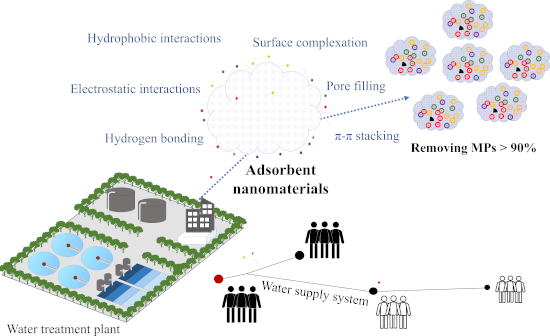
- performance for six cycles with only a 5% efficiency loss, and enabled in situ degradation of MPs through thermal treatment to prevent desorption risks [75]. A high capture efficiency of microplastics was also achieved using novel magnetic composite nanoparticles composed of silica, gelatin, and chitosan. At
- reduced the volume of synthetic flocculant sludge [76]. By applying magnetic Fe3O4 nanoparticles, 83.1–92.9% of MPs with particle sizes ranging from 100 to 1000 nm were removed thanks to adsorption with magnetic separation [77]. These mechanisms are influenced significantly by factors like pH, ionic
- depends on polymer type and particle size. In contrast, nanomaterials show higher and more significant removal efficiency, in some cases exceeding 99%. Particularly, multifunctional materials (e.g., Fe3O4@PDA-lipase nanoparticles or MOFs) combine adsorption, magnetic recovery, and even catalytic


Further insights into the thermodynamics of linear carbon chains for temperatures ranging from 13 to 300 K
Beilstein J. Nanotechnol. 2025, 16, 1818–1825, doi:10.3762/bjnano.16.125
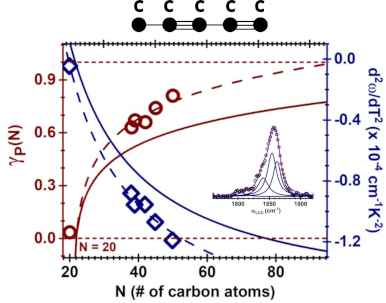
- synthesized using arc discharge [53]. The purity of MWCNT regarding nanoparticles is ≈80% with average diameters of 10.4 nm (average length of 2.3 mm). The LCC@CNT filling ratio is ≈80% [53]. The samples were dispersed in acetone and sonicated for 2 h and then drop casted onto a Si wafer of ≈1 cm2 area. Raman


![[Graphic 23]](/bjnano/content/inline/2190-4286-16-125-i25.svg?max-width=637&scale=1.18182)
Exploring the potential of polymers: advancements in oral nanocarrier technology
Beilstein J. Nanotechnol. 2025, 16, 1751–1793, doi:10.3762/bjnano.16.122
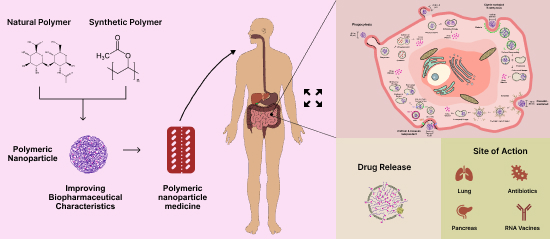
- , Brazil 10.3762/bjnano.16.122 Abstract Polymers play a pivotal role in various drug delivery systems due to their versatility, with polymeric nanoparticles showing significant potential to overcome physiological barriers associated with oral administration. This review examines the current advancements
- invasiveness and greater biocompatibility [11]. Polymeric nanoparticles (PNs) have been studied for their potential in the oral delivery of insoluble drugs and biological products [12]. Peptides, such as GLP-1 receptor agonists [13], nucleic acids such as RNA [14], insulin [15], and antigens [16] have been
- investigated. These nanoparticles (NPs) preserve the bioactivity of the active compound during gastric transit and facilitate permeation through mucus and absorption by epithelial cells, enabling targeted delivery. In essence, PNs offer superior performance in protecting, targeting, and enhancing both the





