


Search results
Search for "nanoscale" in Full Text gives 920 result(s) in Beilstein Journal of Nanotechnology. Showing first 200.
Geometry-controlled engineering of the low-temperature proximity effect in normal metal–superconductor junctions
Beilstein J. Nanotechnol. 2025, 16, 2265–2273, doi:10.3762/bjnano.16.155
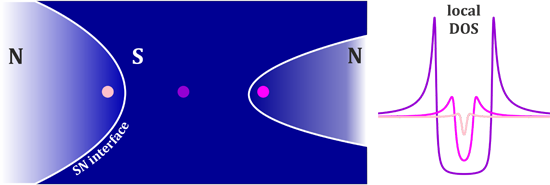
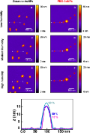
- implications for the engineering of superconducting heterostructures, particularly in nanoscale and mesoscopic systems where interface properties can be tailored with high precision. For example, geometric control of the proximity effect may provide an additional degree of freedom for optimizing device


Chiral plasmonic nanostructures fabricated with circularly polarized light
Beilstein J. Nanotechnol. 2025, 16, 2245–2264, doi:10.3762/bjnano.16.154
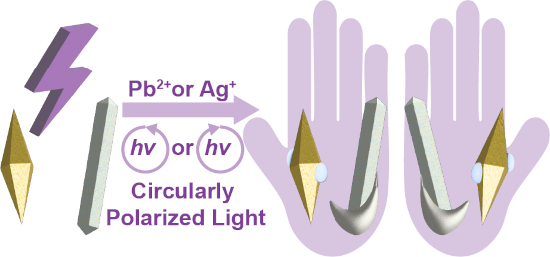
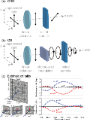
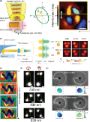
- ) measures the interaction between electrons and cPNSs upon laser excitation by mapping the EELS within an electron microscope [135] (Figure 8e). In summary, we have reviewed the nanoscale characterization tools correlating structure to chiroptical activity of PNSs in this section. CD and ORD are handy tools





Optical bio/chemical sensors for vitamin B12 analysis in food and pharmaceuticals: state of the art, challenges, and future outlooks
Beilstein J. Nanotechnol. 2025, 16, 2207–2244, doi:10.3762/bjnano.16.153
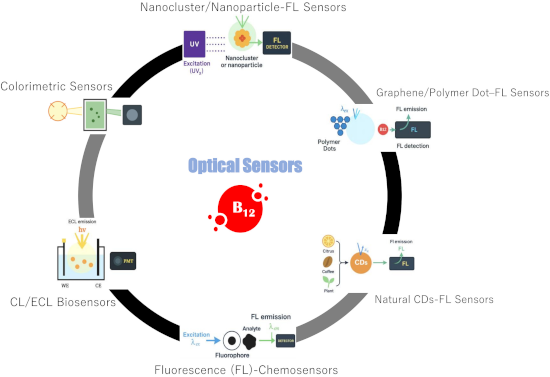
- nanoscale, serve as an advanced spectroscopic platform for improved molecular identification. They highlighted graphene’s potential in biosensing owing to its capability to be functionalized with dissimilar biomolecules such as enzymes and DNA. In their study, they presented a quantitative bioassay


Ultrathin water layers on mannosylated gold nanoparticles
Beilstein J. Nanotechnol. 2025, 16, 2183–2198, doi:10.3762/bjnano.16.151
- transmission of influenza [11][12][15] or SARS-CoV-2 [14] via aerosols. These viruses are enveloped (by glycosylated lipid bilayers) and display very large multimers of nanoscale glycoproteins (i.e., spikes), which control virus attachment and fusion to the host cells [16]. Glycosylation, often with mannosides
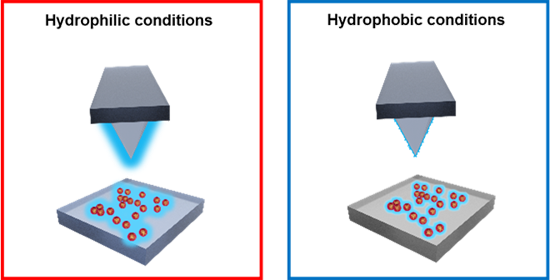
- to the nanoscale, we found a homogenous dispersion of the particles (Figure 6B). This is supported by AFM topography images at the nanoscale (Figure 6C). In contrast, PEG AuNPs are not well dispersed, with more agglomerates (see the analogous Figure 6G–I), and particle clusters form microscale
- nanoscale “traps” between the NPs. Both effects result in water adsorption that persists even in dry environments. Focusing now on particle size and assembly, we found no difference between the hydrodynamic size of 16.8 nm (obtained in suspension by DLS) (Figure 2) and the AFM height of 16.7 nm (which we



Hartree–Fock interaction in superconducting condensate fractals
Beilstein J. Nanotechnol. 2025, 16, 2177–2182, doi:10.3762/bjnano.16.150
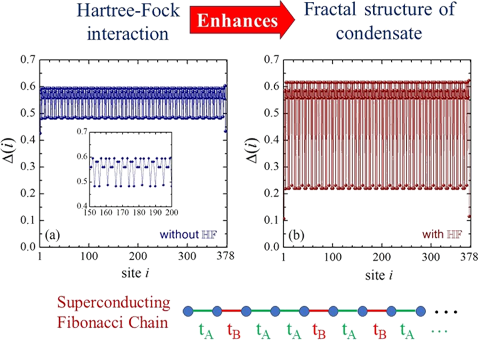
- ]. Nevertheless, the HF potential cannot be neglected in the presence of external fields [4], such as impurity potentials [5][6], quantum confinement in nanoscale superconductors [7], and potential barriers at interfaces [8]. Such external fields break the translational invariance, which is the condition for the


Missing links in nanomaterials research impacting productivity and perceptions
Beilstein J. Nanotechnol. 2025, 16, 2168–2176, doi:10.3762/bjnano.16.149
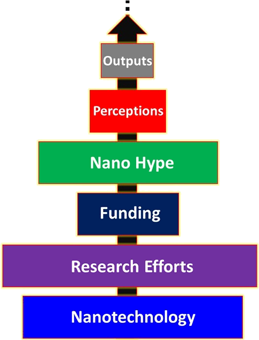
- the Bottom”, at the annual meeting of the American Physical Society at Caltech, USA. This lecture provided a visionary perspective that inspired generations of researchers and greatly accelerated systematic investigations in producing and exploiting nanoscale materials. Although it took decades for
- examination of unique nanostructures, nanoscale characterization, metrology to nanoelectronics, nanophotonics, nanobiotechnology, nanomedicine, nanofabrication, and nanomanufacturing [4][5]. These new developments catalyzed the initiation of numerous new experimental and theoretical areas in different
- now increasingly feasible. The boundaries between the natural and artificial, between living and nonliving systems, are being redefined through materials engineered at the nanoscale. It is important to elucidate that authors do not intend a direct comparison between nanotechnology and the fields such
Microplastic pollution in Himalayan lakes: assessment, risks, and sustainable remediation strategies
Beilstein J. Nanotechnol. 2025, 16, 2144–2167, doi:10.3762/bjnano.16.148
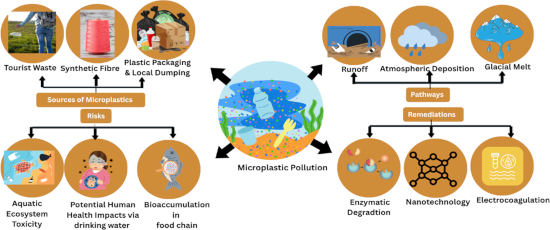
- activities. The collection of both suspended and floating particulates is facilitated by the increasing use of in situ filtration systems that utilize portable vacuum compressors for water samples. These tactics aid in capturing MPs of all sizes, from the macro- to the nanoscale, which is essential for
- using pretreatment techniques such as enzymatic decomposition of organic matter and density separation using saline solutions. These processes, however, might take a lot of time and could cause tiny particles to be lost [32]. The distinct combination of nanoscale dimensions and very low concentration in
- samples from the environment makes nanoscale plastics yet another challenge. Sophisticated methods such as thermal extraction desorption (TED) and gas chromatography-mass spectrometry (GC-MS) are now routinely used to detect these particles. But these methods involve a lot of expertise and equipment. The


Electron transport through nanoscale multilayer graphene and hexagonal boron nitride junctions
Beilstein J. Nanotechnol. 2025, 16, 2132–2143, doi:10.3762/bjnano.16.147
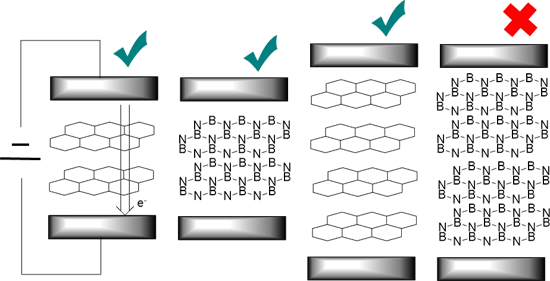
- ) method combined with density functional theory (DFT) to compare electron transport through several layers of nanoscale graphene and hexagonal boron nitride (h-BN). Calculations were performed for one to six layers, corresponding to thicknesses of 0.5–3.0 nm, respectively. Electron transport was computed
- and Stone–Wales defects. Nitrogen doping transforms graphene from a zero-bandgap semiconductor to a metal, while Stone–Wales defects open the bandgap. For h-BN, we considered Stone–Wales defects. A detailed comparison of electron transport through five materials, that is, multilayer nanoscale graphene
- , N-doped multilayer nanoscale graphene, Stone–Wales-defective multilayer nanoscale graphene, h-BN, and Stone–Wales-defective h-BN allowed us to understand the currents at the nanoscale and the chemical and structural control over the electron transport. The slopes of the current decay with thickness


Rapid synthesis of highly monodisperse AgSbS2 nanocrystals: unveiling multifaceted activities in cancer therapy, antibacterial strategies, and antioxidant defense
Beilstein J. Nanotechnol. 2025, 16, 2105–2115, doi:10.3762/bjnano.16.145
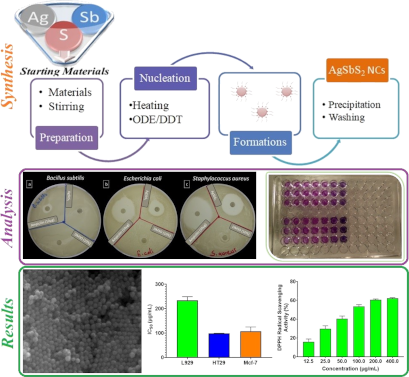
- dimensions in the nanoscale range of approximately 1–100 nm; it has been considered important for the study of biological issues, and techniques and methods suitable for this approach have been developed and are still being developed by researchers [3][4]. Nanoparticles possessing distinctive physical


Toward clinical translation of carbon nanomaterials in anticancer drug delivery: the need for standardisation
Beilstein J. Nanotechnol. 2025, 16, 2092–2104, doi:10.3762/bjnano.16.144

- physicochemical attributes, such as surface charge, further modulate the overall biological profile of CNMs, underscoring the complex interplay between nanoscale properties and biological behaviour [39]. Moreover, post-synthesis surface modifications can substantially diversify the physicochemical properties of a
- nanomaterial has been defined in the EU’s Recommendation on the Definition of a Nanomaterial (originally defined in 2011/696/EU, and updated in 2022/C 229/01) [45]. In regulating the definition, it was intended to capture the unique properties and potential risks associated with materials at the nanoscale
- nanoscale materials, highlighting key agencies, legislative instruments, and guidance initiatives. Supporting Information Supporting Information File 18: Overview of conventional drug delivery methods in cancer therapy, including administration routes, key characteristics, and example drugs. Funding The




Multifrequency AFM integrating PeakForce tapping and higher eigenmodes for heterogeneous surface characterization
Beilstein J. Nanotechnol. 2025, 16, 2077–2085, doi:10.3762/bjnano.16.142
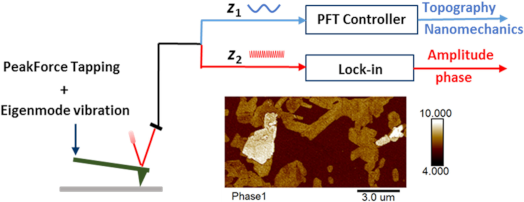
- . Keywords: atomic force microscopy (AFM); high eigenmodes; multifrequency AFM; nanoscale material analysis; surface characterization; Introduction Atomic force microscopy (AFM) has become an indispensable tool for characterizing the morphology and surface properties of materials at the micro- and the
- nanoscale [1][2][3][4][5]. Among its various operating modes, tapping mode AFM is particularly prevalent due to lateral force minimization and its ability to give phase-contrast images of heterogeneous surfaces [6]. This mode involves oscillating the cantilever near its resonance frequency with the tip
- both reliable quantitative mechanics and high-contrast phase imaging. This novel methodology thus synergizes mechanical precision with sensitive qualitative discrimination, advancing nanoscale material characterization. Conclusion This study successfully integrates PFT mode with eigenmode vibrations


Molecular and mechanical insights into gecko seta adhesion: multiscale simulations combining molecular dynamics and the finite element method
Beilstein J. Nanotechnol. 2025, 16, 2055–2076, doi:10.3762/bjnano.16.141
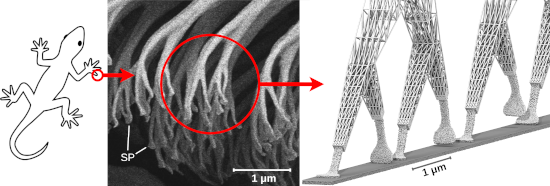
- University, Am Botanischen Garten 1–9, D-24118 Kiel, Germany 10.3762/bjnano.16.141 Abstract Gecko adhesion, enabled by micro- and nanoscale structures known as setae and spatulae, has prompted extensive research. We present a concurrent multiscale computational model of a seta that integrates molecular
- limitations inherent in single-scale models. Keywords: finite element method; gecko adhesion; hybrid modeling; molecular dynamics; multiscale simulations; seta; spatula; Introduction Geckos possess the ability to adhere to a variety of substrates, a trait attributed to specialized micro- and nanoscale






Beyond the shell: exploring polymer–lipid interfaces in core–shell nanofibers to carry hyaluronic acid and β-caryophyllene
Beilstein J. Nanotechnol. 2025, 16, 2015–2033, doi:10.3762/bjnano.16.139
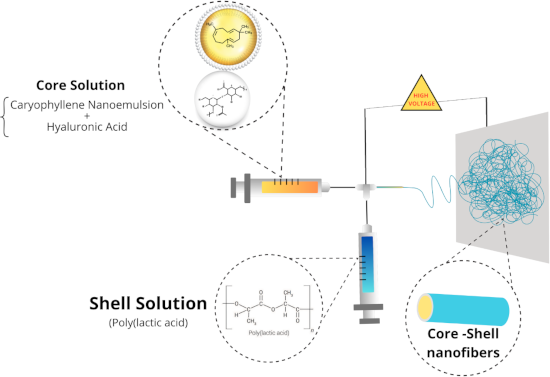
- biomaterials, recent decades have seen intensive research into novel therapeutic strategies for regenerative medicine [1][2][3][4]. Within this scenario, a pivotal current strategy in formulation development focuses on integrating nanocarriers with nanoscale three-dimensional biomaterials, enabling major
- %), surfactant concentration (2–20%), and HLB (10–15) as the independent variables (data not shown). Based on the preliminary results, a sample was selected for this study. It can be observed that formulations exhibited droplet mean sizes in the nanoscale range, varying from 58 nm. The formulations showed a




Laser ablation in liquids for shape-tailored synthesis of nanomaterials: status and challenges
Beilstein J. Nanotechnol. 2025, 16, 1963–1997, doi:10.3762/bjnano.16.137
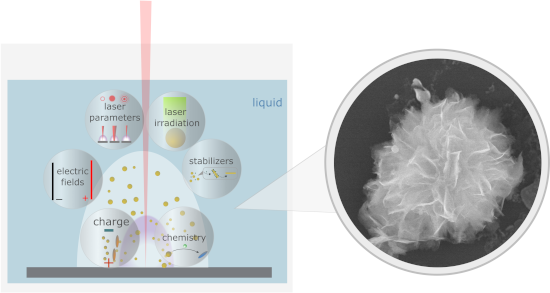
- . Combining both top-down and bottom-up strategies, laser-assisted methods are demonstrating the prospects to become a versatile nanoscale manufacturing strategy based on clean, sustainable, and large-scale approach applicable to a broad range of nanomaterials [1][2][3][4][5][6][7][8][9][10][11]. The current
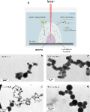
- -shaping of silver NPs under LED irradiation with wavelengths in the range of 405–720 nm resulted in dodecahedral, plate-, or rod-like nanostructures depending on the wavelength (Figure 7g,h). In principle, the introduction of any other nanoscale inclusions or powders into the liquid would act in a similar




Evaluating metal-organic precursors for focused ion beam-induced deposition through solid-layer decomposition analysis
Beilstein J. Nanotechnol. 2025, 16, 1942–1951, doi:10.3762/bjnano.16.135
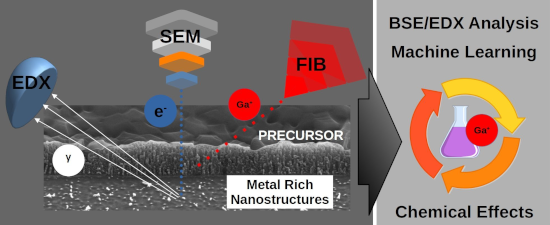
- deposition, chemical mechanical polishing, and laser nanopatterning, enable the creation of nanostructures and nanoscale devices. However, a major limitation of these methods is their inability to effectively produce high-resolution three-dimensional nanostructures [1][2][3][4]. In contrast, focused electron
- technique, which is a high-resolution analytical method that can provide elemental information at the nanoscale. This step ensures precise identification and quantification of all elements present in the grown structures. (7) The final step involves examining the chemical composition of the resulted


PEGylated lipids in lipid nanoparticle delivery dynamics and therapeutic innovation
Beilstein J. Nanotechnol. 2025, 16, 1914–1930, doi:10.3762/bjnano.16.133
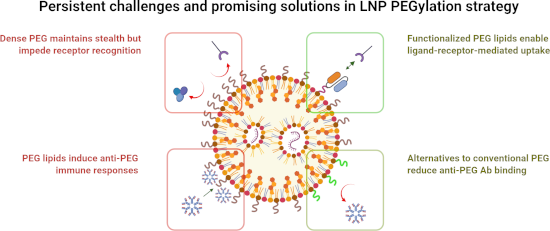
- PEG; immunogenicity; lipid nanoparticles; PEG alternatives; PEG lipids; therapeutic delivery; Review Introduction Lipid nanoparticles (LNPs) have become a promising platform in modern nanomedicine, especially for delivering genetic payloads such as mRNA and siRNA. These nanoscale particles can


Self-assembly and adhesive properties of Pollicipes pollicipes barnacle cement protein cp19k: influence of pH and ionic strength
Beilstein J. Nanotechnol. 2025, 16, 1863–1872, doi:10.3762/bjnano.16.129
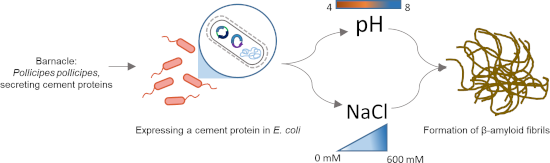
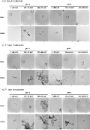
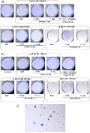
- different conditions, will be further investigated through a detailed macro- and nanoscale study designed to understand the relationship between structural transitions and function of the protein in vivo. Experimental Recombinant protein expression and purification rPpolcp19k-his protein was expressed in E


On the road to sustainability – application of metallic nanoparticles obtained by green synthesis in dentistry: a scoping review
Beilstein J. Nanotechnol. 2025, 16, 1851–1862, doi:10.3762/bjnano.16.128
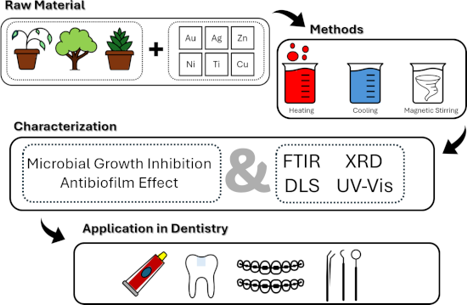
- ; sustainable development; Introduction Nanotechnology is an interdisciplinary field of science that involves the manipulation of materials at the nanoscale, typically ranging from 1 to 100 nm in inorganic nanomaterials, to generate structures with unique physicochemical properties [1][2][3]. Among the most
- immune response and stimulate periodontal tissue repair [72]. In the field of endodontics, biosynthesized AgNPs and ZnO-NPs have been employed as adjuvants to conventional irrigants and intracanal dressings, thereby enhancing the disinfection efficacy of root canal systems [21]. The nanoscale properties


Phytol-loaded soybean oil nanoemulsion as a promising alternative against Leishmania amazonensis
Beilstein J. Nanotechnol. 2025, 16, 1826–1836, doi:10.3762/bjnano.16.126

- nanoscale size, lipid fusion with membrane components, or disruption of the plasma membrane structure [48][49]. However, several studies have also highlighted the remarkable potential of nanoemulsions against intracellular amastigote forms. In addition to enhancing cutaneous penetration, nanoemulsions also


Electrical, photocatalytic, and sensory properties of graphene oxide and polyimide implanted with low- and medium-energy silver ions
Beilstein J. Nanotechnol. 2025, 16, 1794–1811, doi:10.3762/bjnano.16.123
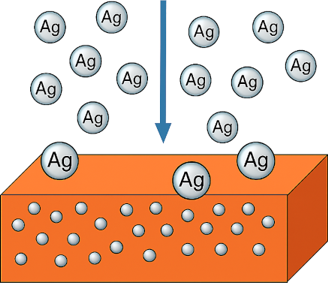
- implantation provides a controllable alternative for tuning surface properties at the nanoscale, enabling the targeted introduction of functional species without chemical reagents. This work investigates the effects of low-energy (20 keV) and medium-energy (1.5 MeV) Ag+ ion implantation on the electrical
- implantation energy. A comparison of these morphological characteristics with the photocatalytic results shows that the highest efficiency is achieved using samples with moderate nanoscale roughness, that is, GO implanted with 20 keV at a fluence of 3.75 × 1012 cm−2 (RMS = 102 nm, k ≈ 0.0033 min−1) and PI
- maximize roughness, but to achieve a balanced nanoscale surface structure that complements the plasmonic and electronic effects of silver, enabling a high density of accessible active sites while maintaining efficient charge separation. Electric and sensory properties The results of electrical property


Multifunctional anionic nanoemulsion with linseed oil and lecithin: a preliminary approach for dry eye disease
Beilstein J. Nanotechnol. 2025, 16, 1711–1733, doi:10.3762/bjnano.16.120



Ambient pressure XPS at MAX IV
Beilstein J. Nanotechnol. 2025, 16, 1677–1694, doi:10.3762/bjnano.16.118
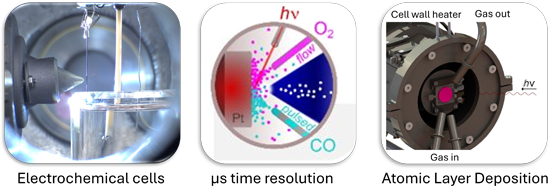
- , even on topologically complex surfaces, making it essential for the fabrication of next-generation devices [46][47][48]. In the semiconductor industry, ALD enables the creation of nanoscale transistors and high-k dielectric materials, essential for shrinking transistor dimensions and enhancing
- , complex materials operating under industrially relevant conditions. Achieving this shift will require further innovations in sample environments, pressure compatibility, and surface sensitivity, especially for systems that exhibit spatial or chemical heterogeneity at the micro- and the nanoscale. A key





Venom-loaded cationic-functionalized poly(lactic acid) nanoparticles for serum production against Tityus serrulatus scorpion
Beilstein J. Nanotechnol. 2025, 16, 1633–1643, doi:10.3762/bjnano.16.115
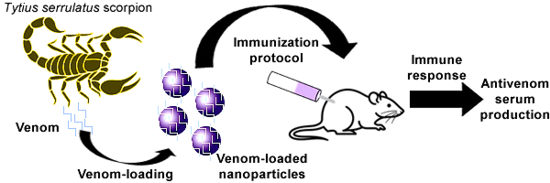
- barriers, their biocompatibility, and low toxicity [18]. Their manipulation at the nanoscale changes specific surface properties, possibly improving the ability to cross biological barriers targeting the affected tissues [18][19]. In this context, nanoparticle controlled release based on biodegradable


Nanotechnology-based approaches for the removal of microplastics from wastewater: a comprehensive review
Beilstein J. Nanotechnol. 2025, 16, 1607–1632, doi:10.3762/bjnano.16.114
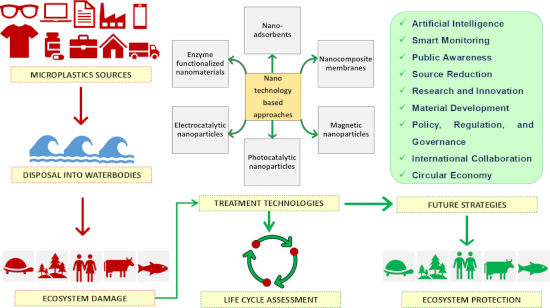
- synthesis and characterisation techniques have enabled the detection of materials at the nanoscale, unlocking new opportunities across various streams. In the field of water treatment, nanotechnology is gaining wide attention due to its enhanced efficiency, effectiveness, affordability, and durability. The
- key properties of nanoparticles include high surface area, extensive functionalization, high reactivity, and size-dependent characteristics. By leveraging these properties, water treatment methods can be refined at the nanoscale to selectively target pollutants [16][17]. This comprehensive review
- explores the potential of nanotechnology in removing MP contamination from water and wastewater. Unlike conventional treatment methods, which are less effective in capturing nanoscale plastic pollutants, nanotechnology-based approaches offer precision, enhanced adsorption, and catalytic degradation


Few-photon microwave fields for superconducting transmon-based qudit control
Beilstein J. Nanotechnol. 2025, 16, 1580–1591, doi:10.3762/bjnano.16.112
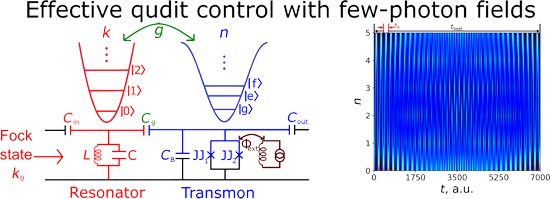
- photon number operator . The transmon is considered as an anharmonic oscillator (with ladder operators and ) with the number of excitations in the solid-state system similarly introduced as . In a transmon, the inductance is created using a nonlinear element, that is, a nanoscale Josephson junction (JJ





