


Search results
Search for "nanospheres" in Full Text gives 142 result(s) in Beilstein Journal of Nanotechnology.
Recent progress in cancer cell membrane-based nanoparticles for biomedical applications
Beilstein J. Nanotechnol. 2023, 14, 262–279, doi:10.3762/bjnano.14.24
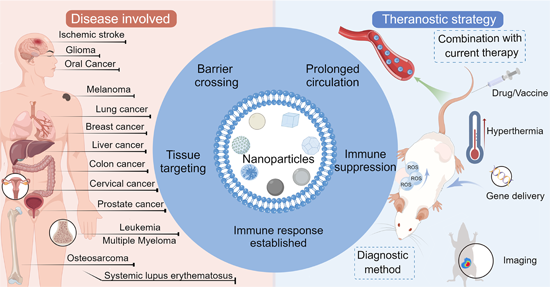
- -encapsulated PLGA nanospheres loaded with doxorubicin (Dox-HepM-PLGA) yielded smaller tumor volumes than the bare nanoparticles and the PBS control group. (a) Fluorescence imaging eleven days after intravenous injection of biomimetic nanoformulations. (b) Tumor volume. (c) Tumor weight. (d) Relative tumor


Concentration-dependent photothermal conversion efficiency of gold nanoparticles under near-infrared laser and broadband irradiation
Beilstein J. Nanotechnol. 2023, 14, 205–217, doi:10.3762/bjnano.14.20
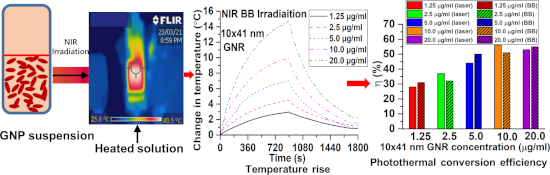
- evaluated. Results show that for a concentration of 20.0 µg/mL, 40 nm gold nanospheres, 25 × 47 nm gold nanorods (GNRs), and 10 × 41 nm GNRs show a 4–110% higher photothermal conversion efficiency under NIR broadband irradiation than under NIR laser irradiation. Broadband irradiation seems suitable to
- broadband light source and a near-infrared laser (for comparison). Gold nanospheres (GNSs) of 40 nm diameter and gold nanorods (GNRs) of sizes 25 × 47 nm, 10 × 38 nm, and 10 × 41 nm were examined. The photothermal conversion efficiency for these GNPs is reported for different nanoparticle concentrations and
- irradiation power values. Experimental Nanoparticles Gold nanospheres of 40 nm diameter (product no. 741981) and GNRs of 25 × 47 nm size (product no. 771651) were purchased from Sigma-Aldrich. GNRs of 10 × 38 nm size (product no. A12-10-780-CTAB-DIH-1-25) and GNRs of 10 × 41 nm size (product no. A12-10-808




Solvent-induced assembly of mono- and divalent silica nanoparticles
Beilstein J. Nanotechnol. 2023, 14, 52–60, doi:10.3762/bjnano.14.6
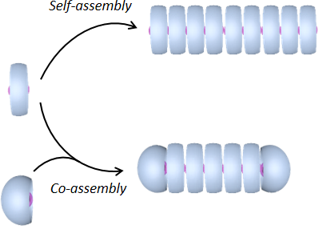
- -assembly ligand photo-cross-linking [26] or by adding monofunctional nanospheres into a suspension of bifunctional gold nanorods [27], it has been shown that the average degree of polymerization of the resulting chains can be controlled. The reduction of solvent quality may also be employed to induce the


Facile preparation of Au- and BODIPY-grafted lipid nanoparticles for synergized photothermal therapy
Beilstein J. Nanotechnol. 2022, 13, 1432–1444, doi:10.3762/bjnano.13.118
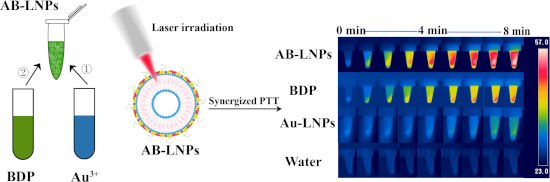
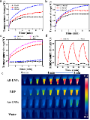
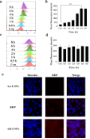
- near-infrared (NIR) absorption [2]. Various gold nanoscale platforms, including nanostars, nanorods, nanospheres, nanoshells, and nanocages, have been designed as PTAs for PTT. Gold nanorods (ca. 50 nm), nanoshells (ca. 130 nm), and nanoparticles with large sizes (>50 nm) are suitable for PTT because




Recent trends in Bi-based nanomaterials: challenges, fabrication, enhancement techniques, and environmental applications
Beilstein J. Nanotechnol. 2022, 13, 1316–1336, doi:10.3762/bjnano.13.109
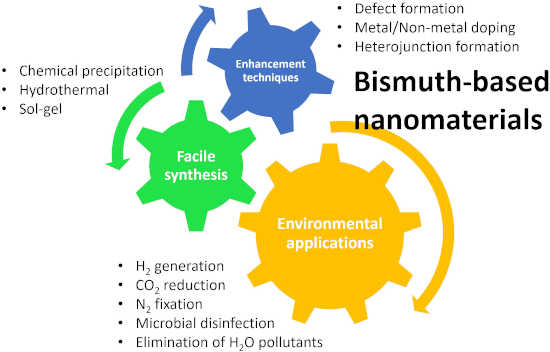
- plasmonic photocatalyst. Nanospheres, nanorods, and nanosheets can be synthesized using various techniques. Hydrothermal calcination, template synthesis, precipitation, reverse micro-emulsion, sonochemical procedures, and microwave methods are typical techniques for fabricating Bi-based nanostructures [77




Comparative molecular dynamics simulations of thermal conductivities of aqueous and hydrocarbon nanofluids
Beilstein J. Nanotechnol. 2022, 13, 620–628, doi:10.3762/bjnano.13.54
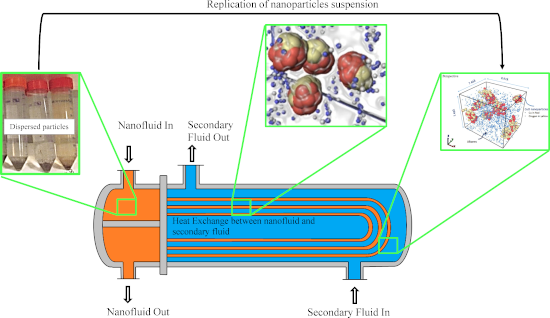
- nanoparticles change thermal conductivity, as investigated by Zhu et al. [24]. In their research, CuO nanowires and nanospheres were dispersed in a dimethicone base fluid, and it was found that changes in the crystalline structure of nanoparticles change the kinetics of the base fluid [24]. In addition to this
- , it was further investigated that the thermal conductivity increases more with CuO nanowires than with CuO nanospheres. Only 6.98% of improvement was recorded with nanospheres, while 60.78% was recorded with nanowires. Ibrahim et al. [25] conducted a study using a neural network model (ANN) to study


Zinc oxide nanostructures for fluorescence and Raman signal enhancement: a review
Beilstein J. Nanotechnol. 2022, 13, 472–490, doi:10.3762/bjnano.13.40
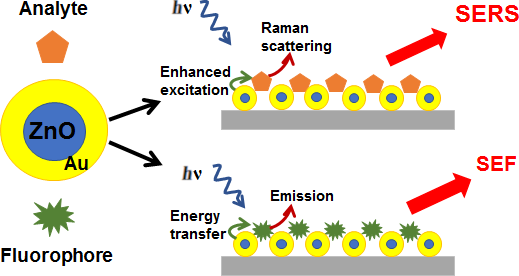
- –Au NPs, and ZnO nanospheres–Au NPs, using this method. Some unusual fabrication methods include a poriferous ZnO–Ag substrate obtained by a film scraping method on paper [51][52]. A film with fluffy sponge-like morphology was obtained, pointing out its high specific surface area and showing uniform
- detection of 1.49 × 10⁻¹³ and 9.99 × 10⁻¹² were reported by Kumar et al. for 4-nitrophenol (4-NP) and R6G, respectively, adsorbed onto a ZnO multipod suspension containing Ag nanospheres [69]. Increasing the sputtering time leads to an increase of the Au NPs size and a decrease of the interparticle gap




Micro- and nanotechnology in biomedical engineering for cartilage tissue regeneration in osteoarthritis
Beilstein J. Nanotechnol. 2022, 13, 363–389, doi:10.3762/bjnano.13.31
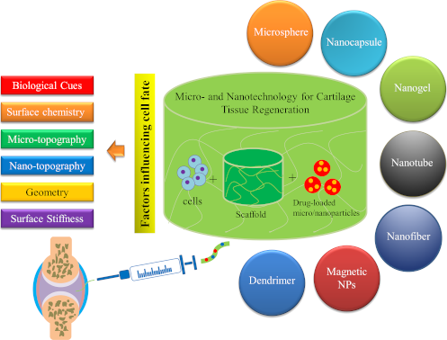
- delivery [50], in vitro diagnosis [51], in vivo imaging [52], and TE purposes. Various NPs can be prepared in the form of liposomes, nanocapsules, micelles, dendrimers, and nanospheres based on their composition and method of preparation. Basically, NPs are designed to function as carriers for bioactive


Engineered titania nanomaterials in advanced clinical applications
Beilstein J. Nanotechnol. 2022, 13, 201–218, doi:10.3762/bjnano.13.15
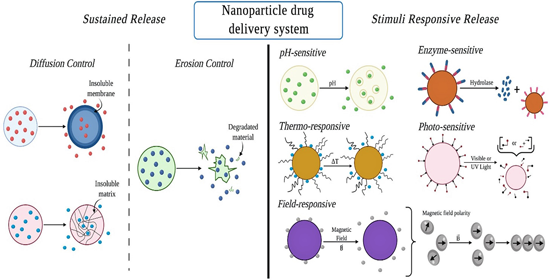
- standard glass surface [82]. Another recent study stated that hollow, calcined TiO2 nanospheres (CSTiO2), synthesized by the combination of electrospinning and atomic layer deposition, have high antimicrobial activity against multidrug-resistant bacteria such as S. aureus strains compared to commercial
- TiO2 nps [83]. TiO2 supported on silica nanospheres was checked for its antibacterial activity against E. coli, and the result demonstrated a more effective growth inhibition than that of commercial TiO2-P25 under ultraviolet and visible light [84]. Copper is well known for its antimicrobial properties
- commercial TiO2 nanospheres against Saccharomyces cerevisiae, Botrytis cinerea, Candida krusei, and Rhodotorula glutini. Their study revealed over 99% inactivation of S. cerevisiae and C. krusei and ca. 90% inactivation of R. glutinis within the first 5 h, which raised up to more than 99% following a 20 h


Tin dioxide nanomaterial-based photocatalysts for nitrogen oxide oxidation: a review
Beilstein J. Nanotechnol. 2022, 13, 96–113, doi:10.3762/bjnano.13.7
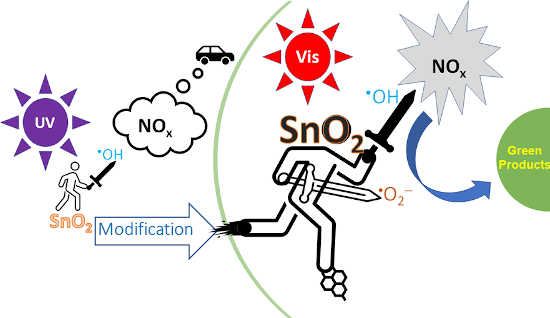
- density showed improved photocatalytic performances. Besides, the OV density contributes to the rise of the valence band maximum and a decrease of the bandgap energy of SnO2 materials. Morphology There are many shapes of SnO2, for example, nanoparticles, nanocubes, nanorods, nanosheets, nanospheres


Biocompatibility and cytotoxicity in vitro of surface-functionalized drug-loaded spinel ferrite nanoparticles
Beilstein J. Nanotechnol. 2021, 12, 1339–1364, doi:10.3762/bjnano.12.99
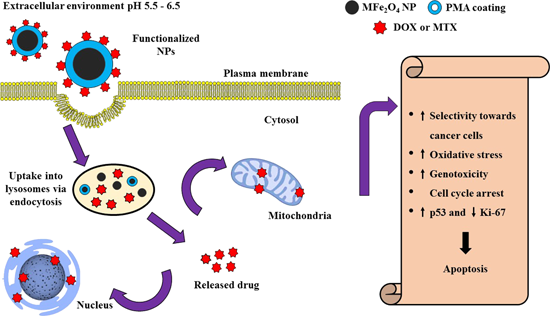
- phase of the samples is consistent with the XRD results. The formation of spherical NPs was confirmed by transmission electron microscopy (TEM) (Figure 2a). The nanospheres are uniformally distributed throughout the surface of the samples. High-resolution transmission electron microscopy (HR-TEM) images





Self-assembly of amino acids toward functional biomaterials
Beilstein J. Nanotechnol. 2021, 12, 1140–1150, doi:10.3762/bjnano.12.85
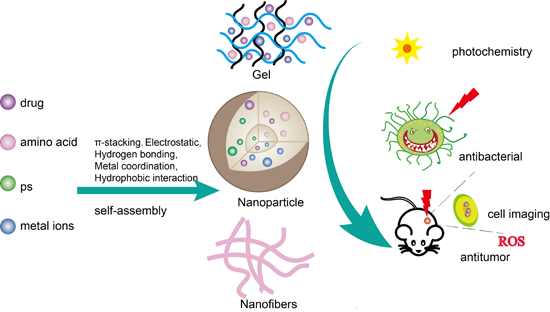
- various nanostructures, such as nanowires [17], nanofibers [18], nanospheres [19], nanovesicles [20], nanogels [21], nanobelts [22], and nanotubes [23]. Self-assembly not only conveys higher stability and mechanical strength to proteins and peptides, but also further enhances their natural activity and

Assessment of the optical and electrical properties of light-emitting diodes containing carbon-based nanostructures and plasmonic nanoparticles: a review
Beilstein J. Nanotechnol. 2021, 12, 1078–1092, doi:10.3762/bjnano.12.80
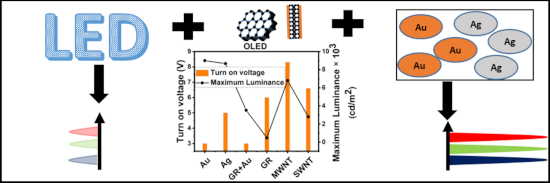
- that the SPR of AuNP positively influences the quantum efficiency of the red emission [44]. In addition, the shape of the MNP exhibiting SPR also plays a crucial role in the enhancement of the wavelength emanating from the LED. They studied the effect of Au nanorods (AuNR) and nanospheres (AuNS) in the
- device configuration of glass/ITO/AuNR and AuNS/CuPc/Alq3 + DCM/Alq3/LiF/Al red LED. The SPR absorption of Au nanorods and nanospheres were approx. 650 and 520 nm, respectively. Therefore, Au nanorods were able to enhance the red emission from the LED with an EQE of 6.8 × 10⁻⁴ at 10 V compared to the
- device with Au nanospheres (EQE = 2.4 × 10⁻⁴). In addition to the shape of AuNP, their size also influences the performance of LED. To that end, AuNP of diameters 2 and 5 nm were combined with CNT and deposited onto a p-GaN-based anode in a multiquantum-well LED [45]. The EL spectra of these devices at


Use of nanosystems to improve the anticancer effects of curcumin
Beilstein J. Nanotechnol. 2021, 12, 1047–1062, doi:10.3762/bjnano.12.78
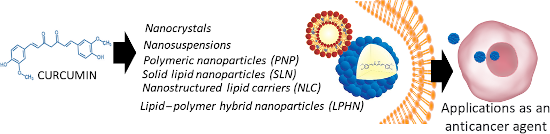
- is distributed within a polymeric matrix (i.e., surrounded by the polymer) they are referred to as nanocapsules. Alternatively, if the drug is homogeneously dispersed in the polymeric matrix they are called nanospheres [78][79]. Their main advantages include their reactivity, surface area, stability


Progress and innovation of nanostructured sulfur cathodes and metal-free anodes for room-temperature Na–S batteries
Beilstein J. Nanotechnol. 2021, 12, 995–1020, doi:10.3762/bjnano.12.75
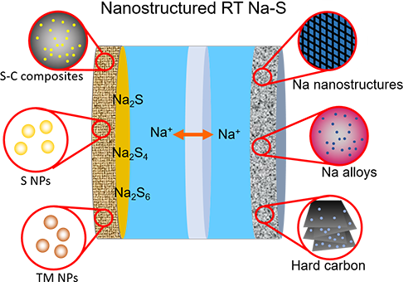
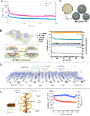
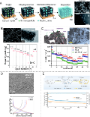
- nanocrystals [50], molybdenum trioxide [21], manganese dioxide [51], and vanadium carbide nanoparticles [12]. For instance, the electrocatalytic performance of cobalt nanoparticles (CoNPs) was reported by Zhang et al. [45] who studied a cathode comprising hollow carbon nanospheres. The cathode displayed a
- shuttle effect. Zhang et al. [47] studied iron, copper, and nickel nanoclusters (ca 1.2 nm) loaded onto hollow carbon nanospheres. On the one hand, the chemical coupling between nanocluster and sulfur assists in sulfur immobilization and enhances conductivity and reactivity. On the other hand, the




The role of deep eutectic solvents and carrageenan in synthesizing biocompatible anisotropic metal nanoparticles
Beilstein J. Nanotechnol. 2021, 12, 924–938, doi:10.3762/bjnano.12.69
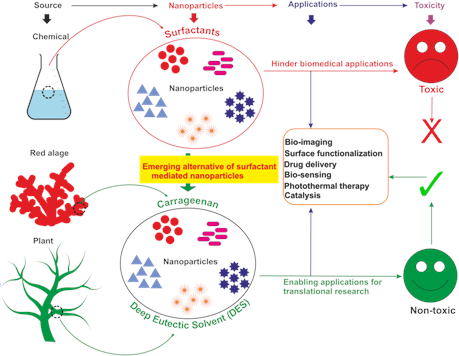
- , and surface chemistry, determine their cytotoxicity. For example, gold nanoparticles of different shapes, as shown in Figure 3, displayed morphology-dependent cytotoxicity. Rod-shaped gold nanoparticles were more toxic than nanostars and nanospheres [54]. The potential risk is higher for anisotropic
- different shapes using the seed-mediated approach. Chitosan was used for post functionalization of (A) gold nanospheres, (B) nanorods and (C) nanostars. Adapted from [54], © 2019 Y. J. Lee et al., distributed under the terms of the Creative Commons Attribution 4.0 International Licence, http


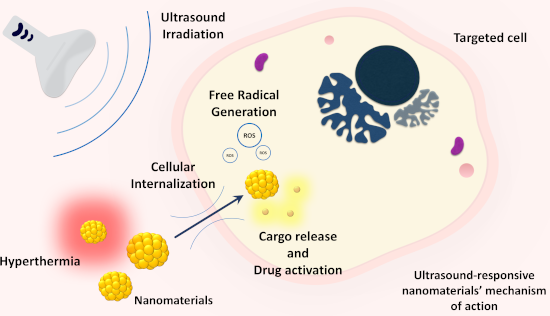
Comprehensive review on ultrasound-responsive theranostic nanomaterials: mechanisms, structures and medical applications
Beilstein J. Nanotechnol. 2021, 12, 808–862, doi:10.3762/bjnano.12.64


Rapid controlled synthesis of gold–platinum nanorods with excellent photothermal properties under 808 nm excitation
Beilstein J. Nanotechnol. 2021, 12, 462–472, doi:10.3762/bjnano.12.37
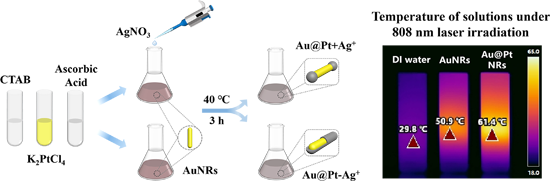
- , especially those with anisotropic structure, such as AuNRs, Au nanocages [5][6], Au nanostars [7][8], Au nanospheres [9][10], and Au nanoshells [11][12], show great potential as PTAs. Particularly, AuNRs, with a high inherent absorption–scattering ratio, simple and controllable synthesis, and high PCE [13
- as satisfactory. As shown in Figure 7b, each irradiation reduces the peak temperature of the next irradiation. After four cycles of irradiation, the maximum temperature decreased from 55.9 to 49.1 °C. Consistently with previously reported results, AuNRs melt into Au nanospheres under prolonged or


A review on nanostructured silver as a basic ingredient in medicine: physicochemical parameters and characterization
Beilstein J. Nanotechnol. 2021, 12, 440–461, doi:10.3762/bjnano.12.36
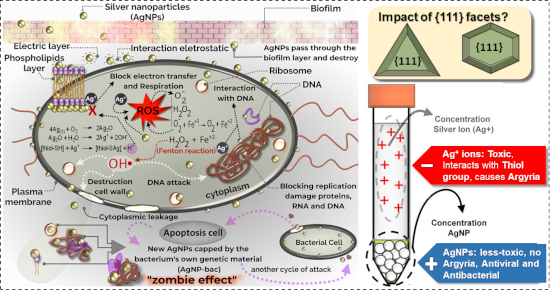
- AgNPs are stronger in particles with predominant {111} facets with high atomic density [29][44]. Thus, truncated triangular nanoplates have greater bactericidal power compared to other morphological forms of AgNPs which contain fewer {111} facets, such as nanospheres, nanorods, and nanocubes. Pal et al
- . and Dong et al. compared the bactericidal activity of AgNPs with spherical and nanoplate-like morphology and concluded that the nanoplates had a greater biocidal activity due to the {111} facets when compared with nanospheres [29][45]. Acharya et al. evaluated the efficiency of spherical and rod
- growth of AgNPs with various morphologies, such as nanocubes, nanowires, and nanospheres, as shown in Table 3 [139][140][142]. Minimum requirements for AgNP quality control The physical and chemical properties of nanoparticles are important for the study of their behavior, biodistribution, safety, and


Nickel nanoparticle-decorated reduced graphene oxide/WO3 nanocomposite – a promising candidate for gas sensing
Beilstein J. Nanotechnol. 2021, 12, 343–353, doi:10.3762/bjnano.12.28
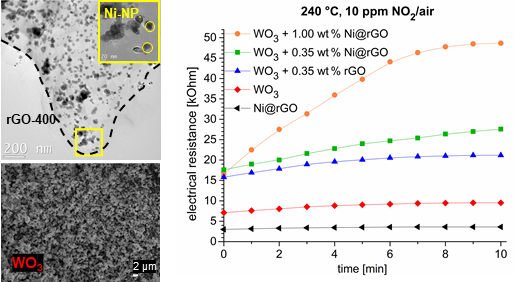
- graphene and metal oxide. In the case of reduced graphene oxide (semiconductor), various reasons are considered, such as the appearance of p–n junctions that shift the Fermi level of the oxide. There is evidence of effective charge transfer between graphene and nanospheres through chemical bonds. Emergence


Doxorubicin-loaded gold nanorods: a multifunctional chemo-photothermal nanoplatform for cancer management
Beilstein J. Nanotechnol. 2021, 12, 295–303, doi:10.3762/bjnano.12.24
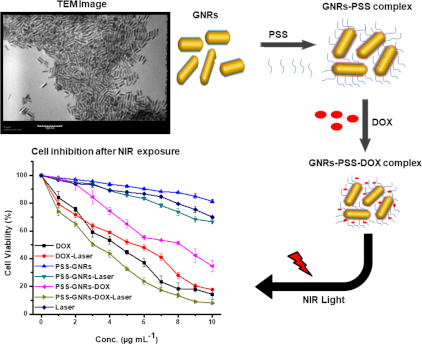
- properties such as significant absorption or scattering in the visible and near-infrared (NIR) regions, tunable aspect ratio, biocompatibility, fluorescence properties, and the ease of biofunctionalization, which makes them ideal in biomedical applications [13]. Gold-based nanomaterials (i.e., nanospheres


Differences in surface chemistry of iron oxide nanoparticles result in different routes of internalization
Beilstein J. Nanotechnol. 2021, 12, 270–281, doi:10.3762/bjnano.12.22
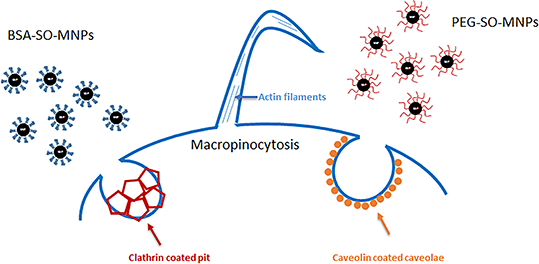
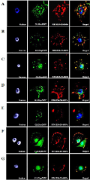
- , essential for the interpretation of their biological effects, including cellular uptake [43]. Nevertheless, PEG-SO-MNPs were more efficiently internalized into A549 cells than BSA-SO-MNPs. Interestingly, the magnetic nanospheres (PEG-SO-MNPs coated with polylactic-co-glycolic acid, PLGA) were taken up by



Unravelling the interfacial interaction in mesoporous SiO2@nickel phyllosilicate/TiO2 core–shell nanostructures for photocatalytic activity
Beilstein J. Nanotechnol. 2020, 11, 1834–1846, doi:10.3762/bjnano.11.165
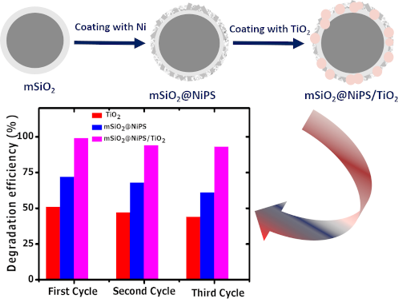
- core and an outer mesoporous shell (Figure 1a and Figure 1d). The inner diameter of the SiO2 spheres was measured to be 415 ± 11 nm with a shell thickness of 80 ± 15 nm. After addition of Ni salt and thermal treatment, the core–shell nanospheres have been maintained but they are now covered with flake


Oxidation of Au/Ag films by oxygen plasma: phase separation and generation of nanoporosity
Beilstein J. Nanotechnol. 2020, 11, 1608–1614, doi:10.3762/bjnano.11.143
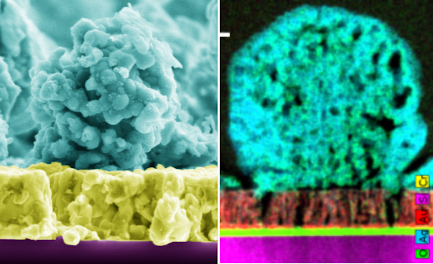
- gold/silver oxide nanostructures [20]. Starting from Au/Ag alloy nanospheres, they showed that gold/silver oxide core/shell nanospheres with a hollow interior could be obtained after oxidation using atomic oxygen. In this study we further explored the oxidation and phase separation events observed by
- nanospheres (Figure 2d). By further increasing the oxidation time to 30 min, an increase in microsphere size and number is seen at the surface (Figure 2e,f). The evolution of film thickness was examined by SEM cross-section imaging (Figure 3). The results show that the as-grown films exhibit a columnar


Antimicrobial metal-based nanoparticles: a review on their synthesis, types and antimicrobial action
Beilstein J. Nanotechnol. 2020, 11, 1450–1469, doi:10.3762/bjnano.11.129
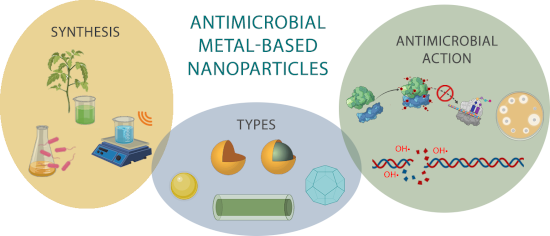
- , Lopez de Dicastillo et al. (2018, 2019) have recently developed hollow titanium dioxide nanotubes and nanospheres through the deposition of tetrakis(dimethylamide) titanium and water, as precursors, on polymeric structures obtained via electrospinning. The resulting hollow nanotubes and nanospheres had
- NPs has been directed towards water disinfection, food packaging in addition to their known use as a UV filter to prevent skin cancer [114]. Lopez de Dicastillo et al. (2019) developed hollow TiO2 nanotubes and nanospheres with high antimicrobial activity through the combination of electrospinning and
- atomic layer deposition techniques [38][39]. The results indicated that TiO2 nanospheres exhibited the best antimicrobial activity against methicillin-resistant Staphylococcus aureus 97-7 and 622-4 when the NPs were irradiated with UVA radiation for 60 minutes, which increased their antimicrobial





