Search results
Search for "nucleic acids" in Full Text gives 81 result(s) in Beilstein Journal of Nanotechnology.
Studies of probe tip materials by atomic force microscopy: a review
Beilstein J. Nanotechnol. 2022, 13, 1256–1267, doi:10.3762/bjnano.13.104
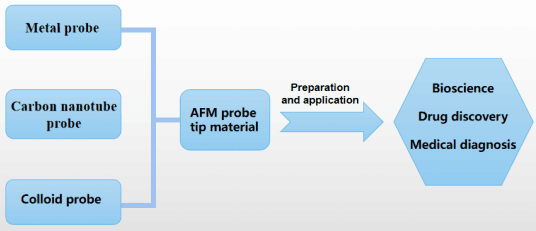
- methods can achieve enriched species. Sharpening methods can achieve enriched tip functionality. After preparation, metal nanoclusters have been widely used to detect metal ions, proteins, nucleic acids, and other substances, but few have been done to detect pesticides. Huang et al. [26] used metal
- surface and intracellular polysaccharides, proteins, peptides, antigens, hormones, and nucleic acids. They are gradually developing into an essential means to study gene function. AFM direct force measurements are mainly due to the colloidal probe technique's defined interaction geometry and versatility
Design of surface nanostructures for chirality sensing based on quartz crystal microbalance
Beilstein J. Nanotechnol. 2022, 13, 1201–1219, doi:10.3762/bjnano.13.100
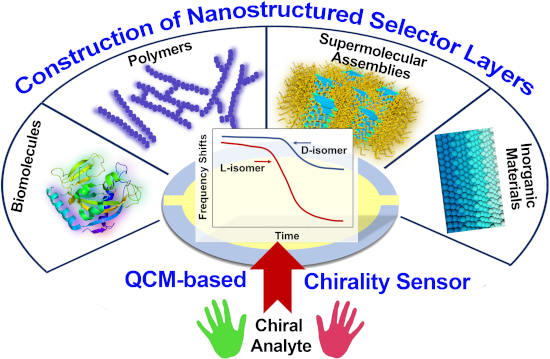
- evaluated. The recognition mechanisms may also be studied by combining QCM with other techniques. Sensing layers by chiral biomolecules As chiral recognitions are fundamental phenomena in biology, biomolecules of amino acids, proteins, and nucleic acids are ideal chiral selectors. They have been extensively


Microneedle-based ocular drug delivery systems – recent advances and challenges
Beilstein J. Nanotechnol. 2022, 13, 1167–1184, doi:10.3762/bjnano.13.98
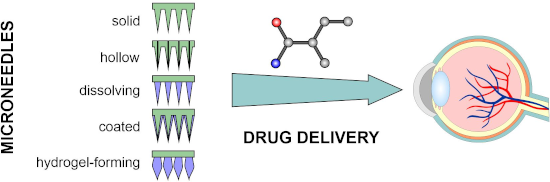
- achieve systemic action, for example, non-steroidal anti-inflammatory drugs (NSAIDs) [107], antihypertensives [108], and lipid-lowering drugs [109]. Moreover, microneedles (MNs) are broadly investigated as very promising platforms for the delivery of large molecules such as insulin [110] or nucleic acids


Green synthesis of zinc oxide nanoparticles toward highly efficient photocatalysis and antibacterial application
Beilstein J. Nanotechnol. 2022, 13, 1108–1119, doi:10.3762/bjnano.13.94
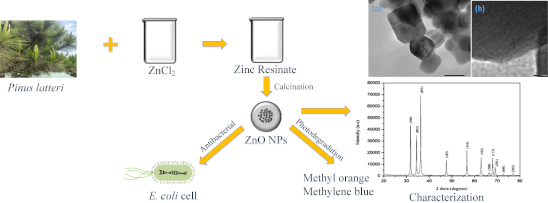
- , •O2−, O2 formed on the surface of ZnO NPs, will break bacterial cell membranes and enter the cells destroying organelles and ultimately inhibiting and shutting off bacteria metabolism [37][38]. The •OH radical is the most active oxidant which rapidly reacts with bacterial nucleic acids, lipids




Design and selection of peptides to block the SARS-CoV-2 receptor binding domain by molecular docking
Beilstein J. Nanotechnol. 2022, 13, 699–711, doi:10.3762/bjnano.13.62
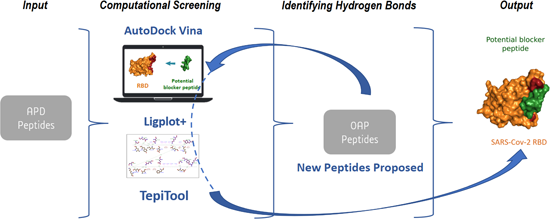
- , nucleic acids, and even drugs) do not reach their target since they are eliminated by cells of the immune system, which limits their activity. Therefore, proposed peptides with antiviral activity must be evaluated from the immunological point of view. In this context, an immunogenicity prediction of the



Alcohol-perturbed self-assembly of the tobacco mosaic virus coat protein
Beilstein J. Nanotechnol. 2022, 13, 355–362, doi:10.3762/bjnano.13.30
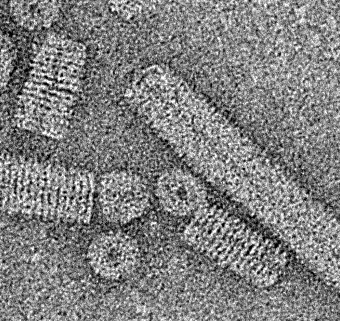
- ; Introduction Bottom-up fabrication of nanomaterials with precise control over the spatial arrangement of components is of great interest in nanotechnology [1][2]. A promising approach to this issue is the use of templates based on self-assembling biological materials, such as nucleic acids and proteins [3][4


Coordination-assembled myricetin nanoarchitectonics for sustainably scavenging free radicals
Beilstein J. Nanotechnol. 2022, 13, 284–291, doi:10.3762/bjnano.13.23
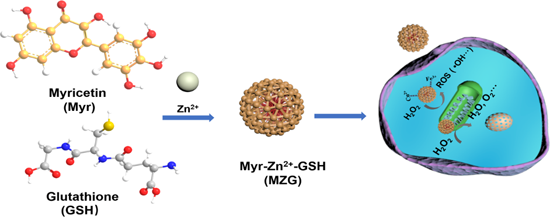
- between antioxidative and oxidative systems, leads to permanent and irreversible damage of cellular components, such as proteins, lipids, and nucleic acids [1]. Furthermore, oxidative stress leads to diseases including Alzheimer’s disease [2], cardiac disease [3], atherosclerosis [4], kidney disease [5


Modification of a SERS-active Ag surface to promote adsorption of charged analytes: effect of Cu2+ ions
Beilstein J. Nanotechnol. 2021, 12, 902–912, doi:10.3762/bjnano.12.67
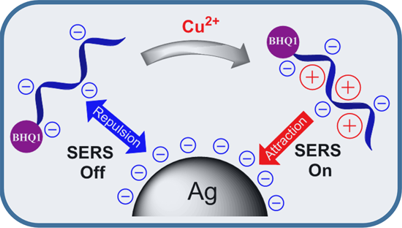
- nucleic acids are of great interest for practical SERS applications. Oligonucleotides are the most suitable biomolecules for electrostatic interaction studies because of their strong negative charge. Recently, we showed the crucial role of electrostatic interactions of oligonucleotides with NP surfaces


Comprehensive review on ultrasound-responsive theranostic nanomaterials: mechanisms, structures and medical applications
Beilstein J. Nanotechnol. 2021, 12, 808–862, doi:10.3762/bjnano.12.64
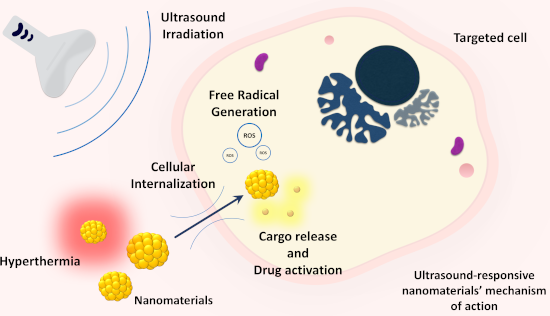
- weight molecules, such as nucleic acids, proteins, peptides, calcein, dextran [66][67][68][69][70], or gene complexes [67] via a process known as “sonoporation” or “transient cavitation”. Cavitation events are sometimes triggered by the effects of US on MBs. Microbubbles are micrometer-sized (1–10 µm


Recent progress in magnetic applications for micro- and nanorobots
Beilstein J. Nanotechnol. 2021, 12, 744–755, doi:10.3762/bjnano.12.58
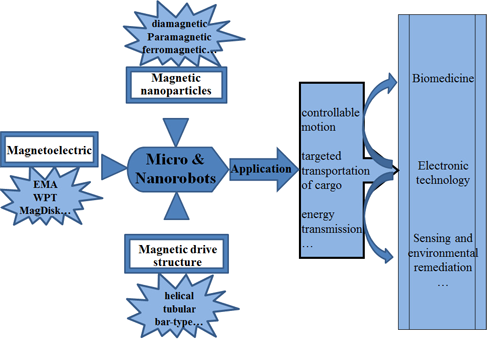
- field of medicine. Zhang et al. [32] used polymer-conjugated magnetic nanoparticles as a MNR to effectively carry nucleic acids in vitro. Their team developed a polyethylenimine-conjugated magnetic nanomaterial. While exhibiting long-term stability, this material can realize redox-activated and magnet
- -assisted gene transfection. Magnetic MNRs containing nucleic acids were delivered to target cells by magnetic fields. This method could change gene function or protein expression, which is of great significance for future research on gene transfer and gene therapy. Table 1 summarizes the relevant


The impact of molecular tumor profiling on the design strategies for targeting myeloid leukemia and EGFR/CD44-positive solid tumors
Beilstein J. Nanotechnol. 2021, 12, 375–401, doi:10.3762/bjnano.12.31
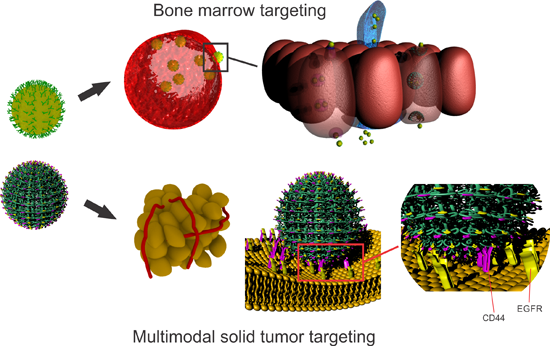
- synthesis of nucleic acids required for DNA replication, while taxanes and vinca alkaloids interfere with the polymerization/depolymerization of the microtubules thus inhibiting mitosis [8]. However, in addition to cancer cells, all of these drugs also affect the normal/healthy tissues with cells that
- targeting myeloid leukemia Nanomedicine offers new perspectives and promising approaches in the therapy of myeloid leukemia. With the advances in the selective delivery of a variety of therapeutic molecules, from conventional drugs to proteins and nucleic acids, some of which were not available in the


Antimicrobial metal-based nanoparticles: a review on their synthesis, types and antimicrobial action
Beilstein J. Nanotechnol. 2020, 11, 1450–1469, doi:10.3762/bjnano.11.129
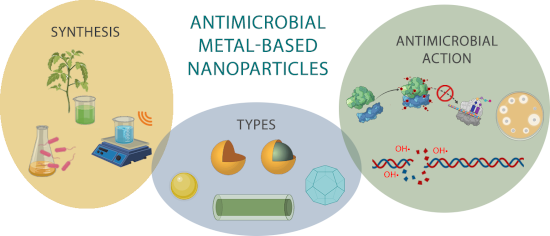
- interact with the functional groups of proteins and nucleic acids, such as thiol (–SH), amino (–NH), and carboxyl (–COOH) groups, and therefore, might affect the enzymatic activities and several protein structures. Although the metal ions released are not the main source of damage caused by NPs, it is


Transient coating of γ-Fe2O3 nanoparticles with glutamate for its delivery to and removal from brain nerve terminals
Beilstein J. Nanotechnol. 2020, 11, 1381–1393, doi:10.3762/bjnano.11.122
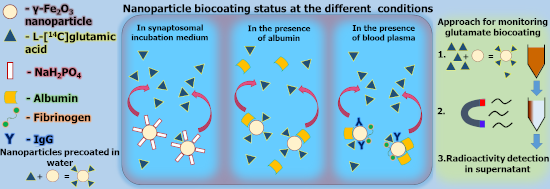
- ]. It is well-known that upon entrance into biological systems nanoparticles interact with macromolecules of physiological fluids and tissues forming a biocorona at the surface. Macromolecules, such as proteins, nucleic acids, and lipids, become associated with different types of nanoparticles. The


Key for crossing the BBB with nanoparticles: the rational design
Beilstein J. Nanotechnol. 2020, 11, 866–883, doi:10.3762/bjnano.11.72
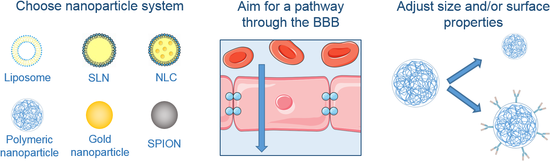
- interesting properties. They can be easily synthetized and coated or conjugated to carry various cargos, from small molecules to proteins and nucleic acids [174]. Furthermore, AuNPs show low immunogenicity and toxicity due to their inert core [78]. Finally, AuNPs could be used as X-ray contrast agent if their


Multilayer capsules made of weak polyelectrolytes: a review on the preparation, functionalization and applications in drug delivery
Beilstein J. Nanotechnol. 2020, 11, 508–532, doi:10.3762/bjnano.11.41
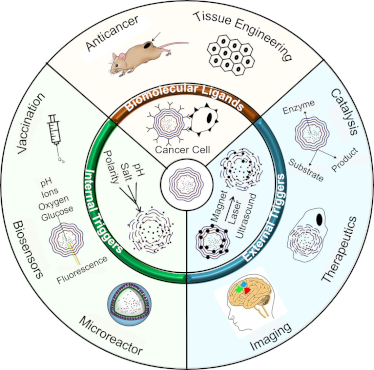
- NPs, magnetic NPs, click moieties, smart polymers and biomolecules such as proteins, peptides, nucleic acids, and enzymes. Nanoparticle incorporation When NPs are embedded into the multilayer shell, the translocation, guiding and release of encapsulated cargo from the capsule is enabled by selectively



Brome mosaic virus-like particles as siRNA nanocarriers for biomedical purposes
Beilstein J. Nanotechnol. 2020, 11, 372–382, doi:10.3762/bjnano.11.28
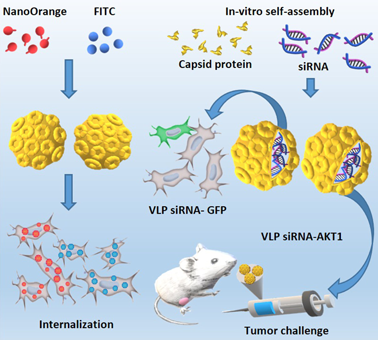
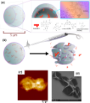
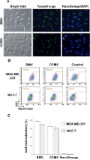
- the native virus (T = 3), as corroborated by TEM (Figure 4A and Figure S2a, Supporting Information File 1). Importantly, this is the first report of the encapsidation of nucleic acids in VLPs from BMV without the need for an RNA packaging signal. Previous reports showed that a tRNA-like structure is


Using gold nanoparticles to detect single-nucleotide polymorphisms: toward liquid biopsy
Beilstein J. Nanotechnol. 2020, 11, 263–284, doi:10.3762/bjnano.11.20
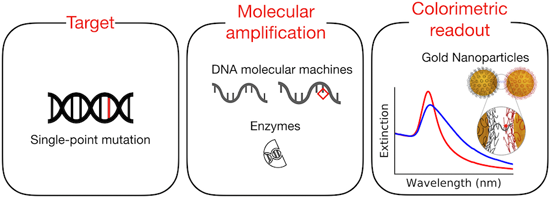
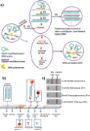
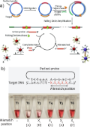
- -nucleotide polymorphism The list of biomarkers that are present in blood and that exhibit potential for cancer diagnosis experiences continuously grows. These biomarkers include circulating tumor cells (CTCs) [30], circulating membranous structures [31], circulating cell-free nucleic acids (cfDNA) [4
- sensitivity of 500 zM, which translates to about ten copies in 30 μL of the sample. To improve the sensitivity of the colorimetric sensors, several groups have proposed to use modified nucleic acids. The most common modified nucleic acids are peptide nucleic acids (PNAs) and locked nucleic acids (LNAs), which




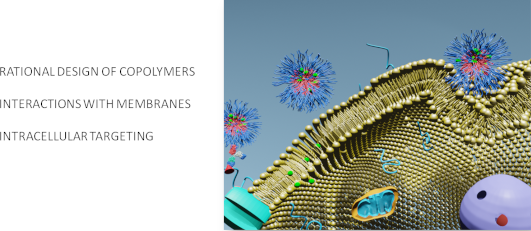
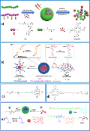
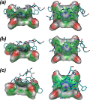
Rational design of block copolymer self-assemblies in photodynamic therapy
Beilstein J. Nanotechnol. 2020, 11, 180–212, doi:10.3762/bjnano.11.15






Molecular architectonics of DNA for functional nanoarchitectures
Beilstein J. Nanotechnol. 2020, 11, 124–140, doi:10.3762/bjnano.11.11
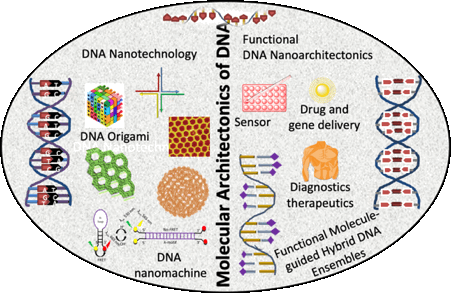
- ; functional DNA nanoarchitectonics; functional small molecules; molecular architectonics; nucleic acids; templated coassembly; Review Introduction The development of functional molecular systems and materials on a nanoscale through custom design and engineering of molecular organization is a highly


Internalization mechanisms of cell-penetrating peptides
Beilstein J. Nanotechnol. 2020, 11, 101–123, doi:10.3762/bjnano.11.10
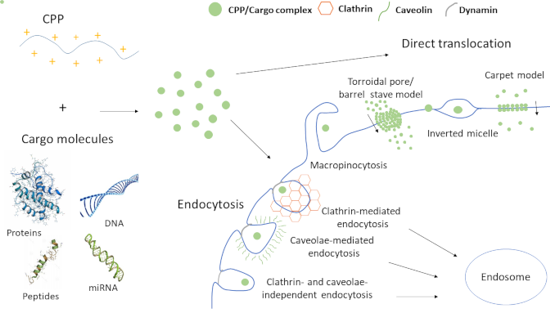
- Ivana Ruseska Andreas Zimmer Institute of Pharmaceutical Sciences, Department of Pharmaceutical Technology and Biopharmacy, University of Graz, 8010 Graz, Austria 10.3762/bjnano.11.10 Abstract In today’s modern era of medicine, macromolecular compounds such as proteins, peptides and nucleic acids
- “canonical” rules defining what a drug molecule should be like, has been accelerated these days. One part of this new group are proteins, peptides and nucleic acids, all developed with one thing in mind – bypassing the limitations of conventional therapeutics [3]. The novelty of these macromolecular
- compounds lies in their ability to target specific molecules and biological pathways, and thus, modulate molecular activities in a positive or negative manner [4]. The outstanding possibilities offered by the use of such molecules (proteins, peptides and nucleic acids) in the diagnostics and treatment of a


The different ways to chitosan/hyaluronic acid nanoparticles: templated vs direct complexation. Influence of particle preparation on morphology, cell uptake and silencing efficiency
Beilstein J. Nanotechnol. 2019, 10, 2594–2608, doi:10.3762/bjnano.10.250
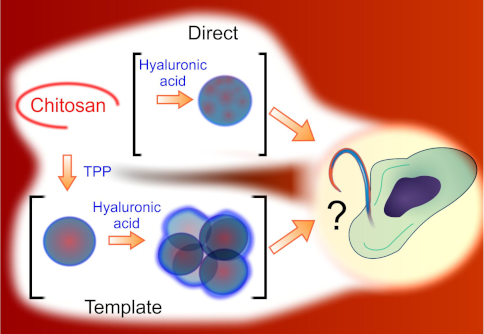
- ; the former can address a nanoparticle to cell surface receptors such as CD44, the second allows both for entrapment of nucleic acids and for an endosomolytic activity that facilitates their liberation in the cytoplasm. Here, we have systematically compared nanoparticles prepared either A) through a
- together a particle, but also to encapsulate and retain payloads such as nucleic acids (either in combination with other anionic components [9], or as the only negatively charged molecule [10]). Ionotropic gelation and polyelectrolyte complexation use anionic components of different size, In the former
- nanoparticles were prepared under sterile conditions (Cat. II cabinet) with surfaces previously treated with RNaseZap® solution (Thermo Scientific, UK) for the handling of nucleic acids. All the steps were performed under vigorous magnetic stirring (1,000 rpm) and at 25 °C in 2 mL round bottom Eppendorf tubes



Long-term stability and scale-up of noncovalently bound gold nanoparticle-siRNA suspensions
Beilstein J. Nanotechnol. 2019, 10, 2568–2578, doi:10.3762/bjnano.10.248
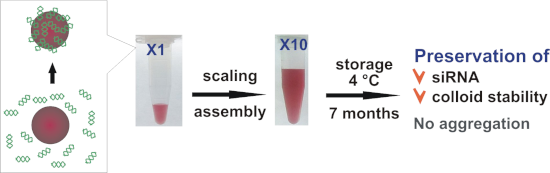
- nanoparticles (AuNPs) are a platform for the creation of nanoconstructions that can have a variety of functions, including the delivery of therapeutic nucleic acids. We previously designed a AuNP/small interfering RNA (siRNA) nanoconstruction consisting of siRNA noncovalently bound on the AuNP surface and
- of physicochemical characteristics and siRNA surface density for a long period. Keywords: colloidal stability; gold nanoparticles; scale-up; siRNA delivery; siRNA duplex stability; therapeutic nucleic acids; Introduction Drug delivery to cells is only one application of nanoparticles in biomedicine
- ; however, it occupies an important place in scientific research. The delivery of therapeutic nucleic acids (TNAs) is of particular importance due to their operation at the genomic level, and various nanoparticles (NPs) have been studied as carriers of TNAs (i.e., metallic, lipid, polymer, and peptide NPs


Coating of upconversion nanoparticles with silica nanoshells of 5–250 nm thickness
Beilstein J. Nanotechnol. 2019, 10, 2410–2421, doi:10.3762/bjnano.10.231
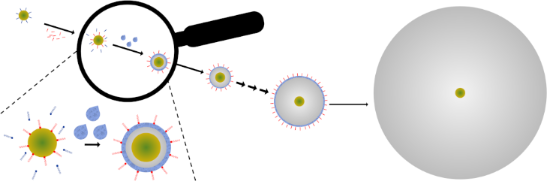
- such as peptides, antibodies or nucleic acids for bioimaging applications or fluorescence assays. The growth of a mesoporous silica shell on a microporous silica shell can also be applied for the subsequent use of these nanomaterials for drug loading and delivery [69]. Experimental All syntheses were


Scavenging of reactive oxygen species by phenolic compound-modified maghemite nanoparticles
Beilstein J. Nanotechnol. 2019, 10, 1073–1088, doi:10.3762/bjnano.10.108
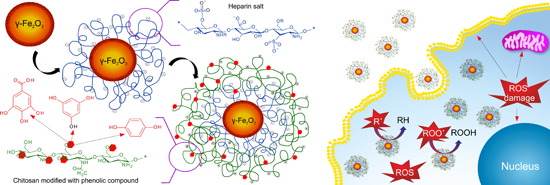
- reactions that induce irreversible fatal damage (methylation) of cellular nucleic acids and the oxidation of unsaturated fatty acids of cell membranes. Living organisms have evolved with several strategies, such as repair mechanisms and physical, enzymatic and non-enzymatic antioxidant defenses, to control





Mechanical and thermodynamic properties of Aβ42, Aβ40, and α-synuclein fibrils: a coarse-grained method to complement experimental studies
Beilstein J. Nanotechnol. 2019, 10, 500–513, doi:10.3762/bjnano.10.51
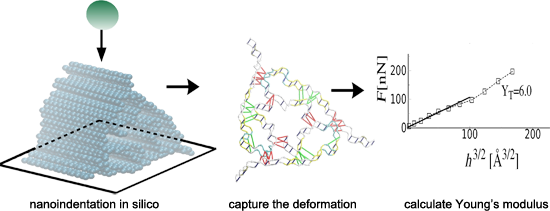
- ., proteins [1], nucleic acids [2] and lipids [3]). Lipid membranes, viral capsids, and biological fibrils are common examples of large complexes that pose significant challenges for all-atom simulations. For example, the time scales of various biological processes are in the range from 10−6 to 10−3 s, and