


Search results
Search for "photoelectron spectroscopy" in Full Text gives 353 result(s) in Beilstein Journal of Nanotechnology. Showing first 200.
Synchrotron X-ray photoelectron spectroscopy study of sodium adsorption on vertically arranged MoS2 layers coated with pyrolytic carbon
Beilstein J. Nanotechnol. 2025, 16, 847–859, doi:10.3762/bjnano.16.64
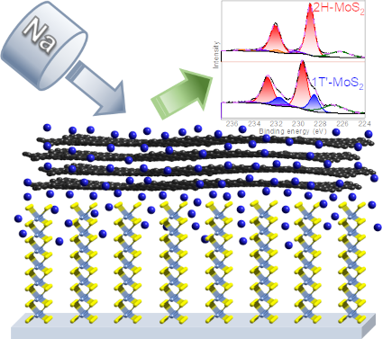
- . In this work, to reveal the effect of carbon coating on the interaction of sodium with the MoS2 layers located vertically relative to the substrate, model experiments were carried out using synchrotron-radiation-induced X-ray photoelectron spectroscopy (XPS). Sodium vapor obtained by heating a sodium


Facile one-step radio frequency magnetron sputtering of Ni/NiO on stainless steel for an efficient electrode for hydrogen evolution reaction
Beilstein J. Nanotechnol. 2025, 16, 837–846, doi:10.3762/bjnano.16.63
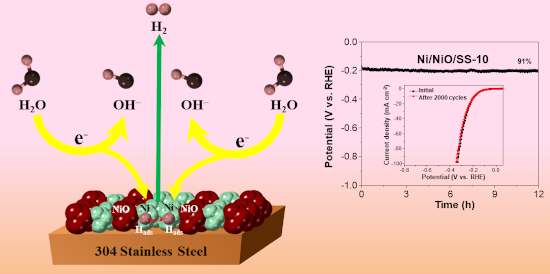
- distribution of the primary elements (Ni, O) in the Ni/NiO/SS-10 sample. This outcome revealed that catalytic sites were also uniformly distributed on the electrode’s surface. Figure 5a exhibits the X-ray photoelectron spectroscopy (XPS) survey of the Ni/NiO/SS-10 sample. It can be seen that Ni/NiO/SS gives Ni


Morphology and properties of pyrite nanoparticles obtained by pulsed laser ablation in liquid and thin films for photodetection
Beilstein J. Nanotechnol. 2025, 16, 785–805, doi:10.3762/bjnano.16.60
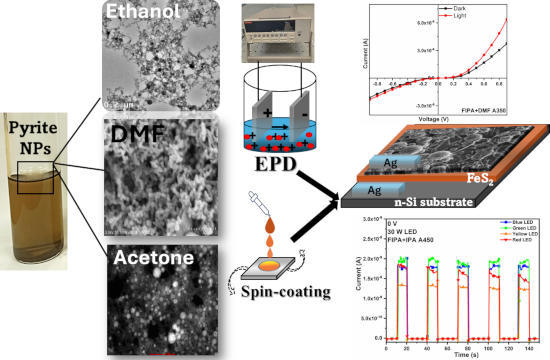
- microscopy, scanning electron microscopy, X-ray photoelectron spectroscopy, and ultraviolet–visible spectroscopy. The morphology of the NPs in different solvents varied from spherical, rice-like to rod-like particles which demonstrates the effect of the solvent on the morphology/composition of NPs
- SEM analysis of pyrite thin films was performed using a Hitachi Model SU 8020. The NPs were deposited on carbon-coated copper grids for TEM analysis and on silicon substrates for SEM analysis. Using monochromatic Al Kα radiation with an energy of 1486.68 eV, X-ray photoelectron spectroscopy (XPS






Changes of structural, magnetic and spectroscopic properties of microencapsulated iron sucrose nanoparticles in saline
Beilstein J. Nanotechnol. 2025, 16, 762–784, doi:10.3762/bjnano.16.59
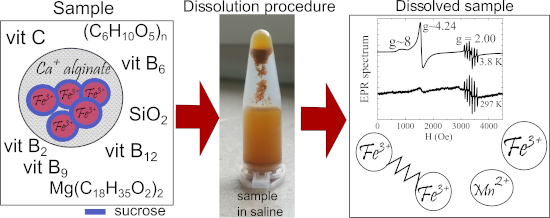
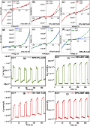
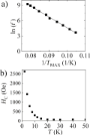
- AC) performed on the undissolved sample revealed the presence of a low temperature blocking process (
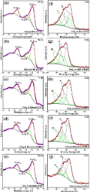
≈ 10 K), and confirmed its superparamagnetic state between 70– 250 K. X-ray photoelectron spectroscopy and Raman studies showed a varied composition of the undissolved sample in which organic





Thickness dependent oxidation in CrCl3: a scanning X-ray photoemission and Kelvin probe microscopies study
Beilstein J. Nanotechnol. 2025, 16, 749–761, doi:10.3762/bjnano.16.58
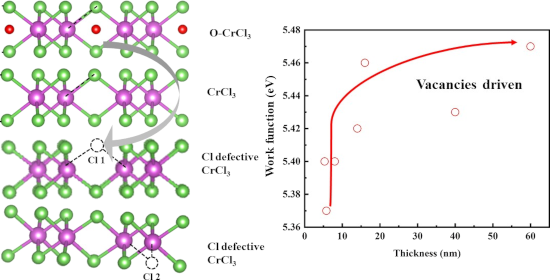
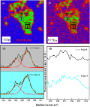
- importance, limited experimental research has been conducted on the electronic structure of CrX3 [5][6]. According to previously published photoelectron spectroscopy results, CrX3 belongs to metal compounds in which the 3d states are very close to the Fermi level, significantly above the 3p/4p/5p states of





Nanostructured materials characterized by scanning photoelectron spectromicroscopy
Beilstein J. Nanotechnol. 2025, 16, 700–710, doi:10.3762/bjnano.16.54
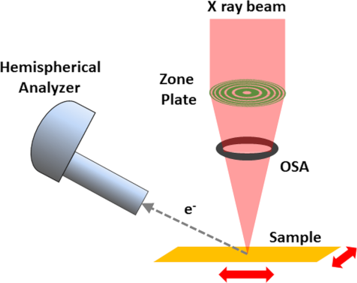
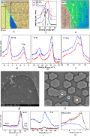
- , environmental reliability, and operando capabilities. Scanning photoelectron spectromicroscopy (SPEM) is one of the characterization tools that combine high spectral resolution X-ray photoelectron spectroscopy with submicron spatial resolution. In particular, the SPEM equipment hosted at the ESCA microscopy
- enhanced sensitivities are examples of capabilities that modern techniques of characterization in nanotechnology must possess. X-ray photoelectron spectroscopy (XPS) is still one of the fundamental tools for chemical and electronic characterization of surfaces and subsurface layers. In the last three to


High-temperature epitaxial growth of tantalum nitride thin films on MgO: structural evolution and potential for SQUID applications
Beilstein J. Nanotechnol. 2025, 16, 690–699, doi:10.3762/bjnano.16.53
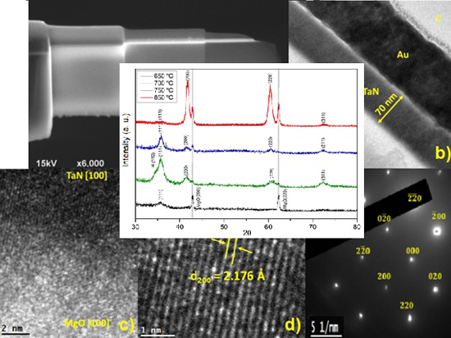
- using pulsed laser deposition (PLD). This research investigates the influence of varying deposition parameters, including substrate temperature and ambient gas composition, on the structural, morphological, and superconducting properties of the films. X-ray photoelectron spectroscopy, X-ray diffraction
- nitrogen pressure between 10 and 90 mTorr. The experiment was performed in a laser ablation system “RIBER LDM 32”. It consists of three stainless steel ultrahigh-vacuum (UHV) chambers for sample introduction, PLD deposition, and X-ray photoelectron spectroscopy (XPS) analysis, isolated by UHV gate valves


Colloidal few layered graphene–tannic acid preserves the biocompatibility of periodontal ligament cells
Beilstein J. Nanotechnol. 2025, 16, 664–677, doi:10.3762/bjnano.16.51
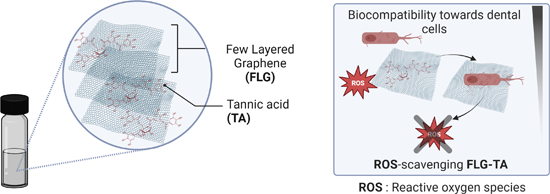
- to the FLG–TA colloid were analyzed using X-ray photoelectron spectroscopy (XPS), and the antioxidant properties of FLG–TA were evaluated using the DPPH free radical scavenging assay. XPS analysis (Figure 2 and Table S1, Supporting Information File 1) shows a significant increase in the O-to-C ratio





Retrieval of B1 phase from high-pressure B2 phase for CdO nanoparticles by electronic excitations in CdxZn1−xO composite thin films
Beilstein J. Nanotechnol. 2025, 16, 551–560, doi:10.3762/bjnano.16.43

- oxygen ion irradiation, while it entirely disappears with silver ion irradiation, confirming the amorphization of the Zn2SiO4 phase. Complementary observations from X-ray photoelectron spectroscopy (XPS), specifically O 1s and Si 2p peaks in XPS spectra, support these findings. Additionally, the track
- diverse characterization techniques, demonstrating the potential reversibility of the B1 to B2 phase transformation induced by ion irradiation. Keywords: irradiation; phase transformation; thermal spike; track diameter; X-ray absorption near edge spectroscopy; X-ray photoelectron spectroscopy
- irradiated thin films was performed with X-ray diffraction and Raman spectroscopy. Additionally, X-ray absorption near-edge structure (XANES) spectroscopy was conducted at the Zn L3,2 and O K edges for all the thin films. X-ray photoelectron spectroscopy (XPS) on Si 2p and O 1s core levels provided direct


Quantification of lead through rod-shaped silver-doped zinc oxide nanoparticles using an electrochemical approach
Beilstein J. Nanotechnol. 2025, 16, 422–434, doi:10.3762/bjnano.16.33
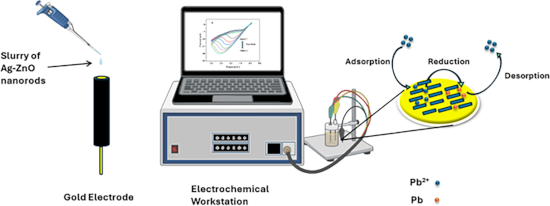
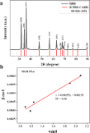
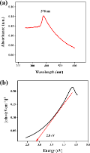
- with XRD results of secondary phase formations [22][23][24]. X-ray photoelectron spectroscopy study of Ag@ZnO nanorods The physical state and chemical compositions of Ag@ZnO NRs were analyzed using X-ray photoelectron spectroscopy (XPS). Figure 7a represents the scan results of the binding energy. The




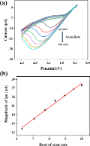
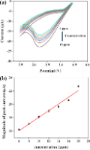

Engineered PEG–PCL nanoparticles enable sensitive and selective detection of sodium dodecyl sulfate: a qualitative and quantitative analysis
Beilstein J. Nanotechnol. 2025, 16, 385–396, doi:10.3762/bjnano.16.29
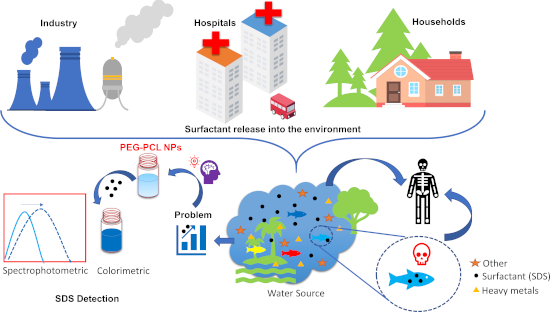
- size. The imaging was performed using TEM at 120 kV (Jeol JEM1400, Germany). The surface elements and their composition in the nanoparticle were analyzed using X-ray photoelectron spectroscopy (PHI 5000 Versa Probe II, FEI Inc) regarding their binding energy. The fixed transmission mode was utilized
- larger estimate than the dry measurements obtained from TEM and SEM [32]. X-ray photoelectron spectroscopy, also known as electron spectroscopy for chemical analysis (ESCA), was used to analyze the surface chemistry of the PEG–PCL NPs. XPS is a powerful surface-sensitive technique that provides detailed


Pulsed laser in liquid grafting of gold nanoparticle–carbon support composites
Beilstein J. Nanotechnol. 2025, 16, 349–361, doi:10.3762/bjnano.16.26
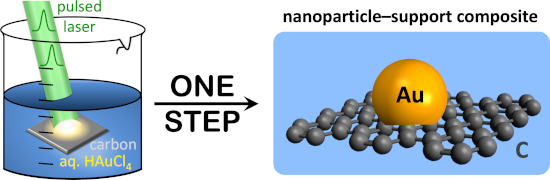
- scattering by the carbon fibers. The pulsed laser-grafted gold nanoparticles exhibited cauliflower morphology with approximately 200 nm diameter and no detectable carbonaceous shells (Figure 2B and cf. X-ray photoelectron spectroscopy (XPS) data below). Assembly of gold nanoparticles by nanosecond laser


Graphene oxide–chloroquine conjugate induces DNA damage in A549 lung cancer cells through autophagy modulation
Beilstein J. Nanotechnol. 2025, 16, 316–332, doi:10.3762/bjnano.16.24
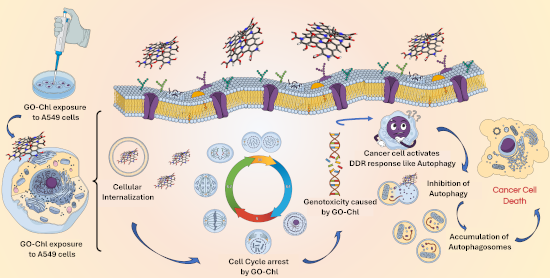
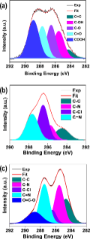
- , the decrease in ID/IG corroborates with the bathochromic shift of the π–π* electronic transition in GO–Chl due to the preservation of a sp2 carbon framework. Furthermore, the chemical states/structures of GO, Chl, and GO–Chl were investigated through X-ray photoelectron spectroscopy. Figure 2a–c
- created by the authors using Avogadro: an open-source molecular builder and visualization tool. Version 1.0.2n http://avogadro.cc/) [40]. X-ray photoelectron spectroscopy analysis. C 1s core level spectra for GO (a), Chl (b), and GO–Chl (c), respectively. Experimental (black line), fitted data (red line



A review of metal-organic frameworks and polymers in mixed matrix membranes for CO2 capture
Beilstein J. Nanotechnol. 2025, 16, 155–186, doi:10.3762/bjnano.16.14

- MOF-based MMM system that perturb the crystallinity in the membrane will be discernable through XRD [121][129]. Energy-dispersive X-ray spectroscopy (EDX), and X-ray photoelectron spectroscopy (XPS) are commonly used to supplement the chemical analysis of MOF-based MMMs [113][137][143]. EDX can




Clays enhanced with niobium: potential in wastewater treatment and reuse as pigment with antibacterial activity
Beilstein J. Nanotechnol. 2025, 16, 141–154, doi:10.3762/bjnano.16.13
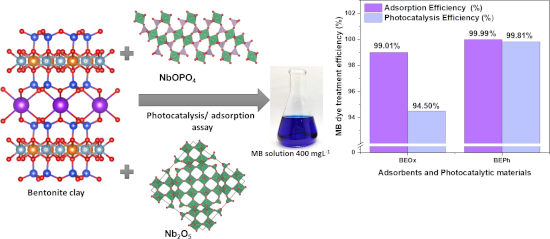
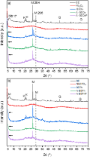
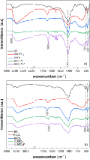
- photoelectron spectroscopy, and laser-induced breakdown spectroscopy assessed the modifications induced by the incorporation of niobium compounds into the clay, confirming the presence of niobium in the bentonite clay. Following characterization, the BEOx and BEPh samples were used as adsorbents or
- mode. Powder and paint-applied samples were analyzed by colorimetry, based on the CIEL*a*b* system, using a portable colorimeter (NR60CP – 3NH). The oxidation state and elemental composition of the samples were evaluated using X-ray photoelectron spectroscopy (XPS) with a PHI Genesis instrument from
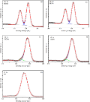
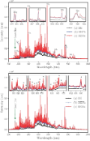
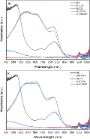
- samples modified with niobium phosphate (a) and niobium oxide (b). Photoelectron spectroscopy results for Nb3d (a and b for the samples BEOx and BEPh, respectively), O 1s (c, d, and e for the samples BEOx, BEPh, and BE, respectively). Laser-induced breakdown spectroscopy analysis for the samples BE (a



TiO2 immobilized on 2D mordenite: effect of hydrolysis conditions on structural, textural, and optical characteristics of the nanocomposites
Beilstein J. Nanotechnol. 2025, 16, 128–140, doi:10.3762/bjnano.16.12
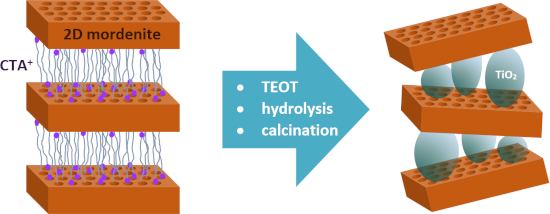
- and TEOT, studied in our previous work [5], for which even after hydrolysis for 12 h in water the long-range order of the lamellae was preserved. The results of the elemental analysis using energy dispersive X-ray (EDX) and X-ray photoelectron spectroscopy (XPS) of the parent lamellar sample and TiO2



Heterogeneous reactions in a HFCVD reactor: simulation using a 2D model
Beilstein J. Nanotechnol. 2024, 15, 1627–1638, doi:10.3762/bjnano.15.128
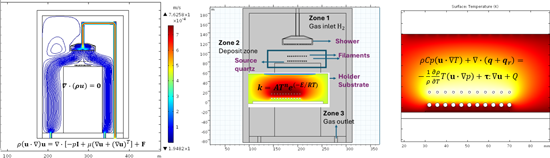
- increases with the flux of H2. This effect was already studied experimentally, and the most significant results were the analysis of how the hydrogen flow influences the composition SiOx films by X-ray photoelectron spectroscopy; as the hydrogen flow increases, the concentration of Si also increases in


Electrochemical nanostructured CuBTC/FeBTC MOF composite sensor for enrofloxacin detection
Beilstein J. Nanotechnol. 2024, 15, 1522–1535, doi:10.3762/bjnano.15.120
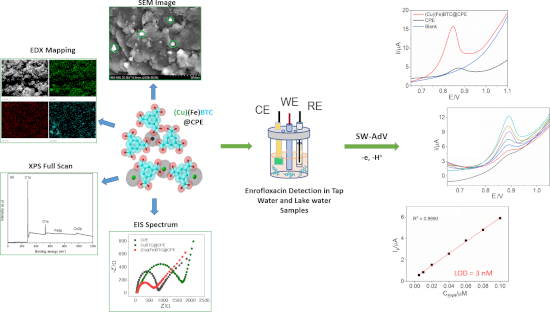
- method and characterized using various techniques, including X-ray diffraction, Fourier-transform infrared spectroscopy, Brunauer–Emmett–Teller analysis, and X-ray photoelectron spectroscopy. The MOF mixture exhibited a particle size ranging from 40 to 100 nm, a high surface area of 1147 m2/g, a pore
- -ray spectroscopy (EDX, Horiba 7593-H, England), and X-ray photoelectron spectroscopy (XPS, Thermo VG Multilab 2000). Synthesis of CuBTC, FeBTC MOFs CuBTC and FeBTC were synthesized using the solvothermal method as described in our previous reports [37][38]. Specifically, 12 mmol of trimesic acid was





Ion-induced surface reactions and deposition from Pt(CO)2Cl2 and Pt(CO)2Br2
Beilstein J. Nanotechnol. 2024, 15, 1427–1439, doi:10.3762/bjnano.15.115

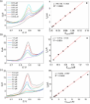
- under steady-state conditions. X-ray photoelectron spectroscopy (XPS) and mass spectrometry data from monolayer thick films of Pt(CO)2Cl2 and Pt(CO)2Br2 exposed to 3 keV Ar+, He+, and H2+ ions indicate that deposition is initiated by the desorption of both CO ligands, a process ascribed to momentum
- transformations of precursor thin films. In this approach, the precursor is adsorbed onto a cooled substrate to form 1–2 nm thin films. The effects of ion beam exposure on the thin films are characterized by X-ray photoelectron spectroscopy to identify changes in the films’ composition and chemical environment



A biomimetic approach towards a universal slippery liquid infused surface coating
Beilstein J. Nanotechnol. 2024, 15, 1376–1389, doi:10.3762/bjnano.15.111
- force microscopy (AFM), sum frequency generation spectroscopy (SFG), and X-ray photoelectron spectroscopy (XPS). Measuring static water contact angles is a straightforward method to determine the relative wettability of a material and allows for a quick check if our surface modifications were successful
- wavenumber range of 1100–1800 cm−1. The spectra were then normalized by dividing the signal by the visible and infrared intensities. X-ray photoelectron spectroscopy Spectra were collected on a PHI 5600 system with a hemispherical analyzer and a monochromatic Al Kα (1486.6 eV) X-ray source with an electron
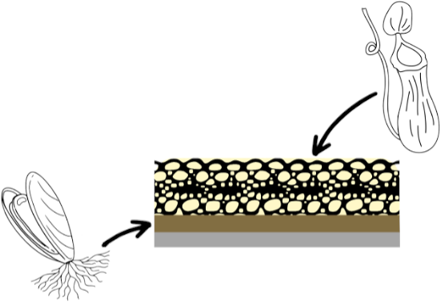
- to use. These biomimetic surface functionalization steps were confirmed by several complimentary surface analysis techniques. The wettability of each surface was probed with water contact angle measurements, while the chemical composition of the layer was determined by X-ray photoelectron




Green synthesis of carbon dot structures from Rheum Ribes and Schottky diode fabrication
Beilstein J. Nanotechnol. 2024, 15, 1369–1375, doi:10.3762/bjnano.15.110
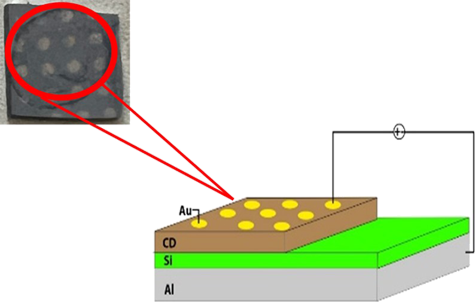
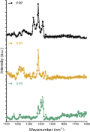
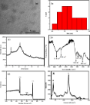
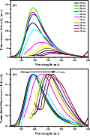
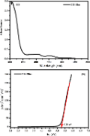
- Cary Eclipse fluorescence spectrophotometer were used for transmission electron microscopy (TEM), zeta potential measurements, X-ray diffractometry (XRD), Fourier-transform infrared spectroscopy (FTIR), X-ray photoelectron spectroscopy (XPS), micro-Raman spectroscopy, PVD thermal evaporation, scanning




Interaction of graphene oxide with tannic acid: computational modeling and toxicity mitigation in C. elegans
Beilstein J. Nanotechnol. 2024, 15, 1297–1311, doi:10.3762/bjnano.15.105

- complete characterization of the GO sample is available in [36]. Atomic force microscopy (AFM), Raman spectroscopy, and X-ray photoelectron spectroscopy (XPS) were used to assess size, morphology, number of layers, and surface chemistry of GO. The GO sample used in this study consists of single layers with
- composition analyzed by X-ray photoelectron spectroscopy (XPS) is 68% of carbon and 32% of oxygen. The functional groups and bonds of carbon are distributed among epoxy/hydroxy (C–O) (52%), carboxyl/esters (C=O) (9.4%), and π–π* (4.2%) moieties, besides graphitic/aromatic carbon (C sp2) (5.7%) and aliphatic
- , to 1.02 ± 0.01 and 1.05 ± 0.005 when the material was incubated in EPA medium without and with TA, respectively (Figure 2b). All Raman spectra were normalized to the intensity of the respective G bands. X-ray photoelectron spectroscopy (XPS) presented the composition of GO surface in the presence of


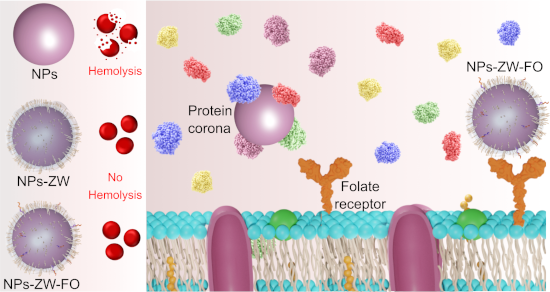
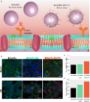
Dual-functionalized architecture enables stable and tumor cell-specific SiO2NPs in complex biological fluids
Beilstein J. Nanotechnol. 2024, 15, 1238–1252, doi:10.3762/bjnano.15.100


Direct electron beam writing of silver using a β-diketonate precursor: first insights
Beilstein J. Nanotechnol. 2024, 15, 1117–1124, doi:10.3762/bjnano.15.90

- the formation mechanism of the interfacial silver layer deserves further in-depth studies, which are beyond the scope of this article. These studies would involve surface science approaches using mass spectrometry and/or other spectroscopic techniques, such as X-ray photoelectron spectroscopy, and


Unveiling the potential of alginate-based nanomaterials in sensing technology and smart delivery applications
Beilstein J. Nanotechnol. 2024, 15, 1077–1104, doi:10.3762/bjnano.15.88

- a monolayer of gas coverage. The surface area of nanomaterials can also be determined by X-ray photoelectron spectroscopy and secondary ion mass spectroscopy [64][65]. Zeta potential: The zeta potential of nanoparticles can be calculated from the electrophoretic mobility of particles in a particular





