Search results
Search for "polymeric nanoparticles" in Full Text gives 52 result(s) in Beilstein Journal of Nanotechnology.
Recent progress in cancer cell membrane-based nanoparticles for biomedical applications
Beilstein J. Nanotechnol. 2023, 14, 262–279, doi:10.3762/bjnano.14.24
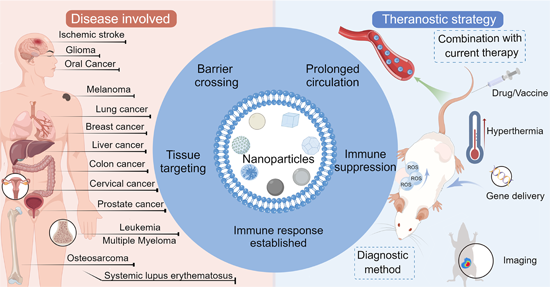
- middle cerebral artery occlusion rats. The infarct area of rats treated with 4T1 breast cancer membrane-coated pH-sensitive polymeric nanoparticles loaded with succinobucol (MPP/SCB) was significantly reduced on T2W MRI compared with bare nanoparticles (PP/SCB) and saline (tMCAO). (a) Experimental


Orally administered docetaxel-loaded chitosan-decorated cationic PLGA nanoparticles for intestinal tumors: formulation, comprehensive in vitro characterization, and release kinetics
Beilstein J. Nanotechnol. 2022, 13, 1393–1407, doi:10.3762/bjnano.13.115
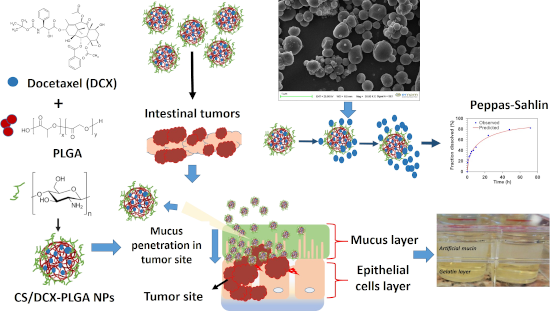
- multiple GIT-related barriers through oral administration of nanoparticulate drug delivery systems. From this point of view, polymeric nanoparticles (NPs) are promising in the development of an oral formulation for colon carcinomas. While it protects the drug from various destructive effects of GIT with
- charged mucin, decreased pH value, and increased temperature, may provide design clues for mucoadhesive polymeric nanoparticles that have a potential to exhibit higher drug release or help to alleviate colorectal tumor in colon region [11][19][20]. PLGA is a physiologically biocompatible and biodegradable


Gelatin nanoparticles with tunable mechanical properties: effect of crosslinking time and loading
Beilstein J. Nanotechnol. 2022, 13, 778–787, doi:10.3762/bjnano.13.68
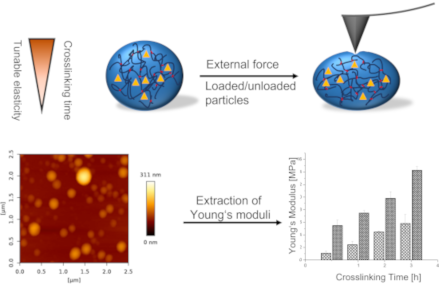
- . demonstrated the impact of the measurement setup for polymeric nanoparticles [4]. Young’s moduli obtained by measurements conducted on bulk materials and nanoparticles composed of PLA and PLGA vary significantly from each other. Furthermore, they showed the impact of measurements in water and at physiological


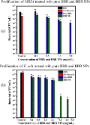
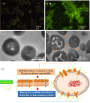
Antibacterial activity of a berberine nanoformulation
Beilstein J. Nanotechnol. 2022, 13, 641–652, doi:10.3762/bjnano.13.56
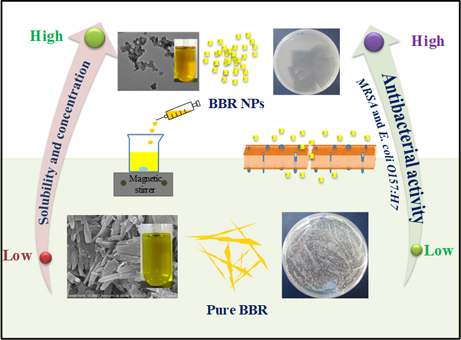
- ), and it remains a challenge to increase drug loading. Besides, the high cost and the complexity of nanoformulation production narrow the accessibility [32]. Regarding dendrimers, micelles, and polymeric nanoparticles, there are also issues with long-term stability, low drug loading efficiency, and



Ethosomal (−)-epigallocatechin-3-gallate as a novel approach to enhance antioxidant, anti-collagenase and anti-elastase effects
Beilstein J. Nanotechnol. 2022, 13, 491–502, doi:10.3762/bjnano.13.41
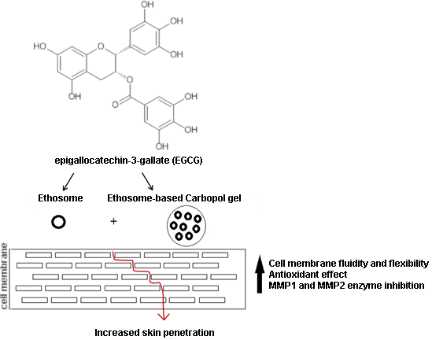
- cell line, one study investigated the anticancer activity of polymeric nanoparticles developed with many compounds (curcumin, EGCG, green tea extract, resveratrol, saponins, silymarin, and grape seed extract). Those nanoparticles target multiple signaling pathways and cause growth inhibitory effects on



pH-driven enhancement of anti-tubercular drug loading on iron oxide nanoparticles for drug delivery in macrophages
Beilstein J. Nanotechnol. 2021, 12, 1127–1139, doi:10.3762/bjnano.12.84
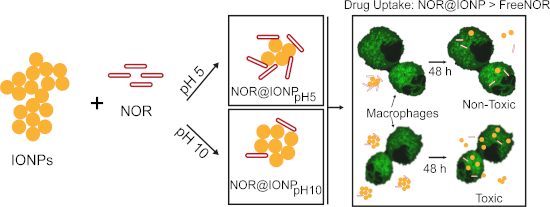
- stable in aqueous dispersion, due to electrostatic repulsion from the existing charge on their surfaces. We find that, compared to pH 10, an acidic pH of 5 enhances the drug coating on IONPs, in the range of 4.7 to 5.7 times, achieving a NOR loading efficiency almost equivalent to polymeric nanoparticles



Use of nanosystems to improve the anticancer effects of curcumin
Beilstein J. Nanotechnol. 2021, 12, 1047–1062, doi:10.3762/bjnano.12.78
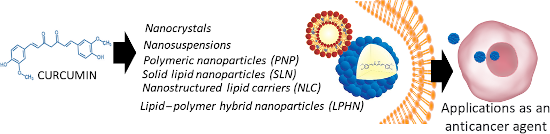
- metabolism, low bioavailability, and fast elimination of the molecule. Considering this, the present work reviews the use of CUR-based nanosystems as anticancer agents, including conventional nanosystems (i.e., liposomes, nanoemulsions, nanocrystals, nanosuspensions, polymeric nanoparticles) and nanosystems
- anticancer activity, including liposomes, nanoemulsions, nanocrystals, nanosuspensions, and polymeric nanoparticles, as well as dual effect nanosystems which respond to external stimuli (mainly magnetic nanoparticles and photodynamic therapy), in addition to internal ones. Furthermore, key design factors
- results have been obtained in glutathione-sensitive PEGylated CUR prodrug nanomicelles [76]. Polymeric nanoparticles (PNP). Polymeric nanoparticles are solid colloids with a size of up to 1000 nm; the drug is loaded into the polymeric matrix, preferably using biodegradable polymers [77][78]. If the drug


The role of deep eutectic solvents and carrageenan in synthesizing biocompatible anisotropic metal nanoparticles
Beilstein J. Nanotechnol. 2021, 12, 924–938, doi:10.3762/bjnano.12.69
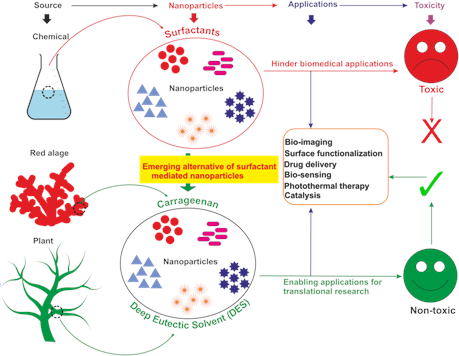
- antibacterial effect indicating its potential to restrict biofilm formation. Carrageenans are also being explored regarding the synthesis of polymeric nanoparticles complexed with other polymers such as chitosan and tripolyphosphate. The use of carrageenan is not only limited to biological applications, it also


Comprehensive review on ultrasound-responsive theranostic nanomaterials: mechanisms, structures and medical applications
Beilstein J. Nanotechnol. 2021, 12, 808–862, doi:10.3762/bjnano.12.64
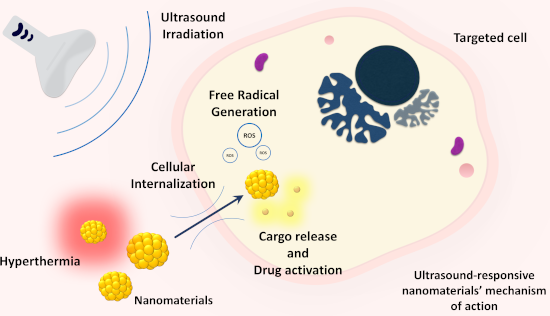
- (conventional and echogenic), niosomes, nanoemulsions, polymeric nanoparticles, chitosan nanocapsules, dendrimers, hydrogels, nanogels, gold nanoparticles, titania nanostructures, carbon nanostructures, mesoporous silica nanoparticles, fuel-free nano/micromotors. Keywords: smart nanomaterials; sonodynamic
- efficiency [1]. To overcome the limitations and drawbacks of conventional drugs, such as uncontrolled release and nonspecific biodistribution, drug delivery systems (DDS) such as liposomes, polymeric nanoparticles, or nanoemulsions (NEs) have been extensively explored. However, even conventional DDS often


The impact of molecular tumor profiling on the design strategies for targeting myeloid leukemia and EGFR/CD44-positive solid tumors
Beilstein J. Nanotechnol. 2021, 12, 375–401, doi:10.3762/bjnano.12.31
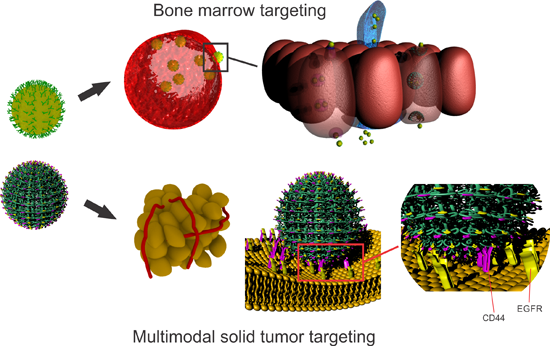
- resistant to IM. Cortese and co-workers developed wool-like hollow polymeric nanoparticles loaded with the abovementioned drug combination for the treatment of CML (Figure 3) [62]. The authors developed core–shell nanoparticles from polycaprolactone (PCL). The core of the nanoparticles was loaded with


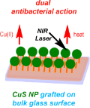
Photothermally active nanoparticles as a promising tool for eliminating bacteria and biofilms
Beilstein J. Nanotechnol. 2020, 11, 1134–1146, doi:10.3762/bjnano.11.98
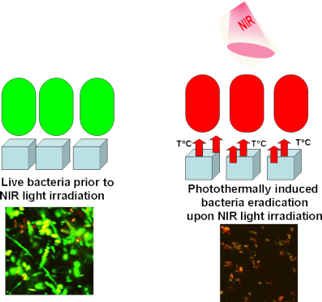
- ][23] and CuO [24][25][26], are also well described in the literature. The antibacterial activity of polymeric nanoparticles, such as the polystyrene sulfate coated with a bilayer of dioctadecyldimethylammonium bromide [27] and poly(lactic-co-glycolic acid) loaded with gentamicin [28], were also
- studied. The state-of-the art in antimicrobial polymeric nanoparticles, with an emphasis on the relationship between their structure and activity, is well presented in a recent review [29]. The antibacterial properties of solid lipid nanoparticles are also a subject of specific research interest as they


Key for crossing the BBB with nanoparticles: the rational design
Beilstein J. Nanotechnol. 2020, 11, 866–883, doi:10.3762/bjnano.11.72
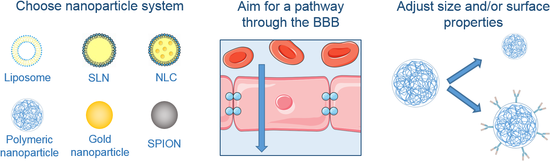
- nanoparticles (AuNPs); blood–brain barrier (BBB); drug delivery; liposomes; nanomedicine; polymeric nanoparticles; solid lipid nanoparticles; superparamagnetic iron oxide nanoparticles (SPIONs); Introduction Neurological disorders and brain diseases are real burdens for modern societies and healthcare systems
- polymeric nanoparticles prepared with PBCA and polymers from the poly(ethylene) family such as poly(lactic acid) (PLA) and poly(lactic-co-glycolic acid) (PLGA) [25][26]. Liposomes and other lipidic nanoparticles have also been reported as able to pass the BBB [27], as well as protein-based nanoparticles
- above. Thus, nanoparticles larger than 200 nm are able to cross the BBB but are unable to move on forward and diffuse through the ECS. Nanoparticles for drug delivery through the BBB Polymeric nanoparticles Polymeric nanoparticles are the most extensively studied nanoparticle system for brain delivery


Phase inversion-based nanoemulsions of medium chain triglyceride as potential drug delivery system for parenteral applications
Beilstein J. Nanotechnol. 2020, 11, 213–224, doi:10.3762/bjnano.11.16
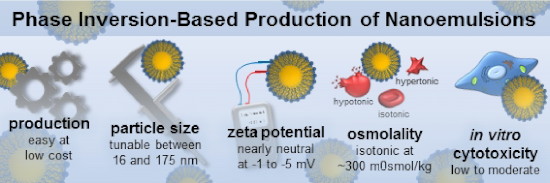
- drug delivery systems such as solid lipid or polymeric nanoparticles, nanocapsules, liquid nanoemulsions, liposomes and micelles can be used to carry poorly water soluble ingredients of pharmaceuticals for parenteral applications [1][2][3]. Thereby, the physical entrapment of the active ingredients




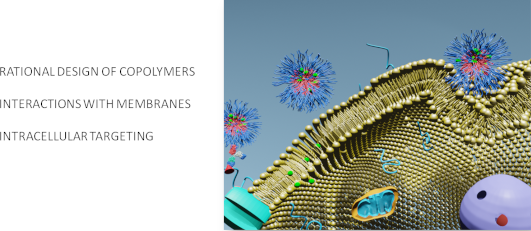
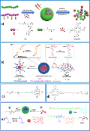
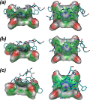
Rational design of block copolymer self-assemblies in photodynamic therapy
Beilstein J. Nanotechnol. 2020, 11, 180–212, doi:10.3762/bjnano.11.15






BergaCare SmartLipids: commercial lipophilic active concentrates for improved performance of dermal products
Beilstein J. Nanotechnol. 2019, 10, 2152–2162, doi:10.3762/bjnano.10.208
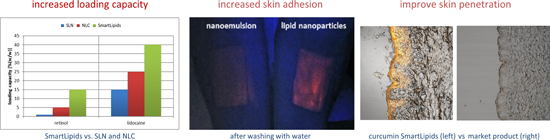
- irritating/damaging effects) and the often unpleasant application feeling did lead to a market failure. Polymeric nanoparticles, developed by P. P. Speiser for pharmaceutical purposes in the middle of the 1970s [2], found only limited use in consumer care/cosmetics. Problems are often the lack of regulatory


Gold-coated plant virus as computed tomography imaging contrast agent
Beilstein J. Nanotechnol. 2019, 10, 1983–1993, doi:10.3762/bjnano.10.195
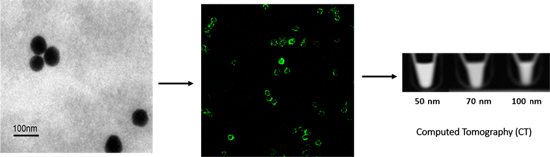
- ; computed tomography (CT); gold; nanotechnology; viruses; targeting; Introduction Numerous types of nanomaterials are currently under investigation in medicine, including dendrimers, polymeric nanoparticles (NPs), liposomes and protein-based NPs. Each system has advantages and disadvantages in terms of its
- contrast agents including gold nanoparticles (AuNPs) [13], bromine [14], platinum [15], ytterbium [16], gadolinium [4], and tungsten [15]. Many of the systems are made up of a core that is coated with a polymeric material such as liposomes [17], micelles [13], lipoproteins or polymeric nanoparticles [18




Microfluidic manufacturing of different niosomes nanoparticles for curcumin encapsulation: Physical characteristics, encapsulation efficacy, and drug release
Beilstein J. Nanotechnol. 2019, 10, 1826–1832, doi:10.3762/bjnano.10.177
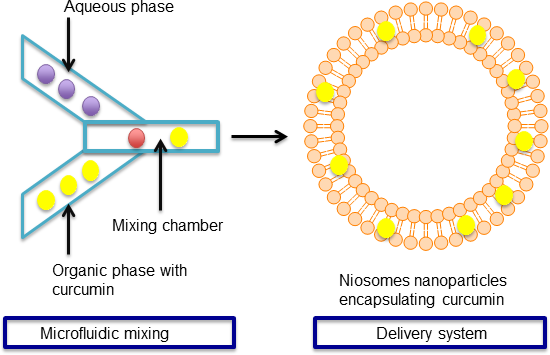
- unwanted side effects [8][9]. Liposomes, solid lipid nanoparticles, dendrimers, micelles, polymeric nanoparticles, gold nanoparticles, and carbon nanotubes are among the most common types of nanoparticle delivery systems [10]. These efforts have been reported in several studies. For example, Guo et al
- . were able to efficiently encapsulate curcumin into polymeric nanoparticles prepared using a fabricated microchannel. The prepared polymeric nanoparticles had an average particle size of 167 nm with a curcumin loading capacities of 15% [11]. Using niosome nanoparticles composed of different non-ionic


Atomic-level characterization and cilostazol affinity of poly(lactic acid) nanoparticles conjugated with differentially charged hydrophilic molecules
Beilstein J. Nanotechnol. 2018, 9, 1328–1338, doi:10.3762/bjnano.9.126
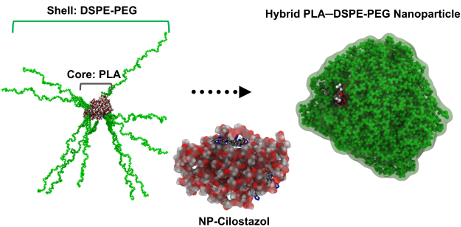
- ; reactive force field; Introduction In recent years, the use of drug delivery systems based on polymeric nanoparticles (NPs) has generated innovative therapeutic strategies for infection and immune diseases, as well as cancer therapy [1][2][3]. Polymeric NPs have shown significant advantages compared with


Al2O3/TiO2 inverse opals from electrosprayed self-assembled templates
Beilstein J. Nanotechnol. 2018, 9, 216–223, doi:10.3762/bjnano.9.23
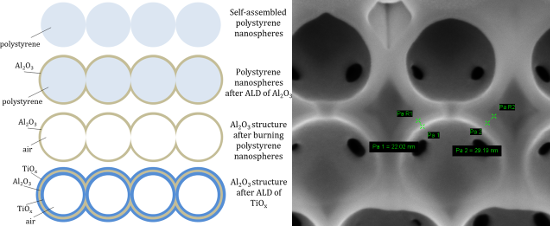
- ]. Polymeric nanoparticles can also be used as templates, as they can be deposited in an ordered way and can be either dissolved or burned after the main structural material has been deposited. The technological procedure, however, suffers from limitations of the temperature compatibility of the structural
- material deposition process with the maximum temperature that the polymeric nanoparticles can sustain, which is typically below 90–100 °C. This low temperature reduces the choices of materials that have suitable optical properties for a given application [35][36]. As an example, TiO2 deposited at <150 °C


Advances and challenges in the field of plasma polymer nanoparticles
Beilstein J. Nanotechnol. 2017, 8, 2002–2014, doi:10.3762/bjnano.8.200
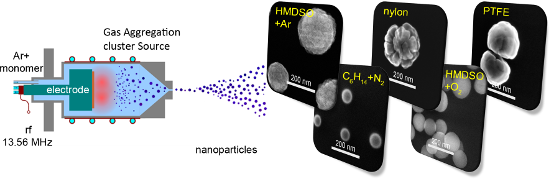
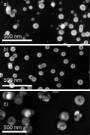
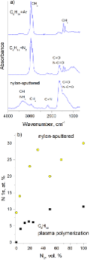
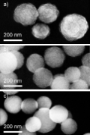
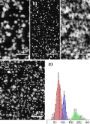
- to the investigation of the properties of plasma polymer particles themselves, regardless of the effects their presence produces on the plasma. It was recognized that polymeric nanoparticles (NPs) can be highly desired in various fields including photonics [37] and biomedical applications where they




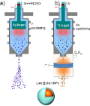
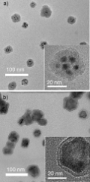


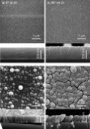
Cationic PEGylated polycaprolactone nanoparticles carrying post-operation docetaxel for glioma treatment
Beilstein J. Nanotechnol. 2017, 8, 1446–1456, doi:10.3762/bjnano.8.144
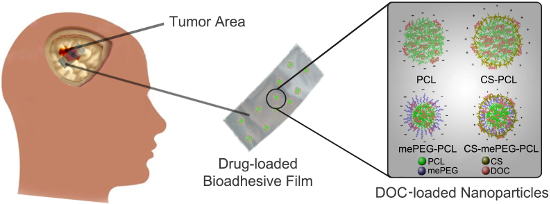
- treat brain tumors and prevent tumor recurrence. The aim of this study was to develop core–shell polymeric nanoparticles with positive charge by employing a chitosan coating. Additionally, an implantable formulation for the chemotherapeutic nanoparticles was developed as a bioadhesive film to be applied
- barrier. The size of these fenestrations depends on the type of organ and tumor [51]. For this reason, the nanoparticle particle size is crucial for a targeted organ/tumor. As core–shell polymeric nanoparticles can be prepared using different techniques, the optimal preparation technique was determined to
- when compared with non-coated nanoparticles. Conclusion In this study, the anticancer drug DOC, encapsulated in anionic and cationic polymeric nanoparticles and administered in a bioadhesive film formulation, was successfully developed to apply the chemotherapeutic drug directly to the action site




Predicting cytotoxicity of PAMAM dendrimers using molecular descriptors
Beilstein J. Nanotechnol. 2015, 6, 1886–1896, doi:10.3762/bjnano.6.192
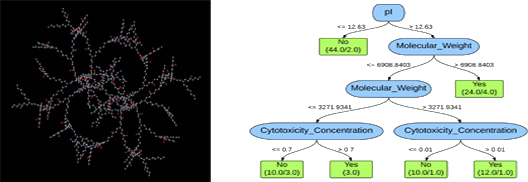
- resulting in their well-defined, highly branched structure [12][13]. The generation of the dendrimer is determined by the number of concentric shells that surround the core of the structure. These polymeric nanoparticles can easily be tailored for specific applications. Benefiting from their characteristic


Hematopoietic and mesenchymal stem cells: polymeric nanoparticle uptake and lineage differentiation
Beilstein J. Nanotechnol. 2015, 6, 383–395, doi:10.3762/bjnano.6.38
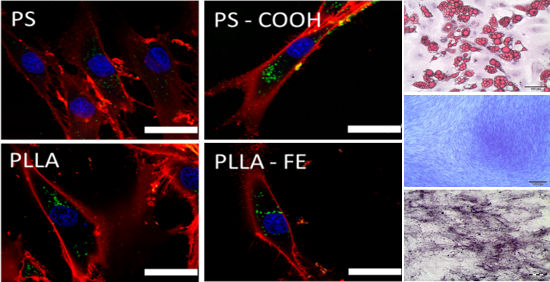
- interaction in malignant cell lines. Here, we report on the influence of polymeric nanoparticles on human hematopoietic stem cells (hHSCs) and mesenchymal stem cells (hMSCs). In this study we systematically investigated the influence of polymeric nanoparticles on the cell functionality and differentiation
- particles were fluorescently labeled with the fluorescent dye N-(2,6-diisopropylphenyl)perylene-3,4-dicarboximide (PMI). The magnetite was encapsulated for magnetic resonance purposes. The polymeric nanoparticles used in this work were obtained by miniemulsion polymerization (non-functionalized and
- . The nanoparticles were purified from the surfactant excess by dialysis using Amicon Ultra membrane filters with MWCO 100 kDa (Millipore). The main characteristics of the nanoparticles are described in Table 1. Uptake and toxicity of polymeric nanoparticles Before the nanoparticles were used for


Imaging the intracellular degradation of biodegradable polymer nanoparticles
Beilstein J. Nanotechnol. 2014, 5, 1905–1917, doi:10.3762/bjnano.5.201
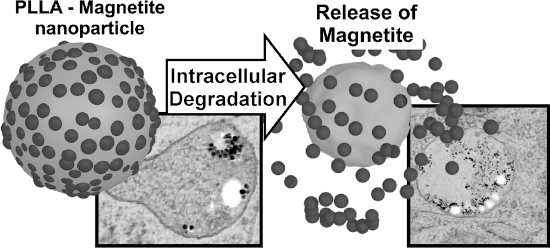
- ), University Medical Center of the Johannes Gutenberg-University Mainz, Langenbeckstraße 1, 55131 Mainz, Germany 10.3762/bjnano.5.201 Abstract In recent years, the development of smart drug delivery systems based on biodegradable polymeric nanoparticles has become of great interest. Drug-loaded nanoparticles
- , biodegradable polymeric nanoparticles are a promising vehicle for smart drug delivery systems and to this regard, it is even more important to examine intracellular degradation dynamics of these bio-polymers. The objective of this work is to follow the fate of intracellular PLLA nanoparticles over a long time


Near-infrared dye loaded polymeric nanoparticles for cancer imaging and therapy and cellular response after laser-induced heating
Beilstein J. Nanotechnol. 2014, 5, 313–322, doi:10.3762/bjnano.5.35