


Search results
Search for "pressure" in Full Text gives 1097 result(s) in Beilstein Journal of Nanotechnology. Showing first 200.
Quantitative estimation of nanoparticle/substrate adhesion by atomic force microscopy
Beilstein J. Nanotechnol. 2026, 17, 1–14, doi:10.3762/bjnano.17.1

- were plasma-cleaned in a Diener electronic Tetra 30 system at a N2 pressure of 50 Pa for 20 min. Immediately after plasma cleaning, the substrates were loaded in the NP deposition chamber. The NP deposition experiments were conducted using DC magnetron sputter inert gas condensation in a Moorfield
- (QMF), both with a diameter of 125 mm. In this study, only one of the three water-cooled magnetrons, equipped with a Cu target (Kurt J. Lesker, 99.999% purity) with 25.8 mm diameter and 3.2 mm thickness, was used. Prior to deposition, the base pressure in the deposition chamber was pumped down to 6
- 110 mm and the pressure within the aggregation was held constant at 0.5 mbar. The growth of NPs stops after passing through the orifice, where the pressure difference from the aggregation zone to the QMF causes rapid cooling. The QMF allows one to select charged NPs based on their mass-to-charge ratio



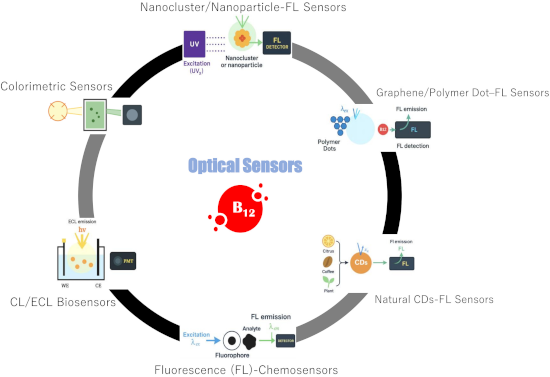
Optical bio/chemical sensors for vitamin B12 analysis in food and pharmaceuticals: state of the art, challenges, and future outlooks
Beilstein J. Nanotechnol. 2025, 16, 2207–2244, doi:10.3762/bjnano.16.153


Ultrathin water layers on mannosylated gold nanoparticles
Beilstein J. Nanotechnol. 2025, 16, 2183–2198, doi:10.3762/bjnano.16.151
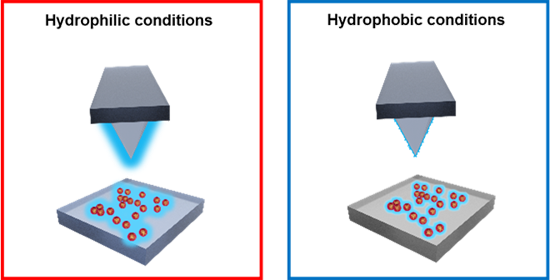
- -propanol, and absolute ethanol and then dried with a nitrogen stream. Oxygen plasma etching (Diener, DE) was carried out for 8 min with 300 W of nominal power (100%), at millibars of oxygen pressure, which creates an OH-terminated layer of hydrophilic silicon oxide. For the hydrophilic functionalization



Missing links in nanomaterials research impacting productivity and perceptions
Beilstein J. Nanotechnol. 2025, 16, 2168–2176, doi:10.3762/bjnano.16.149
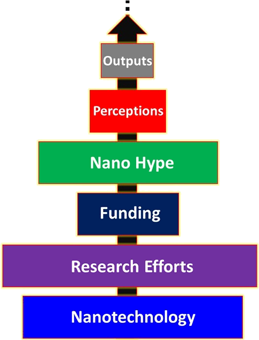
- , where science is increasingly driven by commercialization, the pressure to translate fundamental research into immediate technological results has become more pronounced. However, real scientific progress is inherently incremental; it builds upon prior knowledge and often unfolds gradually over time
Microplastic pollution in Himalayan lakes: assessment, risks, and sustainable remediation strategies
Beilstein J. Nanotechnol. 2025, 16, 2144–2167, doi:10.3762/bjnano.16.148


Quality by design optimization of microemulsions for topical delivery of Passiflora setacea seed oil
Beilstein J. Nanotechnol. 2025, 16, 2116–2131, doi:10.3762/bjnano.16.146
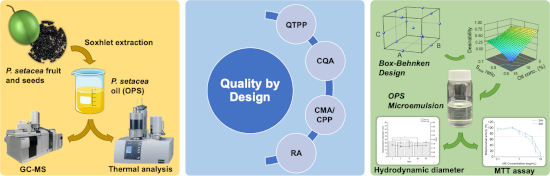
- 60 °C. Afterward, the solvent was removed using a rotary evaporator under reduced pressure at a water bath temperature of 40 °C. The obtained oil was then filtered through a 0.45 µm PTFE membrane and stored in amber glass bottles under refrigeration (4 °C) until use. The oil yield was calculated


Molecular and mechanical insights into gecko seta adhesion: multiscale simulations combining molecular dynamics and the finite element method
Beilstein J. Nanotechnol. 2025, 16, 2055–2076, doi:10.3762/bjnano.16.141
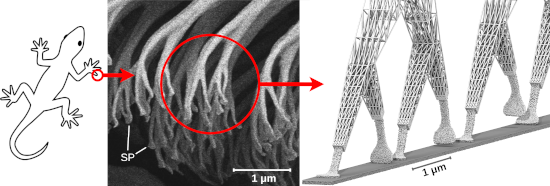
- used previously, we re-parameterized the spatula–substrate Lennard-Jones interactions: so that the new surface would have the same pull-off (adhesion) pressure as before. Specifically, several parameter combinations were tested in pull-off simulations against our reference data for gecko keratin [12






Laser ablation in liquids for shape-tailored synthesis of nanomaterials: status and challenges
Beilstein J. Nanotechnol. 2025, 16, 1963–1997, doi:10.3762/bjnano.16.137
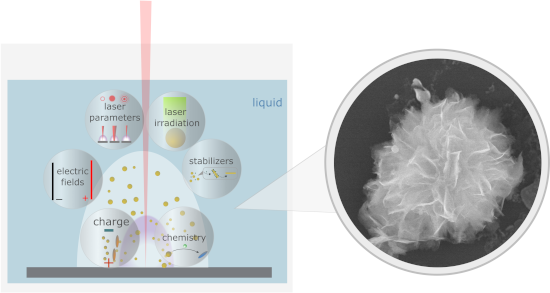
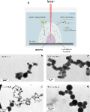
- : in the beginning of the bubble expansion stage, and in the period between bubble collapse and rebound [7]. The major part of the ejected material is released during the second stage of cavitation bubble collapse. The charging of NPs has an impact at this stage, changing the electrostatic pressure
- , guiding the NP transfer into the solution, and providing the electrostatic repulsion between NPs. Some fraction of NPs can avoid escaping into the solution, remaining trapped in the cavitation bubble and undergoing compression as a result of high pressure in the bubble during collapse. This results in
- with the cavitation bubble front into the liquid, the variation of the fraction of NPs in the bubble and in the liquid can be used for controlling NP size, structure, and oxidation degree, as shown in [27]. This can be done by changing the size and pressure in the cavitation bubble by varying the




Evaluating metal-organic precursors for focused ion beam-induced deposition through solid-layer decomposition analysis
Beilstein J. Nanotechnol. 2025, 16, 1942–1951, doi:10.3762/bjnano.16.135
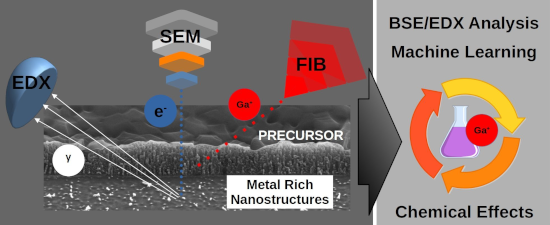
- study was conducted (pressure and cleanliness) differ significantly from those of a typical FIBID process [14]. To guide the development of more effective precursors for FEBID, a pre-screening strategy combining electron ionization mass spectrometry (EIMS) and volatility testing is typically applied
- (111) wafer was placed in the special holder on the cold finger of the apparatus. The process was performed under a pressure of 10−2 mbar and at the following temperatures: 418 K − [Cu2(μ-O2Ct-Bu)4] [29] (1), 393 K − [Cu2(NH2(NH=)CC2F5)2(µ-O2CC2F5)4] [32] (2), 413 K − [Cu2(µ-O2CC2F5)4] (3), and 413 K


Targeting the vector of arboviruses Aedes aegypti with nanoemulsions based on essential oils: a review with focus on larvicidal and repellent properties
Beilstein J. Nanotechnol. 2025, 16, 1894–1913, doi:10.3762/bjnano.16.132
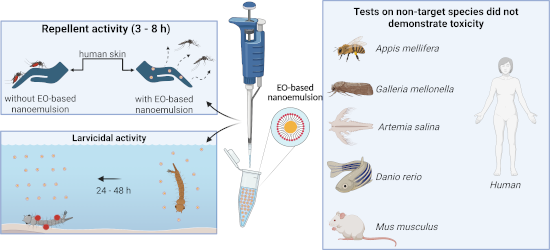
- used for their aromatic and medicinal properties [154]. The chemical profiles of the oils include major constituents such as ᴅ-limonene, thymol, and carvacrol in M. piperita, and 1,8-cineole and γ-terpinene in E. globulus [149]. Thus, the oils were combined and incorporated using the high-pressure


Low-temperature AFM with a microwave cavity optomechanical transducer
Beilstein J. Nanotechnol. 2025, 16, 1873–1882, doi:10.3762/bjnano.16.130
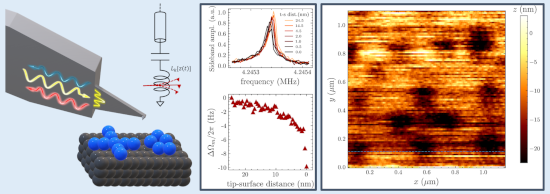
- resonance frequency shift associated with the quantum zero-point motion of the mechanical mode . The cavity optomechanical measurement also introduces a fluctuating radiation pressure force on the test mass or back-action noise, proportional to nc [22][23]: When the microwave pump frequency is detuned by Δ


Phytol-loaded soybean oil nanoemulsion as a promising alternative against Leishmania amazonensis
Beilstein J. Nanotechnol. 2025, 16, 1826–1836, doi:10.3762/bjnano.16.126

- -water (O/W) nanoemulsions is more effective when the droplets are spherical and have diameters close to 200 nm. This enhanced effect has been attributed to increased Laplace pressure, which refers to the pressure difference between the interior and exterior of a curved interface, and leads to higher


Further insights into the thermodynamics of linear carbon chains for temperatures ranging from 13 to 300 K
Beilstein J. Nanotechnol. 2025, 16, 1818–1825, doi:10.3762/bjnano.16.125
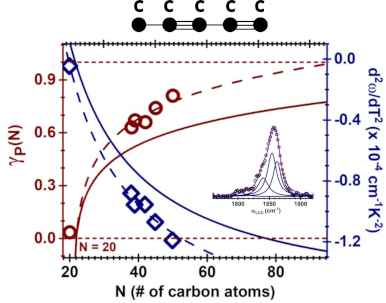
- , coefficient of linear thermal expansion, specific heat, thermal strain, and Grüneisen parameter at constant pressure) were empirically determined for the first time in the range of temperatures 70 < T < 293 K. These observables were all correlated with the C-band frequency (ωLCC) dependence on the temperature
- gradients), and mechanical (e.g., pressure variations) stimuli [1][2][3][4][5][6][7][8][9][10][11][12][13][14][15][16][17][18][19][20][21][22][23]. These responses are directly connected with electronic and transport properties, which in turn depend on the equilibrium between emission and absorption of
- state to be emitted or absorbed. Once they decay to their ground state, they become unavailable. This decay process is often accomplished via three-phonon processes (called the Klemens’ channel) and via four-phonon processes [1][2][3][6][7][12][13][16][24]. It is widely known that pressure (P)- and


![[Graphic 23]](/bjnano/content/inline/2190-4286-16-125-i25.svg?max-width=637&scale=1.18182)
Electrical, photocatalytic, and sensory properties of graphene oxide and polyimide implanted with low- and medium-energy silver ions
Beilstein J. Nanotechnol. 2025, 16, 1794–1811, doi:10.3762/bjnano.16.123
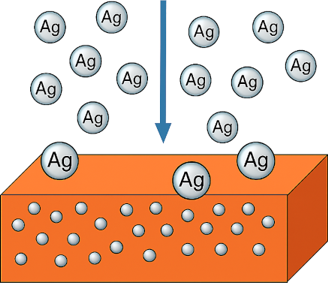
- (controlled in the range of 5–60% RH) was maintained by blending moist and dry air, monitored using a BME 280 pressure/humidity/temperature sensor. The electrical properties of the implanted and pristine samples were studied by the standard two-point method, where the sheet resistance was measured using a


Exploring the potential of polymers: advancements in oral nanocarrier technology
Beilstein J. Nanotechnol. 2025, 16, 1751–1793, doi:10.3762/bjnano.16.122
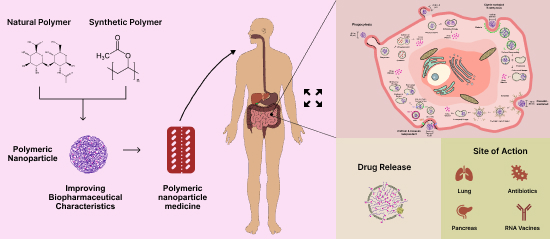
- weight, as these exhibit a high elastic modulus, creating a deformable matrix that expands pores due to osmotic pressure [57]. This, in turn, influences the elimination, phagocytosis, and biological activity of PNs intended for oral administration. Another factor affecting the polymer’s physicochemical
- remains constant and independent of concentration gradients [28]. In addition to diffusion, drug transport through water-filled pores may also occur by convection. The porosity of the nanostructure promotes water influx, which is induced by osmotic pressure, facilitating drug release via osmotic pumping


Advances of aptamers in esophageal cancer diagnosis, treatment and drug delivery
Beilstein J. Nanotechnol. 2025, 16, 1734–1750, doi:10.3762/bjnano.16.121
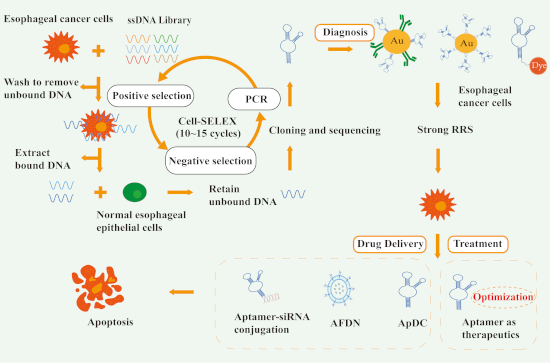
- diagnosis of EC mainly depends on endoscopic diagnosis, which not only needs to bear certain economic pressure, but also needs patients to recognize the high risk factors of EC. Most EC patients are diagnosed at intermediate or late stages, often due to a lack of awareness regarding early symptoms and


Ambient pressure XPS at MAX IV
Beilstein J. Nanotechnol. 2025, 16, 1677–1694, doi:10.3762/bjnano.16.118
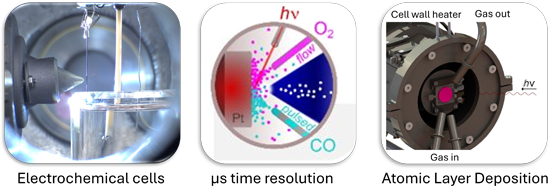
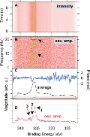
- , Lund University, Box 118, SE-221 00, Lund, Sweden 10.3762/bjnano.16.118 Abstract Ambient pressure X-ray photoelectron spectroscopy (APXPS) has emerged as an important technique for investigating surface and interface chemistry under realistic conditions, overcoming the limitations of conventional XPS
- studies across a broad pressure range, enabling research in catalysis, corrosion, energy storage, and thin film growth. The high brilliance and small beam size of MAX IV’s synchrotron light are essential for pushing the time-resolution boundaries of APXPS, especially in the soft X-ray regime. We discuss
- ; batteries; catalysis; corrosion; Review Ambient pressure XPS Electron spectroscopy has significantly contributed to the understanding of chemical and physical processes that govern the complex interactions between a solid surface and its environment. These processes play crucial roles in phenomena such as





Nanotechnology-based approaches for the removal of microplastics from wastewater: a comprehensive review
Beilstein J. Nanotechnol. 2025, 16, 1607–1632, doi:10.3762/bjnano.16.114
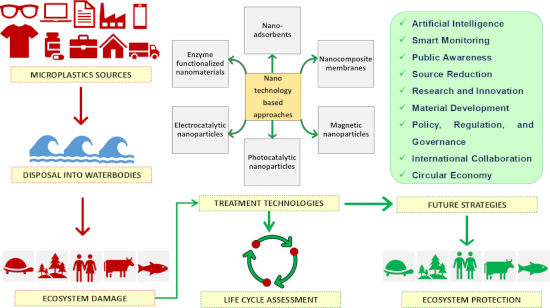
- solution into a gel, enabling precise compositional control and producing homogenous metal oxides suited for photocatalytic applications [74]. Hydrothermal synthesis uses high-temperature, high-pressure aqueous environments to yield well crystalized particles with controlled morphologies, while co
- . High energy demands further restrict the widespread adoption of pressure-driven membrane systems. Additionally, membrane fouling not only raises energy consumption but also adds complexity to system operation and design. This fouling also shortens the operational lifespan of membranes and their


Bioinspired polypropylene-based functionally graded materials and metamaterials modeling the mistletoe–host interface
Beilstein J. Nanotechnol. 2025, 16, 1592–1606, doi:10.3762/bjnano.16.113
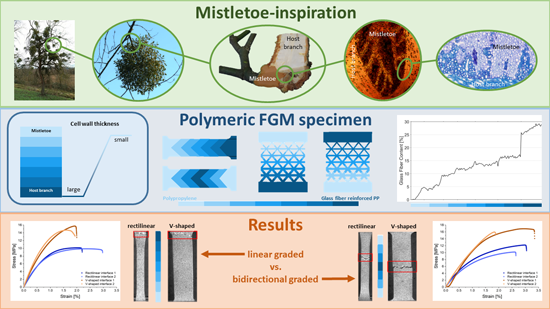
- all laminates. They consist of preheating for 5 min at a constant temperature of 200 °C, pressing for 8 min at a pressure of 0.8 MPa and cooling to room temperature for 20 min. The compression times had a marked effect on the feasibility of hot pressing and the mechanical properties of the resulting
- pressure during hot pressing also play a crucial role in the development of stable materials. The thermal conductivity is reduced by increasing the glass fiber content; thus, the molecular movement of the polymer is reduced, which affects the tensile modulus and the maximal strength of the material [41
- ]. At the same time, pressure reduces the inter-atomic distance between polymer chains [52], which might also have been a factor regarding the rather low differences between the tensile properties of the two base materials. It can be concluded that the pressing time and pressure applied during hot


Transient electronics for sustainability: Emerging technologies and future directions
Beilstein J. Nanotechnol. 2025, 16, 1545–1556, doi:10.3762/bjnano.16.109

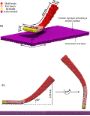
- have already been demonstrated, including transient pressure and temperature sensors designed for short-term intracranial monitoring after traumatic brain injury. These devices capture delayed-onset symptoms and naturally degrade without requiring surgical retrieval [6] (Figure 1a). Examples are a
- electronic systems. Traditionally studied bioresorbable metals include magnesium, zinc, and their alloy AZ31B [51][52]. Mg has been utilized as a transient conductive material in implantable pressure and temperature sensors, where it served as the interconnects and electrodes and underwent complete
- transient technologies across biomedical, environmental, and security applications. Transient electronics for implantable biomedical applications. (a) A biodegradable silicon pressure sensor (left) and its application to intracranial pressure monitoring in the brain (right). Figure 1a was adapted from [6


Influence of laser beam profile on morphology and optical properties of silicon nanoparticles formed by laser ablation in liquid
Beilstein J. Nanotechnol. 2025, 16, 1533–1544, doi:10.3762/bjnano.16.108
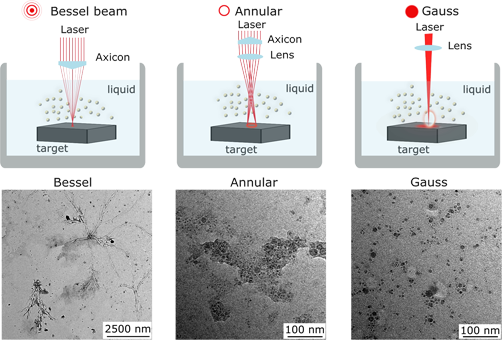
- temperature [5][22] or pressure [23], or the presence of a catalyst [24]. Consequently, alternative approaches for the formation of Si nanowires by laser ablation in liquid environment and under ambient conditions are of high interest. In this work, we have applied a method based on the change of the spatial
- -uniform energy distribution, which will affect plasma generation and confinement, the hydrodynamic trajectory of the ejected target material and pressure relaxation, as well as plasma and cavitation bubble propagation and temporal evolution. In the case of a Bessel beam, the focusing with an axicon
- surface [27] with different plasma parameters than in the plasma generated by a Gaussian beam. A change of the incident beam pattern will change the temperature and pressure inside cavitation bubbles (CBs) and influence CB oscillations. Furthermore, pressure variations at the target interface would be


Laser processing in liquids: insights into nanocolloid generation and thin film integration for energy, photonic, and sensing applications
Beilstein J. Nanotechnol. 2025, 16, 1428–1498, doi:10.3762/bjnano.16.104
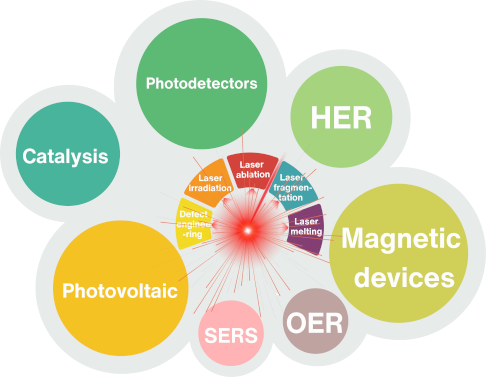
- temperature and normal atmospheric pressure [34]. A laser fragmentation mechanism was proposed, based on the interaction between the laser and the nanospheres, which generates plasma (Figure 7e). Most LIL processes can be classified as either fragmentation or melting, depending on the type of final product






The role of biochar in combating microplastic pollution: a bibliometric analysis in environmental contexts
Beilstein J. Nanotechnol. 2025, 16, 1401–1416, doi:10.3762/bjnano.16.102
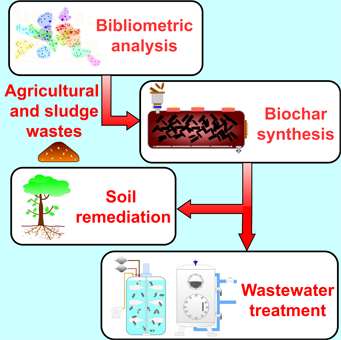
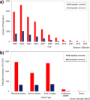
- treatment faster than PS (insulator 16 × 105 Ω·cm). Membrane filtration using PVDF in lab-scale experiments achieves 100% efficiency at a pressure of 2 bar; however, in industrial settings, efficiency drops to 54.6% due to high-pressure requirements [76]. Membrane fouling remains a major drawback, with



Parylene-coated platinum nanowire electrodes for biomolecular sensing applications
Beilstein J. Nanotechnol. 2025, 16, 1392–1400, doi:10.3762/bjnano.16.101
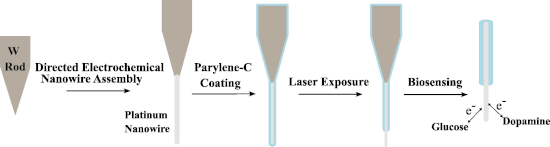
- µm by controlling both the coating time and parylene-C vapor pressure. The thickness of the parylene-C coating was proportional to the product of pressure and time (Pa × min). As Figure 1 shows, a straight cylindrical platinum nanowire can be obtained with the custom-built DENA nanowire growth setup
- -C monomer, where an Edwards E2M1.5 mechanical vacuum pump was used to maintain the vacuum in the 0.133 to 1.33 Pa range during the process. A CPS VG200 vacuum gauge was used for monitoring the pressure. Usually, 4–6 DENA-grown platinum nanowires on the tips of tungsten rods were placed 45° (from
- vertical) in this deposition chamber with Kapton tape. 0.5 g of parylene-C powder was placed in a ceramic boat (7 cm × 1.5 cm × 1 cm), which was used in the deposition process. The system was first evacuated to a pressure below 1.33 Pa. Next, the valve heating tape and tube furnace were activated. Once the


Synthesis and antibacterial properties of nanosilver-modified cellulose triacetate membranes for seawater desalination
Beilstein J. Nanotechnol. 2025, 16, 1380–1391, doi:10.3762/bjnano.16.100
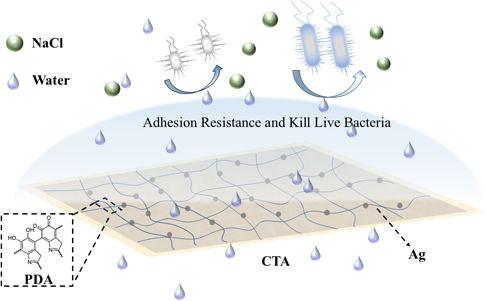
- in an ammonia solution. When compared to the unmodified CTA membrane, the modified membrane exhibited comparable desalination performance. Specifically, for 1.5 g·L−1 brackish water under 6 MPa pressure, the modified membrane achieved a water flux of approximately 21.06 L·m−2·h−1 and a retention rate
- Information File 1, Figure S5). Desalination performance of membranes In the RO process, the water flux and salt rejection rate of the membranes were evaluated before and after modification. At a pressure of 6 MPa, the water fluxes of Ag@PCTA, PCTA, and CTA were measured at 21.05, 21.06, and 21.13 L·m−2·h−1
- desalination experiments. The feed comprising a 1.5 g·L−1 NaCl aqueous solution was set with a test pressure of 6 MPa and a temperature of 25 ± 0.5 °C. Prior to commencing the test, the membrane was compacted. During the experimentation, it was imperative to record both the volume of permeate and the





