Search results
Search for "quantification" in Full Text gives 262 result(s) in Beilstein Journal of Nanotechnology. Showing first 200.
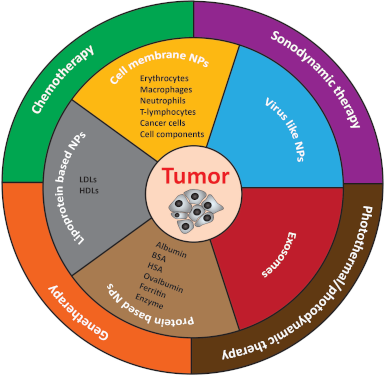
Better together: biomimetic nanomedicines for high performance tumor therapy
Beilstein J. Nanotechnol. 2025, 16, 1246–1276, doi:10.3762/bjnano.16.92





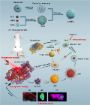

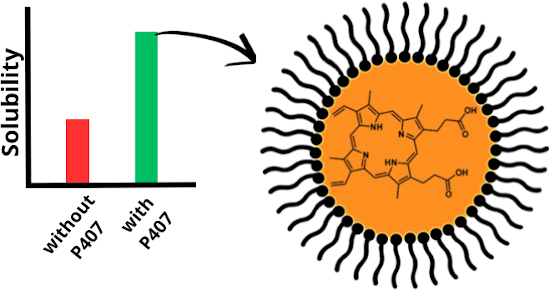
Investigation of the solubility of protoporphyrin IX in aqueous and hydroalcoholic solvent systems
Beilstein J. Nanotechnol. 2025, 16, 1209–1215, doi:10.3762/bjnano.16.89
- sealed, protected from light, and maintained under agitation at 37 ± 1 °C and 100 rpm. Aliquots of 50 to 500 µL were collected at time intervals up to 96 h, diluted in 77% ethanol (v/v), filtered through a 0.45 µm membrane, and quantified by spectrophotometry at λ = 400 nm. Quantification was performed


Chitosan nanocomposite containing rotenoids: an alternative bioinsecticidal approach for the management of Aedes aegypti
Beilstein J. Nanotechnol. 2025, 16, 1197–1208, doi:10.3762/bjnano.16.88
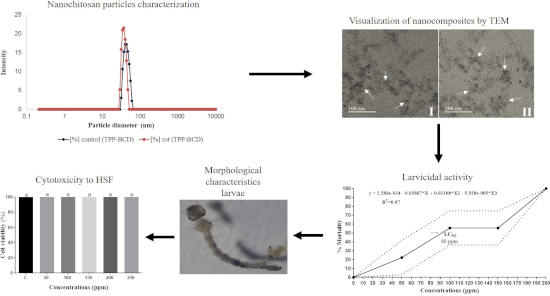
- curve was constructed for the raw rotenoids by HPLC using linear regression (Figure 4), enabling the quantification of rotenoids incorporated into the nanostructures. Using this approach, the rotenoid concentration was determined to be 0.469 mg/mL for the conventional ionic gelation method and 0.531 mg
- of 1 cm−1 and an accumulation of 35 scans per spectrum. A compressive force of 15 N was applied to the samples during measurement to ensure proper contact with the ATR crystal surface. Quantification of rotenoids by high-performance liquid chromatography The quantification of rotenoids was performed

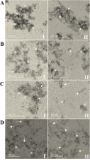


Crystalline and amorphous structure selectivity of ignoble high-entropy alloy nanoparticles during laser ablation in organic liquids is set by pulse duration
Beilstein J. Nanotechnol. 2025, 16, 1141–1159, doi:10.3762/bjnano.16.84
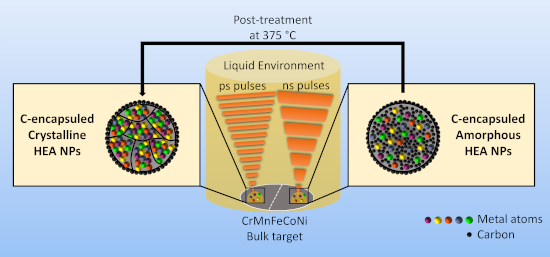
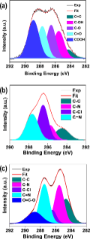
- ; therefore, the durations for the Cantor alloy may differ due to lower thermal conductivity [101][102] and different electron–phonon-coupling strength. Although statistical quantification of carbon content inside the core structures of HEA nanoparticles requires further in-depth analysis with specialized
- ), while the carbon species inside the particle core also resemble metal-carbon species [103][104], although a clear classification and quantification is difficult due to the presence of multiple elements. Thus, multiple interactions may lead to signal shifts that can easily be misinterpreted. Still, the




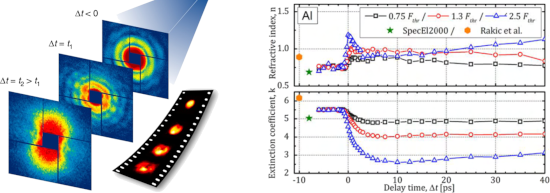
Time-resolved probing of laser-induced nanostructuring processes in liquids
Beilstein J. Nanotechnol. 2025, 16, 968–1002, doi:10.3762/bjnano.16.74


High-temperature epitaxial growth of tantalum nitride thin films on MgO: structural evolution and potential for SQUID applications
Beilstein J. Nanotechnol. 2025, 16, 690–699, doi:10.3762/bjnano.16.53
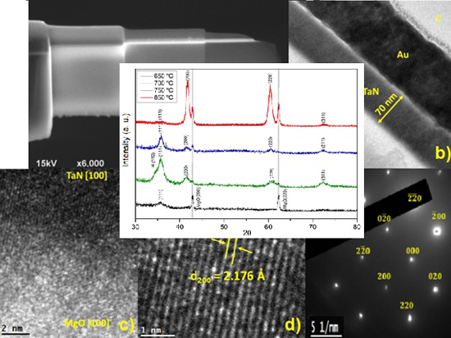
- cubic. Quantification shows that tantalum allows for a greater incorporation of oxygen at high temperatures. XPS analysis demonstrated that the nitrogen pressure critically influences both stoichiometry and impurity content of the TaN thin films. A nitrogen pressure of 90 mTorr during deposition


Colloidal few layered graphene–tannic acid preserves the biocompatibility of periodontal ligament cells
Beilstein J. Nanotechnol. 2025, 16, 664–677, doi:10.3762/bjnano.16.51
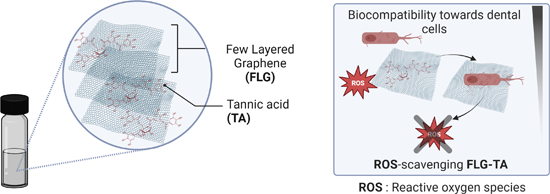
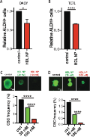
- biocomposite’s cellular protective capabilities against ROS. Confocal microscopic studies indicated that cells displayed green fluorescence after FLG–TA exposure (Figure 4A). Fluorescence signal quantification showed intensities of 3.40 ± 0.35, 1.77 ± 0.97, and 1.71 ± 0.61 for FLG–TA treatments at 1, 25, and 200
- compared to control (Ctrl+), determined by Tukey's post-hoc test. Reactive oxygen species (ROS) production in cells treated with FLG–TA. Confocal fluorescence images showing ROS levels after staining with CellROX (green) and Hoechst 33258 (blue). Scale bar: 20 µm (A). Quantification of ROS production
- material. The images display phalloidin-stained F-actin (red) and Hoechst 33258-stained DNA (blue), along with a merged view. Scale bar: 20 µm (A). Confocal images of PDL cells after contact with FLG–TA, highlighting Hoechst 33258-stained DNA (blue). Scale bar: 3 μm (B). Quantification of chromatin




Nanomaterials in targeting amyloid-β oligomers: current advances and future directions for Alzheimer's disease diagnosis and therapy
Beilstein J. Nanotechnol. 2025, 16, 561–580, doi:10.3762/bjnano.16.44
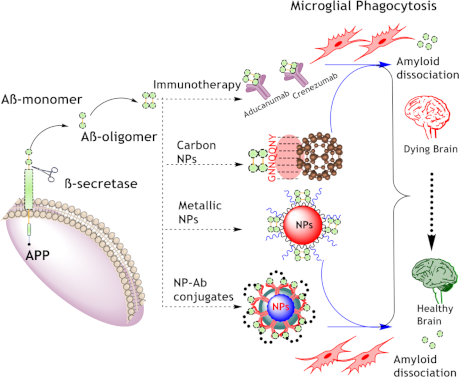
- , capable of detecting ADDLs at femtomole levels, has been developed [88]. This assay is instrumental in understanding the formation of oligomers in vivo as it allows for the detection and quantification of these crucial intermediates in the aggregation process. Zhou et al. introduced an antibody–aptamer


Functionalized gold nanoflowers on carbon screen-printed electrodes: an electrochemical platform for biosensing hemagglutinin protein of influenza A H1N1 virus
Beilstein J. Nanotechnol. 2025, 16, 540–550, doi:10.3762/bjnano.16.42
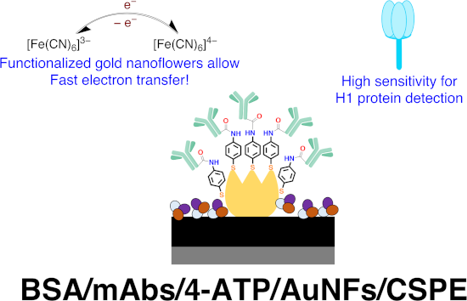
- dispersed in artificial saliva. Clinically relevant concentrations from 10 to 10,000 pg/mL were measured in a differential pulse voltammetry (DPV) experiment. Artificial saliva was used as a negative control to validate detection accuracy. The DPV technique was used for detection and quantification of
- /mAb/4-ATP/AuNFs/CSPE was rinsed with 1 mL of PBS, dried under a flow of N2, and stored at 4 °C. Quantification of hemagglutinin A serial dilution of H1 from 10 to 10,000 pg/mL spiked in artificial saliva were prepared from a 100 μg/mL stock solution in PBS. A solution of artificial saliva with no
- peristaltic pump, and it allowed us to automate the addition of the sample and the reagents to the electrodes during the quantification of hemagglutinin. The microfluidic device, which was printed using a 3D printer (Ultimaker 2+, Ultimaker), contained a slot through which the electrode can be placed and


Electron beam-based direct writing of nanostructures using a palladium β-ketoesterate complex
Beilstein J. Nanotechnol. 2025, 16, 530–539, doi:10.3762/bjnano.16.41
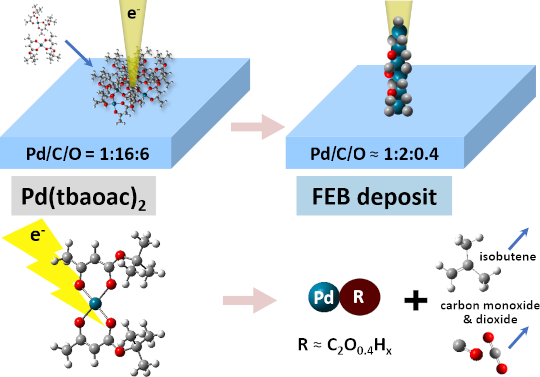
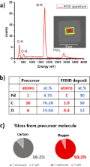
- intensity of a particular element of the sample under study to a tabulated standard for the same element) from EDX quantification software as input (in our case, Oxford Aztec), which were generated assuming isotropy (i.e., even distribution of all measured elements in the electron excitation volume). Using
- , calculated using the method of Kanaya and Okayama [46], is outlined with a yellow border. The prominent silicon peak indicates that thin film correction of EDX data is necessary for the accurate quantification of the thin Pd-containing FEB deposit. Using thickness values from AFM measurements and Stratagem


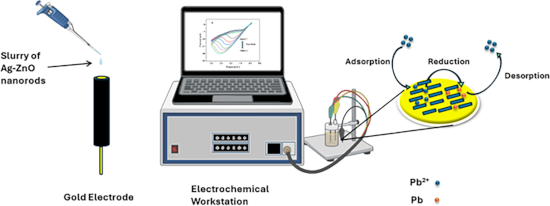
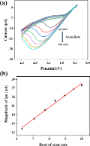
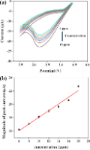
Quantification of lead through rod-shaped silver-doped zinc oxide nanoparticles using an electrochemical approach
Beilstein J. Nanotechnol. 2025, 16, 422–434, doi:10.3762/bjnano.16.33





Engineered PEG–PCL nanoparticles enable sensitive and selective detection of sodium dodecyl sulfate: a qualitative and quantitative analysis
Beilstein J. Nanotechnol. 2025, 16, 385–396, doi:10.3762/bjnano.16.29
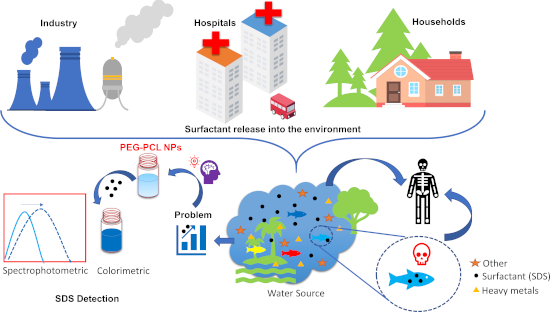
- through various pathways. This has led to significant concerns regarding developing rapid onsite qualitative and quantitative methods for estimating SDS in aqueous solutions. Although a range of high-throughput techniques is currently utilized for SDS quantification, these methods are often expensive
- excellent linearity over a concentration range of 0–200 μg/mL, with a correlation coefficient (R2) of 0.98. The limits of detection and quantification for the proposed method were determined to be 26.14 μg/mL and 79.23 μg/mL, respectively. These findings indicate that the newly developed method offers high
- can interact with the G-250 dye in the Bradford method, a commonly used method for protein quantification [36]. However, the interaction is not visually or optically measured without protein in a sample. In typical protein quantification methods, the interaction of the G-250 dye with proteins produces


Graphene oxide–chloroquine conjugate induces DNA damage in A549 lung cancer cells through autophagy modulation
Beilstein J. Nanotechnol. 2025, 16, 316–332, doi:10.3762/bjnano.16.24
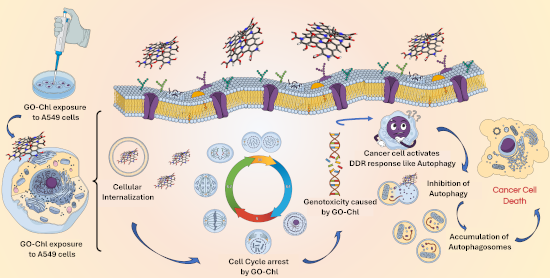
- lysosomes results in a very low LC3 content in autolysosomes due to subsequent degradation of LC3 by lysosomal enzymes [65]. Therefore, the endogenous GFP-LC3 is visualized as a diffuse cytoplasmic pool or punctate structures and could be used for the selective quantification of autophagosomes, thus



Advanced atomic force microscopy techniques V
Beilstein J. Nanotechnol. 2025, 16, 54–56, doi:10.3762/bjnano.16.6

- calculations. Eftekari et al. measure the local surface photovoltage generated in a silicon photodiode integrated with a piezoelectric membrane [8]. The design of such a device allows for the laterally resolved simultaneous quantification of the photovoltage generated by the photodiode as well as the
Natural nanofibers embedded in the seed mucilage envelope: composite hydrogels with specific adhesive and frictional properties
Beilstein J. Nanotechnol. 2024, 15, 1603–1618, doi:10.3762/bjnano.15.126
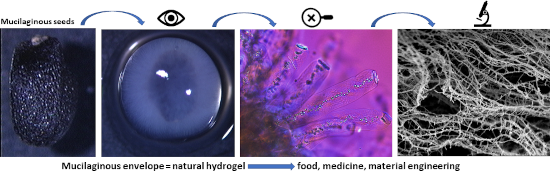
- composed of pectic polysaccharides and arabinogalactan protein [140]. This glue-like substance is secreted also by other climbing plants (Parthenocissus quinquefolia and Campsis radicans), which develop special organs, such as tendrils, supporting them in attachment to the substrates [141]. Quantification


Facile synthesis of size-tunable L-carnosine-capped silver nanoparticles and their role in metal ion sensing and catalytic degradation of p-nitrophenol
Beilstein J. Nanotechnol. 2024, 15, 1576–1592, doi:10.3762/bjnano.15.124
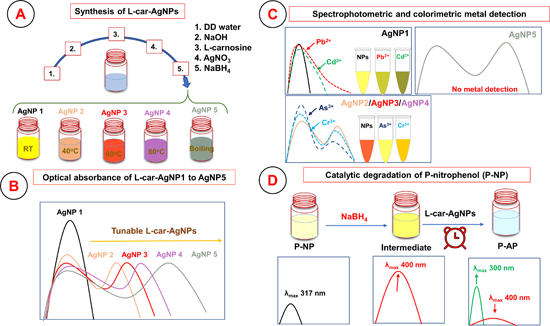
- end concentration of 0.5 ppm, followed by the addition of ʟ-car-AgNPs as a sensing probe. The dispersion was then examined for colorimetric/spectrophotometric changes. Finally, the limit of detection (LOD) and the limit of quantification (LOQ) of the developed nanosensors were estimated through a
- lose the ability to interact with the trivalent metal ions because of the formation of bigger particles, which was confirmed by TEM and DLS measurements. Interference study and quantification of the detection limit for Cd2+ and Pb2+ using ʟ-car-AgNP1 The ability of ʟ-car-AgNP1 as a probe for the
- detection and development of a sensing probe, quantification of the detection limit for Cd2+ and Pb2+ using ʟ-car-AgNP1 was carried out, and LOD and LOQ were calculated. In Figure 7c and Figure 7e, only a single metal (i.e., Cd2+ or Pb2+) was added to ʟ-car-AgNP1, and the changes as functions of the metal




A biomimetic approach towards a universal slippery liquid infused surface coating
Beilstein J. Nanotechnol. 2024, 15, 1376–1389, doi:10.3762/bjnano.15.111
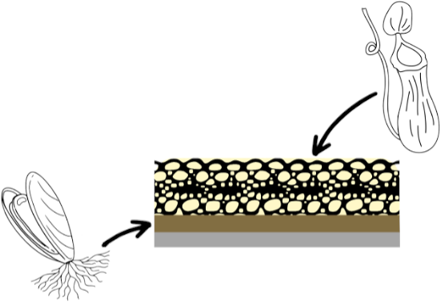
- aggregates form and are joined together through π stacking [45]. As mentioned earlier, quantification of the activation of intrinsic coagulation on SLIPS surfaces have not been fully investigated. For biomaterials, the intrinsic pathway has been shown to activate upon exposure, whereas in vivo the extrinsic
- across all our experimental and control surfaces (Figure 6). The observed range of fibrin generation time of 5–30 min was consistent with those reported previously using similar methods of turbidimetric quantification on other experimental surfaces [33][50]. We observed that plasma clotted 2.5× slower on




Nanoarchitectonics with cetrimonium bromide on metal nanoparticles for linker-free detection of toxic metal ions and catalytic degradation of 4-nitrophenol
Beilstein J. Nanotechnol. 2024, 15, 1312–1332, doi:10.3762/bjnano.15.106
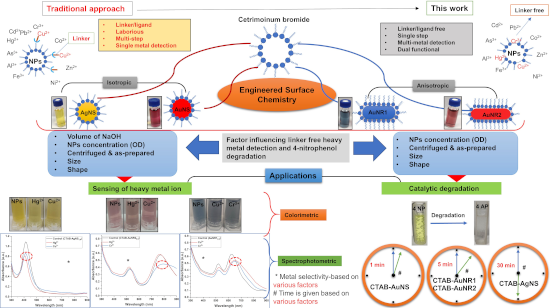
- . Quantification of CTAB through UHPLC The quantification of bound CTAB on the nanoparticles’ surface was analyzed using ultrahigh-performance liquid chromatography (UHPLC; Shimadzu, Nexera, Tokyo, Japan). The chromatography system equipped with an SPD-M20A photodiode array (PDA) detector with a wavelength range
- of 190–800 nm, a degreaser (DGU-20A5R), autosampler (SIL-30AD), and quaternary pump (LC-30AD). The separation peak for CTAB was analyzed using HpersilGoldTM C18 (100 × 2.1 mm, 10 μm) with a pore diameter of 1.9 μm. The injection volume was 5 µL, and the wavelength was 208 nm for CTAB quantification
- to confirm the peak value of the compound. The supernatants of centrifuged CTAB-capped nanoparticles were used for CTAB quantification. Stability of CTAB-capped metal nanoparticles in NaCl and NaOH solutions In order to determine the ability and functionality of CTAB on metal nanoparticle surfaces




Dual-functionalized architecture enables stable and tumor cell-specific SiO2NPs in complex biological fluids
Beilstein J. Nanotechnol. 2024, 15, 1238–1252, doi:10.3762/bjnano.15.100
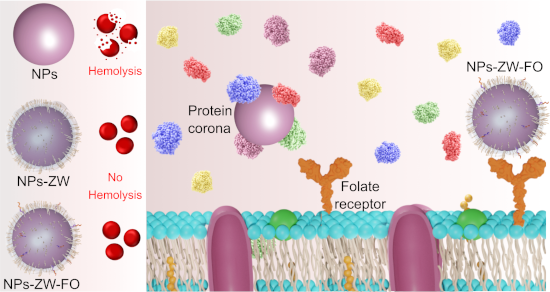
- 1.0 mg·mL–1) and later used for the quantification of captured SiO2NPs-ZW-FO. The calculations were performed using the value obtained at the maximum of the emission band. Stability of SiO2NPs in cell culture medium and human plasma Dynamic light scattering (DLS) measurements were performed to
- (14000 rpm for 10 min at 4 °C) and repeated four times. The SiO2NPs were resuspended in 25 μL of water and transferred to a 96-well plate. Then, 200 µL of working reagent (50:1, reagent A/B) was added. Finally, the plate was incubated at 37 °C for 30 min and quantification was performed using the
- absorbance value at 562 nm, using the Thermo microplate reader (Multiskan GO model). For quantification, it was necessary to prepare an analytical curve with diluted BSA standards already included in the kit provided by the manufacturer. Analyses were performed in quintuplicate. To identify the main proteins


Realizing active targeting in cancer nanomedicine with ultrasmall nanoparticles
Beilstein J. Nanotechnol. 2024, 15, 1208–1226, doi:10.3762/bjnano.15.98
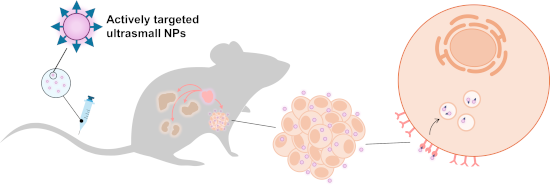
- further investigation. Quantification of Gd uptake in the tumor tissue at 30 min p.i. revealed 4.1% ID/g for targeted usNPs against 0.11% ID/g for the non-targeted particles. The rapid tumor uptake of the targeted usNPs, combined with their efficient renal clearance, resulted in an enhanced MRI signal-to


Direct electron beam writing of silver using a β-diketonate precursor: first insights
Beilstein J. Nanotechnol. 2024, 15, 1117–1124, doi:10.3762/bjnano.15.90

- correction was applied. Instead, the EDX spectra were taken at different acceleration voltages to obtain independent data sets (see Supporting Information File 1 for an overview of all quantification results). The observed trend in composition was from a carbon-rich deposit in the central region to a


Unveiling the potential of alginate-based nanomaterials in sensing technology and smart delivery applications
Beilstein J. Nanotechnol. 2024, 15, 1077–1104, doi:10.3762/bjnano.15.88
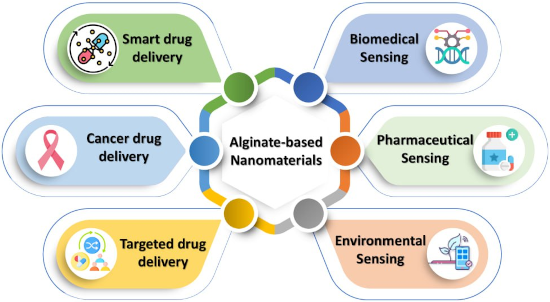
- diagnostics. Researchers have successfully utilized alginate nanoparticles for the detection and quantification of various analytes, such as proteins, enzymes, nucleic acids, and pathogens. For example, alginate nanoparticles have been used for the detection of cancer biomarkers in body fluids, allowing for


Entry of nanoparticles into cells and tissues: status and challenges
Beilstein J. Nanotechnol. 2024, 15, 1017–1029, doi:10.3762/bjnano.15.83
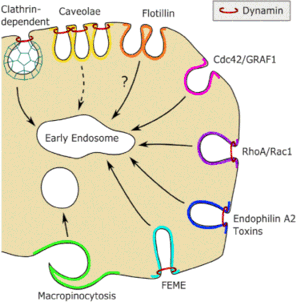
- may not be good enough, as the drug needs to reach its intracellular target (often in the cytosol) to be active. Thus, quantification of NPs in the tumor area is important to understand what happens with the NPs following i.v. injection; however, far from being sufficient to evaluate the therapeutic


Recent progress on field-effect transistor-based biosensors: device perspective
Beilstein J. Nanotechnol. 2024, 15, 977–994, doi:10.3762/bjnano.15.80
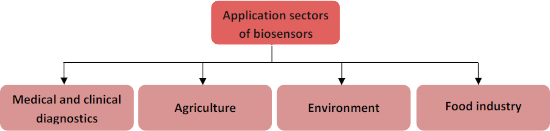
- biosensors, with a low limit of quantification and detection. A real-time simulation of a highly sensitive specific antigen biosensor was also performed by Gao et al. [87] using silicon NW FET-based CMOS technology. In this work, both P- and N-type NW arrays were designed and incorporated into one chip using
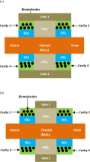
- study of the biosensor device simplifies the biosensor architecture for accurate femtomolar detection and quantification of various biomolecule species. 2.2.9 Vertical-strained impact-ionization MOSFET-based biosensors. Saad et al. [107] reported an equivalent electrical circuit model dedicated to




Water-assisted purification during electron beam-induced deposition of platinum and gold
Beilstein J. Nanotechnol. 2024, 15, 884–896, doi:10.3762/bjnano.15.73
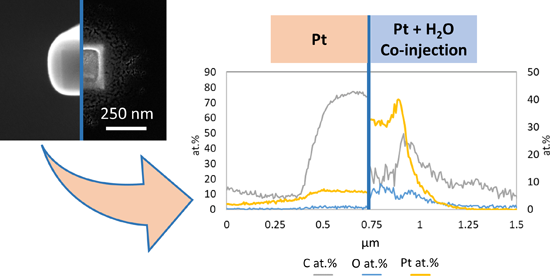
- –2.70 nA. In addition, a longer deposition experiment was performed for better EDX quantification at 0.54 nA (1a). Additional experiments include a Pt-only deposit for reference (1f) and a sample prepared for TEM analysis (1g). Except for 1f, all deposits were obtained at a deposition pressure of (4.6
- reactants. Comparison of point EDX composition (atom %) of the patterned area for deposits 1b–1f and C/Pt atom % ratio. The full spectra are presented in Supporting Information File 1, pp S18–S28. Supporting Information Supporting Information File 1 contains the following sections: EDX quantification of