


Search results
Search for "radicals" in Full Text gives 232 result(s) in Beilstein Journal of Nanotechnology. Showing first 200.
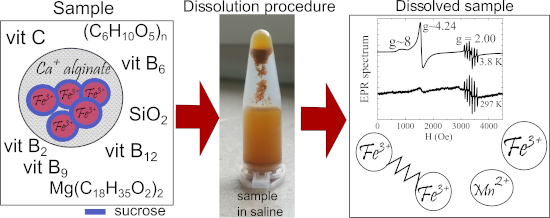
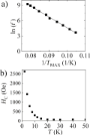
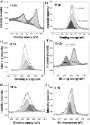
Changes of structural, magnetic and spectroscopic properties of microencapsulated iron sucrose nanoparticles in saline
Beilstein J. Nanotechnol. 2025, 16, 762–784, doi:10.3762/bjnano.16.59





Efficiency of single-pulse laser fragmentation of organic nutraceutical dispersions in a circular jet flow-through reactor
Beilstein J. Nanotechnol. 2025, 16, 711–727, doi:10.3762/bjnano.16.55
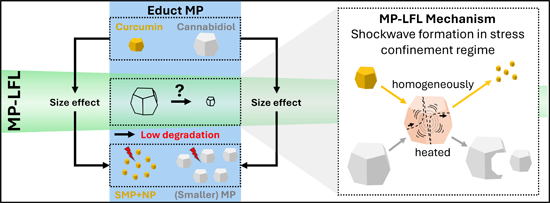
- ) nanoparticles [60]. On the other hand, it has been shown that optical breakdown and the production of ROS are hampered at high nanoparticle concentrations [60], which may be responsible for the low degradation by LFL-generated radicals at high particle mass concentrations. Furthermore, it has to be considered


Colloidal few layered graphene–tannic acid preserves the biocompatibility of periodontal ligament cells
Beilstein J. Nanotechnol. 2025, 16, 664–677, doi:10.3762/bjnano.16.51
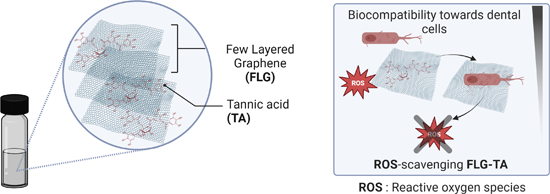
- , particularly antioxidant effects [16][17][18]. Bioactive antioxidants reduce oxidative stress by inhibiting unstable oxygen radicals [17]. Oxidative stress occurs when reactive oxygen species (ROS) damage cellular components because of an imbalance in the normal redox state of cells [17][19]. ROS, which
- include superoxide radicals, hydroxyl radicals, and hydrogen peroxide, are natural byproducts of the oxidative metabolism. Mammalian cells maintain balanced ROS levels for homeostasis and cellular proliferation. However, excess ROS creates an electron imbalance that triggers continuous electron transfer
- reactions, leading to oxidative stress [17]. Studies have shown that TA exhibits significant antioxidant properties by suppressing hydroxyl radical formation and neutralizing both superoxide anion radicals and hydrogen peroxide. However, its antioxidant efficacy is concentration-dependent. While it shows





A formulation containing Cymbopogon flexuosus essential oil: improvement of biochemical parameters and oxidative stress in diabetic rats
Beilstein J. Nanotechnol. 2025, 16, 617–636, doi:10.3762/bjnano.16.48
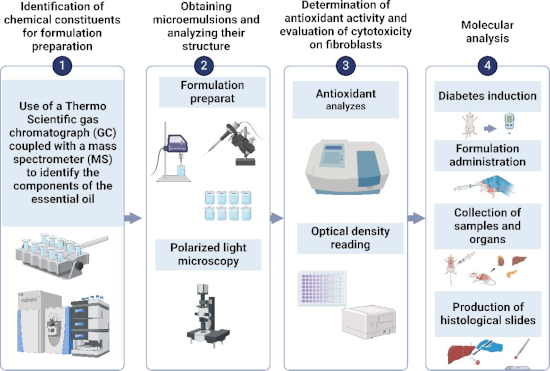
- suggest attenuation of hepatic injury and systemic inflammation, which are commonly exacerbated in diabetic states. These effects may be attributed to the modulation of oxidative stress pathways, particularly through the scavenging of free radicals and the upregulation of endogenous antioxidant enzymes




Effect of additives on the synthesis efficiency of nanoparticles by laser-induced reduction
Beilstein J. Nanotechnol. 2025, 16, 464–472, doi:10.3762/bjnano.16.35
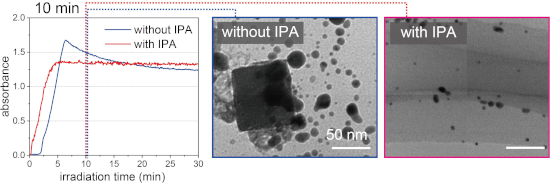
- of nanoparticles in large quantities for practical use. In this study, we investigated improvements of the synthesis efficiency of nanoparticles in LRL by adding scavengers, such as isopropyl alcohol (IPA) and glycerin, for oxidative radicals formed by laser irradiation to the solution and converting
- the oxidative radicals into reducing species. Based on the evaluation of the synthesis efficiency of Au nanoparticles, it was confirmed that the addition of IPA increased the synthesis efficiency of nanoparticles by about five times, and the addition of glycerin increased it by about nine times
- radical scavengers In laser-induced reduction, laser irradiation breaks down water molecules to produce various radical species. The standard electrode potentials of solvated electrons (e−aq) and hydrogen radicals (H•) are E0 = −2.77 V and E0 = −2.1 V, respectively [33]. It has been reported that solvated


Emerging strategies in the sustainable removal of antibiotics using semiconductor-based photocatalysts
Beilstein J. Nanotechnol. 2025, 16, 264–285, doi:10.3762/bjnano.16.21
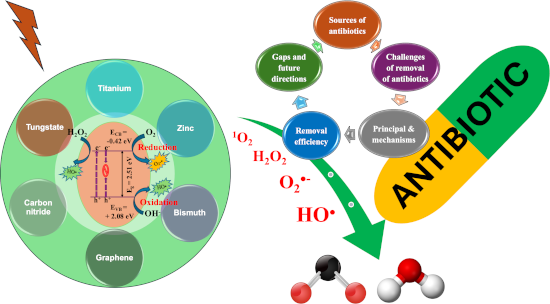
- • radicals [35][57]. The second pathway also known as the oxidative pathway, occurs when the holes migrate to the surface of the photocatalyst. As a result, HO• radicals are generated by oxidizing H2O/OH−, and this generation is influenced by the alkalinity or acidity of the surrounding environment (H2O/OH



Clays enhanced with niobium: potential in wastewater treatment and reuse as pigment with antibacterial activity
Beilstein J. Nanotechnol. 2025, 16, 141–154, doi:10.3762/bjnano.16.13
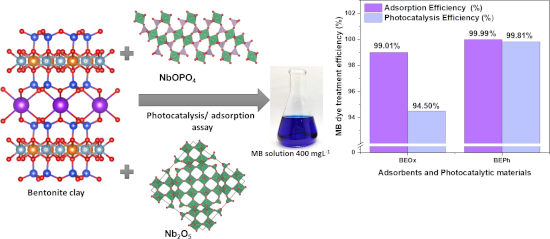
- generate OH• radicals (strong oxidants), leading to the mineralization of organic pollutants, including textile dyes [8]. In this study, the strategy and objective are to modify bentonite clay with niobium phosphate and niobium oxide by the calcinated method, and then use it as an adsorbent or


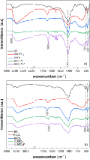
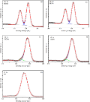
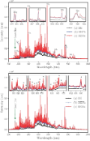
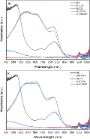

Characterization of ZnO nanoparticles synthesized using probiotic Lactiplantibacillus plantarum GP258
Beilstein J. Nanotechnol. 2025, 16, 78–89, doi:10.3762/bjnano.16.8
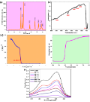
- MB dye progressed with time and yielded 95% degradation under 120 min. The process involved in dye degradation is exciting electrons and generating holes in the semiconductor. The produced electrons form superoxide radicals (•O2−) by reacting with O2, while holes react with water (H2O) molecules to
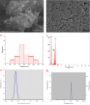
- produce hydroxyl radicals (•OH−). These radicals degrade the dye molecules into harmless substances; the degradation is shown in Figure 2d. TEM analysis The size of the ZnO NPs, which was determined from TEM using Image J software, varied from 7 to 98 nm, with an average size of 10 nm. The SAED pattern of
- . ZnO NPs are known to generate reactive oxygen species (ROS), including hydroxyl radicals and superoxide ions, upon interaction with bacterial cells. These ROS disrupt bacterial cell membranes, cause oxidative stress, and damage cellular components, ultimately leading to cell death. Additionally, ZnO



Heterogeneous reactions in a HFCVD reactor: simulation using a 2D model
Beilstein J. Nanotechnol. 2024, 15, 1627–1638, doi:10.3762/bjnano.15.128
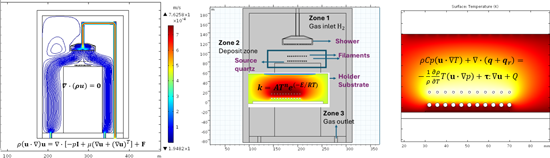
- give rise to the surface reactions for the growth of the films. In the reaction mechanisms reported for the growth of SiO2 films, the role of intermediate •H and •OH and •O2 radicals has been pointed out through in situ Fourier-transform infrared spectroscopy. These species react with silane-derived
- convert H to OH. Finally, •H and •OH radicals can attack saturated surface species, removing H to form H2 and H2O, respectively, in the gas phase [21][36]. The presence of dangling bonds in the SiOx films was detected previously. In this study, SiOx films with thermal treatment and without thermal
- exhibited greater photoluminescence compared to those that did not undergo thermal treatment [29]. The SiO species plays an important role in the proposed mechanism; the reaction of SiO with •OH and •H radicals leads to the formation of HSiO and silanes [15]. Silane and silanol species were also found in


Liver-targeting iron oxide nanoparticles and their complexes with plant extracts for biocompatibility
Beilstein J. Nanotechnol. 2024, 15, 1593–1602, doi:10.3762/bjnano.15.125
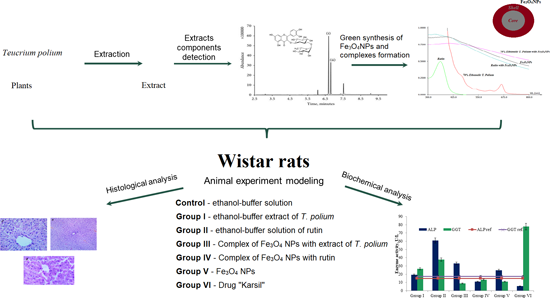
- , lysosomes, the Golgi apparatus, and the endoplasmic reticulum [44][45]. Wu and colleagues found that Fe3O4 NPs up to 5 nm in size can penetrate cells and initiate the Fenton reaction, resulting in the formation of genotoxic •OH radicals [20]. Moreover, iron overload in cells can lead to ferroptosis [46][47
- the presence of noticeable dystrophic changes only in the group with maximum GPx suppression, it can be assumed that Fe3O4 NPs in combination with certain plant secondary metabolites may lead to excessive formation of free radicals, which cause dystrophic changes. Conclusion The diversity of the
- control, ODsample is the optical density of the sample, and ODremnant is the remnant optical density of DPPH after its complete scavenging. The IC50 value was determined from dose-dependent ARA curves as the concentration of components in the sample necessary for quenching 50% of the DPPH radicals [62


Interaction of graphene oxide with tannic acid: computational modeling and toxicity mitigation in C. elegans
Beilstein J. Nanotechnol. 2024, 15, 1297–1311, doi:10.3762/bjnano.15.105
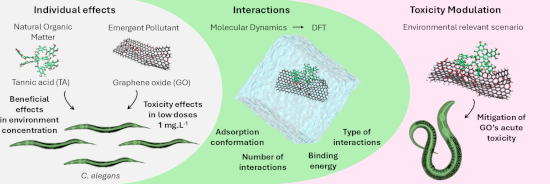
- , and catalase [61]. Besides that, the metal chelating properties of TA may influence oxidative pathways dependent of these cofactors, such as Fenton’s reaction and copper-mediated formation of free radicals. TA may also act as direct radical scavenger in these reactions [65][66][67][68]. Moreover, TA


Mn-doped ZnO nanopowders prepared by sol–gel and microwave-assisted sol–gel methods and their photocatalytic properties
Beilstein J. Nanotechnol. 2024, 15, 1283–1296, doi:10.3762/bjnano.15.104
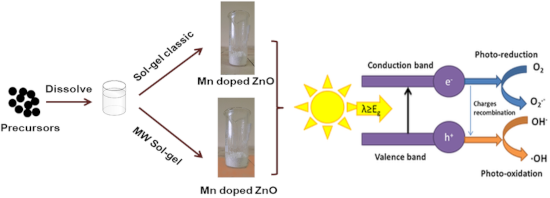
- usually involved in the photodegradation of organic compounds in aqueous media as previously reported [54]. The generation of hydroxyl radicals (·OH) by SG and MW catalysts under simulated solar light irradiation (AM1.5) was determined from the PL emission at 451 nm assigned to the presence of a
- fluorescent compound, namely umbelliferone, a coumarin degradation product obtained in the presence of hydroxyl radicals. Figure 11a–c clearly shows that ·OH radicals are photogenerated to a greater extent by the MW catalyst. This could be the result of specific differences in surface chemistry of the two
- oxidation capacity of hydroxyl radicals. The subsequent decrease of the CO2 formation rate could be assigned to a presumed catalyst deactivation due to the strong adsorption of reactant/reaction products on its surface. This observation is in line with the PL measurements in oxalic acid solutions and the


Synthesis, characterization and anticancer effect of doxorubicin-loaded dual stimuli-responsive smart nanopolymers
Beilstein J. Nanotechnol. 2024, 15, 1189–1196, doi:10.3762/bjnano.15.96
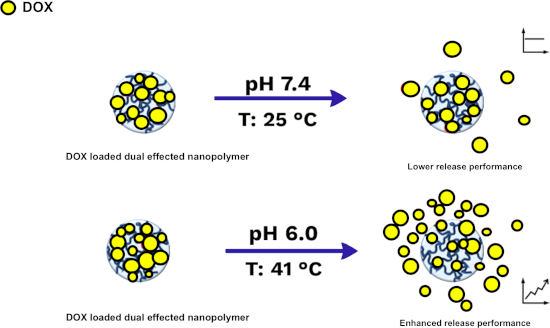
- radicals, and a direct effect on cell membranes with the suppression of nucleic acid synthesis. The most hazardous side effect of DOX is dilated cardiomyopathy, which causes congestive heart failure [4]. To prevent side effects of doxorubicin, liposomal formulations were approved, namely “Myocet liposomal


AI-assisted models to predict chemotherapy drugs modified with C60 fullerene derivatives
Beilstein J. Nanotechnol. 2024, 15, 1170–1188, doi:10.3762/bjnano.15.95
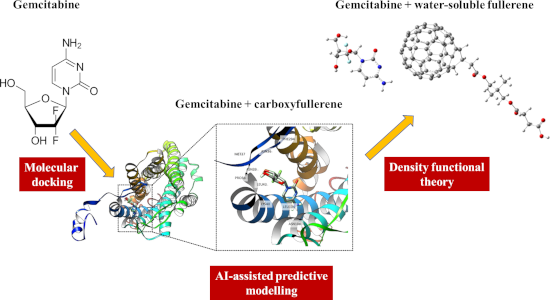
- C60 [21]. The unmodified fullerene C60 is known as a “free radical sponge” because its double bonds tend to accept free radicals [22]. Because of its size, surface area, and capacity to extinguish or generate reactive oxygen species, C60 is very promising in medicine and clinical therapy [23][24]. It


Photocatalytic methane oxidation over a TiO2/SiNWs p–n junction catalyst at room temperature
Beilstein J. Nanotechnol. 2024, 15, 1132–1141, doi:10.3762/bjnano.15.92
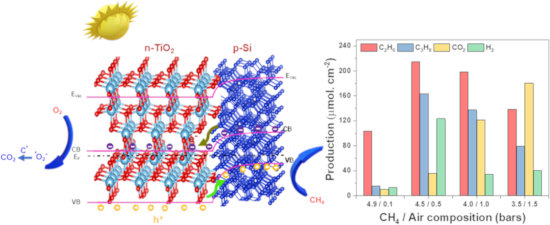
- that the superior wettability of TiO2/SiNWs (hydrophilic surfaces) compared to TiO2/glass (hydrophobic surfaces) enables partial adsorption of water molecules, which facilitates the generation of radicals necessary for photocatalytic reactions. Furthermore, the TiO2 nanostructure and p-type SiNWs are


Identification of structural features of surface modifiers in engineered nanostructured metal oxides regarding cell uptake through ML-based classification
Beilstein J. Nanotechnol. 2024, 15, 909–924, doi:10.3762/bjnano.15.75

- or passive transport across the cell membrane [12]. Excessive absorption by normal cells enables metal oxide nanoparticles to engage with various subcellular organelles, initiating diverse signaling pathways to generate a stress response within cells. This results in the production of free radicals


Intermixing of MoS2 and WS2 photocatalysts toward methylene blue photodegradation
Beilstein J. Nanotechnol. 2024, 15, 817–829, doi:10.3762/bjnano.15.68
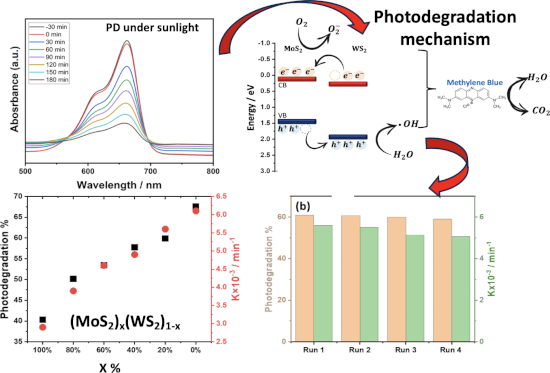
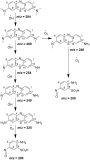
- generation of electron–hole pairs (EHPs) [21]. The generated EHPs react with oxygen and water molecules to produce highly reactive species, such as hydroxyl radicals, which oxidize and degrade MB contaminants. Hence, evaluating the PD processes in the case of MoS2 and WS2 as TMD materials is crucial for
- pollutants is often driven by reactive agents, such as superoxide radicals, hydroxyl radicals, or photo-induced holes produced from either the conduction or valence bands [41][42]. The mechanism of the PD of MB under visible light excitation consists of several steps: Initially, the MB dye molecules are
- electrons (e−), leading to the formation of superoxide anions (O2−) [43]. The adsorbed oxygen has the ability to undergo a reaction with two electrons, resulting in the formation of hydrogen peroxide (H2O2). Hydrogen peroxide subsequently reacts with an electron, forming hydroxyl radicals (•OH), which are


Green synthesis of biomass-derived carbon quantum dots for photocatalytic degradation of methylene blue
Beilstein J. Nanotechnol. 2024, 15, 755–766, doi:10.3762/bjnano.15.63
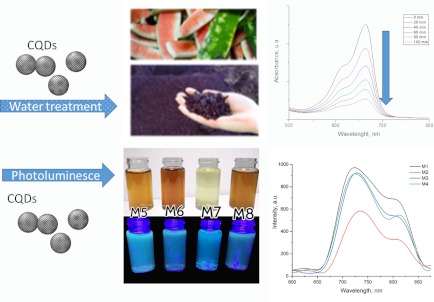
- structure. Due to its size, the crystal structure effects can be enhanced. The expected mechanism for the photodegradation of MB is related with the formation of electron–hole pairs that, due to their oxidizing properties, promotes the formation of OH− radicals. These species are responsible for the


Laser synthesis of nanoparticles in organic solvents – products, reactions, and perspectives
Beilstein J. Nanotechnol. 2024, 15, 638–663, doi:10.3762/bjnano.15.54
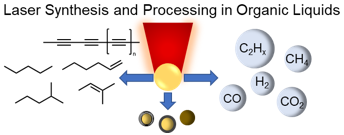
- mechanisms of organic liquid decomposition and carbon shell formation are highlighted and discussed regarding current challenges and future perspectives of LSPC using organic liquids instead of water. Keywords: alloy; photochemistry; pyrolysis; radicals; surface chemistry; Introduction Since the first
- oxygen species (ROS), for example, hydrogen peroxide, hydroxyl radicals, or dissolved oxygen, react with the particles leading to their surface oxidation. During irradiation of water with intense laser pulses, a weakly ionized plasma forms because of optical breakdown, supercontinuum emission, or both
- as water and even aqueous solutes. Thus, this model formed the basis that enabled the derivation of yield functions for a variety of direct electron-mediated DNA damage pathways and indirect damage by •OH radicals resulting from laser and electron interactions with water [85]. In general, LSPC in





Photocatalytic degradation of methylene blue under visible light by cobalt ferrite nanoparticles/graphene quantum dots
Beilstein J. Nanotechnol. 2024, 15, 475–489, doi:10.3762/bjnano.15.43
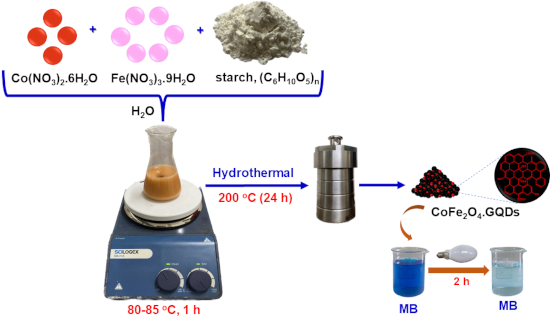
- iodide (KI), potassium bromate (KBrO3), and p-benzoquinone (BQ) were used as scavengers to capture hydroxyl radicals (•OH), photo-induced holes (h+), photo-induced electrons (e−), and superoxide anions respectively. As can be seen, IPA exhibits a strong interaction with the hydroxyl radical through a
- simple electron transfer process [34]. If the •OH radicals play a crucial role in the MB degradation, the reaction rate is expected to decrease significantly. As depicted in Figure 8a, adding an excess amount of 10 mM IPA to the reaction mixture significantly suppresses the MB degradation (by ca. 28.5
- , available to react with H2O to produce •OH radicals. The electrons in the CB band directly reduce MB to its degradation products or interact with oxygen in the aqueous solution to form peroxy anion radicals (). A part of h+ oxidizes water to form hydroxyl radicals (•OH), or it can oxidize directly MB to its




Classification and application of metal-based nanoantioxidants in medicine and healthcare
Beilstein J. Nanotechnol. 2024, 15, 396–415, doi:10.3762/bjnano.15.36
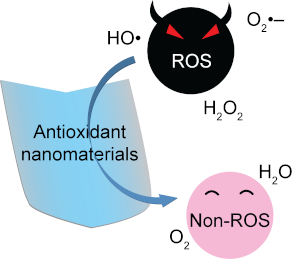
- , and cancers [1][2]. The human body naturally defends itself against oxidative stress by using antioxidant biomolecules. With the excellent ROS scavenging effect, antioxidants significantly contribute to the balance of ROS and protect the human body from free radicals, which are produced either by
- safely apply these nanomaterials for human healthcare, which strictly require assessment regarding quality control, safety, and efficacy. Many in vitro and in vivo assessments have been reported to prove the potential of metal-based nanomaterials for scavenging free radicals. FeO nanoparticles have 81
- radicals through several pathways such as chelating transition metals, quenching singlet oxygens, decomposing hydrogen peroxides, and deactivating superoxides without generating active radicals [17][18][19]. Transition metals such as Fe2+ and Cu2+ initiate a Fenton reaction in the presence of hydrogen


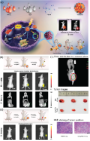
Exploring the relationships between physiochemical properties of nanoparticles and cell damage to combat cancer growth using simple periodic table-based descriptors
Beilstein J. Nanotechnol. 2024, 15, 297–309, doi:10.3762/bjnano.15.27
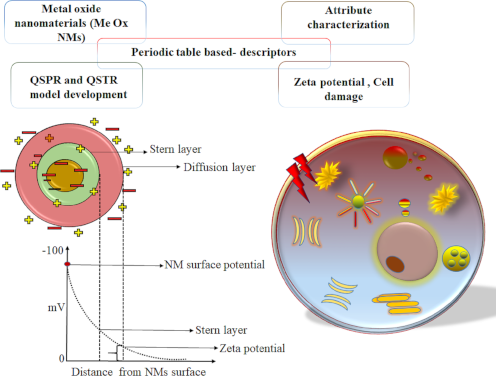
- removing electrons from molecules, producing free radicals. Free radicals are unstable and highly reactive. These short-lived radicals are unable to leave the sub-cellular location where they are generated without being reduced, leading to oxidative damage [43]. The presence of high-electronegativity
- hydroxyl radicals, resulting in oxidative damage to proteins. Moreover, they can bind non-specifically to amino acid residues and replace existing metal ions at active sites of enzymes, leading to abnormal protein folding. Protein aggregation diseases are a type of neurodegenerative diseases that occur
- acceleration of damage to the biological membrane. A positive coefficient of Electron Active M indicates more oxidative stress and more damage to the cell due to an increase in free radicals. WO3 has a high descriptor value of 74 resulting in high cell damage (−2.8), while Cr2O3 NP has a low descriptor value


Nanotechnological approaches in the treatment of schistosomiasis: an overview
Beilstein J. Nanotechnol. 2024, 15, 13–25, doi:10.3762/bjnano.15.2
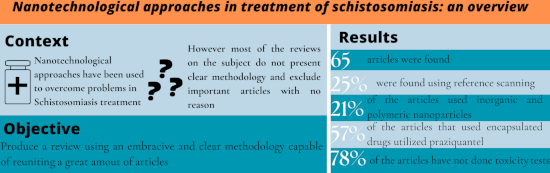
- scavenge free radicals [27]. After that, many authors related a reduction in oxidative stress markers in vivo after metalic nanoparticle administration and/or amelioration in histopathological characteristics after infection, which corroborates the first hypothesis [27][28][29][30][31][32][33][34]. Solid


A combined gas-phase dissociative ionization, dissociative electron attachment and deposition study on the potential FEBID precursor [Au(CH3)2Cl]2
Beilstein J. Nanotechnol. 2023, 14, 1178–1199, doi:10.3762/bjnano.14.98
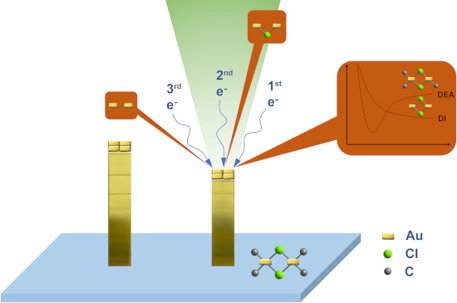
- formation of two CH3 radicals in this process) it results in threshold values of 13.51 and 14.06 eV at the PBE0-TZVP and DLPNO-CCSD(T)-TZVP levels of theory, respectively. These are ≈4 eV above the AE which is significantly higher than the confidence limits of the experiment. However, considering the
- threshold for this process without new bond formation is found to be 15.01 and 15.04 eV at the respectively levels of theory. Hence, also here new bonds must be formed for this process to be thermochemically possible at its AE. Considering the formation of ethane from two of the methyl radicals, the
- where the threshold values are 13.58 and 13.52 eV at the respective levels of theory. The formation of chloromethane and two methyl radicals, where the respective threshold values are 13.72 and 13.76 eV, are also considered. On the other hand, considering the formation of chloromethane and ethane brings



Prediction of cytotoxicity of heavy metals adsorbed on nano-TiO2 with periodic table descriptors using machine learning approaches
Beilstein J. Nanotechnol. 2023, 14, 939–950, doi:10.3762/bjnano.14.77
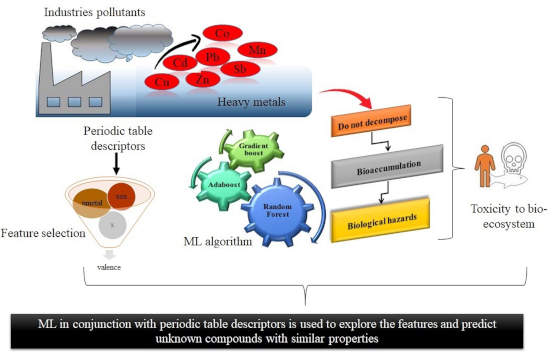
- toxicity through an ionic mechanism followed by the generation of reactive oxygen species (ROS). Another, biomarker for ROS is lipid peroxidation [38] as free radicals cause lipid peroxidation inside the cell membrane. The catalytic properties of the metals are also responsible for an increased toxicity of





