Search results
Search for "sensing" in Full Text gives 519 result(s) in Beilstein Journal of Nanotechnology. Showing first 200.
Microplastic pollution in Himalayan lakes: assessment, risks, and sustainable remediation strategies
Beilstein J. Nanotechnol. 2025, 16, 2144–2167, doi:10.3762/bjnano.16.148
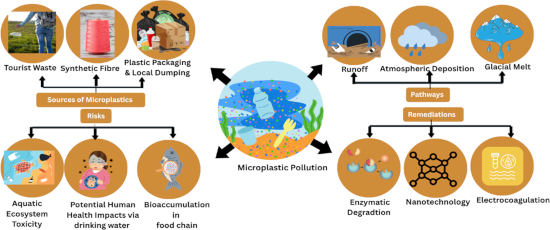
- strategies being pursued for MP remediation, which strike a balance between efficiency, operational feasibility, and environmental sustainability. While physical and chemical methods are dominant, the use of advanced technologies such as electrochemical systems, machine-learning-based sensing, and


Laser ablation in liquids for shape-tailored synthesis of nanomaterials: status and challenges
Beilstein J. Nanotechnol. 2025, 16, 1963–1997, doi:10.3762/bjnano.16.137
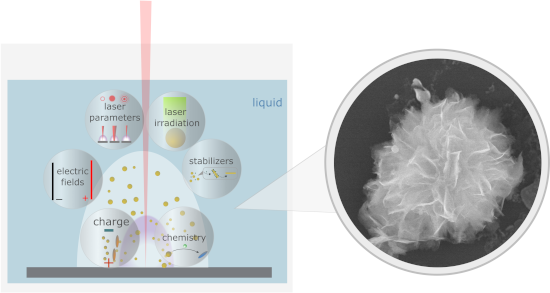
- development of such fields as energy generation and storage, sensing, and catalysis. Another application area of nonspherical NPs stems from the shape dependencies of their optical properties. The shift of plasmonic bands to the near-infrared spectral range observed for high-aspect-ratio nanostructures, such






Low-temperature AFM with a microwave cavity optomechanical transducer
Beilstein J. Nanotechnol. 2025, 16, 1873–1882, doi:10.3762/bjnano.16.130
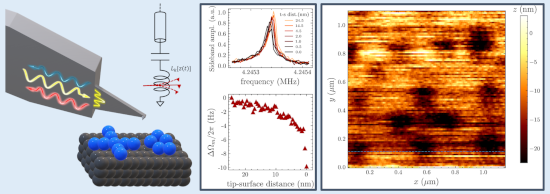
- fulfills the specific requirements of the application. The latter is indeed the case for force sensing in atomic force microscopy (AFM). Force transduction at maximum sensitivity requires detecting the position of a “test mass”, while minimizing the added noise introduced by the detection itself [14][15
- electromechanical coupling (KIMEC), whose design and fabrication were already presented in detail in previous publications by our group [17][18]. Here, we focus on the deployment of the force sensor, demonstrating force-gradient sensing and scanning over a test surface at 10 mK in a closed-cycle dilution
- ) while monitoring both the microwave and cantilever resonances. Figure 3e,f shows the measured frequency shift as a function of the distance, demonstrating force-gradient sensing by the KIMEC AFM probe. We tested the AFM by imaging a nanofabricated calibration grating over a 1 µm × 1 µm scan area with a


Further insights into the thermodynamics of linear carbon chains for temperatures ranging from 13 to 300 K
Beilstein J. Nanotechnol. 2025, 16, 1818–1825, doi:10.3762/bjnano.16.125
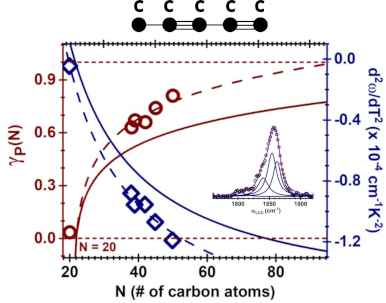
- interactions, and that mutual interactions between chain-like structures and their hosts are second-order effects [61][62][63][64][65]. Sulfur chains inside SWCNT have also demonstrated enhanced field-emission properties and outstanding gas-sensing properties [66][67], which once again corroborate the idea


![[Graphic 23]](/bjnano/content/inline/2190-4286-16-125-i25.svg?max-width=637&scale=1.18182)
Electrical, photocatalytic, and sensory properties of graphene oxide and polyimide implanted with low- and medium-energy silver ions
Beilstein J. Nanotechnol. 2025, 16, 1794–1811, doi:10.3762/bjnano.16.123
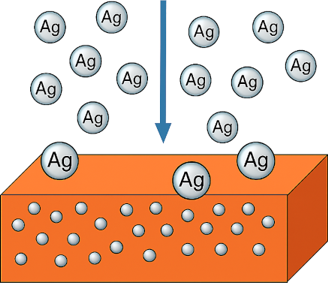
- activity in polymeric and carbon-based materials is essential for advancing technologies in environmental sensing, flexible electronics, and photocatalytic systems. Conventional chemical modification methods often lack spatial precision, introduce impurities, and risk structural degradation. Ion
- conductivity, the implantation of silver ions can also significantly affect the interaction of the material with water molecules, thereby improving its sensing response to changes in air humidity [13]. By modifying the chemical composition and microstructure of the surface, the affinity of the material for air
- occurs, which suppresses the effects of water adsorption on charge transport. Conclusion The aim of this work was to improve the sensing, electrical, and photocatalytic properties of GO and PI implanted with Ag ions in the ion fluence range from 3.75 × 1012 cm−2 to 1 × 1016 cm−2. We used low energies (20


Nanotechnology-based approaches for the removal of microplastics from wastewater: a comprehensive review
Beilstein J. Nanotechnol. 2025, 16, 1607–1632, doi:10.3762/bjnano.16.114
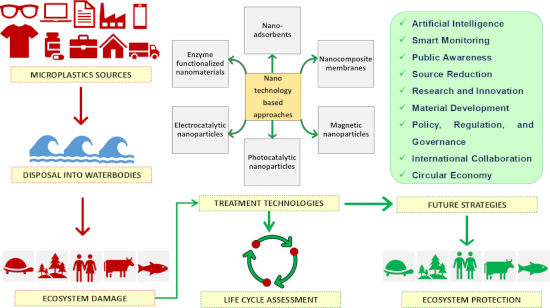
- for easy retrieval. Acting as mobile platforms for preconcentration, these microrobots facilitate the electrochemical sensing of nanoplastics using inexpensive, portable electrodes. This proof-of-concept offers promising potential for real-time, on-site detection and subsequent removal of nanoplastics


Transient electronics for sustainability: Emerging technologies and future directions
Beilstein J. Nanotechnol. 2025, 16, 1545–1556, doi:10.3762/bjnano.16.109

- rehabilitation [10][11], and orthopedic healing [12], where device functionality is required only for a defined recovery period. In such cases, transient electronic devices offer distinct advantages over conventional implants by providing essential sensing or therapeutic functions during the acute phase and
- transient systems must be optimized to balance electrical performance, biodegradation kinetics, and mechanical integrity. Moreover, to transcend basic sensing and stimulation functions, and to enable capabilities such as computation, memory, and autonomous decision-making, the development of high
- programmable degradation rates, and mechanically compliant inorganic/organic hybrids. Equally important is the development of scalable fabrication technologies, such as wafer-scale transfer printing and foundry-compatible processes, to support the integration of logic, sensing, and memory components in a


Influence of laser beam profile on morphology and optical properties of silicon nanoparticles formed by laser ablation in liquid
Beilstein J. Nanotechnol. 2025, 16, 1533–1544, doi:10.3762/bjnano.16.108
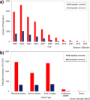
- its prominent optical and electronic properties, is the most widely used semiconductor material in many fields of microelectronics, optics, photovoltaics, and molecular sensing. Nevertheless, even despite its widespread application, the interest in silicon-based structures, especially having sizes in


Laser processing in liquids: insights into nanocolloid generation and thin film integration for energy, photonic, and sensing applications
Beilstein J. Nanotechnol. 2025, 16, 1428–1498, doi:10.3762/bjnano.16.104
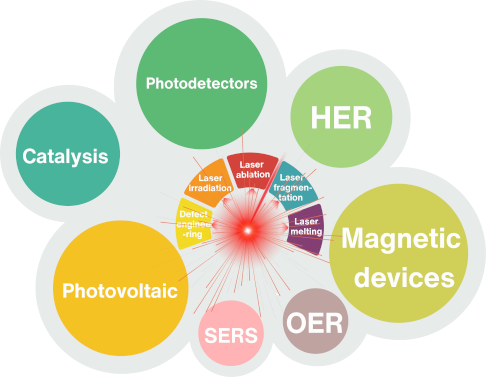
- pulses of varying durations (nanoseconds, picoseconds, and femtoseconds), the influence of laser parameters (wavelength, fluence, and pulse duration) and surrounding environments on the morphology of nanostructures focusing on nanomaterial synthesis and their applications in sensing and photonics. The
- study also delves into the preparation of novel nanomaterials like HfO2 NPs, few-layer graphene, and Cu/CuO/Fe3O4 composites using LAL, opening new avenues in both sensing and photonics. Looking ahead, studies focusing on the formation of functionalized nanostructures with tailored properties for






Photochemical synthesis of silver nanoprisms via green LED irradiation and evaluation of SERS activity
Beilstein J. Nanotechnol. 2025, 16, 1417–1427, doi:10.3762/bjnano.16.103
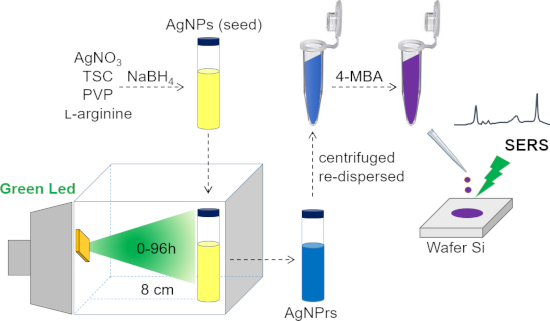
- enhancement factor of 1.15 × 10⁶, enabling detection limits down to 10−9 M. These findings demonstrate that green LED-mediated synthesis provides a simple, environmentally friendly route to fabricate high-yield AgNPrs with superior SERS capabilities, suitable for ultrasensitive chemical and biological sensing
- applications in optical sensing, particularly in surface-enhanced Raman scattering (SERS) [1]. Among ASNPs, silver nanoprisms (AgNPrs) are of particular interest because of their broad absorption in the visible range (400–900 nm), enabling them to display a wide spectrum of colors such as yellow, red, orange
- , violet, green, and blue. This makes AgNPrs highly suitable for optical sensing applications [2]. The formation mechanism of AgNPrs in solution typically proceeds through three stages, namely, nucleation, seeding, and crystallization, with the crystallization phase being the slowest and rate-determining


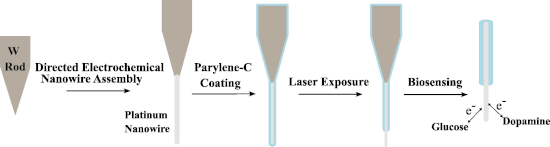
Parylene-coated platinum nanowire electrodes for biomolecular sensing applications
Beilstein J. Nanotechnol. 2025, 16, 1392–1400, doi:10.3762/bjnano.16.101


Electronic and optical properties of chloropicrin adsorbed ZnS nanotubes: first principle analysis
Beilstein J. Nanotechnol. 2025, 16, 1184–1196, doi:10.3762/bjnano.16.87
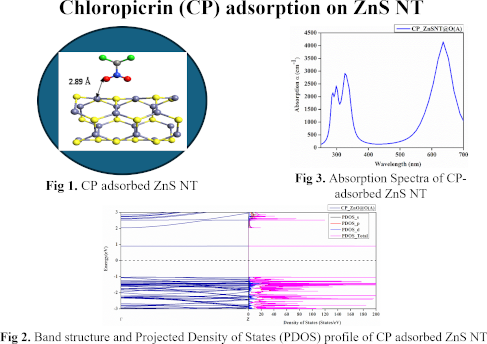
- Information Technology, Allahabad, UP-211015, India 10.3762/bjnano.16.87 Abstract Zinc sulfide nanotubes have garnered significant attention as potential candidates for chemical sensing applications owing to their exceptional structural, electronic, and optical properties. In this study, we employed density
- functional theory (DFT) to explore the sensing capabilities of a ZnS (3,3) nanotube (ZnS NT) for detecting chloropicrin (CP, CCl3NO2), a highly toxic gas. To elucidate the sensing mechanism, we systematically analyze the adsorption configurations, Mulliken charge transfer, band structure, density of states
- , which can be tailored through rational design. By precisely controlling their size, shape, synthesis conditions, and functionalization, nanomaterials can achieve extraordinary magnetic, electrical, optical, mechanical, sensing, anticancer, and photocatalytic properties that significantly differ from


Single-layer graphene oxide film grown on α-Al2O3(0001) for use as an adsorbent
Beilstein J. Nanotechnol. 2025, 16, 1082–1087, doi:10.3762/bjnano.16.79
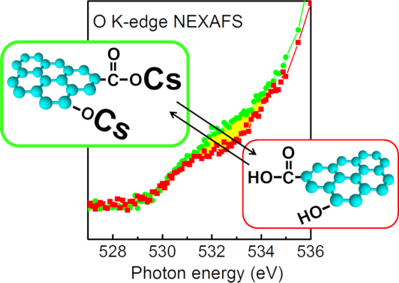
- zeolites. Consequently, SLGO was demonstrated to be a promising adsorbent. As SLGO grown on α-Al2O3(0001) exhibits stable adhesion to the substrate and possess a large surface area, we are interested in exploring a broad spectrum of potential applications. These applications may include sensing materials


Soft materials nanoarchitectonics: liquid crystals, polymers, gels, biomaterials, and others
Beilstein J. Nanotechnol. 2025, 16, 1025–1067, doi:10.3762/bjnano.16.77
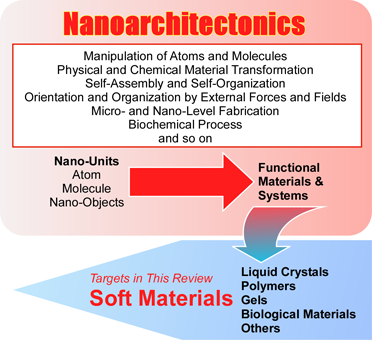
- provides an optimal environment for membrane or membrane-associated proteins, thus paving the way for new bio-nanoarchitected devices. In particular, they can serve as electroactive components in sensing and energy devices. Furthermore, a unit-by-unit construction on solid surfaces to form end-on polymer
- or printing technique. Consequently, it will contribute greatly to the miniaturization of organic materials and devices, including computing, sensing, diodes, transistors, and optical switches. The nanoarchitectonics of objects such as gold nanorods can also be performed with the assistance of






Characterization of ion track-etched conical nanopores in thermal and PECVD SiO2 using small angle X-ray scattering
Beilstein J. Nanotechnol. 2025, 16, 899–909, doi:10.3762/bjnano.16.68
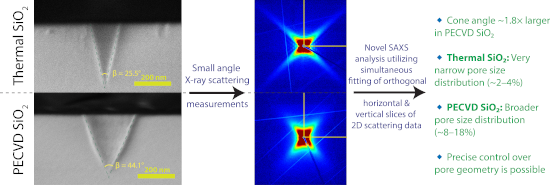
- Helmholtzzentrum für Schwerionenforschung, Planckstr. 1, 64291 Darmstadt, Germany Technische Universtät Darmstadt, 64289 Darmtadt, Germany 10.3762/bjnano.16.68 Abstract Conical nanopores in amorphous SiO2 thin films fabricated using the ion track etching technique show promising potential for filtration, sensing


Insights into the electronic and atomic structures of cerium oxide-based ultrathin films and nanostructures using high-brilliance light sources
Beilstein J. Nanotechnol. 2025, 16, 860–871, doi:10.3762/bjnano.16.65

- ; Introduction Transition metal oxides in the form of thin films or nanostructures find extensive use in sustainable energy technologies [1][2]. They serve as active materials or supports for catalysts for various chemical reactions, essential to energy conversion, sensing, and environmental remediation [3][4
- field of environmental remediation [9]. The related ability of the material to easily store and release oxygen also plays a key role in energy conversion technologies, including fuel cells and batteries [10][11]. Gas sensing applications of ceria-based materials are based on the modifications of the


Morphology and properties of pyrite nanoparticles obtained by pulsed laser ablation in liquid and thin films for photodetection
Beilstein J. Nanotechnol. 2025, 16, 785–805, doi:10.3762/bjnano.16.60
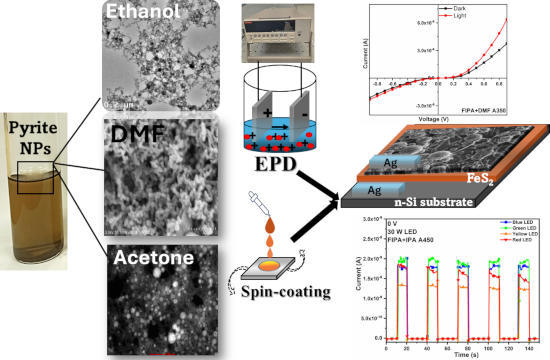
- -powered PDs, as opposed to conventional PDs, are well suited to operate in challenging environments and their applications and benefits in fields such as wireless environmental sensing, chemical and biosensing, in situ medical-therapy monitoring are explained in detail by Xu et al. in their review [34
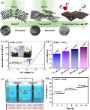
- crystalline structure of the films was characterized by X-ray diffraction (XRD). The UV–vis–NIR photodetection properties of p-n junction-based thin films composed of FeS2 nanoparticles are reported. Additionally, the results of various light-sensing parameters evaluated in these photodetectors are also






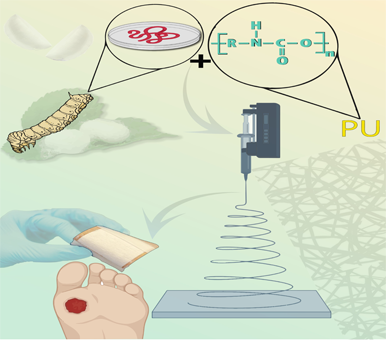
Polyurethane/silk fibroin-based electrospun membranes for wound healing and skin substitute applications
Beilstein J. Nanotechnol. 2025, 16, 591–612, doi:10.3762/bjnano.16.46




Retrieval of B1 phase from high-pressure B2 phase for CdO nanoparticles by electronic excitations in CdxZn1−xO composite thin films
Beilstein J. Nanotechnol. 2025, 16, 551–560, doi:10.3762/bjnano.16.43

- electromagnetic spectrum [5]. Composite semiconducting thin films have garnered significant attention as their bandgap can be lowered without compromising mobility and conductivity. Beyond optoelectronic applications, CdO–ZnO-based alloys are also employed in gas-sensing technologies [6]. In prior investigations


Functionalized gold nanoflowers on carbon screen-printed electrodes: an electrochemical platform for biosensing hemagglutinin protein of influenza A H1N1 virus
Beilstein J. Nanotechnol. 2025, 16, 540–550, doi:10.3762/bjnano.16.42
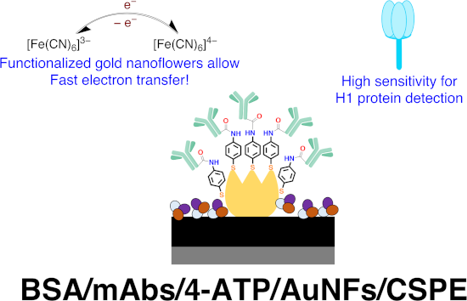
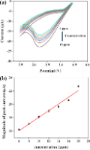
- one electron [33]. Typically, the sensing capabilities of electrochemical systems can be limited by the effective electroactive area of the electrode [34]. One approach to increase this parameter is the modification of electrodes with nanostructures that possess high surface area [35]. The strategy
- albumin (BSA) (Figure 3). This suggests that the final sensing platform preserved the favorable electrochemical properties achieved using AuNFs functionalized with 4-ATP. Electrochemical impedance spectroscopy (EIS) was performed to study the charge transfer processes at the surface of the modified


Quantification of lead through rod-shaped silver-doped zinc oxide nanoparticles using an electrochemical approach
Beilstein J. Nanotechnol. 2025, 16, 422–434, doi:10.3762/bjnano.16.33
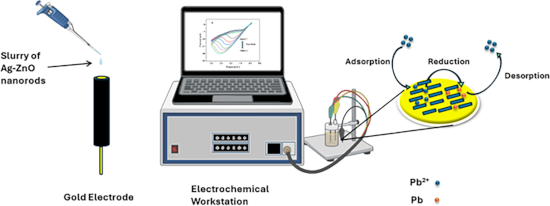
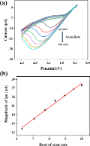
- observed [28]. The suggested redox reaction that occurs during the electrochemical sensing experiment is depicted in Figure 10. Scan rate study of the modified sensor Furthermore, by carrying out several scan-rate dependent studies, the electrochemical response of the modified electrode was thoroughly
- allowed to dry at room temperature. Then, 1 µL Nafion solution was applied resulting in a uniform layer of tightly bound nanorods covering the entire electrode surface. Subsequent electrochemical sensing experiments were conducted at room temperature using an Autolab electrochemical workstation with a





Size control of nanoparticles synthesized by pulsed laser ablation in liquids using donut-shaped beams
Beilstein J. Nanotechnol. 2025, 16, 407–417, doi:10.3762/bjnano.16.31
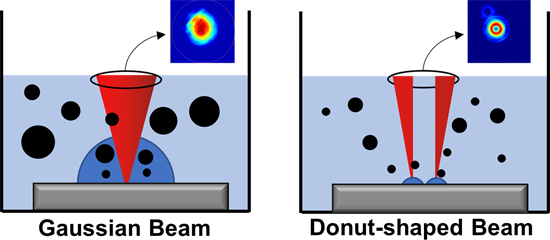
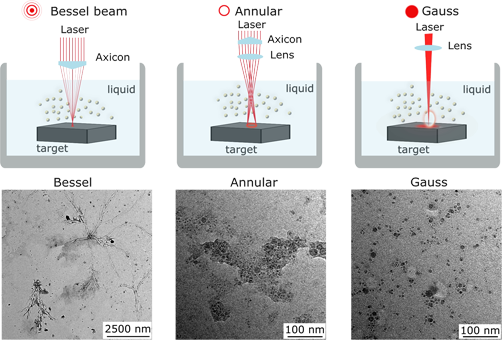
- the size, requiring a monodisperse or at least monomodal size distribution. As an example, gold NPs with a narrow particle size distribution achieve a higher detection sensitivity in sensing applications [9]. Besides, NP size is critical for biomedical applications, where deviations from the optimum


Engineered PEG–PCL nanoparticles enable sensitive and selective detection of sodium dodecyl sulfate: a qualitative and quantitative analysis
Beilstein J. Nanotechnol. 2025, 16, 385–396, doi:10.3762/bjnano.16.29
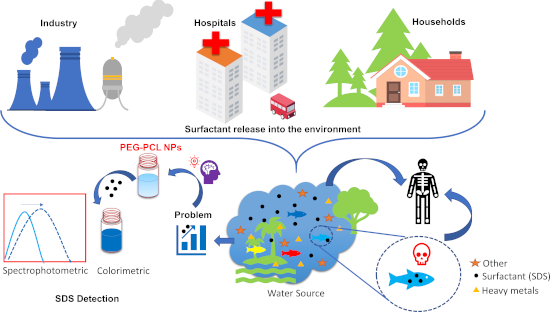
- delivery, targeting, sensing, and imaging [23]. Also, there are a wide variety of nanoparticles available for desired applications. In the case of detection of contaminants or sensing applications, carbon and metal nanoparticles are mostly preferable [24]. Despite their use, these nanoparticles possess
- hypothesize that PEG–PCL NPs can serve as effective colorimetric probes for SDS detection, addressing the need for a rapid, nontoxic, selective, and cost-effective environmental and human health protection sensor. The current study is based on developing a colorimetric/spectrometric sensing probe for SDS
- size and polydispersity index (PDI). These characteristics are crucial for ensuring the reliability and reproducibility of the nanoparticles in various applications, including sensing. Characterization of PEG–PCL nanoparticles The prepared PEG–PCL nanoparticles were characterized for their


Pulsed laser in liquid grafting of gold nanoparticle–carbon support composites
Beilstein J. Nanotechnol. 2025, 16, 349–361, doi:10.3762/bjnano.16.26
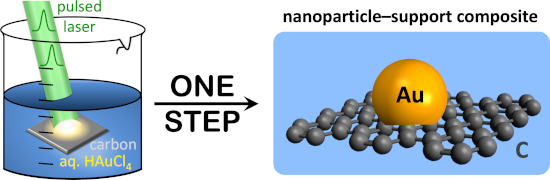
- , catalysis, sensing, and biomedical fields. Conclusion Pulsed laser grafting of gold nanoparticle–carbon fiber paper composites presents a significant advancement in electrode design for electrocatalytic applications. Our novel one-step aqueous pulsed laser grafting process enables the fabrication of


A review of metal-organic frameworks and polymers in mixed matrix membranes for CO2 capture
Beilstein J. Nanotechnol. 2025, 16, 155–186, doi:10.3762/bjnano.16.14

- , sensing, and gas separation and storage [36][37][38][39]. In parallel, the last decade has witnessed a substantial increase in research studies across various fields aimed at mitigating CO2 emissions [40][41][42][43][44]. Notably, MOFs have been targeted for CO2 capture and separation applications because