Search results
Search for "stainless steel" in Full Text gives 152 result(s) in Beilstein Journal of Nanotechnology.
Berberine-loaded polylactic acid nanofiber scaffold as a drug delivery system: The relationship between chemical characteristics, drug-release behavior, and antibacterial efficiency
Beilstein J. Nanotechnol. 2024, 15, 71–82, doi:10.3762/bjnano.15.7
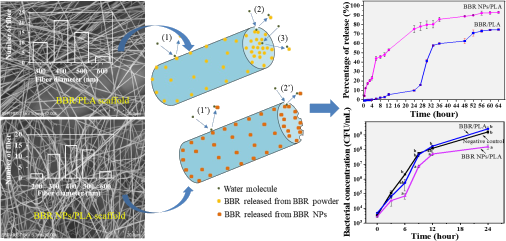
- /PLA, and BBR NPs/PLA were fabricated through the electrospinning of the aforementioned prepared solutions. After the solutions were cooled down to room temperature, they were transferred to a 5 mL syringe with a 22-gauge stainless-steel needle. The needle was linked to a high-voltage power supply


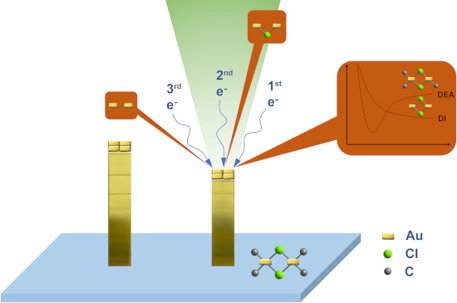
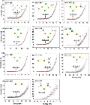
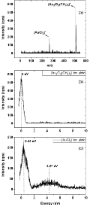
A combined gas-phase dissociative ionization, dissociative electron attachment and deposition study on the potential FEBID precursor [Au(CH3)2Cl]2
Beilstein J. Nanotechnol. 2023, 14, 1178–1199, doi:10.3762/bjnano.14.98



Low temperature atomic layer deposition of cobalt using dicobalt hexacarbonyl-1-heptyne as precursor
Beilstein J. Nanotechnol. 2023, 14, 951–963, doi:10.3762/bjnano.14.78
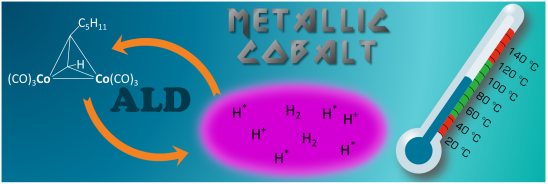
- crystal 200 mm silicon (100) wafers with a pre-coated thermal SiO2 film of 100 nm thickness. As precursor for all depositions dicobalt hexacarbonyl-1-heptyne [Co2(CO)6HC≡CC5H11] was used. The precursor was synthesised according to Georgi et al. [23] and filled to a common 200 mL stainless steel bubbler


A novel approach to pulsed laser deposition of platinum catalyst on carbon particles for use in polymer electrolyte membrane fuel cells
Beilstein J. Nanotechnol. 2023, 14, 190–204, doi:10.3762/bjnano.14.19
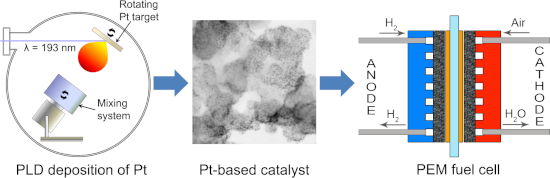
- the highly graphitized carbon material was carried out using a method similar to the methods described in detail in earlier works [34][35]. The synthesis of carbon material was carried out in a high-pressure stainless steel reactor with an internal volume of 1 dm3. It was initiated under 1 bar



Microneedle-based ocular drug delivery systems – recent advances and challenges
Beilstein J. Nanotechnol. 2022, 13, 1167–1184, doi:10.3762/bjnano.13.98
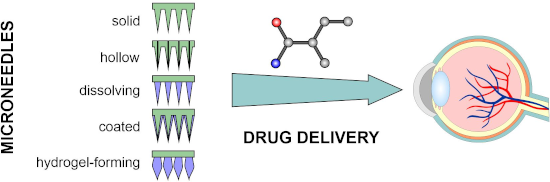
- if the needles break and are deposited in the tissue [117][118]. Other non-degradable materials utilized to fabricate microneedles, include metals such as stainless steel [119] and titanium [120], ceramics, such as aluminum oxide [121], or synthetic polymers comprising polyvinylpyrrolidone (PVP) [122
- of the microneedle system and the material from which it is to be made. In addition, the technique must be adapted to the properties of the drug. The most common materials used in the production of microneedles are silicon, ceramics, and metals, such as stainless steel and titanium. Also


Biomimetic chitosan with biocomposite nanomaterials for bone tissue repair and regeneration
Beilstein J. Nanotechnol. 2022, 13, 1051–1067, doi:10.3762/bjnano.13.92
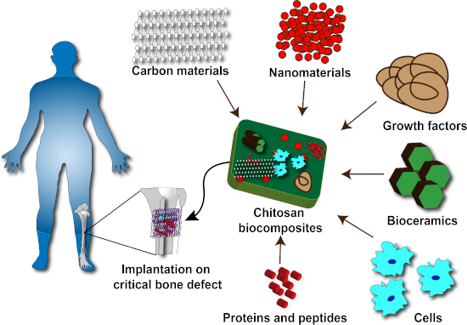
- ). Besides this, significant antibacterial properties against Staphylococcus epidermidis have been found [99]. Coating materials containing chitosan, bioactive glass, and AgNPs were developed by using the electrophoretic deposition method. The produced material was coated on stainless steel 316 substrates
Ciprofloxacin-loaded dissolving polymeric microneedles as a potential therapeutic for the treatment of S. aureus skin infections
Beilstein J. Nanotechnol. 2022, 13, 517–527, doi:10.3762/bjnano.13.43
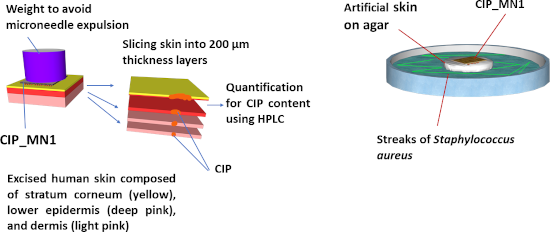
- studies This study was conducted in a manner analogous to the procedure in [25]. Briefly, CIP_MN1 were inserted into the full-thickness human skin using finger press applied to the microneedle baseplate for 30 s. As shown in Figure 2, a cylindrical 10 g stainless steel weight was placed on top of the
- amount of ciprofloxacin was placed on top of the skin, followed by the stainless steel weight for consistency. Antimicrobial activity: in vitro infection study S. aureus (ATCC-29213) inoculum equivalent to 0.5 MacFarland (ca. 1 × 10⁸ CFU/mL) turbidity was prepared from an overnight culture. A sterile
- -thickness human skin was excised and treated. CIP_MN1 was then inserted into the skin using finger pressure applied to the microneedle baseplate for 30 s. A cylindrical 10 g stainless steel weight was placed on top of CIP_MN1 array to prevent expulsion of the microneedles, and the tissue paper was


Design and characterization of polymeric microneedles containing extracts of Brazilian green propolis
Beilstein J. Nanotechnol. 2022, 13, 503–516, doi:10.3762/bjnano.13.42
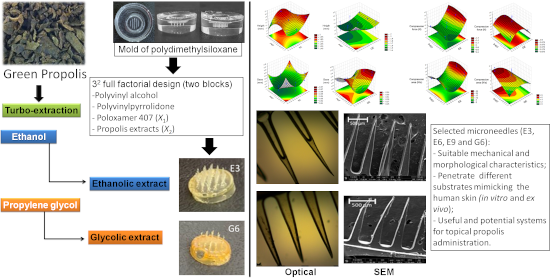
- , including the MNs without PRP extract and the stainless-steel MNs (standard) used to obtain the mold. Previous studies have shown that MNs composed of Gantrez S-97 and PEG 10,000 had differences when inserted into porcine skin and layered Parafilm M [43]. For all analyses, as the amount of extract in the
- could penetrate the stratum corneum [4]. Thus, the force values displayed for the selected formulations also indicate the ability to penetrate porcine skin. All selected MN formulations were statistically compared with MNs without PRP extract and stainless-steel MNs (standard) using Students’ t-test
- determinations were performed for each assay [36][46][47][48]. Preparation of silicone molds The master structure utilized to fabricate the molds was a stainless-steel microneedle system (cartridge) from DermaPen (Belrose, Australia) containing 36 microneedles of 2 mm in length. The molds developed were inverse


Tubular glassy carbon microneedles with fullerene-like tips for biomedical applications
Beilstein J. Nanotechnol. 2022, 13, 455–461, doi:10.3762/bjnano.13.38
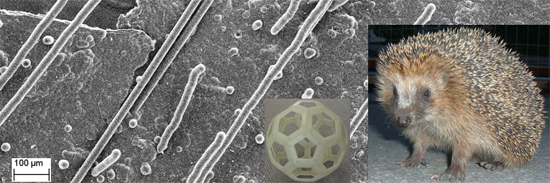
- chrome particles released from surgical stainless steel needles during needle wear in human skin. Allergic reactions such as contact dermatitis resulting from the presence of nickel and chromium in acupuncture needles have also been reported [32]. Glassy carbon is biocompatible, electrically and
- thermally conducting, and mechanically strong [1]. Therefore, biomedical applications for glassy carbon microneedles include the use as alternatives to stainless steel surgical needles in acupuncture and as microelectrodes in neural prosthetics [9][14]. Experimental Sample preparation The samples were


Relationship between corrosion and nanoscale friction on a metallic glass
Beilstein J. Nanotechnol. 2022, 13, 236–244, doi:10.3762/bjnano.13.18
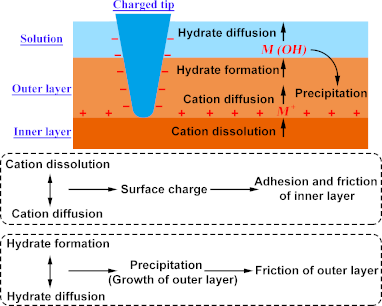
- outer layer after polarization [21], they did not show a clear distinction of the top of the outer layer after immersion. Maurice et al. [32] found that the thickness of the outer layers on stainless steel surfaces is similar during immersion and after polarization (0.5–0.7 nm) using XPS analysis


Engineered titania nanomaterials in advanced clinical applications
Beilstein J. Nanotechnol. 2022, 13, 201–218, doi:10.3762/bjnano.13.15
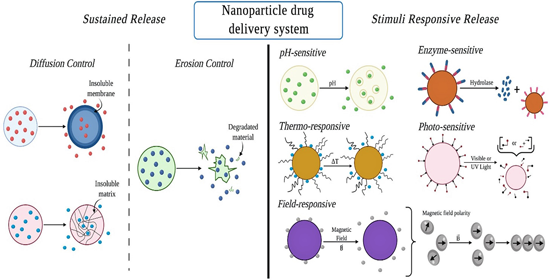
- fulfill the specifications of implantation technologies better than other metallic materials, such as stainless steel, CrCo alloys, and tantalum [10]. The growth and the volume of the bone surrounding the implant material are the major factors for successful implant treatment, minimizing infection or
- % concentration), referred to as SS 5% TiO2 micropatterned and SS 10% TiO2 micropatterned, respectively, on surgical grade stainless steel plates (SS316L). These samples were checked for the adhesion of Streptococcus mutans and the results demonstrate a reduction of adhesion of S. mutans by 96% in the presence of


Sputtering onto liquids: a critical review
Beilstein J. Nanotechnol. 2022, 13, 10–53, doi:10.3762/bjnano.13.2
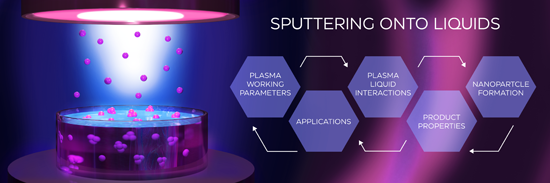
- sputter deposition processes [44]. In Thornton’s report, the probe used for the heat flux measurement, whose temperature increases when submitted to the sputtering plasma, was a stainless-steel body weighing 200 mg. Ultimately, in the case of a solid substrate, the heat transfer and resulting increase of






Electrical, electrochemical and structural studies of a chlorine-derived ionic liquid-based polymer gel electrolyte
Beilstein J. Nanotechnol. 2021, 12, 1252–1261, doi:10.3762/bjnano.12.92
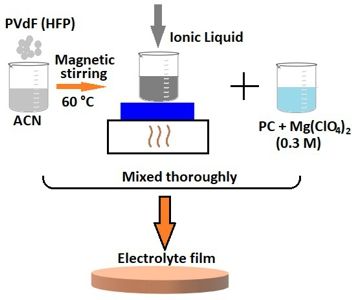
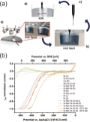
- polarization curve of an ionic liquid-based polymer gel electrolyte system is shown in Figure 11. According to this method, the optimized film of a polymer gel electrolyte is sandwiched in between two symmetrical stainless steel (SS) electrodes and the film is polarized by applying a potential of 1.0 V
- following equation: where l is the thickness of the sample, A is the geometric surface area, and Rb is the bulk electrolyte resistance which is measured by using Nyquist plots. For conductivity measurements, the samples were cut into uniform sizes and sandwiched between two stainless steel electrodes
- voltage of 1.0 V was applied across the polymer gel electrolyte film sandwiched between two stainless steel electrodes. The total ionic transference number was calculated by using the following equation: where, iT is the initial electronic current and ie is the residual electronic current [9]. SEM images



An overview of microneedle applications, materials, and fabrication methods
Beilstein J. Nanotechnol. 2021, 12, 1034–1046, doi:10.3762/bjnano.12.77
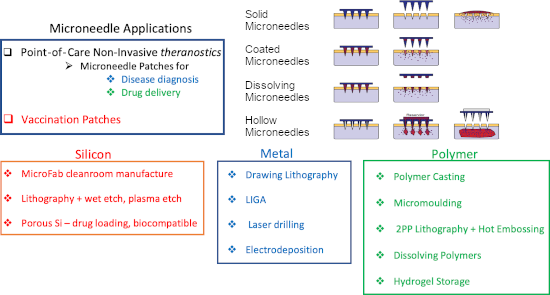
- and sizes for a wide range of applications. Metals such as titanium [61][62], stainless steel [58][63][64], silicon [65][66][67], ceramics [68][69], biodegradable polymers such as polylactic acid (PLA) [70], PLGA [71], and polyglycolic acid (PGA) [72], and non-degradable polymers such as
- (COP) material using this method [5]. Fabrication and use of metal microneedles In addition to silicon and polymers, microneedles are also fabricated from metals including nickel, titanium, stainless steel, and palladium. Metals provide good mechanical properties and biocompatibility for microneedle
- layer of polymer introduced between the mould and the metal structure to facilitate chemical lift-off separation of the final array. For hollow metal microneedles, a plasma etching step was performed prior to metal deposition [106]. Unlike the ubiquitous stainless steel hypodermic needle, safety


High-yield synthesis of silver nanowires for transparent conducting PET films
Beilstein J. Nanotechnol. 2021, 12, 624–632, doi:10.3762/bjnano.12.51
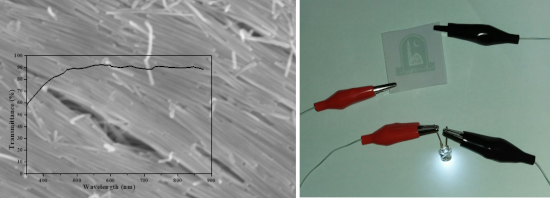
- of the ink was transferred dropwise on the substrate followed by rolling a stainless steel rod on the PET film for a few minutes. The ink-coated film was then placed in a preheated oven for 3 min for curing. The curing temperature was 130 °C. A higher curing temperature may disrupt the PET film


TiOx/Pt3Ti(111) surface-directed formation of electronically responsive supramolecular assemblies of tungsten oxide clusters
Beilstein J. Nanotechnol. 2021, 12, 203–212, doi:10.3762/bjnano.12.16
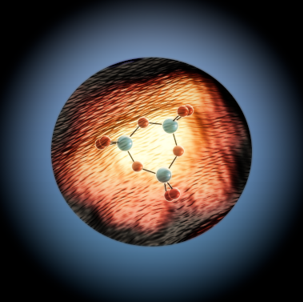
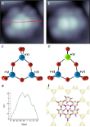
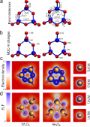
- interesting perspectives for the study of more complex structures of polyoxometalate compounds with multiple stable redox states. Experimental UHV scanning tunneling microscope All experiments were performed in an UHV chamber working at a base pressure of 1 × 10⁻¹⁰ mbar. Its stainless-steel vessel is equipped



Paper-based triboelectric nanogenerators and their applications: a review
Beilstein J. Nanotechnol. 2021, 12, 151–171, doi:10.3762/bjnano.12.12
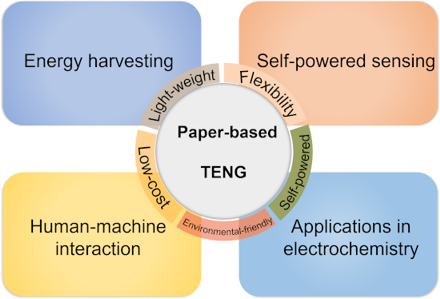
- (Dunaliella and Navicula) were used as typical indicators to simulate the ecological environment of the marine fouling organisms. Two stainless steel pieces were connected to the anode and to the cathode with a rectifier, and another piece of stainless steel was directly immersed into the algae medium as the
- blank sample. After introducing the TENG-powered antifouling system, the stainless steel pieces on both the anode and cathode showed good antifouling properties, as indicated by algae density. An electrochemical reaction is an electron-transferring or flowing process between an electrode and a substance






Wet-spinning of magneto-responsive helical chitosan microfibers
Beilstein J. Nanotechnol. 2020, 11, 991–999, doi:10.3762/bjnano.11.83
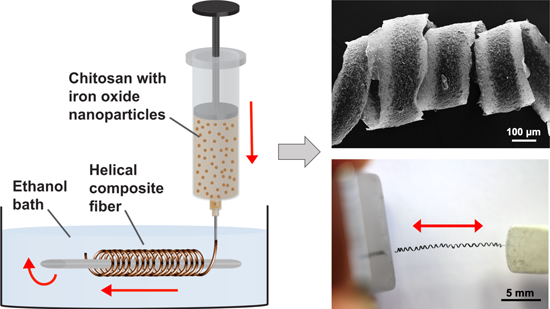
- teflon-coated rotating needle with a stainless steel core at the bottom of the coagulation bath. The needle was placed perpendicular to the direction of the feedstock solution flow to facilitate subsequent fiber winding. For this purpose, a rotational movement of the needle was combined with a
- rotating needle with a stainless steel core, which simultaneously performed a translational movement to achieve a helical fiber shape. Supporting Information Supporting Information File 31: Additional experimental data. Supporting Information File 32: Video showing the magnetic manipulation of a helical


A 3D-polyphenylalanine network inside porous alumina: Synthesis and characterization of an inorganic–organic composite membrane
Beilstein J. Nanotechnol. 2020, 11, 938–951, doi:10.3762/bjnano.11.78
- methanol followed by equilibration with 2 mL of deionized water with the same flow rate. The amount of adsorbed chloroanilic acid (analyte) was determined from the collected solution of the loading step by UV–vis spectroscopy at a wavelength of 331 nm [73]. The membranes were placed in a stainless-steel




Synthesis and acetone sensing properties of ZnFe2O4/rGO gas sensors
Beilstein J. Nanotechnol. 2019, 10, 2516–2526, doi:10.3762/bjnano.10.242
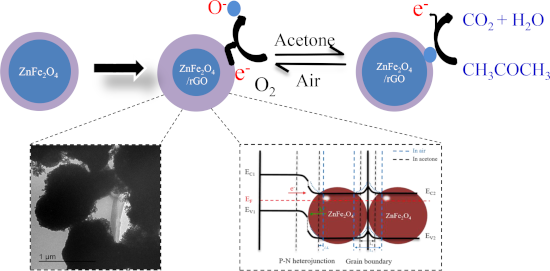
- glycerol (8 mL) under slow stirring. Secondly, 0.1098 g Zn(CH3COO)2·2H2O and 0.4042 g Fe(NO3)3·9H2O were dissolved in the obtained homogeneous solution under magnetic stirring for 1 h. Subsequently, the mixed solutions were transferred into a Teflon-lined stainless-steel autoclave (50 mL), and then




Design and facile synthesis of defect-rich C-MoS2/rGO nanosheets for enhanced lithium–sulfur battery performance
Beilstein J. Nanotechnol. 2019, 10, 2251–2260, doi:10.3762/bjnano.10.217
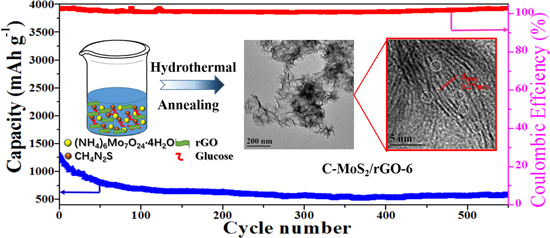
- solution A is mixed with solution B and stirred for 30 min. Subsequently, the mixture was transferred to a 50 mL Teflon-lined stainless steel autoclave and retained at 200 °C for 24 h. After cooling naturally, the product was washed with deionized water and absolute ethanol for several times and dried at


Ultrathin Ni1−xCoxS2 nanoflakes as high energy density electrode materials for asymmetric supercapacitors
Beilstein J. Nanotechnol. 2019, 10, 2207–2216, doi:10.3762/bjnano.10.213
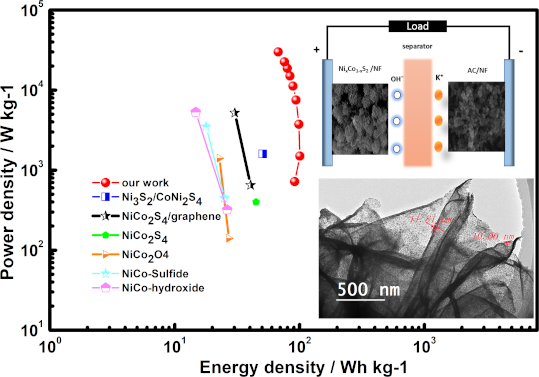
- nitrate hexahydrate and 40 mmol·L−1 2MI were first dissolved in absolute methanol, and then mixed to make a total volume of 60 mL solution. After stirring at 400 rpm for 10 to 15 min, the well-mixed solution was transferred into a 120 mL Teflon-lined stainless steel autoclave reactor. The reaction was


Improved adsorption and degradation performance by S-doping of (001)-TiO2
Beilstein J. Nanotechnol. 2019, 10, 2116–2127, doi:10.3762/bjnano.10.206
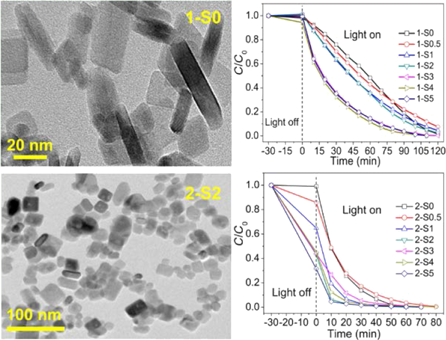
- %, Aladdin) was put in a Teflon-lined stainless steel autoclave. Then, 5 mL of deionized water and 5 mL of a HF acid solution (hydrofluoric acid, 40%, Aladdin) were added sequentially. The autoclave was maintained at 180 °C for 8 h and then cooled naturally to room temperature. The obtained precipitate was


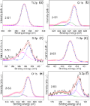


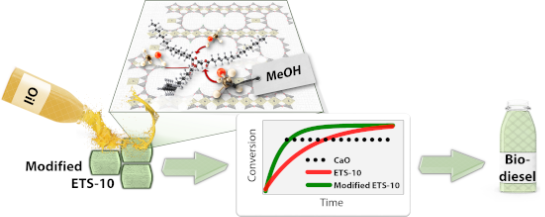
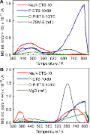
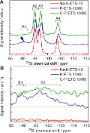
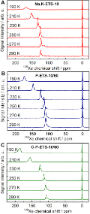
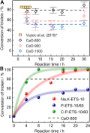
Synthesis of highly active ETS-10-based titanosilicate for heterogeneously catalyzed transesterification of triglycerides
Beilstein J. Nanotechnol. 2019, 10, 2039–2061, doi:10.3762/bjnano.10.200
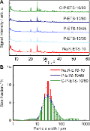
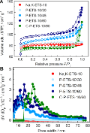
- stainless steel autoclave. The design of the autoclave is similar to a standard acid digestion vessel. The autoclave was then closed with a stainless steel screw-tightened cap. Both autoclaves were placed simultaneously into








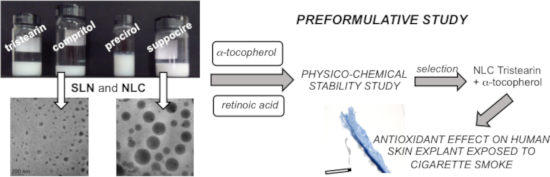
Lipid nanostructures for antioxidant delivery: a comparative preformulation study
Beilstein J. Nanotechnol. 2019, 10, 1789–1801, doi:10.3762/bjnano.10.174
- and RA content was analyzed after filtration by high-performance liquid chromatography (HPLC) using a Knauer Eurospher II RP C18 column (Knauer, Germany) (15 × 0.4 cm) stainless steel packed with 5 µm particles, eluted at room temperature with different mobile phases. Samples of 50 µL were injected