Search results
Search for "sulfur" in Full Text gives 206 result(s) in Beilstein Journal of Nanotechnology. Showing first 200.
Modeling and simulation of carbon-nanocomposite-based gas sensors
Beilstein J. Nanotechnol. 2025, 16, 90–96, doi:10.3762/bjnano.16.9
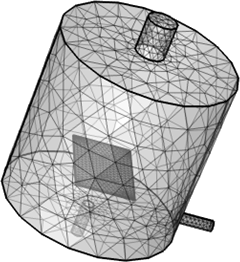
- nanocomposites, like high surface area, excellent electrical conductivity, and chemical stability, make them ideal candidates for the development of high-performance CO gas sensors. Carbon-nanocomposite gas sensors find their application in detecting pollutants such as nitrogen dioxide (NO2), sulfur dioxide (SO2




Theoretical study of the electronic and optical properties of a composite formed by the zeolite NaA and a magnetite cluster
Beilstein J. Nanotechnol. 2025, 16, 44–53, doi:10.3762/bjnano.16.5
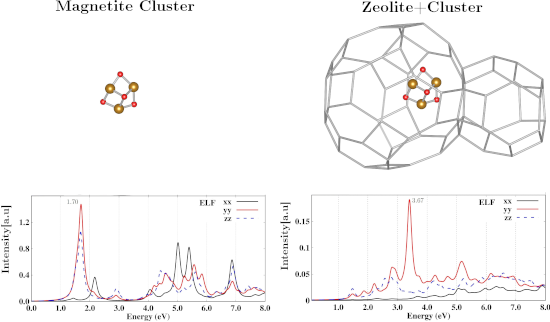
- , 1.60, 1.90, and 1.70 for aluminum, oxygen, silicon, sodium, and sulfur, respectively; the convergence number, that is, the smallest muffin-tin radii times the plane wave cutoff parameter, is set at RmtKmax = 6.0; the maximum l value for partial waves used inside atomic spheres is lmax = 10; and the




A biomimetic approach towards a universal slippery liquid infused surface coating
Beilstein J. Nanotechnol. 2024, 15, 1376–1389, doi:10.3762/bjnano.15.111
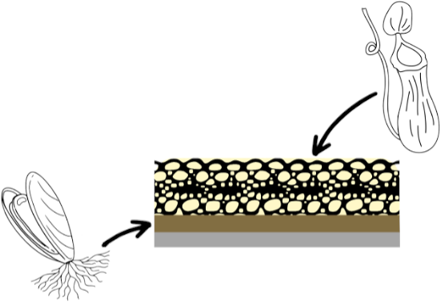
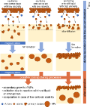
- substrates and were representative of a covalent carbon-sulfur bond [43]. AFM highlighted the level of roughness at each stage of the coating to show a rougher topography for the final layer. Results for each layer of the coating are shown in Supporting Information File 1, Figure S1 and reported as root mean




Interaction of graphene oxide with tannic acid: computational modeling and toxicity mitigation in C. elegans
Beilstein J. Nanotechnol. 2024, 15, 1297–1311, doi:10.3762/bjnano.15.105
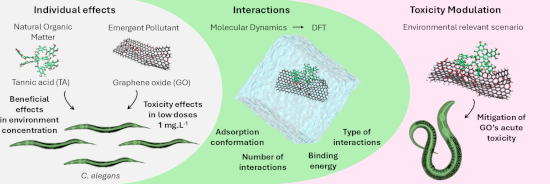
- C. elegans [35][54]. Oxidative stress is one of the central mechanisms and, in fact, the main cause of the toxicity outcomes discussed above. It is associated to changes in the function or expression of superoxide dismutase, “Rieske” iron-sulfur protein, mitochondrial complex I, and the ubiquinone


Effect of wavelength and liquid on formation of Ag, Au, Ag/Au nanoparticles via picosecond laser ablation and SERS-based detection of DMMP
Beilstein J. Nanotechnol. 2024, 15, 1054–1069, doi:10.3762/bjnano.15.86

- detect chemical warfare agent (CWA) simulants such as methyl salicylate (a CWA simulant for sulfur mustard) and dimethyl methyl phosphonate (has some structural similarities to the G-series nerve agents) at different laser excitations (325, 532, and 633 nm). A notably higher SERS efficiency for CWA


Green synthesis of biomass-derived carbon quantum dots for photocatalytic degradation of methylene blue
Beilstein J. Nanotechnol. 2024, 15, 755–766, doi:10.3762/bjnano.15.63
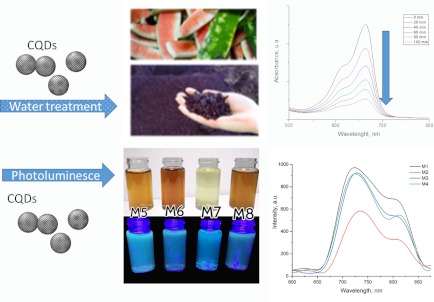
- ], the presence of heteroatoms into the CQDs, such as oxygen, sulfur, and nitrogen, leads to interband states, which decreases the recombination speed of electron–hole pairs. Such delay enhances the photodegradation rate, which was observed for both samples (M3 and M7) independently from the nature of


Determining by Raman spectroscopy the average thickness and N-layer-specific surface coverages of MoS2 thin films with domains much smaller than the laser spot size
Beilstein J. Nanotechnol. 2024, 15, 279–296, doi:10.3762/bjnano.15.26
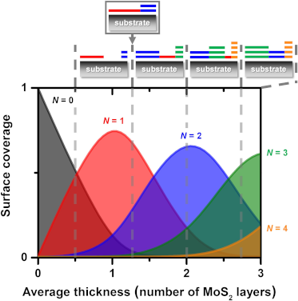
- X–M–X or MX2 triatomic layer, where X is a chalcogen atom (e.g., sulfur, selenium, or tellurium) and M is a transition metal atom (e.g., molybdenum or tungsten) [10]. Among the layered TMD materials, molybdenum disulfide, MoS2, is of particular interest in optoelectronic applications because of its


Spatial variations of conductivity of self-assembled monolayers of dodecanethiol on Au/mica and Au/Si substrates
Beilstein J. Nanotechnol. 2023, 14, 1169–1177, doi:10.3762/bjnano.14.97
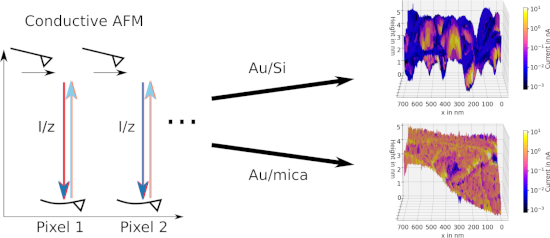
- observable. Second, dark spots on the terraces of the current map appear, which can be seen clearly in the expanded-scale image in Figure 3d. These can be attributed to so-called etch pits that arise from the growth of sulfur-bound SAMs on Au surfaces [19][20]. These etch pits are monatomically deep holes in
- the Au surface. They are produced in the process of SAM formation by sulfur–gold bonds, which result in removing Au atoms from the top layer. This leaves the surface with Au atom vacancies that arrange into small islands of a few nanometers in size. This size matches the darker areas observed in the
- /mica substrate. Additional measurements on SAMs of sulfur-bound oligopeptides (SH–(CH2)2NH–(Ala-Aib)5–COOH) [12] on Au/mica substrates yielded no measurable currents and are therefore omitted in this report. Our observations show that, when studying the conductive properties of DDT SAMs on Au/Si, the


Sulfur nanocomposites with insecticidal effect for the control of Bactericera cockerelli
Beilstein J. Nanotechnol. 2023, 14, 1106–1115, doi:10.3762/bjnano.14.91
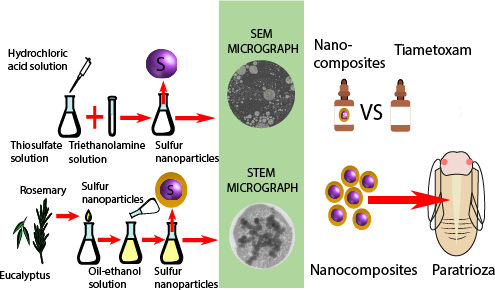
- de Nanociencia y Nanotecnología (CENCINAT), Universidad de las Fuerzas Armadas – ESPE, Av. General Rumiñahui 171-5-231B, Sangolquí, PO Box 171-5-231B, Ecuador 10.3762/bjnano.14.91 Abstract The purpose of this research was to synthesize nanocomposites consisting of sulfur nanoparticles coated with
- eucalyptus and rosemary essential oils to determine the insecticidal effect in the control of nymphs of paratrioza (Bactericera cockerelli (Sulc) (Hemiptera: Triozidae)) in potato crops. A solution of thiosulfate was reduced to elemental sulfur, and the sulfur nanoparticles were coated with eucalyptus and
- not only improves the yield; it also reduces the amount of required pesticide and environmental hazards [16]. Sulfur is considered one of the oldest pesticides used in agriculture for the treatment of a wide range of plant diseases [17]. Elemental sulfur in nanoparticulate forms can be generated by


N-Heterocyclic carbene-based gold etchants
Beilstein J. Nanotechnol. 2023, 14, 865–871, doi:10.3762/bjnano.14.71
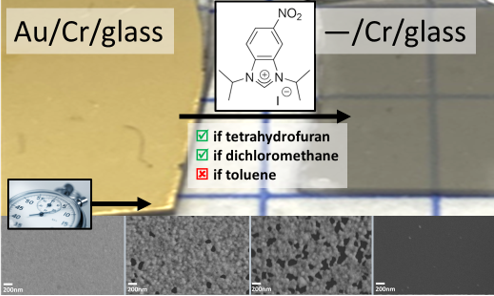
- a fixture of materials science. Thiols continue to dominate as the most prevalent choice of SAM constituents on gold [1][2][3][4][5][6][7][8][9][10][11]. They benefit from a long history of widespread use and general ease of adoption. Unfortunately, the gold–sulfur bond can limit the range of
- clearly undesirable that an effort to form a stable monolayer could result in removal of underlying material, but similarly undesirable effects have been reported in the gold–thiol SAM literature. For example, gold–sulfur interactions can lead to a weaker bonding of gold surface atoms to the bulk. This



Silver nanoparticles loaded on lactose/alginate: in situ synthesis, catalytic degradation, and pH-dependent antibacterial activity
Beilstein J. Nanotechnol. 2023, 14, 781–792, doi:10.3762/bjnano.14.64
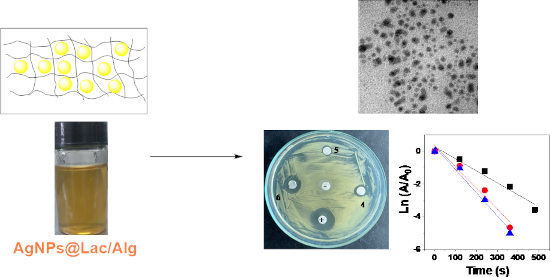
- antibacterial properties can serve as a source of silver ions. Another mechanism involves the electrostatic attraction between negatively charged microbial cells and positively charged AgNPs [25]. Because of their affinity to sulfur proteins and through electrostatic attraction, silver ions can bind to both


Control of morphology and crystallinity of CNTs in flame synthesis with one-dimensional reaction zone
Beilstein J. Nanotechnol. 2023, 14, 741–750, doi:10.3762/bjnano.14.61
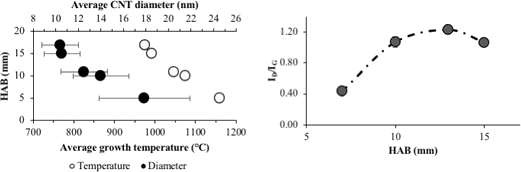
- . Overall, CNT/epoxy nanocomposites with superior mechanical properties are preferred [4]. Scarselli et al. [5] synthesized CNTs with a three-dimensional network using a sulfur enhancer and, thus, created a porous product capable of adsorbing oils. Furthermore, CNT networks have a high potential to be


Nanomaterials for photocatalysis and applications in environmental remediation and renewable energy
Beilstein J. Nanotechnol. 2023, 14, 722–724, doi:10.3762/bjnano.14.58

- fuels generates harmful emissions to the environment, such as carbon dioxide (CO2), methane (CH4), nitrous oxide (N2O), nitric oxide and nitrogen dioxide (together termed NOx), and fluorinated gases (e.g., hydrofluorocarbons, perfluorocarbons, and sulfur hexafluoride) which are currently considered

Near-infrared photoactive Ag-Zn-Ga-S-Se quantum dots for high-performance quantum dot-sensitized solar cells
Beilstein J. Nanotechnol. 2022, 13, 1337–1344, doi:10.3762/bjnano.13.110
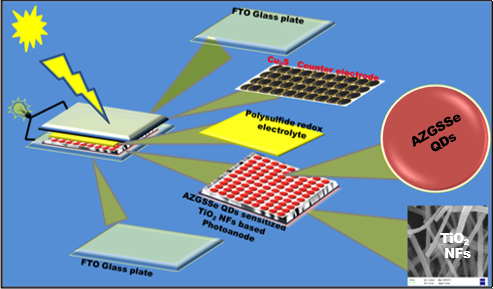
- (GaCl3), sulfur powder (S), 1-dodecanethiol (DDTh), ʟ-cysteine, copper(II) chloride, polyvinylidene fluoride (PVDF), titanium isisopropoxide (TIP), glycerol, oleylamine (OAM), titanium tetrachloride (TiCl4), N-methyl-2-pyrrolidine (NMP), chloroform, acetonitrile, ethanol, and methanol were purchased from


Recent advances in green carbon dots (2015–2022): synthesis, metal ion sensing, and biological applications
Beilstein J. Nanotechnol. 2022, 13, 1068–1107, doi:10.3762/bjnano.13.93
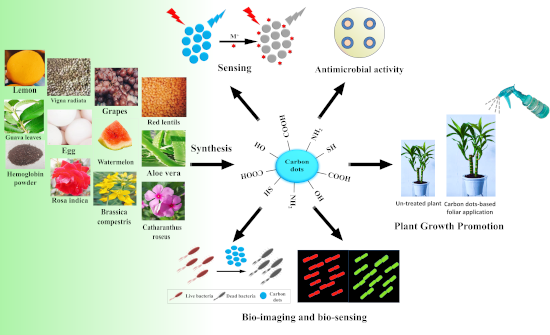
- manufacturing CDs from these plant components. Plant-based precursors that contain heteroatoms (nitrogen and sulfur) are preferred over carbon sources that demand supplementary heteroatoms for the synthesis of CDs [53]. Without surface-passivating agent: Plants are rich in biomolecules such as carbohydrates and
- CDs containing surfactants that contain nitrogen, phosphorus, or sulfur [16][88]. Usually, CDs synthesized from a single precursor without any doping agent have low QYs and are inadequate for bioimaging and other applications. Numerous researches claim that co-doping, or the simultaneous doping of two
- or more distinct atoms, can mitigate the drawbacks of CDs. The optical characteristics and applications of CDs may be enhanced by doping them with nitrogen, sulfur, and other elements. Due to the synergistic interaction between the doped heteroatoms in CDs, the co-doping with heteroatoms has started




A nonenzymatic reduced graphene oxide-based nanosensor for parathion
Beilstein J. Nanotechnol. 2022, 13, 730–744, doi:10.3762/bjnano.13.65
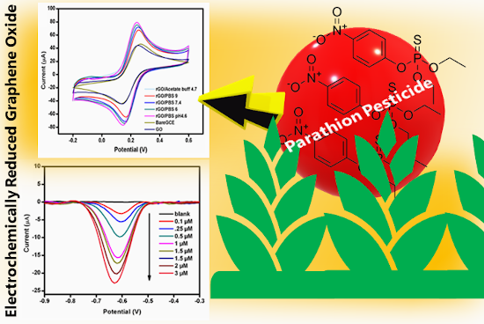
- methyl paraoxon in vegetables [23]. Recently, Jangid et al. (2021) also described the electrocatalytic activity of fenitrothion on glassy carbon electrodes modified with nitrogen and sulfur co-doped activated carbon-coated multiwalled carbon nanotubes [24]. Nevertheless, the fabrication process of the


Revealing local structural properties of an atomically thin MoSe2 surface using optical microscopy
Beilstein J. Nanotechnol. 2022, 13, 572–581, doi:10.3762/bjnano.13.49
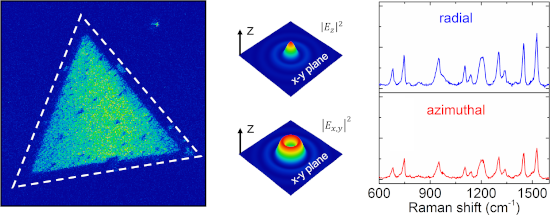
- effects strongly influence the optical and electronic properties of 2D-TMDC materials. Optical second harmonic generation (SHG) spectroscopy has been recently used to study the presence of mid-gap states in the electronic band structure of WS2 flakes, which are induced by sulfur vacancies [14]. In
- can link to a sulfur atom of MoS2 via axial coordination [37]. Considering the excitation polarization-dependent SERS enhancement in our experiments, we attribute the higher SERS enhancement factor with azimuthal polarization to the first-layer effect, where the charge transfer between the first layer


Investigation of electron-induced cross-linking of self-assembled monolayers by scanning tunneling microscopy
Beilstein J. Nanotechnol. 2022, 13, 462–471, doi:10.3762/bjnano.13.39
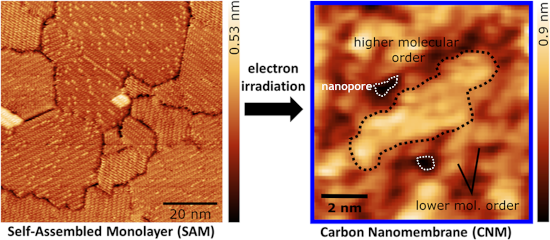
- general concept of self-assembly allows for the preparation of SAMs from the liquid or gas phase. Highly ordered TPT SAMs spontaneously form on Au(111) due to the formation of bonds between sulfur and gold atoms, which is accompanied by van der Waals interactions between the aromatic rings. The TPT SAMs
- ) shows the molecular structure model of the α-phase, where the sulfur atoms are located on a (√3 × √3)R30° lattice and the molecular backbones exhibit a (2√3 × √3)R30° structure. The area per molecule of the α-phase is 0.216 ± 0.036 nm2. The tilt angle for the TPT backbone in the α-phase is ≈13° relative
- the pristine monolayer. Features similar to dark spots with a diameter of ≈10 Å were observed by Kondoh et al. on the methylthiolate/Au(111) surface after electron irradiation at 4 keV and assigned as sulfur species after cleavage of S–C bonds at the interface [69]. In our case, a higher magnification


Engineered titania nanomaterials in advanced clinical applications
Beilstein J. Nanotechnol. 2022, 13, 201–218, doi:10.3762/bjnano.13.15
- copper, graphene, silver, silver and nitrogen, sulfur and cadmium sulfide, or transition metals was found to be effective for bringing the excitation wavelength near to the biological window (650 ≤ λ ≤ 950 nm and 1000 ≤ λ ≤ 1350 nm) by providing secondary energy levels close to TiO2 conduction band


Sputtering onto liquids: a critical review
Beilstein J. Nanotechnol. 2022, 13, 10–53, doi:10.3762/bjnano.13.2

- ][84][85]. La Mer and Dinegar proposed a theory describing the formation of monodispersed sulfur hydrosols in 1950 [86]. Two years later, La Mer published a critical work on nucleation theory applied mostly to the formation of sulfur and barium sulfate sols [87]. It is important to highlight here that
- developed by Döring and Becker in 1935 [88]. It is worth noting that CNT treats nuclei as fragments of the bulk phase having the same macroscopic properties. This, as we know today, is not accurate since NPs and especially their nuclei have a different surface free energy [77]. The mechanism of sulfur (S
- monodisperse particles and provided a mathematical model for fitting the kinetic curves [89]. As a result, it was applied to any colloidal system, including colloidal dispersions of metal NPs, and finally was considered as “overcited” [90]. In reality, this mechanism describes very well the formation of sulfur






Revealing the formation mechanism and band gap tuning of Sb2S3 nanoparticles
Beilstein J. Nanotechnol. 2021, 12, 1021–1033, doi:10.3762/bjnano.12.76
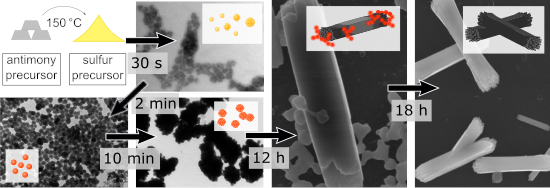
- . Based on morphological and structural analyses, it is suggested that seed particles (type 0) formed immediately after injecting the antimony precursor into the sulfur precursor. These seeds fused to form amorphous nanoparticles (type I) that contained a lower percentage of sulfur than that corresponding
- hot-injection method at a temperature between 180 and 240 °C [17][18][20], yield nanoparticles not smaller than 100 nm or, almost instantaneously, rods, tubes, or wires in the micron size. Abulikemu et al. have investigated the influence of different sulfur and antimony precursors, injection (140–220
- temperature leads to larger particles. Furthermore, they have concluded that a chlorine-containing antimony precursor affects the morphology and crystallinity of the particles. Nevertheless, the study of Abulikemu et al. focused on using bis(trimethylsilyl) sulfide (TMS) as sulfur precursor since with this


Progress and innovation of nanostructured sulfur cathodes and metal-free anodes for room-temperature Na–S batteries
Beilstein J. Nanotechnol. 2021, 12, 995–1020, doi:10.3762/bjnano.12.75
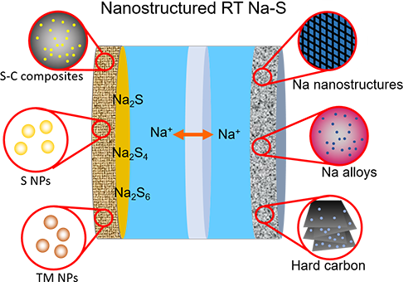
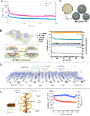
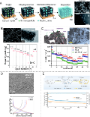
- systems, but the current lithium-ion battery technology may face limitations in the future concerning the availability of raw materials and socio-economic insecurities. Sodium–sulfur (Na–S) batteries are a promising alternative energy storage device for small- to large-scale applications driven by more
- , Na dendrite growth, and slow reaction kinetics by nanostructuring both the sulfur cathode and the Na anode. Moreover, a survey of recent patents on room temperature (RT) Na–S batteries revealed that nanostructured sulfur and sodium electrodes are still in the minority, which suggests that much
- investigation and innovation is needed until RT Na–S batteries can be commercialized. Keywords: composites; metal-free anode; Na–S; sodium nanostructures; sodium–sulfur batteries; sulfur nanostructures; Introduction The progress and innovation of cheaper, cleaner, safer, and more efficient electrical energy




A Au/CuNiCoS4/p-Si photodiode: electrical and morphological characterization
Beilstein J. Nanotechnol. 2021, 12, 984–994, doi:10.3762/bjnano.12.74
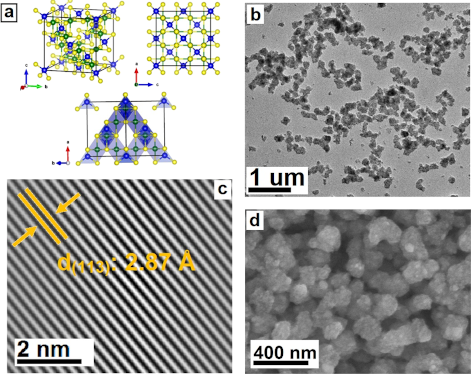
- . In this formula, A and B are cations which can be divalent, trivalent, or tetravalent. X represents anions of a chalcogen, oxygen, or sulfur [3]. Thiospinels are one of the most interesting spinels [4][5]. These sulfur-based spinel compounds have a high potential to be used in energy applications due
- CuAc2, NiAc2, CoAc2, and 1.75 mmol TOPO were mixed with 10 mL ODE in a three-neck flask under Ar atmosphere for 30 min. Then the reaction solution was placed in a heating mantle, and the temperature was set to 210 °C. Separately, the sulfur solution was prepared by mixing 0.125 mL DDT with 0.875 mL tert
- -DDT in a glass vial, and the solution was heated up to 70 °C. When the reaction temperature reached 120 °C, the color of the reaction solution turned to black, and the sulfur solution was added into the reaction medium. The solution was heated until the synthesis temperature reached 210 °C, and it was



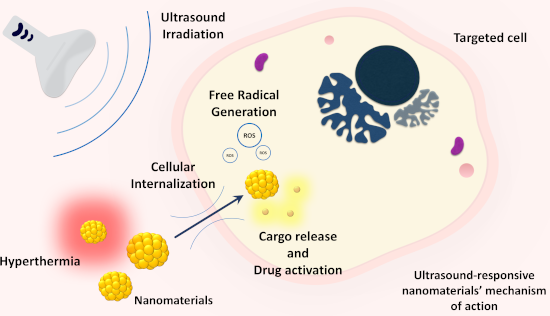
Comprehensive review on ultrasound-responsive theranostic nanomaterials: mechanisms, structures and medical applications
Beilstein J. Nanotechnol. 2021, 12, 808–862, doi:10.3762/bjnano.12.64


Silver nanoparticles nucleated in NaOH-treated halloysite: a potential antimicrobial material
Beilstein J. Nanotechnol. 2021, 12, 798–807, doi:10.3762/bjnano.12.63
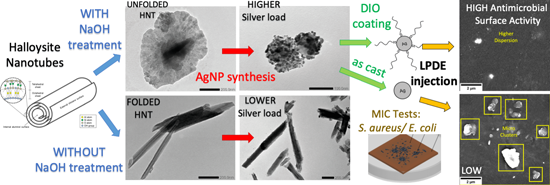
- behaviour is most certainly due to the presence of DIO, a very hydrophobic substance itself. DIO is an organic molecule made of a long carbon chain “tail” attached to a thiol “head” (R-SH), which forms covalent bonds with silver via the sulfur atom. So, by mixing DIO and Ag/HNT-8 one is able to create a