


Search results
Search for "surface" in Full Text gives 2438 result(s) in Beilstein Journal of Nanotechnology. Showing first 200.
Laser–material interactions in liquids for the synthesis of nanomaterials: current status and perspectives
Beilstein J. Nanotechnol. 2026, 17, 571–575, doi:10.3762/bjnano.17.38

- nanoparticle generation in picosecond laser ablation in liquids [40], the elucidation of processes responsible for the formation of periodic surface structures on Cr targets irradiated by femtosecond pulses in water [41], and the integration of X-ray probing with simulations to study the transition from
- , functional applications often require incorporation of additives for size control [44], enhanced colloidal stability [45], or specific surface functionalization [46]. For example, the use of scavengers to capture reactive species can influence nanoparticle size [47] and increase productivity [48
- ]. Alternatively, employing organic solvents instead of water provides opportunities to produce carbon-encapsulated core−shell nanostructures [49] and enables control over oxidation [50], surface chemistry [51], and transferability between solvents [52]. The versatility of LSPC in terms of materials, solvents, and
Synthesis of Cu–Mo/TiO2 and Co–Mo/TiO2 photocatalysts for the efficient degradation of organic pollutants in water
Beilstein J. Nanotechnol. 2026, 17, 559–570, doi:10.3762/bjnano.17.37
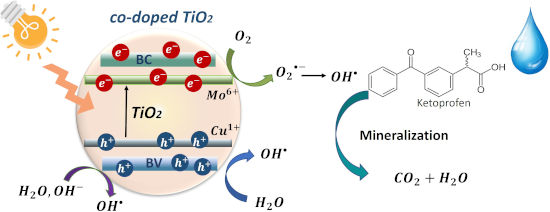
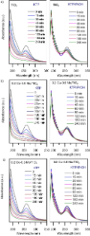
- developed to overcome these limitations, including doping, noble-metal deposition, heterogeneous structures, and surface sensitization. Doping is a widely employed method to generate impurity states in the forbidden region or to reduce the effective bandgap. Doping TiO2 with transition metal ions can adjust
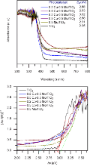
- . Mo doping introduces a donor level below the conduction band, thereby reducing the semiconductor bandgap. As a disadvantage, the addition of Mo can result in the formation of large crystals, affecting the surface area and the ability to adsorb pollutants. In contrast, Cu2+ and Co2+ are transition
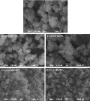
- oxidation potential and better surface properties [27]. It is expected that the structural properties of the co-doped materials will promote the photocatalytic oxidation reaction. A decrease in the intensity of the diffraction peaks and the appearance of wider peaks were observed with increasing Cu and Co



Advances in nanotechnology applied to natural products
Beilstein J. Nanotechnol. 2026, 17, 555–558, doi:10.3762/bjnano.17.36
- formulations based on natural products [14][15]. Among lipid-based vesicular nanosystems, liposomes are widely investigated for the delivery of natural products. Liposomes consist primarily of phospholipids (often with cholesterol or others sterols) arranged in one or more bilayers, while additional surface
- nanoplatforms for the delivery of natural products, offering structural stability, tunable release profiles, and controllable surface properties [20]. Polymeric nanoparticles, in particular, can protect bioactive compounds, potentially reduce off-target toxicity, and enhance specific biological responses
Electrochemical determination of ciprofloxacin using a MIL-101/reduced graphene oxide-modified electrode
Beilstein J. Nanotechnol. 2026, 17, 541–554, doi:10.3762/bjnano.17.35
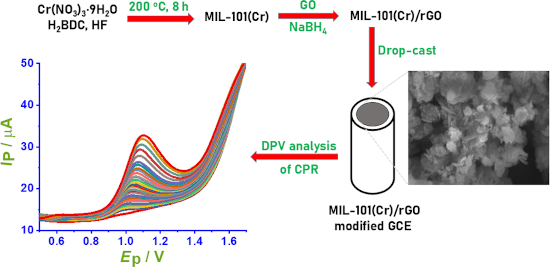
- potential for miniaturization and field use. The performance of electrochemical sensors heavily relies on the electrode’s surface properties. Recently, metal–organic frameworks (MOFs) have attracted significant interest in electrochemical sensing due to their highly ordered porous structures, very high
- surface areas, tunable pore sizes, and numerous active sites. Among these, MIL-101, a chromium-based MOF, is notable for its large pore volume, excellent chemical stability, and strong ability to adsorb organic molecules [9][10][11]. However, the poor electrical conductivity inherent to MIL-101 limits its
- direct use in electrochemical sensing. To address this limitation, hybridizing MOFs with conductive carbon materials has been extensively studied. Reduced graphene oxide (rGO) is especially appealing due to its high electrical conductivity [12], large specific surface area, mechanical stability [13], and


Probing internal continua and atomic ultrafast charge transfer within size-controlled nanoparticles by post-collision interaction in core-hole clock spectroscopy
Beilstein J. Nanotechnol. 2026, 17, 505–514, doi:10.3762/bjnano.17.33
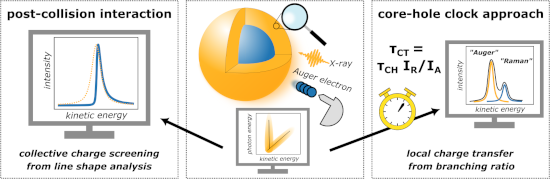
- photoluminescence quantum yield or RedOx chemistry, depend on a complex interplay of local and collective electronic structure aspects [10]. For example, quantum efficiency is strongly influenced by surface structure [11], the fabrication of core–shell and core–multishell architectures [12][13], and the choice of
- surface ligands [14]. In this work, we obtain charge transfer on the atomic scale for size-dependent quantum-confined systems using core-hole clock (CHC) spectroscopy. We further expand the well-established CHC approach by the aspect of detecting the internal continuum states within the size-controlled
- expected to be faster than electron transfer within the shell. This implies that the charge delocalization is faster within those layers of the ZnS shell that are closest to the CdSe core. Limited by the escape depth of the emitted electrons, the CHC approach is highly surface-sensitive. In the thinner QDs



Upcycling agroindustrial waste into graphene oxide supports for gold nanoparticles: toward sustainable nanomaterials
Beilstein J. Nanotechnol. 2026, 17, 489–504, doi:10.3762/bjnano.17.32
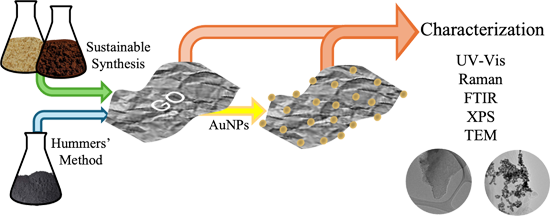
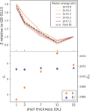
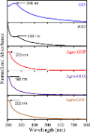
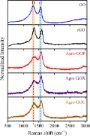
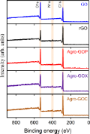
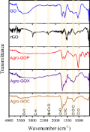
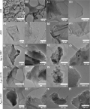
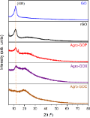
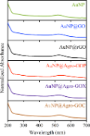
- UV–vis, ATR-FTIR, XPS, XRD, and Raman measurements, complemented by TGA and TEM to assess optical properties, surface chemistry, and structural and morphological features. Additionally, gold nanoparticles (AuNPs) were photochemically deposited onto Agro-GO to evaluate its potential for nanotechnology
- -related applications. The results reveal that Agro-GO exhibits tunable oxidation levels, diverse surface functionalities, and morphologies comparable to those of conventional GO; these properties strongly depend on the type of agroindustrial waste precursor used. These findings demonstrate the feasibility
- ; hybrid nanocomposites; plasmonic nanomaterials; surface functionalization; Introduction Graphene oxide (GO), due to its unique physicochemical properties, is widely explored regarding a range of applications, including sensors, water purification, and energy storage and conversion [1][2][3][4][5]. GO is



Defects and defect-mediated engineering of two-dimensional materials: challenges and open questions
Beilstein J. Nanotechnol. 2026, 17, 454–488, doi:10.3762/bjnano.17.31
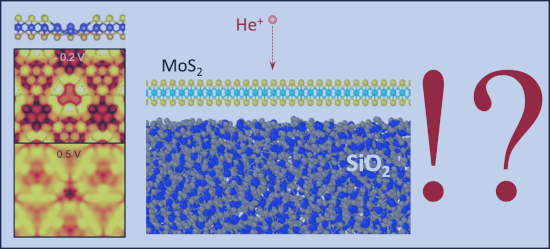
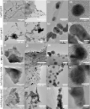
- 2D materials are synthetic; hence, in principle, the defect concentration in them can be well above the equilibrium value as the time after their fabrication may not have been sufficient to reach equilibrium. 2D materials have a high surface-to-volume ratio, so that defects can easily be formed due
- formation energies at the surfaces result in much higher surface defect concentration compared to the bulk. This gives rise to the following questions: Is this also true for van der Waals materials? Do thermodynamic considerations in transition metal dichalcogenides (TMDs) with relatively low (compared to
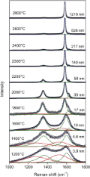
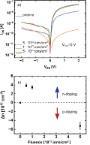
- Mo to form MTB networks [42]. Such surface reactions can change the composition and induce substoichiometric defects. The approach of reacting 2D sheets (e.g., chalcogenides) with excess metal may result in metastable point- and line-defect configurations [43][44][45] and even dense line-defect





Nanocarrier-integrated multilayer films produced by 3D printing for improved skin adhesion and curcumin photostability
Beilstein J. Nanotechnol. 2026, 17, 440–453, doi:10.3762/bjnano.17.30
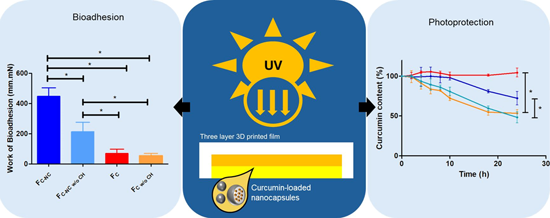
- laser sintering, binder jetting, semi-solid extrusion (SSE), and direct powder extrusion [3][4][5]. SSE is a method in which a semi-solid material is placed into a syringe and continuously extruded layer by layer onto a smooth surface until the entire object is created. The semi-solid material itself
- SSE 3D printing could be strategically employed to construct multilayer topical films capable of addressing two key limitations of curcumin for cutaneous delivery, namely, (i) its pronounced photosensitivity, which necessitates a protective barrier and (ii) its limited affinity for the skin surface
- sample was then withdrawn from the surface of the film by the platform at a constant speed of 0.10 mm/s until total displacement was achieved. The work required to detach the skin sample from the 3D-printed films was calculated based on the peak force and maximum displacement after complete detachment


First-principles study on elastic properties of Cu, (Cu1−x,Nix)3Sn and interfacial mechanical properties of (Cu1−x,Nix)3Sn/Cu in the lead-free solder joint
Beilstein J. Nanotechnol. 2026, 17, 428–439, doi:10.3762/bjnano.17.29
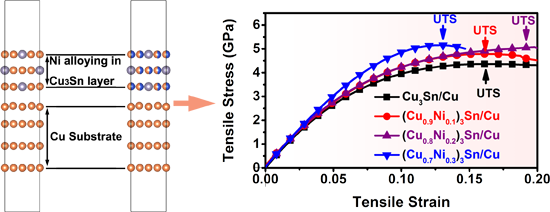
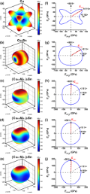
- surface, and the maximum Young’s modulus is oriented along the body diagonal, that is, the ⟨111⟩ direction. In contrast, as shown in Figure 3b–e, the orientation-dependent Young’s moduli of (CuxNi1−x)3Sn exhibit a spheroidal surface. After Ni alloying, the spheroidal surfaces of (CuxNi1−x)3Sn are expanded


Nanoinformatics: spanning scales, systems and solutions
Beilstein J. Nanotechnol. 2026, 17, 423–427, doi:10.3762/bjnano.17.28
- calculated and experimental features used to define and describe nanomaterials, and proposed a classification of the descriptors into those that directly describe a component of the nanoform (core, surface, or structure) and those that indirectly reflect its structure (experimental features related to the
- are challenging to experimentally measure. Using computational descriptors commonly used in nano-QSAR models, such as the potential energy of surface atoms and the water–NP surface energy, the model predicts that Pt NPs are more toxic than Au NPs, based on their surface properties, which drive
- Roy constructed a quantitative structure–property relationship (QSPR) model with 132 metal oxide (MeOx) nanomaterials to understand the possible mechanisms of cell membrane damage and the role of zeta potential (a proxy for surface charge) in particular. The results showed that zeta potential, along

Biomimetic nanoparticles in cancer photodynamic therapy: a review of targeted delivery systems and therapeutic outcomes
Beilstein J. Nanotechnol. 2026, 17, 396–422, doi:10.3762/bjnano.17.27
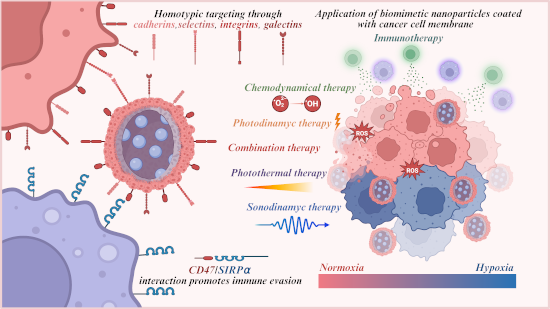
- nanoparticles: principles and platforms The BNP concept: nature-inspired delivery Advances in synthetic methods have enabled the fabrication of nanoparticles with a wide range of compositions, sizes, shapes, and surface properties [44][45]. These tunable characteristics make nanoparticles highly versatile for
- mimic their functions belong to the third generation of nanodelivery systems [50]. The first generation of particles was based on surface modifications to reduce the interactions with immune cells and to increase biocompatibility. Among them, biocompatible polymers like PEG and PPE have been widely used
- [51]. The second generation of nanocarriers harnessed surface functionalization with antibodies, peptides, and aptamers to increase the targeting of pathogenic tissues and cells by interacting with the receptors expressed on the surface of the target cells [52]. In contrast, BNPs are designed to


Eco-efficient materials for agricultural crops based on a mineral rich in MOR- and HEU-type zeolites
Beilstein J. Nanotechnol. 2026, 17, 381–395, doi:10.3762/bjnano.17.26
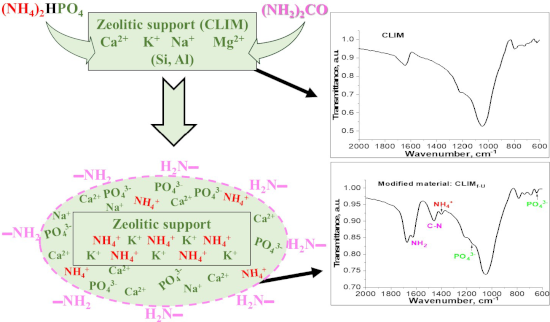
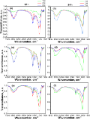
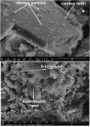
- urea arranged on the surface so that it covers the material and interacts with the zeolitic frameworks, was evidenced by Fourier-transform IR spectroscopy, adsorption measurements, scanning electron microscopy, scanning transmission electron microscopy, and other methods, as well as through culture
- formed by silicon and aluminium tetrahedra connected through their vertices by bridging oxygen atoms. This arrangement forms a network of interconnected channels and cavities with a large surface area, where water molecules and mobile cations (Na+, K+, Ca2+, Mg2+) are located to neutralize the excess
- . Urea could have been located outside the material channels, adhering to the zeolitic surface [9][40]. Therefore, interaction at the surface level and coating of the mineral material surface can be assumed. Hydrogen bonds can be established through water molecules interacting directly and simultaneously




Polycatecholamine nanocoatings on stainless steel: the effect on attachment of human fibroblasts and platelets
Beilstein J. Nanotechnol. 2026, 17, 365–380, doi:10.3762/bjnano.17.25
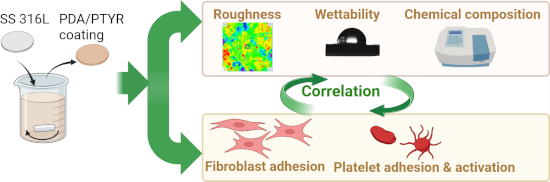
- layers on stainless steel 316L via a novel in situ oxidation process and evaluated their physicochemical properties and cellular interactions at the nano/microscale. Surface characterization revealed that the polymeric coatings formed a homogenous layer with distinct topographical features and thickness
- in the nanometer range for PTYR and in the micrometer range in case of PDA. Compared to PDA, PTYR coatings exhibited a nanoparticulate surface morphology and higher stability under physiological conditions. Wettability, roughness, and amine group density were systematically analyzed to determine
- stability. Consequently, a variety of surface modifications have been developed to improve cell–material interactions, including anodized nanopit arrays, hydroxyapatite–collagen layers on polydopamine-modified steel, nanoporous coatings influencing integrin/ERK signaling, and bilayers comprising graphene


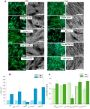


Ferroelectric nanodot reservoir for neuromorphic computing
Beilstein J. Nanotechnol. 2026, 17, 352–364, doi:10.3762/bjnano.17.24
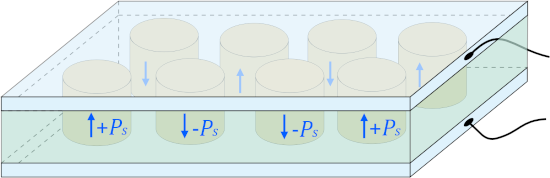
- “down” state. Termination of polarization at the top and bottom surfaces results in bound charges of magnitude mQb = mSPs, where S is the cross-sectional area of the nanodot. These surface-bound charges produce an internal depolarization field, Ed = −mPs/ε0εf, where ε0 is the vacuum dielectric


Interconnection morphology effects on the radio frequency response of carbon nanotube sponges
Beilstein J. Nanotechnol. 2026, 17, 343–351, doi:10.3762/bjnano.17.23
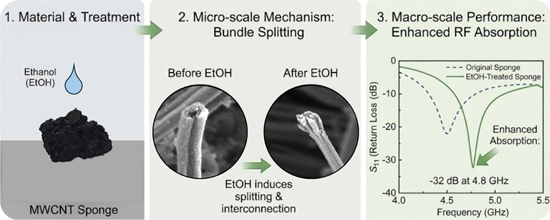
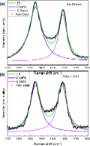
- fits in Figure 5. From the Raman and XPS studies, as well as the SEM micrographs, we conclude that the ethanol treatment induced a change in the structure of the CNS sample, unravelling many of the aggregated tubes, resulting in an increase in pore size and overall available surface area. Without
- using a laser with a wavelength of 532 nm and a power of approximately 15 mW. The photon energy was calibrated using a Si reference. The measurements were performed using a monochromator with 1800 lines·mm−1. The laser power was optimised to prevent laser-induced damage. XPS surface analysis studies
- CNS samples were fixed on a molybdenum sample holder with silver paint kept at a distance of about 40 mm from the anode, the illumination area was about 5 mm × 5 mm, and the take-off angle between the sample surface and the energy analyser was kept at 45°. Survey and high-resolution spectra were




Beam shaping techniques for pulsed laser ablation in liquids: Unlocking tunable control of nanoparticle synthesis in liquids
Beilstein J. Nanotechnol. 2026, 17, 309–342, doi:10.3762/bjnano.17.22
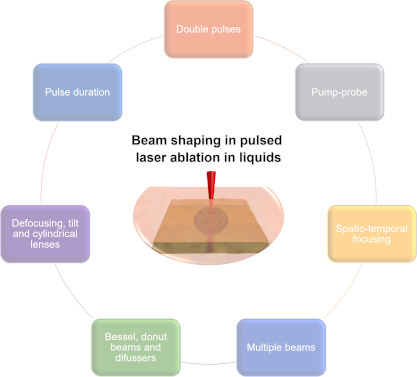
- gas aggregation are highly scalable and productive, though they typically require high temperatures or vacuum systems and may offer limited control over surface chemistry. Compared with these approaches, PLAL provides high-purity colloids with reduced impurities and byproducts, even allowing for
- conditions [21]. The high pressures induce spallation of the target surface, while the plasma interacts with the liquid, vaporising it partially and forming a cavitation bubble (CB) on a nanosecond timescale [22][23][24][25]. Throughout microseconds, the CB grows and collapses, releasing NPs into the liquid
- ][77] and colorimetric sensors [78][79], surface-enhanced Raman spectroscopy detection [71][80][81], nanofluids for thermal applications [82][83][84], additive manufacturing [85][86][87], or catalysis [88][89]. The previously mentioned applications of PLAL-derived NPs can be grouped into four major


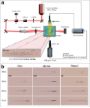

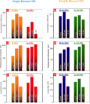


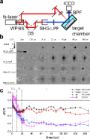


Fast vortex dynamics and relaxation times in NbRe-based heterostructures
Beilstein J. Nanotechnol. 2026, 17, 292–302, doi:10.3762/bjnano.17.20
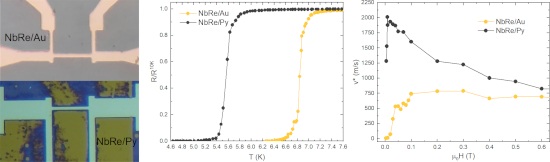
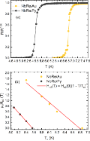
- with the surface perpendicular to the applied field. Resistive transition measurements were performed using a DC bias current Ib = 10 μA. For all samples, the critical temperature was defined as the temperature at which the resistance drops to 50% of the normal-state value measured at T = 10 K (R10K


Advancing nanolithography: a comprehensive review of materials for local anodic oxidation with AFM
Beilstein J. Nanotechnol. 2026, 17, 275–291, doi:10.3762/bjnano.17.19
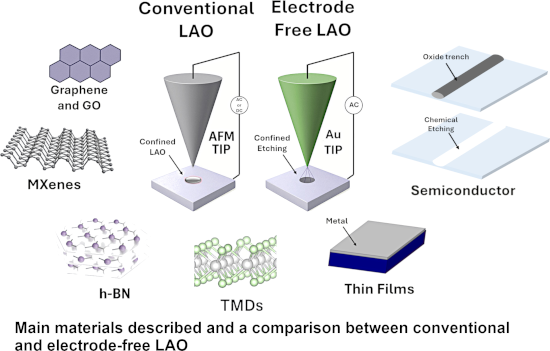
- the application of a voltage bias between a conductive AFM tip and the sample surface, resulting in localized electrochemical reactions. This section delves into the fundamental principles governing LAO, including its mechanisms, controlling factors, fabrication metrics and advancements in the
- technique. 2.1 Mechanism of LAO The key to LAO lies in the formation of a nanoscale water meniscus between the AFM tip and the sample surface, as depicted in Figure 1b. Under ambient humidity, the water layer serves as an electrolyte, enabling electrochemical reactions. When a positive voltage is applied to
- the AFM tip relative to the substrate, the intense electric field (E > 107 V·m−1) [23] within the water meniscus drives oxygen-containing ions (e.g., OH− and O2−) towards the substrate surface. This triggers the oxidation reaction. At the substrate, the ions react with the material, forming newly


Durable antimicrobial activity of fabrics functionalized with zeolite ion-exchanged nanomaterials against Staphylococcus aureus and Escherichia coli
Beilstein J. Nanotechnol. 2026, 17, 262–274, doi:10.3762/bjnano.17.18
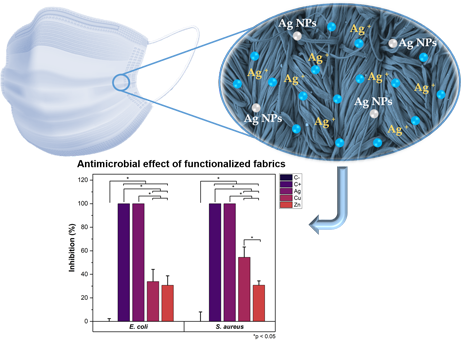
- nanoparticles act against viruses involves the interaction with the surface of the NPs, leading to adhesion and inactivation, thereby preventing the virion from entering the host cell. NPs release ions or transfer them to microorganisms, inducing oxidative stress. Given these possible mechanisms, viral
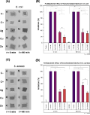
- microorganisms are unable to develop mutations for adaptation and are destroyed [8][9]. Recently, several types of NPs, including silver, copper, and zinc, have demonstrated great potential in antimicrobial applications due to their properties such as high specific surface area, safety for human use, multiple
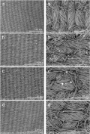
- treating the fibers at the end of the manufacturing process. Those methods require the use of previously prepared NPs, which are then bonded to the textile through chemical bonding or electrostatic interaction. The pad–dry–cure method is an effective alternative for applying nanoparticles to the surface of




Multilayered hyperbolic Au/TiO2 nanostructures for enhancing the nonlinear response around the epsilon-near-zero point
Beilstein J. Nanotechnol. 2026, 17, 251–261, doi:10.3762/bjnano.17.17
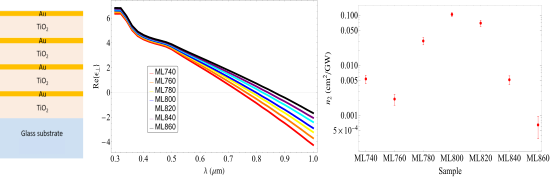
- has been found that layers of gold with a thickness below 10 nm would lead to an inhomogeneous layer with separated gold “islands” throughout the surface rather than a continuous layer [28]. Because of this, we chose to use a gold layer thickness of 10 nm, the limit to have uniform layers found in


Gold nanoparticle-decorated reduced graphene oxide as a highly effective catalyst for the selective α,β-dehydrogenation of N-alkyl-4-piperidones
Beilstein J. Nanotechnol. 2026, 17, 218–238, doi:10.3762/bjnano.17.15
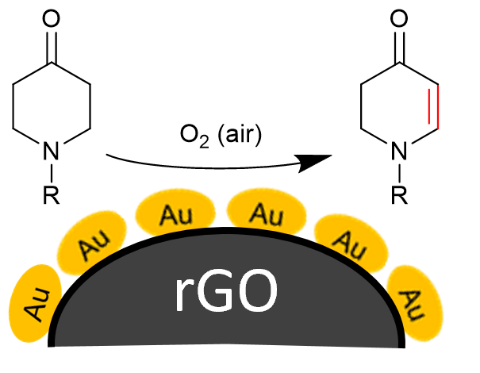
- the dehydrogenation of β-N-substituted saturated ketones and other fine chemical applications. Keywords: oxidative dehydrogenation; reduced graphene oxide; supported gold nanoparticles; β-N-substituted ketones; Introduction The properties related to the high surface area of matter at the nanometric
- catalytic properties of AuNPs stem from their nanoscale size, which increases the surface-to-volume ratio, exposes a higher density of active sites, and induces quantum size effects that modulate the electronic structure [5]. These characteristics collectively enhance their reactivity, selectivity, and
- environments, their tunable surface area and surface chemistry, and electrical conductivity [18][19]. To deposit metal NPs onto a carbon support, procedures such as adsorption or reduction–deposition (RD), co-precipitation, impregnation, and deposition precipitation (DP) are commonly employed [6][19]. Carbon


Micro- and nanoscale effects in biological and bioinspired materials and surfaces
Beilstein J. Nanotechnol. 2026, 17, 214–217, doi:10.3762/bjnano.17.14
- surface structures and their surroundings at nano-, micro-, and macroscales [1]. The physical constraints shaping such interactions are complex for all organisms, including bacteria, plants, and animals and of relevance across all habitats [2]. Understanding these interactions and the functionality of
- hierarchical structures aids in understanding the principles of biological design and inspires advances in biomimetics, mechanical engineering, and materials science. Biomimetics seeks to obtain knowledge on how these structural and material property adaptations affect surface performance and to draw
- to produce surface passivation materials that avoid clot formation in a biomedical context. Lastly, the issue includes reviews on applications of such bioinspired nanotechnologies for cultural heritage protection [24], medical therapeutic treatments [25][26], and vitamin B12 biosensing [27]. Lama et
Time of flight secondary ion mass spectrometry imaging of contaminant species in chemical vapour deposited graphene on copper
Beilstein J. Nanotechnol. 2026, 17, 200–213, doi:10.3762/bjnano.17.13
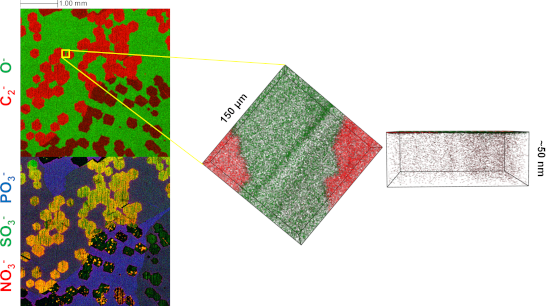
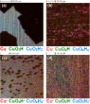
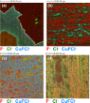
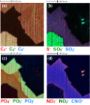
- Cambridge, Cambridge CB3 0FA, United Kingdom 10.3762/bjnano.17.13 Abstract Time of flight secondary ion mass spectrometry (ToF-SIMS) was used to probe the chemistry of graphene grown on copper foil substrates by chemical vapour deposition (CVD) under various growth conditions. The surface sensitivity, mass
- resolving power, and imaging capability of ToF-SIMS allow us to explore variations in the chemical species present on the graphene surface, as well as in three dimensions under the graphene. In this way, we can observe the impact that variations in the chemical composition of the copper foil have on the
- substrate, depending on processing conditions employed and the chemical species present on the surface. This has implications for the gas permeation barrier properties of this material, graphene transfer mechanisms, as well as the effectiveness of using the oxidation of the copper foil as a rapid graphene





Structure-dependent thermochromism of PAZO thin films: theory and experiment
Beilstein J. Nanotechnol. 2026, 17, 186–199, doi:10.3762/bjnano.17.12
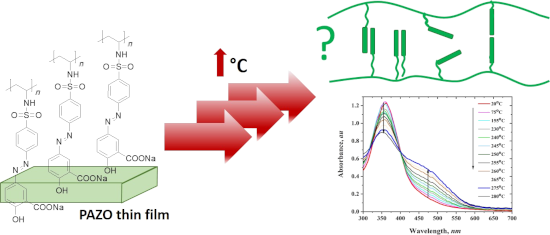
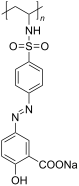
- isomerization leads to various effects, including molecular orientation, formation of surface relief structures, and photomechanical deformations. Consequently, azo polymers have been intensively studied as interesting photoresponsive materials [7][8][9][10][11]. One of the widely studied azo polymers is the
- fluorescence. Moreover, the reorientation of the aggregates themselves appears to demand an even greater energy threshold. The enhancement of absorption around 444 nm is of limited practical utility, as the absorption becomes excessively strong, restricting effective energy delivery to the surface layers of
- with enhanced efficiency or expanded surface coverage. Density functional theory modeling PAZO is a polymer with azobenzene units incorporated as pendant groups attached to the main polymer backbone (Figure 6A). The core of PAZO polymer side chains is the azobenzene fragment (Ar–N=N–Ar), which can


Safe and sustainable by design with ML/AI: A transformative approach to advancing nanotechnology
Beilstein J. Nanotechnol. 2026, 17, 176–185, doi:10.3762/bjnano.17.11
- , health, and safety (EHS) risks. The unique physicochemical properties of ENMs, including their high surface-to-volume ratio and reactivity, often result in unpredictable interactions with, and transformations by, biological and ecological systems [9][10]. Traditional risk assessment approaches, while
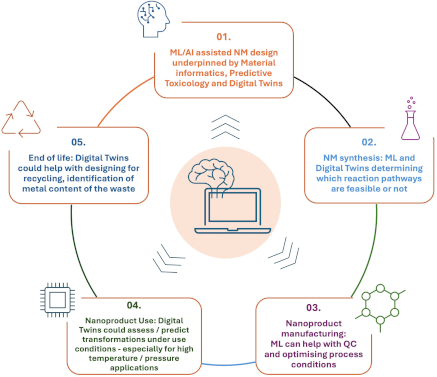
- , temperature, surface coating) on nanomaterial behaviour in complex biological or ecological systems [27]. Examples of AI implications within the NM life cycle are depicted in Figure 1. Crucially, these AI-driven methods harmonize with the SSbD frameworks by embedding safety and sustainability considerations
- and sustainability considerations into nanomaterial development. Need for harmonized testing protocols Establishing standardized and reproducible methodologies for characterizing nanomaterial properties – such as size distribution, surface chemistry, and toxicity profiles – is essential. A unified





