


Search results
Search for "waste" in Full Text gives 127 result(s) in Beilstein Journal of Nanotechnology.
Emerging strategies in the sustainable removal of antibiotics using semiconductor-based photocatalysts
Beilstein J. Nanotechnol. 2025, 16, 264–285, doi:10.3762/bjnano.16.21
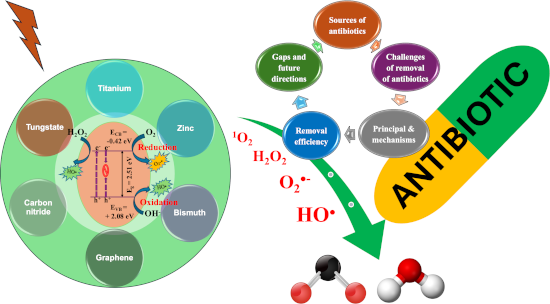
- antibiotics has raised public concern, especially because they are environmental contaminants originating from human and animal waste [5]. These antibiotics can persist without change or as active metabolites in the environment, posing significant toxicity risks to aquatic and human life [6][7][8]. The
- antibiotics to urban water systems [45]. These facilities administer large doses of antibiotics to patients, resulting in the excretion of antibiotic residues through wastewater. Medical waste incineration is a significant source of antibiotic emissions, potentially contributing to the spread of antibiotic
- antibiotics. Multiple sources Antibiotics can enter the environment through various pathways, including wastewater discharges from healthcare facilities, pharmaceutical industry effluents, agricultural runoff, and human and animal waste [48]. However, effectively locating and regulating each source poses a



Biomimetic nanocarriers: integrating natural functions for advanced therapeutic applications
Beilstein J. Nanotechnol. 2024, 15, 1619–1626, doi:10.3762/bjnano.15.127

- involves increased material waste and costs [34][35][53]. Regardless of the membrane-masking technique, various cell types can enhance the efficiency of delivery systems, including immune cells (phagocytes, lymphocytes, and NK cells) [54], erythrocytes [55], platelets [56], cancer cells [57] and hybrid


Natural nanofibers embedded in the seed mucilage envelope: composite hydrogels with specific adhesive and frictional properties
Beilstein J. Nanotechnol. 2024, 15, 1603–1618, doi:10.3762/bjnano.15.126
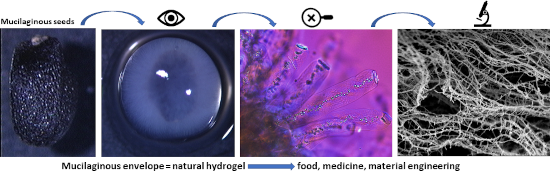
- medical waste“, © Pöllö, published via Wikimedia Commons, distributed under the terms of the Creative Commons Attribution 3.0 Generic License, https://creativecommons.org/licenses/by/3.0/). Salvia hispanica dry seed. (a) The whole seed is covered with mucilaginous cells. (b) The mucilaginous cells (mc


Hymenoptera and biomimetic surfaces: insights and innovations
Beilstein J. Nanotechnol. 2024, 15, 1333–1352, doi:10.3762/bjnano.15.107
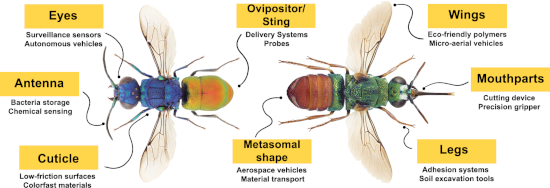
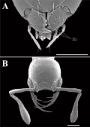
- frequent replacements and repainting, thus conserving resources, and reducing waste [34]. The fashion industry can also benefit greatly from such biomimetic and bioinspired surfaces [38]. By incorporating structural coloration into textiles, designers can create clothing and accessories with striking
- to a reduction in electronic waste, as devices retain their visual appeal over a longer period. The techniques to create biomimetic materials with color producing mechanisms inspired by insects already exist [29][30] and applications of such technology have several possibilities. Hairs The body







Mn-doped ZnO nanopowders prepared by sol–gel and microwave-assisted sol–gel methods and their photocatalytic properties
Beilstein J. Nanotechnol. 2024, 15, 1283–1296, doi:10.3762/bjnano.15.104
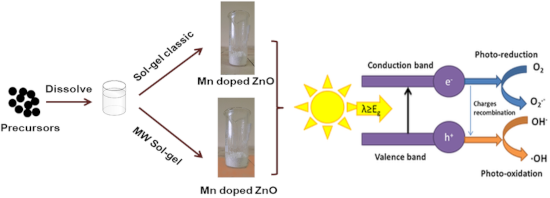
- toxic, and light-responsive. Up to now, advanced oxidation processes (AOPs) were used for the cleaning of waste water. Although AOPs based on engineered materials were performed in conjunction with biological treatments, the need for optimization still remains. Many photoactive semiconductors were


Unveiling the potential of alginate-based nanomaterials in sensing technology and smart delivery applications
Beilstein J. Nanotechnol. 2024, 15, 1077–1104, doi:10.3762/bjnano.15.88
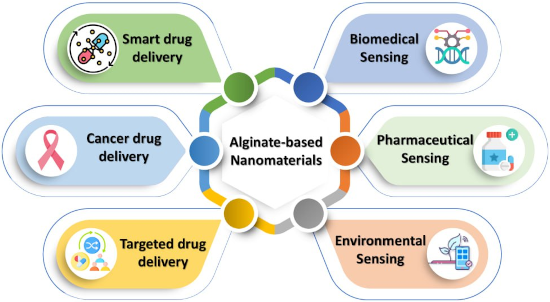
- preparation of alginate-based nanoparticles involves a series of steps that utilize green chemistry principles [52]. Green chemistry involves using sustainable and environmentally friendly processes to minimize the use of hazardous materials and reduce waste. To begin the preparation of alginate-based


Facile synthesis of Fe-based metal–organic frameworks from Fe2O3 nanoparticles and their application for CO2/N2 separation
Beilstein J. Nanotechnol. 2024, 15, 897–908, doi:10.3762/bjnano.15.74
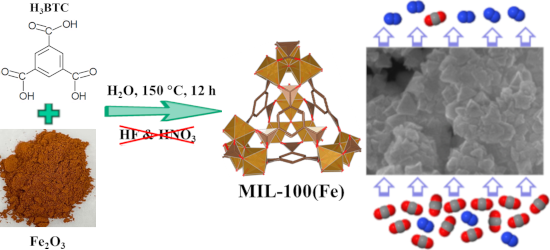
- . Importantly, this route opens a new approach to utilizing Fe2O3-based waste materials from the iron and steel industry in manufacturing Fe-based MIL-100 materials. Keywords: CO2/N2 separation; Fe2O3 nanoparticles; hydrothermal reaction; IAST-predicted CO2/N2 selectivity; MIL-100(Fe); Introduction Metal
- environment. In contrast to metallic iron and iron salts, iron oxides are acknowledged for their easy storage and abundant availability in raw materials derived from natural iron oxidation processes and steelmaking industry waste [29][30]. These characteristics play a crucial role in the selection of


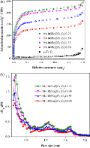

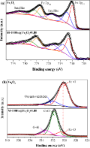
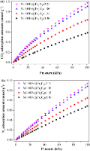


Intermixing of MoS2 and WS2 photocatalysts toward methylene blue photodegradation
Beilstein J. Nanotechnol. 2024, 15, 817–829, doi:10.3762/bjnano.15.68
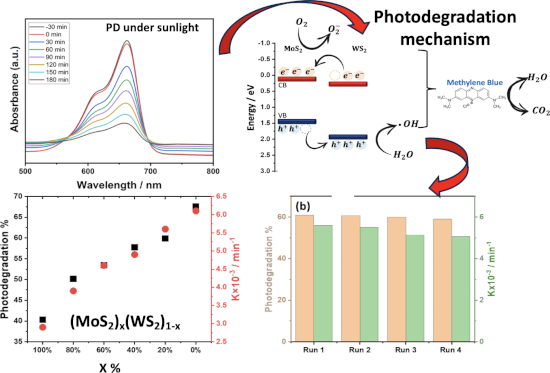
- , directly threatening human health if present in drinking water or in aquatic organisms [8]. In this context, photocatalysis has emerged as a reliable and environmentally friendly solution for MB photodegradation (PD) as it only consumes renewable energy, prevents the formation of secondary waste, and is a


Green synthesis of biomass-derived carbon quantum dots for photocatalytic degradation of methylene blue
Beilstein J. Nanotechnol. 2024, 15, 755–766, doi:10.3762/bjnano.15.63
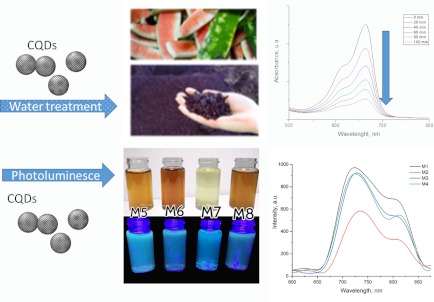
- of CQDs range from sensing and cell imaging to drug delivery, photocatalysis, and energy conversion [26][27][28][29]. In this study, biomass from watermelon shell and grape pomace waste is used as the carbon source. The hydrothermal method employing urea, nitric acid, and water is utilized. Samples
- precursors, this research aims to develop a more sustainable and cost-effective approach for producing CQDs as catalysts in the photocatalysis process. Utilizing watermelon peels and grape pomace as raw materials contributes to waste valorization and promotes a circular economy concept. The ultimate goal is
- precursor selection and chemical conditions. Two organic materials, watermelon rind and grape pomace, were used as the precursors and were obtained from waste generated by the local wine industry. Initially, small pieces of the biomass were cut and placed on metal trays, followed by drying in a convection


Simultaneous electrochemical determination of uric acid and hypoxanthine at a TiO2/graphene quantum dot-modified electrode
Beilstein J. Nanotechnol. 2024, 15, 719–732, doi:10.3762/bjnano.15.60
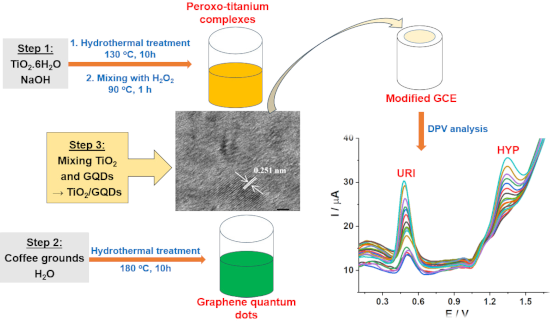
- storage derived from their conjugate structure makes them effectively utilizable over the full light spectrum [13][14]. GQDs can be prepared through solvothermal/hydrothermal processes or carbonization from suitable organic molecules (polymers or biomass) [15]. Biomass waste (e.g., agricultural residues
- and food waste) is a renewable resource for the preparation of high-value carbon materials. Among food wastes, coffee grounds are a promising precursor to prepare GQDs with new functionalities regarding a more sustainable materials industry [16]. Considering the fields of catalysis and


Curcumin-loaded albumin submicron particles with potential as a cancer therapy: an in vitro study
Beilstein J. Nanotechnol. 2023, 14, 1127–1140, doi:10.3762/bjnano.14.93
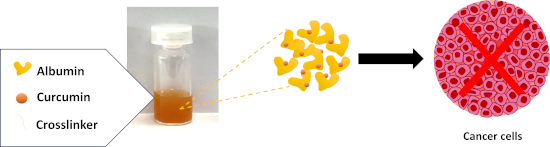
- particles are easily synthesized via cost-effective co-precipitation methods. These techniques are simple, low-cost, and easily scalable, enabling precise control over particle characteristics, including size and morphology, and use inexpensive materials without generating toxic waste. Having established an




Nanomaterials for photocatalysis and applications in environmental remediation and renewable energy
Beilstein J. Nanotechnol. 2023, 14, 722–724, doi:10.3762/bjnano.14.58

- ]. Semiconducting photocatalyst nanomaterials, such as SnO2, TiO2, MoS2, g-C3N4, and Bi-nanostructures have been proven efficient for a range of applications, including organic pollutant removal, NOx degradation, renewable energy production, and waste-to-energy conversion [15][17][18]. Figure 1 shows a general

Mixed oxides with corundum-type structure obtained from recycling can seals as paint pigments: color stability
Beilstein J. Nanotechnol. 2023, 14, 467–477, doi:10.3762/bjnano.14.37
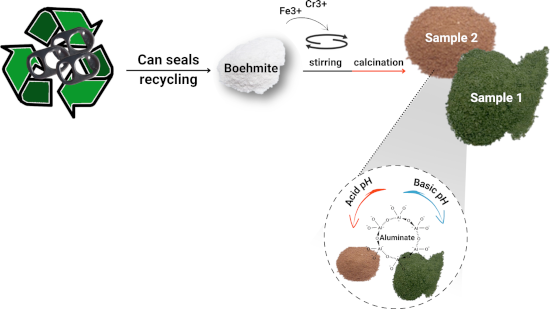
- reducing, repairing, recycling, remanufacturing, and redirecting the life cycle of materials [6], aiming at a regenerative economy without waste [5]. Therefore, this study’s purpose is to prepare synthetic inorganic pigments starting from a synthetic route that includes aluminium recycling from can seals




New trends in nanobiotechnology
Beilstein J. Nanotechnol. 2023, 14, 377–379, doi:10.3762/bjnano.14.32
- infection caused by SARS-CoV-2. Another important topic covered in this thematic issue is presented in this article: “In search of cytotoxic selectivity on cancer cells with biogenically synthesized Ag/AgCl nanoparticles” [7]. This work explores the use of pineapple waste for the synthesis of silver and
- silver chloride nanoparticles, along with the analysis of the selective cytotoxicity of these nanoparticles on healthy and cancerous cells. The work aims to contribute to the production of alternative nanomaterials obtained from waste for therapeutic applications with emphasis on disease mitigation
Bismuth-based nanostructured photocatalysts for the remediation of antibiotics and organic dyes
Beilstein J. Nanotechnol. 2023, 14, 291–321, doi:10.3762/bjnano.14.26
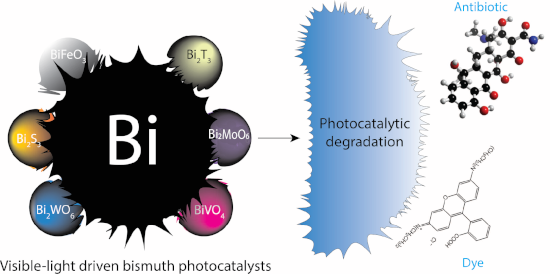
- wastewater treatment techniques, the textile industry is causing concern. The direct release of textile waste into bodies of water without proper treatment to an acceptable level has a negative impact on its aesthetic quality. The presence of organic dyes in bodies of water, even in minute amounts, raises


Recent progress in cancer cell membrane-based nanoparticles for biomedical applications
Beilstein J. Nanotechnol. 2023, 14, 262–279, doi:10.3762/bjnano.14.24
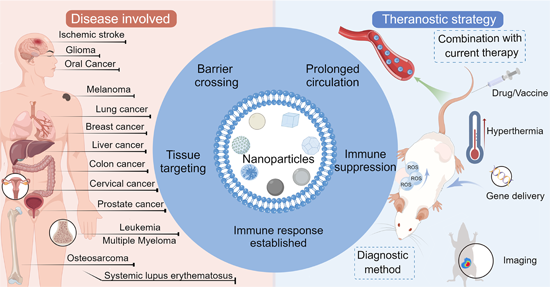
- clinically relevant diagnoses. However, the nature of foreign substances and the inability to efficiently concentrate drugs on specific tissues are unavoidable problems during treatment that lead to unnecessary waste of pharmaceuticals, strong toxic side effects in the body, and failure to achieve the


Non-stoichiometric magnetite as catalyst for the photocatalytic degradation of phenol and 2,6-dibromo-4-methylphenol – a new approach in water treatment
Beilstein J. Nanotechnol. 2022, 13, 1531–1540, doi:10.3762/bjnano.13.126
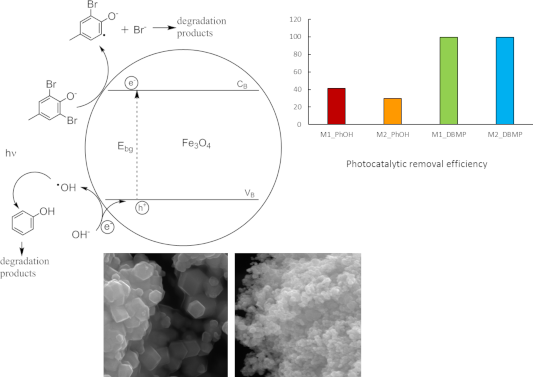
- , BFRs), wood preservatives, and components in the polymer industry [4][5]. Bromophenols from various industries can cause severe contamination of soil, sediment, and water [6][7]. The United States Environmental Protection Agency (US EPA) has listed BPs as hazardous waste with strict environmental


In search of cytotoxic selectivity on cancer cells with biogenically synthesized Ag/AgCl nanoparticles
Beilstein J. Nanotechnol. 2022, 13, 1505–1519, doi:10.3762/bjnano.13.124
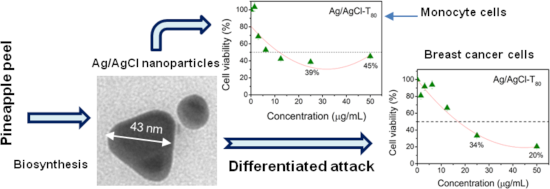
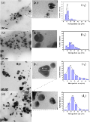
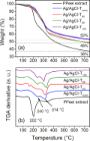
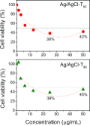
- of this work is based on three major points. Firstly, by taking advantage of using pineapple waste, green synthesis methods were applied to obtain silver nanoparticles. In this way, an alternative use of agricultural residues was created, providing added value to fruit products. The second point is





Recent advances in green carbon dots (2015–2022): synthesis, metal ion sensing, and biological applications
Beilstein J. Nanotechnol. 2022, 13, 1068–1107, doi:10.3762/bjnano.13.93
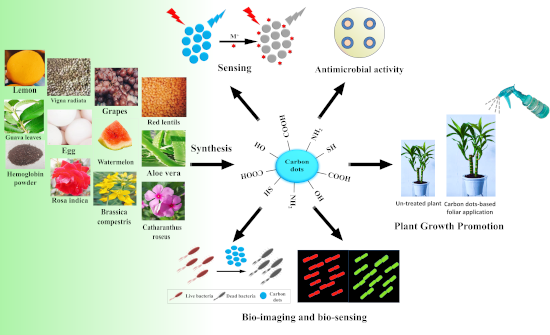
- , a variety of green carbon precursors have been utilized for generating CDs, including fruits, their juices and peels [15][16][17], animal and animal-derived materials, such as milk and hair [18][19][20], and vegetables [21], flowers [22], and leaves [23]. The use of green, sustainable or waste
- materials for the production of CDs is congruous with the objectives of a sustainable development strategy. Owing to the recycling and re-use of organic waste products, environmental friendliness, and low-cost, green synthesis of CDs is preferred over other conventional methods. There are, in general, two
- synthesis of carbon dots Green synthesis of CDs mainly utilizes biomass. Biomass synthesis makes use of natural raw materials (organisms, waste material, protein products, or natural polymers), instead of reaction precursors usually used in the traditional methods, and also requires external energy supply




A comprehensive review on electrospun nanohybrid membranes for wastewater treatment
Beilstein J. Nanotechnol. 2022, 13, 137–159, doi:10.3762/bjnano.13.10
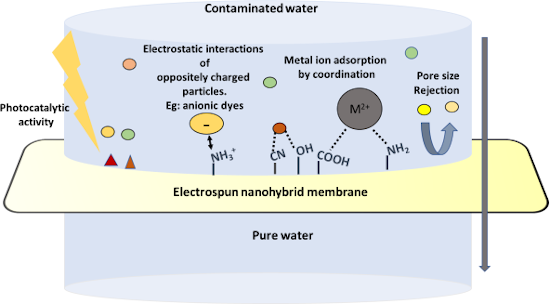
- heavy metals, cations, oils, dyes, and other organic and inorganic chemicals. In recent years, electrospun nanohybrid membranes have been developed and modified for the removal of these pollutants from synthetic/waste water. Heavy metals and other metal cations, such as Cd2+, Pb2+, Cu2+, Ni2+, Hg2+, As3
- hydrophobic PVDF membrane to a hydrophilic membrane with a water contact angle of 22.72°. The nanohybrid membrane showed a dye removal efficiency of 88.9% and an adsorption capacity of 72.6 mg/g for IC [78]. Huong et al. developed a waste protein-immobilized cationic dye removal membrane from PAN. In this





Sputtering onto liquids: a critical review
Beilstein J. Nanotechnol. 2022, 13, 10–53, doi:10.3762/bjnano.13.2
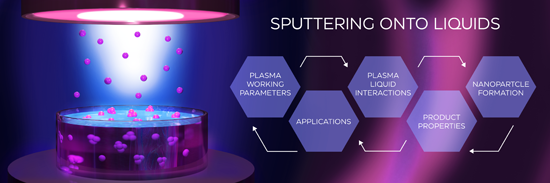
- solvent contamination [16]. However, the production rate is relatively low, and the cost of production is very high, mainly due to the massive waste produced during the synthesis [22]. A further drawback is the large consumption of energy to maintain the required pressure and temperature conditions used


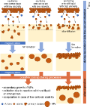


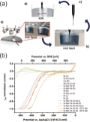


Biocompatibility and cytotoxicity in vitro of surface-functionalized drug-loaded spinel ferrite nanoparticles
Beilstein J. Nanotechnol. 2021, 12, 1339–1364, doi:10.3762/bjnano.12.99
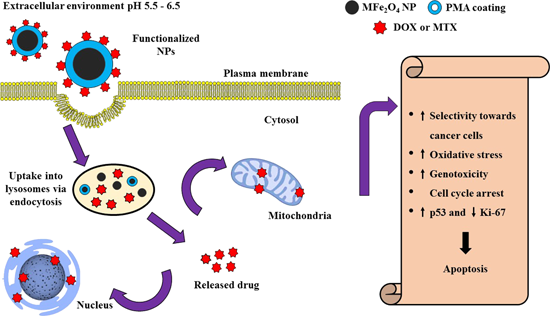
- were incubated with optimized concentrations of EDC and drug (DOX and MTX) for 2 h at room temperature. The drug attachment to the surface of NP was confirmed by UV–vis spectroscopy [30]. The drugs unbound from the samples were removed by 50 KDa centrifugal filters and their concentration in the waste






First-principles study of the structural, optoelectronic and thermophysical properties of the π-SnSe for thermoelectric applications
Beilstein J. Nanotechnol. 2021, 12, 1101–1114, doi:10.3762/bjnano.12.82
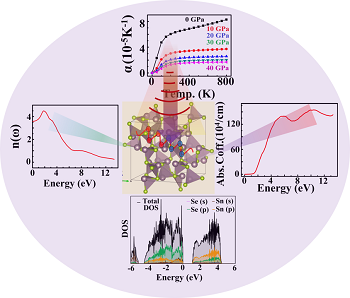
- selenide (SnSe); Introduction Thermoelectric (TE) materials convert the direct and reversible heat energy into electrical energy and offer a probable solution and feasible route for power generation alternatives as well as refrigeration through the accumulation of waste heat [1][2][3] or solar energy [4


An overview of microneedle applications, materials, and fabrication methods
Beilstein J. Nanotechnol. 2021, 12, 1034–1046, doi:10.3762/bjnano.12.77
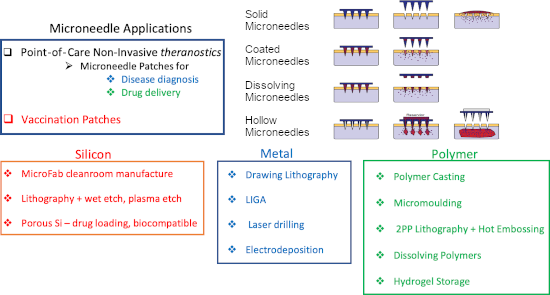
- self-applied, to improve the pharmacokinetic profile of therapeutic component delivery, remove the risk of needle stick injury, and reduce “sharps” and other biohazardous waste. For example, disposable microneedle patches could reduce the transmission of HIV by promoting the growth of self


The role of deep eutectic solvents and carrageenan in synthesizing biocompatible anisotropic metal nanoparticles
Beilstein J. Nanotechnol. 2021, 12, 924–938, doi:10.3762/bjnano.12.69
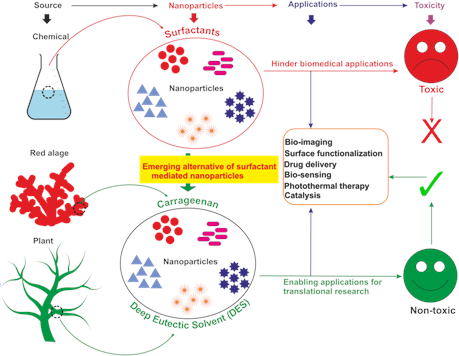
- (RTILs). DESs fairly resemble the RTILs even though there are important differences regarding ecological footprint and price. One is that DESs are predominantly composed of molecules unlike RTILs, which predominantly contain ions. Also, DESs are fairly cheaper and easier to prepare, do not generate waste





